
Green Blockchain and Citizen Science: Empowering Communities to Monitor Environmental Health

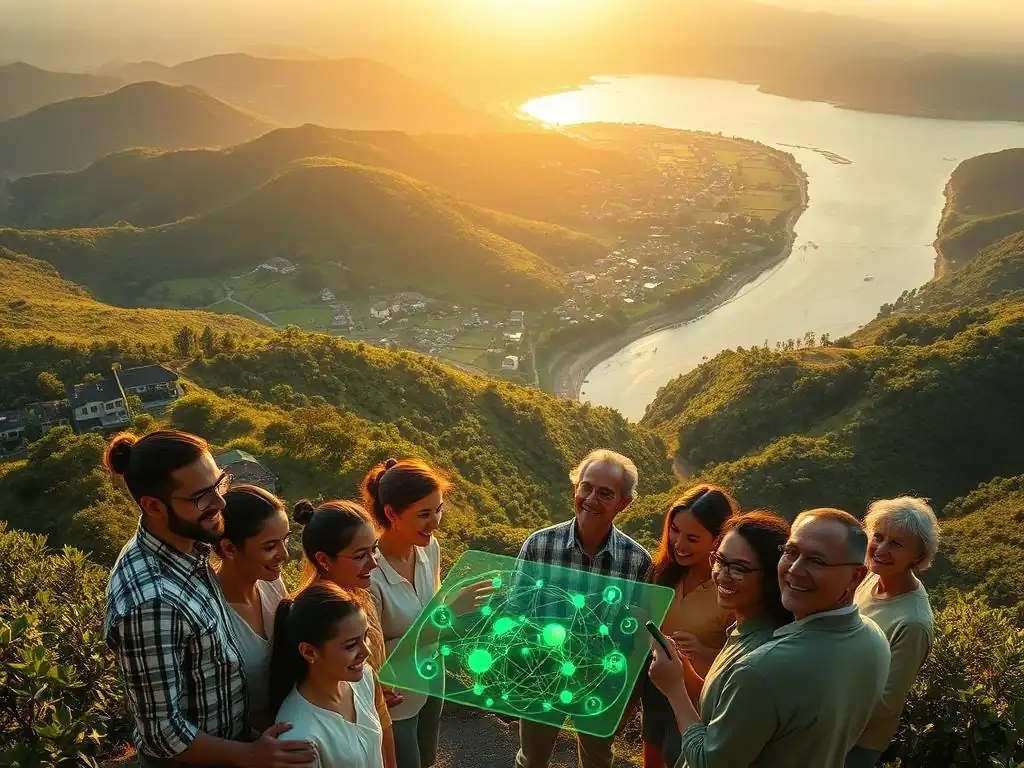
Welcome to Blockchain Trends, your compass in the rapidly evolving world of decentralized technologies!
Are you ready to discover how blockchain is revolutionizing industries beyond just cryptocurrencies? This week, we dive deep into a fascinating application: blockchain environmental monitoring communities. Explore how citizen science, empowered by the immutability and transparency of blockchain, is creating a new paradigm for tracking and protecting our planet's health. Intrigued? Let's unlock the potential of decentralized data for a greener future and discover how blockchain environmental monitoring communities are leading the charge. Read on to learn more!
- Conclusion: Building a Sustainable Future with Decentralized Air Quality Monitoring
-
Frequently Asked Questions
- What is the role of blockchain in environmental monitoring?
- How can blockchain empower citizen science in environmental health?
- What are some potential applications of "Green Blockchain" for environmental monitoring communities?
- How can blockchain help overcome challenges in traditional environmental monitoring?
- What are the key regulatory considerations for implementing blockchain in environmental monitoring?
- Final Reflection: Embracing Decentralized Environmental Stewardship
- Ignite Your Green Impact: Join the Eco-Revolution!
Conclusion: Building a Sustainable Future with Decentralized Air Quality Monitoring

The convergence of blockchain technology and citizen science presents a compelling pathway toward more effective and transparent air quality monitoring. As explored throughout this article, traditional monitoring methods, while essential, often lack the granularity, transparency, and community engagement needed to address the pervasive challenge of air pollution effectively.
By empowering citizens to collect data and leveraging the immutable ledger of blockchain, we can establish robust, decentralized systems that build trust, improve data accuracy, and drive meaningful action at local and global levels. This synergy creates powerful blockchain environmental monitoring communities capable of generating actionable insights and fostering a sense of collective responsibility for environmental health.
Ultimately, the vision is to move towards a future where air quality data is universally accessible, verifiable, and contributed by a global network of citizen scientists and automated sensors, all secured on decentralized ledgers. This decentralized approach not only enhances the reliability of the data used for policy decisions and public health initiatives but also democratizes environmental monitoring.
By fostering the growth of blockchain environmental monitoring communities, we enable citizens to become active participants in safeguarding their environment, providing the data needed to hold polluters accountable and advocate for cleaner air. The journey involves overcoming technical hurdles, ensuring data privacy, and promoting widespread adoption, but the potential for building a more sustainable and healthy future through these innovative collaborations is immense.
Frequently Asked Questions
What is the role of blockchain in environmental monitoring?
Blockchain provides a secure and transparent way to store and verify environmental data. This can foster trust and accountability within environmental monitoring communities. It also allows for immutable record-keeping.
How can blockchain empower citizen science in environmental health?
Blockchain enables citizens to contribute data directly, with assurance of its authenticity. This creates a more decentralized and participatory approach to environmental monitoring. It also incentivizes participation through potential reward systems.
What are some potential applications of "Green Blockchain" for environmental monitoring communities?
"Green Blockchain" applications include tracking carbon emissions, monitoring deforestation, and verifying the sustainability of supply chains. It also ensures the integrity of environmental data collected by local communities. It can also be used for verifying renewable energy credits.
How can blockchain help overcome challenges in traditional environmental monitoring?
Traditional methods often lack transparency and are susceptible to data manipulation. Blockchain addresses these issues by providing a tamper-proof and auditable record. It also promotes greater transparency in data collection and reporting.
What are the key regulatory considerations for implementing blockchain in environmental monitoring?
Regulatory considerations include data privacy, compliance with environmental regulations, and ensuring interoperability with existing systems. Data security and access are also crucial points for regulatory scrutiny. Smart contracts are also subject to legal compliance.
Final Reflection: Embracing Decentralized Environmental Stewardship
The convergence of green blockchain technology and citizen science, as explored in this article, is not merely a theoretical concept; it represents a tangible pathway towards democratizing environmental monitoring and empowering communities. The potential to leverage blockchain's transparency and security to validate citizen-collected data offers a powerful counterpoint to traditional, often centralized, environmental oversight, particularly in underserved areas.
This fusion of technology and community engagement has the potential to reshape how we understand and interact with our environment. The ability for individuals to contribute meaningfully to environmental data collection and analysis, while simultaneously benefiting from the transparency and immutability of blockchain, fosters a sense of ownership and responsibility. As Margaret Mead so eloquently stated: Never doubt that a small group of thoughtful, committed citizens can change the world; indeed, it's the only thing that ever has.
Therefore, let us not simply observe the potential of blockchain environmental monitoring communities from afar. Instead, consider how you can actively participate in this burgeoning movement. Whether it's contributing data, supporting citizen science initiatives, or advocating for the adoption of green blockchain solutions, your involvement can help build a more sustainable and equitable future for all. Embrace the power of decentralized collaboration and become a steward of our planet's health.
Ignite Your Green Impact: Join the Eco-Revolution!
Thank you for exploring the exciting intersection of green blockchain and citizen science. Now that you understand how these technologies can empower communities to monitor environmental health, it's time to take action and become a catalyst for change.
Here's how you can get started:
- Download a citizen science app and contribute your local environmental data. By doing so, you'll help build a transparent and reliable picture of our planet's health. This is the most impactful first step!
- Explore blockchain projects focused on sustainability and consider donating or contributing your skills to help them grow. Many initiatives seek diverse talents, not just developers.
- Share this article with your network and start a conversation about how blockchain can be a force for good in your community. Raising awareness is the first step toward collective action.
What environmental issue in your local area are you most passionate about addressing, and how could citizen science and blockchain contribute? Share your thoughts in the comments below!
Leave a Reply