
Unlocking Voter Engagement: The Potential of Decentralized Voting Systems


Welcome to Blockchain Trends, your guide to navigating the evolving landscape of blockchain technology!
Dive in and explore how this powerful technology is reshaping industries beyond cryptocurrency. Are you ready to discover the unforeseen advantages of a decentralized voting system? This article unlocks the potential for increased transparency, security, and participation, offering a glimpse into the future of governance. Curious to learn more about the decentralized voting system benefits and how they can revolutionize elections? Let's explore the possibilities...
Unlocking Voter Engagement: The Potential of Decentralized Voting Systems
- Introduction: The Need for Secure and Transparent Voting
- Understanding Decentralized Voting Systems
- Decentralized Voting System Benefits: Addressing Key Challenges in Traditional Elections
- How Decentralized Voting Systems Work: A Technical Overview
- Use Cases and Real-World Applications of Blockchain Voting
- Addressing Concerns and Challenges of Decentralized Voting
- The Future of Decentralized Voting: Trends and Predictions
- Conclusion: Empowering Voters and Strengthening Democracy through Decentralized Solutions
-
Frequently Asked Questions
- What are the key benefits of a decentralized voting system compared to traditional methods?
- How does blockchain technology specifically contribute to the security and integrity of a decentralized voting system?
- Beyond security, what other advantages does a decentralized voting system offer in terms of voter accessibility?
- What are some of the regulatory challenges that need to be addressed before widespread adoption of decentralized voting systems?
- How might decentralized voting systems impact future elections and democratic processes globally?
- Final Reflection: Embracing Democratic Evolution
- Empower Your Voice: Dive Deeper into Decentralized Democracy!
Introduction: The Need for Secure and Transparent Voting
In an era defined by digital transformation, the cornerstone of democratic societies – the voting process – remains largely anchored in traditional, often cumbersome, methods. Paper ballots, manual counting, and centralized systems are not only resource-intensive but also increasingly vulnerable to errors and manipulation. This fragility undermines public trust in electoral outcomes and can significantly dampen voter engagement.
The need for more secure, transparent, and accessible voting mechanisms is paramount to bolstering democratic participation and ensuring the integrity of elections in the 21st century. As societies become more digitally integrated, the demand for voting systems that reflect this reality grows stronger, pushing the exploration of innovative solutions that can modernize and fortify the democratic process.
Understanding Decentralized Voting Systems
What is Decentralized Voting? A Blockchain-Based Approach
Decentralized voting represents a paradigm shift in how elections are conducted, leveraging blockchain technology to create voting systems that are inherently more secure, transparent, and resistant to fraud. Unlike traditional voting systems that rely on centralized authorities and databases, decentralized voting distributes control and data across a network of computers. This distribution is achieved through blockchain, a technology that creates a tamper-proof and auditable record of every vote cast.
In essence, decentralized voting systems aim to democratize the electoral process itself by removing single points of failure and enhancing the verifiability of election results. This approach not only increases security but also fosters greater trust and confidence among voters, which is fundamental for a healthy democracy.
Key Features of Decentralized Voting Platforms
Decentralized voting platforms are characterized by a suite of features designed to address the shortcomings of traditional electoral methods. These platforms prioritize voter privacy, election integrity, and accessibility. Key features include cryptographic security to protect votes from tampering, transparent audit trails allowing for public verification without compromising voter anonymity, and enhanced accessibility through online voting options, potentially increasing voter turnout, particularly among remote or marginalized communities.
Furthermore, many decentralized voting systems incorporate smart contracts to automate and enforce voting rules, reducing the potential for human error or manipulation in the vote counting and tabulation processes. These features collectively contribute to a more robust and trustworthy voting experience.
Immutability and Security through Blockchain Technology
One of the most significant advantages of decentralized voting systems lies in their immutability and enhanced security, both directly derived from the underlying blockchain technology. Blockchain, by its nature, creates a permanent and unalterable record of every transaction or, in this case, every vote.
Once a vote is recorded on the blockchain, it cannot be changed, deleted, or manipulated retroactively. This immutability is ensured through cryptographic hashing and consensus mechanisms, which require a vast computational effort to alter even a single block of data, making it practically infeasible for malicious actors to tamper with the voting records.
This robust security infrastructure is crucial for maintaining the integrity of elections and building public confidence in the fairness of the voting process. For example, Estonia, a pioneer in digital governance, while not fully decentralized, utilizes blockchain-inspired technologies to secure aspects of its digital services, showcasing the potential for enhanced security in governmental systems.
Enhanced Transparency and Auditability
Decentralized voting systems offer unprecedented levels of transparency and auditability, addressing a critical area of concern in traditional elections. Every transaction on a blockchain is publicly auditable, meaning that while voter identities remain anonymous, the voting process itself is open to public scrutiny. Independent auditors, election observers, and even individual citizens can verify the integrity of the vote count and ensure that all votes cast are accurately recorded and tallied.
This transparency is a stark contrast to traditional systems where the vote counting process is often opaque and susceptible to claims of irregularities. The ability to independently verify election results fosters greater trust in the democratic process, as it empowers citizens to hold electoral bodies accountable and ensures that elections are conducted fairly and transparently. This enhanced auditability is a core decentralized voting system benefit, contributing to increased public trust.
Accessibility and Convenience for Voters
Decentralized voting systems, particularly those designed for online participation, significantly enhance accessibility and convenience for voters. By enabling voting from anywhere with an internet connection, these systems remove geographical barriers and simplify the voting process, especially for citizens living abroad, individuals with disabilities, or those with mobility limitations. Online voting can also reduce the time and effort required to vote, potentially leading to increased voter turnout, particularly among younger generations who are more comfortable with digital technologies.
Furthermore, decentralized platforms can be designed to be user-friendly and intuitive, making the voting process less intimidating and more engaging for all citizens. This ease of access and convenience is a key decentralized voting system benefit, aiming to make democratic participation more inclusive and accessible to a wider electorate.
Decentralized Voting System Benefits: Addressing Key Challenges in Traditional Elections
Increased Voter Turnout: Making Voting Easier
One of the primary decentralized voting system benefits is the potential to significantly increase voter turnout. Traditional voting methods often require voters to physically go to polling stations during specific hours, which can be inconvenient or impossible for many due to work schedules, geographical distance, disabilities, or other personal circumstances. Decentralized online voting systems eliminate these barriers by allowing citizens to vote from the comfort of their homes or any location with internet access, at their convenience within a broader voting window.
This ease of participation can be particularly impactful in engaging younger demographics and underrepresented communities who may find traditional voting methods less accessible or appealing. Studies on online voting pilots in various countries have shown promising results in terms of increased voter participation, suggesting that decentralized voting could be a powerful tool to revitalize democratic engagement.
Combating Voter Fraud and Ensuring Election Integrity
A critical decentralized voting system benefit is its inherent ability to combat voter fraud and enhance election integrity. Traditional voting systems are vulnerable to various forms of fraud, including ballot stuffing, manipulation of voting machines, and voter impersonation. Decentralized voting, leveraging blockchain's security features, makes these types of fraud significantly more difficult to execute.
The immutability of blockchain records ensures that votes cannot be altered or deleted, while cryptographic techniques and secure voter authentication mechanisms minimize the risk of voter impersonation and multiple voting. Furthermore, the transparent and auditable nature of decentralized systems allows for independent verification of election results, reducing the potential for manipulation and fostering greater public trust in the fairness of elections. The enhanced security against fraud is a paramount decentralized voting system benefit that can significantly strengthen the democratic process.
Reduced Costs Associated with Traditional Voting Methods
Another significant decentralized voting system benefit is the potential for substantial cost reduction compared to traditional voting methods. Traditional elections involve significant expenses related to printing and distributing paper ballots, setting up and staffing polling stations, manual vote counting, and post-election audits. Decentralized online voting systems can significantly reduce or eliminate many of these costs.
While there are initial development and implementation costs associated with decentralized voting platforms, in the long run, the reduced need for physical infrastructure, paper ballots, and manual labor can lead to significant savings for electoral bodies. These cost savings can be reallocated to other crucial public services or used to further enhance the electoral process. For instance, Estonia's e-voting system, while not fully decentralized, has demonstrated cost efficiencies compared to traditional paper-based voting, highlighting the potential for financial benefits.
How Decentralized Voting Systems Work: A Technical Overview
Blockchain Implementation: The Core of Decentralized Voting
Blockchain technology forms the foundational infrastructure for decentralized voting systems. At its core, a blockchain is a distributed, immutable ledger that records transactions in blocks, which are linked together cryptographically. In the context of voting, each vote is recorded as a transaction within a block.
The decentralized nature of the blockchain means that the ledger is not stored in a single location but is distributed across a network of computers, making it resistant to censorship and single points of failure. Consensus mechanisms, such as Proof-of-Stake or Proof-of-Authority, ensure that all nodes in the network agree on the validity of each block before it is added to the chain, maintaining the integrity and security of the voting record. This distributed and secure nature of blockchain is what underpins the core decentralized voting system benefits of transparency, security, and immutability.
Secure Voter Authentication and Identity Verification
Secure voter authentication and identity verification are crucial components of any voting system, and decentralized systems employ sophisticated methods to ensure only eligible voters can participate and prevent voter impersonation. These systems often utilize cryptographic techniques like zero-knowledge proofs and digital identity solutions to verify voter identity without revealing personal information on the blockchain, preserving voter anonymity. Biometric authentication, such as fingerprint or facial recognition, can also be integrated for enhanced security.
Furthermore, some decentralized voting platforms explore the use of verifiable credentials, allowing voters to prove their eligibility based on trusted sources without disclosing sensitive personal data directly to the voting system. Robust voter authentication is paramount for maintaining the integrity of decentralized voting and realizing the full potential of decentralized voting system benefits.
The Voting Process: From Registration to Tallying
The voting process in a decentralized system, while varying slightly depending on the platform, generally follows a streamlined digital workflow. It starts with voter registration, which may involve digital identity verification. Once registered, voters receive secure credentials, often a private key, allowing them to access the voting platform. During the voting period, voters cast their ballots online, and each vote is encrypted and recorded as a transaction on the blockchain.
After the voting period concludes, the votes are tallied automatically by the smart contracts or consensus mechanisms within the blockchain network. The results are then publicly verifiable on the blockchain, ensuring transparency and auditability of the entire process, from registration to tallying. This automated and transparent process is a key aspect of decentralized voting system benefits, streamlining elections and reducing the potential for errors or manipulation.
Use Cases and Real-World Applications of Blockchain Voting
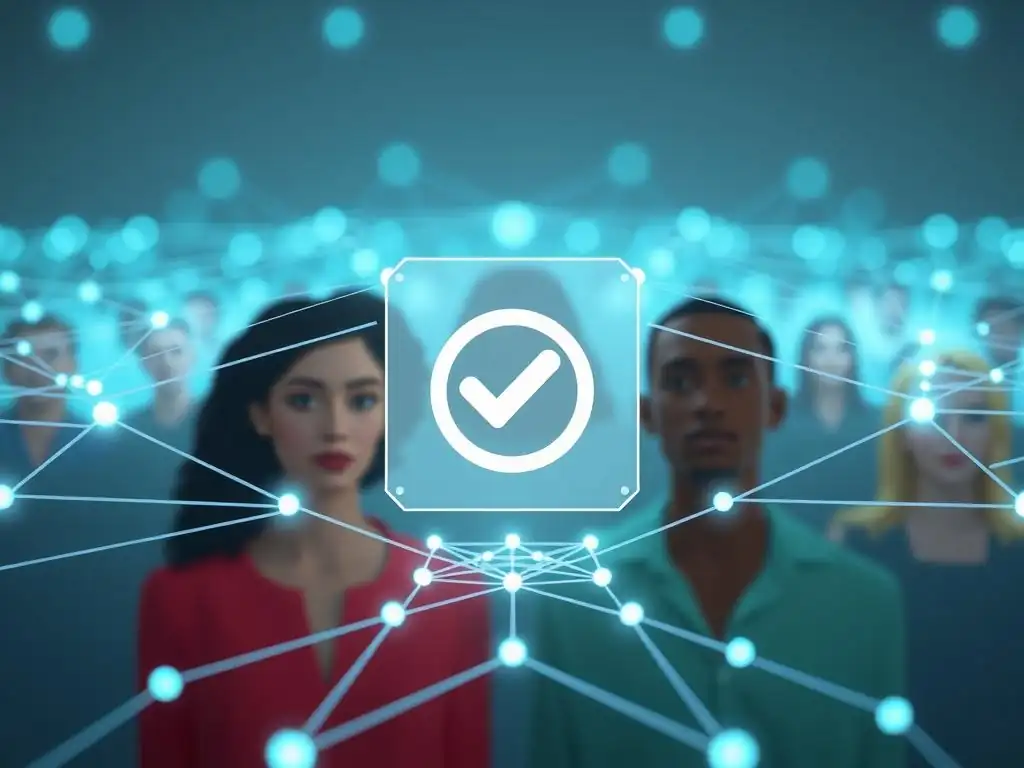
Pilot Programs and Early Adopters
While widespread adoption is still in its nascent stages, decentralized voting systems have been implemented in various pilot programs and by early adopters, demonstrating their practical viability. Organizations and smaller communities have experimented with blockchain-based voting for internal governance and decision-making processes. For example, followmyvote.com conducted several trials of blockchain voting in mock elections and smaller scale real-world scenarios.
Furthermore, some political parties and student organizations have explored decentralized voting for internal elections and referendums. These pilot programs provide valuable insights into the practical implementation challenges and potential benefits of decentralized voting, paving the way for larger-scale adoption and showcasing the real-world applicability of decentralized voting system benefits.
Potential for National and Local Elections
The potential for decentralized voting systems to be implemented in national and local elections is significant. As technology matures and public trust in digital systems grows, governments are increasingly exploring the feasibility of incorporating blockchain-based voting into their electoral processes. The decentralized voting system benefits of increased security, transparency, and accessibility are particularly attractive for large-scale elections, where ensuring election integrity and maximizing voter participation are paramount.
While challenges such as scalability and regulatory frameworks need to be addressed, the long-term potential for decentralized voting to transform national and local elections is substantial, promising more secure, efficient, and democratic electoral processes. Countries like Switzerland and regions within the United States have explored or implemented aspects of digital voting, indicating a growing interest in modernizing electoral systems.
Beyond Elections: Decentralized Governance in DAOs and Organizations
The applications of decentralized voting extend beyond traditional political elections, finding significant utility in decentralized autonomous organizations (DAOs) and various types of organizations seeking transparent and democratic governance models. DAOs, which are organizations governed by code and smart contracts, often rely on decentralized voting systems to enable community members to make collective decisions regarding the organization's direction and resource allocation.
Similarly, corporations, cooperatives, and non-profit organizations can leverage decentralized voting to enhance internal governance, empower stakeholders, and ensure fair and transparent decision-making processes. This broader applicability of decentralized voting demonstrates its versatility and underscores the wider decentralized voting system benefits for governance across diverse organizational structures.
Addressing Concerns and Challenges of Decentralized Voting
Scalability and Performance Issues
Scalability and performance are critical challenges for decentralized voting systems, particularly when considering large-scale national elections. Blockchain networks can face limitations in transaction processing speed and capacity, especially during peak voting periods when a high volume of votes needs to be recorded and verified simultaneously.
Ensuring that decentralized voting platforms can handle the demands of millions of voters without experiencing delays or performance bottlenecks is a significant technical hurdle. Researchers and developers are actively working on scaling solutions for blockchain technology, such as layer-2 scaling solutions and sharding, which could potentially address these scalability concerns and enable decentralized voting to support large electorates while maintaining the core decentralized voting system benefits.
Security Vulnerabilities and Potential Attacks
While decentralized voting systems offer enhanced security compared to traditional methods, they are not immune to security vulnerabilities and potential attacks. Smart contract vulnerabilities, if present in the voting platform's code, could be exploited by malicious actors. Denial-of-service (DoS) attacks could disrupt the voting process by overwhelming the network with traffic.
Furthermore, ensuring the security of voter devices and internet connections is crucial to prevent vote manipulation at the user end. Ongoing security audits, penetration testing, and the adoption of robust security protocols are essential to mitigate these risks and ensure the resilience of decentralized voting systems against potential attacks, safeguarding the core decentralized voting system benefits.
Regulatory Landscape and Legal Considerations
The regulatory landscape and legal considerations surrounding decentralized voting are still evolving and present significant challenges to widespread adoption. Existing election laws and regulations are often designed for traditional paper-based voting systems and may not adequately address the unique characteristics of decentralized online voting. Legal frameworks need to be updated to accommodate decentralized voting, addressing issues such as voter eligibility verification, vote auditing, and legal recourse in case of disputes.
Furthermore, international cooperation and standardization are needed to establish best practices and legal frameworks for cross-border decentralized voting applications. Navigating the complex regulatory landscape and ensuring legal compliance are crucial steps for realizing the full potential of decentralized voting system benefits and facilitating the mainstream adoption of decentralized voting.
The Future of Decentralized Voting: Trends and Predictions
Advancements in Blockchain Technology and Voting Systems
The future of decentralized voting is closely intertwined with advancements in blockchain technology and the ongoing development of specialized voting systems. Innovations in blockchain scalability, security, and user-friendliness will directly impact the feasibility and adoption of decentralized voting. Researchers are exploring new consensus mechanisms, cryptographic techniques, and user interface designs to enhance the performance, security, and accessibility of decentralized voting platforms. The development of interoperable blockchain solutions could also enable seamless integration of decentralized voting systems with existing digital infrastructure and identity management systems, further enhancing the decentralized voting system benefits.
Growing Adoption and Public Acceptance
As awareness of the decentralized voting system benefits grows and successful pilot programs demonstrate their viability, public acceptance and adoption are expected to increase. Younger generations, who are digitally native and more comfortable with online technologies, are likely to be early adopters and advocates for decentralized voting. Increased public demand for more secure, transparent, and accessible voting methods will further drive the adoption of decentralized solutions. Governments and electoral bodies that prioritize modernization and seek to enhance voter engagement are also more likely to explore and implement decentralized voting systems in the coming years.
The Role of Decentralized Voting in Shaping the Future of Governance
Decentralized voting has the potential to play a transformative role in shaping the future of governance, both in political elections and across various organizational structures. By empowering voters, enhancing transparency, and ensuring election integrity, decentralized voting can strengthen democratic processes and foster greater civic participation.
Beyond elections, decentralized governance models enabled by blockchain voting can revolutionize decision-making in DAOs, corporations, and other organizations, promoting more inclusive, transparent, and efficient governance structures. The widespread adoption of decentralized voting could usher in a new era of digital democracy and decentralized governance, realizing the full spectrum of decentralized voting system benefits for societies and organizations worldwide.
Conclusion: Empowering Voters and Strengthening Democracy through Decentralized Solutions
Decentralized voting systems offer a compelling vision for the future of elections and governance. By leveraging the power of blockchain technology, these systems address critical shortcomings of traditional voting methods, enhancing security, transparency, accessibility, and cost-efficiency. The decentralized voting system benefits extend beyond mere technological upgrades; they represent a fundamental shift towards empowering voters, strengthening democratic institutions, and fostering greater trust in electoral processes.
While challenges related to scalability, security, and regulation remain, ongoing advancements and increasing adoption suggest a promising trajectory for decentralized voting. As technology matures and societies become more digitally integrated, decentralized voting systems are poised to play a crucial role in shaping a more democratic and participatory future.
Frequently Asked Questions
What are the key benefits of a decentralized voting system compared to traditional methods?
Decentralized voting systems offer enhanced transparency and security, making it harder to tamper with votes. They can also potentially increase voter turnout by offering more accessible and convenient voting options.
How does blockchain technology specifically contribute to the security and integrity of a decentralized voting system?
Blockchain provides an immutable and auditable ledger of all votes cast. This prevents fraudulent alterations and ensures that every vote is recorded and verifiable, enhancing trust in the system.
Beyond security, what other advantages does a decentralized voting system offer in terms of voter accessibility?
Decentralized systems can allow for remote voting via secure platforms, reducing the need for physical polling stations. This can significantly improve access for voters in remote areas or with disabilities.
What are some of the regulatory challenges that need to be addressed before widespread adoption of decentralized voting systems?
Clear legal frameworks and standards are needed to ensure compliance and prevent misuse. Issues surrounding data privacy and voter authentication also require careful consideration and regulation.
How might decentralized voting systems impact future elections and democratic processes globally?
They could lead to more inclusive and efficient elections, promoting greater citizen participation. However, careful planning and implementation are crucial to avoid potential security vulnerabilities and ensure equitable access.
Final Reflection: Embracing Democratic Evolution
The exploration of decentralized voting systems reveals more than just technological innovation; it highlights a fundamental shift in how we perceive and participate in democracy. The promise of enhanced security, transparency, and accessibility offered by these systems directly addresses the growing concerns about voter trust and participation in traditional elections. This is not merely a theoretical exercise; it's a vital conversation for securing the future of democratic processes in an increasingly digital world.
The potential of decentralized voting to reshape the cultural and social landscape is profound. It offers a pathway to empower marginalized communities, increase voter turnout, and foster a more informed and engaged citizenry. This resonates deeply with the core values of democracy, reminding us that participation is not just a right, but a responsibility. Democracy is not a spectator sport. It requires participation, engagement, and a willingness to hold our leaders accountable.
This quote underscores the urgent need to explore and implement solutions that strengthen the foundations of democratic governance.
As we stand at the cusp of this technological revolution, let us not shy away from embracing the potential of decentralized voting systems. Consider how you can contribute to this evolution, whether through advocating for policy changes, engaging in informed discussions, or simply staying informed about the latest developments. The future of democracy is not predetermined; it is shaped by our collective actions and our willingness to embrace innovation that empowers every voice.
Empower Your Voice: Dive Deeper into Decentralized Democracy!
Thank you for exploring the exciting possibilities of decentralized voting systems with us. We hope this article has highlighted how blockchain technology can transform voter engagement and ensure election integrity. Now, it's time to take action and help shape the future of democracy.
Here's how you can get involved:
- Become an Advocate for Decentralized Voting: Start discussions with your local representatives about how blockchain-based voting systems can improve security, transparency, and accessibility. Your voice can drive meaningful change.
- Explore Open-Source Projects: Investigate existing decentralized voting platforms and consider contributing to their development or suggesting enhancements on community forums and repositories.
- Share Your Insights: Write a brief article or social media post about what you've learned and tag us,
@BlockchainTrendsOrg, to raise awareness and encourage dialogue!
Are you ready to participate in the future of voting? What security challenges do you believe must be addressed before decentralized voting becomes widely adopted? Share your thoughts in the comments below!
Leave a Reply