
A Critical Look at Solana's Technology: Strengths and Weaknesses


Welcome to Blockchain Trends, your go-to source for understanding the revolutionary power of blockchain beyond the hype. Ever wondered if Solana blockchain technology is truly the game-changer it's often touted to be? Dive into our critical analysis of its strengths and weaknesses, exploring the challenges this high-throughput platform faces and what it means for the future of decentralized applications. Is Solana's speed worth the trade-offs? Read on to uncover the truth.
A Critical Look at Solana's Technology: Strengths and Weaknesses
- Introduction to Solana: High-Throughput Blockchain Innovation
-
Solana's Technological Strengths: A Deep Dive
- Proof of History (PoH): Solana's Unique Timekeeping Mechanism
- Turbine: Solana's Block Propagation Protocol for Scalability
- Sealevel: Parallel Transaction Processing on Solana
- Gulf Stream: Mempool-less Transaction Forwarding
- Cloudbreak: Solana's State Architecture
- Pipelining: Optimizing Transaction Processing
- Archivers: Distributed Ledger Storage
-
Solana Blockchain Technology Challenges: Addressing the Weaknesses
- Centralization Concerns: Validator Distribution and Nakamoto Coefficient
- Downtime and Network Stability Issues on Solana
- Security Vulnerabilities and Audit History of Solana
- Resource Requirements and Hardware Demands for Solana Nodes
- The Learning Curve for Solana Developers: Complexity and Accessibility
- Solana vs. Ethereum: A Performance and Decentralization Comparison
- The Future of Solana: Roadmap and Potential Developments
- Conclusion: Evaluating Solana's Potential and Limitations
-
Frequently Asked Questions
- What are the primary Solana blockchain technology challenges related to network congestion?
- How does Solana's architecture aim to overcome Solana blockchain technology challenges related to scalability?
- What are the regulatory hurdles representing Solana blockchain technology challenges for its broader adoption?
- Beyond transaction speed, what are other significant Solana blockchain technology challenges in terms of its ecosystem?
- How do security concerns pose Solana blockchain technology challenges in securing its network?
- Final Reflection: Navigating the Solana Horizon
- Unearth Your Solana Strategy Now!
Introduction to Solana: High-Throughput Blockchain Innovation
Understanding Solana's Position in the Blockchain Landscape
Solana has emerged as a significant player in the blockchain space, particularly noted for its focus on achieving high throughput and low transaction costs. Positioned as a "blockchain for global adoption," it aims to solve the scalability limitations that have plagued earlier blockchain networks like Bitcoin and Ethereum. Unlike these blockchains, which initially prioritized decentralization and security over speed, Solana was architected from the ground up to maximize transaction processing capacity.
This ambition has placed Solana in direct competition with other high-performance blockchains, each vying for dominance in the rapidly evolving landscape of decentralized applications (dApps) and decentralized finance (DeFi). Solana's approach is characterized by a suite of innovative technologies designed to overcome traditional blockchain bottlenecks, making it a compelling platform for applications requiring speed and scale.
Solana's rapid ascent in the blockchain ecosystem is reflected in its market capitalization and the growth of its decentralized application ecosystem. Within a relatively short period, Solana has attracted a significant number of projects and users, particularly in areas like DeFi, NFTs, and gaming, which are highly sensitive to transaction speed and cost. This growth is fueled by the promise of handling thousands of transactions per second (TPS) with significantly lower fees compared to networks like Ethereum.
However, this focus on performance has also brought scrutiny regarding its approach to decentralization and network stability. Understanding Solana's position requires acknowledging its deliberate trade-offs and its ambition to become a foundational layer for a new generation of high-performance decentralized applications.
Why a Critical Analysis of Solana is Necessary
While Solana boasts impressive technical specifications and has garnered substantial attention, a critical analysis of its technology is essential for a balanced understanding of its capabilities and limitations. The blockchain space is rife with projects making bold claims, and Solana is no exception. Enthusiastic narratives often overshadow the nuances of its architecture and the real-world implications of its design choices.
A critical examination moves beyond the hype to assess the actual strengths and weaknesses of Solana's technology, particularly in the context of its stated goals and the broader blockchain ecosystem. This is crucial for developers, investors, and users who need to make informed decisions about engaging with the Solana network.
Furthermore, the rapid evolution of blockchain technology necessitates ongoing evaluation and adaptation. Solana, while innovative, is not immune to challenges and criticisms. Its pursuit of high throughput has led to design choices that differ significantly from more established blockchains, and these choices have implications for decentralization, security, and network resilience.
Examining these trade-offs is not about dismissing Solana's potential but rather about fostering a realistic perspective on its current state and future trajectory. A critical analysis, focusing on both the strengths and weaknesses of Solana blockchain technology, is vital for ensuring responsible development and adoption within the blockchain industry and for understanding the real-world applicability of high-performance blockchain solutions.
Solana's Technological Strengths: A Deep Dive
Proof of History (PoH): Solana's Unique Timekeeping Mechanism
Proof of History (PoH) is arguably the most distinctive innovation within Solana's technology stack. Unlike traditional blockchains that rely on consensus mechanisms like Proof of Work (PoW) or Proof of Stake (PoS) to order transactions and create blocks, PoH provides a cryptographic timestamp for transactions, occurring before they are added to a block. This is achieved through a Verifiable Delay Function (VDF) that allows nodes to cryptographically prove the passage of time between events without needing to communicate with other nodes.
In essence, PoH creates a historical record of events, establishing order and time in a decentralized manner without the latency inherent in traditional consensus processes. This pre-ordering of transactions significantly streamlines block production and consensus, contributing directly to Solana's high transaction throughput.
The practical impact of Proof of History is profound for Solana's performance. By eliminating the need for nodes to constantly communicate to agree on transaction order, PoH drastically reduces consensus overhead. Independent validation of the time sequence embedded within the blockchain allows for faster block times and increased transaction processing speeds.
For example, while Ethereum block times are around 13 seconds, Solana aims for block times as low as 400 milliseconds. This speed advantage is crucial for applications demanding near real-time transaction finality, such as high-frequency trading platforms or real-time gaming. PoH is a foundational element that underpins Solana's ability to achieve significantly higher throughput compared to blockchains that rely solely on traditional consensus mechanisms for transaction ordering.
Turbine: Solana's Block Propagation Protocol for Scalability
Turbine is Solana's custom block propagation protocol designed to efficiently disseminate block data across the network. In typical blockchains, broadcasting blocks to all nodes can become a bottleneck as network size and transaction volume increase. Turbine tackles this challenge by employing a technique similar to BitTorrent, breaking blocks into smaller packets and propagating them using User Datagram Protocol (UDP).
This packetization allows for parallel transmission of block data, reducing the time it takes for blocks to reach all validators in the network. Instead of each validator having to download the entire block from a single source, they receive packets from multiple peers, significantly speeding up the propagation process and improving overall network efficiency.
The efficiency gains from Turbine are critical for maintaining Solana's high throughput as the network scales. By optimizing block propagation, Turbine minimizes the time validators spend waiting for block data, allowing them to quickly participate in the consensus process and validate subsequent transactions.
This faster propagation contributes to lower latency and faster confirmation times, enhancing the user experience and enabling the network to handle a larger volume of transactions. For instance, in a high-throughput scenario with large block sizes, a traditional block propagation method could lead to significant delays, whereas Turbine's packetization and parallel transmission mitigate this bottleneck, ensuring that validators can process blocks and transactions at a rapid pace.
Sealevel: Parallel Transaction Processing on Solana
Sealevel is Solana's groundbreaking parallel transaction processing engine, a key differentiator that allows it to process thousands of smart contracts in parallel. Most blockchains process transactions sequentially, meaning one transaction must be fully processed and validated before the next one can begin. This sequential processing becomes a significant bottleneck as transaction volume increases.
Sealevel overcomes this limitation by allowing transactions that do not affect the same state to be processed concurrently. It achieves this by enabling smart contracts to specify upfront which state they will read and write, allowing the engine to schedule non-overlapping transactions for parallel execution across multiple CPU cores or GPUs.
The impact of Sealevel on Solana's performance is transformative. By enabling parallel processing, Solana can significantly increase its transaction throughput without being limited by single-threaded execution. For applications with high transaction concurrency, such as decentralized exchanges or NFT marketplaces where many users are interacting simultaneously, Sealevel ensures that the network can handle the load efficiently.
For example, if two smart contracts are designed to interact with different accounts or data segments, Sealevel can execute them in parallel, effectively multiplying the network's processing capacity. This parallel execution engine is a core component of Solana's architecture that contributes substantially to its high performance claims.
Gulf Stream: Mempool-less Transaction Forwarding
Gulf Stream is Solana's mempool-less transaction forwarding protocol designed to reduce confirmation times and validator load. Traditional blockchains typically use a mempool (memory pool) where pending transactions are stored before being included in a block. Validators then select transactions from the mempool to include in the next block. However, a large mempool can become a source of congestion and latency. Gulf Stream bypasses the traditional mempool by forwarding transactions directly to validators before they become leaders (block producers). This proactive forwarding allows validators to begin processing transactions earlier, reducing confirmation times and streamlining the block production process.
The advantage of Gulf Stream is in accelerating transaction confirmation and reducing the workload on validators. By pre-forwarding transactions, validators can start executing and validating them even before they are officially designated as block producers. This reduces the time it takes for transactions to be included in a block and achieve finality.
Furthermore, by eliminating the need for a large mempool, Gulf Stream reduces memory overhead and simplifies transaction management for validators. For users, this translates to faster transaction confirmations and a smoother experience, particularly during periods of high network activity. Gulf Stream is a crucial optimization that enhances Solana's responsiveness and efficiency in handling transaction flow.
Cloudbreak: Solana's State Architecture
Cloudbreak is Solana's horizontally scaled accounts database, optimized for concurrent reads and writes, addressing the storage challenges of a high-throughput blockchain. In many blockchains, state data (account balances, smart contract code, etc.) is stored in a monolithic database, which can become a bottleneck as the network grows and transaction volume increases.
Cloudbreak is designed as a distributed ledger storage solution that allows for parallel access to account data, enabling Solana to handle the high volume of reads and writes required for its high transaction throughput. It is structured to support concurrent operations, minimizing contention and maximizing efficiency in accessing and updating state data.
The importance of Cloudbreak lies in its ability to sustain Solana's high performance even with a growing state size and increasing transaction load. By horizontally scaling the accounts database, Cloudbreak ensures that the network does not become bottlenecked by storage limitations. The concurrent read and write capabilities are essential for Sealevel's parallel transaction processing, as multiple transactions may need to access and modify state data simultaneously.
For example, in a DeFi application with frequent interactions with smart contracts and account balances, Cloudbreak ensures that the network can handle these operations without performance degradation. This optimized state architecture is a critical component that underpins Solana's scalability and ability to manage a large and active blockchain state.
Pipelining: Optimizing Transaction Processing
Pipelining is an optimization technique employed by Solana to further enhance transaction processing speed by overlapping different stages of transaction validation. In a typical blockchain, transaction processing might involve sequential stages: fetching transaction data, signature verification, program execution, and state updates. Pipelining allows Solana to perform these stages concurrently for different transactions. While one transaction is undergoing signature verification, the next transaction can be fetching data, and the transaction after that can be starting program execution. This overlapping of processing stages maximizes the utilization of system resources and reduces idle time in the transaction processing pipeline.
The benefit of pipelining is to increase the overall throughput of the transaction processing pipeline without requiring faster individual processing stages. By keeping different parts of the system busy simultaneously, pipelining effectively increases the number of transactions that can be processed within a given timeframe. This optimization is analogous to an assembly line in manufacturing, where different tasks are performed concurrently to increase production efficiency.
For Solana, pipelining contributes to achieving higher transaction processing rates and lower latency, further enhancing its performance capabilities. It's a refined technique that leverages parallelism at the micro-level to maximize efficiency within the transaction validation process.
Archivers: Distributed Ledger Storage
Archivers are nodes in the Solana network responsible for storing historical ledger data, offloading this burden from validators and enhancing network scalability. As a blockchain accumulates transactions, the size of the ledger grows significantly. Requiring all validators to store the entire ledger can become resource-intensive and limit scalability.
Archivers address this by providing a distributed storage solution for historical data. These nodes are incentivized to store ledger data and make it available to the network when needed, freeing up validators to focus on processing new transactions and maintaining consensus. This separation of storage and validation roles is a key design feature that contributes to Solana's long-term scalability.
The role of Archivers is crucial for ensuring that Solana can maintain its high performance as the blockchain's history grows. By distributing ledger storage across a network of dedicated nodes, Solana avoids the storage bottleneck that can hinder other blockchains. Validators can operate more efficiently without needing to manage the ever-increasing volume of historical data.
Archivers contribute to the network's resilience and data availability by providing redundant storage of the ledger. For example, if a validator needs to access historical transaction data for audit purposes or state reconstruction, they can retrieve it from the Archiver network. This distributed storage architecture is essential for Solana's ability to scale and maintain performance over time as the blockchain accumulates more data.
Solana Blockchain Technology Challenges: Addressing the Weaknesses
Centralization Concerns: Validator Distribution and Nakamoto Coefficient
Despite its technological advancements, Solana faces persistent concerns regarding centralization, particularly concerning validator distribution and its Nakamoto coefficient. The Nakamoto coefficient, a measure of decentralization, represents the minimum number of validators that would need to collude to compromise the network. While precise figures fluctuate, Solana's Nakamoto coefficient has often been cited as being lower compared to more established blockchains like Bitcoin or Ethereum.
This suggests that a smaller number of validators control a significant portion of the network's stake, potentially increasing the risk of collusion or censorship. The high hardware requirements and operational complexity for running a Solana validator contribute to this centralization, making it less accessible to smaller participants.
The practical implications of this perceived centralization are multifaceted. A lower Nakamoto coefficient can raise concerns about the network's censorship resistance and its vulnerability to attacks. If a relatively small group of validators controls a majority of the stake, they could theoretically collude to manipulate transaction ordering or censor certain transactions.
Furthermore, the concentration of validator power can influence governance decisions and potentially lead to less community-driven development. While Solana Foundation has initiatives to encourage wider validator participation and improve decentralization, the high barrier to entry for validators remains a significant challenge. Addressing these centralization concerns is critical for ensuring the long-term security and resilience of the Solana network and for fostering greater trust within the blockchain community.
Downtime and Network Stability Issues on Solana
Solana has experienced a number of notable network outages and periods of instability, raising concerns about its resilience and reliability as a high-performance blockchain. Unlike blockchains like Bitcoin and Ethereum, which have demonstrated remarkable uptime over many years, Solana has suffered multiple instances of network congestion and complete halts in transaction processing.
These incidents, often attributed to factors like denial-of-service attacks, excessive transaction load, or software bugs, have disrupted network operations and impacted users and applications relying on Solana. The frequency and severity of these outages have become a significant point of criticism and a challenge to Solana's reputation for robustness.
Analyzing Past Solana Network Outages: Causes and Impact
Several Solana network outages have been documented, each with varying causes and impacts. In September 2021, the Solana network experienced a 17-hour outage attributed to a denial-of-service attack that flooded the network with a massive influx of transactions, overwhelming validators and causing a fork in the network. Later, in May 2022, the network halted again for several hours due to botting activity during an NFT mint, which similarly overloaded the network.
These outages, and others, have highlighted vulnerabilities in Solana's network architecture and its susceptibility to congestion under stress. The impact of these outages has ranged from temporary disruptions in trading on DeFi platforms and delays in NFT transactions to broader concerns about the network's reliability for critical applications.
The consequences of these outages extend beyond immediate transactional disruptions. Network downtime erodes user confidence and can deter developers and businesses from building on or migrating to Solana. Each outage requires significant effort to diagnose, resolve, and implement fixes, diverting resources from other development priorities.
Furthermore, the financial impact of these outages can be substantial, particularly for DeFi platforms and traders who rely on continuous network operation. For example, during the September 2021 outage, the price of SOL, Solana's native token, experienced a significant drop, reflecting market concern over network stability. Analyzing these past outages is crucial for understanding the underlying weaknesses in Solana's technology and for developing effective mitigation strategies.
Mitigation Strategies for Improving Solana's Network Resilience
Solana developers are actively working on various mitigation strategies to improve network resilience and prevent future outages. These efforts include enhancing network monitoring and alerting systems to detect and respond to anomalies more quickly. Improvements to congestion control mechanisms are being implemented to better manage transaction surges and prevent network overload. Software updates and patches are regularly deployed to address identified vulnerabilities and bugs that could contribute to network instability. Furthermore, there are ongoing efforts to optimize validator client software and network infrastructure to enhance overall performance and fault tolerance.
Beyond technical fixes, diversifying the validator base and increasing decentralization can also contribute to network resilience. A more geographically distributed and diverse validator set can reduce the risk of coordinated attacks or single points of failure. Education and support programs are being implemented to encourage more independent validators to participate in the network, lowering the barrier to entry and fostering greater decentralization.
Long-term strategies also involve exploring layer-2 scaling solutions and other architectural enhancements to further improve Solana's capacity to handle high transaction volumes and maintain network stability even under extreme conditions. These combined mitigation efforts are essential for addressing the persistent challenges of downtime and ensuring Solana's long-term reliability as a robust blockchain platform.
Security Vulnerabilities and Audit History of Solana
While Solana boasts advanced technological features, its security vulnerabilities and audit history require careful consideration. Like any complex software system, Solana is not immune to potential vulnerabilities. Although Solana undergoes regular security audits by reputable firms, the relative novelty of some of its core technologies, such as Proof of History and Sealevel, means that the long-term security implications are still being fully assessed.
The rapid pace of development and the continuous introduction of new features can also introduce new attack vectors and vulnerabilities that may not be immediately apparent. A thorough and ongoing commitment to security audits and proactive vulnerability management is crucial for maintaining the integrity of the Solana network.
The audit history of Solana, while demonstrating a commitment to security, also reveals areas that require ongoing attention. Audit reports have identified potential vulnerabilities in various components of the Solana protocol, ranging from smart contract execution environments to consensus mechanisms. While many of these identified vulnerabilities have been addressed through software updates and patches, the fact that they exist underscores the inherent complexities of securing a high-performance blockchain.
Furthermore, the relatively short operational history of Solana compared to more established blockchains means that its resilience to real-world attacks over extended periods is still being tested. A transparent and proactive approach to security, including public disclosure of audit findings and timely remediation of vulnerabilities, is essential for building trust in Solana's security posture.
Resource Requirements and Hardware Demands for Solana Nodes
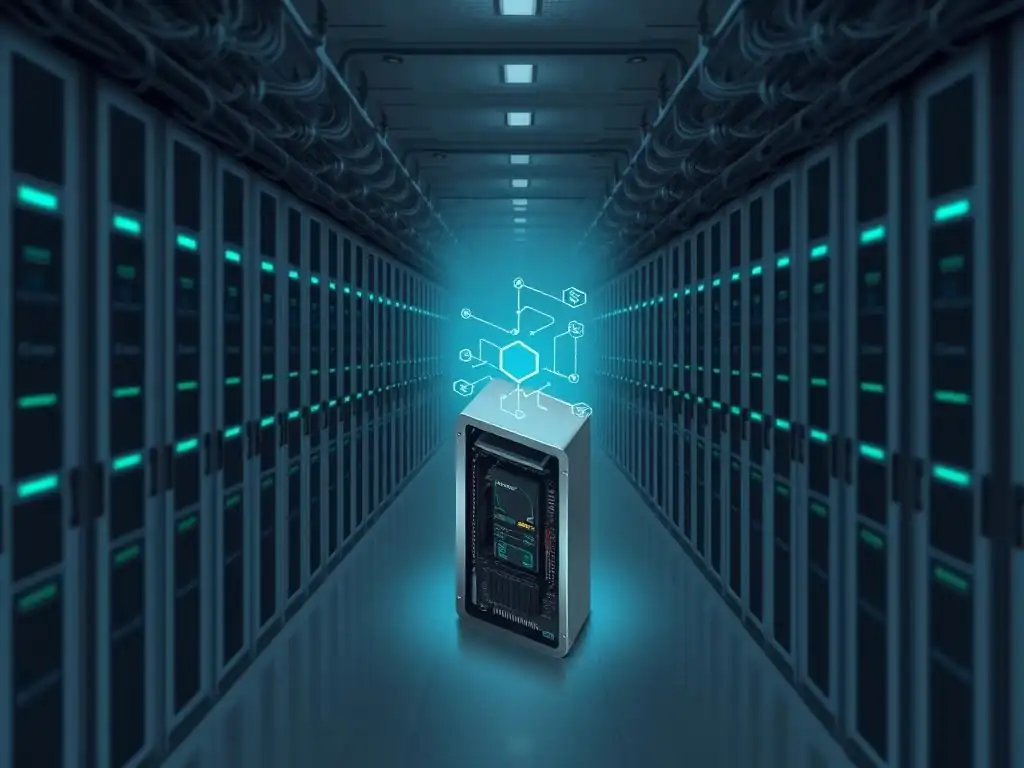
Running a Solana validator node demands significant computational resources and specialized hardware, posing a barrier to entry for many potential validators and contributing to centralization concerns. Compared to running nodes on blockchains like Bitcoin or Ethereum, Solana validator nodes require high-end servers with powerful CPUs, substantial RAM, fast storage (NVMe SSDs), and high-bandwidth internet connections.
These hardware requirements translate to considerable upfront and ongoing operational costs, making it economically challenging for individuals or smaller entities to participate as validators. The high resource demands create a natural selection process that favors larger, well-funded organizations, potentially leading to a more concentrated validator set.
The practical consequences of these high resource requirements are evident in the distribution of Solana validators. Data suggests that a significant portion of the Solana validator network is operated by professional staking providers and larger institutional entities, rather than a broad base of independent validators. This concentration of validator power raises concerns about network decentralization and resilience.
Furthermore, the high cost of running a validator node can limit innovation and experimentation, as smaller developers or researchers may be unable to afford the necessary infrastructure to participate in the network at a fundamental level. Addressing the resource intensity of Solana validator nodes is crucial for fostering greater decentralization and broader participation in the network.
The Learning Curve for Solana Developers: Complexity and Accessibility
Developing applications on Solana presents a steeper learning curve compared to platforms like Ethereum, primarily due to its unique architecture and programming model. Solana utilizes Rust as its primary programming language for smart contracts (programs), which, while powerful and efficient, is known for its complexity and relatively smaller developer community compared to Solidity, the language widely used on Ethereum. Furthermore, Solana's parallel processing model and account-based architecture require developers to adopt different programming paradigms and understand intricate details of the network's internal workings to optimize application performance and avoid potential pitfalls.
The complexity of Solana development can impact the growth and accessibility of its ecosystem. The steeper learning curve may deter some developers, particularly those new to blockchain development or those familiar with Solidity and the Ethereum Virtual Machine (EVM). This can lead to a smaller pool of Solana developers and potentially slower ecosystem growth compared to platforms with lower barriers to entry.
While Solana offers comprehensive developer documentation and tools, mastering the intricacies of its architecture and programming model requires a significant investment of time and effort. Simplifying the developer experience, providing more accessible tooling, and fostering a larger and more supportive developer community are crucial for broadening the adoption of Solana and attracting a wider range of developers to build on the platform.
Solana vs. Ethereum: A Performance and Decentralization Comparison
Transaction Speed and Scalability: Solana's Edge
In terms of transaction speed and scalability, Solana undeniably holds a significant edge over Ethereum in its current state. Solana's architecture, specifically designed for high throughput, allows it to theoretically process thousands of transactions per second (TPS), often cited as upwards of 50,000 TPS in ideal conditions. In contrast, Ethereum, prior to its major upgrades, historically processed around 15-30 TPS.
While Ethereum's transition to Proof of Stake (PoS) and ongoing scaling efforts, such as sharding, aim to significantly improve its throughput, Solana's current performance capabilities are substantially higher. This performance advantage translates to faster transaction confirmations and lower transaction fees on Solana, making it attractive for applications requiring high speed and low cost.
The practical implications of this performance difference are evident in the types of applications that thrive on each platform. Solana has become a popular choice for applications like decentralized exchanges (DEXs), NFT marketplaces, and blockchain-based games that demand high transaction throughput and low latency. Ethereum, while still dominant in DeFi and NFTs, has historically faced challenges with network congestion and high gas fees, particularly during periods of peak demand.
While Ethereum's Layer-2 solutions are mitigating these issues, Solana's native Layer-1 performance advantage remains a key differentiator. For users and developers prioritizing speed and scalability in the immediate term, Solana offers a compelling alternative to Ethereum.
Decentralization and Security Trade-offs: Ethereum's Resilience
While Solana excels in performance, Ethereum is often perceived as having stronger decentralization and security, reflecting different design priorities and trade-offs. Ethereum, with its larger validator set (hundreds of thousands compared to Solana's hundreds to thousands) and more geographically diverse distribution, is generally considered more decentralized.
Ethereum's Proof-of-Stake consensus mechanism, while still evolving, aims to achieve a balance between security and energy efficiency, and its longer operational history has demonstrated robust network resilience against attacks. Solana, in its pursuit of high throughput, has made design choices that some argue have come at the cost of decentralization and potentially increased vulnerability to certain types of attacks.
The trade-offs between performance and decentralization/security are inherent in blockchain design. Solana's focus on maximizing throughput has led to a more streamlined and potentially more centralized architecture. Ethereum's emphasis on decentralization and security has historically resulted in lower throughput and higher fees, although this is actively being addressed through ongoing upgrades.
The choice between Solana and Ethereum often comes down to prioritizing performance versus decentralization and security. For applications where raw speed and low cost are paramount, Solana may be preferred. For applications where robust decentralization and long-term security are the primary concerns, Ethereum, despite its historical performance limitations, may be considered a more conservative and resilient option.
Ecosystem and Developer Community: Comparing Growth and Adoption
Both Solana and Ethereum boast vibrant ecosystems and active developer communities, but they differ in their stage of development and areas of focus. Ethereum, as the older and more established platform, has a significantly larger and more mature ecosystem, with a vast array of DeFi protocols, NFT platforms, and developer tools.
Ethereum's developer community is also considerably larger, benefiting from a longer history and wider adoption of Solidity as its primary smart contract language. Solana, while newer, has experienced rapid ecosystem growth, particularly in areas like DeFi, NFTs, and gaming, attracting a significant number of projects and developers seeking high performance and lower fees.
Comparing ecosystem growth and adoption requires considering both quantitative and qualitative factors. Ethereum's ecosystem, while larger, has faced challenges with scalability and high gas fees, potentially hindering further growth in certain areas. Solana's ecosystem, while smaller, is growing rapidly and is attracting projects that are pushing the boundaries of blockchain performance.
The developer community around Solana is also expanding, albeit from a smaller base. The choice between ecosystems often depends on the specific needs of a project. Ethereum offers a more mature and established ecosystem with a larger developer pool, while Solana provides a rapidly growing ecosystem focused on high-performance applications and attracting a new wave of developers seeking to build on a faster and more cost-effective platform.
The Future of Solana: Roadmap and Potential Developments
Planned Upgrades and Technological Advancements
Solana has an ambitious roadmap of planned upgrades and technological advancements aimed at further enhancing its performance, stability, and decentralization. Ongoing development efforts include optimizations to the consensus mechanism, improvements to network congestion control, and enhancements to the validator client software. Future upgrades may explore advanced scaling solutions, such as sharding or state compression techniques, to further increase transaction throughput and network capacity.
There is also ongoing research and development focused on improving cross-chain interoperability, enabling seamless interaction between Solana and other blockchain networks. These planned technological advancements reflect Solana's commitment to continuous innovation and its ambition to remain at the forefront of high-performance blockchain technology.
The specific details and timelines of future upgrades are often subject to change, but the general direction of Solana's development is clear: to build upon its existing strengths and address its identified weaknesses. Improvements to network stability and resilience are a high priority, as evidenced by ongoing efforts to mitigate the causes of past outages. Enhancements to decentralization are also being actively pursued through initiatives to broaden validator participation and improve network governance. The roadmap reflects a commitment to not only maintaining Solana's performance advantage but also to making it a more robust, secure, and decentralized platform over time.
Addressing Criticisms and Enhancing Decentralization
Solana Foundation and the core development team are actively addressing criticisms regarding centralization and network stability. Initiatives are underway to lower the barrier to entry for validators, making it more accessible for smaller participants to contribute to network validation. This includes exploring optimizations to validator hardware requirements and providing better support and resources for independent validators. Efforts to improve network governance are also being considered to foster greater community involvement and decentralize decision-making processes. Addressing these criticisms is crucial for building long-term trust and ensuring the sustainable growth of the Solana ecosystem.
Enhancing decentralization is not a simple or quick process, but it is a recognized priority for the Solana community. Strategies to achieve greater decentralization may involve incentivizing wider validator participation, implementing more robust governance mechanisms, and fostering a more diverse and geographically distributed network.
Addressing concerns about network stability is also an ongoing effort, with continuous monitoring, testing, and optimization of the Solana protocol. By actively acknowledging and addressing these criticisms, Solana is demonstrating a commitment to evolving and maturing as a blockchain platform, moving beyond its initial focus on pure performance to encompass broader principles of decentralization and resilience.
The Role of Solana in the Broader Blockchain Ecosystem
Solana is positioned to play a significant role in the broader blockchain ecosystem, particularly as demand for high-performance blockchain solutions grows. Its technological strengths make it well-suited for applications that require high transaction throughput and low latency, such as DeFi platforms, NFT marketplaces, gaming, and potentially even mainstream payment systems. Solana's ability to handle a large volume of transactions at low cost could unlock new use cases for blockchain technology and facilitate wider adoption. As the blockchain industry matures and interoperability becomes increasingly important, Solana's role may also extend to bridging different blockchain networks and enabling cross-chain applications.
The future role of Solana will depend on its continued technological development, its ability to address criticisms, and the broader evolution of the blockchain landscape. If Solana can successfully enhance its decentralization and network stability while maintaining its performance优势, it has the potential to become a leading platform for a new generation of high-performance decentralized applications.
Its success will also be influenced by its ability to collaborate and interoperate with other blockchain networks, contributing to a more interconnected and diverse blockchain ecosystem. Ultimately, Solana's role will be shaped by its capacity to adapt, innovate, and meet the evolving needs of the blockchain industry and its users.
Conclusion: Evaluating Solana's Potential and Limitations
Assessing Solana's Long-Term Viability
Assessing Solana's long-term viability requires a balanced consideration of its technological strengths, inherent limitations, and the evolving blockchain landscape. Solana's innovative architecture and focus on high performance provide a compelling value proposition for applications demanding speed and scalability. Its technological advantages have enabled the growth of a vibrant ecosystem and attracted a significant user base. However, the challenges related to centralization, network stability, and the complexity of its development environment cannot be ignored. Addressing these weaknesses is crucial for ensuring Solana's long-term sustainability and its ability to compete effectively with other blockchain platforms.
The long-term viability of Solana will depend on its success in mitigating its current limitations and adapting to future challenges and opportunities in the blockchain space. Continuous technological innovation, a commitment to enhancing decentralization and network resilience, and the growth and maturation of its developer ecosystem are all critical factors.
Solana's ability to navigate the evolving regulatory landscape and foster broader adoption across different industries will also play a significant role in its long-term success. While Solana faces challenges, its technological foundation and the momentum of its ecosystem suggest a significant potential for continued growth and relevance in the blockchain industry.
Final Thoughts on the Future of Solana and High-Performance Blockchains
Solana represents a bold experiment in high-performance blockchain technology, pushing the boundaries of what is currently achievable in terms of transaction speed and scalability. Its emergence has highlighted the growing demand for blockchains capable of handling mainstream application loads and has spurred innovation across the industry.
While Solana's journey has been marked by both impressive achievements and notable setbacks, its development trajectory underscores the ongoing evolution and diversification of the blockchain space. The future of Solana, and high-performance blockchains in general, will likely be shaped by the ongoing quest for balance between performance, decentralization, and security, and by the ability of these platforms to meet the real-world needs of developers, businesses, and users.
Ultimately, the success of Solana and other high-performance blockchains will contribute to the broader maturation and adoption of blockchain technology. By addressing the scalability limitations that have hindered earlier generations of blockchains, these platforms are paving the way for a wider range of decentralized applications and potentially unlocking new paradigms for how we interact with technology and digital assets. The ongoing development and refinement of high-performance blockchain technologies like Solana are essential for realizing the full transformative potential of decentralized systems and for shaping the future of the internet and digital economy.
Frequently Asked Questions
Solana has faced challenges with network congestion, sometimes leading to transaction failures. This is often due to high transaction volume and resource limitations.
Solana utilizes a unique architecture, including Proof of History (PoH) and other innovations, to achieve high throughput. However, these innovations sometimes introduce complexities and vulnerabilities.
What are the regulatory hurdles representing Solana blockchain technology challenges for its broader adoption?
Like other blockchain technologies, Solana faces regulatory uncertainty across different jurisdictions. Clearer regulations are needed for widespread institutional adoption and acceptance.
Beyond transaction speed, what are other significant Solana blockchain technology challenges in terms of its ecosystem?
One challenge is attracting and retaining developers. A robust ecosystem requires strong developer support and easy-to-use development tools.
How do security concerns pose Solana blockchain technology challenges in securing its network?
Security audits and continuous monitoring are crucial to address potential vulnerabilities. Maintaining a secure network is an ongoing challenge for any blockchain.
The exploration of Solana's technological landscape, with its inherent strengths and weaknesses, is not merely an academic exercise; it's a crucial assessment of a contender in the ongoing evolution of decentralized finance. Understanding the Solana blockchain technology challenges is paramount for anyone seeking to navigate the future of blockchain and its potential impact on our world.
The promise of high throughput and low transaction costs, coupled with the realities of congestion and centralization concerns, paints a complex picture. This exploration underscores the importance of critical evaluation and informed decision-making in the rapidly evolving blockchain space. The future belongs to those who learn more skills and combine them in creative ways.
- Robert Greene. This quote resonates deeply, reminding us that understanding the nuances of technologies like Solana is essential for shaping a more equitable and efficient future.
As we stand at the intersection of innovation and uncertainty, let us not shy away from asking the tough questions. Consider how the lessons learned from Solana's journey can inform the development of future blockchain solutions. How can we ensure that the pursuit of speed and efficiency does not come at the expense of decentralization and security? The answers lie not just in technological advancements, but in our collective commitment to building a truly decentralized and resilient future.
Unearth Your Solana Strategy Now!
Thanks for diving into Solana's tech with us! We hope this deep dive into its strengths and weaknesses has provided valuable insights into its potential (and its limitations). Now, it's time to put that knowledge into action.
Here's how:
- Dive deeper: Conduct your own research into a specific area of Solana's technology that piqued your interest during this article. For example, explore Sealevel's parallel processing capabilities or investigate past network outages.
- Discuss: Share this article with your network and spark a conversation about the future of Solana. Get diverse opinions on its viability!
- Explore: Head over to Solana Explorer and track transactions to gain a better understanding of Solana's ecosystem.
What are your biggest hopes or concerns about Solana's future, and how do you plan to incorporate it (or not) into your blockchain strategy? Let's discuss!
Leave a Reply