
The Environmental Impact of Real Estate Tokenization: Sustainability and Efficiency

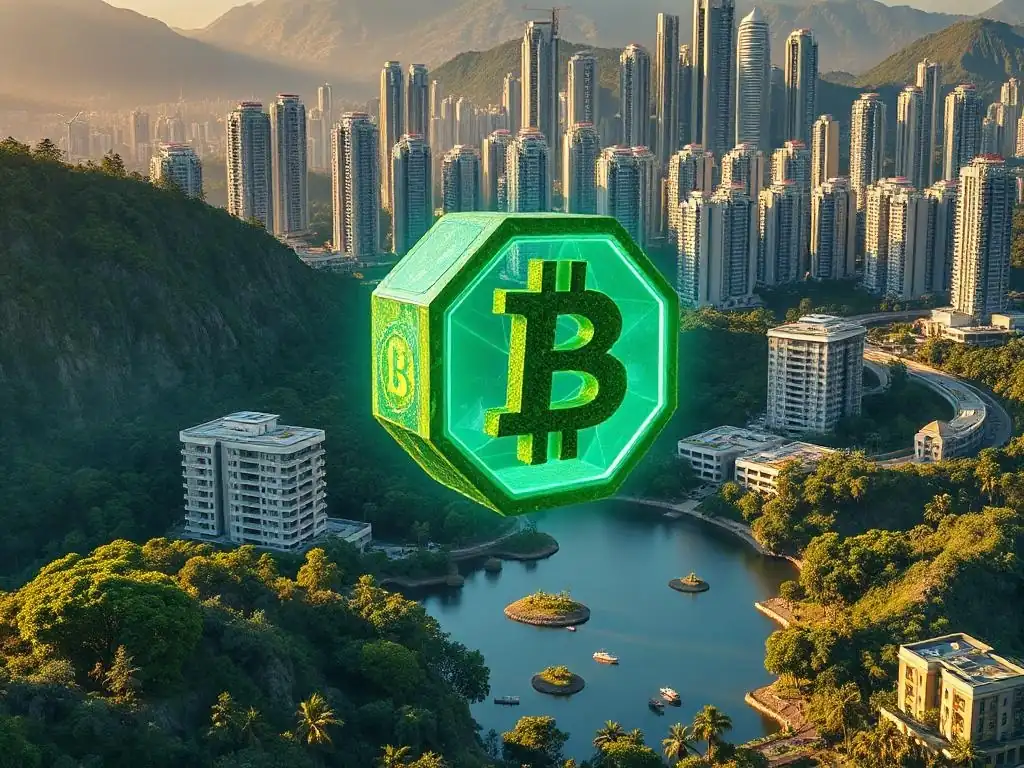
Welcome to Blockchain Trends, your gateway to understanding the revolutionary impact of blockchain technology beyond the hype!
Dive into a world where decentralized systems are reshaping industries and challenging conventional norms. Are you curious about how blockchain is making a difference? Then, explore our latest article, " The Environmental Impact of Real Estate Tokenization: Sustainability and Efficiency," where we uncover the surprising real estate tokenization sustainability benefits and how this innovative approach is contributing to a greener future. Discover the potential for a more sustainable and efficient real estate landscape. What are the unexpected environmental advantages waiting to be unlocked? Read on to find out!
The Environmental Impact of Real Estate Tokenization: Sustainability and Efficiency
- Real Estate Tokenization: A New Paradigm for Sustainable Investing
- The Environmental Cost of Traditional Real Estate Investments
- Real Estate Tokenization Sustainability Benefits: Reducing Environmental Impact
- Tokenization and Reduced Transactional Waste in Real Estate
- The Role of Blockchain in Promoting Sustainable Real Estate Practices
- Tokenized Green Real Estate: Case Studies and Examples
- Challenges and Opportunities for Sustainable Real Estate Tokenization
- The Future of Real Estate Tokenization and Environmental Stewardship
-
Frequently Asked Questions
- What is real estate tokenization and how does it relate to sustainability?
- How can tokenization improve the energy efficiency of buildings?
- What are the potential downsides of blockchain technology in terms of environmental impact, and how can they be mitigated in real estate tokenization?
- How does real estate tokenization contribute to reducing waste and promoting circular economy principles in the construction industry?
- What role does regulation play in ensuring that real estate tokenization projects genuinely contribute to sustainability, rather than just being greenwashing attempts?
- Final Reflection: Tokenizing a Sustainable Future
- Embrace Green Investments: Take Action for a Sustainable Future!
Real Estate Tokenization: A New Paradigm for Sustainable Investing
Understanding Real Estate Tokenization and its Core Principles
Real estate tokenization is the process of issuing digital tokens on a blockchain that represent fractional ownership in a real estate asset. This innovative application of distributed ledger technology transforms illiquid real estate into divisible, tradable digital assets.
Each token typically represents a specific share or value of the underlying property, making investment accessible to a broader range of investors by lowering the traditional high entry barriers, such as large capital requirements and complex legal processes. The core principles driving this technology include fractionalization, increased liquidity, enhanced transparency, and immutable record-keeping, all facilitated by the underlying blockchain network, which provides a secure and decentralized infrastructure for managing ownership and transactions.
This process involves several key steps, starting with the legal structuring of the real estate asset and the creation of a Special Purpose Vehicle (SPV) or similar entity to hold the property. Subsequently, tokens are minted on a chosen blockchain platform, such as Ethereum or Tezos, with smart contracts defining the rules regarding ownership, transfer, dividends, and voting rights.
These tokens are then offered to investors, often through security token offerings (STOs) or regulated marketplaces. The immutability of the blockchain ensures that once a transaction is recorded, it cannot be altered, providing a verifiable history of ownership and transactions, which is a fundamental shift from traditional paper-based or centralized digital registries.
How Tokenization is Reshaping the Real Estate Landscape
Tokenization is fundamentally altering the real estate market by introducing unprecedented levels of accessibility and efficiency. By breaking down ownership into smaller, more affordable units, it allows a global pool of investors to participate in lucrative real estate opportunities that were previously only available to wealthy individuals or large institutions. This democratization of access can lead to increased capital flow into the market and potentially stabilize asset valuations through broader participation. Furthermore, the inherent transparency and security of blockchain technology reduce the potential for fraud and streamline the due diligence process, making transactions faster and less cumbersome.
Beyond investment accessibility, tokenization is also creating new opportunities for property development and management. Developers can raise capital more efficiently by issuing tokens representing future projects, potentially accelerating construction timelines. Property managers can leverage smart contracts for automated rent collection, distribution of dividends to token holders, and even managing property access or maintenance payments. This shift towards a more digital, transparent, and efficient ecosystem is paving the way for a more dynamic and potentially more sustainable real estate industry, unlocking value and improving operational processes across the entire lifecycle of a property.
The Environmental Cost of Traditional Real Estate Investments
Carbon Footprint of Construction and Development
The construction and development phase of real estate projects carries a significant environmental burden, primarily through the emission of greenhouse gases. The production of construction materials like cement, steel, and aluminum is highly energy-intensive, contributing substantially to global CO2 emissions. For instance, cement production alone accounts for an estimated 8% of global CO2 emissions. Transportation of these heavy materials to construction sites further adds to the carbon footprint. The use of heavy machinery powered by fossil fuels during excavation, building, and demolition phases also releases substantial amounts of carbon dioxide and other pollutants into the atmosphere.
Moreover, land clearing and site preparation often involve deforestation and habitat destruction, impacting biodiversity and reducing natural carbon sinks. Large-scale developments can permanently alter landscapes and ecosystems. The embodied energy within a building – the total energy consumed in the production, transport, and assembly of materials – can be substantial, representing a significant portion of a building's lifetime energy consumption. Addressing these emissions requires shifts towards sustainable materials, modular construction, and more efficient transportation methods, but the traditional model remains heavily reliant on carbon-intensive processes.
Energy Consumption in Property Management
Once a property is built, its operational phase, particularly energy consumption for heating, cooling, lighting, and ventilation, becomes a major source of environmental impact. Buildings account for approximately 30-40% of total global energy consumption and a similar percentage of energy-related CO2 emissions. In many regions, the energy used to power buildings is still largely derived from fossil fuels, directly contributing to air pollution and climate change. Older buildings, in particular, often suffer from poor insulation, inefficient HVAC systems, and outdated lighting, leading to excessive energy waste.
Effective property management includes implementing energy-saving measures such as upgrading to energy-efficient appliances, improving insulation, installing smart thermostats, and utilizing renewable energy sources like solar panels. However, the incentive and capital required for such retrofits can be significant barriers in traditional property ownership and management models. The distributed nature of ownership and management responsibilities can sometimes lead to a lack of coordinated effort in improving energy efficiency across a portfolio of properties.
Waste Generation and Land Use Issues in Conventional Real Estate
The real estate sector is a major contributor to waste generation, both during the construction and demolition phases and throughout a property's operational life. Construction and demolition waste includes materials like concrete, wood, drywall, metals, and roofing, a significant portion of which ends up in landfills. In the United States, construction and demolition waste accounted for over 600 million tons in 2018, more than double the amount of municipal solid waste generated. This waste not only occupies valuable land in landfills but can also release hazardous substances into the environment.
Operational waste from buildings includes everything from packaging and paper to discarded furniture and electronics. While recycling initiatives exist, the sheer volume of waste generated by residential, commercial, and industrial properties remains a challenge. Furthermore, traditional real estate development often involves extensive land use changes, including the conversion of agricultural land, forests, or wetlands into urban or suburban areas. This sprawl contributes to habitat fragmentation, increased reliance on transportation, and strain on public infrastructure, posing significant environmental and social challenges.
Real Estate Tokenization Sustainability Benefits: Reducing Environmental Impact
Enhanced Transparency and Traceability for Green Building Practices
One of the significant Real estate tokenization sustainability benefits is the enhanced transparency and traceability offered by blockchain technology. By tokenizing a property or a real estate project, all relevant data, including certifications like LEED or BREEAM, energy performance metrics, and the provenance of building materials, can be recorded and verified on the blockchain. This creates an immutable and publicly accessible record of a property's environmental profile. Investors interested in sustainable assets can easily access and trust this data, allowing them to make informed decisions based on verified environmental performance rather than relying solely on potentially misleading claims.
This transparency also incentivizes developers and property managers to adopt greener practices. Knowing that environmental data will be transparently tracked and potentially linked to the value of the tokens can motivate stakeholders to invest in sustainable construction methods, energy-efficient technologies, and responsible waste management. For example, a developer building a new complex aiming for high energy efficiency could record the installation of solar panels, high-performance insulation, and energy recovery ventilation systems on the blockchain, providing verifiable proof of their green efforts to potential token buyers.
Promoting Sustainable Development Through Tokenized Green Bonds
Real estate tokenization sustainability benefits extend to facilitating new financing mechanisms for green development. Tokenized green bonds represent an innovative way to fund environmentally friendly real estate projects, such as constructing energy-efficient buildings, developing renewable energy infrastructure on properties, or remediating contaminated land. These bonds, issued as digital tokens on a blockchain, can attract a wider range of investors interested in supporting sustainable initiatives, including smaller investors who might be priced out of traditional green bond markets. The blockchain provides a transparent platform for tracking the allocation of funds to specific green projects and verifying their environmental outcomes.
The tokenization process lowers the administrative costs associated with issuing bonds and makes them more liquid, potentially increasing the appeal of investing in green real estate projects. A real estate developer planning a net-zero energy building could issue tokenized green bonds, with the smart contract programmed to provide investors with regular updates or access to verified energy consumption data from the completed building. This direct link between investment, project execution, and environmental outcome, facilitated by tokenization, creates a powerful incentive structure for sustainable development.
Incentivizing Energy Efficiency with Smart Contract-Based Rewards
Smart contracts inherent in real estate tokenization can be programmed to create direct financial incentives for improving and maintaining energy efficiency within tokenized properties. For instance, a smart contract could distribute a portion of the savings generated from reduced energy consumption directly to the token holders or even to the property manager responsible for implementing the efficiency measures. This provides a tangible return on investment for sustainability efforts beyond just lower utility bills.
Consider a tokenized apartment building where smart meters track energy usage. A smart contract could compare current energy consumption to a baseline and, if significant reductions are achieved (e.g., a 15% reduction from the previous year), automatically trigger a distribution of funds (perhaps from operational savings or a dedicated sustainability pool) to the property tokens. This mechanism directly links the environmental performance of the asset to financial rewards for its owners, highlighting the significant Real estate tokenization sustainability benefits by turning environmental responsibility into a profitable endeavor.
Tokenization and Reduced Transactional Waste in Real Estate
Streamlining Due Diligence and Reducing Paperwork
Traditional real estate transactions are notoriously paper-intensive and involve complex due diligence processes that often require physical document handling and storage. Tokenization, by leveraging blockchain technology, can significantly streamline this. Essential property information, legal documents, historical transaction data, and inspection reports can be digitized and stored or referenced securely on the blockchain, accessible to authorized parties. This reduces the need for extensive physical document exchanges and storage, drastically cutting down on paper waste.
Furthermore, the inherent transparency and immutability of blockchain records mean that the information available during due diligence is verifiable and trustworthy, reducing the need for redundant checks and potentially lowering associated costs and time. While completely eliminating paper may take time, the shift towards digitized, blockchain-verified documentation represents a substantial step towards a less wasteful and more efficient transaction process, contributing indirectly to Real estate tokenization sustainability benefits by reducing the environmental footprint of administrative tasks.
Lowering Travel and Transportation Emissions Associated with Property Transactions
The process of buying or selling traditional real estate often involves significant travel. Investors might need to visit properties, meet with lawyers, bankers, and real estate agents, and attend closing meetings, especially for cross-border transactions. These activities generate carbon emissions from flights, car travel, and other forms of transportation. Real estate tokenization can dramatically reduce the necessity for such physical travel.
With fractional ownership represented by digital tokens, investors can research, invest in, and trade property shares from anywhere in the world using online platforms. Due diligence can be conducted remotely by accessing verified information on the blockchain. Transactions are executed digitally via smart contracts, eliminating the need for in-person meetings for closing. This shift towards digital, remote transactions significantly lowers the carbon footprint associated with real estate investment and ownership, contributing to the overall Real estate tokenization sustainability benefits.
Minimizing Legal Fees and Administrative Overhead
Traditional real estate transactions are burdened by substantial legal fees, title searches, escrow services, and various administrative costs. These processes are often manual, requiring significant human effort and time, which adds to their cost and environmental impact (e.g., energy use in offices, travel). Tokenization, through the use of smart contracts and automated processes, can significantly reduce these overheads.
Smart contracts can automate aspects of the transaction process, such as transferring ownership upon payment or distributing rental income. The transparent and immutable ledger reduces the need for extensive title searches and provides a clear chain of custody. While legal expertise is still required, the automation and streamlining of processes can lead to lower overall administrative burdens and associated costs. This efficiency gain, while primarily economic, indirectly contributes to the Real estate tokenization sustainability benefits by reducing the resource intensity of the transaction lifecycle.
The Role of Blockchain in Promoting Sustainable Real Estate Practices

Blockchain's Potential for Verifying and Tracking Environmental Data
Blockchain technology serves as a robust and transparent platform for verifying and tracking critical environmental data related to real estate assets. This includes data on energy consumption, water usage, waste generation, carbon emissions, and the use of sustainable materials. By recording this data on an immutable ledger, stakeholders can trust its accuracy and integrity. This is crucial for demonstrating compliance with green building standards, reporting on ESG metrics, and validating the environmental performance of properties.
For example, data from smart meters measuring a building's energy consumption can be fed into a blockchain network via oracles, creating a tamper-proof record of its energy efficiency over time. Similarly, certifications for sustainable materials used in construction or records of waste diverted from landfills can be tokenized or recorded on the blockchain. This verifiable data infrastructure is foundational for realizing the full Real estate tokenization sustainability benefits by providing the necessary transparency for green initiatives.
Improving Data Accuracy and Reducing Greenwashing in Real Estate Investments
Greenwashing – the practice of making misleading claims about environmental sustainability – is a significant issue in many industries, including real estate. Without verifiable data, it can be difficult for investors to distinguish genuinely sustainable properties from those with superficial green features. Blockchain's ability to provide immutable and transparent records directly addresses this challenge.
By requiring environmental performance data to be recorded and verified on the blockchain, tokenization makes it much harder for developers or property owners to misrepresent a property's environmental credentials. Investors can check the verifiable history of a property's energy efficiency ratings, water conservation efforts, or use of certified sustainable materials directly on the ledger. This increased accountability fostered by blockchain technology helps to build trust in green real estate investments and ensures that capital flows towards truly sustainable projects, amplifying the Real estate tokenization sustainability benefits.
Fostering Collaboration and Information Sharing Among Stakeholders
Blockchain technology can facilitate improved collaboration and information sharing among the diverse stakeholders involved in the real estate lifecycle, from developers and investors to property managers and tenants. A shared, decentralized ledger provides a single source of truth for property data, including environmental performance metrics. This can break down information silos and encourage coordinated efforts towards sustainability goals.
For instance, a blockchain-based platform could allow tenants to report maintenance issues related to energy efficiency (like leaky windows) which are then recorded and tracked by the property manager and potentially visible to token holders interested in the building's performance. Developers can share verifiable data about the sustainability features of new constructions with potential buyers or investors via the blockchain. This collaborative environment, underpinned by transparent data, can accelerate the adoption of sustainable practices across the real estate sector and contribute significantly to the Real estate tokenization sustainability benefits.
Tokenized Green Real Estate: Case Studies and Examples
Case Study 1: Elevated Returns and Aspen Digital: St. Regis Aspen Resort
One of the early and notable examples of real estate tokenization involved the St. Regis Aspen Resort. While not solely focused on environmental aspects initially, this project demonstrated the feasibility of tokenizing a luxury real estate asset, paving the way for future green tokenization efforts. Elevated Returns, in partnership with Aspen Digital, tokenized ownership shares of the resort onto the Ethereum blockchain. Investors purchased tokens representing equity in the property's holding company.
This case study highlighted the potential for increased liquidity and fractional ownership in high-value real estate. Although specific environmental sustainability initiatives were not the primary focus of the tokenization itself, the success of this project in attracting global investors and executing transactions on the blockchain demonstrated the technological viability of tokenization for real estate assets. This proof of concept is critical for developing future tokenized assets where environmental performance is a key feature, showing that the infrastructure exists to apply Real estate tokenization sustainability benefits to actual properties.
Case Study 2: REDi Infrachain: Solar Power Plant Tokenization
While not a traditional real estate building, the tokenization of renewable energy assets like solar power plants directly relates to sustainable infrastructure and provides a model applicable to real estate. REDi Infrachain is a project focused on building a blockchain-based ecosystem for renewable energy data. They have explored tokenizing ownership or revenue streams from solar power plants.
In this model, tokens could represent a stake in the energy generated by a solar farm, allowing a wider range of investors to benefit from and contribute to renewable energy projects. The blockchain is used to record and verify energy production data transparently.
Applying this concept to real estate, tokens could represent ownership in solar panels installed on a building or a share of the energy savings generated, providing a clear, verifiable link between investment, sustainable infrastructure, and return. This case illustrates how tokenization can directly support and incentivize investment in green energy within or associated with real estate, showcasing practical Real estate tokenization sustainability benefits.
Case Study 3: ClimateTrade: Carbon Offset Tokenization for Real Estate
ClimateTrade is a platform that uses blockchain technology to facilitate the trading of carbon credits and offsets. While not tokenizing physical real estate, their work is highly relevant to real estate sustainability. Real estate developers or companies can purchase tokenized carbon offsets on platforms like ClimateTrade to compensate for their unavoidable emissions from construction or operations.
These tokenized offsets represent a verified reduction in greenhouse gas emissions elsewhere, recorded immutably on a blockchain. This provides a transparent and efficient way for the real estate sector to participate in carbon markets and demonstrate commitment to environmental responsibility. The blockchain ensures that offsets are not double-counted and that their provenance is clear. This example shows how tokenization can be used for environmental instruments related to real estate, forming part of a broader strategy for achieving Real estate tokenization sustainability benefits and environmental goals within the industry.
Challenges and Opportunities for Sustainable Real Estate Tokenization
Regulatory Hurdles and Compliance Requirements for Green Tokens
One of the primary challenges for sustainable real estate tokenization is navigating the complex and often uncertain regulatory landscape. Tokenized real estate assets often fall under securities regulations, requiring compliance with stringent rules regarding issuance, trading, and investor protection. When adding a 'green' layer, such as linking tokens to environmental performance or issuing green bonds, additional regulations or standards related to environmental claims and green finance may apply. Ensuring that tokens meet the necessary compliance standards across different jurisdictions is a significant hurdle.
Developing clear legal frameworks specifically for tokenized real estate and green digital assets is an ongoing process globally. Opportunities exist for industry participants to collaborate with regulators to help shape policies that foster innovation while ensuring investor protection and environmental integrity. Clarity on how environmental data linked to tokens will be verified and audited in a compliant manner is also essential. Overcoming these regulatory challenges is key to unlocking the full potential of Real estate tokenization sustainability benefits on a large scale.
Ensuring Data Integrity and Security in Blockchain-Based Environmental Tracking
While blockchain offers immutability, the accuracy of the data before it enters the blockchain is paramount. For sustainable real estate tokenization, this means ensuring the integrity and security of environmental data collected from sources like smart meters, building sensors, or third-party environmental auditors. If inaccurate or fraudulent data is fed into the blockchain ("garbage in, garbage out"), the resulting immutable record will be flawed, undermining the trust that blockchain is designed to provide and jeopardizing the Real estate tokenization sustainability benefits.
Robust mechanisms for data collection, verification, and secure transmission to the blockchain are crucial. This might involve using trusted oracles, independent auditors, or secure IoT devices. Opportunities lie in developing standardized protocols and technologies for collecting, verifying, and integrating real estate environmental data onto blockchain platforms reliably. Building secure and auditable data pipelines is essential to maintaining the credibility of tokenized green real estate assets.
Scaling Sustainable Real Estate Tokenization for Widespread Adoption
Despite the promising Real estate tokenization sustainability benefits, the technology is still relatively nascent, and scaling for widespread adoption presents challenges. Educating traditional real estate stakeholders, investors, and regulators about the technology and its advantages is necessary. The infrastructure for issuing and trading tokenized real estate, particularly platforms specializing in green assets, is still developing. Furthermore, integrating blockchain systems with existing real estate management software and processes requires significant effort and investment.
However, the opportunities for scaling are substantial. As more successful case studies emerge and the technology matures, the benefits of increased liquidity, reduced costs, and enhanced transparency become more apparent. Developing user-friendly platforms, establishing clear industry standards, and fostering partnerships between blockchain companies and traditional real estate firms can accelerate adoption. Focusing on specific niches initially, such as green retrofits or sustainable new developments, could provide clear value propositions for scaling sustainable real estate tokenization.
The Future of Real Estate Tokenization and Environmental Stewardship
The future of real estate tokenization is likely to be deeply intertwined with the growing global focus on ESG investing. Tokenization provides a powerful tool for implementing, tracking, and reporting on the environmental aspects of real estate assets within broader ESG frameworks. Tokens can be designed to represent not just ownership but also specific ESG characteristics or performance metrics of a property. For instance, a token could be linked to a property's energy efficiency rating or its social impact score.
This integration allows investors to easily identify and invest in properties that align with their ESG values. Blockchain can provide the verifiable data necessary for ESG reporting, offering a level of transparency and accountability that is difficult to achieve with traditional methods. As ESG criteria become increasingly important in investment decisions, the ability of tokenization to provide granular, verifiable ESG data will become a significant driver for the adoption of tokenized sustainable real estate. This direct link between tokenization and verifiable ESG performance is a major component of the long-term Real estate tokenization sustainability benefits.
Leveraging AI and IoT for Smart and Sustainable Real Estate Management on the Blockchain
The combination of real estate tokenization with Artificial Intelligence (AI) and the Internet of Things (IoT) holds immense potential for smart and sustainable property management. IoT sensors deployed within buildings can collect real-time data on energy consumption, air quality, water usage, and other environmental factors. AI algorithms can analyze this data to optimize building performance, predict maintenance needs, and identify areas for efficiency improvements.
This real-time, optimized performance data can then be recorded on the blockchain via secure oracles, providing token holders with up-to-the-minute, verifiable information about their asset's environmental footprint and operational efficiency. Smart contracts can use this data to automate actions, such as adjusting HVAC systems based on occupancy or triggering rewards for achieving energy-saving targets. This synergy between AI, IoT, and blockchain, facilitated by tokenization, enables truly data-driven sustainable real estate management, maximizing the Real estate tokenization sustainability benefits.
The Potential for Real Estate Tokenization to Drive a Greener Future
Ultimately, real estate tokenization has the potential to be a powerful catalyst for driving a greener future in the built environment. By lowering investment barriers, increasing liquidity, enhancing transparency, and creating new mechanisms for financing and incentivizing sustainable practices, it can channel significant capital towards environmentally responsible real estate development and management. The ability to precisely track and verify environmental performance makes green investments more trustworthy and appealing.
As the technology matures and regulatory clarity improves, tokenized green real estate can become a mainstream asset class. This shift could accelerate the transition to energy-efficient buildings, promote the use of sustainable materials, reduce waste, and minimize the environmental impact of transactions. The Real estate tokenization sustainability benefits are not merely incremental; they represent a systemic shift towards a more transparent, efficient, and environmentally conscious real estate ecosystem, contributing significantly to global sustainability goals.
Frequently Asked Questions
What is real estate tokenization and how does it relate to sustainability?
Real estate tokenization is the process of digitally representing ownership of a property asset as tokens on a blockchain. This can contribute to sustainability by enabling fractional ownership, leading to more efficient use and management of resources.
How can tokenization improve the energy efficiency of buildings?
Tokenization allows for more transparent and efficient data tracking of building energy consumption. This data can then be used to incentivize sustainable practices and optimize energy usage through smart contracts.
What are the potential downsides of blockchain technology in terms of environmental impact, and how can they be mitigated in real estate tokenization?
Blockchain technologies, especially Proof-of-Work systems, can consume significant energy. Mitigation strategies for real estate tokenization include using more energy-efficient blockchain protocols like Proof-of-Stake or implementing off-chain solutions for certain processes.
How does real estate tokenization contribute to reducing waste and promoting circular economy principles in the construction industry?
Tokenization facilitates traceability and transparency in the supply chain, enabling better monitoring of materials and waste. This can promote the use of sustainable materials and encourage the adoption of circular economy practices, reducing overall waste.
What role does regulation play in ensuring that real estate tokenization projects genuinely contribute to sustainability, rather than just being greenwashing attempts?
Regulation is crucial for establishing clear standards and guidelines for sustainability claims in tokenized real estate. This includes requiring transparent reporting on environmental impact and ensuring projects are genuinely committed to sustainable practices, preventing greenwashing.
Final Reflection: Tokenizing a Sustainable Future
The exploration of real estate tokenization's environmental impact reveals a critical intersection between finance and sustainability. The potential for increased efficiency and transparency within the real estate sector, facilitated by tokenization, offers a tangible pathway towards reducing its carbon footprint and promoting responsible development. This is not merely a theoretical exercise; it's a call to action for a sector historically resistant to change, now facing unprecedented environmental pressures.
The shift towards sustainable practices, driven by innovative technologies like tokenization, is not just a trend but a necessity. Witnessing the evolution of real estate from a traditionally opaque and resource-intensive industry to one embracing digital solutions for environmental good is profoundly encouraging. We do not inherit the earth from our ancestors; we borrow it from our children.
This Native American proverb underscores the urgency with which we must approach sustainable development, and tokenization offers a powerful tool to ensure we leave a healthier planet for future generations.
As we conclude this exploration of real estate tokenization's sustainability benefits, consider the role you can play in shaping a more environmentally conscious future. Embrace the potential of these innovative technologies, demand transparency and accountability from developers, and champion sustainable practices in your own real estate investments. Let us collectively strive to build a world where financial innovation and environmental stewardship go hand in hand, creating a legacy of prosperity and sustainability for all.
Embrace Green Investments: Take Action for a Sustainable Future!
Thanks for diving into the environmental impact of real estate tokenization. Now that you're aware of the potential for sustainability and efficiency, let's turn knowledge into action. Here's how you can contribute to a greener future:
- Explore tokenized green real estate projects to understand how these investments are actively contributing to environmental conservation.
- Share this article on social media and start a conversation about how blockchain technology can revolutionize sustainable investments.
- Research local environmental initiatives and consider supporting them alongside your investment strategies – every little bit helps!
What small step will you take today to support the convergence of blockchain and sustainability?
Leave a Reply