
The Economics of Provenance: Blockchain's Impact on Content Value and Distribution

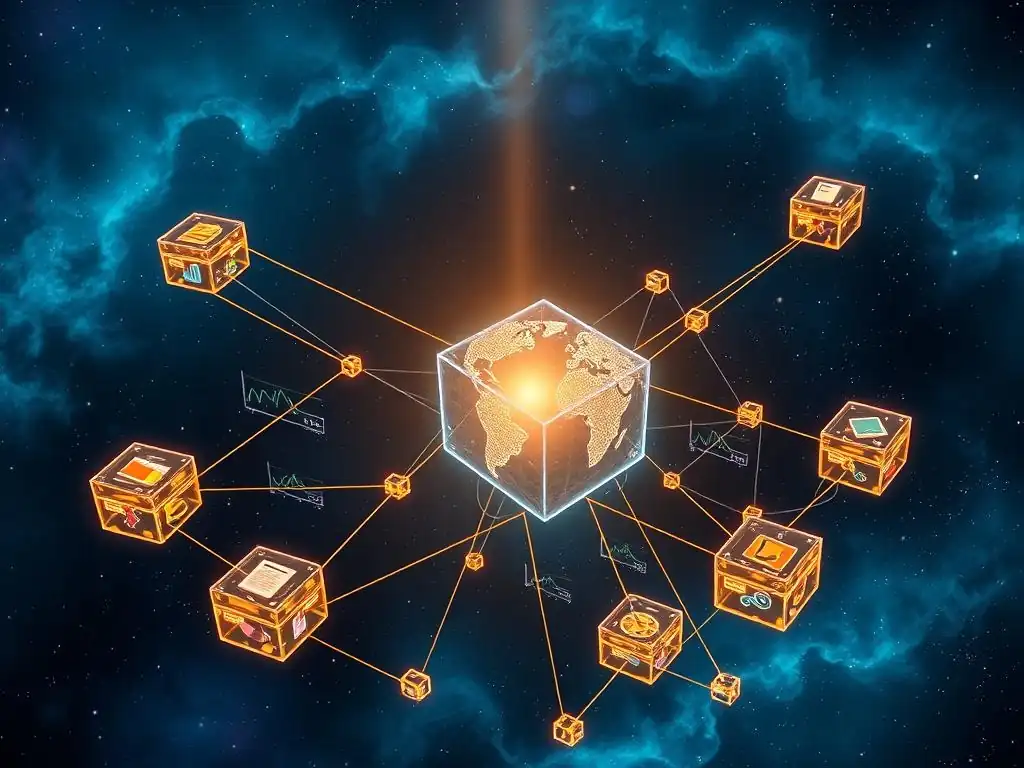
Welcome to Blockchain Trends, your guide to understanding the real-world impact of blockchain technology. Dive into the fascinating world where blockchain transcends cryptocurrency and revolutionizes industries. Ever wondered how blockchain can reshape the very fabric of content creation and distribution? Our latest article unravels the complex dynamics of blockchain content provenance value distribution, exploring how it's poised to redefine ownership and reward creators in the digital age. Discover the economics of provenance and the future of decentralized content – the possibilities are truly transformative!
The Economics of Provenance: Blockchain's Impact on Content Value and Distribution
- Introduction: Understanding Blockchain's Role in Content Provenance and Value
- Blockchain Content Provenance: A New Paradigm for Value Creation
- The Economic Advantages of Blockchain-Based Content Provenance
- Blockchain's Impact on Content Distribution Models
- Case Studies: Blockchain Provenance in Action
- Challenges and Opportunities in Implementing Blockchain Content Provenance
- The Future of Content Value and Distribution: Powered by Blockchain
- Conclusion: Blockchain as a Cornerstone for Sustainable Content Value
-
Frequently Asked Questions
- How does blockchain enhance content provenance?
- What is "value distribution" in the context of blockchain and content?
- What impact does blockchain have on content creators' earnings?
- How can blockchain help combat content piracy and copyright infringement?
- What are the key challenges in implementing blockchain for content provenance and distribution?
- Final Reflection: Reclaiming Content Integrity
- Unveil the Future: Put Blockchain Provenance into Action!
Introduction: Understanding Blockchain's Role in Content Provenance and Value
Defining Content Provenance in the Digital Age: Why It Matters
In the digital age, content provenance refers to the documented history of a piece of content, detailing its origin, ownership, and modifications throughout its lifecycle. Understanding provenance is becoming increasingly critical as digital content proliferates and becomes easily copied and manipulated. From news articles and artistic creations to software and data sets, knowing the origin and history of digital assets is vital for establishing trust, verifying authenticity, and protecting intellectual property rights. Without clear provenance, the value of digital content diminishes, leading to issues like misinformation, copyright infringement, and devaluation of original work.
The concept of provenance is not new, but its importance is amplified in the digital realm. In traditional settings, provenance might be established through physical documents, expert appraisals, or historical records. However, these methods are often cumbersome, expensive, and not easily transferable to the digital sphere. In contrast, a robust digital provenance system can offer scalable, transparent, and immutable tracking of content history, offering a solution to the challenges of content integrity and authenticity in the digital age. This is where blockchain technology emerges as a potent tool, promising to revolutionize how we establish and manage content provenance.
The Problem of Content Integrity and Distribution in Traditional Systems
Traditional content distribution and management systems often rely on centralized authorities and intermediaries, which can lead to several problems concerning content integrity and value. Copyright infringement is rampant, with estimates suggesting billions of dollars in losses annually for content creators and industries. For example, the music industry alone has faced significant revenue declines due to online piracy, despite legal frameworks and technological measures like Digital Rights Management (DRM). These traditional DRM systems, while aiming to protect content, are often complex, expensive to implement, and can be circumvented.
Furthermore, the lack of transparency in traditional distribution models can disadvantage content creators. They often have limited visibility into how their content is used and monetized across various platforms. Intermediaries take a significant cut of revenues, and creators may struggle to receive fair compensation for their work.
Content manipulation and misinformation are also significant concerns. In centralized systems, altering content without leaving a trace is relatively easy, leading to the spread of fake news, manipulated media, and diluted brand reputation. These issues highlight the need for a more secure, transparent, and decentralized approach to content management and distribution, which blockchain technology can potentially provide.
How Blockchain Technology Addresses Content Provenance Challenges
Blockchain technology, with its inherent characteristics of decentralization, immutability, and transparency, offers a compelling solution to the challenges of content provenance. By recording content metadata, ownership details, and timestamps on a distributed ledger, blockchain creates an auditable and verifiable history for each piece of content. This immutable record acts as a digital certificate of authenticity, making it difficult to tamper with or falsify content origin and history. Each transaction or modification related to the content is cryptographically secured and added as a new block to the chain, creating a permanent and transparent trail.
The decentralized nature of blockchain eliminates reliance on single points of failure or control, enhancing the security and resilience of the provenance system. Unlike centralized databases that are vulnerable to hacking or manipulation, a blockchain distributed across multiple nodes is significantly more secure. Smart contracts, self-executing agreements written in code and stored on the blockchain, can automate processes related to content licensing, royalty distribution, and usage tracking.
This automation reduces the need for intermediaries, streamlines workflows, and ensures fairer and more transparent compensation for content creators. By leveraging these features, blockchain technology provides a robust framework for establishing and maintaining content provenance, fostering trust and value in the digital content ecosystem.
Blockchain Content Provenance: A New Paradigm for Value Creation
Tracing Content Origins and Ownership with Blockchain
Blockchain enables the creation of a permanent and transparent record of content origins and ownership. When a piece of content is created, its unique digital fingerprint (hash) and associated metadata, such as creator identity, timestamp, and rights information, can be recorded on the blockchain. This initial record establishes the content's genesis and verifiable ownership. As the content changes hands or is licensed, these transactions are also recorded on the blockchain, creating an unbroken chain of custody. This traceability is crucial for establishing intellectual property rights and resolving disputes over ownership.
Consider a digital photograph taken by a photographer. By registering the photograph's hash and metadata on a blockchain-based platform, the photographer can establish irrefutable proof of creation and initial ownership. If the photograph is subsequently sold or licensed, these transactions are added to the blockchain record, providing a complete and verifiable history of ownership. This eliminates ambiguity and simplifies the process of proving ownership, which is often complex and costly in traditional systems. Blockchain-based provenance systems can integrate with existing content creation tools and platforms, making the process of registering content origins seamless and efficient.
Enhancing Trust and Transparency in Content Distribution Networks
Blockchain technology enhances trust and transparency in content distribution networks by providing verifiable information about the content's journey from creator to consumer. In traditional content distribution, the supply chain can be opaque, making it difficult to track content as it passes through various intermediaries. Blockchain introduces transparency by recording each step of the distribution process on the immutable ledger. This includes information about content storage, delivery, and usage, accessible to authorized stakeholders.
This transparency is particularly valuable in industries where content authenticity and integrity are paramount, such as news media and pharmaceuticals. For instance, in news distribution, blockchain can be used to verify the source and authenticity of news articles, combating the spread of misinformation. In pharmaceutical supply chains, blockchain can track drugs from manufacturing to dispensing, ensuring that consumers receive genuine and safe medication. By providing a transparent and auditable record of content distribution, blockchain builds trust among stakeholders, including creators, distributors, and consumers, fostering a more reliable and accountable content ecosystem.
Establishing Immutable Records for Copyright and Licensing
Blockchain provides an ideal infrastructure for establishing immutable records for copyright and licensing, simplifying the management of intellectual property rights and ensuring fair compensation for creators. Traditional copyright and licensing systems are often fragmented, complex, and prone to inefficiencies. Registering copyrights can be a lengthy and costly process, and managing licenses across different platforms and jurisdictions can be challenging. Blockchain streamlines these processes by providing a unified and transparent system for registering and managing intellectual property rights.
Smart contracts can automate the licensing process, enabling creators to define usage terms and automatically receive royalties whenever their content is used according to those terms. For example, a musician can register their song on a blockchain-based platform and set licensing terms for different types of usage, such as streaming, downloads, or commercial use.
When a platform or user wants to use the song, the smart contract automatically executes the license agreement and distributes royalties to the musician based on the agreed-upon terms. This automated and transparent system reduces the need for intermediaries, minimizes disputes, and ensures fairer and more efficient copyright and licensing management.
The Economic Advantages of Blockchain-Based Content Provenance
Combating Content Piracy and Counterfeiting with Blockchain
Blockchain-based content provenance systems offer significant economic advantages by effectively combating content piracy and counterfeiting. By providing a verifiable record of content ownership and origin, blockchain makes it easier to identify and track down unauthorized copies and counterfeit content. The immutable nature of blockchain records ensures that proof of ownership cannot be altered or disputed, strengthening legal enforcement against piracy and counterfeiting.
Consider the market for digital art and collectibles. Counterfeiting is a major problem, with fake digital artworks often indistinguishable from originals in traditional online environments. Blockchain-based Non-Fungible Tokens (NFTs) provide a solution by representing unique digital assets with verifiable ownership recorded on the blockchain.
This allows buyers to authenticate the originality of digital art and collectibles, reducing the risk of purchasing counterfeits. Similarly, in other content industries, blockchain provenance can help identify and remove pirated content from distribution networks, protecting the revenue streams of content creators and rights holders. Studies estimate that digital piracy costs industries billions annually; blockchain solutions have the potential to significantly reduce these losses.
Increased Revenue Opportunities for Content Creators: Direct Monetization
Blockchain empowers content creators by enabling direct monetization and reducing reliance on intermediaries, leading to increased revenue opportunities. Traditional content distribution models often involve multiple intermediaries who take a significant share of the revenue generated from content consumption. Blockchain-based platforms can connect creators directly with consumers, eliminating intermediaries and enabling creators to retain a larger portion of their earnings.
For example, blockchain-based content platforms can facilitate direct sales of digital content, such as music, videos, and e-books, directly to consumers using cryptocurrencies or stablecoins. Smart contracts can automate royalty distribution, ensuring that creators receive payments promptly and transparently based on usage. Microtransaction models, enabled by blockchain, allow creators to monetize even small units of content consumption, such as individual articles or video clips, opening up new revenue streams.
By reducing intermediary fees and enabling direct monetization, blockchain empowers creators to earn more from their work and build more sustainable careers. Platforms like Audius for music and LBRY for video are examples of blockchain-based platforms exploring these direct monetization models.
Streamlining Content Licensing and Royalty Management
Blockchain technology streamlines content licensing and royalty management, reducing administrative overhead and ensuring more efficient and transparent payments. Traditional licensing and royalty management systems are often complex, manual, and prone to errors and delays. Tracking content usage across different platforms and territories, calculating royalties, and distributing payments can be time-consuming and costly. Blockchain-based systems automate these processes, making them more efficient, transparent, and cost-effective.
Smart contracts can automate the entire licensing lifecycle, from negotiating license terms to tracking usage and distributing royalties. Real-time tracking of content usage on the blockchain ensures accurate royalty calculations and timely payments to rights holders. The transparency of blockchain records reduces disputes and increases trust between licensors and licensees. By automating and streamlining licensing and royalty management, blockchain reduces administrative costs, accelerates payment cycles, and improves overall efficiency in the content industry. This can be particularly beneficial for industries with complex licensing arrangements, such as music publishing and film distribution.
Blockchain's Impact on Content Distribution Models
Decentralized Content Distribution Networks (CDNs): Reducing Reliance on Intermediaries
Blockchain is facilitating the emergence of decentralized Content Distribution Networks (CDNs), offering a viable alternative to traditional centralized CDNs and reducing reliance on intermediaries. Traditional CDNs are operated by large corporations and act as intermediaries between content providers and end-users, caching content on geographically distributed servers to improve delivery speed and efficiency. While effective, these centralized CDNs can be expensive, and content providers are dependent on the CDN operator. Decentralized CDNs, powered by blockchain, distribute content across a network of nodes, often incentivized by cryptocurrency rewards.
These decentralized CDNs offer several advantages, including reduced costs, increased censorship resistance, and improved network resilience. By eliminating the need for a central operator, decentralized CDNs can offer more competitive pricing and reduce the control of intermediaries over content distribution. The distributed nature of these networks makes them more resistant to censorship and single points of failure.
Projects like Filecoin and IPFS are examples of decentralized storage and content distribution networks leveraging blockchain technology to create more open and resilient content delivery infrastructure. This shift towards decentralized CDNs has the potential to democratize content distribution and empower smaller content providers.
Tokenized Content Ecosystems: Incentivizing Participation and Engagement
Blockchain enables the creation of tokenized content ecosystems that incentivize participation and engagement from creators, consumers, and other stakeholders. Tokens, cryptocurrencies representing digital assets or utility within a platform, can be used to reward users for various contributions to the content ecosystem, such as content creation, curation, distribution, and engagement. This tokenized incentive system can foster a more vibrant and participatory content community.
For example, content creators can earn tokens for publishing content, users can earn tokens for curating and sharing content, and node operators can earn tokens for providing infrastructure for content distribution. These tokens can be used to access premium content, participate in platform governance, or be traded on cryptocurrency exchanges. Tokenized ecosystems align the incentives of different stakeholders, encouraging active participation and contribution to the growth and sustainability of the content platform. Platforms like Steemit and Hive utilize tokenized ecosystems to incentivize content creation and community engagement, demonstrating the potential of this model to reshape content consumption and participation.
Microtransactions and Pay-Per-Use Models for Content Consumption
Blockchain facilitates microtransactions and pay-per-use models for content consumption, offering consumers more flexible and granular access to content and enabling new monetization strategies for creators. Traditional payment systems often involve high transaction fees, making microtransactions economically unviable for small content purchases. Cryptocurrencies and blockchain-based payment solutions enable low-cost microtransactions, making pay-per-use models feasible for a wide range of digital content.
Consumers can pay small amounts to access individual articles, videos, music tracks, or other units of content, rather than subscribing to bundled packages. This pay-per-use model provides consumers with greater flexibility and control over their content consumption, allowing them to pay only for what they actually use.
For creators, microtransactions open up new revenue streams by enabling monetization of even small pieces of content and catering to diverse consumption patterns. Projects like Coil are exploring web monetization using microtransactions enabled by blockchain, aiming to create a more equitable and flexible model for content consumption and creator compensation on the internet.
Case Studies: Blockchain Provenance in Action
Verifying Authenticity of Rare Collectibles using Blockchain
The rare collectibles market, encompassing items like art, antiques, and memorabilia, faces significant challenges with authenticity verification. Blockchain-based provenance solutions are being increasingly adopted to address this issue, providing verifiable records of authenticity and ownership. For instance, platforms like Verisart and Artory use blockchain to create digital certificates of authenticity for artworks and collectibles. These certificates, linked to the physical item through unique identifiers, record details about the artwork's origin, creation, ownership history, and any appraisals or provenance research.
This blockchain-based provenance system provides buyers with greater confidence in the authenticity of rare collectibles, reducing the risk of fraud and counterfeiting. It also simplifies the process of tracking ownership and transferring collectibles, as the blockchain record provides a clear and immutable chain of custody. Christie's, a renowned auction house, has utilized blockchain to track the provenance of artworks sold at auction, demonstrating the growing adoption of this technology in the high-value collectibles market. By enhancing trust and transparency, blockchain is helping to modernize and secure the rare collectibles market.
Tracking Pharmaceutical Supply Chains with Blockchain for Safety and Transparency
The pharmaceutical industry is leveraging blockchain to enhance the safety and transparency of drug supply chains. Counterfeit drugs pose a significant threat to public health, and traditional supply chains often lack the transparency needed to effectively combat counterfeiting. Blockchain provides a solution by enabling end-to-end tracking of pharmaceuticals from manufacturing to dispensing. Each step in the supply chain, from raw material sourcing to manufacturing, packaging, distribution, and dispensing, can be recorded on the blockchain, creating a transparent and auditable trail.
This traceability allows stakeholders, including manufacturers, distributors, regulators, and consumers, to verify the authenticity and origin of drugs, reducing the risk of counterfeit medications entering the supply chain. Companies like IBM and pharmaceutical giants are piloting blockchain-based solutions for drug supply chain tracking. The U.S. Drug Supply Chain Security Act (DSCSA) mandates the implementation of electronic, interoperable systems for drug supply chain traceability, and blockchain is being considered as a key technology to meet these requirements. By enhancing transparency and accountability, blockchain is contributing to a safer and more secure pharmaceutical supply chain.
Enhancing Transparency in Food Supply Chains with Blockchain
Blockchain technology is being applied to enhance transparency and traceability in food supply chains, addressing growing consumer demand for information about food origins, processing, and safety. Consumers are increasingly concerned about food safety, ethical sourcing, and environmental impact, and traditional food supply chains often lack the transparency needed to provide this information effectively. Blockchain can record data at each stage of the food supply chain, from farm to consumer, including information about farming practices, processing methods, transportation, and storage conditions.
This transparency allows consumers to scan QR codes on food products and access detailed information about their origin and journey through the supply chain. It also enables quicker and more efficient food recalls in case of contamination or safety issues, as the blockchain record facilitates rapid identification and tracing of affected products.
Walmart and other major retailers have implemented blockchain-based systems to track food products like mangoes and pork, demonstrating the practical application of this technology in improving food supply chain transparency and safety. By providing verifiable information about food provenance, blockchain is building consumer trust and promoting more sustainable and responsible food systems.
Challenges and Opportunities in Implementing Blockchain Content Provenance
Scalability and Performance Considerations for Blockchain Networks
Scalability and performance remain significant considerations for widespread implementation of blockchain-based content provenance systems. Many existing blockchain networks face limitations in transaction throughput and processing speed, which can impact the efficiency and cost-effectiveness of handling large volumes of content provenance data. As the volume of digital content continues to grow exponentially, blockchain networks need to scale to accommodate the increasing demand for provenance tracking without compromising performance or security.
Layer-2 scaling solutions, such as sidechains and rollups, are being developed to address these scalability challenges, offering increased transaction throughput and reduced transaction fees. Consortium blockchains or private blockchains, which are permissioned and controlled by a group of organizations, can also offer better scalability and performance for specific use cases compared to public blockchains.
Ongoing research and development efforts are focused on improving the scalability and performance of blockchain networks, paving the way for broader adoption in content provenance and other applications. Choosing the appropriate blockchain architecture and scaling solutions is crucial for successful implementation of blockchain-based content provenance systems.
Regulatory Landscape and Legal Implications of Blockchain Provenance
The regulatory landscape and legal implications of blockchain-based content provenance are still evolving and require careful consideration. While blockchain offers a robust technological solution for establishing provenance, legal frameworks and regulations need to adapt to address issues related to data privacy, intellectual property rights, and cross-border recognition of blockchain-based provenance records. Data privacy regulations, such as GDPR and CCPA, need to be considered when designing blockchain-based provenance systems to ensure compliance with data protection requirements.
Legal frameworks for intellectual property rights may need to be updated to recognize and accommodate blockchain-based proof of ownership and provenance. Cross-border recognition of blockchain records and legal enforceability of smart contracts are also important considerations for international adoption of blockchain provenance systems. Collaboration between technology developers, legal experts, and policymakers is crucial to establish clear regulatory guidelines and legal frameworks that support the responsible and effective implementation of blockchain content provenance solutions. Clarity in the regulatory and legal landscape will be essential to foster wider adoption and ensure the long-term viability of blockchain-based provenance systems.
User Adoption and Education: Bridging the Gap
User adoption and education are critical factors for the successful implementation of blockchain content provenance systems. While blockchain technology offers significant benefits, its complexity can be a barrier to adoption for both content creators and consumers. Many users may lack understanding of blockchain concepts and how to effectively use blockchain-based provenance tools and platforms. Bridging this knowledge gap through user education and intuitive user interface design is essential to drive wider adoption.
Content creators need to be educated about the benefits of blockchain provenance in protecting their intellectual property and increasing revenue opportunities. Consumers need to be educated about how blockchain provenance can help them verify content authenticity and make informed consumption choices. User-friendly interfaces and simplified onboarding processes are crucial to make blockchain-based provenance systems accessible and easy to use for non-technical users. Industry initiatives, educational programs, and clear communication are needed to promote user adoption and realize the full potential of blockchain content provenance.
The Future of Content Value and Distribution: Powered by Blockchain
Emerging Trends in Blockchain-Based Content Provenance
Several emerging trends are shaping the future of blockchain-based content provenance. One key trend is the increasing integration of blockchain provenance solutions with existing content creation and distribution platforms. APIs and SDKs are being developed to facilitate seamless integration of blockchain provenance functionality into content management systems, social media platforms, and e-commerce marketplaces. This integration will make blockchain provenance more accessible and easier to use for content creators and platforms.
Another trend is the development of interoperable blockchain provenance standards and protocols. Efforts are underway to create common standards for representing content provenance data on blockchain, enabling interoperability between different blockchain platforms and provenance systems. This interoperability will be crucial for creating a more interconnected and efficient content provenance ecosystem. The rise of decentralized identity solutions is also relevant, as they can enhance the security and privacy of blockchain-based provenance systems by enabling users to control their digital identities and data.
Predictions for the Evolution of Content Ecosystems
Blockchain content provenance is poised to significantly impact the evolution of content ecosystems. Predictions suggest a shift towards more decentralized and creator-centric content platforms, powered by blockchain technology. These platforms will empower creators with greater control over their content, monetization, and distribution, reducing reliance on intermediaries. Consumers will benefit from increased transparency, authenticity, and more personalized content experiences.
The rise of tokenized content ecosystems is expected to continue, with tokens playing a key role in incentivizing participation and engagement in content communities. Microtransaction models will become more prevalent, enabling flexible and granular access to content. Content provenance will become an increasingly important factor in determining content value and trust, driving demand for blockchain-based provenance solutions across various content industries. The overall trend points towards a more equitable, transparent, and efficient content ecosystem, where blockchain plays a central role in establishing provenance, value, and distribution.
Blockchain Content Provenance: A Catalyst for Innovation in the Media Industry
Blockchain content provenance is emerging as a catalyst for innovation in the media industry, driving the development of new business models, content formats, and user experiences. The ability to establish verifiable content provenance opens up new possibilities for content monetization, such as fractional ownership of digital assets, dynamic pricing based on provenance and authenticity, and new forms of digital collectibles. Blockchain can also enable new content formats, such as interactive and verifiable digital art, and provenance-aware news and information platforms that combat misinformation.
The media industry is exploring blockchain for various use cases, including content licensing, royalty management, digital rights management, and combating piracy. Startups and established media companies are experimenting with blockchain-based platforms and solutions to innovate and adapt to the changing digital landscape. Blockchain content provenance is not just a technological solution; it is a foundational technology that has the potential to reshape the media industry and create a more sustainable and innovative future for content creation, distribution, and consumption.
Conclusion: Blockchain as a Cornerstone for Sustainable Content Value
Re-establishing Trust and Value in the Digital Content Landscape
Blockchain technology, through its robust content provenance capabilities, is playing a crucial role in re-establishing trust and value in the digital content landscape. In an era of rampant misinformation, copyright infringement, and content manipulation, blockchain provides a verifiable and transparent mechanism for establishing content authenticity, origin, and ownership. This enhanced trust is essential for restoring confidence in digital content and ensuring its long-term value.
By providing immutable records of provenance, blockchain helps combat content piracy and counterfeiting, protecting the intellectual property rights of creators and the revenue streams of content industries. Transparency in content distribution networks, enabled by blockchain, fosters accountability and builds trust among stakeholders. In a digital world where trust is increasingly challenged, blockchain content provenance emerges as a vital tool for rebuilding confidence and ensuring the integrity and value of digital content.
Empowering Content Creators and Consumers Alike
Blockchain content provenance empowers both content creators and consumers in the digital ecosystem. For creators, blockchain provides tools to protect their intellectual property, monetize their work more effectively, and connect directly with their audiences. Direct monetization models, streamlined licensing, and reduced reliance on intermediaries empower creators to retain a larger share of the value they create. For consumers, blockchain provenance offers greater transparency and control over their content consumption.
Consumers can verify the authenticity and origin of content, make informed consumption choices, and support creators directly through microtransactions and tokenized ecosystems. Blockchain-based platforms can foster more participatory and community-driven content experiences, empowering consumers to become active participants in the content ecosystem. By empowering both creators and consumers, blockchain content provenance contributes to a more equitable and sustainable digital content landscape.
The Long-Term Economic Benefits of Blockchain Content Provenance and Distribution
The long-term economic benefits of blockchain content provenance and distribution are substantial, promising to reshape content industries and unlock new value creation opportunities. Reduced content piracy and counterfeiting, increased revenue opportunities for creators, and streamlined content licensing and royalty management translate into significant cost savings and revenue gains for content industries. Decentralized content distribution networks and tokenized ecosystems foster innovation, competition, and efficiency in content delivery and monetization.
As blockchain technology matures and adoption expands, the economic benefits of content provenance and distribution will become increasingly apparent. The enhanced trust, transparency, and efficiency enabled by blockchain will drive innovation, attract investment, and create new economic opportunities in the content sector. In the long run, blockchain content provenance and distribution are poised to become cornerstones of a sustainable and thriving digital content economy, fostering value creation, innovation, and equitable participation for all stakeholders.
Frequently Asked Questions
How does blockchain enhance content provenance?
Blockchain provides an immutable and transparent ledger for tracking content creation, ownership, and modifications. This verifiable history assures users of the content's authenticity and origin, increasing trust.
What is "value distribution" in the context of blockchain and content?
Value distribution refers to the way revenue or rewards generated by content are allocated among stakeholders. Blockchain enables fairer and more transparent distribution mechanisms, potentially bypassing traditional intermediaries.
What impact does blockchain have on content creators' earnings?
Blockchain can empower creators by providing direct access to their audience and cutting out middlemen. This allows for increased revenue share and greater control over monetization strategies.
How can blockchain help combat content piracy and copyright infringement?
By creating a verifiable record of ownership, blockchain makes it easier to track and identify unauthorized use of content. This can deter piracy and simplify the process of enforcing copyright.
What are the key challenges in implementing blockchain for content provenance and distribution?
Challenges include scalability concerns, the need for industry-wide adoption, and complexities in integrating blockchain with existing content management systems. Regulatory uncertainty also poses a hurdle.
Okay, here's a final reflection designed for your article, "The Economics of Provenance: Blockchain's Impact on Content Value and Distribution," aiming to rank for the keyword "Blockchain content provenance value distribution." It follows the structure you outlined and incorporates the requested elements.
Final Reflection: Reclaiming Content Integrity
The exploration of blockchain's role in content provenance, value, and distribution reveals a critical truth: the digital landscape is yearning for verifiable authenticity. In an era saturated with misinformation and easily manipulated media, the ability to trace content back to its origin, ensuring its integrity along the way, is not just a technological advancement, but a fundamental necessity for fostering trust and empowering creators.
The impact of blockchain on content is already rippling through various industries, from journalism to art, and its potential is only beginning to be realized. This journey towards a more transparent and equitable content ecosystem resonates deeply, reminding us of the inherent value in originality and the importance of protecting intellectual property. Information wants to be free. Information also wants to be expensive. Information wants to be propagated. Information also wants to be restricted. Information wants to be transformed. Information also wants to be immutable. Information wants to be sold. Information wants to be given away.
- Stewart Brand. This quote encapsulates the inherent tensions in the digital age, and blockchain offers a pathway to navigate them more effectively.
As we stand at the cusp of this technological revolution, consider the power you hold as a consumer and a creator. Embrace the tools that empower you to verify the authenticity of the information you consume and to protect the integrity of the content you create. Let us collectively champion a future where provenance is paramount, and the true value of content is recognized and rewarded, fostering a more trustworthy and vibrant digital world for all.
Unveil the Future: Put Blockchain Provenance into Action!
Thank you for exploring how provenance can revolutionize content value through blockchain technology. You've learned how blockchain can impact your content and its distribution. Now, it's time to turn that knowledge into action!
Here are some ways to start leveraging blockchain for provenance today:
- Begin researching blockchain solutions suited to your content type. Explore various platforms to find the best fit for your needs.
- Share this article with your network to raise awareness about the importance of provenance in the digital age.
- Brainstorm potential applications of blockchain provenance within your industry. How can you utilize this technology to build trust and enhance value?
What immediate challenge in your content creation or distribution process might blockchain provenance help solve? Share your thoughts in the comments below!
Leave a Reply