
Real Estate Reinvented: AI Smart Contracts for Efficient Property Transactions

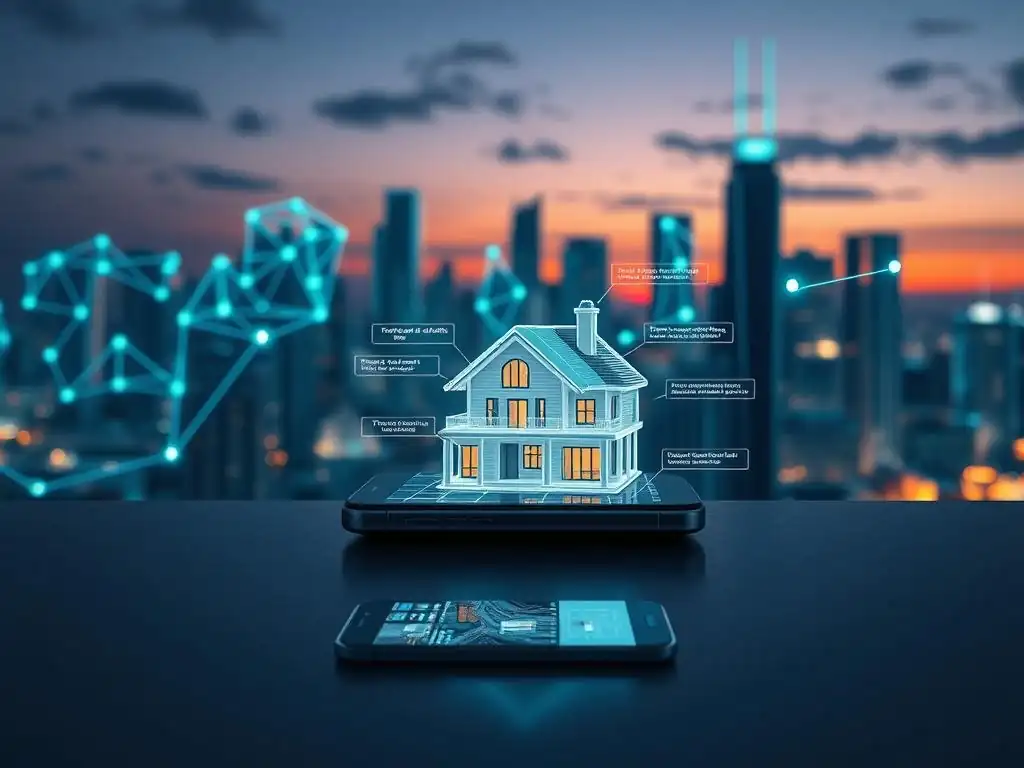
Welcome to Blockchain Trends, your compass in the rapidly evolving world of decentralized innovation. Are you ready to witness a paradigm shift in how we interact with the tangible world? Dive into our exploration of blockchain's transformative power beyond digital currencies. Today, we're unlocking the potential of blockchain real estate smart contracts, revealing how AI is revolutionizing property transactions. How can these smart contracts reshape the future of real estate? Let's explore.
Revolutionizing Real Estate: Blockchain Smart Contracts for Efficient Property Transactions
- Introduction: Transforming Real Estate with Blockchain Technology
- Understanding Blockchain Real Estate Smart Contracts
- Key Benefits of Blockchain Real Estate Smart Contracts
- Blockchain Real Estate Smart Contract Applications
- Challenges and Considerations for Implementing Blockchain Real Estate
- The Future of Real Estate: Blockchain and Smart Contracts
- Conclusion: Embracing the Future of Real Estate with Blockchain Smart Contracts
-
Frequently Asked Questions
- What are Blockchain real estate smart contracts, and how do they relate to traditional property transactions?
- How can AI enhance Blockchain real estate smart contracts?
- What are the key benefits of using Blockchain real estate smart contracts over conventional methods?
- What regulatory challenges exist in the adoption of Blockchain real estate smart contracts?
- How does the use of Blockchain real estate smart contracts contribute to the future of decentralized systems in real estate?
- Final Reflection: Embracing the Future of Property
- Revolutionize Your Real Estate Journey: Embrace AI-Powered Contracts!
Introduction: Transforming Real Estate with Blockchain Technology
The Inefficiencies of Traditional Real Estate Transactions
Traditional real estate transactions are often characterized by a complex web of intermediaries, cumbersome paperwork, and lengthy processing times. Consider a typical property purchase, which involves real estate agents, brokers, lawyers, notaries, and escrow companies. Each of these entities adds layers of fees and potential delays.
For instance, in the United States, the average time to close on a home purchase is around 45-60 days, according to data from Ellie Mae. This extended timeline not only creates uncertainty for buyers and sellers but also ties up significant capital and resources. The reliance on manual processes and paper-based documentation further exacerbates inefficiencies, increasing the risk of errors, fraud, and disputes.
Moreover, the lack of transparency in traditional real estate deals can be a significant concern. Information asymmetry between parties can lead to unfair negotiations and distrust. Title searches, for example, are crucial to ensure clear property ownership, but they are often opaque and time-consuming. In many jurisdictions, property records are still maintained in physical archives, making access and verification difficult. This lack of transparency and efficiency not only frustrates individuals but also hinders the overall fluidity and growth of the real estate market, creating unnecessary friction in an industry that represents a substantial portion of the global economy.
Blockchain: A Solution for Real Estate Innovation
Blockchain technology offers a compelling solution to address the inherent inefficiencies and challenges within the traditional real estate sector. At its core, blockchain is a decentralized, distributed, and immutable ledger that records transactions securely and transparently. This fundamental characteristic is particularly well-suited for real estate, where trust, security, and transparency are paramount.
By leveraging blockchain, the industry can move away from fragmented, paper-based processes towards a more streamlined, digital ecosystem. Imagine a future where property ownership is recorded on a secure, tamper-proof blockchain, accessible to authorized parties, eliminating the need for lengthy title searches and reducing the risk of fraudulent claims.
Furthermore, blockchain can facilitate faster and more cost-effective transactions by removing intermediaries and automating key processes. Smart contracts, self-executing agreements coded on the blockchain, are a crucial element in this transformation. These contracts can automate various aspects of real estate deals, from escrow services to rent collection, reducing reliance on third parties and minimizing associated fees.
This technological shift has the potential to democratize access to real estate investment and ownership, making it more efficient, transparent, and accessible for individuals and institutions alike. The inherent security and cryptographic nature of blockchain also significantly enhances the integrity of property records and transactions, reducing the potential for fraud and disputes, ultimately fostering greater trust and confidence in the real estate market.
Focus: Blockchain Real Estate Smart Contracts
Within the broader landscape of blockchain applications in real estate, blockchain real estate smart contracts stand out as a particularly transformative innovation. These smart contracts are designed to automate and streamline various aspects of property transactions, leveraging the security and transparency of blockchain technology. They offer a digital and legally binding framework for executing real estate agreements, eliminating the need for extensive paperwork and manual processes. This focus on automation and efficiency is critical for addressing the pain points of traditional real estate, paving the way for a more modernized and accessible industry.
The potential impact of blockchain real estate smart contracts extends across the entire lifecycle of property transactions, from initial listing and negotiation to closing and ongoing property management. By encoding the terms and conditions of real estate agreements directly into smart contracts, parties can ensure that transactions are executed automatically and transparently upon fulfillment of pre-defined conditions.
This eliminates the need for intermediaries to manually enforce agreements, reduces the risk of human error, and accelerates the entire transaction process. The subsequent sections of this article will delve deeper into the workings, benefits, applications, and challenges associated with implementing blockchain real estate smart contracts, exploring their potential to revolutionize the way property is bought, sold, and managed.
Understanding Blockchain Real Estate Smart Contracts
What are Smart Contracts? A Primer
Smart contracts are self-executing contracts with the terms of the agreement directly written into code. Think of them as digital vending machines; once the predefined conditions are met, the contract automatically executes the agreed-upon actions without the need for intermediaries. These contracts are stored on a blockchain, making them immutable and transparent. This means that once a smart contract is deployed, its code cannot be altered, and all transactions related to the contract are recorded permanently on the blockchain, creating an auditable and trustworthy record.
In the context of real estate, a smart contract could be programmed to automatically transfer property ownership once the buyer has fulfilled payment obligations, as verified by the blockchain. For example, a smart contract for property purchase could be designed to release funds from escrow to the seller upon digital confirmation of title transfer and property inspection.
This automated process eliminates the need for manual verification and intervention by escrow agents and lawyers, significantly speeding up the transaction and reducing associated costs. The use of code ensures that the terms of the agreement are enforced precisely as defined, minimizing the potential for disputes and misunderstandings that can arise from traditional paper-based contracts.
How Blockchain Enhances Real Estate Security and Transparency
Blockchain technology inherently enhances security and transparency in real estate transactions through its decentralized and cryptographic nature. Decentralization means that transaction data is distributed across a network of computers, rather than being stored in a single, vulnerable location. This distributed ledger system makes it significantly more difficult for malicious actors to tamper with or alter records, as they would need to compromise a vast number of nodes simultaneously. The cryptographic hashing and encryption techniques used in blockchain further secure the data, making it virtually impossible to forge or falsify transaction history.
Transparency is another key benefit. Every transaction on a blockchain is recorded in a publicly auditable ledger. While the identities of participants might be pseudonymous, the details of the transactions, including timestamps and amounts, are visible to anyone on the network.
In real estate, this level of transparency can be transformative. For instance, property ownership records stored on a blockchain would be readily verifiable by potential buyers, lenders, and regulatory bodies, reducing the risk of title fraud and simplifying due diligence processes. This enhanced security and transparency fosters greater trust and confidence in real estate transactions, benefiting all stakeholders involved.
The Role of Oracles in Real Estate Smart Contracts
While smart contracts excel at automating actions based on on-chain data, they inherently lack the ability to directly access real-world information existing outside the blockchain. This is where oracles come into play. Oracles are third-party services that bridge the gap between the blockchain and the external world, providing smart contracts with reliable and verified off-chain data. In the context of blockchain real estate smart contracts, oracles are crucial for triggering contract execution based on real-world events and information.
For example, consider a smart contract designed to automatically release funds from escrow upon successful property inspection. The smart contract itself cannot verify if the inspection has been completed and if the property meets the agreed-upon standards. An oracle, in this case, could be a trusted inspection service that, upon completion of the inspection and verification of satisfactory results, provides a digital signature or confirmation to the blockchain.
This data from the oracle then triggers the smart contract to automatically release the escrow funds to the seller. Similarly, oracles can be used to provide real-time property valuation data, local regulatory compliance information, or even weather data relevant to property insurance smart contracts, enabling smart contracts to react dynamically to real-world conditions and events.
Key Benefits of Blockchain Real Estate Smart Contracts
Streamlining Property Transactions: Speed and Efficiency
Blockchain real estate smart contracts significantly streamline property transactions, drastically increasing speed and efficiency compared to traditional methods. By automating key processes such as contract execution, title transfer, and fund disbursement, smart contracts eliminate many of the manual steps and delays inherent in current real estate deals. Consider the traditional process of obtaining a mortgage, which can take weeks, involving extensive paperwork, manual underwriting, and multiple layers of approvals. Smart contracts can automate much of this process, potentially reducing mortgage approval times to days or even hours in some cases.
Furthermore, the use of smart contracts can reduce the reliance on physical paperwork, which is a major source of delays and inefficiencies in traditional real estate. Digital contracts executed on a blockchain eliminate the need for printing, signing, and physically transporting documents, saving time and resources. For example, electronic signatures integrated with blockchain can provide a secure and legally binding alternative to wet signatures, further accelerating the transaction process. Studies have shown that digitizing real estate processes can reduce transaction times by as much as 50%, leading to faster closings and increased liquidity in the market.
Reducing Costs and Eliminating Intermediaries in Real Estate
One of the most compelling benefits of blockchain real estate smart contracts is their potential to reduce costs and eliminate intermediaries in property transactions. Traditional real estate deals involve numerous intermediaries, each charging fees for their services, including real estate agents, brokers, lawyers, escrow companies, and title insurers. These intermediary fees can add up to a significant percentage of the total transaction cost, often ranging from 5% to 10% of the property value. Smart contracts, by automating many of the functions performed by these intermediaries, can significantly reduce or even eliminate these costs.
For instance, smart contracts can automate escrow services, eliminating the need for escrow companies to hold funds and manage disbursement. Similarly, smart contracts can streamline title transfers, potentially reducing the need for extensive and costly title searches and insurance. By disintermediating these processes, blockchain real estate smart contracts can make property transactions more affordable for both buyers and sellers. Estimates suggest that using blockchain and smart contracts can reduce real estate transaction costs by up to 80% in certain areas, making property ownership more accessible and reducing friction in the market.
Enhanced Security and Fraud Prevention in Property Deals
Blockchain real estate smart contracts offer enhanced security and fraud prevention compared to traditional paper-based systems. The immutable and transparent nature of blockchain technology makes it extremely difficult to tamper with property records or forge documents. In traditional systems, title fraud, where fraudulent individuals claim ownership of property they do not legally own, is a significant concern. Blockchain, with its cryptographic security and distributed ledger, provides a robust defense against such fraud. Property ownership records stored on a blockchain are virtually tamper-proof, providing a secure and verifiable record of ownership history.
Smart contracts further enhance security by automating contract execution based on predefined rules, reducing the potential for human error and manipulation. The code-based nature of smart contracts ensures that the terms of the agreement are enforced precisely as written, minimizing the risk of disputes and misunderstandings. Moreover, the transparency of blockchain allows for easier auditing and verification of transactions, further deterring fraudulent activities. By leveraging blockchain and smart contracts, the real estate industry can move towards a more secure and trustworthy environment, reducing the incidence of fraud and protecting the interests of all parties involved in property transactions.
Automation of Legal and Administrative Processes
Blockchain real estate smart contracts facilitate the automation of numerous legal and administrative processes associated with property transactions. Traditional real estate deals involve a significant amount of paperwork and manual administrative tasks, including contract drafting, notarization, document recording, and compliance checks. Smart contracts can automate many of these processes, streamlining workflows and reducing administrative burdens. For example, smart contracts can be programmed to automatically generate legal documents, such as purchase agreements and deeds, based on predefined templates and transaction parameters.
Furthermore, smart contracts can automate compliance checks, ensuring that transactions adhere to relevant regulations and legal requirements. For instance, smart contracts can be integrated with databases of property regulations and zoning laws to automatically verify compliance before executing a transaction. This automation not only reduces administrative costs and time but also minimizes the risk of errors and non-compliance. By automating these legal and administrative processes, blockchain real estate smart contracts can free up real estate professionals to focus on higher-value tasks, such as client relationship management and strategic planning, while ensuring greater efficiency and accuracy in property transactions.
Blockchain Real Estate Smart Contract Applications

Automated Escrow Services and Title Transfers
Blockchain real estate smart contracts are particularly well-suited for automating escrow services and title transfers, two critical components of property transactions. Traditional escrow services involve third-party escrow companies holding funds and documents until all conditions of a sale are met. Smart contracts can replicate this functionality in a more efficient and transparent manner. A smart contract can act as a digital escrow agent, holding funds in a secure digital wallet and automatically releasing them to the seller upon verification of predefined conditions, such as successful property inspection and title transfer.
Similarly, title transfers, which are traditionally complex and time-consuming processes involving manual record updates, can be streamlined using blockchain and smart contracts. Property ownership records can be stored on a blockchain, and smart contracts can automate the process of transferring ownership upon completion of a sale. This eliminates the need for manual updates to land registries and reduces the risk of errors and delays.
For example, Estonia, a leader in digital governance, has explored blockchain-based land registries to enhance transparency and efficiency in property ownership and transfer processes. Automated escrow and title transfer using smart contracts can significantly reduce transaction times and costs, making property transactions more seamless and efficient.
Smart Contract-Based Rental Agreements and Property Management
Beyond property sales, blockchain real estate smart contracts offer significant potential for streamlining rental agreements and property management. Traditional rental agreements often involve paper contracts, manual rent collection, and potential disputes over terms and conditions. Smart contracts can automate many aspects of the rental process, creating more efficient and transparent landlord-tenant relationships. For example, smart contracts can be used to create digital rental agreements that automatically execute upon agreed-upon terms, including rent payments, lease duration, and maintenance responsibilities.
Rent collection can be automated through smart contracts, with tenants making payments directly to a smart contract address. Late payment penalties and other lease terms can be automatically enforced by the smart contract, reducing the need for manual intervention and dispute resolution. Furthermore, smart contracts can facilitate automated property maintenance scheduling and payment. For instance, a smart contract can automatically schedule maintenance tasks based on predefined intervals or tenant requests and release payment to service providers upon completion of the work. This automation can significantly reduce administrative overhead for property managers and landlords, improving efficiency and tenant satisfaction.
Tokenization of Real Estate Assets for Fractional Ownership
Blockchain technology enables the tokenization of real estate assets, which involves representing ownership rights to a property as digital tokens on a blockchain. This tokenization opens up new possibilities for fractional ownership of real estate, making it more accessible to a wider range of investors. Traditionally, real estate investment often requires significant capital and is typically limited to institutional investors or high-net-worth individuals. Tokenization allows for the division of property ownership into smaller, more affordable units, represented by digital tokens.
These tokens can be traded on secondary markets, providing liquidity to real estate investments that are typically illiquid. Fractional ownership through tokenization can democratize access to real estate investment, allowing smaller investors to participate in the market with lower capital requirements. For example, a luxury apartment building can be tokenized into thousands of tokens, each representing a fraction of ownership.
Investors can purchase these tokens, gaining fractional ownership and potentially receiving a share of rental income or capital appreciation. Platforms like RealT and Roofstock are already exploring tokenization to facilitate fractional real estate investment, demonstrating the growing potential of this application.
Decentralized Autonomous Organizations (DAOs) for Real Estate Investment
Decentralized Autonomous Organizations (DAOs) offer a novel approach to real estate investment and management, leveraging blockchain and smart contracts to create community-governed investment vehicles. A DAO is an organization represented by rules encoded as a transparent and immutable computer program, controlled by the organization members rather than a central authority. In the context of real estate, DAOs can be used to pool capital from multiple investors to acquire and manage properties collectively.
Smart contracts within a DAO can automate investment decisions, property management tasks, and profit distribution based on pre-defined rules and voting mechanisms. DAO members can vote on investment strategies, property acquisitions, and management decisions, ensuring democratic governance and transparency. This decentralized approach can reduce management fees and align incentives between investors and managers.
DAOs can facilitate collective ownership and management of real estate assets, enabling communities to invest in and benefit from property ownership in a more democratic and transparent manner. While still in its early stages, the use of DAOs in real estate has the potential to revolutionize investment models and create more inclusive and community-driven property ownership structures.
Challenges and Considerations for Implementing Blockchain Real Estate
Regulatory Landscape and Legal Frameworks for Smart Contracts
The regulatory landscape and legal frameworks for smart contracts in real estate are still evolving and present significant challenges for widespread implementation. While smart contracts offer numerous benefits, their legal status and enforceability vary across jurisdictions. Many legal systems are still grappling with how to classify and regulate smart contracts, particularly in the context of real estate, which is subject to complex and established legal frameworks. Clarity is needed on issues such as contract formation, dispute resolution, and the legal recognition of digital signatures and blockchain-based records.
Furthermore, existing real estate laws and regulations may need to be adapted to accommodate the use of smart contracts and blockchain technology. For example, regulations related to property registration, title insurance, and escrow services may need to be updated to align with blockchain-based processes. Collaboration between legal experts, regulators, and technology developers is crucial to establish clear legal frameworks and standards for blockchain real estate smart contracts, ensuring legal certainty and fostering wider adoption. Jurisdictions that proactively address these regulatory challenges will be better positioned to benefit from the innovation and efficiency gains offered by blockchain in real estate.
Data Privacy and Security Concerns in Blockchain Real Estate
While blockchain enhances security and transparency, data privacy and security concerns remain important considerations for implementing blockchain real estate solutions. Blockchain's inherent transparency means that transaction data is publicly auditable, which can raise privacy concerns, particularly regarding sensitive personal and financial information. While pseudonymity can be used to protect user identities, transaction details and property ownership records may still be visible on the blockchain. Careful consideration must be given to data privacy regulations, such as GDPR and CCPA, and appropriate measures must be implemented to protect sensitive information.
Furthermore, the security of smart contracts themselves is paramount. Smart contracts, once deployed, are immutable, meaning that vulnerabilities in the code cannot be easily fixed. Thorough security audits and rigorous testing are essential to identify and mitigate potential vulnerabilities before deploying smart contracts for real estate applications. Best practices in smart contract development and security protocols must be followed to ensure the integrity and security of blockchain real estate systems, protecting user data and assets from potential cyber threats and vulnerabilities.
Scalability and Interoperability of Blockchain Platforms
Scalability and interoperability of blockchain platforms are critical factors for the widespread adoption of blockchain real estate smart contracts. Scalability refers to the ability of a blockchain network to handle a large volume of transactions without compromising speed or efficiency. Public blockchains, while offering decentralization and security, can sometimes face scalability limitations, particularly when transaction volumes increase significantly. Real estate, being a high-volume industry, requires blockchain platforms capable of processing a large number of transactions efficiently.
Interoperability refers to the ability of different blockchain platforms to communicate and interact with each other. In the real estate ecosystem, various stakeholders may utilize different blockchain platforms or systems. Interoperability is essential to ensure seamless data exchange and integration between these different platforms, avoiding data silos and enabling a more connected and efficient real estate ecosystem.
Efforts to develop scalable and interoperable blockchain solutions are crucial for overcoming these challenges and facilitating the widespread adoption of blockchain in the real estate industry. Layer-2 scaling solutions and cross-chain communication protocols are being explored to address these scalability and interoperability challenges.
Overcoming Adoption Barriers in the Real Estate Industry
Overcoming adoption barriers in the real estate industry is essential for realizing the full potential of blockchain real estate smart contracts. The real estate industry is traditionally conservative and can be slow to adopt new technologies. Resistance to change, lack of awareness, and concerns about the complexity of blockchain technology can hinder adoption. Educating real estate professionals, regulators, and consumers about the benefits of blockchain and smart contracts is crucial for fostering wider acceptance.
Building user-friendly interfaces and applications that simplify the use of blockchain technology for real estate transactions is also essential. Addressing concerns about data privacy, security, and regulatory uncertainty is also critical for building trust and confidence in blockchain solutions. Collaboration between technology providers, real estate industry stakeholders, and regulators is necessary to overcome adoption barriers and pave the way for the mainstream adoption of blockchain real estate smart contracts. Highlighting successful pilot projects and demonstrating tangible benefits can help to showcase the value proposition of blockchain and encourage broader adoption within the industry.
The Future of Real Estate: Blockchain and Smart Contracts
Predictions for the Evolution of Property Transactions
The future of property transactions is poised for significant evolution driven by blockchain and smart contracts. Predictions suggest a move towards increasingly digital, streamlined, and transparent real estate processes. We can expect to see a greater adoption of blockchain-based platforms for property listings, title registries, and transaction management, leading to faster and more efficient transactions. Smart contracts will become increasingly prevalent in automating various aspects of real estate deals, from escrow services and rent collection to property management and investment.
The disintermediation of traditional intermediaries will continue, as smart contracts automate functions previously performed by agents, brokers, and escrow companies, leading to reduced transaction costs and increased efficiency. Fractional ownership of real estate through tokenization will become more mainstream, democratizing access to real estate investment and creating new opportunities for smaller investors.
The rise of decentralized autonomous organizations (DAOs) for real estate investment and management will further empower communities and create more collaborative and transparent ownership structures. Overall, the future of property transactions points towards a more efficient, transparent, accessible, and democratized real estate ecosystem powered by blockchain and smart contracts.
Emerging Trends in Blockchain-Based Real Estate Technology
Several emerging trends are shaping the landscape of blockchain-based real estate technology. One key trend is the development of more user-friendly and accessible blockchain platforms and applications tailored specifically for the real estate industry. These platforms aim to simplify the use of blockchain and smart contracts, making them easier for real estate professionals and consumers to adopt. Another trend is the increasing integration of blockchain with other emerging technologies, such as artificial intelligence (AI) and the Internet of Things (IoT), to create more sophisticated and automated real estate solutions.
For example, AI-powered smart contracts can enhance property valuation, risk assessment, and personalized real estate services. IoT devices integrated with blockchain can enable smart property management and automated maintenance scheduling. The development of interoperable blockchain platforms and cross-chain communication protocols is also a significant trend, aimed at fostering greater connectivity and data exchange within the real estate ecosystem.
Furthermore, we are seeing increasing experimentation with decentralized finance (DeFi) applications in real estate, such as blockchain-based mortgages and lending platforms, which have the potential to disrupt traditional real estate finance models. These emerging trends indicate a dynamic and rapidly evolving landscape for blockchain in real estate.
The Impact on Real Estate Professionals and Investors
The adoption of blockchain and smart contracts will have a profound impact on real estate professionals and investors, transforming roles and creating new opportunities. Real estate professionals, such as agents and brokers, will need to adapt to a more digital and automated environment. While some traditional intermediary roles may be reduced or automated, new roles and opportunities will emerge, focusing on areas such as blockchain technology integration, smart contract development, and data analytics. Real estate professionals who embrace these technological changes and acquire new skills will be well-positioned to thrive in the evolving industry.
For investors, blockchain and smart contracts offer increased transparency, efficiency, and accessibility to real estate investment. Fractional ownership through tokenization lowers barriers to entry, allowing smaller investors to participate in the market. DAOs provide new avenues for collective investment and community-driven property management.
Smart contracts streamline investment processes, reducing transaction costs and improving liquidity. Investors who understand and leverage blockchain-based real estate technologies will gain a competitive advantage and access to new investment opportunities in the future. The shift towards blockchain and smart contracts represents a fundamental transformation in the real estate industry, requiring both professionals and investors to adapt and embrace innovation to succeed in the evolving landscape.
Conclusion: Embracing the Future of Real Estate with Blockchain Smart Contracts
Key Takeaways: The Potential of Blockchain in Revolutionizing Real Estate
Blockchain technology, particularly blockchain real estate smart contracts, holds immense potential to revolutionize the real estate industry. By addressing the inefficiencies of traditional processes, blockchain offers solutions for streamlining transactions, reducing costs, enhancing security, and increasing transparency. Smart contracts automate key aspects of property deals, from escrow services and title transfers to rental agreements and property management, creating a more efficient and seamless experience for all stakeholders. Tokenization of real estate assets opens up new avenues for fractional ownership and democratizes access to investment opportunities.
While challenges related to regulation, data privacy, scalability, and adoption remain, the benefits of blockchain in real estate are undeniable. The industry is on the cusp of a significant transformation, driven by the adoption of these technologies. Embracing blockchain and smart contracts is not just about technological advancement; it is about creating a more efficient, transparent, and accessible real estate ecosystem that benefits buyers, sellers, investors, and professionals alike. The key takeaways are clear: blockchain is not just a trend but a fundamental shift that will reshape the future of real estate.
Call to Action: Exploring the Opportunities in Blockchain Real Estate
The transformative potential of blockchain real estate smart contracts presents significant opportunities for innovation and growth within the industry. Real estate professionals, technology developers, investors, and regulators are called to action to explore and embrace these opportunities. Real estate professionals should proactively learn about blockchain technology and smart contracts, exploring how these tools can enhance their services and create new value for clients. Technology developers should focus on building user-friendly and scalable blockchain platforms and applications tailored to the specific needs of the real estate industry.
Investors should explore the emerging opportunities in blockchain-based real estate investment, including tokenization and DAOs, to diversify their portfolios and access new markets. Regulators should work collaboratively with industry stakeholders to establish clear legal frameworks and standards that foster innovation while ensuring consumer protection and market integrity. By embracing a proactive and collaborative approach, the real estate industry can unlock the full potential of blockchain and smart contracts, paving the way for a more efficient, transparent, and accessible future for property transactions and ownership. The time to explore and act on the opportunities within blockchain real estate is now.
Frequently Asked Questions
What are Blockchain real estate smart contracts, and how do they relate to traditional property transactions?
Blockchain real estate smart contracts are self-executing agreements stored on a blockchain, automating and streamlining property transactions. They eliminate intermediaries and offer greater transparency compared to traditional methods.
How can AI enhance Blockchain real estate smart contracts?
AI can analyze vast datasets to optimize contract terms, predict property values, and assess risk within Blockchain real estate smart contracts. This leads to more efficient and informed decisions.
What are the key benefits of using Blockchain real estate smart contracts over conventional methods?
Benefits include reduced transaction costs, faster processing times, increased security through immutability, and greater transparency for all parties involved in the Blockchain real estate smart contracts.
What regulatory challenges exist in the adoption of Blockchain real estate smart contracts?
Blockchain real estate smart contracts still face regulatory uncertainty, particularly regarding legal recognition of smart contracts and compliance with existing real estate laws, potentially hindering widespread adoption.
How does the use of Blockchain real estate smart contracts contribute to the future of decentralized systems in real estate?
Blockchain real estate smart contracts promote decentralization by removing intermediaries and empowering individuals with greater control over their property transactions, paving the way for a more equitable and accessible real estate market.
Final Reflection: Embracing the Future of Property
The promise of seamless and secure property transactions is no longer a distant dream, but a tangible reality thanks to the convergence of blockchain technology and AI-powered smart contracts. This article has explored the transformative potential of these technologies, highlighting how they can revolutionize the real estate industry by increasing efficiency, transparency, and trust. The shift towards blockchain real estate smart contracts is not just a technological upgrade; it's a fundamental reimagining of how we interact with property.
The impact of this innovation extends far beyond simplified paperwork and reduced costs. It represents a democratization of the real estate market, empowering individuals with greater control and access. The potential to eliminate intermediaries and streamline complex processes is profound, fostering a more equitable and accessible landscape for both buyers and sellers. The future of real estate is not just about bricks and mortar; it's about data, transparency, and trust. Blockchain and smart contracts are the key to unlocking that future.
This quote encapsulates the essence of the ongoing shift, highlighting the crucial role of these technologies in building a more reliable and efficient system.
As we stand on the cusp of this new era, I invite you to consider the implications of blockchain real estate smart contracts in your own life. How can these advancements empower you to make more informed decisions, secure your investments, and participate in a more transparent and efficient market? Embrace the possibilities, explore the potential, and become an active participant in shaping the future of property ownership. The power to reinvent real estate is now in our hands.
Revolutionize Your Real Estate Journey: Embrace AI-Powered Contracts!
Thanks for delving into the future of property transactions with Blockchain Trends! We hope you've discovered the immense potential of AI smart contracts in streamlining and securing your real estate endeavors. Now, it's time to take action!
Here's how you can leverage this groundbreaking technology:
- Dive into the world of AI-powered real estate by researching platforms actively using smart contracts in property transactions. Don't just read about it; see it in action!
- Share this article with your network of real estate professionals and tech enthusiasts to spark a conversation about the future of the industry.
- Explore opportunities to participate in pilot programs or beta tests of AI-driven smart contract platforms, becoming a pioneer in this technological revolution.
What innovative application of AI smart contracts in real estate excites you the most, and how could it transform the traditional buying and selling process? Share your thoughts below!
Leave a Reply