
Global Logistics Reimagined: Blockchain's Transformative Power in International Trade Case Study


Welcome to Blockchain Trends, your guide to understanding the revolutionary impact of blockchain beyond the hype. Dive into real-world applications and discover how this technology is reshaping industries. Today, we're exploring a fascinating case study: Global Logistics Reimagined: Blockchain's Transformative Power in International Trade. But how is blockchain specifically revolutionizing blockchain logistics supply chain management and streamlining global trade? Explore with us and uncover the tangible benefits, challenges, and the future possibilities of this powerful synergy. Prepare to be surprised!
Global Logistics Reimagined: Blockchain's Transformative Power in International Trade Case Study
- Introduction: Blockchain Revolutionizing Global Supply Chains
- Case Study Overview: Maersk and Their TradeLens Blockchain Implementation
-
Blockchain Solution Implemented: A Detailed Look
- Selecting the Hyperledger Fabric Blockchain Platform for Logistics Management
- Key Features of the Blockchain Solution: Smart Contracts, Real-Time Tracking, and Secure Data Sharing
- Addressing Supply Chain Challenges with Blockchain Technology: Real-Time Tracking, Immutable Records, and Enhanced Security
- Benefits of Blockchain in Maersk's International Trade Operations
- Results and Impact: Quantifiable Improvements in Logistics Performance
- Challenges and Lessons Learned During Blockchain Implementation
- The Future of Blockchain in Global Logistics and Supply Chain Management
- Conclusion: Blockchain as a Catalyst for Transformation in Global Logistics
-
Frequently Asked Questions
- How does blockchain enhance visibility in the logistics supply chain?
- What are the key benefits of using blockchain for supply chain management?
- How does blockchain contribute to regulatory compliance in international trade?
- What role does blockchain play in decentralized finance (DeFi) within the logistics sector?
- What are some potential challenges to the widespread adoption of blockchain in logistics?
- Final Reflection: Embracing Transparency in Global Commerce
- Ignite Your Logistics Revolution!
Introduction: Blockchain Revolutionizing Global Supply Chains
The Growing Need for Transparency and Efficiency in International Trade
International trade, the backbone of the global economy, is inherently complex. It involves a multitude of parties – shippers, carriers, ports, customs authorities, banks, and insurers – often spread across different continents. Each transaction requires extensive documentation, approvals, and coordination, leading to significant delays and costs.
A single shipment can involve hundreds of pages of documents and interactions between dozens of entities. The lack of a unified, transparent system makes it difficult to track goods in real-time, identify bottlenecks, and ensure the integrity of the supply chain. This opacity also increases the risk of errors, fraud, and disputes, impacting overall efficiency and trust among stakeholders.
The demand for greater transparency and efficiency in international trade logistics is accelerating. Businesses and consumers alike expect faster, more predictable, and cost-effective delivery of goods. The increasing complexity of global supply chains, coupled with geopolitical uncertainties and regulatory changes, further highlights the need for robust, resilient, and traceable systems.
Traditional paper-based processes and disparate digital systems are no longer adequate to meet these demands. The average time a container spends in port awaiting documentation clearance can be days, sometimes even weeks, contributing significantly to overall transit times and costs. Improving the efficiency of blockchain logistics supply chain management is critical for global competitiveness.
Introducing Blockchain Technology to Address Logistics Challenges
Blockchain technology offers a potential solution to many of the entrenched problems in international trade logistics. At its core, a blockchain is a distributed, immutable ledger that records transactions across multiple computers. This shared, tamper-proof record can provide a single source of truth for all parties involved in a shipment. By digitizing and decentralizing documentation and transaction processes, blockchain can eliminate the need for intermediaries, reduce paperwork, and speed up information flow. The inherent security features of blockchain, such as cryptography and consensus mechanisms, enhance trust and reduce the risk of fraud or data manipulation.
The application of blockchain in logistics supply chain management promises significant improvements. It can enable real-time tracking of goods from origin to destination, improve the accuracy and accessibility of documentation, and automate processes through smart contracts. For instance, payments could be automatically released upon proof of delivery recorded on the blockchain.
This level of transparency and automation can drastically reduce administrative burdens, cut costs, and accelerate the movement of goods across borders. The distributed nature of the ledger ensures that all authorized parties have access to the same, up-to-date information simultaneously, fostering better collaboration and coordination across the entire international trade ecosystem.
Case Study Overview: Maersk and Their TradeLens Blockchain Implementation
Company Background: A Global Leader in Container Shipping and Logistics
A.P. Moller–Maersk is a Danish integrated container logistics company and is consistently ranked as the world's largest container shipping line and vessel operator. With operations in over 130 countries and a fleet of hundreds of vessels, Maersk plays a pivotal role in global trade, handling millions of containers annually. Beyond shipping, the company provides end-to-end logistics solutions, including terminal operations, supply chain management, and freight forwarding. Its vast network and deep involvement in every stage of the shipping process give Maersk a unique perspective on the challenges and opportunities within international trade logistics.
Given its scale and central position, Maersk is acutely aware of the inefficiencies and complexities inherent in global shipping documentation and processes. The sheer volume of transactions and the number of parties involved in moving goods across oceans highlighted the limitations of existing systems. As a leader in the industry, Maersk recognized the potential for technological innovation to address these issues and sought a solution that could improve transparency, security, and efficiency across its vast network and beyond, ultimately benefiting the entire ecosystem involved in blockchain logistics supply chain management.
The Problem: Paper-Based Processes and Lack of Visibility in Maersk's Supply Chain
Before implementing blockchain, Maersk, like most other players in the industry, relied heavily on traditional, often paper-based, processes for documentation and information exchange. Bills of lading, customs declarations, invoices, and other critical documents were physically transferred, faxed, or emailed between numerous parties. This manual handling was time-consuming, prone to errors, and lacked real-time visibility. Tracking the status of a shipment and its associated documentation across the complex chain of custody was incredibly challenging, leading to delays, disputes, and significant administrative overhead.
The lack of a single, shared, and trusted source of information meant that each party maintained its own records, which often did not reconcile with those of others. This fragmentation created information silos and made it difficult to establish trust and accountability throughout the supply chain. For example, resolving discrepancies in cargo manifests or tracking the precise location and condition of goods at various transfer points required extensive manual communication and reconciliation. This inherent opacity and inefficiency underscored the urgent need for a more modern, interconnected, and transparent approach to blockchain logistics supply chain management.
Blockchain Solution Implemented: A Detailed Look
Selecting the Hyperledger Fabric Blockchain Platform for Logistics Management
Maersk, in collaboration with IBM, chose to build their blockchain solution, known as TradeLens, on the Hyperledger Fabric platform. Hyperledger Fabric is an open-source, enterprise-grade permissioned blockchain framework hosted by the Linux Foundation. The decision to use a permissioned blockchain was crucial for an industry like international trade, where participants need to be identified and authorized to access specific information. Unlike public blockchains, Hyperledger Fabric allows for granular access control, ensuring that sensitive business data is shared only with relevant parties, complying with privacy and regulatory requirements.
Hyperledger Fabric's modular architecture and support for smart contracts written in general-purpose programming languages made it suitable for building a complex ecosystem like TradeLens. It offered the scalability and performance required to handle the massive volume of transactions in global shipping. The platform's emphasis on security, data privacy through private data collections, and the ability to integrate with existing enterprise systems were key factors in its selection for this ambitious blockchain logistics supply chain management initiative.
Key Features of the Blockchain Solution: Smart Contracts, Real-Time Tracking, and Secure Data Sharing
TradeLens incorporates several key blockchain features to revolutionize logistics. Smart contracts are central to automating processes. These are self-executing contracts with the terms of the agreement directly written into code. In TradeLens, smart contracts can automate actions based on predefined conditions being met, such as automatically triggering payment upon confirmation of goods passing a customs checkpoint or updating the status of a shipment when it is loaded onto a vessel. This automation reduces manual intervention and speeds up transactions.
The platform also provides enhanced real-time tracking by capturing and sharing data points from various participants – carriers, ports, terminals, customs – on the distributed ledger. As containers move through the supply chain, updates on their location, status (e.g., loaded, unloaded, cleared), and associated documentation are recorded immutably on the blockchain.
This provides all authorized parties with a unified, near real-time view of the cargo's journey. Furthermore, secure data sharing is enabled through the permissioned nature of the network and cryptographic techniques, ensuring that sensitive commercial data is protected while necessary information is accessible to relevant stakeholders for efficient blockchain logistics supply chain management.
Addressing Supply Chain Challenges with Blockchain Technology: Real-Time Tracking, Immutable Records, and Enhanced Security
Blockchain technology directly tackles core challenges in supply chains like Maersk's. Real-time tracking, enabled by the distributed ledger, allows shippers and logistics providers to know the precise location and status of their cargo at any given moment, reducing uncertainty and improving planning. This contrasts sharply with previous systems where updates could be delayed by days. The immutability of blockchain records ensures that once data is entered, it cannot be altered or deleted, providing a trustworthy audit trail of every event in the shipment's journey. This immutability is critical for resolving disputes and ensuring accountability.
Enhanced security is another significant benefit. Cryptographic hashing and digital signatures protect the integrity of the data on the blockchain, making it extremely difficult for unauthorized parties to tamper with records without detection. The permissioned nature of networks like TradeLens means that only verified participants can join and access data, adding another layer of security. By providing a secure, shared, and immutable record of transactions and events, blockchain significantly reduces the risk of fraud, errors, and data manipulation, building a foundation of trust essential for efficient blockchain logistics supply chain management across complex international routes.
Benefits of Blockchain in Maersk's International Trade Operations
Improved Supply Chain Visibility and Traceability
One of the most significant benefits observed in Maersk's blockchain implementation is the dramatic improvement in supply chain visibility. Before TradeLens, obtaining a complete, accurate picture of a shipment's progress required aggregating information from disparate systems and manual communications, often resulting in delays and inconsistencies. With blockchain, all authorized participants share access to a single, continuously updated ledger that records key events like container loading, departures, arrivals, and customs clearances. This provides end-to-end visibility from the point of origin to the final destination.
This enhanced traceability allows businesses to pinpoint exactly where their goods are, understand potential delays sooner, and react proactively. For example, a cargo owner can track their container's journey across oceans and through multiple ports in near real-time. This level of transparency helps optimize inventory management, improve forecasting, and provide more accurate delivery estimates to customers. Studies and reports from early adopters of similar blockchain logistics supply chain management platforms have indicated potential reductions in shipment planning and execution times due to improved data flow and visibility, sometimes cutting days off the overall process.
Enhanced Security and Reduced Risk of Fraud
The inherent security features of blockchain technology provide a robust defense against fraud and unauthorized data manipulation in international trade. Each transaction or event recorded on the blockchain is cryptographically hashed and linked to the previous one, creating a secure chain that is virtually impossible to alter without detection. This makes it extremely difficult for malicious actors to forge documents or tamper with shipment records, such as changing cargo descriptions or quantities.
Furthermore, the distributed nature of the ledger means that the data is not stored in a single, vulnerable location. Copies of the ledger are maintained by multiple participants, making it highly resilient to cyberattacks or system failures. For sensitive documents like bills of lading, the use of digital signatures and the immutable ledger ensures that the document's history and authenticity can be verified by all parties. This enhanced security framework builds greater trust among trading partners and significantly reduces the financial and operational risks associated with fraudulent activities in blockchain logistics supply chain management.
Streamlined Processes and Reduced Costs
The automation potential of smart contracts and the elimination of redundant data entry across multiple systems lead to significant process streamlining. Previously manual, paper-intensive tasks like document verification and approval workflows can be digitized and automated on the blockchain. For example, customs declarations and inspections can be linked to the blockchain record, allowing relevant authorities to access necessary information securely and efficiently. This reduces the need for physical paperwork and manual checks, accelerating the flow of goods.
Reducing manual handling and improving data accuracy directly translate into cost savings. Administrative costs associated with processing, verifying, and managing paper documents are drastically reduced. Delays caused by lost or incorrect paperwork, which can lead to demurrage and detention fees (potentially hundreds or thousands of dollars per container per day), are minimized. While specific aggregate cost savings for TradeLens across all users are complex to quantify publicly, industry estimates for similar blockchain logistics supply chain management implementations often project potential savings of 15-25% on documentation processing costs and significant reductions in delay-related penalties.
Increased Efficiency in Customs Clearance
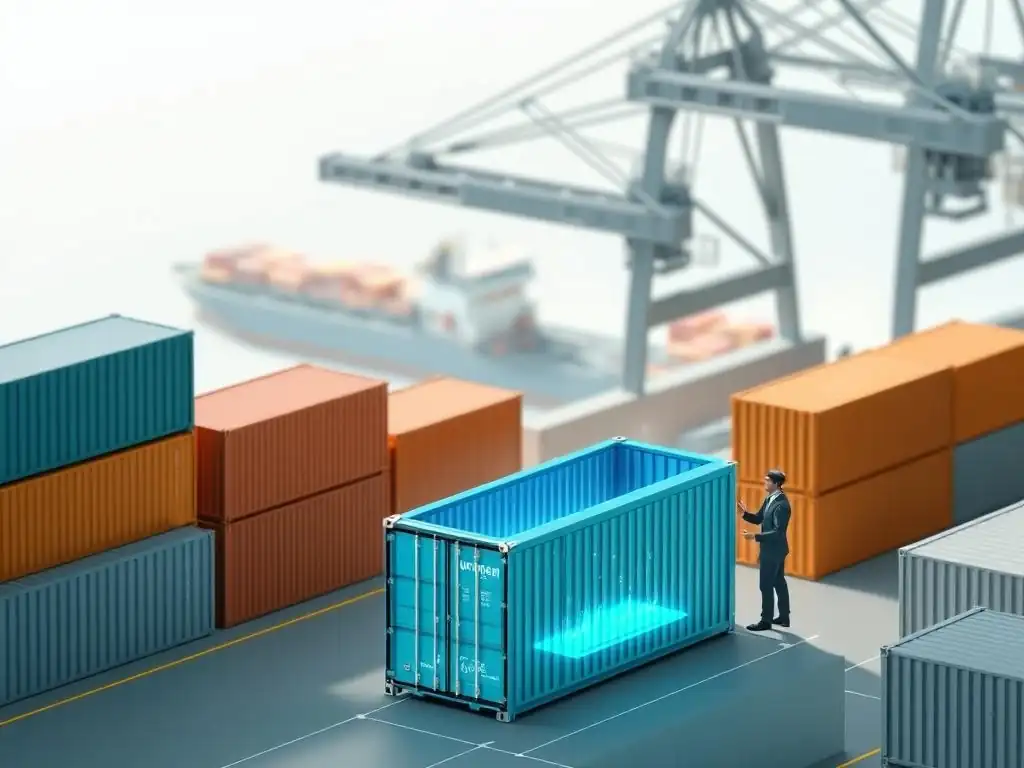
Customs clearance is often a major bottleneck in international trade. It requires the accurate and timely submission of numerous documents to various governmental agencies. The traditional process can be slow and unpredictable, leading to significant delays at ports and borders. Blockchain can significantly improve this by providing customs authorities with secure, real-time access to verified shipment data and associated documents shared by other parties on the network.
With a shared, immutable ledger, customs officials can trust the integrity and authenticity of the information they receive, reducing the need for manual verification against disparate sources. Smart contracts could potentially be used to automate parts of the clearance process based on pre-approved criteria and verified data on the blockchain. This streamlined exchange of information can accelerate customs processing times, potentially reducing clearance times from days to hours in some cases, thereby improving the overall speed and efficiency of blockchain logistics supply chain management.
Data Integrity and Improved Trust Among Stakeholders
Maintaining data integrity across a complex international supply chain is challenging when information resides in multiple, disconnected systems. Discrepancies can arise, leading to disputes and delays. Blockchain's core design ensures data integrity; once information is added to the ledger and validated by the network's consensus mechanism, it is virtually impossible to alter. This creates a single, reliable source of truth that all authorized participants can trust.
This shared, immutable record fosters greater trust among the diverse stakeholders involved in international trade – from exporters and importers to carriers, ports, and financial institutions. Knowing that all parties are operating from the same set of verified data reduces suspicion and encourages collaboration. This improved trust environment facilitates smoother transactions, reduces the frequency and complexity of disputes, and lays the groundwork for more efficient and collaborative blockchain logistics supply chain management across the global ecosystem.
Results and Impact: Quantifiable Improvements in Logistics Performance
Key Performance Indicators (KPIs) Before and After TradeLens Implementation
While precise, publicly available aggregate KPIs specifically detailing Maersk's internal improvements across all operations post-TradeLens implementation are not fully transparent, the platform's impact on key performance indicators (KPIs) for its users and the broader ecosystem has been reported through various pilot programs and user testimonials. Before blockchain, processes like obtaining and processing shipping instructions could take hours, and getting a confirmed bill of lading could take days. Tracking a container's location was often based on infrequent updates from various sources.
Following the implementation and adoption of TradeLens by various parties, improvements in several areas were noted. For example, the time taken to process and issue a bill of lading was significantly reduced, potentially from several days to hours in some specific cases documented in early pilots.
The availability of real-time or near real-time tracking data improved the accuracy of estimated times of arrival (ETAs) and reduced the time spent manually tracking shipments. While specific percentage improvements vary widely depending on the trade lane and participants involved, the general trend observed across various reports points towards a notable acceleration of documentation flows and improved data accuracy within the blockchain logistics supply chain management process.
Measuring the Return on Investment (ROI) of Blockchain in Supply Chain
Measuring the direct return on investment (ROI) for a large-scale, collaborative platform like TradeLens is complex, as benefits accrue differently to various participants (carriers, ports, customs, shippers, etc.). However, the ROI can be assessed through the cumulative impact of reduced costs, increased efficiency, and decreased risk. Cost reductions stem from lower administrative overhead, reduced demurrage and detention fees due to faster processing, and less expenditure on manual data reconciliation.
Increased efficiency contributes to ROI by accelerating cargo movement, improving asset utilization (e.g., faster container turnaround), and enabling better planning and forecasting. Reduced risk, particularly regarding fraud and errors, prevents potentially significant financial losses.
While a precise, universal ROI figure for blockchain in supply chain management remains elusive and depends heavily on the specific implementation and usage patterns, reports and analyses often suggest that the combined benefits across the ecosystem can lead to significant cost savings and efficiency gains that justify the initial investment and ongoing operational costs, especially for high-volume participants in international trade using advanced blockchain logistics supply chain management solutions.
Customer Satisfaction and Improved Brand Reputation
Implementing a cutting-edge technology like blockchain and successfully deploying a platform like TradeLens can also have a positive impact on customer satisfaction and brand reputation. For Maersk and other carriers and ports participating in TradeLens, offering enhanced visibility, faster documentation processing, and greater predictability in delivery times directly benefits their customers – the shippers and cargo owners. Shippers gain better control over their supply chains and can provide more reliable information to their own customers.
Providing a more transparent, secure, and efficient service through blockchain logistics supply chain management distinguishes participants from competitors using older, less efficient methods. This can lead to increased customer loyalty and attract new business. Furthermore, leading the way in technological innovation in a traditional industry enhances the brand reputation of companies like Maersk as forward-thinking and committed to improving the global trade ecosystem. The success stories and positive testimonials from early adopters and partners contribute to building a reputation for reliability and innovation.
Challenges and Lessons Learned During Blockchain Implementation
Overcoming Technical Hurdles in Blockchain Integration
Implementing blockchain solutions like TradeLens in a complex, multi-party environment like global logistics presents significant technical hurdles. Integrating the blockchain platform with legacy systems used by various stakeholders (shipping lines' operational systems, port systems, customs platforms, etc.) is a major challenge. These systems often use different technologies and data standards, requiring complex integration layers and APIs. Ensuring seamless and reliable data flow between these disparate systems and the blockchain is critical for the platform's success.
Scalability is another technical consideration. Global trade involves millions of transactions daily, and the blockchain platform must be capable of handling this volume efficiently without compromising speed or security. Designing the network architecture, consensus mechanisms, and data storage solutions to support enterprise-level scale requires careful planning and robust technology infrastructure. Overcoming these integration and scalability challenges is paramount for the widespread adoption and effectiveness of blockchain logistics supply chain management solutions.
Addressing Regulatory Compliance in International Trade
International trade is subject to a complex web of regulations that vary significantly from country to country. These regulations govern everything from customs declarations and security filings to data privacy and cross-border data flow. Implementing a blockchain solution that operates across multiple jurisdictions requires careful consideration of these diverse legal and regulatory requirements. Ensuring that the platform facilitates compliance with existing regulations, such as providing necessary data access to customs authorities while protecting sensitive commercial information, is crucial.
Furthermore, the legal status and implications of using blockchain-based documents, such as digital bills of lading, are still evolving in many jurisdictions. Navigating this uncertain legal landscape and working with regulators to establish clear guidelines for the use of blockchain in international trade documentation is an ongoing challenge. Successful blockchain logistics supply chain management initiatives must proactively engage with regulatory bodies to ensure compliance and build a foundation of trust with governmental agencies.
Change Management and Training for Employees
Introducing a new technology like blockchain requires significant change management efforts within participating organizations. Employees accustomed to traditional paper-based or legacy digital processes need to be trained on how to use the new platform and understand its benefits. Resistance to change, lack of technical familiarity, and the need to adapt existing workflows can slow down adoption and integration. Effective training programs and ongoing support are essential to help employees transition smoothly to using the blockchain-based system.
Beyond internal teams, ensuring that all external stakeholders – including partners, customers, and third-party service providers – are willing and able to adopt the new platform is also critical. This requires a collaborative approach, clear communication about the value proposition, and providing the necessary resources and support for integration and training. Successfully managing this complex web of internal and external change is key to unlocking the full potential of blockchain logistics supply chain management.
Ensuring Data Privacy and Security
While blockchain is inherently secure, implementing a permissioned network like TradeLens requires careful management of data privacy. Participants share sensitive commercial information on the platform, and it is imperative to ensure that data is only accessible to authorized parties based on predefined rules and permissions. Designing and implementing robust access control mechanisms and data encryption techniques is crucial to protect commercially sensitive data from unauthorized viewing or use.
Maintaining the security of the entire ecosystem, including the integration points with external systems, is also vital. A vulnerability in a connected legacy system could potentially expose data intended for the blockchain. Continuous monitoring, security audits, and adherence to best practices in cybersecurity are necessary to protect the integrity and confidentiality of the data flowing through the blockchain logistics supply chain management platform and maintain the trust of all participants.
The Future of Blockchain in Global Logistics and Supply Chain Management
Emerging Trends in Blockchain-Based Supply Chain Solutions
The use of blockchain in supply chains is moving beyond basic tracking and documentation. Emerging trends include integrating blockchain with other technologies like the Internet of Things (IoT) and Artificial Intelligence (AI). IoT sensors can automatically record events (e.g., temperature changes in a refrigerated container, location updates) directly onto the blockchain, providing even more granular and trusted data. AI can then analyze this blockchain data to optimize routes, predict delays, or identify potential risks.
Another trend is the development of decentralized finance (DeFi) solutions integrated with supply chain platforms. This could enable faster and more transparent trade finance, insurance, and payment processes based on verified data recorded on the blockchain. Tokenization of assets, such as bills of lading or even individual cargo items, is also being explored to facilitate easier transfer of ownership and financing. These advancements aim to create more interconnected, intelligent, and automated blockchain logistics supply chain management systems.
The Role of Blockchain in Creating More Resilient and Sustainable Supply Chains
Recent global events have highlighted the need for more resilient supply chains that can withstand disruptions. Blockchain's ability to provide real-time visibility and traceability across the entire chain can significantly enhance resilience. By having a clear, immediate view of where goods are and the status of transportation networks, businesses can react more quickly and effectively to disruptions, reroute shipments, or find alternative suppliers. The distributed nature of blockchain also makes the information layer more resilient to single points of failure.
Furthermore, blockchain can play a role in improving supply chain sustainability. By providing immutable records of the origin and journey of goods, blockchain can help verify ethical sourcing, track carbon emissions associated with transportation, and ensure compliance with environmental regulations. Consumers and businesses are increasingly demanding transparency regarding the sustainability of products, and blockchain can provide the verifiable data needed to build trust and support green initiatives within blockchain logistics supply chain management.
Blockchain's Potential to Revolutionize International Trade
Ultimately, blockchain has the potential to fundamentally revolutionize international trade by creating a more transparent, efficient, and trustworthy global ecosystem. By digitizing and streamlining complex, multi-party processes, it can reduce friction, cut costs, and accelerate the movement of goods across borders. The increased trust fostered by shared, immutable records can facilitate smoother interactions between businesses, financial institutions, and government agencies.
While challenges remain regarding interoperability between different blockchain platforms, regulatory harmonization, and widespread adoption, the foundational benefits demonstrated by initiatives like TradeLens suggest a future where blockchain is a standard component of international trade infrastructure. As more participants join these networks and technology continues to evolve, blockchain logistics supply chain management will become increasingly integrated, automated, and intelligent, unlocking new levels of efficiency and competitiveness for businesses worldwide.
Conclusion: Blockchain as a Catalyst for Transformation in Global Logistics
Key Takeaways from the Maersk Case Study
The Maersk TradeLens case study provides a compelling real-world example of blockchain's potential to transform global logistics and international trade. Key takeaways include the critical need for a collaborative approach involving multiple stakeholders across the supply chain, the importance of selecting a suitable, scalable, and permissioned blockchain platform like Hyperledger Fabric for enterprise use cases, and the significant benefits achievable in terms of improved visibility, enhanced security, and streamlined processes.
The case highlights that while technical integration and change management are challenging, the potential gains in efficiency, cost reduction, and risk mitigation are substantial. It underscores that successful implementation requires not just technology deployment but also ecosystem buy-in and adaptation.
The experience demonstrates that moving from traditional, opaque, and fragmented systems to a shared, transparent, and immutable ledger is a complex undertaking but one that yields tangible improvements in key areas of blockchain logistics supply chain management. It illustrates how digitizing documentation, automating workflows with smart contracts, and providing real-time data access can collectively address long-standing inefficiencies in international shipping. The journey also emphasizes that building trust and ensuring data privacy within a permissioned network are paramount for widespread adoption and compliance in a highly regulated industry.
The Importance of Blockchain for a Transparent and Efficient Global Trade Ecosystem
The future of global trade hinges on creating a more transparent and efficient ecosystem. The Maersk TradeLens initiative, despite its evolution and challenges, serves as a powerful testament to the importance of blockchain technology in achieving this goal. By providing a single source of truth accessible to authorized parties, blockchain eliminates information silos and fosters a level of transparency previously unattainable. This transparency is vital for building trust among diverse participants, reducing disputes, and enabling faster, more informed decision-making across the entire supply chain.
Furthermore, the efficiency gains derived from automating processes, accelerating documentation flow, and improving tracking accuracy are essential for meeting the demands of a fast-paced global economy. As international trade volumes continue to grow and supply chains become even more intricate, the need for robust, secure, and efficient blockchain logistics supply chain management solutions will only increase. Blockchain offers a foundational technology to build this future, promising a more resilient, sustainable, and interconnected global trade network that benefits businesses, consumers, and economies worldwide.
Frequently Asked Questions
How does blockchain enhance visibility in the logistics supply chain?
Blockchain provides immutable records of each transaction, allowing for end-to-end tracking of goods. This enhanced transparency reduces discrepancies and improves accountability.
What are the key benefits of using blockchain for supply chain management?
The primary benefits include increased efficiency, reduced costs through automation, and improved security against fraud and counterfeiting. These advantages make supply chain operations smoother.
How does blockchain contribute to regulatory compliance in international trade?
Blockchain's transparent and auditable nature simplifies compliance with international regulations. It creates a clear record of all transactions, making audits easier and more efficient.
What role does blockchain play in decentralized finance (DeFi) within the logistics sector?
Blockchain facilitates faster and cheaper payments for logistics services. This eliminates intermediaries and promotes financial inclusion for smaller businesses in the supply chain.
What are some potential challenges to the widespread adoption of blockchain in logistics?
Challenges include the lack of standardized protocols, scalability issues with certain blockchains, and the need for industry-wide collaboration to ensure interoperability. Overcoming these is key.
Final Reflection: Embracing Transparency in Global Commerce
The journey through the intricacies of blockchain's application in global logistics reveals a profound truth: transparency and efficiency are no longer optional, but essential for thriving in the modern international trade landscape. The case studies explored highlight the tangible benefits – reduced fraud, streamlined processes, and enhanced trust – that blockchain-enabled supply chains offer, painting a compelling picture of a future where goods move seamlessly across borders with unprecedented accountability.
The transformative power of blockchain extends beyond mere operational improvements; it fundamentally reshapes the relationships between stakeholders in the global supply chain. This shift towards greater transparency and collaboration is not just a technological advancement, but a cultural one, demanding a willingness to embrace new ways of working and sharing information. The future of supply chain isn't just about technology; it's about trust, transparency, and collaboration.
- Unknown
As we conclude this exploration, consider the implications of these advancements for your own role in the global ecosystem. What steps can you take to advocate for and implement blockchain solutions within your organization or industry? The future of global logistics is being written now, and your contribution can help shape a more efficient, transparent, and equitable world for all.
Ignite Your Logistics Revolution!
Thank you for exploring how blockchain is transforming global logistics. We hope you’ve gained valuable insights into its potential to revolutionize international trade. Now is the time to turn that knowledge into action and lead the way in this emerging field.
Are you ready to embrace the future of supply chains?
- Explore a specific application of blockchain in logistics relevant to your industry. Don't just read about it—understand how it works!
- Share your thoughts: Contribute to the conversation! What do you see as the biggest challenges to adopting blockchain technology?
- Network Smarter: Attend a blockchain and logistics conference! Connect with early adopters and learn from their experiences.
What immediate step will you take to explore blockchain's impact on your supply chain starting today? Share your plans in the comments!
Leave a Reply