
Smart Contract Integration Testing: Validating DApp FrontEnd Interactions


Welcome to Blockchain Trends, your guide to navigating the ever-evolving landscape of decentralized innovation.
Dive deep into the transformative power of blockchain, moving beyond the hype to explore real-world applications. Are you ready to ensure your DApp's front-end seamlessly interacts with your smart contracts? This article unveils a comprehensive look at the smart contract testing integration process, revealing crucial steps to validate and secure your decentralized applications. Curious about how to build robust and reliable DApps? Let's begin!
- Smart Contract Testing Integration Process: A Comprehensive Guide
-
Frequently Asked Questions
- How does smart contract integration testing differ from unit testing?
- What are the key challenges in integrating smart contract testing with a DApp frontend?
- Why is smart contract testing integration process important for decentralized applications (DApps)?
- What tools and frameworks are commonly used for smart contract testing integration?
- How does regulation impact the smart contract testing integration process?
- Final Reflection: Ensuring Trust Through Rigorous Validation
- Solidify Your DApp: Begin Integration Testing Today!
Smart Contract Testing Integration Process: A Comprehensive Guide
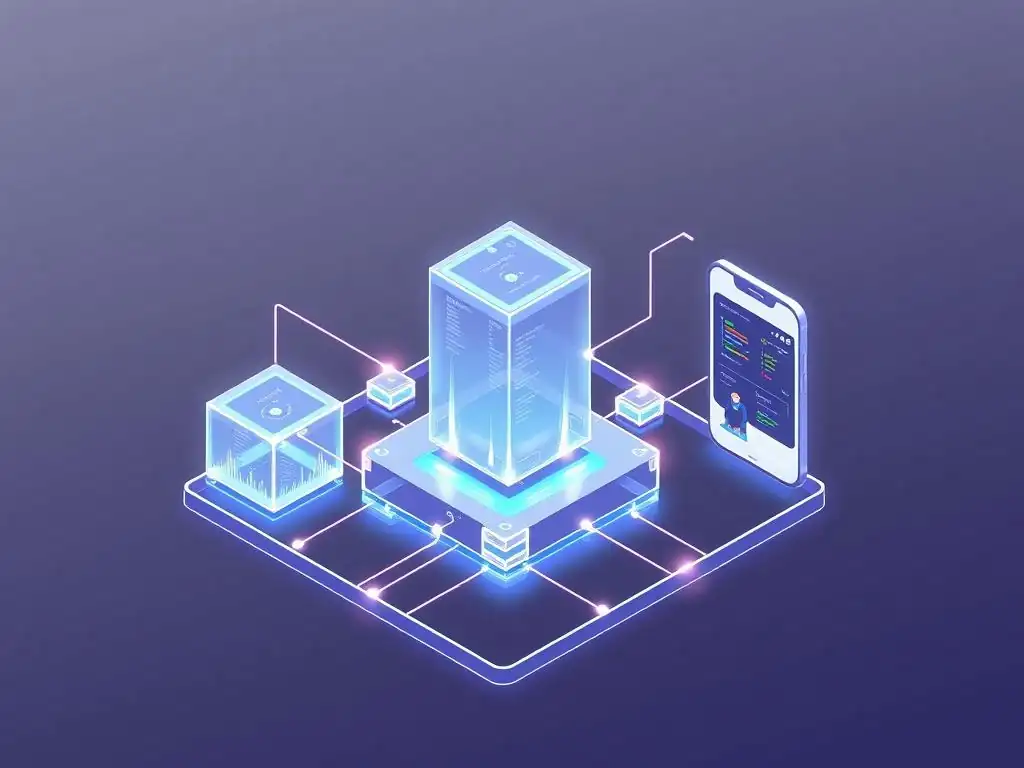
The smart contract testing integration process is a critical phase in the development lifecycle of any Decentralized Application (DApp). This process focuses on verifying that the front-end interface of the DApp correctly interacts with the deployed smart contracts on a blockchain network.
Unlike unit testing, which isolates individual components, integration testing ensures that the different parts of the system—specifically the user interface and the underlying contract logic—work together seamlessly and as expected. A well-defined smart contract testing integration process is essential for identifying bugs that arise from the interaction points, such as incorrect function calls, mishandling of transaction responses, or failures in updating the UI based on contract state changes.
Successfully navigating the smart contract testing integration process requires a structured approach. It begins with setting up the appropriate testing environment, followed by deploying the necessary smart contracts, and finally configuring the front-end to communicate with this specific setup. This systematic preparation lays the groundwork for writing and executing tests that simulate real-world user interactions.
The goal is to catch errors early in the development cycle, reducing the cost and complexity of fixing them later. Implementing a robust smart contract testing integration process significantly enhances the reliability, security, and overall user experience of the DApp before it is deployed to a public network like Ethereum Mainnet or Polygon.
Preparing the Smart Contract Environment for Testing
Setting up the correct environment is the foundational step in the smart contract testing integration process. This involves creating a controlled blockchain environment where smart contracts can be deployed and tested without incurring real transaction costs or affecting live network state.
Using a local development blockchain provides a fast and predictable environment, crucial for iterative testing during DApp development. Tools designed for this purpose allow developers to simulate blockchain behavior, generate accounts with pre-funded ether or tokens, and instantly mine transactions, drastically speeding up the feedback loop compared to testing on public testnets like Sepolia or Mumbai, which still have block times and require faucet funds.
A typical preparation involves selecting and configuring a local blockchain node, deploying the compiled smart contracts to this node, and then pointing the DApp's front-end to connect to this local network. This setup ensures that all tests run against the specific version of the smart contracts intended for the current development iteration. It isolates the testing from external network variability and potential issues, allowing developers to focus solely on the integration between their front-end code and the smart contract logic. This controlled environment is indispensable for an effective smart contract testing integration process.
Setting up a Local Blockchain for Testing (e.g., Ganache)
Ganache is a widely used tool for setting up a personal Ethereum blockchain for development and testing. It provides a visual interface and command-line tool that spins up a local blockchain instantly, pre-configured with ten accounts, each typically funded with 100 virtual ETH. This removes the need to mine blocks or acquire testnet ether, allowing developers to deploy contracts and execute transactions immediately. Within seconds, a local network is available, often running on http://127.0.0.1:8545, ready for development frameworks and DApps to connect. This speed and ease of setup make Ganache an excellent choice for the initial stages of the smart contract testing integration process.
Beyond basic functionality, Ganache offers features vital for thorough testing, such as the ability to fork a public blockchain (like Mainnet or a testnet) at a specific block number. This allows developers to test their DApp and smart contracts against the state of a real network, including existing deployed contracts and data, without the risks or delays of interacting with the actual network.
Ganache also provides detailed logging of transactions and events, which is invaluable for debugging interactions between the front-end and the smart contract. Utilizing these features enhances the depth and realism of the smart contract testing integration process.
Deploying Smart Contracts to the Test Environment
Once a local blockchain like Ganache is running, the next step in the smart contract testing integration process is deploying the compiled smart contracts to this environment. Development frameworks such as Truffle and Hardhat streamline this process significantly. These frameworks provide scripting capabilities and deployment tools that automate the compilation, linking, and deployment of contracts using predefined deployment scripts. For example, a simple deployment script in Hardhat might instruct the network to deploy a MyToken contract and immediately transfer 1,000,000 tokens to a specific test account.
Deployment scripts handle dependencies between contracts and manage the deployment order, ensuring that all necessary contracts are available and linked correctly on the local network. After deployment, the framework typically outputs the addresses of the deployed contracts and their Application Binary Interfaces (ABIs).
These details are crucial as they serve as the interface definition for the front-end to interact with the contracts. A successful deployment confirms that the contract bytecode is correctly placed on the simulated chain and is ready to receive calls and transactions from the DApp front-end, marking a key milestone in the smart contract testing integration process setup.
Configuring the DApp Front-End to Interact with the Test Network
The final setup step in the smart contract testing integration process involves configuring the DApp's front-end to connect to the local test blockchain where the contracts have been deployed. This typically means updating the Web3 provider instance used by the front-end application. Instead of connecting to a public network via a service like Infura or Alchemy, the front-end is configured to connect to the local node's RPC endpoint, such as http://127.0.0.1:8545 for Ganache. This redirection ensures that all blockchain interactions initiated by the user interface, such as sending transactions or reading contract state, are directed to the controlled test environment.
Furthermore, the front-end needs access to the addresses and ABIs of the deployed smart contracts on the local network. Development frameworks often generate files containing this information after deployment, which the front-end application can then import. Using these local contract addresses and ABIs, the front-end can instantiate contract objects (e.g., using new ethers.Contract(address, abi, provider) or new web3.eth.Contract(abi, address)) that represent the deployed contracts on the local test network. This configuration establishes the necessary communication channel, allowing the front-end to correctly call contract functions and listen for events, thereby enabling comprehensive smart contract testing integration process activities.
Frequently Asked Questions
How does smart contract integration testing differ from unit testing?
Smart contract integration testing focuses on the interaction between the smart contract and other components, such as the front-end DApp, while unit testing isolates and tests individual functions or modules within the smart contract itself. It's crucial to ensure seamless communication between the contract and the application.
What are the key challenges in integrating smart contract testing with a DApp frontend?
Challenges include managing asynchronous calls, handling blockchain latency, and ensuring data consistency between the front-end and the smart contract's state. Careful planning and robust error handling are essential.
Why is smart contract testing integration process important for decentralized applications (DApps)?
It ensures the DApp functions correctly as a whole. Without proper integration testing, the front-end might not interact correctly with the smart contract, leading to unexpected behavior or vulnerabilities.
What tools and frameworks are commonly used for smart contract testing integration?
Tools like Truffle, Ganache, and Hardhat are often used to create a local blockchain environment. Frameworks like Web3.js or ethers.js facilitate communication between the front-end and the smart contract.
How does regulation impact the smart contract testing integration process?
Regulatory requirements often mandate thorough testing and auditing of smart contracts, including integration testing. Failing to demonstrate adequate testing can result in legal repercussions and reputational damage.
Final Reflection: Ensuring Trust Through Rigorous Validation
The journey through smart contract integration testing, as outlined in this article, underscores the critical need for robust validation in decentralized applications (DApps). The intricate dance between the frontend interface and the immutable logic of smart contracts demands meticulous scrutiny. Without a comprehensive testing strategy, the promise of transparency and security inherent in blockchain technology risks being undermined, leaving users vulnerable to unforeseen vulnerabilities and financial losses.
The impact of thorough smart contract testing extends far beyond mere code correctness. It fosters trust, the very foundation upon which the future of decentralized finance (DeFi) and Web3 is being built. The ability to confidently interact with a DApp, knowing that its underlying mechanisms have been rigorously vetted, is paramount to widespread adoption. As Satoshi Nakamoto famously stated, The root problem with conventional currency is all the trust that's required to make it work.
Smart contract testing helps us move closer to a trustless system, where code is law and verifiable security reigns supreme.
Now, consider the implications of this knowledge in your own interactions with DApps. Are you actively seeking out projects that prioritize smart contract testing? Are you asking the right questions about their validation processes? Let this article serve as a catalyst for deeper engagement and a more discerning approach to the decentralized world. By demanding transparency and prioritizing security, we can collectively cultivate a more resilient and trustworthy future for blockchain technology.
Solidify Your DApp: Begin Integration Testing Today!
Thank you for exploring the essential aspects of Smart Contract Integration Testing. Now that you recognize the importance of validating your application's front-end interactions, it's time to take action.
Start by building a dedicated integration test suite for your DApp's user interface. Focus on key user flows and develop tests to ensure seamless interaction with your smart contracts.
Consider using popular testing frameworks such as Truffle, Hardhat, or Brownie to make your testing process more efficient. Contributing to these open-source tools can also help improve the ecosystem.
Share your experiences and challenges with the community! Join discussions on our forums or write a blog about your journey with integration testing.
What is the first integration test you plan to implement, and what obstacles do you expect to encounter? We’d love to hear your thoughts in the comments below!
Leave a Reply