
From Farm to Fork: Blockchain for Sustainable and Transparent Food Supply Chains

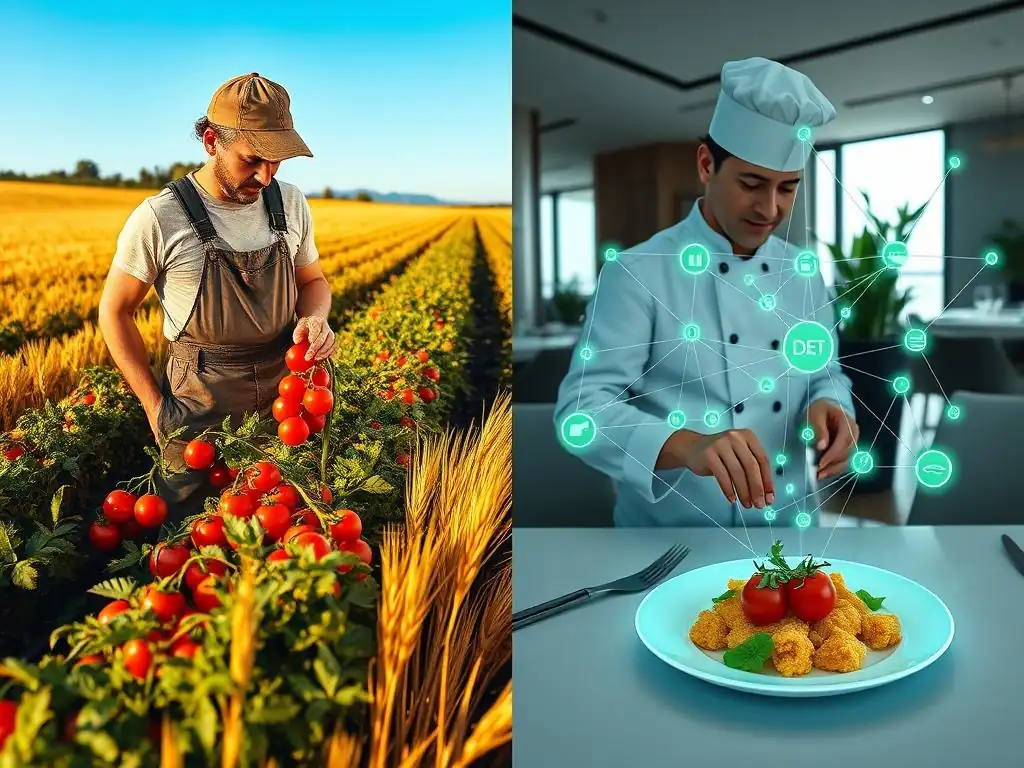
Welcome to Blockchain Trends, where we delve into the real-world applications of blockchain technology far beyond the digital coin. Are you ready to uncover how this revolutionary technology is reshaping industries?
In this compelling article, we're exploring the groundbreaking use of blockchain to achieve blockchain food supply transparency. Imagine a world where you can trace your food's journey from farm to fork with absolute certainty. Intrigued? Discover how this technology is fostering sustainability, combating fraud, and building consumer trust in the food we consume. Read on to unlock the future of our food systems!
- Enhancing Food Supply Chain Transparency with Blockchain
- Benefits of Blockchain Implementation in the Food Industry
-
Frequently Asked Questions
- How can blockchain technology enhance food supply chain transparency?
- What are the key benefits of using blockchain for "Blockchain food supply transparency" and sustainability in the food industry?
- What are some practical examples of blockchain being used in the food supply chain today?
- How does blockchain help with regulatory compliance in the food industry?
- What are the main challenges to widespread adoption of blockchain for "Blockchain food supply transparency"?
- Final Reflection: Cultivating Trust Through Transparency
- Unveil the Future of Food: Start Tracking Today!
Enhancing Food Supply Chain Transparency with Blockchain
Tracking Food Products from Origin to Consumption
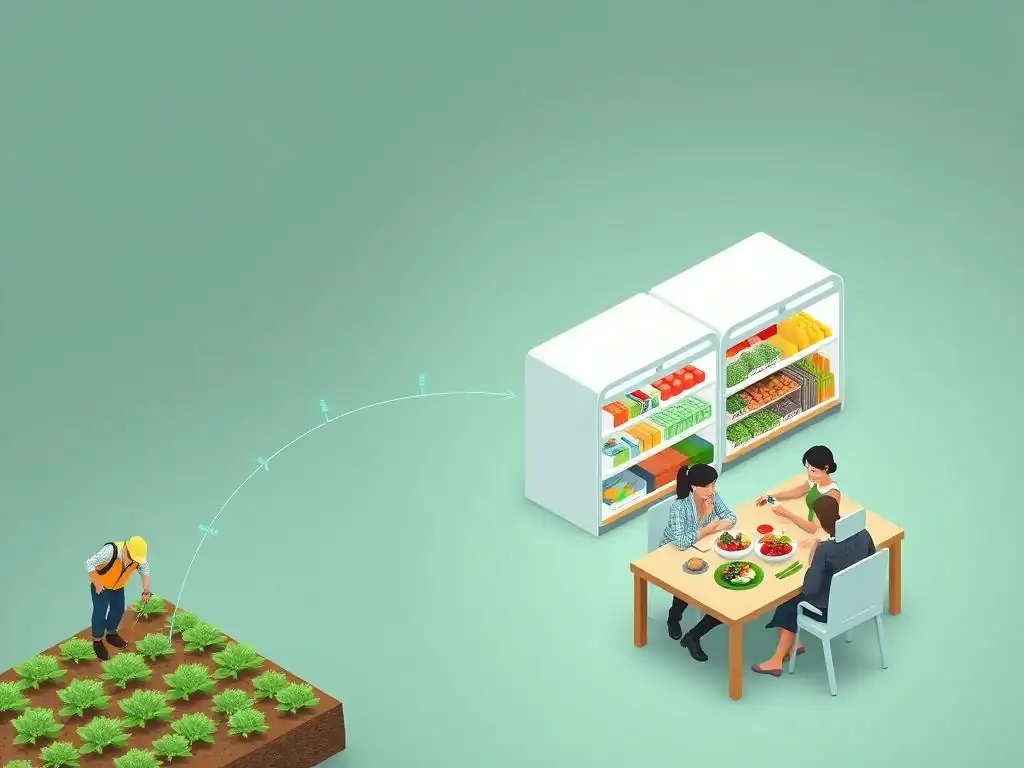
Achieving comprehensive blockchain food supply transparency involves meticulously recording each step a food product takes, from its initial source—be it a farm, fishery, or processing plant—to the final point of sale or consumption. This process leverages blockchain's distributed ledger technology to create an immutable, shared record accessible to authorized parties along the chain. Each transfer, transformation, or certification event related to the product is logged as a transaction on the blockchain. For instance, when a batch of produce is harvested, its origin, date, and farmer's ID are recorded.
When it moves to a distributor, that transfer is logged. Subsequent steps like packaging, quality checks, and shipping are also added as discrete, verifiable entries. This creates a digital thread that follows the physical product, offering unprecedented visibility.
This granular level of tracking fundamentally changes how supply chain participants interact with information. Instead of relying on disparate, often paper-based records or centralized databases prone to errors or manipulation, everyone operates from a single, shared source of truth. This enhances blockchain food supply transparency significantly.
Should a problem arise, such as a recall or a quality issue, tracing the product back to its source, or forward to affected consumers, can be done rapidly. What traditionally took days or even weeks of painstaking investigation, involving phone calls, faxes, and manual record searches across multiple companies, can potentially be accomplished in minutes. This speed and accuracy are critical for minimizing the impact of safety incidents and building trust.
Real-Time Visibility and Data Integrity Using Blockchain
Blockchain technology provides near real-time visibility into the location, status, and history of food products as they move through the supply chain. As transactions are recorded on the ledger, they are immediately available to all participants on the network who have the necessary permissions.
This means a retailer can see exactly when a shipment left the processing plant, its current estimated arrival time, and even details about its temperature monitoring during transit, assuming that data is integrated. This level of real-time insight allows for better inventory management, more accurate forecasting, and proactive handling of potential delays or issues before they impact product quality or availability.
Crucially, blockchain's inherent cryptographic nature ensures data integrity. Once a transaction is added to a block and the block is added to the chain, it is virtually impossible to alter or delete the information without being detected by the network. Each block contains a cryptographic hash of the previous block, creating a chain where any modification to historical data would break the link and invalidate subsequent blocks.
This immutability is foundational to trust in blockchain food supply transparency. It assures stakeholders that the data they are viewing—whether it's about origin, handling conditions, or certifications—is accurate and has not been tampered with, providing a reliable basis for decision-making and regulatory compliance.
Benefits of Blockchain Implementation in the Food Industry
Improving Food Safety and Reducing Foodborne Illnesses
One of the most compelling benefits of implementing blockchain in the food industry is its profound impact on food safety. Traditional supply chains often suffer from poor visibility, making it difficult and time-consuming to pinpoint the source of contamination during an outbreak. This delay can lead to more people getting sick and wider, more expensive recalls.
By creating an immutable and easily searchable ledger of every touchpoint for a food item, blockchain enables rapid tracing. For example, in a simulated test, tracing a package of mangoes from a store shelf back to the specific farm took seconds using a blockchain system, compared to days using traditional methods. This speed allows authorities and companies to identify the affected products and batches quickly, initiate targeted recalls, and prevent further consumption of contaminated food, thereby significantly reducing the number of foodborne illnesses.
Furthermore, blockchain can integrate data from various sources, including IoT sensors monitoring temperature and humidity during transport, quality control checks at different stages, and even lab testing results. This comprehensive data record, available instantly, allows for proactive identification of potential safety risks before a product reaches the consumer. If sensor data indicates a temperature deviation that could compromise safety, alerts can be triggered, and the affected batch can be isolated. This shift from reactive tracing after an incident to proactive monitoring based on real-time data is a game-changer for ensuring food safety and enhancing overall blockchain food supply transparency.
Minimizing Food Waste Through Efficient Tracking
Food waste is a massive global problem, with significant economic and environmental consequences. Inefficient supply chains, lack of visibility into product location and condition, and poor inventory management contribute significantly to spoilage and waste. Blockchain technology addresses these issues by providing precise, real-time tracking and detailed information about each product batch, including production dates, expiration dates, and handling conditions.
This enhanced visibility allows supply chain participants—from producers and distributors to retailers—to manage inventory more effectively. Knowing exactly where products are and their condition helps optimize logistics, reduce transit times where possible, and ensure that products nearing their expiration dates are prioritized for distribution and sale.
Consider perishable goods. With traditional systems, delays or misrouting can easily lead to spoilage before products reach their destination. Blockchain tracking provides alerts for delays and offers alternative routing options, potentially saving a shipment. Moreover, detailed records about handling conditions (like consistent temperature maintenance) reduce uncertainty about product quality upon arrival, minimizing rejections at distribution centers or retail stores. By improving accuracy in forecasting and planning, and enabling better coordination across the supply chain, blockchain technology directly contributes to minimizing food waste, leading to cost savings for businesses and a more sustainable food system.
Strengthening Brand Trust and Consumer Confidence
In today's market, consumers are increasingly demanding to know more about where their food comes from, how it was produced, and its journey to their plate. They care about sustainability, ethical sourcing, animal welfare, and the authenticity of the products they buy. Blockchain food supply transparency directly addresses this demand by making verifiable information about a product's origin and history accessible.
By scanning a QR code on a product package, consumers could potentially access details such as the farm where it was grown, certifications it holds (e.g., organic, fair trade), processing dates, and even the carbon footprint associated with its transport. This level of transparency builds trust and confidence in the brand.
Brands that adopt blockchain technology to provide this detailed, verifiable information differentiate themselves in the market. They demonstrate a commitment to honesty and accountability. When consumers trust the information they receive about a product's provenance and sustainability claims, they are more likely to purchase that product and remain loyal to the brand.
For example, a study showed that a significant percentage of consumers are willing to pay more for products from companies that provide greater transparency. By leveraging blockchain, food companies can not only enhance operational efficiency and safety but also cultivate a stronger relationship with their customers based on verifiable facts, reinforcing brand reputation and driving consumer loyalty.
Frequently Asked Questions
How can blockchain technology enhance food supply chain transparency?
Blockchain creates a shared, immutable ledger that records every transaction and movement of food products. This allows for end-to-end traceability, from the farm to the consumer's table, increasing trust and accountability.
What are the key benefits of using blockchain for "Blockchain food supply transparency" and sustainability in the food industry?
Implementing blockchain can lead to improved food safety, reduced food waste, and increased consumer trust. It enables quick identification of contamination sources and validates sustainable farming practices.
What are some practical examples of blockchain being used in the food supply chain today?
Companies are using blockchain to track seafood origins, verify organic certifications, and trace the movement of produce from farm to retailer. These initiatives demonstrate real-world applications of blockchain's capabilities.
How does blockchain help with regulatory compliance in the food industry?
Blockchain provides a verifiable and auditable record of all transactions. This streamlines compliance with regulations like food safety standards and origin labeling requirements, simplifying the audit process.
What are the main challenges to widespread adoption of blockchain for "Blockchain food supply transparency"?
Challenges include the cost of implementation, the need for industry-wide collaboration, and ensuring data privacy within the blockchain network. Overcoming these hurdles is crucial for broader adoption.
Final Reflection: Cultivating Trust Through Transparency
The journey of food from farm to fork is often shrouded in mystery, but blockchain technology offers a powerful solution to illuminate this path and foster greater trust in our food systems. The potential to revolutionize supply chains, ensuring sustainability and transparency, is no longer a distant dream but a tangible reality within our grasp.
The impact of blockchain on the food industry extends far beyond mere traceability; it's about empowering consumers, supporting ethical producers, and building a more resilient and equitable food ecosystem. My hope is that this technology will not only enhance transparency but also encourage a deeper connection between consumers and the origins of their food, fostering a greater appreciation for the hard work and dedication of farmers and producers. The future of food is in traceability, and blockchain is the key to unlocking that future.
- Dan Glickman, Former U.S. Secretary of Agriculture.
As we move forward, let us embrace the potential of blockchain to cultivate a more sustainable and transparent food future. Consider the power you hold as a consumer to demand greater accountability and support businesses that prioritize ethical and transparent practices. By choosing to invest in blockchain-enabled food systems, you are not just buying food; you are investing in a future where trust, sustainability, and transparency are the cornerstones of our food supply.
Unveil the Future of Food: Start Tracking Today!
Thank you for exploring how blockchain technology can transform our food supply chains into more sustainable and transparent systems. We hope you've gained valuable insights into the potential of this innovative technology. Now, it’s time to turn that knowledge into action!
Here are some ways you can help create a more transparent food industry:
- Research blockchain-based food traceability platforms to find ones that match your values, and consider supporting brands that use them. This is a vital step toward making informed choices as a consumer.
- Share this article with friends and family to spread awareness about blockchain’s role in ensuring food safety and sustainability.
- Visit local farmers markets and ask vendors about their sourcing practices. Encourage them to adopt blockchain solutions to foster trust and transparency with their customers.
What actions will you take this week to support blockchain adoption in your food choices? Share your plans in the comments below!
Leave a Reply