
The Economic Impact of Blockchain in Telemedicine: Cost Savings & New Opportunities


Welcome to Blockchain Trends, your guide to understanding the revolutionary potential of blockchain technology.
Are you ready to discover how blockchain is poised to reshape healthcare? Dive into our analysis of blockchain telemedicine cost savings and unlock insights into the economic benefits and emerging opportunities in decentralized healthcare. Curious about the potential for reduced operational expenses and improved patient care? Let's explore this transformative application together and uncover the future of healthcare innovation.
The Economic Impact of Blockchain in Telemedicine: Cost Savings & New Opportunities
- Introduction: Blockchain's Transformative Role in Telemedicine
- Blockchain Telemedicine Cost Savings: A Detailed Analysis
- New Economic Opportunities Created by Blockchain in Telemedicine
- Blockchain and Telemedicine: Addressing Key Challenges
- Case Studies: Real-World Examples of Blockchain Telemedicine Impact
- The Future of Blockchain in Telemedicine: Trends and Predictions
- Conclusion: Unlocking the Economic Potential of Blockchain Telemedicine
-
Frequently Asked Questions
- How can blockchain technology contribute to cost savings in telemedicine?
- What are some of the new opportunities that blockchain creates within the telemedicine industry?
- How does blockchain address the issue of data security and privacy in telemedicine?
- What role does regulation play in the adoption of blockchain in telemedicine?
- Beyond cost savings, what are some other benefits of using blockchain in telemedicine?
- Final Reflection: Embracing Blockchain's Telemedicine Revolution
- Unleash the Potential of Blockchain in Your Telemedicine Strategy!
Introduction: Blockchain's Transformative Role in Telemedicine
Telemedicine, the delivery of healthcare services remotely using technology, has seen rapid growth, especially in recent years. It offers convenience, accessibility, and can potentially lower costs. However, traditional telemedicine faces challenges related to data security, interoperability, administrative overhead, and trust among stakeholders. These hurdles often hinder its full potential and economic efficiency.
Blockchain technology, known for its decentralized, immutable ledger system, presents a compelling solution to many of these challenges. Originally popularized by cryptocurrencies, blockchain's underlying principles of transparency, security, and trust-through-cryptography are highly applicable to the complex environment of healthcare and telemedicine. Its potential to streamline processes, enhance data integrity, and create new economic models is significant.
Understanding the Convergence of Blockchain and Telehealth
The convergence of blockchain and telehealth involves integrating decentralized ledger technology into the existing telemedicine infrastructure. This integration aims to leverage blockchain's core features—immutability, transparency, and security—to address the pain points in remote healthcare delivery. By placing health records, patient consent, and transaction data on a secure, shared ledger, blockchain can facilitate trusted interactions between patients, providers, payers, and researchers.
This technological synergy enables a more secure and efficient exchange of information, crucial for effective remote diagnosis, treatment, and monitoring. It moves away from siloed, centralized databases towards a distributed system where data integrity is cryptographically assured. This not only protects sensitive patient information but also creates a single, reliable source of truth for medical history, appointments, prescriptions, and billing, paving the way for significant Blockchain telemedicine cost savings.
Why Blockchain is Gaining Traction in Telemedicine
Blockchain is gaining traction in telemedicine primarily due to its ability to enhance security, privacy, and interoperability—critical factors for remote healthcare. Traditional systems are vulnerable to data breaches, which are costly and erode patient trust. Blockchain's encryption and decentralized nature make data significantly harder to compromise. Furthermore, the lack of seamless data exchange between different healthcare providers and systems is a major inefficiency; blockchain offers a potential solution by providing a standardized, secure platform for data sharing with appropriate consent mechanisms.
The technology also promises to reduce the substantial administrative burden in healthcare. Processes like claims processing, verification, and record keeping are notoriously inefficient and expensive. Blockchain, particularly through smart contracts, can automate many of these tasks, leading to substantial Blockchain telemedicine cost savings. As the telemedicine market expands, the need for a robust, secure, and efficient underlying technology becomes paramount, and blockchain is increasingly viewed as a foundational element for the future of digital health.
Blockchain Telemedicine Cost Savings: A Detailed Analysis
One of the most compelling arguments for adopting blockchain in telemedicine is its potential to generate significant cost savings across various operational areas. By addressing inefficiencies inherent in traditional healthcare systems, blockchain can reduce expenditures for providers, payers, and potentially even patients. These savings stem from improvements in administrative processes, enhanced security, and streamlined data management.
Analyzing the financial benefits reveals that while initial implementation costs exist, the long-term economic advantages, particularly the Blockchain telemedicine cost savings, can be substantial. These benefits extend beyond direct financial reductions to include intangible savings like reduced risk of data breaches and improved patient satisfaction, which contribute to a more sustainable and efficient healthcare ecosystem.
Reducing Administrative Costs with Blockchain in Healthcare
Administrative costs represent a significant portion of healthcare expenditure. In the United States, administrative costs are estimated to account for a substantial percentage of total healthcare spending. These costs arise from complex processes like billing, claims processing, patient onboarding, and managing vast amounts of medical records. Blockchain's inherent features can dramatically simplify and automate many of these tasks, leading to direct and indirect administrative cost reductions.
By providing a transparent, immutable, and shared ledger, blockchain eliminates the need for multiple intermediaries and redundant verification steps common in current administrative workflows. This streamlining is particularly relevant for telemedicine, where secure and efficient handling of patient data and billing across potentially disparate systems is crucial. The automation potential offered by smart contracts is a key driver for achieving Blockchain telemedicine cost savings in this area.
Streamlining Claims Processing and Reimbursement
Claims processing is a notoriously complex and expensive part of the healthcare system, often involving multiple parties, manual checks, and potential disputes. Estimates suggest that administrative costs associated with billing and insurance can consume a significant percentage of practice revenue. Blockchain can revolutionize this process by using smart contracts to automate claim verification and payment.
When a telemedicine consultation occurs, relevant data (patient identity, service provided, provider details) can be recorded on a blockchain. A smart contract, pre-programmed with the terms of the insurance policy, can automatically verify the claim against the recorded data. This reduces manual intervention, speeds up processing times from weeks to potentially days or even hours, and significantly lowers the risk of errors and fraud. The resulting efficiency translates directly into substantial Blockchain telemedicine cost savings for both providers and payers.
Automating Medical Record Management
Managing patient medical records in traditional systems is cumbersome, expensive, and prone to errors or fragmentation across different providers. Maintaining secure, accessible, and up-to-date records requires significant IT infrastructure and administrative effort. Blockchain offers a decentralized approach where patients can have control over their data, granting access permissions to providers as needed.
By storing encrypted medical record hashes on a blockchain and the actual data off-chain with secure access controls, telemedicine platforms can ensure data integrity and availability while reducing the need for centralized, high-maintenance databases. This approach simplifies record requests, reduces duplication of tests and procedures due to lack of information, and automates the process of updating and sharing records with patient consent. Automating these aspects of record management contributes significantly to Blockchain telemedicine cost savings.
Lowering Operational Expenses through Decentralized Systems
Beyond administrative overhead, the operational costs of running telemedicine services are also substantial, including expenses related to data security, infrastructure maintenance, and supply chain logistics for remote care necessities. Centralized systems are often expensive to maintain, scale, and protect from cyber threats. Decentralized blockchain systems offer an alternative model that can distribute costs and enhance resilience.
Decentralization can reduce reliance on single points of failure, improving system uptime and reliability. Furthermore, the inherent security features of blockchain can significantly mitigate the risk and cost associated with data breaches, a major operational concern in healthcare. These factors contribute to lowering the overall operational footprint and generating further Blockchain telemedicine cost savings.
Enhanced Data Security and Reduced Breach Costs
Data security is paramount in healthcare, and the cost of data breaches is staggering. The healthcare sector consistently reports the highest average cost per data breach compared to other industries, often exceeding several million dollars per incident, including costs for detection, escalation, notification, and lost business. Traditional centralized databases are attractive targets for cyberattacks.
Blockchain enhances data security in telemedicine by creating an immutable, cryptographically secured ledger. While patient data itself might be stored off-chain, its integrity and access permissions can be managed on the blockchain. Any attempt to tamper with data would be immediately detectable across the decentralized network. By significantly reducing the likelihood and impact of breaches, blockchain offers substantial Blockchain telemedicine cost savings by preventing these expensive incidents.
Improved Supply Chain Management for Pharmaceuticals
For telemedicine that involves prescribing and potentially delivering medications remotely, managing the pharmaceutical supply chain is a critical operational component. Ensuring the authenticity and timely delivery of pharmaceuticals is complex and prone to issues like counterfeiting and inefficiencies.
Blockchain can provide an immutable ledger tracking pharmaceuticals from manufacturer to patient. Each step in the supply chain – production, packaging, shipping, and delivery – can be recorded on the blockchain. This transparency helps verify the legitimacy of drugs, ensuring patients receive safe and authentic medication. It also allows for more efficient tracking and recall processes if necessary. While not a direct administrative cost saving, optimizing the supply chain reduces waste, prevents fraud, and ensures the reliability of remote prescriptions, indirectly contributing to the efficiency and economic viability of telemedicine services.
New Economic Opportunities Created by Blockchain in Telemedicine
Beyond cost reduction, blockchain technology is poised to unlock entirely new economic opportunities within the telemedicine landscape. By enabling secure data sharing, fostering trust, and creating new interaction models, blockchain can facilitate innovative services and revenue streams that were previously difficult or impossible to implement efficiently or securely. These opportunities extend to patients, providers, and third-party developers.
These new models move beyond the traditional fee-for-service approach, enabling more personalized, data-driven, and collaborative healthcare. Exploring these opportunities is key to understanding the full transformative economic impact of blockchain on telemedicine, complementing the direct Blockchain telemedicine cost savings with growth potential.
Fostering Innovation in Remote Patient Monitoring (RPM)
Remote Patient Monitoring (RPM), using wearable devices and sensors to collect patient health data outside traditional clinical settings, is a rapidly growing area of telemedicine. RPM generates vast amounts of sensitive data (heart rate, blood pressure, activity levels, etc.) that needs to be securely collected, stored, and shared with healthcare providers. Blockchain can play a pivotal role in building trust and efficiency in RPM data management.
By providing a secure and transparent layer for managing RPM data permissions and ensuring data integrity, blockchain encourages broader adoption and innovation in this field. It allows patients to feel more confident about the security of their personal health information being transmitted from their devices. This trust is essential for scaling RPM programs and leveraging the data for better health outcomes and new service development.
Secure and Interoperable RPM Data Management
The primary challenge in RPM data management is ensuring the security and privacy of continuous data streams from patient devices, while also making this data interoperable across different platforms and providers. Traditional systems often struggle with fragmented data and security vulnerabilities.
Blockchain can secure RPM data by creating an immutable log of data entries and access requests. Data from devices can be encrypted, with hashes stored on the blockchain, ensuring that any tampering is immediately obvious. More importantly, blockchain can facilitate interoperability by providing a standard, decentralized framework for data access and sharing, governed by smart contracts and patient consent.
This enables different healthcare applications and providers to securely access relevant RPM data, fostering innovation in diagnostics and personalized care delivery. Secure and interoperable data management is crucial for realizing the full economic potential of RPM and maximizing its contribution to Blockchain telemedicine cost savings by preventing hospitalizations and improving chronic disease management.
Enabling Personalized Healthcare Solutions
RPM data, when securely aggregated and analyzed, can provide deep insights into an individual's health status and response to treatment. Blockchain's ability to manage this data securely and with patient consent enables the development of highly personalized healthcare solutions delivered via telemedicine.
Imagine applications that use blockchain-secured RPM data to provide tailored health coaching, medication reminders based on real-time physiological responses, or personalized treatment plans adjusted dynamically. By giving patients control over who accesses their data and under what conditions, blockchain fosters an environment where patients are more willing to share data for personalized services. This data-driven personalization can lead to more effective treatments, better patient engagement, and ultimately, improved health outcomes, creating value for patients and new service opportunities for providers.
Creating New Revenue Streams for Healthcare Providers
Blockchain technology can help healthcare providers participating in telemedicine identify and capitalize on new revenue streams beyond traditional consultation fees. By enabling more granular services, facilitating secure transactions, and enhancing patient engagement, blockchain opens up possibilities for innovative service delivery models.
These new revenue opportunities leverage the transparency and efficiency of blockchain to offer services that might be cumbersome or insecure in traditional systems. This includes direct patient-provider interactions for specific services and micro-transaction models for data access or specific digital health tools, contributing to the overall economic growth enabled by blockchain in telemedicine.
Teleconsultation Platforms Powered by Blockchain
While teleconsultations are already a core component of telemedicine, blockchain can enhance the platforms that deliver them, creating new revenue possibilities. By using blockchain for identity verification, appointment scheduling, and secure payment processing via smart contracts, providers can reduce reliance on third-party platforms that take a percentage of fees.
Furthermore, blockchain-powered platforms can enable more flexible consultation models, such as secure, on-demand access to specialists or secure group consultations, with payment and data access managed transparently. The security and trust provided by the blockchain can attract more patients and providers to these platforms, increasing transaction volume and potential revenue. Implementing blockchain in these platforms can also introduce efficiencies that indirectly lead to Blockchain telemedicine cost savings for the provider by reducing administrative overhead associated with booking and billing.
Micro-transactions for Healthcare Services
Blockchain's ability to handle secure, low-cost micro-transactions opens up possibilities for charging for very specific, granular healthcare services delivered via telemedicine. This could include charging a small fee for accessing a secure summary of a consultation, receiving a personalized health tip based on RPM data, or getting a second opinion on a specific diagnostic image securely shared via a blockchain-based system.
Traditional payment systems are often not cost-effective for such small transactions. Blockchain, however, can facilitate these micro-payments efficiently using cryptocurrencies or stablecoins, creating new, incremental revenue streams for providers based on the value of specific digital health interactions or data access. This model allows providers to monetize services that were previously not financially viable to offer, contributing to the economic growth of telemedicine.
Empowering Patients with Data Ownership and Control
A significant economic opportunity created by blockchain in telemedicine lies in empowering patients with true ownership and control over their health data. In traditional systems, patient data is often held by providers, insurers, or third-party platforms, with limited patient access or control over its use. Blockchain shifts this paradigm by allowing patients to control who accesses their data and potentially benefit from its use.
This patient empowerment is not just a matter of privacy; it has economic implications. By giving patients agency over their data, blockchain fosters trust and encourages participation in data-sharing initiatives, including those for research or commercial purposes, creating potential revenue or benefits for the patient.
Monetizing Health Data with Patient Consent
With data ownership secured by blockchain, patients can choose to monetize their anonymized or pseudonymized health data. Researchers, pharmaceutical companies, and health tech developers are constantly seeking real-world health data to drive innovation, develop new treatments, and improve services.
Blockchain platforms can facilitate a secure marketplace where patients can grant granular access to their data for research or commercial use in exchange for compensation (e.g., cryptocurrency tokens). The blockchain ensures that consent is recorded, transparent, and immutable, and that data usage adheres to agreed-upon terms. This creates a direct economic benefit for patients, incentivizes data sharing for public good and innovation, and establishes a new data economy within healthcare.
Facilitating Data Sharing for Research
Beyond direct monetization, patient-controlled data sharing facilitated by blockchain can significantly accelerate medical research. Researchers often face challenges in accessing diverse, high-quality datasets due to privacy concerns and data silos.
Blockchain enables patients to grant researchers secure, auditable access to specific portions of their health records or RPM data. Smart contracts can automate the terms of data usage, ensuring compliance with research protocols and ethical guidelines. This streamlined access to real-world data can speed up clinical trials, improve the accuracy of studies, and lead to faster development of new treatments and therapies, including those delivered via telemedicine. While not a direct financial gain for the patient, contributing to research has significant societal economic benefits.
Blockchain and Telemedicine: Addressing Key Challenges
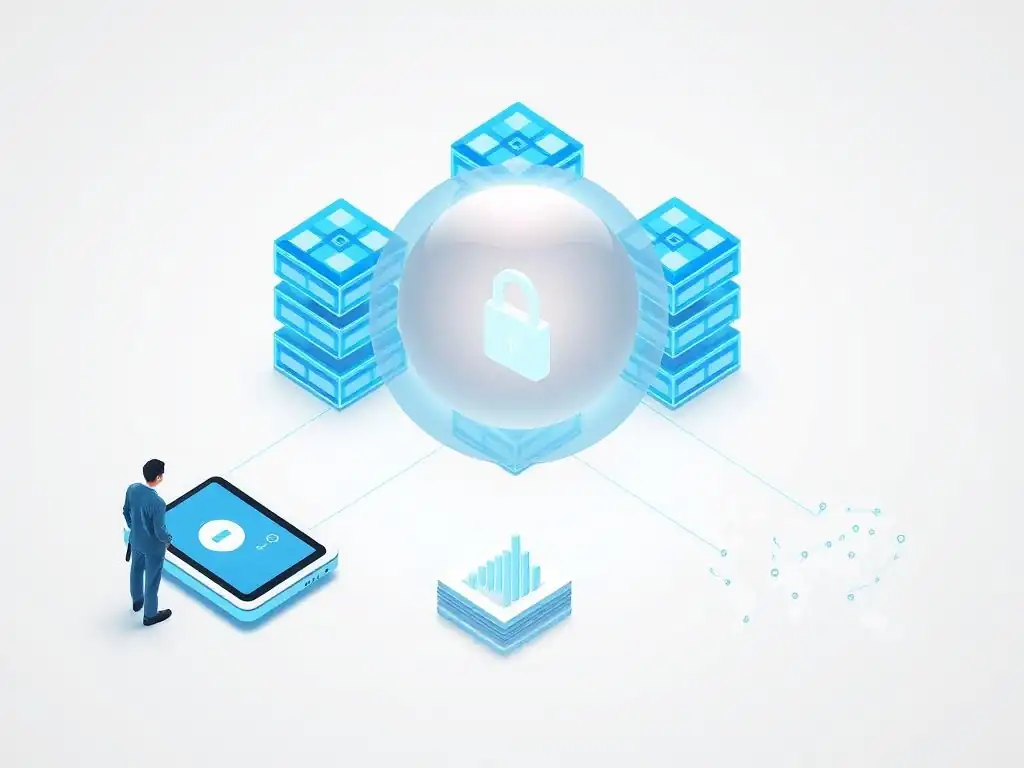
While the potential for Blockchain telemedicine cost savings and new opportunities is significant, the path to widespread adoption is not without challenges. Implementing blockchain in healthcare, especially in the complex and highly regulated field of telemedicine, requires careful consideration of technical, regulatory, and privacy hurdles.
Addressing these challenges is crucial for realizing the full economic and operational benefits of integrating blockchain into telemedicine systems. Proactive planning and collaboration among technologists, healthcare professionals, regulators, and patients are necessary to overcome these obstacles.
Scalability and Interoperability Concerns
One of the primary technical challenges for blockchain adoption in telemedicine is scalability. Public blockchains, while highly secure, can have limitations on the number of transactions they can process per second, which might be a bottleneck for a system handling millions of patient records and transactions daily. Private or consortium blockchains can offer higher throughput but may compromise some degree of decentralization.
Furthermore, ensuring interoperability between different blockchain platforms and with existing legacy healthcare IT systems remains a significant challenge. Healthcare data exists in various formats (EHRs, PACS images, device data), and creating seamless data exchange requires standardization and robust integration layers. Developing scalable and interoperable solutions is key to unlocking the full economic potential and Blockchain telemedicine cost savings at a national or global level.
Regulatory and Legal Frameworks
The healthcare industry is heavily regulated (e.g., HIPAA in the US, GDPR in Europe), and integrating a novel technology like blockchain requires navigating complex legal and compliance landscapes. Questions around data storage requirements, patient consent management on an immutable ledger, and the legal status of smart contracts in healthcare transactions need clear guidance.
Existing regulations were designed for traditional data management systems, and applying them to decentralized blockchain architectures can be challenging. Regulators are still developing frameworks to address blockchain technology, and the lack of clear guidelines can slow down adoption. Ensuring that blockchain telemedicine solutions comply with current and future regulations is essential for their legal and ethical operation.
Data Privacy and Security Considerations
While blockchain offers enhanced security through cryptography and immutability, specific privacy challenges exist, particularly concerning sensitive health data. The immutable nature of the blockchain means that once data is recorded, it is permanently there. If patient data itself (not just a hash) were mistakenly placed on a public blockchain, it could lead to irreversible privacy breaches.
Proper implementation requires careful architectural decisions, often involving storing sensitive data off-chain with access controls managed on the blockchain. Ensuring compliance with privacy regulations like GDPR's "right to be forgotten" within an immutable system requires sophisticated technical solutions, such as data encryption with keys controlled by the patient or using zero-knowledge proofs. Maintaining robust data privacy and security is paramount for building patient trust and ensuring ethical operation of blockchain telemedicine systems.
Case Studies: Real-World Examples of Blockchain Telemedicine Impact
While the full-scale integration of blockchain in telemedicine is still evolving, several pioneering projects and companies are demonstrating its potential impact. These real-world examples showcase how blockchain is being applied to address specific challenges in healthcare data management and access, laying the groundwork for future Blockchain telemedicine cost savings and service innovation.
Examining these case studies provides concrete evidence of blockchain's capabilities in enhancing data integrity, empowering patients, and creating more secure and efficient healthcare ecosystems. They serve as valuable insights into the practical application of this technology in the healthcare sector.
Guardtime: Data Integrity in Healthcare
Guardtime is a cybersecurity company that has focused on using blockchain technology (specifically, Keyless Signature Infrastructure - KSI) to ensure data integrity. While not exclusively focused on telemedicine, their work with national health systems, such as in Estonia, demonstrates the fundamental application of blockchain for securing health records.
Estonia uses Guardtime's technology to ensure the integrity and security of its national electronic health record system. Every access and modification to a patient's record is cryptographically timestamped and recorded on a blockchain-like ledger, creating an irrefutable audit trail. This prevents tampering and increases trust in the accuracy of health data. Applying this principle to telemedicine ensures the integrity of remote consultations, diagnoses, and prescribed treatments recorded in digital health records, which is foundational for secure and reliable remote healthcare delivery and helps build trust necessary for achieving Blockchain telemedicine cost savings through reduced fraud and errors.
Medicalchain: Secure and Patient-Centric Health Records
Medicalchain is a platform specifically designed to bring blockchain technology to the healthcare sector, with a focus on secure, patient-centric health records and telemedicine. Their platform allows patients to have control over their health data, stored securely using blockchain technology.
Medicalchain enables patients to share their electronic health records with healthcare providers, researchers, and family members using a permission-based system managed on the blockchain. They also offer a telemedicine application, MyClinic.com, integrated with their blockchain platform.
This integration allows patients to have remote video consultations with doctors and ensures that the consultation notes and prescriptions are securely added to the patient's blockchain-secured health record, accessible only with the patient's permission. This empowers patients, improves data accessibility for providers, and streamlines the process of managing health information in a telemedicine context, illustrating a direct application of blockchain for patient empowerment and potentially contributing to Blockchain telemedicine cost savings by reducing administrative friction.
The Future of Blockchain in Telemedicine: Trends and Predictions
Looking ahead, the integration of blockchain in telemedicine is expected to deepen and expand, driven by ongoing technological advancements, increasing regulatory clarity, and a growing understanding of its potential benefits. Several key trends and predictions point towards a future where blockchain plays a foundational role in decentralized, secure, and efficient remote healthcare systems.
These trends suggest a move towards more interconnected healthcare ecosystems, increased automation of processes using smart contracts, and the synergistic integration of blockchain with other cutting-edge technologies like AI and IoT. These developments are poised to further enhance Blockchain telemedicine cost savings and unlock unprecedented opportunities in healthcare delivery.
The Rise of Decentralized Healthcare Ecosystems
A major trend is the development of decentralized healthcare ecosystems built on blockchain technology. These ecosystems will move away from siloed institutional databases towards a distributed network where patients, providers, payers, pharmacies, and labs can interact and share information securely and transparently, governed by blockchain protocols and smart contracts.
In such an ecosystem, telemedicine platforms would be integrated components, leveraging the underlying blockchain for secure data exchange, identity management, and payment processing. This decentralization enhances resilience, reduces reliance on intermediaries, and promotes greater collaboration and efficiency across the healthcare value chain, creating a more robust foundation for telemedicine services and driving significant long-term Blockchain telemedicine cost savings through systemic efficiency.
Increased Adoption of Smart Contracts for Healthcare Automation
Smart contracts, self-executing contracts with the terms of the agreement directly written into code, are predicted to see increased adoption in telemedicine. They can automate various processes, from appointment scheduling and billing to verifying insurance coverage and managing data access permissions.
For example, a smart contract could automatically release payment to a telemedicine provider upon verification of a completed consultation and patient satisfaction (or other agreed-upon parameters). Another could manage the terms of data sharing for research, automatically releasing anonymized data segments to approved parties once consent is granted. This automation reduces manual administrative work, minimizes errors, and accelerates processes, directly contributing to further Blockchain telemedicine cost savings and operational efficiency in telemedicine.
Integration with AI and IoT for Predictive Healthcare
The future of telemedicine will increasingly involve the integration of blockchain with Artificial Intelligence (AI) and the Internet of Medical Things (IoMT). IoMT devices (wearables, home monitors) collect vast amounts of health data, while AI can analyze this data to provide predictive insights and personalized interventions.
Blockchain can serve as the secure, trusted layer for managing the data collected by IoMT devices and ensuring the integrity of the data used by AI algorithms. By providing a secure audit trail for data usage and model training, blockchain enhances the trustworthiness and transparency of AI-driven healthcare. This integration can lead to more proactive and predictive telemedicine, enabling early detection of health issues and personalized preventative care, ultimately leading to improved health outcomes and significant cost avoidance in the long run.
Conclusion: Unlocking the Economic Potential of Blockchain Telemedicine
The integration of blockchain technology into telemedicine holds profound economic implications, promising both significant cost savings and the creation of exciting new opportunities. While challenges related to scalability, regulation, and implementation complexity remain, the demonstrated benefits in areas like administrative efficiency, data security, and patient empowerment highlight the transformative potential of this technology.
As the telemedicine market continues its rapid expansion, leveraging blockchain is becoming increasingly crucial for building secure, efficient, and patient-centric remote healthcare systems. The long-term benefits extend beyond financial metrics to include improved patient trust, enhanced data integrity, and the acceleration of medical research and innovation.
The Long-Term Benefits of Blockchain Adoption
The long-term benefits of adopting blockchain in telemedicine are multifaceted. They include sustainable Blockchain telemedicine cost savings through reduced administrative overhead and operational expenses, lower risk of costly data breaches, and improved supply chain efficiency. Furthermore, blockchain fosters increased transparency and trust among all stakeholders – patients, providers, and payers – leading to a more collaborative and efficient healthcare ecosystem.
Beyond cost reduction, blockchain unlocks new revenue streams for providers through innovative service models like micro-transactions and enhanced teleconsultation platforms. It also empowers patients, potentially allowing them to benefit from the secure sharing of their health data, thereby fueling research and personalized medicine. These long-term benefits position blockchain as a key enabler for the future of accessible and affordable healthcare.
Call to Action: Embracing Blockchain for a More Efficient and Accessible Healthcare System
Healthcare organizations, technology providers, and regulatory bodies must collaboratively explore and embrace the integration of blockchain technology in telemedicine. Investing in pilot programs, developing standardized protocols for data exchange, and working towards clear regulatory frameworks are essential steps.
By overcoming the initial hurdles and strategically implementing blockchain solutions, the healthcare sector can unlock the significant Blockchain telemedicine cost savings and new economic opportunities discussed. This will pave the way for a more efficient, secure, patient-centric, and ultimately, more accessible global healthcare system delivered through the power of telemedicine.
Frequently Asked Questions
How can blockchain technology contribute to cost savings in telemedicine?
Blockchain can reduce administrative costs by streamlining processes like claims processing and data management. It also enhances data security and integrity, minimizing fraud and errors, further contributing to cost savings. Finally, smart contracts automate payments, reducing manual intervention and associated expenses.
What are some of the new opportunities that blockchain creates within the telemedicine industry?
Blockchain fosters greater interoperability between healthcare systems, allowing for seamless data sharing. This leads to improved patient care and facilitates the development of new telemedicine services. Moreover, it enables secure and transparent data monetization, creating new revenue streams.
How does blockchain address the issue of data security and privacy in telemedicine?
Blockchain's decentralized and immutable nature makes it highly resistant to data breaches and tampering. It allows for granular access control, ensuring that only authorized individuals can access patient information. Furthermore, cryptographic techniques safeguard sensitive data during transmission and storage.
What role does regulation play in the adoption of blockchain in telemedicine?
Clear and well-defined regulations are crucial for fostering trust and encouraging widespread adoption. Regulations should address issues such as data privacy, security, and interoperability. Uncertainty surrounding regulation can hinder innovation and investment in blockchain-based telemedicine solutions.
Beyond cost savings, what are some other benefits of using blockchain in telemedicine?
Blockchain enhances transparency and accountability in healthcare transactions, building trust between patients and providers. It also promotes patient empowerment by giving individuals greater control over their health data. Finally, it facilitates more efficient and secure clinical trials.
Final Reflection: Embracing Blockchain's Telemedicine Revolution
The exploration of blockchain's transformative potential in telemedicine culminates in a clear understanding: significant cost savings and unprecedented opportunities are within reach. The convergence of these technologies promises not just efficiency, but a fundamental reshaping of healthcare accessibility and affordability, particularly in underserved communities. This isn't just about technological advancement; it's about democratizing healthcare.
The ripple effects of blockchain-enabled telemedicine extend far beyond mere financial gains. The potential for secure, transparent, and patient-centric healthcare data management is profound, fostering trust and empowering individuals to take control of their health journeys. This shift is crucial in an era where data breaches and privacy concerns loom large. The future of healthcare is connected, and blockchain offers the secure foundation upon which to build that connection.
As we conclude this exploration, I invite you to consider the implications of blockchain in telemedicine for your own life and community. How can you advocate for the adoption of these technologies to improve access to care, reduce costs, and empower patients? The future of healthcare is being written now, and your voice, your understanding, and your action can help shape a more equitable and efficient system for all.
Unleash the Potential of Blockchain in Your Telemedicine Strategy!
Thank you for exploring the economic advantages of blockchain in telemedicine with us! We hope this article highlighted the significant cost savings and exciting opportunities that this technology can offer. Now, it's time to take action and delve deeper into these possibilities.
Ready to get started? Here are a few steps you can take:
- Identify a specific aspect of your telemedicine practice where implementing blockchain could lead to notable cost reductions or efficiency improvements. This is the essential first step!
- Investigate existing blockchain solutions tailored for telemedicine, focusing on their security features and compliance with healthcare regulations.
- Share this article with your colleagues and start a conversation about how blockchain could transform telemedicine in your organization.
What is the one immediate application of blockchain you believe would make the biggest difference in your telemedicine practice? Share your thoughts in the comments below!
Leave a Reply