
The Cost of DApp Architecture: Budgeting and Resource Allocation for Decentralized Development


Welcome to Blockchain Trends, your compass in the rapidly evolving world of decentralized technology. Beyond the hype of cryptocurrencies, lies a landscape brimming with transformative potential. Are you ready to delve into the practicalities of building the future?
In this article, we're dissecting a critical aspect of this revolution: DApp architecture development costs. Understanding the financial implications of building decentralized applications is paramount. What resources will you need, and how can you optimize your budget for success? Discover the key factors influencing DApp development expenses and unlock the strategies to navigate this dynamic landscape. Let's explore the economics of decentralization, one DApp at a time.
The Cost of DApp Architecture: Budgeting and Resource Allocation for Decentralized Development
- Introduction: Understanding DApp Architecture Development Costs
- Deconstructing DApp Architecture: Key Cost Drivers
- Estimating Smart Contract Development Costs
- Infrastructure and Deployment Costs for DApps
- Resource Allocation Strategies for DApp Development
- Real-World Examples: DApp Cost Analysis
- Future Trends in DApp Architecture Costs
- Conclusion: Mastering DApp Architecture Development Costs
-
Frequently Asked Questions
- What are the primary factors influencing DApp architecture development costs?
- How does the choice of blockchain platform affect DApp architecture development costs?
- What role does security play in determining DApp architecture development costs?
- Are there open-source tools and resources that can help reduce DApp architecture development costs?
- How can businesses effectively budget and allocate resources for DApp architecture development?
- Final Reflection: Navigating the Future of Decentralized Development
- Reimagine Your DApp Strategy!
Introduction: Understanding DApp Architecture Development Costs
- Brief overview of DApps and their growing importance.
- Why understanding development costs is crucial for successful DApp projects.
- Focus on budgeting and resource allocation specifics for DApp architecture.
Deconstructing DApp Architecture: Key Cost Drivers
-
Breaking down the core components of a DApp architecture.
Frontend Development Costs for DApps
The user interface and user experience (UI/UX) are critical for DApp adoption, and their development constitutes a significant portion of DApp architecture development costs. A complex or highly customized UI/UX requires extensive design and development effort. For instance, creating smooth animations, interactive dashboards displaying real-time blockchain data, or intricate user flows for onboarding and transaction signing can easily consume hundreds of design hours, often billed at rates ranging from \$50 to \$150+ per hour depending on the designer's location and experience.
This initial design phase is crucial as changes later in development can be far more expensive. Following design, frontend development involves translating these visuals into functional code.
Selecting the appropriate frontend framework also impacts budgeting for DApp architecture development costs. Popular choices like React, Vue.js, and Angular have large developer communities, but the required expertise can still be costly. A skilled React developer with experience in Web3 integration might command \$70 to \$200+ per hour. The complexity of integrating with blockchain wallets (like MetaMask or WalletConnect), handling asynchronous transactions, and displaying dynamic data from smart contracts adds layers of complexity not typically found in traditional web applications, directly influencing the overall cost and timeline for the frontend component of the DApp architecture.
Backend Development for Decentralized Applications
The heart of any DApp architecture lies in its smart contracts, which execute on the blockchain. Developing secure and efficient smart contracts in languages like Solidity (for Ethereum) or Rust (for Solana) is a specialized skill, and developer rates reflect this, often ranging from \$100 to \$300+ per hour.
The cost is heavily influenced by the complexity of the contract logic – simple token contracts are relatively inexpensive, while complex DeFi protocols or NFT marketplaces with intricate state management can cost tens of thousands or even hundreds of thousands of dollars to develop. Furthermore, security audits of smart contracts are non-negotiable and can add \$5,000 to \$50,000+ to the DApp architecture development costs, depending on the code size and complexity, yet this is vital to prevent catastrophic losses from exploits.
The choice of the underlying blockchain platform significantly impacts backend development costs, not only in terms of development language but also transaction fees (gas costs) and infrastructure needs. Ethereum, while popular, is known for high gas fees, which developers must optimize for, adding development complexity. Platforms like Solana or Polygon offer lower transaction costs but may require different development expertise and infrastructure setup.
Beyond the blockchain, many DApps require off-chain storage for larger data files (like images or videos for NFTs) or complex computations. Solutions like IPFS (often used with pinning services) or Filecoin have associated storage and retrieval costs, which must be factored into the total DApp architecture development costs and ongoing operational budget.
Middleware and API Integration Expenses
Connecting the user interface to the smart contracts and integrating necessary off-chain services requires middleware and APIs. This layer handles communication, data formatting, and often includes services like transaction monitoring, notification systems, and identity management. Building robust and secure API endpoints for interacting with blockchain data or external services adds to development time and cost. Developers must be proficient in both traditional backend technologies and blockchain interaction libraries (like Ethers.js or Web3.js), pushing hourly rates towards the higher end of the spectrum, potentially \$80 to \$200+ per hour.
A crucial component for many DApps is efficient data management and indexing. Directly querying large amounts of historical data from a blockchain can be slow and expensive. Services like The Graph provide decentralized indexing protocols, allowing developers to build subgraphs that make blockchain data easily queryable via GraphQL APIs.
While using The Graph can save significant development time compared to building a custom indexing solution, there are costs associated with querying data (paid in GRT tokens on the decentralized network) or using hosted services, which typically involve tiered pricing based on usage. Integrating these middleware and indexing solutions is a necessary expense in optimizing DApp architecture performance and usability.
Estimating Smart Contract Development Costs
-
Factors affecting smart contract development expenses.
Smart Contract Complexity and Security Audits
The inherent logic and state management required for a smart contract are the primary drivers of development cost. A simple ERC-20 token contract might take a few days to a week to write and test, costing perhaps \$2,000 to \$10,000.
In contrast, a complex decentralized exchange (DEX) or a lending protocol involving multiple interconnected contracts, intricate financial calculations, and governance mechanisms can take months to develop, potentially costing \$50,000 to \$200,000 or more in developer time alone. The number of functions, the amount of data stored on-chain, and the interactions with other protocols all contribute to complexity and thus the overall DApp architecture development costs related to smart contracts.
Beyond development, rigorous security audits are paramount due to the immutable nature of smart contracts and the financial value they often handle. Reputable smart contract auditing firms employ security experts to identify vulnerabilities like reentrancy attacks, integer overflows, or access control issues.
The cost of an audit is directly proportional to the lines of code and complexity, typically ranging from \$5,000 for small contracts to over \$100,000 for large, complex protocols. While expensive, a thorough audit is a vital investment to prevent potential losses of millions from exploits, making it a non-negotiable part of smart contract budgeting within DApp architecture development costs.
Gas Optimization Techniques and Cost Reduction
Especially on networks like Ethereum where transaction fees (gas) can be high, optimizing smart contract code for efficiency is critical to minimize operational costs for users and the DApp itself. Poorly written contracts can consume excessive gas for simple operations, making the DApp prohibitively expensive to use. Developers spend significant time refactoring code, minimizing state changes, using efficient data structures, and employing techniques like external calls carefully to reduce gas consumption. This optimization effort adds to the initial DApp architecture development costs but pays dividends in lower transaction fees over the DApp's lifetime, improving user experience and accessibility.
Tools like Remix IDE provide basic gas cost analysis during development, allowing developers to see the estimated gas cost for function calls. More advanced tools and techniques involve detailed analysis of bytecode and execution paths.
For example, replacing a complex loop with a more efficient algorithm or optimizing storage variable access patterns can yield significant gas savings. While the hourly cost of the developer performing this optimization adds to the upfront DApp architecture development costs, reducing gas costs by even a small percentage per transaction across thousands or millions of transactions can result in substantial savings for users and the protocol treasury over time.
Infrastructure and Deployment Costs for DApps
-
Understanding the costs associated with deploying and maintaining a DApp.
Blockchain Node Infrastructure and Hosting
Deploying and interacting with a DApp requires access to a blockchain node. While it's technically possible to run your own node, this requires significant technical expertise, bandwidth, storage (e.g., a full Ethereum node can require terabytes of storage), and ongoing maintenance, costing potentially thousands of dollars per month in hardware and operational overhead. For most DApp projects, using managed node services is a more cost-effective solution. Providers like Infura, Alchemy, or QuickNode offer API access to blockchain nodes.
The pricing models for managed node services are typically tiered based on the number of requests (API calls) made to the node. Free tiers are suitable for testing and development, but production DApps with significant user activity will quickly exceed these limits. Paid plans can range from a few hundred dollars per month for moderate usage to tens of thousands of dollars per month for high-throughput applications.
The cost varies depending on the blockchain network (Ethereum access is often more expensive than Polygon or BSC) and the specific services required (e.g., archival data access is more costly). These ongoing infrastructure costs are a critical part of the total DApp architecture development costs and operational budget.
Ongoing Maintenance and Updates
Launching a DApp is not the end of the development lifecycle; ongoing maintenance and updates are essential. Bugs may be discovered, security vulnerabilities might emerge (especially in integrated protocols), and new features will likely be added based on user feedback or market changes. Budgeting for a dedicated team or retaining development resources for maintenance is crucial. This can involve fixing frontend issues, updating smart contract interfaces (though smart contracts themselves are often immutable, surrounding infrastructure needs updates), and ensuring compatibility with new wallet versions or blockchain upgrades.
Continuous monitoring of the DApp's performance, transaction activity, and security posture is also an ongoing cost. Implementing monitoring tools and setting up alerts requires initial development effort and potential recurring fees for the tools themselves. Furthermore, responding to incidents, deploying patches, and planning for future feature enhancements are all part of the operational expenses. These ongoing costs, while distinct from the initial DApp architecture development costs, must be planned for from the outset to ensure the DApp remains secure, functional, and competitive in the long term.
Resource Allocation Strategies for DApp Development
-
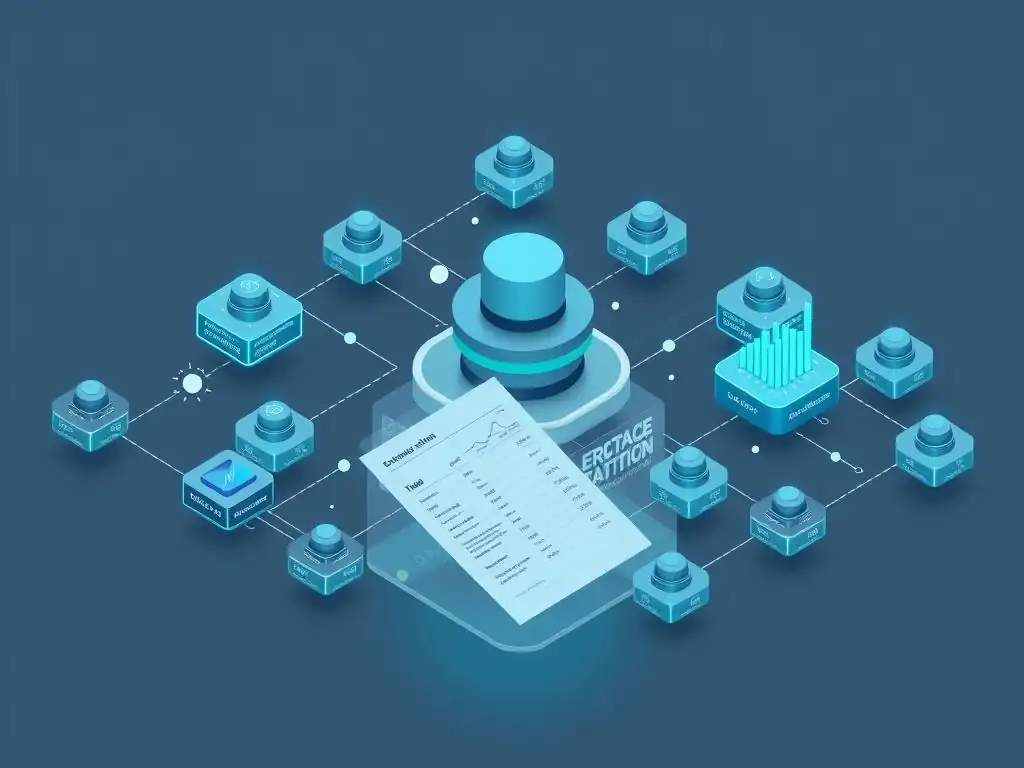
Optimizing resource allocation to manage DApp development costs.
Team Composition and Skillset Requirements
Assembling the right team with specialized skills is paramount for efficient DApp architecture development. A typical team might include smart contract developers (Solidity, Rust), frontend developers (React, Vue), UI/UX designers, blockchain architects, and potentially security experts. Hiring skilled blockchain developers is competitive, and their salaries or hourly rates reflect this. In North America or Western Europe, senior blockchain developers can command salaries well over \$120,000 annually or hourly rates from \$100 to \$250+. UI/UX designers and frontend developers with Web3 experience also command higher rates than those without.
Balancing in-house development with outsourcing can be a strategic approach to manage DApp architecture development costs. Building an in-house team provides greater control and long-term knowledge retention but requires significant upfront investment in recruitment and salaries. Outsourcing specific components, such as smart contract audits or frontend development, can offer cost savings and access to specialized expertise on demand.
However, it requires careful vendor selection and clear communication to ensure quality and alignment with the overall DApp architecture vision. Project managers with experience in decentralized projects are also vital to coordinate these diverse skillsets and ensure the project stays on track and within budget.
Project Management Methodologies for Cost Control
Effective project management is crucial for controlling DApp architecture development costs. Agile methodologies, such as Scrum or Kanban, are often well-suited for DApp development due to the iterative nature of blockchain projects and the need for flexibility in response to evolving requirements or technical challenges. Breaking down the project into smaller sprints allows for better estimation and tracking of progress, making it easier to identify potential cost overruns early. Regular stand-ups, sprint reviews, and retrospectives help maintain transparency and address roadblocks promptly, minimizing wasted effort.
Clear and consistent communication across the team and with stakeholders is another critical factor in managing DApp architecture development costs. Misunderstandings about requirements, changes in scope, or delays in feedback can lead to significant rework and increased expenses. Utilizing project management tools (like Jira, Trello, or Asana) specifically configured for the project workflow helps maintain a single source of truth for tasks, deadlines, and dependencies. Establishing clear processes for requirement gathering, change requests, and testing ensures that development efforts remain focused and aligned with the budget constraints.
Real-World Examples: DApp Cost Analysis
-
Case studies of DApp projects and their associated costs.
Analyzing Successful DApp Projects and Their Budgets
Examining successful DApp projects provides valuable insights into DApp architecture development costs. While specific budget figures are often private, the complexity and components involved offer clues. A decentralized exchange (DEX) like Uniswap, for instance, involved significant smart contract development for its automated market maker (AMM) protocol, extensive frontend work for its swap interface, and robust infrastructure for data indexing and node access.
Initial development and security audits for such a protocol likely cost well into the hundreds of thousands or even millions of dollars. The ongoing costs for infrastructure and maintenance are also substantial given the high volume of transactions.
Another example is a popular NFT marketplace. The DApp architecture development costs for such a platform include complex smart contracts for minting, trading, and managing digital assets, a user-friendly frontend for browsing and interacting with NFTs, and significant off-chain infrastructure for storing metadata and images (often on IPFS). Security for asset ownership and transactions is paramount, requiring extensive auditing.
Based on industry estimates, building a feature-rich NFT marketplace from scratch could range from \$100,000 to \$500,000 or more, depending on the feature set, chosen blockchain, and team location. Analyzing the components of these successful projects helps benchmark potential costs for similar DApp architecture development.
Avoiding Common Pitfalls in DApp Budgeting
One of the most common pitfalls in DApp budgeting is underestimating the complexity and novelty of blockchain technology. Developers new to the space may underestimate the time required for smart contract development, testing, and gas optimization. This leads to unrealistic timelines and budget overruns. A study by Chainalysis in 2021 highlighted that over 50% of crypto projects failed within two years, often due to technical challenges or lack of funding, underscoring the need for realistic budgeting for DApp architecture development costs. It is essential to factor in a learning curve and the unique challenges of decentralized environments.
Another pitfall is neglecting the cost and importance of security audits. Some projects try to save money by skipping or rushing audits, which is a high-risk gamble. The fallout from a smart contract exploit can be devastating, leading to loss of user funds, reputational damage, and project failure.
For example, the infamous DAO hack in 2016 resulted in the loss of millions of dollars worth of Ether due to a smart contract vulnerability. Budgeting adequately for multiple rounds of audits and bug bounties is a critical, non-negotiable part of DApp architecture development costs and overall project planning. Contingency planning, allocating an extra 15-25% of the budget for unforeseen issues, is also highly recommended.
Future Trends in DApp Architecture Costs
-
Exploring emerging technologies and their impact on DApp development expenses.
Layer-2 Solutions and Scalability Improvements
The high transaction costs and limited throughput of some Layer-1 blockchains, particularly Ethereum, have been a significant barrier to DApp adoption and a major component of operational DApp architecture costs for users. Layer-2 scaling solutions, such as optimistic rollups (e.g., Optimism, Arbitrum) and zero-knowledge rollups (e.g., zkSync, StarkNet), are designed to process transactions off-chain and then batch them together before submitting a single proof to the Layer-1 chain. This drastically reduces the cost per transaction, often by 10x to 100x or more compared to Layer-1.
Integrating Layer-2 solutions into a DApp architecture requires specific development effort, adding to the initial DApp architecture development costs. Developers need to understand the nuances of the chosen Layer-2 platform, including bridging assets between Layer-1 and Layer-2, handling state transitions, and interacting with Layer-2 specific smart contracts.
However, this initial investment is often offset by the significant reduction in ongoing transaction costs for both the DApp protocol (if it pays for user transactions) and its users, making the DApp more economically viable and scalable. The ongoing cost of infrastructure for Layer-2 solutions also needs to be factored in, though it is typically lower per transaction than Layer-1.
Low-Code and No-Code DApp Development Platforms
Emerging low-code and no-code platforms are beginning to democratize DApp development, potentially reducing DApp architecture development costs significantly for simpler applications. These platforms offer visual interfaces and pre-built modules for common DApp functionalities, such as token creation, NFT marketplaces, or simple decentralized autonomous organizations (DAOs). Instead of writing smart contracts from scratch, developers or even non-developers can configure these modules, drastically reducing development time and the need for highly specialized (and expensive) blockchain developers for basic tasks.
While these platforms are not yet suitable for highly complex or novel DApp architectures, they offer a cost-effective entry point for many projects. For instance, creating a simple crowdfunding DApp or a basic token-gated access system might cost a fraction of the price using a no-code platform compared to custom development. The cost model for these platforms is typically subscription-based, ranging from tens to hundreds or thousands of dollars per month depending on features and usage. While they reduce initial DApp architecture development costs, users must evaluate the platform's flexibility, security, and potential vendor lock-in for their specific needs.
Conclusion: Mastering DApp Architecture Development Costs
- Recap of key takeaways and best practices for budgeting.
- The importance of continuous learning and adaptation in the evolving DApp landscape.
- Final thoughts on optimizing DApp architecture for cost-effectiveness and scalability.
Frequently Asked Questions
What are the primary factors influencing DApp architecture development costs?
Several factors significantly impact the cost, including the complexity of the DApp, the choice of blockchain platform, and the required level of security. These elements directly influence the development effort and resources needed.
How does the choice of blockchain platform affect DApp architecture development costs?
Different blockchain platforms have varying development tools, programming languages, and gas fees. Choosing a more complex or less mature platform can lead to increased development time and potentially higher costs.
What role does security play in determining DApp architecture development costs?
Security is paramount for DApps, and implementing robust security measures, such as smart contract audits and penetration testing, significantly impacts the overall development budget. Neglecting security can lead to devastating financial consequences.
Are there open-source tools and resources that can help reduce DApp architecture development costs?
Yes, utilizing open-source libraries, frameworks, and development tools can help reduce the development time and lower the overall cost. However, proper integration and security assessments are still crucial.
How can businesses effectively budget and allocate resources for DApp architecture development?
Businesses should carefully define project scope, conduct thorough cost estimations, and prioritize features based on business value. A phased approach with continuous monitoring can help control costs effectively.
The intricacies of DApp architecture development costs are no longer abstract theoretical concerns. They are the very real and tangible barriers, and opportunities, shaping the landscape of decentralized applications today. Understanding the nuances of budgeting and resource allocation, as we've explored, is not just about saving money; it's about fostering sustainable growth and ensuring the long-term viability of the decentralized ecosystem.
The impact of efficient DApp architecture extends far beyond the balance sheet. It influences the accessibility of blockchain technology, the speed of innovation, and ultimately, the democratization of power. The ability to build cost-effective and scalable DApps is crucial for empowering developers and communities worldwide, allowing them to create solutions that address real-world problems without being constrained by exorbitant costs. The future of finance is decentralized, but only if it's accessible.
This quote underscores the importance of addressing the cost barriers that currently limit participation in the decentralized revolution.
As we stand at the cusp of a new era of decentralized innovation, let us not forget the lessons learned about the cost of DApp architecture. Consider how you can champion efficient development practices, advocate for transparent resource allocation, and contribute to a future where decentralized technology is truly accessible to all. The power to shape this future lies within each of us. Let's build it wisely, sustainably, and together.
Reimagine Your DApp Strategy!
Thanks for diving into the intricacies of DApp architecture with Blockchain Trends! We hope you now have a clearer understanding of budgeting and resource allocation for successful decentralized development. Ready to put that knowledge into action?
Here are some concrete steps you can take right now:
- Revamp your current DApp budget by creating a detailed cost breakdown, focusing on the areas highlighted in this article. Identify potential cost-saving opportunities and resource optimization strategies.
- Explore alternative blockchain platforms and compare their infrastructure costs. Could a different platform offer a more cost-effective solution for your DApp?
- Share this article with your fellow developers and start a discussion about the challenges and best practices in DApp resource management. Knowledge is power, especially when shared!
What's the one change you'll make to your DApp architecture today based on what you've learned? Share your plans in the comments below!
Leave a Reply