
Blockchain for Creators: Reclaiming Control and Monetizing Your Passion

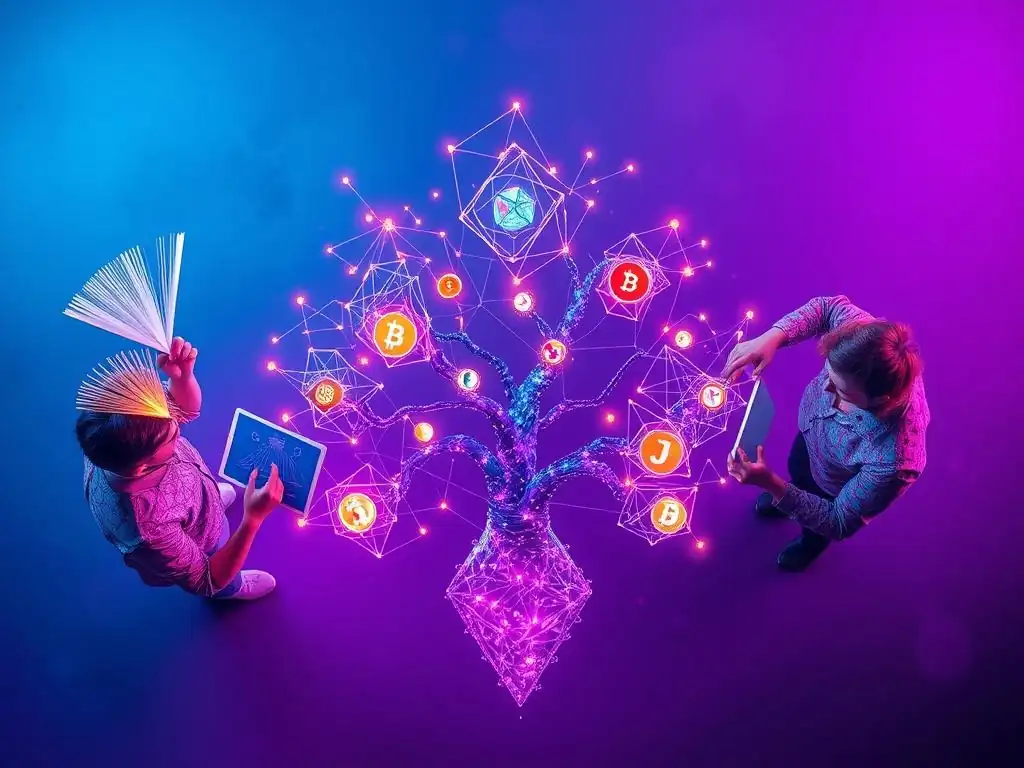
Welcome to Blockchain Trends, your guide to understanding the revolutionary impact of blockchain technology.
Are you a creator tired of centralized platforms and opaque monetization models? Dive into our latest article, "Blockchain for Creators: Reclaiming Control and Monetizing Your Passion," and discover how blockchain monetization is empowering artists, writers, and innovators to connect directly with their audience and unlock new revenue streams. What if you could own your content and truly benefit from your hard work? Explore the possibilities and join the decentralized revolution!
- Blockchain for Creators: Reclaiming Control and Monetizing Your Passion
- Blockchain Monetization for Creators: A New Paradigm
- Exploring Blockchain-Based Monetization Models for Artists
- Platforms and Tools for Blockchain Content Monetization
- Real-World Examples of Creators Using Blockchain
- Overcoming Challenges and Future Trends in Blockchain for Creators
- Getting Started with Blockchain Monetization: A Practical Guide
- Blockchain and Content Creation: Empowering the Future of Art
-
Frequently Asked Questions
- How can blockchain technology empower creators?
- What are some examples of blockchain-based monetization strategies for creators?
- How does blockchain help creators retain ownership of their work?
- What role does DeFi (Decentralized Finance) play in blockchain monetization for creators?
- What are the potential regulatory challenges facing blockchain monetization for creators?
- Final Reflection: Empowering Creators Through Decentralization
- Unleash Your Creative Power: Start Building on Blockchain Today!
Blockchain for Creators: Reclaiming Control and Monetizing Your Passion
The Current State of Content Creation and Monetization
The creator economy, fueled by platforms like YouTube, Instagram, TikTok, and Patreon, has witnessed explosive growth in recent years. Millions of individuals worldwide are now generating income by sharing their passions, talents, and expertise online. This ecosystem encompasses a diverse range of creators, from video producers and musicians to writers, artists, educators, and influencers.
Current monetization models primarily rely on advertising revenue, brand sponsorships, and platform-specific tools like subscriptions or tipping. While these avenues have enabled many to earn a living, they also present inherent limitations and challenges, particularly concerning creator autonomy and revenue distribution. The platforms often act as intermediaries, setting the rules, controlling distribution, and taking a significant cut of creator earnings.
The landscape is dominated by centralized platforms that dictate content visibility through algorithms, which can be opaque and unpredictable, impacting creators' reach and revenue stability. For instance, YouTube's algorithm shifts have been a constant source of frustration for creators, leading to fluctuating viewership and income. Similarly, changes in Instagram's algorithm have impacted organic reach, forcing creators to increasingly rely on paid advertising to connect with their audience. This dependence on platform algorithms and policies creates a precarious environment for creators, highlighting the need for more sustainable and creator-centric monetization models.
Problems Faced by Creators: Centralization, Fees, and Ownership
Centralization is a core issue within the current creator economy. Platforms act as gatekeepers, controlling access to audiences and monetization tools. This centralized power often results in creators being subject to platform terms of service that can change abruptly, potentially impacting their livelihoods without recourse. Furthermore, creators are often at the mercy of platform algorithms, which can prioritize certain types of content or favor established creators, making it difficult for new creators to gain visibility and build an audience organically. This lack of control over distribution and visibility is a significant pain point for many.
High platform fees are another significant challenge. Traditional platforms often take a substantial percentage of creator earnings. For example, platforms like Patreon, while offering a direct-to-fan subscription model, still deduct a percentage of each transaction, alongside payment processing fees. Similarly, marketplaces for digital goods often charge listing and transaction fees, eroding creator profits.
These fees can be particularly burdensome for smaller creators or those in regions with lower average incomes, limiting their ability to reinvest in their work or achieve financial sustainability. Finally, the issue of content ownership often remains ambiguous. While creators technically own their content's copyright, platforms' terms of service can grant them broad rights to use and monetize creator content, further diminishing creator control and potential revenue streams.
The Promise of Blockchain Technology for Creators
Blockchain technology offers a compelling alternative paradigm for the creator economy, promising to address many of the challenges associated with centralized platforms. Its decentralized nature inherently shifts power away from intermediaries and back to creators. Blockchain's core principles of transparency, immutability, and disintermediation can be leveraged to create new monetization models that are fairer, more transparent, and more creator-centric. By utilizing blockchain, creators can potentially regain control over their content, distribution, and monetization strategies, fostering a more equitable and sustainable ecosystem.
The technology allows for the creation of decentralized platforms and tools that bypass traditional intermediaries, enabling direct connections between creators and their audiences. This direct interaction can translate to increased revenue share for creators, reduced platform fees, and greater control over content ownership and distribution. Furthermore, blockchain's transparency can lead to fairer and more predictable revenue models, as transaction records are publicly auditable. By embracing blockchain, creators can move towards a future where they are empowered to directly monetize their work, build stronger communities, and retain a greater share of the value they create.
Blockchain Monetization for Creators: A New Paradigm
What is Blockchain Monetization?
Blockchain monetization for creators represents a fundamental shift in how artists and content producers generate income from their work. It leverages blockchain technology to establish new, decentralized systems for content ownership, distribution, and monetization, moving away from reliance on centralized platforms. Instead of relying on intermediaries to facilitate transactions and control distribution, blockchain enables creators to directly interact with their audience and monetize their content through various mechanisms built on decentralized networks.
This new paradigm encompasses a range of innovative approaches, including the use of Non-Fungible Tokens (NFTs) to represent digital ownership of art and collectibles, tokenized communities that reward fan engagement, and Decentralized Autonomous Organizations (DAOs) that facilitate collaborative content creation and governance. Essentially, blockchain monetization empowers creators to bypass traditional gatekeepers, reduce fees, and establish more direct and transparent relationships with their fans, ultimately leading to greater financial independence and creative control. The core principle is to leverage blockchain's inherent properties to create a more equitable and sustainable creator economy.
Key Benefits of Blockchain for Content Creators
Decentralized Content Ownership and Control
Blockchain technology fundamentally alters the landscape of digital content ownership. By utilizing NFTs, creators can verifiably prove ownership of their digital creations, whether it's artwork, music, videos, or writing. This ownership is recorded on an immutable blockchain, providing a transparent and secure record that cannot be easily altered or duplicated. This contrasts sharply with traditional platforms where content ownership can often be contested or ambiguous, and creators have limited control over how their work is distributed and used.
Decentralized content ownership empowers creators to dictate the terms of their content's use, distribution, and monetization. They can decide how and where their content is shared, set pricing, and control access, without being subject to the arbitrary rules of centralized platforms. This newfound control allows creators to build more sustainable and independent businesses around their work, fostering greater creative freedom and financial autonomy. For example, a digital artist minting their artwork as an NFT retains verifiable ownership and can control its distribution and resale, directly benefiting from its value appreciation in the secondary market.
Transparent Revenue Streams and Fair Compensation
Blockchain technology introduces transparency and fairness to revenue streams in the creator economy. Smart contracts, self-executing agreements coded on the blockchain, can automate payment distribution and ensure creators receive their due compensation promptly and transparently. This eliminates the opacity and potential for manipulation often associated with traditional platform payment systems, where creators may lack visibility into revenue calculations and payment schedules.
Furthermore, blockchain can facilitate fairer compensation models. For instance, smart contracts can be programmed to automatically distribute royalties to creators whenever their NFTs are resold on secondary marketplaces. This ensures that creators continue to benefit from the ongoing value of their work, even after the initial sale. This contrasts with traditional systems where creators often receive a one-time payment and do not benefit from the long-term appreciation of their creations. The transparency and automated payment mechanisms of blockchain-based systems foster greater trust and equity within the creator economy.
Direct Fan Engagement and Community Building
Blockchain tools enable creators to foster deeper and more direct relationships with their fans, moving beyond the often-impersonal interactions facilitated by centralized platforms. Tokenized communities, powered by blockchain, allow creators to reward fan loyalty and engagement through various mechanisms, such as exclusive content access, voting rights, and community governance participation. This fosters a sense of ownership and belonging among fans, strengthening the creator-fan bond and building more resilient communities.
Direct fan engagement can translate into increased support and revenue for creators. By offering exclusive perks and experiences to token holders, creators can incentivize fan participation and cultivate a more dedicated and invested audience. This direct connection also allows for more personalized communication and feedback loops, enabling creators to better understand and cater to their audience's needs and preferences. Blockchain empowers creators to build thriving, self-sustaining communities around their work, fostering a more collaborative and mutually beneficial ecosystem.
Reduced Platform Fees and Intermediaries
One of the most compelling benefits of blockchain monetization is the potential to significantly reduce or eliminate platform fees and intermediaries. By leveraging decentralized platforms and peer-to-peer transactions facilitated by blockchain, creators can bypass traditional gatekeepers and retain a larger share of their earnings. This contrasts sharply with centralized platforms that often deduct substantial percentages of creator revenue through fees, commissions, and payment processing charges.
Reduced fees directly translate to increased profitability for creators. For example, NFT marketplaces built on blockchain often charge significantly lower transaction fees compared to traditional art galleries or online marketplaces. Similarly, decentralized subscription platforms can minimize or eliminate platform fees, allowing creators to receive a greater portion of their subscription revenue. By cutting out intermediaries and minimizing fees, blockchain empowers creators to build more financially sustainable businesses and reinvest more resources into their creative endeavors.
Exploring Blockchain-Based Monetization Models for Artists
NFTs (Non-Fungible Tokens) for Digital Art and Collectibles
NFTs have emerged as a revolutionary tool for digital artists and creators to monetize their work and establish verifiable ownership. An NFT is a unique digital asset that represents ownership of a specific item, such as a piece of digital art, music, video, or collectible. Because NFTs are recorded on a blockchain, their authenticity and ownership are easily verifiable and immutable. This solves a long-standing problem for digital artists – the ability to prove scarcity and ownership in a digital realm where copying is rampant.
NFTs have opened up entirely new revenue streams for digital artists. They can mint their digital creations as NFTs and sell them directly to collectors on NFT marketplaces. This direct-to-collector model bypasses traditional art galleries and intermediaries, allowing artists to retain a larger share of the sale proceeds. Furthermore, NFTs enable artists to participate in the secondary market sales of their work through royalty mechanisms, ensuring they continue to benefit from the appreciation of their art over time. The rise of platforms like OpenSea and Rarible has demonstrated the immense potential of NFTs for empowering digital artists.
Minting and Selling NFTs: A Step-by-Step Guide
Minting an NFT is the process of creating a unique token on a blockchain that represents ownership of your digital creation. The process typically involves choosing a blockchain platform (like Ethereum, Solana, or Tezos), selecting an NFT marketplace, and uploading your digital file (artwork, music, etc.). You then need to provide details about your NFT, such as its title, description, and price. Most platforms require you to connect a cryptocurrency wallet to pay for gas fees, which are transaction fees on the blockchain.
Once your NFT is minted, it becomes publicly listed on the marketplace for sale. You can set a fixed price or opt for an auction format. Promoting your NFT through social media and online communities is crucial to attract potential buyers. When a sale occurs, the ownership of the NFT is transferred to the buyer, and you receive payment in cryptocurrency directly to your connected wallet. The entire process, while initially seeming technical, is becoming increasingly user-friendly with platforms simplifying the minting and selling experience for creators without extensive blockchain knowledge.
Understanding NFT Royalties and Secondary Market Sales
NFT royalties are a game-changing feature for creators, providing a mechanism to earn a percentage of future sales of their NFTs in the secondary market. When an NFT is initially sold, the creator receives the primary sale price. However, unlike traditional art sales, NFTs can be programmed with royalty clauses that automatically trigger payouts to the original creator whenever the NFT is resold on secondary marketplaces. These royalties are typically a pre-defined percentage of the resale price, often ranging from 2.5% to 10%.
This royalty mechanism creates a perpetual revenue stream for creators, allowing them to benefit from the long-term appreciation of their work. As the NFT gains value and is traded among collectors, the original creator continues to earn royalties on each transaction. This fundamentally alters the economics of digital art and collectibles, incentivizing creators to build long-term value and engage with their communities. The transparency and automated nature of smart contract-based royalties ensure that creators are fairly compensated for the ongoing value of their creations, fostering a more sustainable and equitable creator economy.
Tokenized Communities and Fan Subscriptions
Tokenized communities represent a novel approach to building and monetizing fanbases using blockchain technology. Creators can issue their own digital tokens, often referred to as creator tokens or social tokens, which act as a form of digital currency or membership within their community. These tokens can be used to reward fans for their engagement, provide access to exclusive content, and even grant voting rights within the community.
Tokenized communities foster a sense of ownership and participation among fans, strengthening the creator-fan relationship and building more loyal and engaged audiences. Fans who hold creator tokens can gain access to exclusive content, early releases, private chats, or even participate in decision-making processes related to the creator's work. This creates a more interactive and rewarding experience for fans, while also providing creators with a new avenue for monetization and community building. Platforms like Rally and Friends With Benefits are examples of projects facilitating the creation and management of tokenized communities.
Creating and Managing a Creator Token
Creating a creator token typically involves using a platform designed for token issuance, or directly interacting with blockchain smart contracts. Platforms like Rally simplify the process, allowing creators to launch their own tokens with relatively little technical expertise. The process generally involves defining the token's name, supply, and initial distribution strategy. Creators then need to determine the utility and benefits associated with holding their token, such as access to exclusive content, community governance, or discounts on merchandise.
Managing a creator token involves actively engaging with the community, distributing tokens as rewards for participation, and continuously developing new use cases and benefits for token holders. Creators need to foster a vibrant and engaged community around their token to ensure its value and utility. This can involve hosting token-gated events, creating exclusive content for token holders, and actively soliciting feedback from the community. Successful creator tokens require ongoing effort and community management to maintain their value and utility.
Rewarding Fans with Exclusive Content and Experiences
Creator tokens can be used to unlock a wide range of exclusive content and experiences for fans, incentivizing token ownership and engagement. Token holders can gain access to exclusive content like behind-the-scenes footage, early releases of music or videos, private livestreams, or members-only forums. Creators can also offer token-gated experiences, such as virtual meet-and-greets, online workshops, or exclusive merchandise drops available only to token holders.
Rewarding fans with exclusive content and experiences not only strengthens community bonds but also creates a tangible value proposition for holding creator tokens. Fans are incentivized to acquire and hold tokens to access these exclusive benefits, creating demand and potentially increasing the token's value over time. This model allows creators to directly reward their most loyal fans and build a more engaged and supportive community, while simultaneously creating a new revenue stream through token distribution and potential appreciation.
Decentralized Autonomous Organizations (DAOs) for Collaborative Content Creation
DAOs represent a revolutionary organizational structure enabled by blockchain technology, allowing for decentralized and community-governed entities. In the context of content creation, DAOs can empower creators and communities to collaborate on projects, share resources, and collectively govern creative endeavors in a transparent and democratic manner. DAOs utilize smart contracts to automate governance processes and ensure that decisions are made according to pre-defined rules and community consensus.
DAOs offer a potential solution to the limitations of traditional hierarchical organizations in the creator economy. They enable creators to pool resources, share risks, and make decisions collectively, fostering a more collaborative and equitable environment. DAOs can be particularly beneficial for large-scale creative projects, open-source initiatives, or community-driven content platforms. By leveraging blockchain's transparency and immutability, DAOs can build trust and accountability within collaborative creative endeavors.
How DAOs Can Empower Creators and Communities
DAOs empower creators by providing a framework for collective ownership and governance of creative projects. Instead of relying on centralized studios or platforms, creators can form DAOs to pool resources, share profits, and make decisions democratically through token-based voting. This fosters a more equitable distribution of value and power within creative collaborations, giving creators greater control over their work and its outcomes.
For communities, DAOs offer a mechanism for collective ownership and participation in creative projects. Community members can contribute to the DAO, earn tokens, and participate in governance decisions, shaping the direction of the project and benefiting from its success. This fosters a sense of ownership and shared purpose within the community, leading to greater engagement and participation. DAOs can transform passive audiences into active participants and stakeholders in the creative process.
Examples of Successful Creator DAOs
While still in their early stages, several creator DAOs are emerging and demonstrating the potential of this model. One notable example is Seed Club, a DAO focused on supporting and investing in social token and creator economy projects. Seed Club acts as an incubator and community for creators exploring tokenization, providing resources, mentorship, and investment to help them launch and grow their tokenized communities.
Another example is Friends With Benefits (FWB), a social DAO that grants membership based on ownership of its FWB token. FWB functions as an exclusive online community for creators, artists, and technologists, offering access to events, resources, and networking opportunities. These early examples demonstrate the potential of DAOs to foster collaboration, community building, and new forms of governance within the creator economy, paving the way for more decentralized and creator-centric creative ecosystems.
Platforms and Tools for Blockchain Content Monetization

Overview of Leading Blockchain Platforms for Creators
The blockchain ecosystem offers a growing array of platforms and tools designed to facilitate content monetization for creators. These platforms cater to various creative niches and monetization models, ranging from NFT marketplaces for digital art to decentralized subscription platforms for content creators and tools for launching creator tokens. Understanding the landscape of available platforms is crucial for creators seeking to explore blockchain monetization strategies.
NFT marketplaces like OpenSea, Rarible, and Foundation are popular choices for digital artists looking to sell their work as NFTs. Platforms like Mirror and Paragraph are gaining traction for writers and bloggers seeking decentralized publishing and monetization options. For musicians, platforms like Audius and Catalog offer decentralized music streaming and NFT-based music ownership. Social token platforms like Rally and Coinvise provide tools for creators to launch and manage their own tokenized communities. The diversity of these platforms reflects the expanding opportunities for creators across different creative fields to leverage blockchain technology.
Choosing the Right Platform for Your Needs
Selecting the appropriate blockchain platform depends heavily on the creator's specific needs, creative medium, and monetization goals. Digital artists focused on visual art might prioritize NFT marketplaces with strong art communities and robust features for showcasing and selling NFTs. Writers and bloggers might gravitate towards decentralized publishing platforms that offer censorship resistance and direct monetization options. Musicians might seek out platforms specializing in decentralized music streaming and NFT-based music ownership.
Factors to consider when choosing a platform include the platform's fees, supported blockchains, user interface, community engagement features, and specific functionalities. Creators should research different platforms, compare their offerings, and choose the platform that best aligns with their creative goals and technical capabilities. Many platforms are continuously evolving and adding new features, so staying informed about the latest developments is also important.
Integrating Blockchain Monetization into Your Existing Workflow
Integrating blockchain monetization into an existing creative workflow requires careful planning and adaptation. Creators may need to learn about blockchain basics, set up cryptocurrency wallets, and familiarize themselves with the chosen platform's functionalities. For artists accustomed to traditional art creation processes, minting NFTs might involve adding new steps to their workflow, such as preparing digital files for NFT minting and engaging with NFT marketplaces.
For content creators already active on social media or traditional platforms, integrating blockchain monetization might involve promoting their NFTs or tokenized communities to their existing audience. This could involve cross-promotion across different platforms and educating their audience about the benefits of blockchain-based monetization. The integration process can be gradual, starting with experimenting with NFTs or creator tokens and gradually expanding blockchain monetization strategies as creators become more comfortable and confident with the technology.
Real-World Examples of Creators Using Blockchain
Case Study 1: Musician - Success with NFTs and Community Building
Imogen Heap, a Grammy Award-winning musician, has been an early adopter of blockchain technology and NFTs in the music industry. She has experimented with various blockchain initiatives, including releasing music as NFTs and exploring decentralized music distribution platforms. Heap has successfully leveraged NFTs to offer unique digital collectibles to her fans, including limited edition songs, artwork, and behind-the-scenes content.
Through NFTs, Imogen Heap has fostered a closer connection with her fanbase, offering exclusive experiences and digital assets that go beyond traditional music consumption models. She has also explored using blockchain to create more transparent and equitable revenue streams for musicians, advocating for fairer compensation within the music industry. Her pioneering work demonstrates the potential of NFTs and blockchain to empower musicians and create new forms of fan engagement and monetization.
Case Study 2: Digital Artist - Building a Thriving Community with Tokenization
Beeple, a digital artist known for his everyday digital art project, gained global recognition for selling an NFT of his artwork "Everydays: The First 5000 Days" for a record-breaking $69 million. While this high-profile sale brought significant attention to NFTs, Beeple has also focused on building a thriving community around his art through tokenization. He has launched various NFT collections and community initiatives, rewarding early supporters and fostering a strong sense of community among his collectors.
Beeple's success demonstrates not only the potential for high-value NFT sales but also the importance of community building in the NFT space. By actively engaging with his collectors, offering exclusive perks, and fostering a sense of belonging, Beeple has created a loyal and supportive community that contributes to the ongoing value and success of his NFT projects. His case study highlights the power of combining NFTs with community building strategies to create a sustainable and thriving digital art ecosystem.
Lessons Learned from Early Adopters of Blockchain Monetization
The experiences of early adopters like Imogen Heap and Beeple offer valuable lessons for creators considering blockchain monetization. One key lesson is the importance of authenticity and genuine engagement with the community. Fans are drawn to creators who are genuinely passionate about blockchain and its potential to empower artists, rather than simply viewing it as a get-rich-quick scheme. Building trust and fostering a strong community are crucial for long-term success in blockchain-based monetization.
Another lesson is the need to experiment and adapt. The blockchain space is constantly evolving, and creators need to be willing to experiment with different platforms, monetization models, and community engagement strategies to find what works best for them. There is no one-size-fits-all approach, and success often requires continuous learning, adaptation, and a willingness to embrace new technologies and approaches. Early adopters also emphasize the importance of educating fans about blockchain and NFTs, as understanding and adoption are crucial for broader success.
Overcoming Challenges and Future Trends in Blockchain for Creators
Addressing Scalability and Transaction Fee Issues on Blockchains
Scalability and transaction fees are significant challenges currently facing blockchain technology, particularly for widespread adoption in the creator economy. Some blockchains, like Ethereum, have faced congestion issues and high transaction fees (gas fees), especially during periods of high network activity. These high fees can make micro-transactions and frequent interactions, common in creator monetization models, prohibitively expensive.
Solutions to scalability and transaction fee issues are actively being developed. Layer-2 scaling solutions, such as rollups and sidechains, are designed to increase transaction throughput and reduce fees on blockchains like Ethereum. Alternative blockchains, like Solana, Polygon, and Flow, are also gaining traction for their higher scalability and lower transaction fees, making them more suitable for certain creator economy applications. As these scaling solutions mature and adoption of alternative blockchains grows, transaction fee issues are expected to become less of a barrier to blockchain monetization for creators.
Regulatory uncertainty surrounding cryptocurrencies and blockchain technology is another significant challenge for creators operating in this space. Regulations vary significantly across different jurisdictions, and the legal status of NFTs and creator tokens is still evolving in many regions. This regulatory ambiguity can create uncertainty and potential compliance risks for creators.
Navigating this regulatory landscape requires creators to stay informed about relevant regulations in their jurisdictions and seek legal advice when necessary. Industry associations and advocacy groups are working to engage with regulators and promote clear and sensible regulations for the blockchain space. As regulations become clearer and more consistent, the regulatory uncertainty surrounding blockchain monetization is expected to diminish, fostering greater clarity and stability for creators.
The Future of Decentralized Content Creation and Ownership
The future of content creation and ownership is increasingly intertwined with blockchain technology. Decentralized platforms, NFTs, creator tokens, and DAOs are paving the way for a more equitable, transparent, and creator-centric ecosystem. As blockchain technology matures and becomes more user-friendly, its adoption in the creator economy is expected to accelerate.
Future trends include the growth of decentralized social media platforms, the expansion of NFT use cases beyond digital art, and the increasing prevalence of tokenized communities and DAOs in creative collaborations. Blockchain has the potential to fundamentally reshape the power dynamics of the creator economy, empowering creators to regain control over their work, monetize their passions more effectively, and build stronger, more engaged communities. The shift towards decentralized content creation and ownership promises a more sustainable and rewarding future for artists and creators worldwide.
Getting Started with Blockchain Monetization: A Practical Guide
Step 1: Understanding Blockchain Basics and Wallets
Before diving into blockchain monetization, it's crucial to grasp the fundamental concepts of blockchain technology. This includes understanding what a blockchain is, how it works, and key terms like decentralization, cryptography, and smart contracts. Numerous online resources, tutorials, and articles are available to learn about blockchain basics. Websites like Investopedia and CoinDesk offer comprehensive educational content on blockchain and cryptocurrencies.
Setting up a cryptocurrency wallet is also essential, as it's needed to interact with blockchain platforms, manage NFTs, and receive cryptocurrency payments. Different types of wallets exist, including software wallets (browser extensions or mobile apps) and hardware wallets (physical devices). Popular wallet options include MetaMask, Trust Wallet, and Ledger. Choosing a wallet depends on factors like security preferences and the blockchains you plan to interact with. It's crucial to securely store your wallet's private keys or seed phrase, as these are essential for accessing your funds and assets.
Step 2: Choosing a Monetization Strategy and Platform
Once you have a basic understanding of blockchain and a cryptocurrency wallet, the next step is to choose a monetization strategy that aligns with your creative work and goals. Consider which monetization models best suit your content and audience. Are you a digital artist interested in NFTs? A musician exploring decentralized music distribution? A writer seeking censorship-resistant publishing? Different strategies require different platforms and tools.
Research available blockchain platforms and tools that support your chosen monetization strategy. Explore NFT marketplaces, decentralized publishing platforms, social token platforms, and other relevant options. Compare platform features, fees, user interfaces, and community engagement tools. Start by experimenting with one platform or strategy to gain experience and gradually expand your blockchain monetization efforts as you become more comfortable.
Step 3: Creating and Promoting Your Content on the Blockchain
Creating content for blockchain monetization may involve adapting your existing content or creating new content specifically for blockchain platforms. For NFTs, this involves preparing your digital artwork, music, or other creations for minting. For decentralized publishing, it means formatting your writing for blockchain platforms. For tokenized communities, it involves creating engaging content and experiences for token holders.
Promoting your blockchain-based content is crucial for reaching your target audience and driving adoption. Leverage your existing social media channels, website, and email lists to announce your blockchain initiatives. Engage with relevant online communities, participate in NFT marketplaces, and explore marketing strategies specific to the blockchain space. Building awareness and generating interest in your blockchain content is essential for successful monetization.
Step 4: Engaging with Your Community and Building Relationships
Building a strong community is paramount for long-term success in blockchain monetization, especially for NFTs and tokenized communities. Actively engage with your fans and collectors, respond to comments and messages, and participate in community discussions. Foster a sense of belonging and shared purpose within your community. Consider offering exclusive perks and experiences to your community members to reward their support and engagement.
Building relationships with your community not only strengthens fan loyalty but also contributes to the long-term value and sustainability of your blockchain monetization efforts. A strong and engaged community can amplify your reach, support your projects, and contribute to the overall success of your blockchain initiatives. Community building is an ongoing process that requires consistent effort and genuine interaction.
Blockchain and Content Creation: Empowering the Future of Art
The Long-Term Impact of Blockchain on the Creator Economy
Blockchain technology is poised to have a profound and lasting impact on the creator economy. Its decentralized nature, transparency, and ability to facilitate direct creator-fan connections are fundamentally reshaping the landscape of content creation and monetization. In the long term, blockchain is expected to empower creators with greater control, fairer compensation, and stronger community relationships, leading to a more equitable and sustainable creator ecosystem.
The shift towards decentralized platforms and blockchain-based monetization models is likely to reduce the dominance of centralized intermediaries, redistribute power back to creators, and foster greater innovation and creativity within the content industry. Blockchain's impact extends beyond financial benefits, also fostering greater transparency, accountability, and community ownership within the creator economy. This transformative technology is paving the way for a more creator-centric and democratized future of art and content creation.
Building a More Equitable and Sustainable Future for Artists and Creators
Ultimately, blockchain technology offers a pathway towards building a more equitable and sustainable future for artists and creators. By addressing the challenges of centralization, unfair compensation, and limited control, blockchain empowers creators to thrive in the digital age. NFTs, creator tokens, and decentralized platforms are creating new opportunities for creators to monetize their work, build communities, and retain a greater share of the value they create.
The ongoing development and adoption of blockchain solutions in the creator economy promise a future where artists and creators are more fairly compensated, have greater autonomy over their work, and can build sustainable businesses around their passions. This shift towards a more equitable and creator-centric ecosystem not only benefits individual creators but also enriches the broader cultural landscape by fostering greater diversity, innovation, and artistic expression. Blockchain represents a powerful tool for empowering creators and building a more vibrant and sustainable future for the arts.
Frequently Asked Questions
How can blockchain technology empower creators?
Blockchain empowers creators by enabling direct connections with their audience, cutting out intermediaries. This allows for greater control over content and distribution, and fairer monetization models.
What are some examples of blockchain-based monetization strategies for creators?
Examples include NFTs (Non-Fungible Tokens) for unique digital assets, cryptocurrency payments directly from fans, and decentralized autonomous organizations (DAOs) for community funding.
How does blockchain help creators retain ownership of their work?
Blockchain's immutable ledger provides a verifiable record of ownership. This makes it easier to prove copyright and control the use and distribution of creative works.
What role does DeFi (Decentralized Finance) play in blockchain monetization for creators?
DeFi offers creators access to new financial tools, like lending and staking platforms, to generate income from their digital assets and engage with their communities in innovative ways.
What are the potential regulatory challenges facing blockchain monetization for creators?
Regulatory uncertainty surrounding cryptocurrencies and NFTs poses a challenge. Creators need to be aware of evolving compliance requirements and potential tax implications.
Final Reflection: Empowering Creators Through Decentralization
The journey through understanding blockchain monetization for creators reveals a profound shift in power dynamics. No longer are artists solely reliant on centralized platforms and intermediaries; the blockchain offers a tangible pathway to reclaim control over their creations and directly benefit from their hard work. This isn't just a technological advancement; it's a fundamental reimagining of the creator economy.
The impact of this shift extends far beyond individual artists. It's about fostering a more equitable and sustainable ecosystem where creativity is valued and rewarded fairly. The ability to directly connect with audiences, bypass gatekeepers, and establish transparent revenue streams is empowering a new generation of independent creators. The future of creativity is decentralized, and the blockchain is the key to unlocking it.
This sentiment underscores the transformative potential of this technology to reshape the cultural landscape.
As we conclude this exploration, consider how you can embrace the principles of decentralization and empower creators in your own sphere. Whether you're an artist yourself, a supporter of the arts, or simply someone who believes in a fairer future, the blockchain offers tools and opportunities to build a more vibrant and equitable creative world. Let us all strive to cultivate a future where passion is not only pursued but also properly rewarded.
Unleash Your Creative Power: Start Building on Blockchain Today!
Thank you for exploring how blockchain technology can empower creators like you. We hope you've discovered new ways to take control of your work and unlock innovative monetization strategies. Now is the time to take action and bring your vision to life.
Here are a few steps you can take right now:
- Start Exploring NFT Minting: Begin by creating a digital collectible of your work on a user-friendly platform such as OpenSea or Rarible. Experiment with different formats to see what resonates with your audience.
- Learn about Decentralized Autonomous Organizations (DAOs): Find out how DAOs can help you build communities around your creative projects and share ownership. Explore platforms like Aragon or Snapshot to see how to create or join one.
- Share this article with a fellow creator: Help others discover the potential of blockchain and join the movement of artists taking control of their creations.
What's one innovative way you envision using blockchain to revolutionize how you connect with your audience and monetize your work? Let's spark a conversation in the comments!
Leave a Reply