
Social Impact DAOs Explained: Blockchain's Answer to Global Challenges

Welcome to Blockchain Trends, your compass in the ever-evolving world of decentralized technology!
Curious about how blockchain is moving beyond finance to tackle real-world problems? Dive in and discover the groundbreaking potential of Blockchain Social Impact DAOs. This article explores how these decentralized autonomous organizations are revolutionizing social initiatives, offering a transparent and efficient way to address global challenges. Ready to witness the future of philanthropy and governance? Keep reading to learn more.
Social Impact DAOs Explained: Blockchain's Answer to Global Challenges
- Understanding Blockchain Social Impact DAOs: An Introduction
- The Potential of Social Impact DAOs in Addressing Global Challenges
- Key Features and Benefits of Blockchain Social Impact DAOs
- Real-World Examples of Successful Social Impact DAOs
- The Technology Behind Social Impact DAOs: A Closer Look
- Challenges and Considerations for Social Impact DAOs
- The Future of Blockchain Social Impact DAOs: Trends and Predictions
- Getting Involved with Blockchain Social Impact DAOs
- Conclusion: Blockchain Social Impact DAOs – A Powerful Tool for Positive Change
-
Frequently Asked Questions
- What exactly are Social Impact DAOs?
- How do Social Impact DAOs differ from traditional charities or NGOs?
- What types of social issues can Social Impact DAOs address?
- How does blockchain technology enhance the effectiveness of Social Impact DAOs?
- What are some potential challenges or criticisms of Social Impact DAOs?
- Final Reflection: Empowering Change Through Decentralization
- Ignite Change: Build Your Social Impact DAO Today!
Blockchain technology, initially gaining prominence through cryptocurrencies like Bitcoin and Ethereum, has evolved far beyond its financial applications. One of its most promising frontiers lies in its potential to foster social good and address pressing global challenges. Decentralized Autonomous Organizations (DAOs) represent a significant step in this direction, leveraging blockchain's inherent features to create transparent, efficient, and community-driven structures for social impact initiatives. These emerging entities, often referred to as Blockchain social impact DAOs, are redefining how we organize, fund, and execute projects aimed at creating positive change in the world.
What are Decentralized Autonomous Organizations (DAOs)?
Decentralized Autonomous Organizations, or DAOs, are organizations whose rules are encoded as a transparent computer program, controlled by the organization's members, and not influenced by a central government. Transactions and rules are recorded on a blockchain, making them secure and immutable. This structure allows DAOs to operate without traditional hierarchical management, relying instead on collective decision-making, typically through token-based voting mechanisms. The foundational principle is to distribute power and control among all participants rather than concentrating it in the hands of a few.
The operational framework of a DAO is defined by smart contracts deployed on a blockchain, such as Ethereum. These smart contracts automate governance processes, manage funds, and enforce the rules agreed upon by the community. For instance, a proposal to allocate funds for a specific project would be submitted, and token holders would vote on it directly on the blockchain.
If the proposal meets the predefined consensus threshold – perhaps requiring a 60% 'yes' vote from participants holding a certain amount of governance tokens – the smart contract automatically executes the action, like transferring funds from the DAO's treasury. This automation significantly reduces the need for intermediaries and minimizes the risk of corruption or mismanagement inherent in traditional organizational structures.
Social Impact DAOs are a specific type of DAO designed with the explicit mission of creating positive social or environmental change. Unlike purely investment-focused or protocol-governing DAOs, their primary objective is not profit maximization but rather the pursuit of a defined social good. This could range from funding open-source public goods, supporting climate action projects, promoting education, or providing aid to underserved communities. The core idea is to harness the decentralized, transparent, and community-governed nature of DAOs to make social initiatives more effective, accountable, and inclusive.
The purpose of social impact DAOs is deeply intertwined with addressing issues often poorly handled by traditional institutions due to bureaucracy, lack of transparency, or centralized control. For example, a social impact DAO might focus on funding clean water projects in developing regions. Members could propose projects, vote on which ones receive funding from the DAO's treasury (funded by contributions), and track the allocation and use of funds directly on the blockchain.
This contrasts sharply with traditional non-profits, where donors often have limited visibility into how their contributions are used and operational overhead can consume a significant portion of funds. By leveraging blockchain social impact DAOs, the aim is to ensure more resources reach the intended beneficiaries and that the process is open for anyone to verify.
The intersection of blockchain technology, Decentralized Autonomous Organizations, and social good creates a powerful synergy for addressing complex global challenges. Blockchain provides the underlying infrastructure for transparency, immutability, and secure transaction recording. DAOs build upon this by offering a decentralized governance model that empowers a community of stakeholders. When combined for social impact, these technologies enable new ways to mobilize resources, coordinate efforts, and ensure accountability in initiatives aimed at public benefit. This convergence is fostering a new wave of social innovation, often referred to under the umbrella term of Blockchain social impact DAOs.
Consider the challenge of funding public goods, like essential open-source software infrastructure that benefits everyone but often lacks dedicated funding. Traditional models rely on grants or corporate sponsorship, which can be inconsistent or tied to specific interests. A social impact DAO, like Gitcoin, utilizes blockchain to crowdfund and distribute resources to open-source developers based on community-driven quadratic funding mechanisms.
This method allows for a more equitable distribution of funds, prioritizing projects with broader community support rather than just those with wealthy backers. By leveraging blockchain's ability to handle micropayments and track contributions transparently, Gitcoin has facilitated millions of dollars in funding for critical public goods, demonstrating the tangible social impact DAOs can have.
Blockchain social impact DAOs hold significant potential in tackling some of the world's most pressing issues, from poverty and inequality to climate change and lack of access to essential services. Their decentralized structure and reliance on transparent blockchain ledgers offer unique advantages over traditional organizational models. By empowering communities and ensuring accountability, these innovative structures can mobilize collective action and resources more effectively towards achieving positive societal outcomes.
Empowering Communities Through Decentralized Governance
One of the core strengths of social impact DAOs is their ability to empower communities directly involved in or affected by the initiatives. Unlike traditional top-down approaches where decisions are made by a central authority, DAOs enable stakeholders – who could be beneficiaries, donors, volunteers, or experts – to participate in governance.
This participatory model ensures that projects are more aligned with the actual needs and priorities of the community they serve. Decision-making, such as selecting which projects to fund or how to allocate resources, is conducted through transparent, on-chain voting, giving every token holder a voice proportional to the DAO's defined rules.
For instance, a social impact DAO focused on local community development might issue governance tokens to residents, local businesses, and active volunteers. These token holders could then vote on proposals ranging from funding a new community garden to establishing a vocational training program. This direct involvement fosters a sense of ownership and agency within the community, ensuring that resources are directed towards projects that the people themselves deem most valuable. By shifting power away from centralized bodies and towards the community, Blockchain social impact DAOs can lead to more relevant, sustainable, and impactful local development initiatives.
Transparency and accountability are critical, yet often challenging, aspects of social impact work. Donors want to know their contributions are being used effectively, and beneficiaries need assurance that aid will reach them without diversion. Blockchain technology, the backbone of social impact DAOs, provides an immutable and publicly verifiable ledger for all transactions and governance decisions. Every inflow of funds, every allocation to a project, and every expenditure can be recorded on the blockchain, accessible for anyone to audit. This inherent transparency significantly reduces opportunities for fraud, corruption, or mismanagement.
Consider a traditional charity project providing disaster relief, where tracing funds from international donors to local distribution points can be complex and opaque. A social impact DAO designed for disaster relief could receive donations in cryptocurrency, record all expenditures on the blockchain as funds are disbursed for supplies, logistics, and aid worker support.
Community members or external auditors could verify these transactions on the public ledger, confirming that funds were spent according to the DAO's mission and approved proposals. This level of real-time, verifiable accountability builds trust among donors and beneficiaries alike, enhancing the credibility and effectiveness of Blockchain social impact DAOs.
Funding social initiatives has historically relied heavily on grants, large donors, and traditional fundraising campaigns, each with its own limitations regarding access, efficiency, and transparency. Social impact DAOs introduce a new funding paradigm, leveraging the power of decentralized finance (DeFi) and tokenomics to mobilize resources. DAOs can raise funds through token sales, receive direct cryptocurrency donations, or even generate revenue through specific protocols or activities defined in their smart contracts. These funds are held in a decentralized treasury, controlled by the DAO's governance structure rather than a single entity.
Projects seeking funding from a social impact DAO typically submit proposals to the community. Token holders then evaluate these proposals based on criteria defined by the DAO's mission and vote on which ones should receive funding. This process can be more dynamic and meritocratic than traditional grant applications.
For example, Gitcoin, a prominent social impact DAO, uses quadratic funding to match small individual donations with larger pools of capital, prioritizing projects with broad community support over those with just a few wealthy backers. Since its inception, Gitcoin's Quadratic Funding rounds have facilitated over $50 million in funding for public goods, primarily open-source software, demonstrating the power of this decentralized funding model for social impact.
Blockchain social impact DAOs offer a suite of features that translate into tangible benefits for social good initiatives. These features stem from the core principles of blockchain and decentralized governance, providing advantages in areas like transparency, efficiency, collaboration, and access compared to traditional organizational structures.
One of the most significant benefits of using blockchain for social impact is the unparalleled transparency it provides. Every transaction, every funding decision, and often even the proposals and voting records within a social impact DAO are recorded on a public blockchain ledger. This means that stakeholders, including donors, beneficiaries, and the general public, can trace the flow of funds and verify how decisions are made in real-time. There is no need to rely on periodic reports or audited financials alone; the data is continuously available and immutable.
This level of transparency builds trust and confidence in the organization's operations. For instance, if a social impact DAO is funding a clean energy project in a remote village, every allocation of funds for solar panels, installation costs, or training local technicians can be recorded on the blockchain. Anyone can verify that the money left the DAO treasury and reached the intended recipients or service providers. This traceability ensures accountability and significantly reduces the potential for funds to be diverted or misused, a common challenge in traditional aid and development projects.
Increased Efficiency and Reduced Overhead Costs
Traditional non-profit organizations often face significant overhead costs related to administration, fundraising, and compliance. Social impact DAOs, by leveraging smart contracts and automated governance processes, can potentially operate with much greater efficiency. Many administrative tasks, such as fund distribution based on voting outcomes or tracking expenditures, can be automated by code, reducing the need for extensive administrative staff. The decentralized nature can also lower costs associated with centralized infrastructure and bureaucracy.
Furthermore, fundraising can be streamlined through direct cryptocurrency contributions or token sales facilitated by smart contracts. The transparency of the blockchain can also reduce the need for expensive, complex audits traditionally required to assure donors, as the core financial data is publicly verifiable.
While specific figures vary, some early social impact DAOs report operational overhead significantly lower than the average for traditional non-profits (which can range from 10% to 30% or more), allowing a larger percentage of contributions to directly fund the intended social projects. This increased efficiency means more resources are available for impact, making Blockchain social impact DAOs a compelling model for resource-constrained initiatives.
Fostering Global Collaboration and Participation
Blockchain social impact DAOs are inherently global and permissionless, meaning anyone with an internet connection and the necessary tokens can participate, regardless of their geographical location or background. This opens up opportunities for unprecedented global collaboration on social issues. Experts, volunteers, and donors from around the world can contribute their skills, time, and resources to projects they care about, breaking down geographical barriers that often hinder traditional organizations.
Participation can take many forms, from submitting project proposals and voting on governance matters to contributing code, design, or administrative support. For example, a DAO focused on global education could have members from different continents contributing to curriculum development, fundraising campaigns, or project management, all coordinated through the DAO's transparent governance process. This ability to tap into a global pool of talent and passion creates a more diverse, resilient, and effective organization capable of tackling challenges on a larger scale than might be possible with a geographically limited traditional structure.
Democratizing Access to Resources and Opportunities
Blockchain social impact DAOs have the potential to democratize access to resources and opportunities that might otherwise be restricted by traditional gatekeepers or centralized systems. By operating on a permissionless blockchain, participation is open to anyone who meets the DAO's criteria (e.g., holding a specific governance token). This can lower the barrier to entry for individuals and communities seeking funding or support for their social projects. Instead of navigating complex grant application processes or relying on personal connections, they can submit proposals directly to a global community of potential funders and supporters within the DAO framework.
Moreover, the resources within a social impact DAO's treasury are governed by the community, not a select few. This means that funding decisions are based on the collective will of the token holders, potentially directing resources to projects that might be overlooked by traditional funding bodies due to their size, location, or unconventional nature. This democratization of access can empower grassroots initiatives and marginalized communities, giving them a platform and the means to implement solutions tailored to their specific needs, truly embodying the potential of Blockchain social impact DAOs.
While the concept of Blockchain social impact DAOs is still relatively nascent, several pioneering organizations are already demonstrating their potential to drive positive change. These examples showcase diverse applications of the DAO model for social good, from funding critical infrastructure to addressing environmental concerns and even providing decentralized justice.
Gitcoin: Funding Open-Source Development
Gitcoin is arguably one of the most well-known examples of a social impact DAO, primarily focused on funding open-source software and digital public goods. Founded in 2017, it leverages blockchain technology and mechanisms like quadratic funding to match small community donations with larger matching pools from foundations and corporations. The community participates by donating to projects they value and contributing to the governance of the Gitcoin DAO itself, which oversees the matching pools and strategic direction.
Through its quarterly Gitcoin Grants rounds, the platform has facilitated significant funding for thousands of open-source projects critical to the blockchain ecosystem and beyond. As of early 2023, Gitcoin had helped channel over $50 million to various public goods projects, supported by hundreds of thousands of unique contributors. This model demonstrates how a social impact DAO can effectively mobilize resources from a broad base of individuals and organizations to support foundational infrastructure that benefits the entire digital ecosystem, proving the viability of decentralized funding for public goods.
ClimateDAO: Investing in Climate Solutions
ClimateDAO represents an innovative application of the DAO model to address the climate crisis. Its mission is to enable individuals to collectively invest in and influence corporations regarding their environmental practices. The DAO pools member contributions (often in cryptocurrency) to acquire shares in publicly traded companies. Once shareholders, the DAO's members can then collectively vote on environmental proposals or engage in shareholder activism to push for more sustainable corporate policies.
This approach allows individuals who might not have the capital to buy significant stock on their own to collectively become meaningful shareholders with a unified voice. For example, ClimateDAO could target a major fossil fuel company or a corporation with a large carbon footprint, using their collective shareholding power to advocate for a transition to renewable energy or improved environmental reporting. By leveraging the DAO structure, ClimateDAO provides a mechanism for decentralized, collective action aimed at holding corporations accountable for their environmental impact, showcasing another dimension of Blockchain social impact DAOs.
While not a traditional funding DAO, Kleros exemplifies a social impact DAO focused on providing decentralized justice and dispute resolution, which has significant social implications. Kleros is an online dispute resolution layer built on Ethereum. It uses game theory and economic incentives to coordinate a network of jurors (token holders) who resolve disputes by voting on the evidence presented. Disputes can range from e-commerce disagreements to more complex issues, including those arising within other DAOs or decentralized platforms.
The social impact comes from providing an accessible, affordable, and potentially more impartial alternative to traditional legal systems, especially for small claims or disputes across borders. For individuals or communities who lack access to expensive legal services, Kleros offers a mechanism to seek justice based on community consensus and transparent evidence review. By leveraging blockchain and decentralized governance, Kleros provides a public good in the form of a dispute resolution system that is open to anyone, contributing to a more just and equitable digital ecosystem, highlighting the diverse applications of social impact DAOs.
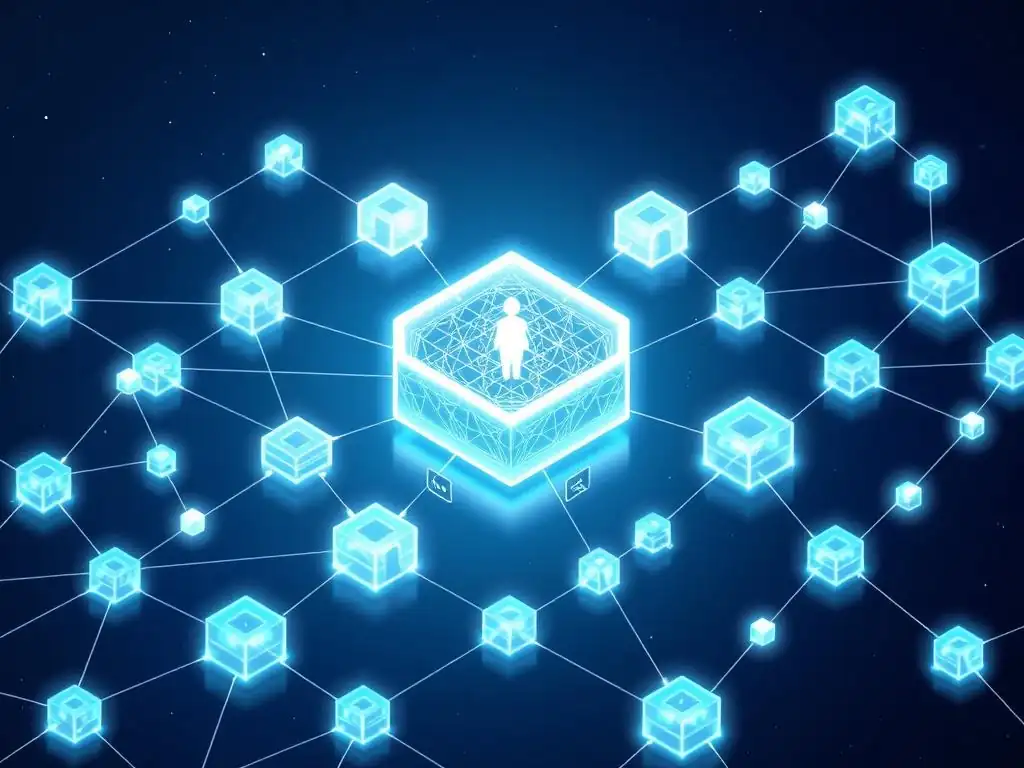
The functionality and unique characteristics of Blockchain social impact DAOs are underpinned by specific technological components, primarily smart contracts and the blockchain platforms they operate on. Understanding these elements is key to appreciating how DAOs achieve decentralization, transparency, and automated governance.
Smart Contracts and Automated Decision-Making
At the heart of every social impact DAO are smart contracts. These are self-executing contracts with the terms of the agreement directly written into lines of code. They reside on a blockchain and automatically execute actions when predefined conditions are met. In the context of a social impact DAO, smart contracts encode the organization's rules, including membership criteria, proposal submission processes, voting mechanisms, and how funds in the DAO treasury are managed and disbursed.
This reliance on smart contracts enables automated decision-making and execution. For example, if a proposal to fund a specific social project receives the required number of 'yes' votes according to the smart contract's rules, the contract can automatically transfer the approved amount of cryptocurrency from the DAO's treasury to the project's designated address. This automation reduces the need for human intervention in routine operations, minimizes the risk of errors or bias, and ensures that the DAO operates exactly according to its programmed rules, making the operations of Blockchain social impact DAOs highly reliable and transparent.
Social impact DAOs are built and operate on blockchain platforms that support smart contract functionality. While theoretically possible on several platforms, Ethereum has been the most popular choice for launching DAOs due to its mature smart contract capabilities (via the Ethereum Virtual Machine) and large developer community. However, other platforms like Polygon, Binance Smart Chain (now BNB Chain), Solana, and others are also being used, often chosen for factors like lower transaction costs (gas fees) or higher transaction throughput.
The choice of blockchain platform can influence the DAO's accessibility and operational costs. For instance, operating on a platform with high gas fees might make it expensive for individuals to participate in frequent voting or small transactions, potentially limiting inclusivity. Conversely, a platform with lower fees might facilitate broader participation. Regardless of the specific chain, the underlying principle remains the same: leveraging the blockchain's distributed ledger to ensure transparency, security, and immutability for the DAO's operations and governance records, which is fundamental to the integrity of Blockchain social impact DAOs.
DAO Governance Models and Voting Mechanisms
Governance is a critical aspect of any DAO, defining how decisions are made and how power is distributed among participants. Social impact DAOs employ various governance models and voting mechanisms. The most common model is token-based voting, where participants hold governance tokens that represent their voting power. The weight of each vote can be proportional to the number of tokens held (1 token = 1 vote) or use alternative systems like quadratic voting (where the cost of additional votes increases quadratically, aiming to reduce the influence of large token holders).
Other governance models include reputation-based systems, where voting power is earned through active participation and valuable contributions, or multi-signature wallets requiring approval from a set number of trusted parties for specific actions. The design of the governance model is crucial for a social impact DAO's success, as it determines how effectively the community can make decisions, prevent malicious actors from taking control, and ensure the organization remains aligned with its social mission. Choosing the right model is a delicate balance between efficiency, security, and ensuring broad, meaningful participation in the decentralized governance of Blockchain social impact DAOs.
Despite their immense potential, social impact DAOs face several significant challenges that need to be addressed for them to achieve widespread adoption and effectiveness. These challenges span legal, technical, and social dimensions, requiring careful consideration and innovative solutions.
Regulatory Uncertainty and Legal Frameworks
One of the most pressing challenges for social impact DAOs is the lack of clear regulatory frameworks and legal recognition in most jurisdictions. DAOs operate in a decentralized manner, often across borders, making it difficult to apply traditional legal structures designed for centralized entities. Questions arise about their legal status (Are they corporations, partnerships, or something entirely new? ), liability of token holders or participants, and compliance with regulations related to fundraising, securities, and non-profit operations.
This regulatory uncertainty creates risks for both the DAO and its participants. Without clear legal standing, it can be challenging for social impact DAOs to interact with traditional financial systems, enter into contracts, or protect themselves legally. For instance, a DAO might struggle to receive grants from traditional foundations or open a standard bank account.
Efforts are underway in some regions, like the state of Wyoming in the US, to provide legal recognition for DAOs, but a comprehensive global framework is still far off. Navigating this evolving legal landscape is crucial for the sustainability and growth of Blockchain social impact DAOs.
Ensuring Inclusivity and Accessibility for All Participants
While DAOs are permissionless in principle, ensuring true inclusivity and accessibility for all potential participants in a social impact context is a significant challenge. Participation often requires access to technology (smartphones, computers, internet), digital literacy, and understanding of blockchain concepts and cryptocurrency wallets. This can exclude individuals and communities in regions with limited technological infrastructure or digital education, precisely those who might benefit most from social impact initiatives.
Furthermore, participation in governance often requires holding governance tokens, which may need to be purchased, potentially creating an economic barrier. Designing interfaces and processes that are user-friendly and intuitive for non-technical users is essential. Social impact DAOs must actively work to bridge the digital divide and explore alternative participation models that do not solely rely on token ownership or advanced technical skills to ensure that the communities they aim to serve have a meaningful voice and are not left behind in the evolution of Blockchain social impact DAOs.
Addressing Security Risks and Vulnerabilities
Like any technology, social impact DAOs built on blockchain are susceptible to security risks and vulnerabilities. Smart contracts, being code, can contain bugs or logical flaws that malicious actors could exploit, potentially leading to the loss of funds or hijacking of governance processes. The decentralized nature also means there is no central authority to quickly fix issues or reverse malicious transactions if a vulnerability is exploited.
High-profile incidents in the broader DAO space, such as the infamous 2016 DAO hack where millions of Ether were stolen due to a smart contract vulnerability, highlight these risks. While smart contract auditing and formal verification techniques have improved significantly since then, the risk remains. Social impact DAOs must prioritize rigorous security practices, including thorough smart contract audits by reputable third parties, bug bounty programs, and implementing robust security protocols to protect their treasury and governance mechanisms from attacks and ensure the integrity of their operations as Blockchain social impact DAOs.
Measuring and evaluating the actual social impact of projects funded or managed by DAOs presents a unique challenge. While blockchain excels at providing transparency for financial flows and governance decisions, it doesn't inherently measure the real-world outcomes of a social project – for example, the number of people who gained access to clean water, the reduction in carbon emissions, or the improvement in literacy rates. Developing standardized, blockchain-native methods for impact measurement is an ongoing area of development.
Current approaches might involve integrating off-chain data verified by trusted oracles, using decentralized identity systems to track beneficiaries, or incorporating verifiable credentials related to project milestones. However, establishing reliable, tamper-proof methods to link on-chain activity to off-chain social outcomes remains complex. Social impact DAOs need to develop clear impact metrics aligned with their mission and find innovative ways to transparently report on progress and results to their community and stakeholders, ensuring that the focus remains on achieving tangible positive change beyond just the on-chain activity.
The landscape of Blockchain social impact DAOs is rapidly evolving, driven by technological advancements, growing awareness of blockchain's potential beyond finance, and increasing global demand for transparent and effective social initiatives. Several key trends and predictions point towards a promising future for these decentralized organizations in addressing global challenges.
Increased Adoption by Non-Profit Organizations
A significant trend predicted for the future is the increased adoption of DAO structures or elements by existing traditional non-profit organizations. As non-profits become more familiar with blockchain technology and witness the benefits of transparency, efficiency, and community engagement offered by DAOs, they are likely to explore integrating these models into their operations. This might start with using blockchain for transparent donation tracking or tokenizing specific funds, eventually evolving towards more decentralized governance structures for specific projects or even the entire organization.
This integration could lead to hybrid models where traditional non-profit legal structures coexist with decentralized on-chain governance for certain functions. For example, a large international NGO might create a social impact DAO to manage funding and project selection for a specific program area, allowing global donors and local beneficiaries to participate directly in decision-making for that program. This fusion of established expertise with decentralized technology could significantly enhance the reach and effectiveness of social impact work, expanding the influence of Blockchain social impact DAOs.
Integration with Other Emerging Technologies
The future will likely see social impact DAOs integrating with other emerging technologies to enhance their capabilities and impact. Technologies like Artificial Intelligence (AI) could be used to analyze project proposals, identify potential risks, or even help measure impact based on large datasets. Decentralized Identity (DID) solutions could play a crucial role in verifying the identity of participants or beneficiaries without relying on centralized databases, enhancing privacy and security while preventing Sybil attacks in governance.
Furthermore, integration with the Internet of Things (IoT) could enable real-time, verifiable data streams related to the impact of projects – for instance, sensors reporting on water quality for a clean water project funded by a social impact DAO. These integrations will create more sophisticated, data-driven, and verifiable social impact initiatives. By combining the transparency of blockchain with the capabilities of AI, DID, and IoT, future Blockchain social impact DAOs will be able to operate more intelligently, securely, and effectively, driving greater positive change.
The Role of DAOs in Achieving Sustainable Development Goals (SDGs)
A major prediction is that social impact DAOs will play an increasingly significant role in contributing to the achievement of the United Nations' Sustainable Development Goals (SDGs) by 2030. The SDGs address a wide range of global challenges, from ending poverty and hunger to ensuring clean energy and climate action. The decentralized, transparent, and collaborative nature of DAOs makes them well-suited to mobilize resources and coordinate efforts towards these goals on a global scale.
For example, a social impact DAO could be explicitly formed to address SDG 6 (Clean Water and Sanitation), pooling funds to support water infrastructure projects worldwide and allowing a global community to prioritize and oversee these efforts. Another DAO might focus on SDG 13 (Climate Action), funding carbon capture projects or promoting renewable energy initiatives through decentralized investment and governance, similar to ClimateDAO. By providing flexible, transparent, and community-driven structures, Blockchain social impact DAOs offer a powerful new tool in the global effort to achieve these critical development objectives.
For individuals interested in contributing to positive change using blockchain technology, getting involved with social impact DAOs offers a direct pathway. Participation can range from contributing resources to actively shaping the organization's future.
How to Contribute to Existing DAOs
Contributing to existing social impact DAOs typically involves several steps. First, research and identify DAOs whose mission aligns with your interests, whether it's climate action, open-source software, education, or other social causes. Popular platforms and directories in the blockchain space often list active DAOs. Once identified, understand their governance model and how to become a participant. This often involves acquiring the DAO's governance token, which can usually be purchased on cryptocurrency exchanges or sometimes earned through contributing value to the DAO.
With governance tokens, you can participate in voting on proposals, which is a direct way to influence the DAO's decisions and the projects it funds. Many DAOs also welcome non-financial contributions. Look for ways to contribute your skills – whether it's coding, design, writing, project management, or community building. Engage in the DAO's forums, Discord servers, or governance calls to understand ongoing discussions and find opportunities to help. Contributing labor or expertise can often earn you governance tokens or other forms of recognition, allowing you to gain influence within the social impact DAO through merit rather than just capital.
The field of Blockchain social impact DAOs is dynamic, with new projects and concepts emerging regularly. Staying informed is key to effective participation. Numerous resources are available online to deepen your understanding. Start with educational platforms that cover blockchain fundamentals and DAO structures. Websites focused on decentralized governance and Web3 often have sections dedicated to DAOs.
Follow reputable blockchain news outlets and publications that cover the social impact space within crypto. Many prominent social impact DAOs, like Gitcoin, have extensive documentation, blogs, and community forums where you can learn about their specific models and activities. Participating in online communities on platforms like Discord or Telegram related to social impact, blockchain, or specific DAOs allows you to ask questions and learn from experienced members. Exploring these resources will provide a solid foundation for understanding the potential and mechanics of Blockchain social impact DAOs and how you can best contribute.
Blockchain social impact DAOs represent a compelling evolution in how we can organize and fund initiatives for the greater good. By leveraging the core strengths of blockchain technology – transparency, immutability, and decentralization – these organizations offer a powerful alternative to traditional models for addressing global challenges. They empower communities, ensure accountability through verifiable on-chain data, streamline operations, and facilitate global collaboration on an unprecedented scale.
While challenges related to regulation, accessibility, and security remain, the progress made by pioneering social impact DAOs like Gitcoin and ClimateDAO demonstrates the tangible potential of this model. As the technology matures and awareness grows, we are likely to see increased adoption by non-profits, integration with other advanced technologies, and a growing contribution towards achieving critical global goals like the UN SDGs. For anyone passionate about creating positive change, exploring and engaging with Blockchain social impact DAOs offers a promising and innovative path to contribute to a more transparent, equitable, and impactful future.
Frequently Asked Questions
Social Impact DAOs are decentralized autonomous organizations specifically designed to address global challenges and create positive social change. They leverage blockchain technology for transparency and efficiency in their operations.
Unlike traditional organizations, Social Impact DAOs offer greater transparency and accountability through their blockchain-based governance. This decentralized structure fosters community ownership and reduces reliance on centralized intermediaries.
They can tackle a wide range of issues, including environmental sustainability, poverty alleviation, educational access, and humanitarian aid, using innovative blockchain solutions.
Blockchain provides immutable records of transactions, ensuring transparency in funding and resource allocation. Smart contracts automate processes, improving efficiency and reducing corruption.
Challenges include regulatory uncertainty, scalability issues, and the need for user-friendly interfaces to encourage broader participation and understanding.
Final Reflection: Empowering Change Through Decentralization
The exploration of Social Impact DAOs reveals a powerful convergence of blockchain technology and the urgent need for global solutions. This intersection represents more than just technological innovation; it signifies a paradigm shift in how we address societal challenges. By decentralizing decision-making and fostering transparency, these DAOs offer a compelling alternative to traditional, often inefficient, methods of driving positive change.
This movement towards decentralized impact is profoundly shaping the cultural landscape, offering a glimpse into a future where communities are empowered to directly address the issues that matter most to them. The potential for individuals to contribute meaningfully to global solutions, regardless of their location or background, is truly transformative. Never doubt that a small group of thoughtful, committed citizens can change the world; indeed, it's the only thing that ever has.
- Margaret Mead
As we conclude this exploration of Blockchain Social Impact DAOs, let us not simply observe from the sidelines. Consider how you can leverage the principles of decentralization and collective action to contribute to a more equitable and sustainable world. Embrace the power of blockchain to amplify your impact, and join the movement towards a future where technology serves as a catalyst for positive social change.
Thank you for exploring the transformative potential of social impact DAOs. We hope this article has shown how blockchain technology can serve as a powerful tool for tackling global challenges and empowering communities. Now, it's time to turn that knowledge into action and become part of the solution.
Here's how you can get started:
- Learn about DAO development! Begin by researching existing frameworks and tools such as Aragon or DAOstack. Try creating a simple DAO to grasp the basics of smart contracts and decentralized governance.
- Identify a pressing social or environmental issue that resonates with you. Consider whether a DAO could provide a more effective solution, and develop a preliminary proposal for a social impact DAO focused on this challenge.
- Share this article with three friends or colleagues who are passionate about social impact or blockchain technology. Start a conversation and brainstorm potential collaborative projects!
Are you ready to leverage the power of DAOs to make a meaningful difference? Think about one social issue you believe a DAO could effectively address, and consider the first step you will take to explore that possibility.
Leave a Reply