
Smart Contracts in Real Estate: Automating Property Deals for Speed and Security

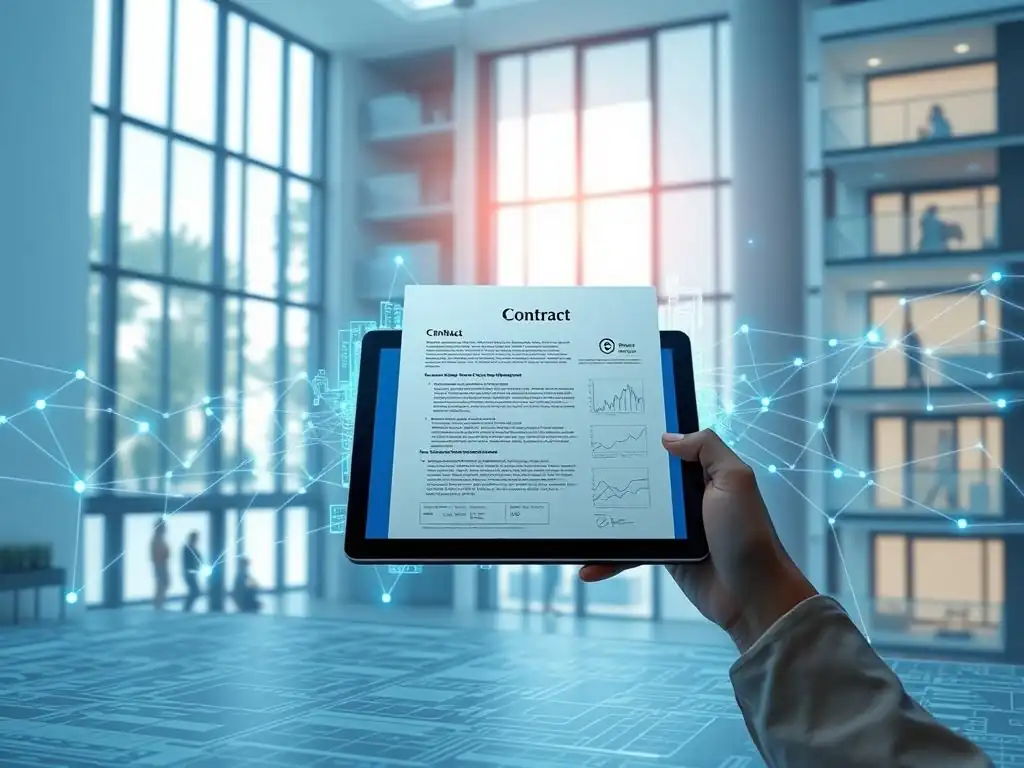
Welcome to Blockchain Trends, your go-to source for understanding the revolutionary impact of blockchain technology. Dive into a world beyond cryptocurrencies as we explore DeFi, enterprise solutions, and the evolving regulatory landscape.
Curious about how blockchain is reshaping property transactions? This article unveils the potential of Blockchain real estate smart contracts to automate and secure property deals, unlocking unprecedented speed and efficiency. Discover how this innovation is poised to transform the real estate industry and what it means for the future of property ownership. Read on to learn more...
Smart Contracts in Real Estate: Automating Property Deals for Speed and Security
- Introduction to Blockchain Real Estate Smart Contracts
- Benefits of Using Smart Contracts in Real Estate Transactions
- How Blockchain Real Estate Smart Contracts Work: A Step-by-Step Guide
- Use Cases of Smart Contracts in Real Estate
- Challenges and Considerations for Blockchain Real Estate Smart Contracts
- The Future of Real Estate with Smart Contracts
- Conclusion: Embracing the Potential of Blockchain Real Estate Smart Contracts
-
Frequently Asked Questions
- How do smart contracts enhance the real estate transaction process?
- What are the primary benefits of using blockchain real estate smart contracts for buyers and sellers?
- How do blockchain real estate smart contracts address the issue of trust in property transactions?
- What role does DeFi play in the context of blockchain real estate smart contracts?
- What are some potential regulatory challenges associated with implementing blockchain real estate smart contracts on a wider scale?
- Final Reflection: The Dawn of Automated Trust in Real Estate
- Unlock the Future: Revolutionize Your Real Estate Journey!
Introduction to Blockchain Real Estate Smart Contracts
The Growing Intersection of Blockchain and Real Estate
The real estate industry, historically characterized by lengthy processes, extensive paperwork, and multiple intermediaries, is increasingly exploring innovative technologies to enhance efficiency and trust. Blockchain technology, initially popularized by cryptocurrencies like Bitcoin, offers a decentralized, immutable ledger that has caught the attention of real estate professionals seeking to modernize transactions. This intersection promises to address long-standing inefficiencies, reduce costs, and improve security across various real estate operations, from property transfers to financing and management. The potential impact is significant, transforming how properties are listed, bought, sold, and managed.
While still in its nascent stages of widespread adoption, the application of blockchain in real estate is moving beyond theoretical discussions. Pilot projects and platforms are emerging globally. For instance, some initiatives in the US and Europe have explored using blockchain to record land titles, aiming to reduce title fraud and streamline verification processes. Reports suggest that the global real estate market size for blockchain could reach significant figures in the coming years, indicating growing interest and investment in this transformative technology. The core of this transformation often lies in the application of smart contracts.
Understanding Smart Contracts: The Foundation of Automated Deals
At its heart, a smart contract is a self-executing contract with the terms of the agreement directly written into lines of code. This code resides on a blockchain network, making it immutable, transparent, and distributed. When predefined conditions are met, the code automatically executes the agreed-upon actions, such as transferring funds or digital assets, without the need for intermediaries. Essentially, they are programmable agreements designed to automate processes based on triggers and conditions specified by the parties involved.
These contracts are built on "if/then" statements. For example, "IF party A sends X amount of cryptocurrency to party B's address, THEN the smart contract automatically releases the digital asset (e.g., a token representing property ownership) to party A." This inherent automation and reliance on verifiable conditions rather than human interpretation or intervention makes smart contracts particularly powerful for complex transactions like those in real estate. Their execution is deterministic and verifiable by anyone on the network, adding a layer of trust and predictability.
Why Real Estate Needs Automation and Enhanced Security
The traditional real estate transaction process is notoriously complex, involving numerous parties such as agents, lawyers, escrow companies, inspectors, and government agencies. This complexity often leads to delays, high transaction costs, potential for errors, and even fraud. A typical property sale can take anywhere from 30 to 60 days, sometimes longer, depending on factors like financing, inspections, and title searches. The manual handling of documents and funds across multiple entities creates friction and opportunities for inefficiency and security breaches.
Moreover, existing systems for recording property ownership and facilitating transfers can be vulnerable to fraud, disputes, and lack of transparency. Title issues, forged documents, and errors in public records are not uncommon challenges. The need for automation arises from the desire to compress timelines, reduce manual effort, and lower associated costs, which can amount to a significant percentage of the property value. Enhanced security is paramount to protect valuable assets and sensitive data involved in real estate dealings. This is where blockchain real estate smart contracts offer a compelling solution.
Benefits of Using Smart Contracts in Real Estate Transactions
Streamlining the Property Buying Process with Automation
One of the most significant advantages of employing blockchain real estate smart contracts is the potential to dramatically streamline the property buying process. Instead of relying on manual coordination between multiple parties and sequential steps that often face delays, smart contracts can automate key stages of the transaction. For instance, once a buyer's financing is verified and a property inspection report is uploaded and validated (conditions defined within the contract), the smart contract can automatically initiate the transfer of funds from escrow and the digital representation of the property title.
This automation reduces the dependency on human intervention for simple conditional triggers, cutting down on communication delays and administrative bottlenecks. Consider the traditional escrow process, which involves a neutral third party holding funds and documents until all conditions are met. A smart contract can replicate this function digitally, releasing funds and title automatically upon verification of predefined on-chain or off-chain data feeds (like proof of fund transfer or validation of a digital certificate). This capability promises to shorten closing times substantially, potentially from weeks to days or even hours for certain types of transactions, especially with tokenized assets.
Increased Transparency and Reduced Fraud in Real Estate
Blockchain technology, by its very nature, provides an unprecedented level of transparency in transactions. Every transaction recorded on a public or permissioned blockchain is visible to authorized participants, and the record is immutable, meaning it cannot be altered or deleted. When real estate transactions are executed via blockchain real estate smart contracts, the terms of the agreement and the execution steps are recorded on this transparent and immutable ledger. This eliminates the "black box" aspect of traditional transactions, where parties rely solely on intermediaries to confirm actions.
This transparency significantly reduces opportunities for fraud. Forged documents become more difficult to introduce when property ownership and transaction history are immutably recorded on a blockchain. Disputes over whether conditions were met are minimized because the smart contract's execution is triggered by verifiable, objective data inputs. Furthermore, the audit trail of every step of the transaction, from offer acceptance to fund transfer and title change, is permanently recorded and easily auditable by relevant parties, including regulators if needed. This shifts trust from individuals or institutions to the underlying technology and consensus mechanism.
Lower Transaction Costs and Faster Closing Times
The traditional real estate transaction involves a multitude of fees paid to various intermediaries: real estate agents (often 5-6% of the sale price), lawyers, title companies, escrow services, and potentially surveyors or appraisers. These costs add up, significantly increasing the overall expense for both buyers and sellers. Blockchain real estate smart contracts have the potential to significantly reduce these costs by automating and disintermediating several steps.
By automating the escrow process, title verification (if land registries are on blockchain), and even aspects of financing verification, the need for some traditional intermediaries or their manual effort can be reduced. While agents and lawyers may still play advisory roles, the administrative overhead and associated fees for processing paperwork and coordinating manual transfers can be drastically cut.
Faster closing times, a direct result of this automation, also contribute to cost savings by reducing holding costs, financing costs during the closing period, and the overall time investment required from all parties. Some estimates suggest that transaction costs could be reduced by 1-2% of the property value in a fully mature blockchain-based system.
Enhanced Security and Immutability of Real Estate Agreements
The security of real estate agreements is paramount, considering the high value of the assets involved. Traditional paper-based contracts are vulnerable to loss, damage, or malicious alteration. Digital documents, while easier to store and transmit, can still be subject to hacking or tampering if stored on centralized servers. Blockchain real estate smart contracts, however, offer enhanced security through cryptography and the decentralized nature of the blockchain ledger.
Once a smart contract is deployed on a blockchain, the code and the terms encoded within it are immutable. Any attempt to alter the contract after deployment would require the consensus of the network, which is practically impossible for public, decentralized blockchains. The cryptographic hashing used in blockchain ensures the integrity of the data.
Furthermore, the record of the contract's execution and the subsequent transfer of assets (like tokenized property) are permanently and securely recorded on the distributed ledger, providing an indelible history that is far more resistant to fraud or error than centralized databases or paper records. This immutability provides a high level of confidence in the agreement's integrity and the final transaction outcome.
How Blockchain Real Estate Smart Contracts Work: A Step-by-Step Guide
Defining the Terms and Conditions of the Property Sale
The first crucial step in implementing a blockchain real estate smart contract is meticulously defining all the terms and conditions of the property sale or agreement. This phase is analogous to drafting a traditional real estate contract but requires translating the legal language and specific clauses into clear, unambiguous parameters that can be coded.
This includes identifying the parties involved (buyer, seller), the asset being transferred (the specific property, often represented digitally), the price, payment terms (e.g., full amount, installments), deadlines (e.g., closing date, inspection period), and specific contingencies (e.g., subject to financing, subject to inspection, subject to title clearance).
This definition phase is critical because once the terms are encoded and the contract is deployed, they become largely unchangeable. It requires careful collaboration between the parties, potentially with legal counsel familiar with both real estate law and smart contract capabilities, to ensure all necessary clauses and potential scenarios are accounted for.
Parameters must be quantifiable or verifiable through reliable data sources that can interact with the blockchain. For example, a contingency "subject to financing approval" would need a defined method for the smart contract to verify that approval has occurred, perhaps via a secure data oracle or manual confirmation input by an authorized party.
Encoding the Agreement into a Smart Contract
Once the terms and conditions are clearly defined, the next step involves translating this agreement into the specific code of a smart contract. This requires a developer with expertise in blockchain programming languages, such as Solidity for the Ethereum network or other languages depending on the chosen blockchain platform. The code must accurately reflect the logic of the agreement, specifying how the contract should behave under various conditions.
For example, the code would contain functions to receive funds into a digital escrow, verify the identity of participants (perhaps through decentralized identity solutions), check if the inspection contingency deadline has passed and whether the condition was met, and finally, trigger the transfer of the property token and funds upon successful verification of all prerequisites. This encoding process is complex and requires rigorous testing to identify and eliminate bugs or vulnerabilities, as errors in the code could lead to unintended consequences or financial loss. Professional smart contract audits are essential before deployment.
Deploying the Smart Contract on a Blockchain Network
After the smart contract code is written, tested, and audited, it is deployed onto a chosen blockchain network. The choice of blockchain depends on factors like scalability, transaction costs (gas fees), security, and whether the network supports smart contract functionality (like Ethereum, Binance Smart Chain, Solana, etc.). Deployment involves publishing the contract code to the blockchain, where it receives a unique address. Once deployed, the contract is immutable and its execution is governed by the network's consensus mechanism.
Deploying a blockchain real estate smart contract makes it accessible to the parties involved and the wider network (depending on whether it's a public or permissioned blockchain). The transaction required to deploy the contract incurs a small fee (gas) paid to the network validators or miners. From this point forward, the contract exists on the decentralized ledger, waiting for the specified conditions to be met to trigger its automatic execution. Parties can interact with the contract by sending transactions to its unique address on the blockchain.
Triggering Automatic Execution Upon Fulfillment of Conditions
The core functionality of a blockchain real estate smart contract is its ability to automatically execute predefined actions when the specified conditions are fulfilled. These conditions are checked programmatically by the smart contract itself. Conditions can range from receiving a certain amount of cryptocurrency into the contract's address, verifying the passage of a specific date and time, or receiving confirmation from a trusted data source (an oracle) about an external event, such as the recording of a new deed by a digital land registry or the verification of a digital signature.
For instance, if the smart contract for a property sale includes a condition that the buyer must transfer the full payment amount before the title is released, the contract will monitor the blockchain for a transaction sending the correct amount to its address from the buyer's wallet. Once that transaction is confirmed on the blockchain, the condition is met, and the smart contract automatically executes the next step, such as transferring the property token from the seller's wallet (held within or controlled by the contract) to the buyer's wallet.
This eliminates the need for manual confirmation or instruction for this step.
Secure and Transparent Transfer of Ownership
The final step in a real estate transaction facilitated by a blockchain real estate smart contract is the secure and transparent transfer of ownership. In a blockchain context, property ownership can be represented in various ways, often as a digital token (e.g., an NFT or a fractional token) linked to the physical property or its legal title. Once the smart contract verifies that all conditions for the sale have been met, it automatically triggers the transfer of this digital asset representing ownership from the seller's digital wallet to the buyer's digital wallet.
This transfer is recorded as a transaction on the blockchain, making it immutable and publicly verifiable (on a public chain). The history of ownership is transparently available on the ledger. This method provides a highly secure way to transfer ownership, as the process is automated by code and verified by the decentralized network, removing the risk of manual error or fraudulent intervention during the transfer itself. The immutability of the blockchain record ensures that the ownership change is permanently and accurately recorded, providing a reliable source of truth for the property's provenance.
Use Cases of Smart Contracts in Real Estate
Automated Rent Collection and Management
Smart contracts offer a compelling solution for automating various aspects of property management, particularly rent collection. Landlords and tenants can enter into a digital lease agreement encoded as a blockchain real estate smart contract. The contract would specify the rental amount, due date, and the tenant's digital wallet address from which the payment is expected. On the due date, the smart contract can automatically initiate a pull request (if the tenant has authorized it) or verify a push transaction of the specified rent amount from the tenant's wallet to the landlord's wallet.
This automation eliminates the need for manual invoicing, tracking payments, and sending reminders. Late payment fees could also be automatically triggered if the payment doesn't arrive by the deadline, as defined in the contract. Furthermore, the smart contract could incorporate clauses related to property maintenance requests, potentially releasing funds for repairs upon verification of work completion. The transparency of blockchain also provides a clear and immutable record of all rent payments, simplifying accounting and dispute resolution.
Tokenized Real Estate and Fractional Ownership
One of the most transformative applications of blockchain real estate smart contracts is in enabling tokenization and fractional ownership of properties. Tokenization involves creating digital tokens on a blockchain, where each token represents a share or fractional ownership in a specific property. A smart contract can govern the rules for issuing, buying, selling, and managing these tokens.
This allows investors to buy small, affordable fractions of high-value properties, lowering the barrier to entry for real estate investment. For example, a $1 million property could be tokenized into 1,000 tokens, each worth $1,000. Investors could then buy and sell these tokens on a secondary market facilitated by smart contracts, offering increased liquidity compared to traditional property sales.
Smart contracts can also automatically distribute rental income generated by the property proportionally to token holders based on their share of ownership, streamlining the management of investment properties with multiple owners. Platforms are emerging that leverage this model, allowing global investors to participate in real estate markets they previously couldn't access.
Streamlined Property Management Agreements
Beyond rent collection, smart contracts can streamline broader property management agreements between property owners and management companies. Key performance indicators (KPIs) and service level agreements (SLAs) defined in the contract can be linked to automated payments or penalties. For instance, a smart contract could stipulate that the management company receives a base fee plus a bonus if tenant satisfaction scores (recorded via a trusted oracle) exceed a certain threshold, or face a penalty if vacancy rates rise above a defined percentage.
The smart contract provides an objective and automated way to enforce the terms of the management agreement based on verifiable data. This increases accountability and reduces potential disputes over performance or payment calculations. Tasks like scheduling routine maintenance or managing service provider payments could also potentially be integrated into the smart contract workflow, triggered by specific events or schedules defined within the code, further optimizing operational efficiency for both parties involved in property management.
Secure Escrow Services for Real Estate Transactions
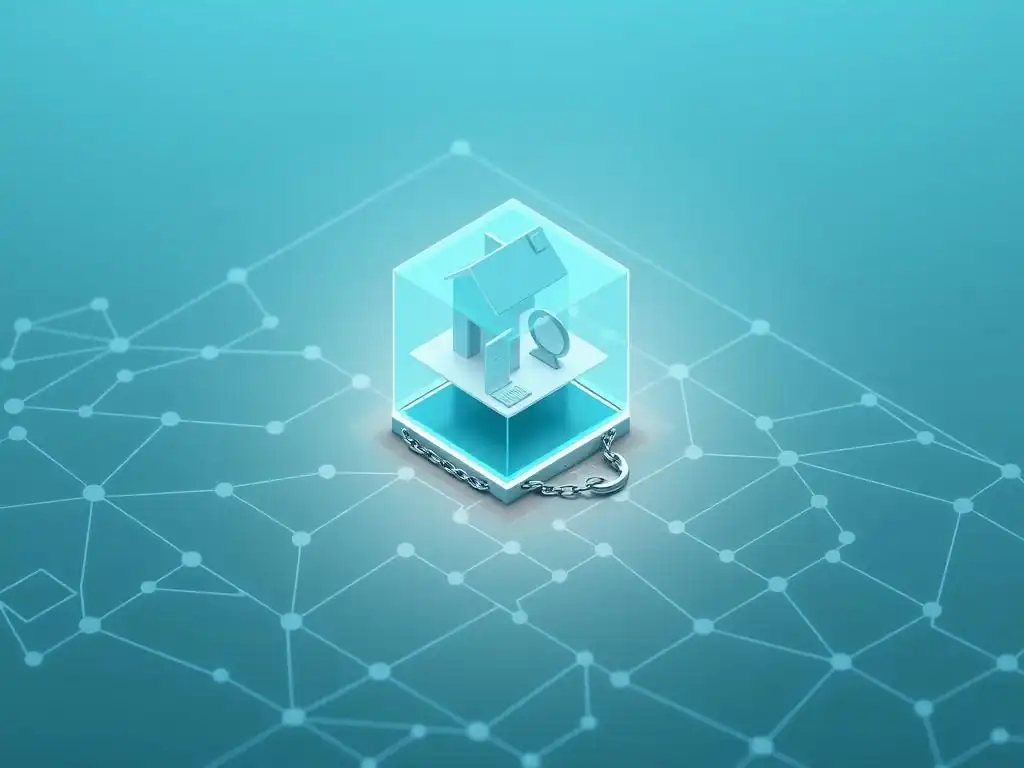
As highlighted earlier, the escrow process is a critical but often slow part of real estate transactions. Blockchain real estate smart contracts can function as secure, automated escrow agents. Instead of depositing funds with a third-party company, the buyer deposits the funds (often in cryptocurrency or stablecoins) directly into the smart contract's address on the blockchain.
The smart contract holds these funds securely until all predefined conditions for the transaction are met and verified on the blockchain. These conditions typically include the transfer of the property title (or its digital representation) from the seller to the buyer.
Once the smart contract verifies that the title transfer has been successfully recorded on the blockchain (or via an oracle confirming the traditional deed recording), it automatically releases the held funds to the seller's wallet. This process is transparent, immutable, and eliminates the need for a human intermediary to hold and disburse funds, reducing fees and potential for delay or error.
Decentralized Autonomous Organizations (DAOs) for Real Estate Investment
Decentralized Autonomous Organizations (DAOs) represent a cutting-edge application of blockchain and smart contracts, offering a new model for real estate investment and governance. A real estate DAO is governed by rules encoded in smart contracts, with decisions made collectively by token holders (investors) through voting mechanisms on the blockchain. These DAOs can collectively pool funds to purchase properties, manage assets, and distribute profits.
For example, investors could buy governance tokens in a real estate DAO. These tokens grant them voting rights on proposals, such as which property to acquire, how to manage it, or whether to sell an asset.
Smart contracts within the DAO structure would automatically execute the outcomes of these votes, managing the collective funds, executing property purchases (potentially via other smart contracts for the transaction), and distributing rental income or sale proceeds proportionally to token holders based on the smart contract rules. This provides a more democratic, transparent, and potentially efficient way for groups of investors to manage real estate portfolios without relying on traditional corporate structures or fund managers.
Challenges and Considerations for Blockchain Real Estate Smart Contracts
Regulatory Uncertainty and Legal Frameworks
One of the most significant hurdles for the widespread adoption of blockchain real estate smart contracts is the current lack of clear and consistent regulatory and legal frameworks across jurisdictions. Real estate law is traditionally tied to physical location and governed by established, often slow-to-change, local and national regulations regarding property ownership, transfer, and recording. Integrating immutable, digital ownership records and automated contracts into these systems presents complex legal questions.
For instance, how does a smart contract's code align with existing contract law? What happens if there's a bug in the smart contract code that leads to an unintended outcome – which legal framework applies, and who is liable? How are property rights enforced legally when the primary record of ownership is on a decentralized ledger rather than a government-maintained registry?
Until governments establish clear guidelines, legal recognition, and potentially integrate blockchain technology into land registries, the legal enforceability and widespread acceptance of blockchain real estate smart contracts remain a challenge. Some jurisdictions are beginning to explore this, but global uniformity is still far off.
Scalability Issues of Blockchain Networks
While blockchain technology offers significant advantages, some of the most popular networks currently face scalability limitations. Public blockchains like Ethereum, which are widely used for smart contracts, can experience congestion during periods of high network activity. This congestion can lead to slow transaction processing times and significantly increased transaction fees (gas costs), making frequent or low-value transactions economically unfeasible.
Real estate transactions, especially at scale or involving fractional ownership with frequent trading, require a network capable of handling a high volume of transactions quickly and affordably. While newer blockchain technologies and Layer 2 scaling solutions are being developed to address these issues, scalability remains a practical concern for deploying blockchain real estate smart contracts for mass adoption. The network needs to reliably process potentially hundreds or thousands of interactions (payments, title transfers, record updates) efficiently.
Smart Contract Security Audits and Vulnerability Prevention
The security of smart contracts is paramount. Because smart contracts hold and manage valuable assets (funds, property tokens) and automatically execute based on code, any vulnerability or bug in the code can have catastrophic consequences, potentially leading to irreversible loss of assets. The decentralized and immutable nature of blockchain means that once a vulnerable contract is deployed, it's difficult or impossible to fix or stop its execution if triggered.
Famous incidents, like the DAO hack on Ethereum in 2016 which resulted in the loss of millions of dollars worth of cryptocurrency due to a smart contract vulnerability, highlight this risk. Preventing such incidents requires rigorous smart contract security audits by independent experts before deployment. These audits analyze the code for potential bugs, security flaws, and adherence to best practices. Despite audits, the risk of undiscovered vulnerabilities persists, making ongoing monitoring and robust security practices crucial for anyone utilizing blockchain real estate smart contracts.
The Need for Standardized Smart Contract Templates
Currently, there is a lack of widely accepted, standardized templates for blockchain real estate smart contracts. Each smart contract is often custom-written or adapted from existing code, leading to variations in implementation, potential for errors, and difficulty in interoperability between different platforms or systems. Standardized templates, similar to how standard real estate contracts exist today (e.g., purchase agreements, lease agreements), could significantly accelerate adoption.
Developing industry-wide standards for smart contract code related to property transactions, ownership representation (token standards), and data exchange would build trust, reduce development costs, and ensure greater compatibility. Standard templates could incorporate best practices for security and legal compliance (where regulations exist), making it easier and safer for real estate professionals and consumers to adopt this technology. Establishing these standards requires collaboration among blockchain developers, real estate professionals, and legal experts.
Bridging the Gap Between Traditional Real Estate and Blockchain Technology
A significant challenge is the integration of blockchain technology with existing traditional real estate systems and processes. Land registries, title companies, financing institutions, and legal practices are deeply entrenched and operate on established, often paper-based or centralized digital systems. Fully transitioning to a system based on blockchain real estate smart contracts requires bridging this gap.
This involves educating real estate professionals and consumers about the technology, developing user-friendly interfaces that abstract the complexity of blockchain, and creating mechanisms for secure and reliable data exchange between the blockchain and the physical world (e.g., verifying physical inspections, linking digital tokens to legal land titles). The legal recognition of blockchain-based ownership records and smart contracts by government entities is a critical step in this bridging process. Until these traditional and decentralized systems can seamlessly interact, parallel processes and manual steps may still be required, limiting the full efficiency potential of blockchain in real estate.
The Future of Real Estate with Smart Contracts
Predicting the Widespread Adoption of Smart Contracts in Real Estate
While challenges remain, the trajectory suggests a growing adoption of blockchain real estate smart contracts in the coming years, though perhaps initially in specific niches or jurisdictions. Early adoption is likely to occur in areas with clear benefits and fewer regulatory hurdles, such as fractional ownership platforms, real estate investment DAOs, and automated rental agreements. As legal frameworks evolve and technology matures, overcoming scalability issues and improving user-friendliness, adoption could accelerate.
Several factors point towards increasing acceptance: the global push for digitalization, the inherent advantages of blockchain in terms of transparency and security, and the potential for significant cost and time savings. Governments in some regions are already piloting blockchain for land registries, which would pave the way for smart contract integration.
While a complete overhaul of the traditional system won't happen overnight, we can anticipate a phased adoption, starting with specific use cases and gradually expanding as the technology proves its value and regulatory clarity emerges. Within the next decade, it's plausible that smart contracts will become a recognized tool for various real estate functions, even if not yet the sole method for all transactions.
The Role of Blockchain in Creating a More Efficient and Transparent Real Estate Market
Blockchain technology, powered by blockchain real estate smart contracts, is poised to fundamentally reshape the real estate market into one that is significantly more efficient and transparent. By providing a single, immutable source of truth for property records and transaction history, blockchain reduces information asymmetry and the potential for disputes over ownership or transaction details. The automation capabilities of smart contracts streamline processes like payments, title transfers, and agreement enforcement, drastically cutting down on manual effort and transaction times.
Consider the current opaque nature of some real estate markets, where information can be fragmented and difficult to verify. Blockchain offers the potential for a globally accessible, verifiable ledger of property information (while respecting privacy requirements), making due diligence easier and increasing market liquidity. This increased efficiency and transparency can attract more investment, facilitate cross-border transactions, and ultimately lead to a healthier, more accessible real estate ecosystem for participants at all levels.
Integration with IoT for Smart Property Management
Looking ahead, the integration of blockchain real estate smart contracts with Internet of Things (IoT) devices could revolutionize smart property management. IoT sensors in a building can collect real-time data on factors like occupancy, temperature, energy consumption, or maintenance needs. This data, verified and potentially stored on a blockchain, could serve as triggers for smart contracts.
For example, a smart contract managing building maintenance could automatically dispatch a repair request and release payment to a service provider when an IoT sensor reports a specific issue, like a leak. A smart lease contract could adjust rental rates based on verified occupancy data from IoT sensors in a commercial property. This integration creates highly responsive and automated property management systems where physical events trigger digital actions governed by immutable smart contracts, optimizing building performance and reducing manual oversight.
The Impact of Smart Contracts on Real Estate Brokerage
The role of real estate brokers is likely to evolve with the increasing adoption of blockchain real estate smart contracts. While some automated aspects of transactions might reduce the need for certain administrative tasks traditionally performed by brokers (like coordinating paperwork flow), the core value proposition of agents – market expertise, negotiation skills, client relationships, and guidance through complex processes – will likely remain crucial.
Smart contracts might automate the execution of a deal, but finding the right property, determining its market value, marketing it effectively, and negotiating terms still require human expertise. Brokers might transition to roles focused more on advisory services, deal structuring, and navigating the still-complex landscape of hybrid traditional/blockchain transactions. Furthermore, smart contracts could power new brokerage models, such as decentralized listing platforms or tokenized referral systems, potentially creating new opportunities and efficiencies within the brokerage industry itself. The most successful brokers will likely be those who understand and leverage smart contract technology to enhance their services.
Conclusion: Embracing the Potential of Blockchain Real Estate Smart Contracts
The real estate industry stands at the precipice of a technological transformation, with blockchain real estate smart contracts emerging as a powerful tool to drive efficiency, security, and transparency. By automating key aspects of property transactions, from initial agreements to final ownership transfer and ongoing management, smart contracts have the potential to drastically reduce costs, shorten timelines, and minimize the risk of fraud and error inherent in traditional processes. Use cases ranging from automated rent collection and fractional ownership to decentralized investment structures demonstrate the broad applicability of this technology.
While significant challenges, including regulatory uncertainty, scalability concerns, and the need for standardization, must be addressed, the momentum towards exploring and implementing blockchain solutions in real estate is undeniable. As legal frameworks mature, technology advances, and the industry gains familiarity, blockchain real estate smart contracts are poised to play a pivotal role in creating a more accessible, liquid, and trustworthy global real estate market. Embracing this potential requires collaboration, innovation, and a willingness to rethink traditional methods in favor of decentralized, automated, and secure alternatives.
Frequently Asked Questions
How do smart contracts enhance the real estate transaction process?
Smart contracts automate key steps in property deals, such as escrow release and title transfer, reducing manual paperwork and delays. This leads to faster and more secure transactions.
What are the primary benefits of using blockchain real estate smart contracts for buyers and sellers?
For buyers, smart contracts offer increased transparency and reduced risk of fraud. Sellers benefit from faster payment processing and a more streamlined sales process.
How do blockchain real estate smart contracts address the issue of trust in property transactions?
Smart contracts are self-executing based on pre-defined conditions, eliminating the need for intermediaries and fostering greater trust between parties involved in the transaction. Their immutability further reinforces trust.
What role does DeFi play in the context of blockchain real estate smart contracts?
DeFi can facilitate fractional ownership of properties through smart contracts, allowing more individuals to invest in real estate and access decentralized financing options.
What are some potential regulatory challenges associated with implementing blockchain real estate smart contracts on a wider scale?
Regulatory frameworks need to adapt to address the novel legal implications of smart contracts in real estate, including issues related to contract enforceability and data privacy.
Okay, here's a final reflection designed to close your article "Smart Contracts in Real Estate: Automating Property Deals for Speed and Security," optimized for the keyword "Blockchain real estate smart contracts" and following the structure you provided:
Final Reflection: The Dawn of Automated Trust in Real Estate
The exploration of blockchain real estate smart contracts reveals a transformative shift in how we perceive and execute property transactions. No longer a futuristic fantasy, the automation of property deals through smart contracts is rapidly becoming a tangible reality, offering unparalleled speed, security, and transparency that traditional methods simply cannot match. This is not just about technological advancement; it's about fundamentally reshaping the foundations of trust in the real estate industry.
The influence of blockchain technology and smart contracts extends far beyond mere efficiency gains; it's about democratizing access to property ownership and fostering a more equitable and transparent marketplace. Witnessing this evolution firsthand underscores the profound impact technology can have on reshaping established industries and empowering individuals. The future of real estate is not just about bricks and mortar; it's about the code that governs them.
This quote encapsulates the essence of the change we are experiencing, a transition where trust is no longer solely reliant on intermediaries but is embedded within the very fabric of the transaction itself.
As we stand on the cusp of this new era, let us embrace the potential of blockchain real estate smart contracts to build a more secure, efficient, and accessible future for all. Consider how you can contribute to this evolution, whether through education, innovation, or simply by advocating for greater transparency and technological adoption in the real estate sector. The future of property is being written now, line by line, in the code of smart contracts – be a part of shaping that future.
Okay, I'm ready to write a Call to Action (CTA) based on the article "Smart Contracts in Real Estate: Automating Property Deals for Speed and Security," for the website Blockchain Trends (blockchaintrends.org). Here's the CTA:
Unlock the Future: Revolutionize Your Real Estate Journey!
Thank you for delving into the transformative world of smart contracts in real estate! Now that you understand the power of automation and security in property deals, it's time to explore how you can apply this knowledge to your advantage.
Here are a few immediate steps you can take:
- Start researching real estate platforms that already utilize smart contracts to understand their functionalities and benefits firsthand.
- Join online blockchain communities or forums dedicated to real estate and smart contracts. Share your insights, learn from others, and explore potential collaborations.
- Consider attending a webinar or online course focused on the legal aspects of smart contracts in real estate to ensure compliance and protect your interests.
What innovative application of smart contracts in real estate excites you the most, and what steps will you take to explore it further?
Leave a Reply