
Blockchain in Supply Chains: Early Enterprise Use Cases Gain Traction

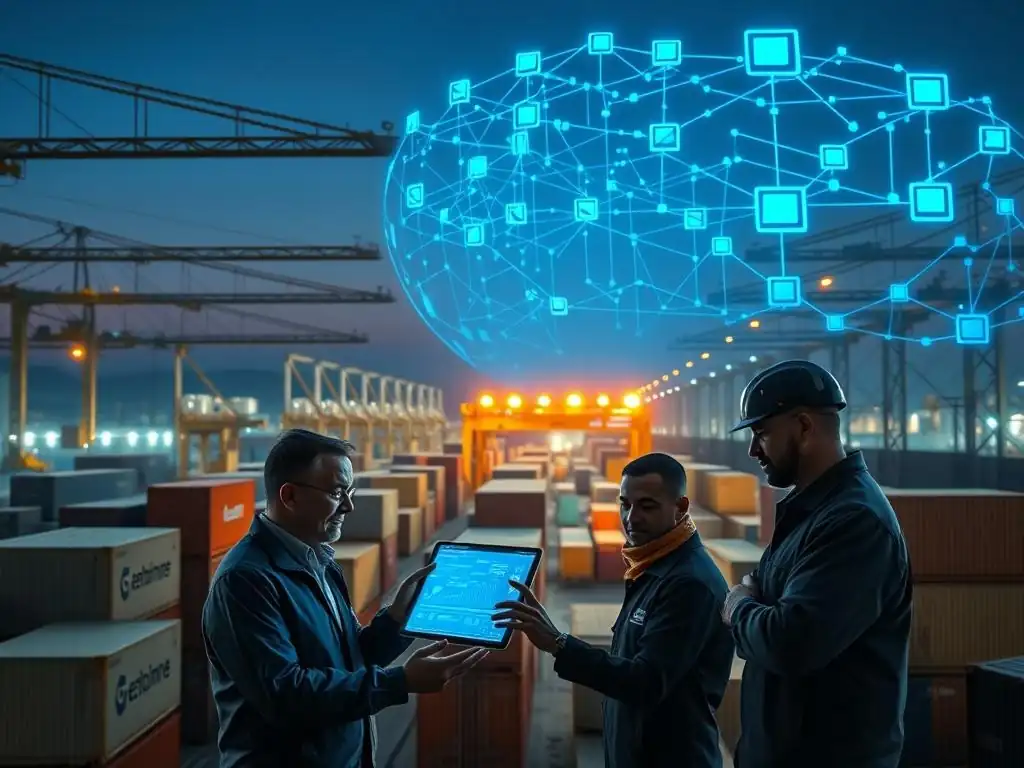
Welcome to Blockchain Trends, your premier source for insights into the revolutionary world of blockchain technology! Beyond the hype of cryptocurrencies, we delve into the real-world applications shaping our future. Curious how blockchain is moving beyond the theoretical and into practical implementations? Dive into our latest article to discover how blockchain supply chain enterprise adoption is already gaining traction, offering a glimpse into the future of secure, transparent, and efficient logistics. What are the early use cases driving this change, and what challenges remain? Explore the possibilities and join us in understanding the fundamentals of this transformative technology.
Blockchain in Supply Chains: Early Enterprise Use Cases Gain Traction
- Introduction: Blockchain's Growing Role in Transforming Supply Chains
- Early Enterprise Adoption of Blockchain for Supply Chain Management
- Key Benefits of Blockchain in Supply Chain Applications
- Challenges to Widespread Blockchain Adoption
- Use Case Deep Dive: Specific Examples of Blockchain in Action
- The Future of Blockchain in Supply Chain Management
- Conclusion: Blockchain's Transformative Potential
-
Frequently Asked Questions
- How is blockchain being used in supply chains by enterprises right now?
- What are the main benefits of using blockchain in the supply chain for businesses?
- What are the major challenges hindering wider blockchain supply chain enterprise adoption?
- What role does regulation play in the future of blockchain supply chain enterprise adoption?
- Beyond tracking and tracing, what other potential applications of blockchain exist within supply chains?
- Final Reflection: Embracing Transparency and Trust
- Reimagine Your Supply Chain Potential!
Introduction: Blockchain's Growing Role in Transforming Supply Chains
The Evolution of Blockchain Beyond Cryptocurrency
Originally synonymous with cryptocurrencies like Bitcoin, blockchain technology has rapidly evolved to become a versatile tool applicable across numerous industries. Its core features – immutability, transparency, and decentralization – offer solutions to long-standing problems in sectors far removed from finance. This evolution has paved the way for significant exploration and early blockchain supply chain enterprise adoption. Enterprises are now looking beyond speculative digital assets to leverage the underlying distributed ledger technology for tangible operational improvements.
This shift is evident in the increasing investment by large corporations in blockchain R&D and pilot programs. What began as niche experiments is now maturing into serious consideration for integration into core business processes. The focus has moved from simply understanding the technology to identifying specific pain points that blockchain is uniquely positioned to solve, particularly within complex and multi-party environments like global supply chains, driving the push for wider enterprise blockchain in supply chains.
Why Supply Chains Benefit from Blockchain's Features
Supply chains are inherently complex networks involving multiple participants: suppliers, manufacturers, distributors, logistics providers, and retailers. These networks often suffer from a lack of trust, opaque processes, data silos, and inefficient information flow. Blockchain's distributed ledger provides a shared, immutable record accessible to all authorized participants, fostering trust without relying on a central authority. This inherent transparency and security address critical vulnerabilities.
The ability to record every transaction and movement on a tamper-proof ledger significantly enhances visibility and accountability. This is crucial for managing risks, ensuring compliance, and responding quickly to disruptions. Furthermore, smart contracts, self-executing contracts with the terms directly written into code, can automate processes like payments upon delivery confirmation, reducing delays and administrative overhead. These fundamental benefits are key drivers for the increasing interest in supply chain blockchain use cases by enterprises.
Focus: Enhanced Tracking and Tracing with Blockchain
One of the most immediate and impactful applications of blockchain in supply chains is enhanced tracking and tracing. Traditional tracking systems often rely on fragmented databases and manual updates, leading to delays, errors, and limited visibility beyond one's direct trading partner. Blockchain offers a single, shared source of truth for the journey of a product or asset.
By recording each step – from raw material sourcing to manufacturing, shipping, and final delivery – on a blockchain, companies can create a comprehensive and verifiable history. This allows stakeholders to quickly trace the origin of goods, verify their authenticity, and pinpoint bottlenecks or issues in the chain. This granular, real-time visibility is revolutionizing how companies manage logistics, quality control, and recalls, making enhanced tracking and tracing a primary focus for current blockchain supply chain enterprise adoption.
Early Enterprise Adoption of Blockchain for Supply Chain Management
Pioneering Companies in Blockchain Supply Chain Solutions
Several global enterprises have been at the forefront of exploring and implementing blockchain technology within their supply chain operations. Companies like Walmart, IBM, Maersk, and Nestlé were among the early pioneers, recognizing the potential for significant improvements in efficiency, transparency, and trust. These early adopters often collaborated with technology providers to build custom or consortium-based blockchain solutions tailored to their specific industry needs.
IBM, for instance, partnered with Maersk to create TradeLens, a platform aimed at digitizing and streamlining global container logistics using blockchain. Similarly, Walmart piloted blockchain for tracing food products, drastically reducing the time it took to trace a product from days or weeks down to mere seconds. These initiatives demonstrated the practical feasibility and tangible benefits of applying blockchain to real-world supply chain challenges, paving the way for broader blockchain supply chain adoption across various sectors.
Examining Early Use Cases and Pilot Programs
The initial wave of enterprise blockchain in supply chains adoption primarily focused on specific, high-impact use cases. Food traceability was a common starting point due to public health concerns and regulatory pressures. Walmart's leafy green pilot, mentioned earlier, is a prime example, proving that blockchain could dramatically improve recall efficiency by providing rapid, verifiable provenance data. Another significant area was shipping and logistics, where companies like Maersk sought to reduce the immense amount of paperwork and manual processes involved in international trade.
Pharmaceutical supply chains also saw early blockchain pilots aimed at combating counterfeit drugs and ensuring the integrity of the cold chain for temperature-sensitive medications. These early programs were often limited in scope, involving a subset of partners or specific product lines, but they served as crucial proofs of concept. They highlighted both the technical capabilities of blockchain and the organizational challenges involved in gaining consensus and integrating distributed ledger technology with existing legacy systems, offering valuable lessons for future supply chain blockchain use cases.
Blockchain Adoption: A Gradual Increase in Supply Chains
Despite the promising results of early pilots, widespread blockchain supply chain enterprise adoption has been a gradual process rather than a sudden revolution. Initial enthusiasm was tempered by the complexities of implementing distributed systems across diverse networks of partners, many of whom use disparate technologies and processes. Building the necessary consortiums and establishing governance models for shared ledgers has proven to be a significant hurdle.
However, the trend shows a steady increase in the exploration and implementation of blockchain solutions. Reports from industry analysts indicate that while full-scale deployment is still relatively limited, the number of companies moving from pilots to production or expanding their blockchain initiatives is growing. For example, a 2023 report suggested that approximately 30% of large enterprises were actively involved in blockchain pilots or production deployments, with supply chain being a leading application area, indicating a clear trajectory towards greater adoption of blockchain in enterprise supply chains.
Key Benefits of Blockchain in Supply Chain Applications
Enhancing Transparency and Visibility
One of the most frequently cited benefits of blockchain in supply chains is the significant enhancement of transparency. By providing a shared, immutable ledger of transactions and events, blockchain allows authorized participants to have a clear, near real-time view of the product's journey. This contrasts sharply with traditional systems where information is often siloed within individual companies, leading to information asymmetry and delays.
Increased visibility means stakeholders can track the status, location, and condition of goods as they move through the chain. For instance, a retailer can verify the origin of products, a manufacturer can track components from suppliers, and a consumer might even be able to scan a QR code to see the history of an item. This level of open, verifiable information builds trust among participants and allows for proactive management of potential issues, contributing to the value proposition for blockchain supply chain enterprise adoption.
Improving Traceability and Accountability
Blockchain fundamentally improves traceability by creating a permanent, auditable record of every transfer and transformation of a product or asset. Each step in the supply chain, from the sourcing of raw materials to the final delivery, can be recorded as a transaction on the distributed ledger. Because these records are immutable, they cannot be altered or deleted, providing an unchallengeable history.
This enhanced traceability directly leads to improved accountability. If an issue arises, such as a product defect or contamination, the blockchain record allows for rapid and accurate tracing back to the source of the problem. This not only helps in quickly identifying affected batches for recalls but also assigns clear responsibility, incentivizing all participants to maintain high standards. This capability is a major driver for the adoption of blockchain in enterprise supply chains, particularly in industries with strict regulatory requirements like food and pharmaceuticals.
Reducing Counterfeiting and Fraud
Counterfeiting and fraud are major problems across many supply chains, costing industries billions annually and posing risks to consumer safety. Blockchain technology offers a powerful tool to combat these issues by providing a verifiable record of authenticity and ownership. Products can be tagged with unique digital identifiers (like serial numbers or QR codes) linked to their blockchain history.
As a product moves through the supply chain, each legitimate transfer is recorded on the ledger. Consumers or businesses can then verify the authenticity of an item by checking its digital footprint against the blockchain record. Any discrepancy would immediately flag the item as potentially counterfeit or diverted. This immutable provenance tracking makes it significantly harder for counterfeit goods to infiltrate legitimate supply chains, enhancing security and protecting brand integrity, which is a compelling use case for blockchain supply chain enterprise adoption.
Streamlining Processes and Reducing Costs
Supply chain processes often involve extensive paperwork, manual data entry, and multiple intermediaries, leading to inefficiencies and high costs. Blockchain, particularly when combined with smart contracts, can automate many of these steps. For example, payments could be automatically triggered upon verifiable proof of delivery recorded on the blockchain, eliminating the need for manual invoicing and reconciliation.
Reducing the reliance on intermediaries and automating transactions can significantly cut down on administrative overhead, transaction fees, and processing times. Furthermore, improved data accuracy and transparency reduce disputes among parties, which are often costly and time-consuming to resolve. While initial implementation costs exist, the long-term potential for streamlining operations and achieving cost efficiencies is a key factor driving interest in enterprise blockchain in supply chains.
Increased Efficiency and Speed
The combination of enhanced transparency, improved traceability, and process automation leads to overall increased efficiency and speed within the supply chain. Information flows faster and more accurately across the network because all authorized parties access the same shared ledger. This reduces delays caused by waiting for manual updates, reconciling disparate data, or resolving disputes.
Faster information flow enables quicker decision-making and more agile responses to changes or disruptions in the supply chain. For instance, customs clearance processes can be accelerated by providing instant access to verifiable shipment data on a blockchain. Similarly, product recalls can be executed much faster when affected items can be traced instantly. This operational speed is a significant competitive advantage achievable through blockchain supply chain enterprise adoption.
Challenges to Widespread Blockchain Adoption
Scalability Issues for Large Supply Chains
One of the significant hurdles facing widespread blockchain supply chain enterprise adoption is the issue of scalability. Public blockchains, while highly decentralized, can face limitations in transaction speed and volume, which may not be suitable for the high frequency and volume of transactions in massive global supply chains. While private or consortium blockchains offer better performance, they still need to handle the immense data generated by millions of products moving through complex networks daily.
Developing blockchain platforms that can efficiently process and store the vast amount of data generated by large-scale supply chain operations remains a key technical challenge. Solutions like sharding, sidechains, and state channels are being explored, but their implementation and effectiveness in real-world, high-throughput supply chain environments are still evolving. Ensuring the network can grow with the business is critical for successful long-term enterprise blockchain in supply chains.
Interoperability Challenges Between Platforms
As different companies and consortia develop their own blockchain solutions, interoperability between these various platforms becomes a significant challenge for blockchain supply chain adoption. A typical supply chain involves numerous participants, each potentially using different blockchain technologies or versions. The inability for these disparate ledgers to seamlessly communicate and exchange data creates new silos, undermining the goal of end-to-end visibility.
Achieving true interoperability requires developing standards and protocols that allow different blockchain networks to connect and share information securely and efficiently. Initiatives are underway to create such standards, but establishing widely accepted protocols that can bridge diverse platforms is a complex undertaking. Without strong interoperability, the vision of a truly connected and transparent global supply chain powered by blockchain remains difficult to fully realize.
The Need for Industry Standards and Regulations
The lack of clear, universally accepted industry standards and regulatory frameworks poses another challenge to the widespread adoption of blockchain in enterprise supply chains. Standards are needed for data formats, governance models, security protocols, and how different participants interact on a shared ledger. Without these, companies face uncertainty and difficulty in integrating solutions across the industry.
Furthermore, the regulatory landscape for blockchain is still evolving in many jurisdictions. Questions around data ownership, liability, smart contract enforceability, and compliance with existing regulations (like GDPR for data privacy) need clearer answers. Regulatory uncertainty can make companies hesitant to invest heavily in blockchain solutions. The development of robust standards and supportive regulations is crucial for accelerating blockchain supply chain enterprise adoption.
Data Privacy and Security Concerns

While blockchain is often touted for its security features, concerns regarding data privacy and the security of the overall ecosystem remain relevant for supply chain blockchain use cases. The immutable nature of blockchain means that once data is recorded, it is extremely difficult to change or remove. This can be problematic if sensitive business information or personal data is inadvertently or maliciously placed on the ledger, especially if it's a less restricted network.
Ensuring data privacy requires careful design, often utilizing permissioned blockchains where access is restricted and data can be encrypted or hashed. However, managing access controls and ensuring the security of the nodes and participants within the network are ongoing challenges. Protecting the entire system from cyber threats, including attacks on wallets, smart contracts, or the underlying infrastructure, is paramount for building trust and encouraging further blockchain supply chain enterprise adoption.
The Complexity of Integrating Blockchain into Existing Systems
Integrating blockchain technology into the complex web of existing legacy systems that power most supply chains is a significant technical and operational challenge. Large enterprises have invested decades and vast resources in their current ERP, WMS, TMS, and other operational systems. Blockchain solutions need to seamlessly connect with these systems to exchange data without disrupting current workflows.
This integration often requires significant development effort, middleware, and changes to existing processes. The change management aspect, involving training employees and getting supply chain partners onboard with new technologies and ways of working, can be substantial. Overcoming the inertia and complexity of integrating new, distributed technology into established, often centralized, IT architectures is a major hurdle for scaling blockchain supply chain enterprise adoption.
Use Case Deep Dive: Specific Examples of Blockchain in Action
Food Supply Chain: Tracking Produce from Farm to Table
One of the most compelling early supply chain blockchain use cases has been in the food industry. Companies like Walmart partnered with IBM Food Trust to track produce. A notable pilot demonstrated the ability to trace a mango from farm to store in approximately 2.2 seconds, a process that previously took days or even weeks using traditional manual methods. This rapid traceability is critical for food safety, allowing for swift and targeted recalls in the event of contamination, minimizing public health risks and economic losses.
Beyond safety, blockchain enhances transparency regarding food origin and authenticity. Consumers are increasingly demanding information about where their food comes from, how it was grown, and whether it is ethically sourced. Blockchain provides a verifiable record that can confirm certifications (like organic or fair trade) and geographical origin, building consumer trust. This direct benefit to both businesses and consumers underscores the value proposition for blockchain supply chain enterprise adoption in the food sector.
Pharmaceutical Supply Chain: Preventing Counterfeit Drugs
The pharmaceutical industry faces a severe global challenge with counterfeit drugs, which pose significant health risks and cost the industry billions. Blockchain offers a robust solution for securing the pharmaceutical supply chain by creating an immutable record of drug provenance and ownership. Companies are exploring blockchain to track prescription drugs from manufacturing through distribution channels to the pharmacy.
Serialization data, coupled with blockchain, allows for the verification of each drug package's authenticity at various points in the supply chain. If a package's history on the blockchain doesn't match its physical presence or if a counterfeit attempts to use a registered serial number, it can be flagged immediately. This helps comply with regulations like the U.S. Drug Supply Chain Security Act (DSCSA) and enhances patient safety, making this a critical area for enterprise blockchain in supply chains.
Luxury Goods: Verifying Authenticity and Provenance
The luxury goods market, plagued by high-quality counterfeits, is another sector benefiting from blockchain's ability to verify authenticity and provenance. Brands are using blockchain to create a digital identity for their high-value products, such as watches, handbags, or jewelry. When a luxury item is manufactured, its unique characteristics and serial number are recorded on a blockchain, linked to its initial ownership.
As the item is sold and potentially resold, each transaction is recorded on the ledger. This creates a verifiable history of ownership and confirms the item's legitimacy. Customers can often scan a QR code on the product or its certificate to access this blockchain history, providing assurance against fakes and adding value to the resale market. This application directly addresses a major industry pain point, driving blockchain supply chain enterprise adoption among luxury brands seeking to protect their reputation and value.
Electronics Manufacturing: Tracking Component Provenance
In the complex world of electronics manufacturing, tracing the origin and movement of thousands of components is a significant challenge. Blockchain is being used to create transparency and accountability in the electronics supply chain, particularly concerning the sourcing of raw materials and critical components. This is important for ensuring ethical sourcing, managing conflict minerals, and verifying the authenticity of parts to prevent the use of substandard or counterfeit components that could compromise product quality and safety.
By recording the journey of components from mines or initial suppliers through various manufacturing stages, companies can gain granular visibility. This helps in complying with regulations related to responsible sourcing and provides data for quality control and warranty tracking. A major electronics manufacturer might use blockchain to track specific high-value chips or rare earth minerals, improving supply chain resilience and integrity, showcasing diverse supply chain blockchain use cases.
Apparel Industry: Ensuring Ethical Sourcing and Labor Practices
Consumers are increasingly demanding transparency in the apparel industry regarding ethical sourcing and labor practices. Blockchain can provide a verifiable record of the entire garment production process, from the origin of raw materials (like cotton or wool) to the factories where the clothes are made and the conditions under which workers are employed.
By recording certifications, audit reports, and transaction details on a blockchain, apparel companies can offer consumers and stakeholders proof of their claims regarding sustainability and ethical production. This helps combat greenwashing and provides credible data to support corporate social responsibility initiatives. It allows brands to build trust with conscious consumers and improve accountability throughout their often-fragmented supply chains, highlighting the potential for blockchain supply chain enterprise adoption driven by ethical considerations.
The Future of Blockchain in Supply Chain Management
Emerging Trends in Blockchain Supply Chain Solutions
The future of blockchain supply chain enterprise adoption is being shaped by several emerging trends. One is the development of more sophisticated consortium and private blockchain frameworks designed specifically for enterprise needs, offering better scalability, privacy, and control than public chains. Another trend is the increasing focus on interoperability solutions to connect disparate blockchain networks and integrate them seamlessly with existing enterprise systems.
Furthermore, there's a growing interest in tokenization within supply chains. This involves creating digital tokens representing physical assets or fractional ownership, potentially enabling more efficient financing, tracking, and transfer of goods. Supply chain finance, for instance, could be revolutionized by tokenizing invoices or purchase orders on a blockchain, allowing for faster and more transparent financing options. These trends indicate a maturing landscape for enterprise blockchain in supply chains.
The Role of IoT and AI in Enhancing Capabilities
The combination of blockchain with other cutting-edge technologies like the Internet of Things (IoT) and Artificial Intelligence (AI) is poised to significantly enhance supply chain capabilities. IoT devices (sensors, GPS trackers, etc.) can automatically record real-time data about a product's location, condition (temperature, humidity), and status directly onto the blockchain. This creates a highly accurate and automated flow of verifiable information, reducing manual data entry and potential errors.
AI can then analyze the vast amounts of data collected on the blockchain to identify patterns, predict potential disruptions, optimize routes, and improve demand forecasting. For example, AI could analyze blockchain data on transit times and sensor readings to predict when a shipment might be delayed due to unexpected conditions. The synergy between blockchain, IoT, and AI creates powerful, intelligent, and highly transparent supply chains, representing the next frontier for blockchain supply chain enterprise adoption.
Predictions for Blockchain Adoption in the Next 5 Years
Over the next five years, predictions suggest a significant acceleration in the rate of blockchain supply chain enterprise adoption. While full industry-wide integration may still be further out, expect to see more companies move beyond pilots to implement blockchain solutions in production, particularly within specific high-value or high-risk areas of their supply chains. The focus will likely shift from experimental projects to deploying scalable, interoperable platforms.
Industry reports estimate that the global blockchain supply chain market will grow substantially, potentially reaching tens of billions of dollars within this timeframe. This growth will be driven by increasing awareness of the technology's benefits, the maturation of platform solutions, and potentially clearer regulatory environments. Expect to see more cross-industry collaborations and consortiums forming to build shared blockchain infrastructure, solidifying the position of blockchain supply chain adoption as a mainstream enterprise strategy.
The Integration of Blockchain with Sustainable Supply Chain Practices
Sustainability is becoming a critical factor in supply chain management, and blockchain is proving to be a valuable tool in this area. By providing immutable traceability, blockchain allows companies to verify claims about sustainable sourcing, reduced carbon footprints, ethical labor, and waste reduction throughout the supply chain. This transparency helps build trust with environmentally and socially conscious consumers and stakeholders.
For example, blockchain can track the journey of materials certified as sustainably harvested, or verify that products were manufactured in facilities meeting specific environmental standards. It can also help manage circular economy initiatives by tracking the lifecycle of products and components for recycling or reuse. The integration of blockchain with sustainable practices is an increasingly important driver for blockchain supply chain enterprise adoption, aligning business goals with environmental and social responsibility.
Conclusion: Blockchain's Transformative Potential
Summarizing Key Benefits and Challenges
Blockchain technology offers compelling benefits for supply chains, fundamentally enhancing transparency, improving traceability, and increasing accountability across complex networks. It provides a powerful defense against counterfeiting and fraud, while also holding the potential to streamline processes, reduce costs, and increase operational speed and efficiency. These advantages are driving the increasing interest in blockchain supply chain enterprise adoption.
However, the path to widespread adoption is not without its challenges. Issues related to scalability, interoperability between different platforms, the need for clear industry standards and regulations, data privacy concerns, and the complexity of integrating blockchain with existing legacy systems all need to be addressed. Overcoming these hurdles requires continued technological development, industry collaboration, and supportive regulatory frameworks.
The Path Forward: Towards Greater Blockchain Integration
The trajectory for blockchain in supply chain management points towards greater integration and maturity. As pilot programs yield positive results, more enterprises are expected to move towards production deployments, focusing on specific, high-impact use cases. The development of more scalable and interoperable platforms, coupled with clearer governance models for consortiums, will pave the way for broader adoption.
The convergence with IoT for automated data capture and AI for intelligent analysis will unlock further potential, creating highly efficient and responsive supply chains. Collaboration across industries and value chains will be essential to build the shared infrastructure needed for true end-to-end visibility. The lessons learned from early enterprise blockchain in supply chains are guiding the development of more robust and practical solutions.
Final Thoughts: Blockchain is Transforming Supply Chains
Blockchain is no longer just a buzzword associated with cryptocurrency in the context of supply chains; it is a foundational technology with the power to drive significant transformation. While full-scale global implementation is still a work in progress, the early use cases and pilot programs have clearly demonstrated its potential to address long-standing inefficiencies, build trust, and enhance resilience in supply chain operations.
The journey towards widespread blockchain supply chain enterprise adoption is ongoing, marked by both exciting progress and persistent challenges. However, the clear benefits in transparency, traceability, and efficiency suggest that blockchain will play an increasingly vital role in shaping the future of how goods are sourced, produced, and delivered across the globe, fundamentally changing the landscape of enterprise supply chains.
Frequently Asked Questions
How is blockchain being used in supply chains by enterprises right now?
Enterprises are primarily using blockchain for tracking and tracing goods, ensuring product authenticity, and improving supply chain transparency. These early use cases aim to reduce fraud and increase efficiency.
What are the main benefits of using blockchain in the supply chain for businesses?
Blockchain offers benefits like enhanced security, reduced paperwork, and improved data accuracy. This leads to faster processes and better decision-making within the supply chain.
What are the major challenges hindering wider blockchain supply chain enterprise adoption?
Challenges include interoperability issues between different blockchain systems, lack of standardized protocols, and the high cost of initial implementation. These factors slow down widespread adoption.
What role does regulation play in the future of blockchain supply chain enterprise adoption?
Clear and consistent regulations are crucial for fostering trust and legitimacy in blockchain-based supply chains. This will encourage more enterprise investment and participation.
Beyond tracking and tracing, what other potential applications of blockchain exist within supply chains?
Future applications include automated payments via smart contracts, improved inventory management, and the creation of more resilient and secure supply chain networks.
Final Reflection: Embracing Transparency and Trust
The journey of blockchain in supply chains, as we've explored, is no longer a theoretical exercise but a tangible reality. Early enterprise adoption is proving the transformative potential of this technology, offering unprecedented transparency and efficiency in complex global networks. The initial skepticism is giving way to concrete use cases, demonstrating that blockchain is not just hype, but a powerful tool for building more resilient and trustworthy supply chains.
This shift towards blockchain-enabled supply chains is profoundly impacting the cultural and social landscape, fostering a new era of accountability and ethical sourcing. The ability to trace products from origin to consumer empowers individuals to make informed choices and supports businesses committed to responsible practices. Trust, but verify
is no longer just a saying; blockchain provides the means to verify every step of the supply chain, building a foundation of trust that benefits everyone involved.
As we stand at the cusp of widespread blockchain supply chain enterprise adoption, I invite you to reflect on the implications of this technology for your own life and work. Consider how you can leverage the principles of transparency and trust to build stronger relationships, make more informed decisions, and contribute to a more sustainable and equitable future. The power to shape the future of supply chains, and indeed, the future of commerce, lies within our collective embrace of this transformative technology.
Reimagine Your Supply Chain Potential!
Thank you for exploring how blockchain technology is transforming supply chain management. You've seen how early adopters are using this innovation to enhance transparency, efficiency, and trust. Now, it's your opportunity to consider how blockchain could benefit your own operations and take concrete steps toward implementation.
Start by identifying a specific area in your supply chain where increased transparency could lead to cost savings or risk mitigation. Research different blockchain platforms and solutions designed for supply chain applications—consider attending a webinar or requesting a demo to better understand your options. Additionally, share this article with colleagues in logistics or operations to spark a discussion about how blockchain could revolutionize your company's supply chain strategy.
What is the first step you'll take to explore blockchain's potential in your supply chain? Share your ideas in the comments below!
Leave a Reply