
Blockchain for Remote Patient Monitoring: Secure and Continuous Health Data Collection


Welcome to Blockchain Trends, your guide to understanding the real-world impact of blockchain technology!
Beyond the hype, discover how blockchain is revolutionizing industries. Are you ready to explore how secure remote patient monitoring blockchain solutions are transforming healthcare? Delve into our latest article to uncover how this innovative technology ensures data integrity and empowers patients with continuous, secure access to their health information, opening a new era of decentralized healthcare. Curious to learn more? Let's dive in!
Blockchain for Remote Patient Monitoring: Secure and Continuous Health Data Collection
- Introduction: Revolutionizing Healthcare with Blockchain-Based Remote Monitoring
- Understanding Remote Patient Monitoring (RPM)
- The Challenges of Traditional Remote Patient Monitoring Systems
- Blockchain Technology: A Solution for Secure and Transparent RPM
- Secure Remote Patient Monitoring Blockchain: Key Features and Benefits
- Use Cases of Blockchain in Remote Patient Monitoring
- Implementing Blockchain for Remote Patient Monitoring: A Step-by-Step Guide
- Overcoming the Challenges of Blockchain Adoption in Healthcare
- The Future of Remote Patient Monitoring with Blockchain
- Conclusion: Secure, Efficient, and Patient-Centric Healthcare with Blockchain RPM
-
Frequently Asked Questions
- How does blockchain technology enhance the security of remote patient monitoring data?
- What are the key benefits of using blockchain for remote patient monitoring beyond security?
- What are some potential enterprise applications of blockchain in remote patient monitoring?
- How does regulation impact the adoption of blockchain for remote patient monitoring?
- What is the future outlook for blockchain in decentralized remote patient monitoring systems?
- Final Reflection: Empowering Healthcare's Future with Secure Data
- Secure Your Health Future: Start Exploring Blockchain in Remote Patient Monitoring!
Introduction: Revolutionizing Healthcare with Blockchain-Based Remote Monitoring
The Growing Need for Remote Patient Monitoring Solutions
The global healthcare landscape is rapidly evolving, driven by factors such as aging populations, the rise of chronic diseases, and increasing healthcare costs. Remote Patient Monitoring (RPM) has emerged as a critical technology to address these challenges, allowing healthcare providers to collect patient health data outside traditional clinical settings.
This shift is not merely a convenience; it's becoming a necessity to manage patients with conditions like diabetes, hypertension, heart failure, and COPD effectively. Projections indicate significant market growth, with the global RPM market size estimated to reach tens of billions of dollars in the coming years, highlighting the widespread adoption and potential impact of this technology.
The demand for RPM is also fueled by the desire for more proactive and personalized care. Instead of episodic visits, RPM enables continuous or near-continuous data streams, providing a more complete picture of a patient's health status. This allows for earlier intervention, prevents hospitalizations, and improves patient outcomes.
For example, a study might show that RPM for heart failure patients can reduce readmissions by as much as 30% within 30 days. However, the sensitive nature of health data collected through RPM, coupled with the need for seamless data flow between various stakeholders, presents significant security and privacy challenges that current systems often struggle to fully address.
How Blockchain Technology Addresses the Challenges of Remote Healthcare
Blockchain technology, initially known for its role in cryptocurrencies, offers a decentralized and immutable ledger that can significantly enhance the security, privacy, and interoperability of remote patient monitoring systems. By leveraging blockchain, health data collected from remote devices can be recorded in a tamper-proof manner, creating a verifiable history of a patient's health information. This distributed nature means there is no single point of failure, making the system more resilient against cyberattacks compared to traditional centralized databases.
The integration of blockchain into RPM can facilitate secure remote patient monitoring blockchain solutions that empower patients with greater control over their data. Through smart contracts, patients can grant granular permissions for who can access their health information and under what conditions, ensuring privacy compliance with regulations like HIPAA and GDPR. Furthermore, blockchain's inherent transparency (while maintaining patient anonymity through cryptographic hashing) can streamline auditing processes and build trust among patients, providers, payers, and researchers, paving the way for more collaborative and efficient healthcare delivery models.
Understanding Remote Patient Monitoring (RPM)
What is Remote Patient Monitoring? Definition and Scope
Remote Patient Monitoring (RPM) is a form of healthcare delivery that uses technology to monitor patient data from a distance. It involves using digital technologies to collect medical and other forms of health data from individuals in their usual environment – at home, work, or elsewhere – and electronically transmitting that data securely to healthcare providers for assessment and recommendations. The scope of RPM is broad, encompassing everything from simple blood pressure cuffs and glucose meters that transmit data via Bluetooth to complex wearable sensors that track vital signs, activity levels, and even sleep patterns continuously.
RPM systems are designed to extend the reach of healthcare beyond the clinic walls, enabling providers to keep a closer watch on patients with chronic conditions, those recovering from surgery, or individuals requiring preventative health management. This technology supports various use cases, including managing chronic diseases like diabetes or hypertension, monitoring post-surgical recovery, providing care for elderly or disabled patients, and even conducting decentralized clinical trials. The core principle is to provide timely insights into a patient's health status without requiring frequent in-person visits, improving convenience and potentially reducing healthcare costs.
Key Components of a Remote Patient Monitoring System
A typical remote patient monitoring system comprises several essential components working in concert. At the patient's end, there are data collection devices, which can range from simple, off-the-shelf medical devices like scales, thermometers, pulse oximeters, and blood pressure monitors, to more sophisticated wearable sensors or specialized medical devices. These devices capture various physiological parameters or health-related data points.
The collected data is then transmitted via a communication channel – often Bluetooth, Wi-Fi, cellular networks, or a combination – to a data transmission hub or gateway device, which could be a smartphone application, a dedicated hub, or a tablet provided to the patient. This hub is responsible for securely sending the data to a central data storage and processing platform, usually a cloud-based server.
Finally, a monitoring and analysis platform is used by healthcare providers (doctors, nurses, care managers) to access, review, and analyze the collected data, often with the aid of algorithms or AI for alerts and insights. This platform typically includes dashboards, reporting tools, and integration capabilities with electronic health records (EHRs).
Benefits of RPM for Patients and Healthcare Providers
Remote Patient Monitoring offers significant advantages for both patients and healthcare providers. For patients, RPM provides increased convenience and comfort, allowing them to manage their health from the familiar environment of their home rather than needing frequent trips to clinics or hospitals. It promotes greater patient engagement and self-management, as individuals become more aware of their health metrics and the impact of their lifestyle choices.
Furthermore, RPM can lead to improved health outcomes through earlier detection of issues and timely interventions, potentially reducing hospitalizations and emergency room visits. Patients with chronic conditions, for example, might experience better symptom control and quality of life.
Healthcare providers benefit from RPM through enhanced patient oversight and efficiency. They gain access to more comprehensive, real-world data over time, leading to more informed clinical decisions compared to data from sporadic office visits. This continuous data flow allows providers to identify concerning trends or acute issues promptly, enabling proactive care management.
RPM can also improve practice efficiency by reducing the need for routine in-person appointments, freeing up clinical staff time for more complex cases. Studies have shown that implementing RPM can lead to cost savings, such as a 19% reduction in hospital costs for certain patient populations according to some reports, making it an economically attractive solution for health systems.
The Challenges of Traditional Remote Patient Monitoring Systems
Data Security and Privacy Concerns in Current RPM Solutions
Traditional remote patient monitoring systems face significant hurdles regarding data security and patient privacy. Health data is among the most sensitive types of information, making it a prime target for cyberattacks. Centralized databases commonly used in RPM systems represent a single point of failure, making them vulnerable to breaches, hacking, or unauthorized access.
A single breach can expose millions of patient records, leading to identity theft, fraud, and a severe erosion of patient trust. Reports from the healthcare sector consistently show that data breaches are a frequent and costly problem, with the average cost of a healthcare data breach often exceeding several million dollars.
Maintaining patient privacy is equally challenging. Ensuring that only authorized individuals (patients, specific healthcare providers) can access sensitive health data requires robust access controls, encryption, and audit trails. However, implementing and managing these security measures across a complex network of devices, gateways, and cloud platforms in a traditional architecture can be difficult and prone to errors. Without a secure foundation, the promise of proactive care through RPM is undermined by the constant risk of sensitive health information falling into the wrong hands, highlighting the critical need for more secure remote patient monitoring blockchain solutions.
Interoperability Issues and Data Silos
A major obstacle in traditional remote patient monitoring is the lack of seamless interoperability between different devices, platforms, and healthcare systems. RPM devices from various manufacturers often use proprietary data formats and communication protocols, making it difficult for them to exchange data directly. This leads to data silos, where valuable patient information collected by one device or platform cannot be easily accessed or integrated with data from other devices, electronic health records (EHRs), or laboratory systems.
This fragmentation hinders comprehensive patient care. Healthcare providers may not get a complete picture of a patient's health if data from their RPM device is not readily available within the EHR system they use daily.
Integrating data from multiple sources requires complex and often costly middleware or custom interfaces, which are difficult to maintain and scale. The inability to easily share and aggregate data across the healthcare ecosystem limits the potential of RPM for care coordination, population health management, and clinical research, underscoring the need for a more standardized and open approach enabled by technologies like a secure remote patient monitoring blockchain.
Lack of Transparency and Auditability
Traditional remote patient monitoring systems often lack sufficient transparency and robust auditability mechanisms, which are crucial for trust and compliance. In many centralized systems, it can be challenging to definitively track who accessed specific patient data, when they accessed it, and what actions were performed. This lack of a clear, immutable audit trail makes it difficult to investigate security incidents, verify data integrity, and ensure compliance with stringent healthcare regulations like HIPAA in the United States or GDPR in Europe.
Patients may also have limited visibility into how their health data is being used or shared, leading to concerns about privacy and control. Healthcare providers and auditors need reliable logs to ensure accountability and demonstrate compliance.
Without a transparent and tamper-proof record of all data transactions and access events, verifying the integrity of the RPM data for clinical decision-making or legal purposes becomes problematic. This gap in transparency and auditability highlights a key area where blockchain technology can offer a significant improvement by providing an immutable and verifiable ledger of all data activities within a secure remote patient monitoring blockchain system.
Blockchain Technology: A Solution for Secure and Transparent RPM
How Blockchain Enhances Data Security in Remote Patient Monitoring
Blockchain technology fundamentally enhances data security in remote patient monitoring by providing a decentralized, distributed ledger that records transactions in a tamper-proof manner. Instead of storing all patient data in a single, vulnerable database, blockchain distributes copies of the ledger across multiple nodes in a network. Each block in the chain contains a set of transactions (e.g., a new data reading from an RPM device) and is linked to the previous block using cryptographic hashes. Once a block is added to the chain, it is extremely difficult to alter without invalidating subsequent blocks, making the ledger virtually immutable.
This architecture significantly reduces the risk of data breaches and unauthorized modifications. To compromise the data, an attacker would need to gain control of a majority of the nodes in the network simultaneously, which is computationally prohibitive for public or well-designed private blockchains. Furthermore, sensitive patient data itself is typically not stored directly on the blockchain.
Instead, the blockchain stores encrypted references or hashes of the data, which is stored off-chain in secure, encrypted databases. This approach leverages blockchain's security and immutability for verifying data integrity and access logs while keeping the actual sensitive information protected in compliance with privacy regulations, creating a robust framework for secure remote patient monitoring blockchain solutions.
Decentralized Data Storage for Improved Privacy
Blockchain technology promotes improved privacy in RPM through its decentralized nature and the strategic handling of sensitive data. While the blockchain ledger itself is distributed and potentially transparent regarding transaction metadata, the actual patient health data is typically stored in encrypted form off-chain. This off-chain storage can be managed by the patient, a trusted custodian, or a distributed file system like IPFS, with only encrypted pointers or hashes recorded on the blockchain. This ensures that even if the blockchain ledger is publicly accessible, the sensitive content remains private and inaccessible without the corresponding decryption keys.
Patient privacy is further enhanced by cryptographic techniques used in conjunction with blockchain, such as pseudonyms or zero-knowledge proofs. Patients can be represented on the blockchain by unique, non-identifiable identifiers. Access to their data, stored off-chain, is controlled by private keys held by the patient or through smart contracts.
This model empowers patients, giving them greater control over who can access their health records and for what purpose, aligning well with privacy principles like data minimization and consent. This decentralized approach minimizes the risk associated with centralized data repositories, where a single point of compromise could expose all stored data, contributing to a more secure remote patient monitoring blockchain ecosystem.
Ensuring Interoperability and Data Sharing with Blockchain
One of the key advantages of using blockchain in remote patient monitoring is its ability to facilitate data interoperability and secure sharing among disparate systems and stakeholders. By establishing a shared, distributed ledger, blockchain can act as a single source of truth for patient data transactions and access permissions. Different RPM devices, healthcare providers' EHR systems, laboratories, and researchers can interact with the blockchain to record data hashes, verify data integrity, and request access to off-chain data based on predefined rules executed by smart contracts.
Smart contracts deployed on the blockchain can automate the process of granting and revoking data access based on patient consent and established protocols. For example, a patient could use a smart contract to allow their primary care physician access to their blood pressure data from a specific RPM device for a defined period.
Similarly, researchers could request anonymized or aggregated data sets via the blockchain, with the patient's consent managed transparently through smart contracts. This distributed and standardized approach, facilitated by a secure remote patient monitoring blockchain, breaks down data silos that plague traditional systems, enabling seamless and secure data exchange across the healthcare ecosystem without relying on complex, point-to-point integrations.
Secure Remote Patient Monitoring Blockchain: Key Features and Benefits
Immutable and Tamper-Proof Health Data Recording
A cornerstone feature of a secure remote patient monitoring blockchain solution is its ability to create an immutable and tamper-proof record of health data. Every data point collected from an RPM device, once validated and added to the blockchain, becomes part of a permanent, unalterable ledger. This is achieved through cryptographic hashing and the chaining of blocks, where each new block contains a hash of the previous block. Any attempt to alter data in an earlier block would change its hash, which would not match the hash stored in the subsequent block, instantly revealing the tampering.
This immutability is vital for building trust in the collected health data. Healthcare providers can rely on the fact that the data they are viewing has not been secretly modified since it was recorded. This is particularly important for clinical decision-making, diagnosis, and treatment planning, where data accuracy is paramount. For instance, tracking blood glucose levels for a diabetic patient or heart rate variability for a cardiac patient requires data integrity. A secure remote patient monitoring blockchain ensures that this critical data remains pristine, providing a reliable foundation for patient care and medical research.
Enhanced Data Security and Patient Privacy
The architecture of a secure remote patient monitoring blockchain inherently provides enhanced data security and patient privacy compared to centralized systems. As discussed, sensitive patient data is typically stored off-chain in encrypted databases, protected by strong encryption methods. The blockchain then stores only encrypted pointers, hashes, or metadata about the data entry. Access to the off-chain data requires decryption keys, the control of which can be managed by the patient or through secure smart contracts on the blockchain.
Patient privacy is further safeguarded by allowing patients to control who has access to their data via granular permissions managed through smart contracts. For example, a patient might grant full access to their primary physician but only anonymized access to a researcher studying a specific condition.
This model shifts control from centralized entities to the patient, empowering them to manage their own health information. The distributed nature of the blockchain also eliminates a single point of failure, making the overall system more resilient against cyberattacks aimed at compromising large volumes of sensitive data, thereby strengthening the security of remote patient monitoring blockchain systems.
Improved Data Interoperability and Accessibility
Implementing a secure remote patient monitoring blockchain significantly improves data interoperability and accessibility across the healthcare ecosystem. By providing a shared, distributed ledger, the blockchain creates a common infrastructure where various healthcare stakeholders can securely record and access verifiable data transactions. While the actual patient data may be stored off-chain, the blockchain acts as a master index and access control layer, facilitating seamless data exchange between disparate systems.
For example, data collected from a patient's wearable sensor (recorded on the blockchain as a verified transaction) can be accessed by their primary care physician's EHR system, a specialist's platform, or even a hospital's system, provided the necessary permissions are granted via smart contracts. This eliminates the need for complex, one-off integrations between every pair of systems, which is a major barrier in traditional healthcare IT.
The standardized way data transactions are recorded and accessed on the blockchain allows for easier integration of new devices, platforms, and stakeholders, making patient data more accessible to authorized parties while maintaining security and privacy, enhancing the value of a secure remote patient monitoring blockchain.
Streamlined Data Auditing and Compliance
Blockchain's immutable and transparent nature (regarding transaction logs) is a significant advantage for data auditing and compliance in remote patient monitoring. Every interaction with the system, such as a data reading being recorded or a healthcare provider accessing a patient's record, can be logged as a transaction on the blockchain. This creates a chronological, tamper-proof audit trail that is accessible to authorized auditors and compliance officers.
This streamlined auditing process makes it much easier to demonstrate compliance with strict healthcare regulations like HIPAA (which mandates specific security and privacy standards for protected health information) and GDPR (which gives individuals control over their personal data). Auditors can verify who accessed what data, when, and under what permissions by examining the blockchain ledger, providing a high level of accountability. This transparency and auditability build trust among all participants in the healthcare ecosystem and reduce the administrative burden associated with manual auditing processes, making a secure remote patient monitoring blockchain a powerful tool for regulatory compliance.
Use Cases of Blockchain in Remote Patient Monitoring
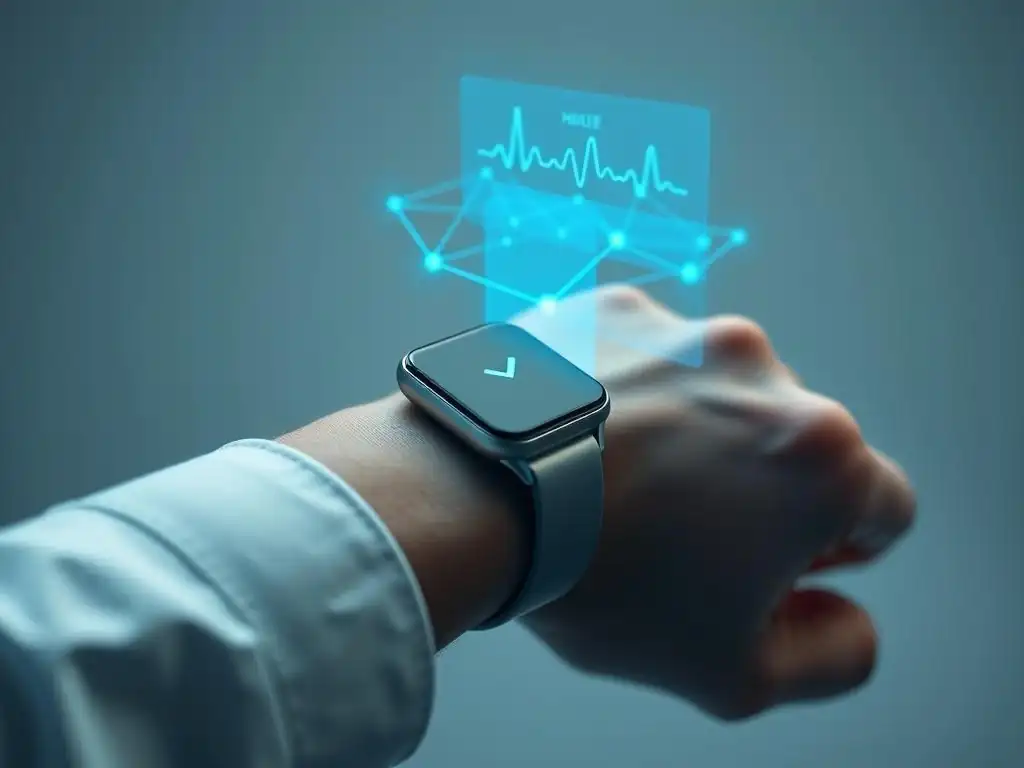
Chronic Disease Management with Blockchain
Blockchain technology offers compelling benefits for managing chronic diseases through remote patient monitoring. Patients with conditions like diabetes, hypertension, or heart failure require continuous monitoring of vital signs and other health metrics. A secure remote patient monitoring blockchain system can record data from glucose meters, blood pressure cuffs, or wearable sensors in an immutable ledger. This provides physicians with a reliable, long-term history of the patient's condition, enabling more informed treatment adjustments.
For instance, a diabetic patient's blood sugar readings, timestamped and recorded on the blockchain, provide an accurate log that cannot be altered. This data can be automatically shared with the patient's endocrinologist via smart contract, triggering alerts if readings fall outside a safe range. The patient maintains control over their data, potentially allowing access to a nutritionist or exercise coach for personalized advice, all permissioned and logged on the blockchain. This approach enhances care coordination, improves data integrity for better clinical decisions, and empowers patients in their self-management journey.
Remote Monitoring of Elderly Patients with Secure Data
Remote monitoring of elderly patients presents unique challenges related to data security, accessibility, and involving multiple caregivers. A secure remote patient monitoring blockchain can facilitate the secure collection and sharing of data from devices monitoring activity levels, location, vital signs, or medication adherence for elderly individuals living independently. The blockchain provides a tamper-proof record of this data, ensuring its reliability for family members, home care providers, and physicians involved in their care.
Using smart contracts, an elderly patient or their designated guardian can grant specific permissions for different parties. For example, a family member might have access to activity logs and location data, while a home care nurse has access to medication adherence records, and the physician has access to vital signs. All access is logged immutably on the blockchain, providing transparency and accountability. This distributed and secure approach ensures that critical data is available to those who need it while protecting the privacy of the elderly patient, creating a robust framework for secure remote patient monitoring blockchain in elder care.
Clinical Trials and Secure Data Collection Using Blockchain
Clinical trials rely heavily on collecting accurate and verifiable patient data, often remotely. Integrating blockchain into remote patient monitoring for clinical trials ensures the integrity and security of the data collected from participants' wearable devices or home monitoring equipment. A secure remote patient monitoring blockchain provides an immutable audit trail of all data points, from collection to analysis, significantly reducing the risk of data manipulation or errors that could compromise trial results.
Data collected from trial participants' devices can be hashed and recorded on the blockchain, with the actual data stored securely off-chain. Researchers can access this data based on pre-approved protocols defined in smart contracts, ensuring compliance and blinding requirements are met. This not only enhances data integrity but also streamlines the auditing process required by regulatory bodies like the FDA. Furthermore, patients participating in trials can have greater transparency into how their data is being used, potentially increasing trust and participation rates in decentralized clinical trials, showcasing the power of a secure remote patient monitoring blockchain in research.
Telemedicine and Blockchain-Enabled Secure Consultations
Telemedicine platforms are increasingly integrated with remote patient monitoring, and blockchain can enhance the security and privacy of these consultations. When a patient has a telemedicine appointment based on data collected via RPM, a secure remote patient monitoring blockchain can ensure that the health data reviewed during the consultation is accurate and has not been tampered with. The blockchain can also record the fact that a consultation occurred, who participated, and potentially store encrypted summaries or transcripts (with patient consent) in a verifiable manner.
Furthermore, smart contracts can manage access to patient data shared during a telemedicine session, ensuring that only the consulting physician has temporary access to relevant RPM data. This integration provides a secure and transparent layer for telemedicine, building patient trust in the platform. By ensuring the integrity of the underlying health data and providing a secure log of consultation activities, blockchain supports more effective and trustworthy remote consultations, leveraging the capabilities of a secure remote patient monitoring blockchain ecosystem.
Implementing Blockchain for Remote Patient Monitoring: A Step-by-Step Guide
Assessing Current RPM Infrastructure and Needs
The first step in implementing a secure remote patient monitoring blockchain solution is a thorough assessment of the organization's current RPM infrastructure and specific needs. This involves evaluating existing monitoring devices, data gateways, storage solutions, and electronic health record (EHR) systems. Understanding the types of data being collected, the volume and frequency of data transmission, and how data currently flows through the system is crucial. Identifying pain points in the current process, such as data security vulnerabilities, interoperability challenges, or auditing difficulties, helps define the requirements for the blockchain integration.
Stakeholder needs must also be assessed. This includes understanding the requirements of patients (data ownership, privacy controls), healthcare providers (ease of access, data reliability), IT departments (integration complexity, maintenance), administrators (cost, scalability), and compliance officers (auditing, regulatory adherence). A detailed needs analysis helps tailor the blockchain solution to address specific organizational challenges and ensures that the implementation aligns with strategic goals, whether it's improving patient outcomes, reducing costs, or enhancing data security for secure remote patient monitoring blockchain applications.
Choosing the Right Blockchain Platform for Healthcare
Selecting the appropriate blockchain platform is a critical decision for building a secure remote patient monitoring blockchain system. Healthcare data is sensitive and often subject to specific regulations, making private or consortium blockchains often more suitable than public blockchains like Bitcoin or Ethereum (though permissioned layers on public chains are also explored). Platforms like Hyperledger Fabric, R3 Corda, or private instances of Ethereum or Polygon offer features desirable for enterprise healthcare applications, such as permissioned access, data privacy through channels or private transactions, and higher transaction throughput.
Key factors to consider when choosing a platform include:
- Permissioning: Can access to the network and data be controlled?
- Scalability: Can the platform handle the expected volume of data transactions from numerous RPM devices and patients?
- Privacy: Does the platform support mechanisms for keeping sensitive data private while verifying transactions?
- Interoperability: How easily can the platform integrate with existing healthcare systems and data sources?
- Cost: What are the development, deployment, and ongoing operational costs?
- Regulatory Compliance: Does the platform support features needed to meet HIPAA, GDPR, and other relevant regulations?
- Ecosystem and Support: Is there a strong developer community and vendor support for the platform?
Integrating Blockchain with Existing Remote Monitoring Devices
Integrating blockchain with existing remote patient monitoring devices can be one of the more complex steps. Most current RPM devices were not designed with blockchain compatibility in mind. The integration typically happens at the data gateway level or through middleware. Data collected by the device is transmitted to a local hub (like a smartphone or a dedicated gateway device), which then processes, encrypts, and prepares the data for interaction with the blockchain.
This involves developing applications or services that run on the gateway or a connected server that can:
- Receive data from the RPM device.
- Encrypt the sensitive health data.
- Store the encrypted data securely off-chain.
- Generate a hash or encrypted pointer to the stored data.
- Create a blockchain transaction containing the hash/pointer, timestamp, and other relevant metadata (like device ID, patient ID - potentially pseudonymized).
- Submit the transaction to the chosen blockchain network for validation and inclusion in a block.
This requires careful development to ensure data integrity from the device to the blockchain entry and maintain security throughout the process, creating a functional secure remote patient monitoring blockchain.
Ensuring Compliance with Healthcare Regulations (HIPAA, GDPR)
Ensuring compliance with healthcare regulations like HIPAA (Health Insurance Portability and Accountability Act) in the US and GDPR (General Data Protection Regulation) in Europe is paramount when implementing a secure remote patient monitoring blockchain solution. While blockchain offers powerful security features, it is not inherently compliant; compliance must be designed into the system architecture and processes.
Key considerations for compliance include:
- Privacy by Design: Storing sensitive Protected Health Information (PHI) or Personal Data (PD) off-chain in encrypted databases, with only hashes or pointers on the blockchain.
- Access Control: Implementing granular, permissioned access to data via smart contracts, allowing patients to control who sees their data.
- Audit Trails: Leveraging the blockchain's immutable ledger for comprehensive and verifiable logging of all data transactions and access attempts, meeting audit requirements.
- Data Minimization: Only collecting and storing data necessary for the intended purpose.
- Right to Access/Portability (GDPR): Designing mechanisms for patients to access their data or request it in a portable format (this can be challenging with immutable blockchain, often addressed by providing access to the off-chain data).
- Security Safeguards (HIPAA): Implementing technical, physical, and administrative safeguards, including encryption, access controls, and regular security assessments.
A secure remote patient monitoring blockchain system must demonstrate how its technical features support these legal requirements.
Training Healthcare Professionals on Blockchain-Based RPM
Successful adoption of a secure remote patient monitoring blockchain system requires adequate training for healthcare professionals. Clinicians, nurses, and administrative staff need to understand how the new system works, how to access patient data securely, how to interpret the information presented, and how the blockchain layer enhances security and data integrity. Training should cover the practical aspects of using the RPM platform interface, as well as the underlying principles of data security and patient privacy within the blockchain framework.
Training modules should explain:
- How data flows from the device to the platform.
- How patient consent and data access permissions are managed via smart contracts.
- How to verify data integrity using the blockchain audit trail.
- The importance of private key management and secure authentication.
- Handling patient queries about data privacy and security.
Effective training is crucial for ensuring that healthcare professionals can confidently and correctly use the blockchain-enabled RPM system, maximizing its benefits for patient care and maintaining data security, thereby leveraging the full potential of a secure remote patient monitoring blockchain.
Overcoming the Challenges of Blockchain Adoption in Healthcare
Regulatory Hurdles and Compliance Issues
Navigating the complex landscape of healthcare regulations is a significant challenge for blockchain adoption in RPM. While blockchain offers features that support compliance (like immutability for auditing), the technology itself is new to regulators, and specific guidelines for its use with sensitive health data are still evolving. Regulations like HIPAA and GDPR impose strict requirements on data privacy, security, and patient rights (such as the right to be forgotten under GDPR, which conflicts with blockchain's immutability).
Healthcare organizations must work closely with legal and compliance experts to design blockchain solutions that meet these requirements. This often involves storing sensitive data off-chain in encrypted databases, with the blockchain only holding verifiable metadata or hashes. Demonstrating to auditors and regulators that the distributed nature and cryptographic controls provide equivalent or superior security compared to traditional systems requires clear documentation and validation. Engaging with regulatory bodies and participating in industry working groups focused on blockchain standards in healthcare is crucial for addressing these hurdles and paving the way for secure remote patient monitoring blockchain solutions.
Scalability and Performance Considerations
Scalability and performance are critical technical challenges for blockchain networks, especially when dealing with the potentially high volume of data generated by numerous remote patient monitoring devices. Public blockchains can suffer from low transaction throughput (e.g., Bitcoin's ~7 transactions per second, Ethereum's ~15-30 tps currently) and high transaction costs (gas fees), which are unsuitable for continuous data streams from thousands or millions of patients.
Private or consortium blockchains generally offer much higher throughput (potentially thousands of transactions per second) and lower, predictable costs, making them more viable for enterprise RPM. However, even these platforms need careful design to handle bursts of data and ensure low latency for critical alerts. Solutions include using off-chain storage for bulk data with periodic hashing on the blockchain, utilizing layer-2 scaling solutions, or employing database technologies designed for high-speed data ingestion alongside the blockchain for verification and access control layers. Designing a scalable architecture is essential for a practical secure remote patient monitoring blockchain implementation.
Interoperability with Legacy Systems
Integrating new blockchain-based RPM systems with existing legacy healthcare IT infrastructure, such as electronic health records (EHRs), hospital information systems (HIS), and laboratory information systems (LIS), presents a significant challenge. These legacy systems often use outdated technologies, proprietary data formats, and lack modern APIs for easy integration.
Bridging the gap between the blockchain network and these legacy systems requires developing robust integration layers or middleware. This might involve using APIs, message queues, or data transformation services to translate data between formats compatible with the blockchain (or its associated off-chain storage) and the legacy systems.
While blockchain can improve future interoperability between systems built on or connected to the network, connecting it to existing, non-blockchain systems still requires traditional integration efforts. Strategies include creating standardized data models, using integration engines, and potentially upgrading or replacing key legacy components over time to better interface with a secure remote patient monitoring blockchain ecosystem.
Addressing Concerns about Data Privacy and Security
Despite blockchain's potential to enhance security, concerns about data privacy and security remain among patients, providers, and administrators. The public perception of blockchain is often tied to the transparency of public cryptocurrencies, leading to misconceptions about the privacy of health data on a blockchain. Educating stakeholders about how sensitive data is handled (stored encrypted off-chain with only hashes/pointers on the ledger) is crucial.
Furthermore, while blockchain is immutable, errors in data entry before it's recorded or vulnerabilities in off-chain storage and integration layers are still potential risks. Ensuring end-to-end security requires robust encryption, secure key management, and secure coding practices for smart contracts and integration middleware. Building trust involves transparently communicating how data is protected, how patient consent is managed, and providing clear policies on data access and usage within the secure remote patient monitoring blockchain system. Addressing these concerns head-on through education, robust security measures, and transparent practices is vital for successful adoption.
The Future of Remote Patient Monitoring with Blockchain
Emerging Trends and Innovations
The future of secure remote patient monitoring blockchain is promising, marked by several emerging trends and innovations. One key trend is the integration of blockchain with Artificial Intelligence (AI) and Machine Learning (ML). AI/ML can analyze the vast amounts of data collected via RPM devices, while blockchain can provide a secure, verifiable foundation for the data used to train these algorithms and record their outputs or insights immutably. This combination could lead to more accurate predictive analytics for patient health deterioration or treatment effectiveness.
Another trend is the development of decentralized identity solutions on blockchain, allowing patients to manage their digital identities and control access to their health records across various providers and platforms more seamlessly. Furthermore, the use of edge computing alongside blockchain is gaining traction. Processing some data locally on the RPM device or gateway before sending verified summaries or hashes to the blockchain can improve efficiency, reduce latency, and enhance privacy by minimizing the amount of raw data transmitted and stored centrally, contributing to a more efficient and secure remote patient monitoring blockchain landscape.
The Role of Blockchain in Personalized Healthcare
Blockchain is poised to play a significant role in advancing personalized healthcare through remote patient monitoring. By creating a secure, patient-centric data repository (with data stored off-chain, referenced on the blockchain), individuals can aggregate health data from various sources – RPM devices, wearables, genetic tests, EHRs – and have control over sharing this comprehensive profile. This consolidated, verifiable data can be accessed by authorized healthcare providers to tailor treatment plans based on a more complete understanding of the patient's unique health status, lifestyle, and genetic predisposition.
Smart contracts can facilitate the secure and automated sharing of specific data subsets for personalized interventions. For example, a smart contract could grant a dietician access to a patient's dietary logs and glucose readings from their RPM device to create a personalized meal plan. This level of data integration and patient-controlled access, underpinned by the security and transparency of a secure remote patient monitoring blockchain, enables a truly personalized approach to healthcare, moving beyond one-size-fits-all models.
The Potential for Blockchain to Transform the Healthcare Industry
The potential for blockchain to transform the healthcare industry, particularly through its application in remote patient monitoring, is vast. Beyond securing RPM data, blockchain can streamline numerous healthcare processes. It can improve supply chain management for pharmaceuticals and medical devices by providing an immutable ledger of product origin and movement, combating counterfeiting. It can simplify claims processing and billing by automating contracts between payers and providers via smart contracts.
Furthermore, blockchain can accelerate medical research by creating secure, permissioned marketplaces for researchers to access anonymized or aggregated patient data sets (with patient consent managed transparently). By enhancing trust, security, interoperability, and patient control over data, a secure remote patient monitoring blockchain can lay the foundation for a more efficient, transparent, and patient-centric healthcare ecosystem. This shift can lead to reduced administrative costs, improved patient outcomes, faster medical discoveries, and ultimately, a more sustainable healthcare system.
Conclusion: Secure, Efficient, and Patient-Centric Healthcare with Blockchain RPM
Embracing Blockchain for a More Connected and Secure Healthcare Ecosystem
The integration of blockchain technology into remote patient monitoring represents a significant step towards building a more connected and secure healthcare ecosystem. Traditional RPM systems, while valuable, are hindered by vulnerabilities related to data security, privacy, and interoperability. By leveraging the decentralized, immutable, and transparent nature of blockchain, healthcare providers can establish a robust framework for collecting, storing, and sharing patient health data from remote devices. This secure remote patient monitoring blockchain approach ensures data integrity, enhances patient privacy through granular access controls managed by smart contracts, and breaks down the data silos that impede coordinated care.
Embracing blockchain means moving towards a system where patient data is not only more secure but also more accessible to authorized parties across the healthcare continuum. This facilitates better communication between primary care physicians, specialists, hospitals, and other stakeholders, leading to more informed clinical decisions and improved care coordination. As the volume of health data from connected devices continues to grow exponentially, a secure and scalable infrastructure like a blockchain-based system becomes increasingly essential for managing this information effectively and safely.
The Long-Term Impact of Blockchain on Remote Patient Monitoring
The long-term impact of blockchain on remote patient monitoring is poised to be transformative. It will shift the paradigm from reactive, episodic care to proactive, continuous health management. Patients will gain unprecedented control over their health data, fostering greater trust and engagement in their own care. Healthcare providers will benefit from access to more reliable and comprehensive data, enabling earlier interventions and personalized treatment plans based on verifiable, real-world information collected via secure remote patient monitoring blockchain systems.
Beyond individual patient care, the widespread adoption of blockchain in RPM will create a foundation for advancements in population health management, clinical research, and public health initiatives. The ability to securely and transparently share aggregated, anonymized data sets could accelerate the discovery of new treatments and improve our understanding of disease patterns.
While challenges related to regulation, scalability, and interoperability with legacy systems remain, ongoing innovation and collaboration within the industry are paving the way for blockchain to become an integral component of the future of remote patient monitoring, leading to healthcare that is not only more secure and efficient but also truly patient-centric.
Frequently Asked Questions
How does blockchain technology enhance the security of remote patient monitoring data?
Blockchain provides a decentralized and immutable ledger, making it extremely difficult for unauthorized parties to alter or tamper with patient data. This enhanced security is crucial for maintaining data integrity and patient privacy.
What are the key benefits of using blockchain for remote patient monitoring beyond security?
Beyond security, blockchain facilitates interoperability between different healthcare systems, ensuring seamless data sharing. It also empowers patients with greater control over their health data, promoting transparency and trust.
What are some potential enterprise applications of blockchain in remote patient monitoring?
Enterprises can leverage blockchain to streamline supply chain management of medical devices and pharmaceuticals. It can also be used to create secure and transparent platforms for clinical trials and research.
How does regulation impact the adoption of blockchain for remote patient monitoring?
Existing regulations like HIPAA and GDPR need to be carefully considered when implementing blockchain solutions. Developers must ensure compliance with privacy laws and data protection standards to avoid legal challenges.
What is the future outlook for blockchain in decentralized remote patient monitoring systems?
The future holds promise for more sophisticated and personalized healthcare powered by blockchain. We can expect increased adoption of smart contracts and decentralized applications (dApps) to further enhance patient outcomes and reduce healthcare costs.
Final Reflection: Empowering Healthcare's Future with Secure Data
The promise of secure remote patient monitoring blockchain is no longer a futuristic fantasy, but a rapidly approaching reality. The ability to collect and manage health data continuously and securely, regardless of location, is poised to revolutionize patient care, improve outcomes, and reduce healthcare costs. This transformative potential demands our immediate attention and proactive engagement.
The impact of blockchain technology on remote patient monitoring extends far beyond mere data security; it fosters trust, empowers patients with control over their own health information, and facilitates seamless collaboration among healthcare providers. This shift towards patient-centric, data-driven healthcare is profoundly personal, as it directly impacts the quality of life for individuals and communities. The future of healthcare is personalized, predictive, and preventative, and blockchain technology is a key enabler of this vision.
- Dr. John Halamka, President of Mayo Clinic Platform.
As we stand on the cusp of this technological revolution, let us embrace the opportunities presented by secure remote patient monitoring blockchain. Consider how you can contribute to its responsible development and implementation, whether as a healthcare professional, a technology innovator, or simply an informed citizen. The future of healthcare is in our hands, and by working together, we can ensure that it is a future of improved health, security, and well-being for all.
Secure Your Health Future: Start Exploring Blockchain in Remote Patient Monitoring!
Thank you for exploring the potential of blockchain technology to transform remote patient monitoring. We hope you've developed a better understanding of how blockchain can enhance data security and improve patient outcomes. Now, it's time to take the next step!
Consider getting involved by researching innovative blockchain solutions for safeguarding patient data, sharing your insights with colleagues, and staying informed about ongoing projects in healthcare blockchain applications.
Connect with healthcare professionals and blockchain experts to expand your network and discover collaborative opportunities. Follow developments in pioneering initiatives that are implementing blockchain to improve health data management.
Are you ready to help shape a safer, more efficient future for healthcare through blockchain technology?
Leave a Reply