
The Interoperability Imperative: Connecting Disparate Blockchains for a Unified Future

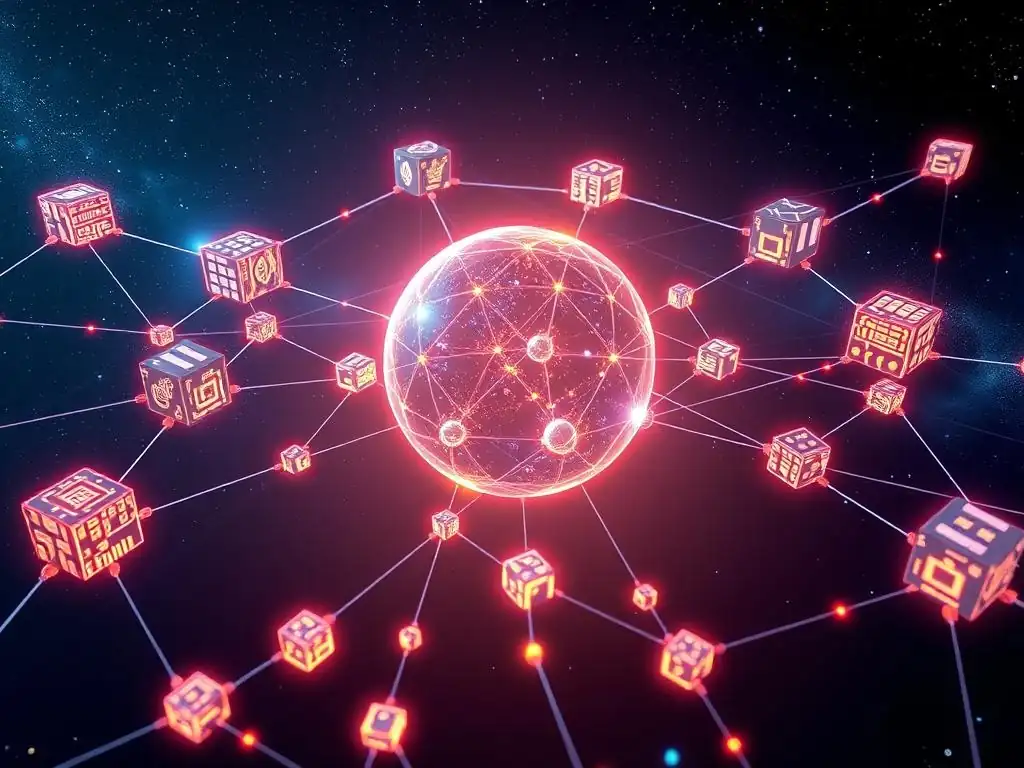
Welcome to Blockchain Trends, your definitive source for understanding the evolving landscape of decentralized technologies. In a world increasingly reliant on interconnected systems, the ability for blockchains to communicate and interact seamlessly is paramount. Dive in to explore the Interoperability Imperative, and discover how blockchain interoperability solutions benefits are unlocking a new era of collaboration and innovation, propelling us towards a truly unified and decentralized future. But how exactly does this connectivity reshape industries and what challenges remain? Let's unravel the potential together...
- The Benefits of Blockchain Interoperability Solutions
-
Frequently Asked Questions
- What are the key benefits of implementing blockchain interoperability solutions?
- How does blockchain interoperability contribute to the growth of Decentralized Finance (DeFi)?
- What are some of the main challenges in developing secure and reliable blockchain interoperability solutions?
- Beyond DeFi, how can enterprises benefit from using blockchain interoperability solutions?
- How might government regulations influence the development and adoption of blockchain interoperability solutions in the future?
- Final Reflection: Bridging the Blockchain Divide
- Unleash the Power of Connected Chains!
The Benefits of Blockchain Interoperability Solutions

Enhanced Scalability and Efficiency through Interconnected Blockchains
One of the primary blockchain interoperability solutions benefits is the significant enhancement in scalability and overall network efficiency. In the current landscape, many blockchains operate as isolated silos. This isolation limits the total transaction throughput of the decentralized ecosystem to the sum of each individual chain's capacity.
By enabling seamless communication and asset transfer between chains, interoperability allows specialized blockchains to handle specific tasks – one optimized for high transaction volume, another for complex smart contracts, and yet another for data storage. This distribution of workload across interconnected networks effectively increases the overall capacity and efficiency of the entire blockchain space, far beyond what a single chain could achieve.
Furthermore, interoperability reduces the need for redundant processes and data storage across multiple chains. When assets or data need to be moved between isolated networks, it often involves complex, multi-step processes that consume time and computational resources. Interoperability solutions streamline these operations, allowing for faster, more direct communication and value transfer. This efficiency gain translates directly into lower latency for users and potentially reduced energy consumption compared to managing assets on disparate, disconnected platforms. The ability to leverage the strengths of different blockchains concurrently offers a powerful pathway to scaling decentralized applications and infrastructure.
Increased Liquidity and Access to Diverse Digital Assets
A significant advantage among the blockchain interoperability solutions benefits is the dramatic increase in liquidity and accessibility to diverse digital assets. In isolated blockchain ecosystems, assets are trapped within their native networks. A token on Ethereum, for instance, cannot be easily used in an application built on Solana or Polkadot without complex wrapping or bridging mechanisms that often introduce friction and risk. Interoperability breaks down these barriers, allowing assets to flow freely across different chains. This enables users to access and utilize a wider range of tokens and digital assets regardless of the blockchain they originated from.
This free movement of assets directly contributes to deeper liquidity pools across the decentralized landscape. When assets can be easily transferred and traded between networks, the market for those assets becomes larger and more robust. For example, a stablecoin on one chain can be readily used to provide liquidity or participate in a lending protocol on another, increasing the overall capital efficiency of the decentralized financial system. This enhanced liquidity is crucial for reducing slippage in trades, improving price discovery, and making decentralized markets more attractive and functional for a broader base of users and institutions.
Fostering Innovation and New Use Cases in Decentralized Finance (DeFi)
The development of blockchain interoperability solutions benefits is profoundly impacting the innovation landscape, particularly within Decentralized Finance (DeFi). Currently, DeFi applications are largely confined to single blockchain ecosystems, limiting their potential by the capabilities and constraints of that specific chain. Interoperability enables developers to build novel applications that leverage the unique strengths of multiple blockchains simultaneously. For instance, a lending protocol could accept collateral from assets on one chain, execute complex derivatives on another, and settle payments on a third, all within a single, seamless user experience.
This cross-chain functionality unlocks entirely new categories of DeFi products and services that were previously impossible. Imagine a decentralized exchange that can facilitate swaps between native tokens on different chains without requiring wrapped assets or centralized intermediaries. Or consider a yield farming strategy that automatically allocates capital to the highest-yielding opportunities across a multitude of networks. These cross-chain capabilities foster a more dynamic, resilient, and powerful DeFi ecosystem, driving innovation at an accelerated pace and expanding the potential reach and utility of decentralized finance.
Blockchain Interoperability Solutions Benefits: A Summary of Key Advantages
The array of blockchain interoperability solutions benefits extends across various aspects of the decentralized ecosystem, enhancing user experience, reducing costs, and unlocking new functionalities. These advantages collectively pave the way for a more integrated and efficient blockchain future.
Cost Reduction Through Seamless Asset Transfers
One of the tangible blockchain interoperability solutions benefits is the potential for significant cost reduction. Moving assets between isolated blockchains currently often involves high transaction fees, especially during network congestion, and can incur additional costs through intermediaries or complex multi-step processes.
Interoperability protocols aim to streamline these transfers, reducing the number of transactions required and potentially lowering the fees associated with cross-chain operations. For example, while specific cost savings vary greatly depending on the chains involved and the method used, reducing reliance on centralized exchanges for cross-chain swaps can eliminate their associated trading fees and withdrawal costs, which can sometimes amount to percentages of the transferred value.
By enabling more direct and efficient pathways for value transfer, interoperability minimizes the friction and expense traditionally associated with interacting across different blockchain networks. This is particularly impactful for frequent traders, participants in multiple DeFi protocols, or applications requiring frequent cross-chain communication. The elimination of unnecessary steps and intermediaries directly contributes to a more cost-effective decentralized environment, making participation more accessible and economically viable for a wider range of users.
Improved User Experience Across Multiple Blockchains
A critical, though often overlooked, aspect of blockchain interoperability solutions benefits is the vastly improved user experience. Navigating the current multi-chain world is often cumbersome and confusing for the average user. It requires managing multiple wallets, understanding different network fees, and using complex bridging services that can be prone to errors or delays. Interoperability aims to abstract away much of this complexity, creating a more unified and intuitive experience.
Ideally, a user should be able to interact with decentralized applications and manage their assets across different chains from a single interface, without needing to understand the underlying technical complexities of cross-chain communication. This seamless interaction removes significant barriers to entry for new users and reduces frustration for existing ones. A more user-friendly ecosystem is essential for driving mass adoption of blockchain technology, making decentralized applications as easy to use, or even easier, than their traditional counterparts.
Enabling Cross-Chain Smart Contract Functionality
A powerful blockchain interoperability solutions benefits lies in enabling smart contracts to interact with each other across different blockchain networks. Historically, a smart contract on one chain could only execute logic and manage assets within that specific chain's environment. Interoperability protocols allow smart contracts to call functions or transfer data and assets to smart contracts residing on entirely different blockchains.
This capability is transformative for developing sophisticated decentralized applications. It allows developers to build modular applications where different components reside on the most suitable blockchain – perhaps a high-throughput chain for simple transactions, a more secure chain for identity verification, and a feature-rich chain for complex financial logic. This cross-chain smart contract functionality unlocks unprecedented possibilities for decentralized application design, enabling more complex, robust, and feature-rich applications that can leverage the collective power and diverse capabilities of the entire blockchain ecosystem.
Frequently Asked Questions
What are the key benefits of implementing blockchain interoperability solutions?
Blockchain interoperability solutions offer significant benefits, including enhanced efficiency by allowing seamless data and asset transfer between chains. They also foster greater innovation by enabling collaboration and unlock new business opportunities across different blockchain ecosystems.
How does blockchain interoperability contribute to the growth of Decentralized Finance (DeFi)?
Blockchain interoperability is crucial for DeFi growth by allowing users to access assets and services across multiple chains. This creates greater liquidity and composability, enabling more complex and sophisticated financial instruments.
What are some of the main challenges in developing secure and reliable blockchain interoperability solutions?
Developing secure blockchain interoperability solutions faces challenges like ensuring cross-chain consensus, mitigating security risks from vulnerabilities in connected chains, and addressing scalability issues when handling high transaction volumes.
Beyond DeFi, how can enterprises benefit from using blockchain interoperability solutions?
Enterprises can leverage blockchain interoperability solutions to streamline supply chains, enable secure data sharing between different departments or organizations using different blockchain platforms, and enhance transparency across their operations.
How might government regulations influence the development and adoption of blockchain interoperability solutions in the future?
Government regulations could significantly impact blockchain interoperability solutions by setting standards for data privacy and security, establishing clear legal frameworks for cross-chain transactions, and potentially restricting or promoting certain types of interoperability protocols.
Final Reflection: Bridging the Blockchain Divide
The journey through the landscape of blockchain interoperability solutions benefits reveals a crucial truth: siloed innovation ultimately limits potential. While individual blockchains offer unique strengths, their true power lies in their ability to connect and communicate, creating a unified and more efficient digital ecosystem. The benefits, as we've explored, extend far beyond simple data transfer, paving the way for enhanced scalability, security, and user experience across the entire blockchain space.
The pursuit of interoperability has profoundly shaped, and continues to shape, the cultural and social landscape of decentralized technologies. The ability for different blockchains to seamlessly interact is not just a technical advancement; it's a fundamental step towards realizing the original vision of a truly decentralized and interconnected world. The future of blockchain is not about individual chains competing, but about them collaborating to build a more robust and accessible financial and technological infrastructure for everyone.
This collaborative spirit is essential for fostering innovation and driving widespread adoption.
Now, as you consider the possibilities unlocked by blockchain interoperability, I invite you to reflect on your own role in shaping this future. How can you contribute to building bridges between disparate systems, fostering collaboration, and ensuring that the benefits of this technology are accessible to all? The future of blockchain is not predetermined; it is being actively shaped by the choices we make today. Embrace the spirit of connection, and let us build a unified and empowering digital future together.
Unleash the Power of Connected Chains!
Thank you for exploring the world of blockchain interoperability! We hope you now have a clearer understanding of how connecting different blockchains can create a more unified and efficient digital ecosystem. Are you ready to take the next step and become part of this transformative movement?
Here are a few ways you can contribute to building a more interconnected blockchain landscape:
- Start experimenting practically: Explore cross-chain bridges and decentralized applications that leverage interoperability protocols. Try transferring tokens between different blockchains using tools like Chainlink CCIP or Polkadot. This is your main action!
- Advocate for change: Share this article with your network and initiate discussions about the importance of interoperability for the broader adoption of blockchain technology.
- Deepen your understanding: Dive into the technical documentation of existing interoperability solutions such as Cosmos' IBC protocol or LayerZero. You might discover insights that surprise you!
What do you see as the biggest challenges to achieving true blockchain interoperability? Share your thoughts in the comments below!
Leave a Reply