
FutureProofing Media: How Blockchain Protects Intellectual Property


Welcome to Blockchain Trends, your compass in the ever-evolving world of decentralized technologies. Discover how blockchain is reshaping industries beyond the familiar realm of cryptocurrencies. Ever wondered how this revolutionary technology can safeguard your creative works? Dive in and uncover how blockchain protects IP rights, and explore its transformative potential in content creation and media. The future of ownership is here, and it's decentralized. Let's explore!
FutureProofing Media: How Blockchain Protects Intellectual Property
- The Challenge: Protecting Intellectual Property in the Digital Age
- Blockchain: A Novel Solution for Securing Intellectual Property
- Blockchain's Role in Establishing Digital Ownership and Provenance
- Use Cases: Blockchain Applications for Intellectual Property Management
- Benefits of Using Blockchain to Protect IP Rights
- Overcoming the Challenges of Blockchain Adoption for IP Protection
- The Future of Intellectual Property Rights Management with Blockchain
- Blockchain Protects IP Rights: A Paradigm Shift in Media
-
Frequently Asked Questions
- How can blockchain technology help protect intellectual property in the media industry?
- What are the main benefits of using blockchain for managing IP rights?
- What are some real-world applications of blockchain in protecting media IP?
- What are the regulatory challenges surrounding the use of blockchain for IP protection?
- Is blockchain a complete solution for IP protection, or does it need to be combined with other measures?
- Final Reflection: Securing Creativity's Future
- Secure Your Creative Legacy: Embrace Blockchain!
The Challenge: Protecting Intellectual Property in the Digital Age
The Pervasive Problem of Copyright Infringement Online
The digital age has ushered in an unprecedented era of content creation and distribution, yet it has also amplified the challenges of protecting intellectual property rights. Copyright infringement online has become pervasive, affecting a wide range of creators, from musicians and filmmakers to writers and photographers. The ease with which digital content can be copied, shared, and redistributed across the internet has made traditional copyright enforcement mechanisms increasingly inadequate.
For instance, a report by the International Federation of the Phonographic Industry (IFPI) estimates that online music piracy still costs the music industry billions of dollars annually, despite efforts to combat it through legal takedown notices and lawsuits. This widespread infringement not only deprives creators of rightful revenue but also stifles innovation and investment in creative industries.
Furthermore, the sheer scale of the internet makes monitoring and policing copyright violations a Herculean task. Automated bots and sophisticated peer-to-peer networks facilitate the rapid dissemination of copyrighted material, often outpacing the ability of rights holders to react effectively. Small independent creators, in particular, often lack the resources and legal expertise to pursue infringers, leaving them particularly vulnerable to online piracy. This situation underscores the urgent need for more robust and efficient systems to protect intellectual property in the digital realm, ensuring creators are fairly compensated for their work and incentivized to continue producing valuable content.
Traditional IP Protection Mechanisms: Limitations and Inefficiencies
Traditional mechanisms for intellectual property protection, such as copyright law and patents, while essential, face significant limitations in the digital landscape. Copyright, for example, relies heavily on registration and subsequent legal action to enforce rights. However, the process of registering copyrights can be cumbersome and time-consuming, particularly for individual creators managing a large volume of work.
Moreover, enforcing copyright online often involves navigating complex legal jurisdictions across different countries, adding to the cost and complexity of pursuing infringers. The Digital Millennium Copyright Act (DMCA) in the United States, and similar legislation elsewhere, provides a framework for takedown notices, but these are often reactive measures and can be easily circumvented, requiring constant vigilance from rights holders.
Inefficiencies also plague traditional IP management systems. Licensing agreements, royalty distribution, and rights clearances are often managed manually, involving complex paperwork and intermediaries. This leads to delays, errors, and disputes, particularly in industries with intricate rights structures, such as music and publishing.
For instance, in the music industry, royalty payments to artists and songwriters can be notoriously slow and opaque, with various collecting societies and intermediaries taking a cut, often leaving creators with a smaller share of the revenue generated by their work. These inefficiencies not only reduce creators' income but also hinder the smooth functioning of the creative economy, highlighting the need for more streamlined and transparent IP management solutions.
Why Current Systems Struggle to Enforce Digital Rights
Current systems struggle to effectively enforce digital rights due to a combination of technological, economic, and jurisdictional challenges. Technologically, the ease of digital copying and distribution makes it incredibly difficult to prevent infringement. Digital content can be replicated perfectly and shared globally in seconds, making traditional methods of control, such as physical barriers or geographical restrictions, largely ineffective. While digital rights management (DRM) technologies have been developed to restrict access and copying, they have often proven to be easily circumvented or have faced criticism for hindering legitimate users' access to content.
Economically, the cost of enforcing digital rights through legal means can be prohibitive, especially for individual creators or small businesses. Pursuing copyright infringement lawsuits is expensive and time-consuming, often exceeding the potential financial recovery, particularly for low-value infringements. This economic reality creates a disincentive for rights holders to actively pursue enforcement, allowing widespread infringement to persist.
Jurisdictionally, the internet transcends national borders, making it challenging to apply national copyright laws consistently and effectively. Infringement can originate from anywhere in the world, and enforcing rights across different legal systems requires international cooperation and harmonization, which remains a complex and ongoing process. These multifaceted challenges demonstrate the limitations of current systems and the necessity for innovative approaches like blockchain to address the evolving landscape of digital IP protection.
Blockchain: A Novel Solution for Securing Intellectual Property
How Blockchain Technology Works for IP Protection
Blockchain technology offers a novel approach to securing intellectual property by providing a decentralized, transparent, and immutable ledger for recording and managing digital assets. At its core, a blockchain is a distributed database that maintains a continuously growing list of records, called blocks, which are linked and secured using cryptography. For IP protection, this means that information about the creation, ownership, and licensing of digital content can be recorded on a blockchain, creating a permanent and verifiable record.
Each block contains a timestamp and a link to the previous block, forming a chain that is resistant to tampering or alteration. This immutability is crucial for establishing proof of ownership and provenance, as records cannot be retroactively changed or deleted without detection.
In the context of IP rights, blockchain can be used to create a digital registry for various types of creative works, such as music, images, videos, and written content. When a creator registers their work on a blockchain-based IP platform, a unique digital fingerprint or hash of the content is generated and recorded on the blockchain along with relevant metadata, such as the creator's identity, creation date, and copyright information. This creates a timestamped proof of existence and ownership.
The decentralized nature of blockchain ensures that this information is not stored in a single point of failure, but rather distributed across a network of computers, enhancing its security and resilience. Furthermore, the transparency of blockchain allows for public verification of IP ownership, making it easier to identify rights holders and combat infringement.
Immutable Records: Ensuring Transparency and Traceability of Digital Assets
The immutability of blockchain records is a cornerstone of its effectiveness in protecting intellectual property. Once information is written to a blockchain, it becomes virtually impossible to alter or delete, ensuring the integrity and permanence of IP ownership records. This contrasts sharply with traditional databases, which are centralized and susceptible to manipulation or data loss.
For instance, in cases of copyright disputes, the timestamped and immutable record on the blockchain can serve as irrefutable evidence of when a work was created and by whom, resolving ownership conflicts more efficiently. This feature is particularly valuable in industries where provenance and authenticity are paramount, such as art and collectibles.
Transparency is another key benefit derived from blockchain's immutable records. All transactions and records on a public blockchain are visible to all participants in the network, fostering trust and accountability. In the context of IP, this transparency can facilitate easier tracking of digital assets throughout their lifecycle, from creation to distribution and licensing.
This traceability is crucial for combating counterfeiting and unauthorized use, as it provides a clear and auditable chain of custody for intellectual property. For example, in the luxury goods industry, blockchain is being explored to track the provenance of products, ensuring authenticity and preventing the sale of counterfeit items. This principle of transparency and traceability extends to digital content, enabling creators and rights holders to monitor the usage of their work and enforce their rights more effectively.
Smart Contracts: Automating Copyright Enforcement and Licensing
Smart contracts, self-executing contracts with the terms of the agreement directly written into code, are another powerful application of blockchain for IP protection. These contracts can automate various aspects of copyright enforcement and licensing, reducing the need for intermediaries and streamlining processes. For example, a smart contract can automatically grant licenses for the use of copyrighted material under pre-defined conditions and automatically distribute royalties to rights holders when those conditions are met. This can significantly simplify the process of licensing music, images, or videos, making it more efficient and transparent for both creators and users.
Furthermore, smart contracts can be used to automate copyright enforcement by embedding usage rules directly into digital content. For instance, a photographer could embed a smart contract into their digital images that specifies the terms of use, such as licensing fees and permitted usage. When someone attempts to use the image, the smart contract would automatically verify if the usage complies with the terms and, if necessary, trigger payment or restrict access if unauthorized use is detected.
This proactive approach to copyright enforcement, powered by smart contracts, can significantly reduce online infringement and ensure that creators are fairly compensated for the use of their work. The automation and transparency provided by smart contracts can revolutionize IP management, making it more efficient, secure, and equitable for all stakeholders.
Blockchain's Role in Establishing Digital Ownership and Provenance
Creating Unique Digital Identities for Content Creators
Blockchain technology facilitates the creation of unique digital identities for content creators, which is essential for establishing clear ownership and provenance of their work. By linking a creator's identity to their blockchain-registered content, it becomes easier to verify authorship and track their portfolio of intellectual property. These digital identities can be based on cryptographic keys, ensuring security and privacy while allowing for public verification of ownership. For example, platforms like Verisart utilize blockchain to issue certificates of authenticity for artworks, linking the artwork to the artist's verified digital identity, creating an immutable record of provenance.
These digital identities can also empower creators to manage their IP rights more effectively. Instead of relying on centralized intermediaries to register and manage their copyrights, creators can control their own digital identities and directly register their works on blockchain-based platforms. This decentralization of identity management gives creators greater autonomy and control over their intellectual property.
Furthermore, these digital identities can be interoperable across different blockchain platforms and applications, creating a more unified and seamless ecosystem for IP management. The establishment of unique and verifiable digital identities is a foundational step towards a more creator-centric and secure system for protecting intellectual property in the digital age.
Establishing a Clear Chain of Custody for Intellectual Property
Blockchain's ability to create immutable records is crucial for establishing a clear chain of custody for intellectual property, providing verifiable proof of provenance and ownership history. Each transaction or modification related to a piece of IP, such as licensing agreements or transfers of ownership, can be recorded on the blockchain, creating an auditable and transparent history.
This chain of custody is particularly important for high-value intellectual property, such as patents, trademarks, and valuable creative works, where establishing provenance is critical for legal and commercial purposes. For instance, in the pharmaceutical industry, blockchain is being explored to track the supply chain of drugs, ensuring authenticity and preventing counterfeiting, which relies heavily on establishing a clear chain of custody.
The transparency of blockchain also enhances the credibility and trustworthiness of the chain of custody. Because all transactions are recorded on a public ledger, they are open to scrutiny and verification by anyone. This eliminates the potential for manipulation or fraud that can occur in traditional, centralized systems where records are more easily altered or concealed.
A clear and verifiable chain of custody not only strengthens IP rights but also facilitates smoother transactions and reduces disputes related to ownership and provenance. By providing an immutable and transparent record of the history of intellectual property, blockchain builds trust and security into the entire IP lifecycle.
Verifying Authenticity and Preventing Counterfeiting with Blockchain
Blockchain technology offers a powerful tool for verifying the authenticity of digital content and preventing counterfeiting, a major challenge in the digital media landscape. By registering digital assets on a blockchain and creating unique digital fingerprints, it becomes possible to verify the authenticity of content and distinguish genuine works from unauthorized copies.
This verification process can be automated and made publicly accessible, allowing anyone to check the authenticity of a piece of digital content. For example, in the art world, blockchain-based platforms are being used to issue digital certificates of authenticity for artworks, which can be easily verified by potential buyers, ensuring they are purchasing genuine pieces and not forgeries.
The decentralized and immutable nature of blockchain makes it significantly more difficult to counterfeit digital assets registered on the blockchain. Any attempt to create a fake or unauthorized copy would not be recorded on the original blockchain record, making it easily detectable as inauthentic.
This is particularly relevant for digital collectibles, such as NFTs (Non-Fungible Tokens), which rely on blockchain to establish scarcity and authenticity. Blockchain-based verification systems can be integrated into various platforms and applications, providing users with a reliable way to confirm the authenticity of digital content, from music and images to videos and documents, significantly reducing the impact of digital counterfeiting and protecting the integrity of intellectual property.
Use Cases: Blockchain Applications for Intellectual Property Management
Music Industry: Revolutionizing Royalty Distribution and Copyright Management
The music industry, plagued by complex royalty distribution systems and copyright management challenges, stands to benefit significantly from blockchain technology. Blockchain can streamline royalty payments by automating the tracking of music usage and the distribution of royalties directly to artists and rights holders, bypassing intermediaries and reducing delays. Currently, royalty distribution involves numerous layers of collecting societies, publishers, and distributors, often leading to opaque and inefficient processes. For instance, a report by Berklee College of Music found that a significant portion of music royalties are unclaimed or misallocated due to the complexity of the current system.
Blockchain-based platforms can create a transparent and auditable system for tracking music consumption across various platforms, such as streaming services and online radio. Smart contracts can automatically distribute royalties based on pre-defined agreements whenever a song is played, ensuring fair and timely compensation for artists and songwriters.
Furthermore, blockchain can simplify copyright management by creating a centralized and accessible database of music ownership information, making it easier to identify rights holders and clear copyrights for licensing purposes. Platforms like Ujo Music are pioneering blockchain-based solutions for music royalty distribution and copyright management, aiming to create a more equitable and transparent ecosystem for musicians.
For photographers and visual artists, copyright infringement and unauthorized use of their images online are major concerns. Blockchain offers tools to secure image rights and prevent unauthorized use by providing a verifiable record of ownership and usage licenses. Photographers can register their images on blockchain-based platforms, creating a timestamped and immutable proof of copyright.
This can be used to establish ownership in case of disputes and to track the usage of their images online. For example, platforms like Pixsy use image recognition technology to identify instances of copyright infringement and can integrate with blockchain to provide proof of ownership and facilitate takedown requests or licensing negotiations.
Smart contracts can also be used to automate the licensing of photographic and visual artworks. Artists can define licensing terms and fees within a smart contract, and potential users can directly obtain licenses by interacting with the contract and making payment. This streamlines the licensing process and ensures that artists are compensated for the use of their work.
Furthermore, blockchain can be used to create digital watermarks that are embedded into images and linked to the blockchain record, making it more difficult to remove or alter the watermark without detection. By leveraging blockchain, photographers and visual artists can gain greater control over their image rights and combat unauthorized use more effectively.
Film and Video: Protecting Content from Piracy and Ensuring Fair Compensation
The film and video industry faces significant challenges from online piracy, which costs studios and content creators billions of dollars annually. Blockchain can contribute to protecting film and video content from piracy and ensuring fair compensation by providing tools for content tracking, rights management, and secure distribution. Blockchain-based platforms can be used to track the distribution and consumption of film and video content, providing rights holders with better insights into usage patterns and potential infringement. For instance, platforms like Vatom are exploring blockchain-based solutions for content distribution and rights management in the entertainment industry.
Smart contracts can be used to automate royalty distribution for filmmakers and video creators, similar to the music industry. Furthermore, blockchain can enable new models for content distribution, such as decentralized streaming platforms that offer enhanced security and transparency. These platforms can use blockchain to verify the authenticity of content and track viewership, ensuring that creators are fairly compensated for every view.
Blockchain can also be used to implement DRM (Digital Rights Management) solutions that are more transparent and user-friendly than traditional DRM systems, while still effectively protecting content from unauthorized copying and distribution. By addressing piracy and streamlining rights management, blockchain can help build a more sustainable and equitable ecosystem for the film and video industry.
Publishing: Tracking Book Sales and Combating eBook Piracy
The publishing industry, facing challenges from eBook piracy and difficulties in tracking book sales across different platforms, can utilize blockchain to improve transparency and security. Blockchain can provide a transparent and auditable system for tracking book sales and distribution, offering publishers and authors more accurate data on sales figures and royalty calculations. Currently, sales data is often fragmented across different retailers and distributors, making it challenging for publishers to get a complete and accurate picture of book sales.
Blockchain-based platforms can create a unified ledger for recording book sales, providing real-time and verifiable data to all stakeholders. Smart contracts can automate royalty payments to authors based on verified sales data, ensuring timely and accurate compensation. Furthermore, blockchain can be used to combat eBook piracy by creating unique digital fingerprints for each eBook and tracking their distribution.
While blockchain may not completely eliminate piracy, it can make it more difficult to distribute and profit from unauthorized copies, as the provenance and authenticity of eBooks can be easily verified on the blockchain. By enhancing transparency and security in book sales tracking and combating piracy, blockchain can support a more sustainable and equitable publishing industry.
Benefits of Using Blockchain to Protect IP Rights
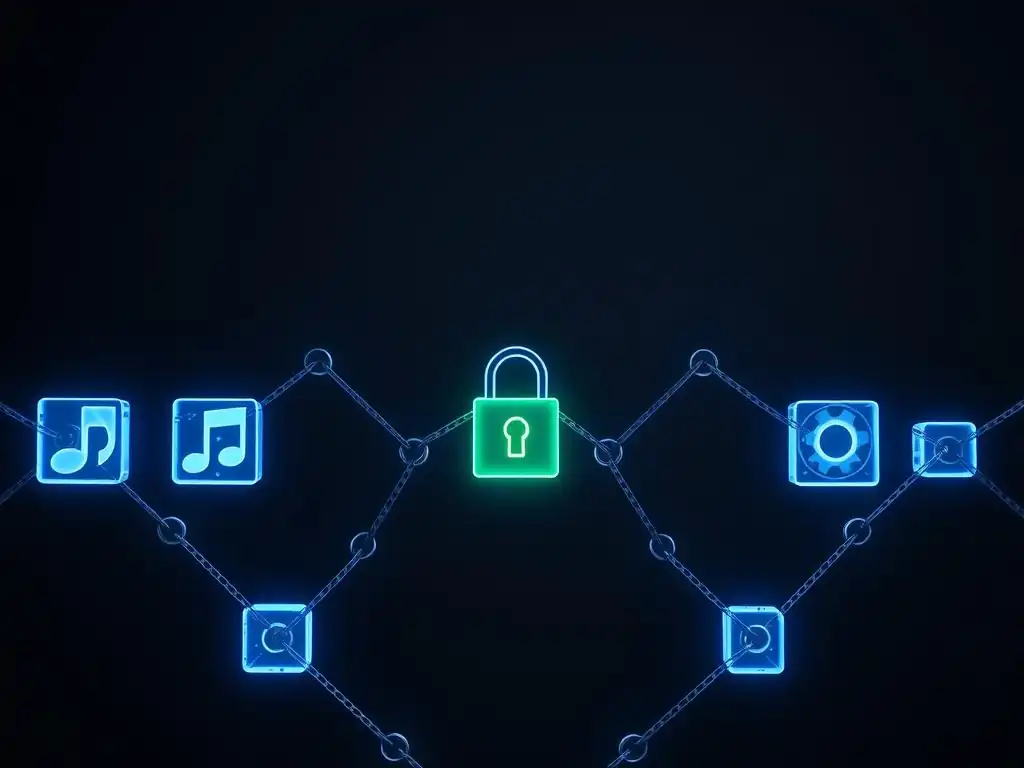
Enhanced Security and Transparency in IP Management
One of the primary benefits of using blockchain to protect IP rights is enhanced security. The decentralized and cryptographic nature of blockchain makes it extremely difficult to tamper with or alter IP records. Once information is recorded on the blockchain, it is virtually immutable, providing a higher level of security compared to traditional centralized databases that are vulnerable to hacking and data breaches. This enhanced security is crucial for protecting sensitive IP information and ensuring the integrity of ownership records.
Transparency is another significant advantage. Blockchain provides a transparent ledger where all IP transactions and ownership records are publicly verifiable. This transparency fosters trust and accountability among stakeholders, reducing disputes and enhancing efficiency in IP management. For example, in licensing agreements, all terms and conditions can be recorded on the blockchain, making them transparent and accessible to all parties involved. This increased security and transparency can significantly improve the overall efficiency and reliability of IP management systems.
Reduced Costs Associated with Copyright Enforcement
Blockchain can lead to reduced costs associated with copyright enforcement by automating processes and reducing the need for intermediaries. Traditional copyright enforcement often involves expensive legal proceedings, takedown notices, and monitoring services. Smart contracts can automate many aspects of copyright enforcement, such as issuing licenses and tracking usage, reducing the need for manual intervention and legal action. For instance, automated takedown requests can be triggered by smart contracts when unauthorized use is detected, streamlining the enforcement process and reducing costs.
Furthermore, the decentralized nature of blockchain can reduce the reliance on intermediaries, such as collecting societies and rights management organizations, which often charge fees for their services. By enabling direct interactions between creators and users through blockchain-based platforms, transaction costs can be significantly lowered. While there are initial costs associated with implementing blockchain solutions, the long-term potential for cost reduction in copyright enforcement and IP management is substantial, particularly for creators and small businesses who often struggle with the high costs of traditional systems.
Streamlined Licensing and Royalty Distribution Processes
Blockchain technology offers the potential to streamline licensing and royalty distribution processes, making them more efficient, transparent, and equitable. Traditional licensing and royalty distribution systems are often complex, slow, and opaque, involving multiple intermediaries and manual processes. Smart contracts can automate the entire licensing process, from negotiating terms to collecting payments and distributing royalties. This automation reduces administrative overhead, minimizes errors, and accelerates payment cycles.
For example, in the music industry, blockchain-based platforms can automatically track music usage across different streaming services and distribute royalties directly to artists and rights holders in near real-time. This eliminates the delays and complexities associated with traditional royalty collection and distribution systems. Streamlined licensing and royalty distribution processes not only benefit creators by ensuring faster and fairer compensation but also simplify the process for users who want to license IP, making it more accessible and efficient.
Empowering Creators with Greater Control Over Their Work
Ultimately, blockchain empowers creators with greater control over their work and their IP rights. By providing tools for direct ownership registration, transparent rights management, and automated enforcement, blockchain shifts power away from centralized intermediaries and towards individual creators. Creators can directly register their works on blockchain-based platforms, establish their ownership, and manage their licensing terms without relying on traditional gatekeepers. This increased control allows creators to monetize their work more effectively and build closer relationships with their audience.
Furthermore, blockchain enables new business models that are more creator-centric, such as decentralized content platforms and direct-to-fan monetization strategies. These models empower creators to bypass traditional intermediaries and capture a larger share of the value they create. By giving creators more control over their IP and their distribution channels, blockchain fosters a more equitable and sustainable creative ecosystem, encouraging innovation and rewarding creativity more directly.
Overcoming the Challenges of Blockchain Adoption for IP Protection
Scalability Issues and Potential Solutions
While blockchain offers significant benefits for IP protection, scalability remains a key challenge for wider adoption. Public blockchains, particularly those using proof-of-work consensus mechanisms, can have limited transaction throughput, which may not be sufficient to handle the high volume of IP registrations and transactions in industries like media and entertainment. For example, Bitcoin's blockchain can process only a limited number of transactions per second, which would be inadequate for a global IP registry.
However, various solutions are being explored to address blockchain scalability issues. Layer-2 scaling solutions, such as sidechains and payment channels, can offload transactions from the main blockchain, increasing throughput and reducing transaction fees. Consortium blockchains, which are permissioned blockchains operated by a group of organizations, can offer higher scalability and efficiency compared to public blockchains, while still maintaining decentralization and security.
Furthermore, advancements in blockchain technology, such as sharding and improved consensus algorithms, are continuously improving the scalability of blockchain networks. Overcoming scalability challenges is crucial for enabling the widespread adoption of blockchain for IP protection and realizing its full potential.
Regulatory Uncertainty and the Need for Clear Legal Frameworks
Regulatory uncertainty surrounding blockchain technology and cryptocurrencies poses a challenge to its adoption for IP protection. The legal status of blockchain-based IP registrations and smart contracts is still evolving in many jurisdictions, creating uncertainty for both creators and users. Clear legal frameworks are needed to recognize blockchain-based IP rights as legally valid and enforceable. For instance, questions remain about the legal enforceability of smart contracts and the admissibility of blockchain records as evidence in court.
Governments and regulatory bodies around the world are beginning to address these issues and develop legal frameworks for blockchain and digital assets. However, progress is uneven, and there is a need for greater harmonization of regulations across different jurisdictions to facilitate cross-border IP protection using blockchain. Industry collaborations and advocacy efforts are also crucial to educate policymakers and promote the development of clear and supportive legal frameworks for blockchain-based IP solutions. Addressing regulatory uncertainty is essential for building confidence and encouraging wider adoption of blockchain for IP protection.
User Adoption and the Importance of Education
User adoption is another significant hurdle to overcome for the widespread use of blockchain in IP protection. Blockchain technology can be complex and unfamiliar to many creators and IP professionals. Education and user-friendly tools are needed to make blockchain accessible and easy to use for non-technical users. Many creators may not be aware of the benefits of blockchain for IP protection or may be hesitant to adopt new technologies. Efforts are needed to educate creators about the advantages of blockchain and provide them with the necessary tools and resources to utilize blockchain-based IP platforms.
User-friendly interfaces and simplified onboarding processes are crucial for driving user adoption. Blockchain-based IP platforms need to be intuitive and easy to navigate, requiring minimal technical expertise. Furthermore, building trust in blockchain technology is essential, particularly among creators who are concerned about security and data privacy. Highlighting successful use cases and demonstrating the tangible benefits of blockchain for IP protection can help overcome user hesitancy and encourage wider adoption. Education, user-friendly design, and building trust are key factors in driving user adoption and realizing the full potential of blockchain for IP protection.
The Future of Intellectual Property Rights Management with Blockchain
The Rise of Decentralized Content Platforms
Blockchain technology is fostering the rise of decentralized content platforms that offer creators greater control and ownership over their content and data. Traditional content platforms are often centralized, giving platforms significant power over content distribution, monetization, and user data. Decentralized platforms, built on blockchain, aim to shift this power balance towards creators by enabling direct interactions between creators and consumers, reducing reliance on intermediaries.
These platforms can utilize blockchain for content registration, rights management, and payment processing, creating a more transparent and equitable ecosystem for content creation and consumption. For instance, decentralized social media platforms are emerging that allow users to own their data and control their content, while blockchain-based marketplaces are enabling creators to sell their digital works directly to consumers. The rise of decentralized content platforms has the potential to disrupt traditional media models and empower creators to build more sustainable and independent careers.
Exploring New Business Models Enabled by Blockchain
Blockchain technology is enabling the exploration of new business models for intellectual property, going beyond traditional licensing and sales. Micro-licensing, for example, becomes more feasible with blockchain and smart contracts, allowing creators to license their work for very specific uses and durations, opening up new revenue streams. NFTs (Non-Fungible Tokens) represent another novel business model, allowing creators to tokenize their digital works and sell them as unique digital collectibles, creating scarcity and value in the digital realm.
Furthermore, blockchain can facilitate fractional ownership of intellectual property, enabling creators to share ownership and revenue streams with their community or investors. Decentralized autonomous organizations (DAOs) can also be used to manage IP rights collectively, allowing creators to pool resources and make decisions democratically. These new business models, enabled by blockchain, offer creators more diverse and flexible ways to monetize their work and engage with their audience, fostering innovation and creativity in the digital economy.
Blockchain's Impact on the Creator Economy
Blockchain is poised to have a profound impact on the creator economy, empowering individual creators and fostering a more equitable and sustainable ecosystem. By providing tools for direct ownership, transparent rights management, and new monetization models, blockchain can help creators capture a greater share of the value they create and build more direct relationships with their audience. This shift towards a more creator-centric model can lead to increased innovation, diversity, and sustainability in the creative industries.
Blockchain can also reduce barriers to entry for creators, making it easier for individuals to monetize their skills and talents. Decentralized platforms and marketplaces can provide creators with global reach and access to new markets, while lower transaction fees and streamlined payment systems can improve their income. As blockchain technology matures and adoption increases, its impact on the creator economy is expected to grow significantly, transforming the way creators produce, distribute, and monetize their work, ultimately building a more vibrant and equitable future for creative industries.
Blockchain Protects IP Rights: A Paradigm Shift in Media
From Centralized Control to Decentralized Ownership
Blockchain represents a paradigm shift in media and intellectual property management, moving away from centralized control towards decentralized ownership and empowerment. Traditional media models are often characterized by centralized platforms and intermediaries that exert significant control over content, distribution, and revenue streams. Blockchain challenges this centralized model by distributing control and ownership across a network, empowering creators and users.
This shift from centralized control to decentralized ownership has profound implications for IP rights management. Blockchain enables creators to own and control their IP directly, without relying on intermediaries to register, manage, and enforce their rights. Decentralized platforms and applications are emerging that provide creators with the tools to manage their IP independently, fostering greater autonomy and control over their creative work. This decentralization of ownership and control is a fundamental shift that has the potential to reshape the media landscape and create a more equitable ecosystem for creators.
Empowering Creators and Fostering Innovation
By providing enhanced security, transparency, and control over IP rights, blockchain empowers creators and fosters innovation in the media and creative industries. When creators have greater confidence in the protection of their IP and have more direct access to monetization opportunities, they are incentivized to create and innovate. Blockchain reduces the risks associated with copyright infringement and unauthorized use, encouraging creators to share their work and collaborate more openly.
Furthermore, blockchain enables new forms of creative expression and collaboration, such as decentralized art and music projects, where creators can collaborate and share ownership in a transparent and equitable manner. The empowerment of creators and the fostering of innovation are key drivers for the growth and evolution of the media and creative industries. Blockchain's role in empowering creators and fostering innovation positions it as a transformative technology for the future of media and intellectual property rights management.
Building a More Secure and Equitable Future for Intellectual Property
Ultimately, blockchain technology offers the promise of building a more secure and equitable future for intellectual property. By addressing the challenges of digital copyright infringement, streamlining rights management, and empowering creators, blockchain has the potential to create a more sustainable and thriving creative ecosystem. The enhanced security and transparency provided by blockchain can build trust and confidence in IP rights management, reducing disputes and fostering collaboration.
The decentralized and creator-centric nature of blockchain can lead to a more equitable distribution of value in the creative industries, ensuring that creators are fairly compensated for their work and have greater control over their creative output. While challenges remain in terms of scalability, regulation, and user adoption, the potential benefits of blockchain for IP protection are significant. As blockchain technology continues to evolve and mature, its impact on intellectual property rights management is expected to grow, paving the way for a more secure, transparent, and equitable future for creators and the creative industries as a whole.
Frequently Asked Questions
How can blockchain technology help protect intellectual property in the media industry?
Blockchain provides a secure, transparent, and immutable ledger for tracking ownership and usage rights, making it difficult to infringe on copyrights and other IP rights. This creates a verifiable record of creation and ownership.
What are the main benefits of using blockchain for managing IP rights?
The primary benefits include enhanced security, reduced fraud, and streamlined licensing processes. Blockchain's decentralized nature also fosters greater transparency and trust among stakeholders.
What are some real-world applications of blockchain in protecting media IP?
Examples include platforms that allow artists to register their work on the blockchain, enabling them to track usage and receive royalties automatically. This also facilitates easier rights management.
What are the regulatory challenges surrounding the use of blockchain for IP protection?
Regulatory frameworks are still evolving, and there is a need for clear legal guidelines regarding the enforceability of smart contracts and the handling of digital assets associated with IP. This requires international cooperation.
Is blockchain a complete solution for IP protection, or does it need to be combined with other measures?
Blockchain is a powerful tool but should be seen as part of a broader IP protection strategy. It complements traditional methods like copyright registration and legal enforcement.
Final Reflection: Securing Creativity's Future
The exploration of blockchain's role in safeguarding intellectual property rights reveals a critical truth: innovation requires protection, and protection demands innovation. The challenges of copyright infringement and content ownership in the digital age are only intensifying, making the decentralized, transparent, and immutable nature of blockchain a vital tool for creators and rights holders alike. The potential to revolutionize how we manage and monetize creative works is no longer a distant possibility, but a rapidly approaching reality.
This shift towards blockchain-based IP management is not merely a technological upgrade; it represents a profound cultural shift in how we value and respect creative endeavors. The ability for artists to directly control their work and receive fair compensation is paramount to fostering a vibrant and diverse creative ecosystem. As we navigate this evolving landscape, it's crucial to remember the human element at the heart of intellectual property. The purpose of copyright law is to foster creativity. The law is designed to protect expression, not ideas, and to strike a balance between the rights of creators and the public interest.
- Pamela Samuelson
As we stand on the cusp of this new era, let us all consider our role in shaping a future where creativity thrives, protected by the very technology that enables its dissemination. Reflect on how you can support artists and creators, advocate for fair compensation, and embrace the potential of blockchain to build a more equitable and sustainable creative economy. The future of intellectual property is not just about technology; it's about valuing the human spirit and empowering the voices that shape our world.
Secure Your Creative Legacy: Embrace Blockchain!
Thank you for exploring how blockchain technology can protect your intellectual property. Now that you understand its potential to empower creators and safeguard your work in the digital age, it's time to take action.
Here are some practical steps to get started:
- Research blockchain-based platforms that facilitate content licensing and ownership. Many of these services are beginner-friendly and offer free trials.
- Consider decentralized storage solutions to securely archive your creative assets, ensuring they remain tamper-proof and always accessible.
- Engage with other creators by sharing this article and initiating discussions on building a more secure and fair digital content landscape.
What is one small creative project you can register on the blockchain this week to begin protecting your ideas?
Leave a Reply