
DeFi's Regulatory Sandbox: Experimentation vs. Investor Protection

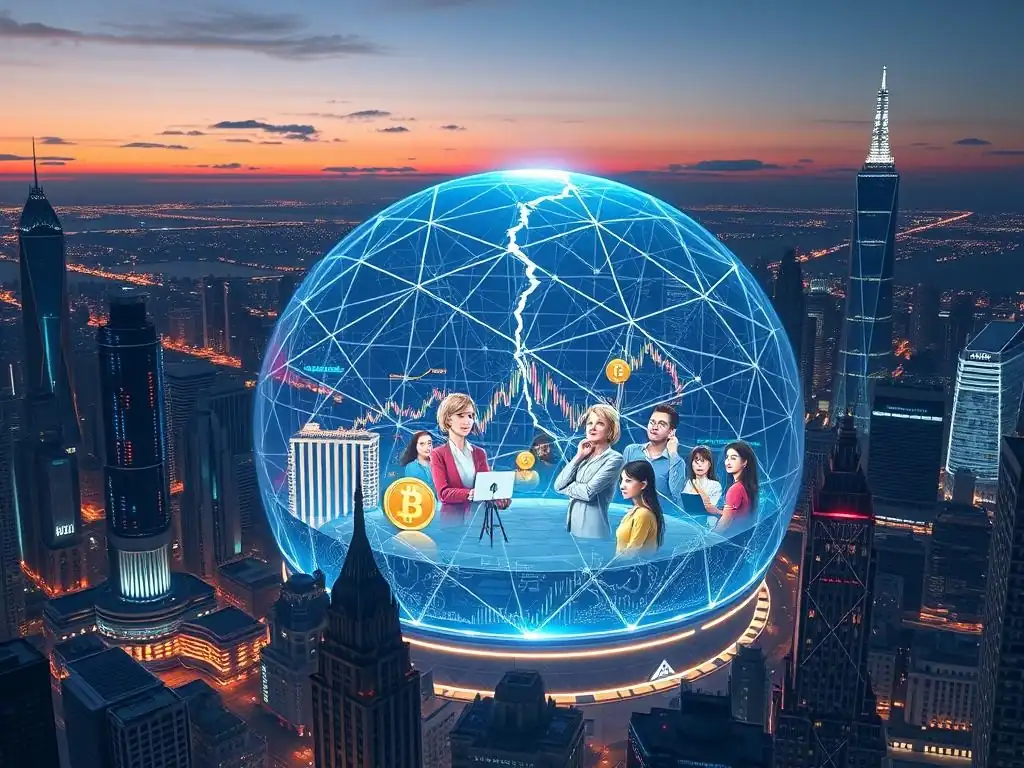
Welcome to Blockchain Trends, where we delve into the evolving landscape of decentralized technology. Are regulatory sandboxes truly paving the way for DeFi innovation, or are they creating a breeding ground for unforeseen risks? Join us as we navigate the complex world of DeFi regulatory sandbox challenges, exploring the delicate balance between fostering experimentation and safeguarding investor interests. Discover the insights you need to understand the future of decentralized finance.
- Navigating DeFi Regulation: Balancing Innovation and Investor Protection
-
Frequently Asked Questions
- What is a DeFi regulatory sandbox, and why is it being discussed?
- What are the key benefits of implementing a DeFi regulatory sandbox?
- What are the main challenges associated with DeFi regulatory sandboxes, particularly concerning investor protection?
- How can regulators effectively balance experimentation with the need to protect investors in a DeFi regulatory sandbox?
- How might the future of DeFi regulation be shaped by the success or failure of current DeFi regulatory sandbox initiatives?
- Final Reflection: Navigating the DeFi Frontier
- Unveil Your DeFi Potential: Shape the Future Now!

The Potential and Risks of Decentralized Finance (DeFi)
Decentralized Finance, or DeFi, represents a paradigm shift in financial services, leveraging blockchain technology to enable peer-to-peer transactions without traditional intermediaries like banks. Its potential is immense, offering increased financial inclusion, lower fees, and greater transparency through immutable ledgers. The total value locked (TVL) in DeFi protocols surged dramatically, peaking near $180 billion in late 2021, demonstrating significant user adoption and capital flow into this nascent ecosystem. This growth is fueled by innovative applications such as decentralized exchanges (DEXs), lending protocols, yield farming, and stablecoins.
However, this rapid innovation is accompanied by substantial risks. The decentralized nature means there is often no central authority to appeal to if something goes wrong. Smart contract vulnerabilities have led to significant financial losses; for instance, the Ronin Bridge hack in March 2022 resulted in a loss of over $600 million, while various DeFi protocols have suffered exploits costing millions more due to code errors or economic manipulation.
Other risks include impermanent loss in liquidity pools, oracle failures, and the potential for 'rug pulls,' where developers abandon a project and steal users' funds. These risks highlight the urgent need for mechanisms that allow the technology to evolve while safeguarding participants.
The Critical Need for Regulatory Clarity in DeFi
The ambiguous regulatory status of many DeFi activities creates uncertainty for developers, investors, and traditional financial institutions looking to engage with the space. Without clear rules on aspects like token classification (security vs. utility), compliance obligations for decentralized protocols, and liability in case of protocol failure, innovation can be stifled, and bad actors can exploit the lack of oversight. This regulatory vacuum contributes to market volatility and hinders mainstream adoption, as larger entities are hesitant to participate in an environment perceived as high-risk and legally murky. Addressing the DeFi regulatory sandbox challenges requires defining clear boundaries and expectations.
Regulatory clarity is paramount for fostering a mature and sustainable DeFi ecosystem. It provides a legal framework that can build confidence among users and institutions, potentially unlocking even greater capital and talent. Furthermore, clear regulations are essential for preventing the use of DeFi in illicit activities, such as money laundering and terrorist financing.
Governments worldwide are grappling with how to apply existing financial regulations, designed for centralized systems, to the decentralized nature of DeFi. This often leads to a patchwork of approaches, increasing complexity for globally operating protocols and highlighting the need for coordinated efforts, perhaps through controlled environments like regulatory sandboxes, to understand the unique challenges of DeFi regulation.
Exploring Regulatory Sandboxes: A Controlled Environment for DeFi Innovation
A regulatory sandbox is a framework set up by regulators that allows businesses to test innovative products, services, business models, and delivery mechanisms in a live market environment, but subject to certain safeguards and within a limited scope. For DeFi, a regulatory sandbox offers a potential solution to the dilemma of regulating a rapidly evolving technology without stifling its potential.
It provides a controlled space where DeFi projects can experiment with new protocols and applications under the watchful eye of regulators, allowing both parties to learn about the technology's capabilities and risks in a practical setting. This experimentation is crucial for understanding the real-world implications of decentralized governance, automated market makers, and novel financial instruments.
Within a DeFi regulatory sandbox, participants might receive temporary licenses or waivers from certain regulatory requirements that would otherwise apply, enabling them to launch and test their services with real users and assets, albeit often with caps on transaction volumes or user numbers. This allows regulators to gather data, identify potential risks that might not be apparent in theoretical analysis, and better understand how decentralized protocols function in practice.
Simultaneously, it provides DeFi projects with direct feedback from regulators, helping them to understand compliance expectations and adapt their designs early in the development cycle. While sandboxes don't eliminate the DeFi regulatory sandbox challenges entirely, they offer a structured approach to exploring them.
Frequently Asked Questions
What is a DeFi regulatory sandbox, and why is it being discussed?
A DeFi regulatory sandbox is a controlled environment where innovative DeFi projects can operate under regulatory oversight but with some exemptions. It's being discussed because regulators are trying to balance fostering innovation with protecting investors.
What are the key benefits of implementing a DeFi regulatory sandbox?
The main benefits include encouraging innovation in the DeFi space, allowing regulators to learn and adapt to new technologies, and providing a safe testing ground for new protocols before wider deployment.
What are the main challenges associated with DeFi regulatory sandboxes, particularly concerning investor protection?
The challenges include ensuring adequate investor protection in a rapidly evolving environment, dealing with the decentralized and borderless nature of DeFi, and preventing regulatory arbitrage.
How can regulators effectively balance experimentation with the need to protect investors in a DeFi regulatory sandbox?
Balancing requires a risk-based approach focusing on high-risk activities, clear guidelines and reporting requirements for sandbox participants, and robust monitoring and enforcement mechanisms.
How might the future of DeFi regulation be shaped by the success or failure of current DeFi regulatory sandbox initiatives?
The success or failure will heavily influence future regulation. Positive results could lead to more tailored regulations that encourage innovation. Failures might result in stricter, more restrictive measures across the DeFi landscape.
The exploration of DeFi's regulatory sandbox challenges underscores a critical juncture in the evolution of finance. The tension between fostering innovation and safeguarding investors is not merely a theoretical debate, but a real-world dilemma shaping the future of decentralized finance. The delicate balance we strike today will determine whether DeFi realizes its transformative potential or succumbs to the pitfalls of unchecked experimentation.
DeFi's promise of democratized finance and borderless transactions has captivated many, yet the lack of clear regulatory frameworks casts a long shadow. This ongoing uncertainty not only hinders widespread adoption but also exposes vulnerable individuals to significant risks. The need for responsible innovation is paramount, reminding us that technological advancement must be tempered with ethical considerations. Innovation distinguishes between a leader and a follower.
- Steve Jobs. This quote resonates deeply as we navigate the complexities of DeFi, urging us to lead with foresight and responsibility.
As we stand at the precipice of a new financial era, let us not shy away from the challenges that lie ahead. Instead, let us embrace the opportunity to shape a DeFi ecosystem that is both innovative and secure. Consider how you, as an investor, developer, or regulator, can contribute to a future where the benefits of decentralized finance are accessible to all, without compromising the principles of trust and accountability. The future of DeFi is not predetermined; it is a canvas upon which we collectively paint our vision of a more equitable and transparent financial world.
Unveil Your DeFi Potential: Shape the Future Now!
Thanks for exploring the fascinating world of DeFi's regulatory sandbox. We hope you now have a clearer understanding of the delicate balance between fostering innovation and protecting investors. Ready to put this knowledge into action?
Here's how you can contribute to the evolution of DeFi:
- Dive deeper: Begin researching upcoming proposals for Sandbox frameworks in your region. Understanding the landscape is the first step in informed participation.:
- Share your insights: Discuss the key takeaways from this article and your own thoughts on the optimal regulatory balance on social media using #DeFiRegulation and #BlockchainTrends.
- Explore: Follow key regulatory bodies and industry leaders on social media to stay updated on the latest developments in DeFi regulation and contribute to the conversation.
What innovative solution can you envision that promotes both DeFi experimentation and responsible investor protection? Share your ideas in the comments below!
Leave a Reply