
The Investor's Dilemma: Choosing Between Utility and Security Token Opportunities


Welcome to Blockchain Trends, your guide to navigating the evolving landscape of blockchain technology. Beyond the hype of cryptocurrencies, lies a world of transformative possibilities.
Are you grappling with the complexities of tokenized assets? In this exploration of Tokenization and Tokenomics, we delve into Utility token security considerations, a crucial aspect for investors and developers alike. Discover the key factors that differentiate utility and security tokens and how to mitigate risks in the burgeoning token economy. Ready to unravel the investor's dilemma? Read on!
- Utility Token Security Considerations: Protecting Your Investment
-
Frequently Asked Questions
- How does the Utility token security considerations differ from Security token security considerations?
- What are some common vulnerabilities that affect Utility token security considerations?
- What role does regulation play in shaping Utility token security considerations?
- What are some practical steps investors can take to assess Utility token security considerations?
- Beyond price speculation, what are the key benefits of understanding Utility token security considerations?
- Final Reflection: Navigating the Tokenized Future
- Unlock Your Token Investment Potential!
Utility Token Security Considerations: Protecting Your Investment
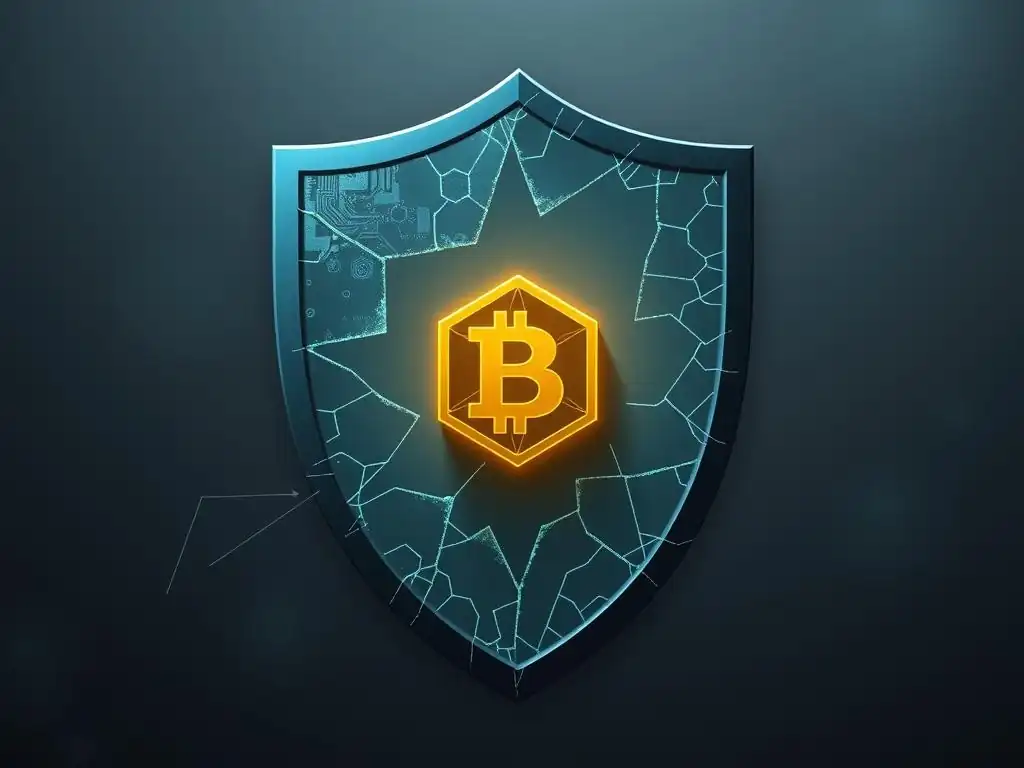
Smart Contract Audits: Ensuring Code Security
One of the paramount utility token security considerations involves the integrity of the underlying smart contract code. Utility tokens, especially those powering decentralized applications (dApps), decentralized finance (DeFi) protocols, or gaming platforms, are often governed by complex smart contracts. These contracts dictate token issuance, distribution, functionality within the ecosystem, and interactions with users.
A vulnerability in this code can lead to catastrophic losses, affecting not only the project's credibility but also the value and usability of the token itself. Therefore, thorough smart contract audits by reputable third-party firms are not merely a best practice but a critical necessity before investing in or using a utility token.
These audits involve a deep dive into the smart contract's codebase to identify potential bugs, security loopholes, and logic errors that could be exploited by malicious actors. Auditors look for common vulnerabilities such as reentrancy attacks (famously exploited in the 2016 DAO hack, resulting in over $150 million in losses at the time), integer overflows/underflows, access control issues, and front-running opportunities.
A comprehensive audit report provides transparency into the contract's security posture, detailing findings and recommended remediation steps. While an audit doesn't guarantee absolute security, a project that has undergone and addressed findings from a rigorous audit demonstrates a significant commitment to mitigating utility token security considerations, offering investors a higher degree of confidence in the token's foundational technology.
Custodial Solutions: Safeguarding Token Assets
Another crucial aspect of utility token security considerations is how investors choose to store and manage their token holdings. Unlike traditional assets held in regulated financial institutions, owning utility tokens means you typically hold the private keys that control access to those assets on the blockchain. This introduces the concept of custody, which can range from self-custody using hardware or software wallets to relying on third-party custodial services.
Each option presents a different risk profile concerning the safety of your utility tokens. Self-custody provides maximum control but places the entire burden of security on the individual investor, requiring diligent management of private keys and protection against malware or physical loss of devices.
Alternatively, institutional or centralized exchange custodians offer a service where they hold the private keys on behalf of the investor. While this offloads the technical responsibility of key management, it introduces counterparty risk. Investors must trust that the custodian employs robust security measures, including cold storage, multi-signature wallets, and insurance, to protect assets from hacks or internal malfeasance.
For significant holdings or for investors less comfortable with the technical demands of self-custody, evaluating the security track record, regulatory compliance, and insurance policies of potential custodians becomes a vital part of their utility token security considerations. Choosing the right custodial solution is a balance between control, convenience, and the level of trust one places in a third party to safeguard their digital assets.
Understanding the Risks of Rug Pulls and Scams
A significant threat among utility token security considerations, particularly in emerging or less established projects, is the risk of rug pulls and scams. A "rug pull" occurs when the project developers suddenly abandon the project and disappear with the funds raised from investors, often by selling off a large portion of the token supply or draining liquidity pools in decentralized exchanges. These scams are frequently associated with utility tokens launched with minimal transparency, anonymous teams, and poorly audited or unaudited smart contracts that contain backdoors allowing developers to manipulate the token's supply or access locked funds.
Examples of rug pulls are unfortunately numerous, ranging from smaller projects to larger, highly publicized cases like the "Squid Game" token scam in late 2021, which saw investors lose millions. Identifying these risks involves careful due diligence, including researching the team's credibility and history, scrutinizing the tokenomics for potential manipulation vectors, verifying liquidity lock-ups, and reviewing smart contract audit reports.
While the promise of high returns can be enticing, investors must prioritize security and conduct thorough research to avoid falling victim to fraudulent schemes. Recognizing the red flags associated with potential rug pulls is a critical component of mitigating utility token security considerations and protecting one's investment in the volatile token market.
Frequently Asked Questions
How does the Utility token security considerations differ from Security token security considerations?
Utility token security focuses on preventing fraud regarding token usage and access to services. Security tokens require a deeper understanding of compliance regulations and investor protection due to their representation of ownership.
What are some common vulnerabilities that affect Utility token security considerations?
Common vulnerabilities include smart contract flaws, susceptibility to pump-and-dump schemes, and insufficient KYC/AML compliance, which can lead to regulatory scrutiny.
What role does regulation play in shaping Utility token security considerations?
Regulation is increasingly influencing utility token security by requiring projects to demonstrate responsible handling of user data and prevent market manipulation to ensure investor confidence.
What are some practical steps investors can take to assess Utility token security considerations?
Investors should carefully examine the project's whitepaper, audit the smart contract code, and verify the team's credentials to assess the project's commitment to security.
Beyond price speculation, what are the key benefits of understanding Utility token security considerations?
Understanding security considerations helps investors identify projects with long-term viability, promotes responsible token ecosystems, and reduces the risk of significant financial losses due to security breaches.
The exploration of utility and security tokens reveals a critical juncture in the evolution of finance, where balancing innovation with investor protection is paramount. The inherent risks and rewards associated with each token type demand a nuanced understanding, particularly as the digital asset landscape continues to mature and attract both seasoned investors and newcomers alike. This delicate balance will ultimately shape the future of tokenized assets and their integration into the broader financial ecosystem.
The allure of utility tokens lies in their potential to revolutionize industries, offering access to services and functionalities within specific platforms. However, the lack of regulatory clarity and the potential for scams underscore the importance of thorough due diligence. This journey through the complexities of token valuation and security considerations has reinforced the need for responsible investment and a critical eye when evaluating new opportunities. The best investment you can make is an investment in yourself... The more you learn, the more you'll earn.
- Warren Buffett. This quote resonates deeply, reminding us that informed decision-making is the cornerstone of successful investing, especially in the rapidly evolving world of digital assets.
As we stand on the cusp of a tokenized future, it is imperative that we approach these opportunities with both enthusiasm and caution. Let us not be swayed by hype or fleeting trends, but instead, cultivate a deep understanding of the underlying technology, the regulatory landscape, and the potential risks involved. Consider your own risk tolerance, conduct thorough research, and seek expert advice before committing your resources. The future of finance is being written now, and your informed participation will help shape a more secure and prosperous tokenized world for all.
Unlock Your Token Investment Potential!
Thank you for exploring the world of utility and security tokens. We hope you’ve gained valuable insights into navigating this exciting investment landscape. Now, it’s time to turn that knowledge into action.
Here’s how you can take the next step:
- Define Your Investment Goals: Clarify your objectives and risk tolerance to determine whether utility tokens, security tokens, or a combination of both align best with your financial plan. This is the essential first step!
- Explore New Projects: Review whitepapers and learn about the teams behind promising token offerings. Use trusted platforms like CoinGecko or CoinMarketCap to research, but always conduct your own due diligence.
- Join the Conversation: Engage with the Blockchain Trends community! Share your insights, ask questions, and discuss your token investment strategies in the comments below. Your perspective might inspire others.
What unique approach will you take to capitalize on utility or security tokens? Share your thoughts below — we’re excited to learn from your experience!
Leave a Reply