
Supply Chain Transparency: Tracking and Tokenizing Assets for Enhanced Visibility

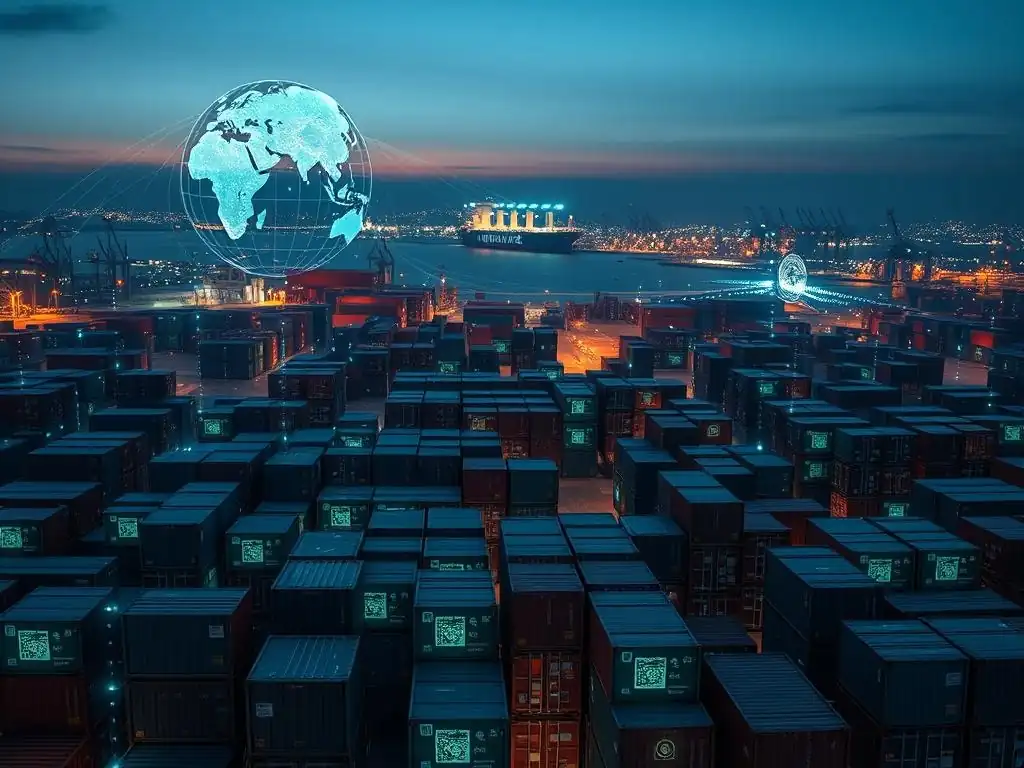
Welcome to Blockchain Trends, your go-to source for understanding the revolutionary impact of blockchain.
Ever wondered how blockchain can revolutionize industries beyond just digital currencies? Dive into our exploration of blockchain supply chain tracking tokens and unlock the secrets of enhanced visibility and efficiency in asset management. Discover how tokenization is transforming supply chains, offering unprecedented transparency and security. Read on to learn how this innovative technology is reshaping the future of global commerce and creating a more trustworthy, interconnected world.
Supply Chain Transparency: Leveraging Blockchain for Enhanced Visibility and Traceability
- Introduction: The Imperative for Transparency in Modern Supply Chains
- Blockchain-Based Supply Chain Tracking: A Detailed Examination
- Enhancing Visibility with Blockchain: Practical Applications
- Streamlining Supply Chain Finance with Blockchain
- Implementing Blockchain Supply Chain Tracking: Critical Considerations
- The Future of Blockchain in Supply Chain Management
- Conclusion: The Transformative Power of Blockchain for Supply Chains
-
Frequently Asked Questions
- What are blockchain supply chain tracking tokens, and how do they enhance supply chain visibility?
- How does the use of blockchain in supply chain tracking improve trust and reduce fraud?
- Besides tracking goods, what other benefits can blockchain supply chain tracking tokens offer?
- What are some of the main challenges to implementing blockchain supply chain tracking tokens?
- How is regulation impacting the adoption of blockchain supply chain tracking tokens?
- Final Reflection: Embracing Transparency in the Supply Chain
- Unveil the Future of Your Supply Chain Today!
Introduction: The Imperative for Transparency in Modern Supply Chains
Modern supply chains are sprawling, intricate networks spanning continents and involving numerous intermediaries. This complexity, while enabling global trade and access to diverse goods, simultaneously introduces significant challenges related to visibility, trust, and efficiency. Ensuring transparency throughout this vast web has become not just desirable, but essential for businesses aiming for resilience, ethical sourcing, and customer confidence.
The Growing Complexity of Global Supply Networks
The proliferation of global sourcing, just-in-time inventory, and multi-tier supplier relationships has transformed supply chains into highly complex ecosystems. A single product might involve raw materials from one country, manufacturing in another, assembly in a third, and distribution across multiple regions. This geographical dispersal and the sheer number of participants make it incredibly difficult for any single entity to have complete oversight of the entire journey of a product, from origin to consumer.
This complexity is further compounded by political instability, environmental factors, and rapidly changing consumer demands. Businesses must navigate intricate regulatory landscapes across different jurisdictions and manage risks associated with diverse labor practices, sustainability standards, and geopolitical shifts. The traditional methods of tracking goods and information, often relying on disparate, siloed systems and manual processes, simply cannot keep pace with the dynamic nature and scale of these global networks.
Inefficiencies and Challenges in Traditional Supply Chain Management
Traditional supply chain management systems are often plagued by data fragmentation, lack of standardization, and information delays. Each participant in the chain – manufacturers, logistics providers, distributors, retailers – typically uses its own proprietary systems, leading to compatibility issues and hindering seamless data exchange. This lack of interoperability results in significant inefficiencies, such as inaccurate inventory levels, delayed shipments, increased administrative costs, and difficulty in quickly identifying the source of issues like product recalls or quality defects.
Furthermore, the reliance on paper-based records or centralized databases controlled by individual parties creates vulnerabilities. Information can be easily altered or lost, undermining trust and making it difficult to verify the authenticity or provenance of goods. This opacity makes supply chains susceptible to fraud, counterfeiting, and unethical practices, creating reputational risks for businesses and posing potential dangers to consumers. The absence of a single, immutable source of truth hinders effective collaboration and decision-making across the network.
Blockchain's Potential to Revolutionize Supply Chain Visibility and Trust
Blockchain technology offers a revolutionary approach to addressing these challenges by providing a decentralized, immutable, and transparent ledger for recording transactions and tracking assets. Unlike traditional databases, a blockchain creates a shared, tamper-evident record that is distributed across multiple participants in the network. This inherent trust mechanism eliminates the need for central authorities and allows all authorized parties to access the same, up-to-date information about the status and history of goods as they move through the supply chain.
By implementing blockchain supply chain tracking tokens or other digital representations of assets and events, companies can create a verifiable digital thread for every product. This digital thread captures key information at each step – from raw material sourcing and manufacturing details to transportation logs, customs clearance, and final delivery. This enhanced visibility not only improves operational efficiency but also builds unprecedented levels of trust among supply chain partners and provides consumers with verifiable information about the products they purchase.
Blockchain-Based Supply Chain Tracking: A Detailed Examination
Leveraging blockchain technology for supply chain tracking involves creating a digital representation of physical goods and their movements on a distributed ledger. This process moves beyond simple record-keeping to establish a verifiable and transparent history accessible to authorized participants. The core idea is to link physical events in the supply chain to digital entries on the blockchain, ensuring data integrity and visibility.
Understanding Blockchain-Based Supply Chain Tracking Systems
Blockchain-based supply chain tracking systems utilize distributed ledger technology (DLT) to create a shared, immutable record of transactions related to the movement and transformation of goods. When a product or batch of products is created, it can be assigned a unique digital identity on the blockchain, often represented by a token. As the product moves through the supply chain – from a factory floor to a warehouse, onto a truck, through customs, and eventually to a retail store – key events are recorded as transactions on the blockchain.
These transactions might include changes in ownership, location updates, quality checks, temperature readings, or even certifications. Each transaction is timestamped, cryptographically secured, and linked to the previous transaction, forming a chain of blocks that is extremely difficult to alter without being detected by the network participants. This creates a permanent and verifiable history of the product's journey, offering unparalleled transparency compared to traditional, fragmented tracking methods.
Key Features of Blockchain-Enabled Supply Chain Management
Several key features inherent in blockchain technology make it particularly well-suited for supply chain management. Immutability is perhaps the most significant; once data is recorded on the blockchain, it cannot be retrospectively altered or deleted without consensus from the network, drastically reducing the risk of fraud or error. Decentralization means that no single entity has complete control over the data, making the system more resilient to outages or malicious attacks.
Another crucial feature is transparency, as authorized participants can view the shared ledger and track the history of assets in near real-time. Smart contracts, self-executing contracts with the terms of the agreement directly written into code, can automate various supply chain processes, such as payments triggered upon delivery verification or quality checks. The ability to issue blockchain supply chain tracking tokens representing specific goods or batches further enhances traceability and can facilitate fractional ownership or supply chain finance applications.
Advantages of Blockchain for Enhanced Supply Chain Management
The adoption of blockchain technology offers numerous advantages for enhancing supply chain management. Firstly, it significantly improves data accuracy and trustworthiness by providing a single, shared source of truth, reducing disputes among partners. This enhanced data integrity can lead to more efficient operations, such as reduced manual data entry and fewer errors in inventory management.
Secondly, blockchain increases visibility and traceability, allowing companies and even consumers to track the provenance of goods with unprecedented detail. This is particularly valuable for high-value items, pharmaceuticals, food products, or goods with complex ethical sourcing requirements. Thirdly, the transparency and immutability provided by blockchain help combat counterfeiting and fraud, protecting brands and consumers. Finally, by streamlining processes and reducing the need for intermediaries, blockchain can potentially lower operational costs and speed up transactions, including those related to supply chain finance.
Enhancing Visibility with Blockchain: Practical Applications
Blockchain's ability to create a transparent and immutable record of transactions makes it invaluable for enhancing visibility across various aspects of the supply chain. From verifying the origin of raw materials to tracking finished goods, the technology provides a verifiable digital history that benefits businesses and consumers alike. Several practical applications demonstrate blockchain's impact in this area.
Tracking Product Provenance and Authenticity with Blockchain
One of the most compelling applications of blockchain in supply chains is tracking the provenance and verifying the authenticity of products. By recording each step of a product's journey – from the source of raw materials, through manufacturing processes, quality control checks, and distribution – on a blockchain, companies can create a verifiable "digital passport" for each item or batch. This allows anyone with appropriate permissions to trace the product back to its origin and verify its history.
For example, companies in the food industry, like Walmart, have piloted blockchain solutions to track produce, significantly reducing the time needed to trace a product back to its farm from weeks to mere seconds. This rapid traceability is critical during foodborne illness outbreaks, allowing for quicker identification of contaminated sources and more efficient recalls.
Similarly, luxury goods manufacturers can use blockchain supply chain tracking tokens linked to physical items to prove authenticity and combat the estimated hundreds of billions of dollars lost annually to counterfeiting. Consumers can scan a QR code on a product to access its verifiable history on the blockchain, building trust and confidence.
Optimizing Logistics and Transportation through Blockchain Integration
Integrating blockchain with logistics and transportation systems can dramatically improve efficiency and transparency in the movement of goods. By recording shipping details, carrier information, route data, and delivery confirmations on a shared ledger, all parties involved – shippers, carriers, freight forwarders, and receivers – can access real-time, accurate information. This eliminates delays caused by fragmented communication and manual data entry across different systems.
For instance, companies like Maersk and IBM collaborated on TradeLens, a blockchain platform designed to digitize and streamline global container shipping. By connecting ports, customs authorities, shipping lines, and logistics providers, the platform allows participants to share and access shipping data securely and transparently. This reduces paperwork, speeds up customs clearance processes, and provides greater visibility into the location and status of shipments. Smart contracts can also automate payments or trigger insurance claims based on verified events recorded on the blockchain, further optimizing logistics operations.
Combating Counterfeiting and Fraud via Blockchain-Based Traceability
Counterfeiting and fraud are major issues across many industries, from pharmaceuticals and electronics to fashion and art. Blockchain's inherent immutability and transparency provide a powerful tool to combat these problems. By assigning unique blockchain supply chain tracking tokens or digital identities to genuine products at the point of manufacture and recording their movement through the authorized supply chain, companies can create a secure record that distinguishes real items from fakes.
Consumers or distributors can then verify the authenticity of a product by checking its digital identity on the blockchain, typically by scanning a barcode or NFC tag linked to the blockchain record. The pharmaceutical industry, for example, is exploring blockchain to track prescription drugs, helping to prevent the entry of counterfeit drugs into the supply chain, which is a significant health risk globally. The global losses from counterfeiting and piracy are estimated in the hundreds of billions, potentially trillions, of dollars annually, highlighting the immense value of robust, blockchain-based traceability solutions.
Case Studies: Blockchain Implementations Across Industries
Numerous companies across diverse sectors have successfully piloted or implemented blockchain solutions for supply chain management. Beyond the aforementioned examples like Walmart for food safety or Maersk/IBM for shipping, other notable cases include:
- De Beers: The diamond giant uses its Tracr platform, a blockchain supply chain tracking system, to trace high-value diamonds from mine to retailer, ensuring provenance and authenticity and combating the trade in conflict diamonds. The platform records immutable data points about each stone.
- Nestlé: The food and beverage company has used blockchain for tracking products like Gerber baby food in the US and specific coffee brands, allowing consumers to trace the origin and journey of the products. This initiative aims to increase consumer trust and transparency in sourcing.
- Ford: The automotive giant has explored blockchain for tracking minerals like cobalt, a key component in electric vehicle batteries, to ensure responsible sourcing and ethical mining practices. This helps manage supply chain risks related to compliance and sustainability.
- Louis Vuitton (LVMH): The luxury conglomerate launched the Aura blockchain platform, in partnership with other luxury brands like Prada and Cartier, to provide consumers with proof of authenticity and traceability for luxury goods. This uses blockchain supply chain tracking tokens to represent unique items.
These examples demonstrate the versatility of blockchain in addressing specific supply chain challenges across various industries, from ensuring ethical sourcing and product safety to verifying authenticity and improving operational efficiency.
Streamlining Supply Chain Finance with Blockchain
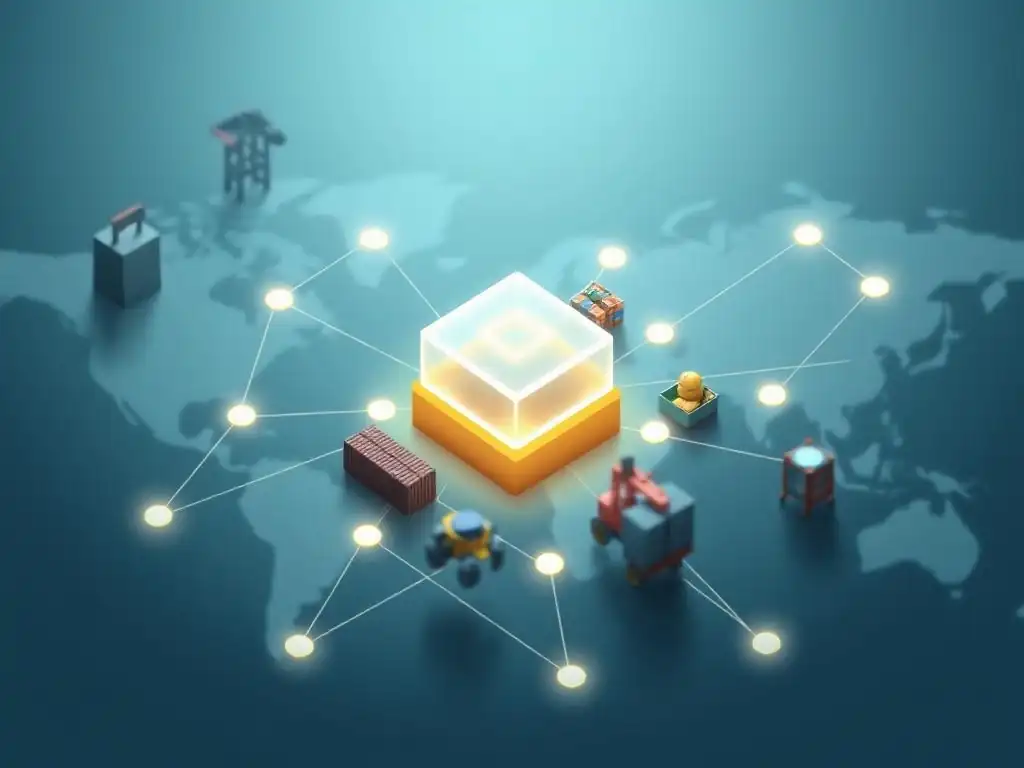
Supply chain finance, which involves providing financing to suppliers and buyers within a supply chain, is often complex, slow, and reliant on traditional banking systems. Blockchain technology has the potential to significantly streamline these processes, improve efficiency, reduce costs, and increase access to finance for small and medium-sized enterprises (SMEs) within the chain.
Transforming Trade Finance with Blockchain Solutions
Trade finance, a critical component of global trade enabling businesses to finance international transactions, is notoriously paper-intensive and involves multiple intermediaries like banks. This complexity leads to delays, high costs, and limited access for smaller players. Blockchain platforms are emerging to digitize trade finance processes, creating a shared, transparent, and immutable record of trade transactions, such as letters of credit, bills of lading, and invoices.
Platforms like Contour (formerly Voltron) have demonstrated the ability to reduce the processing time for letters of credit from 5-10 days to less than 24 hours by digitizing the process on a blockchain. This not only accelerates transactions but also reduces the risk of fraud associated with physical documents. By tokenizing assets and trade receivables on the blockchain, companies can also create new opportunities for financing, allowing invoices or purchase orders to be tokenized and potentially sold to investors for faster access to working capital.
Reducing Costs and Improving Financial Access for Suppliers
Many suppliers, particularly SMEs, face challenges in accessing affordable financing due to long payment cycles and the difficulty of using invoices or purchase orders as collateral with traditional lenders. Blockchain can help address this by providing greater transparency and verifiability of transactions and invoices within the supply chain. When invoices are recorded on a blockchain alongside verified delivery and quality data, they become more trustworthy assets.
This enhanced trust makes it easier for suppliers to obtain financing by presenting verifiable blockchain-backed invoices to lenders or by participating in decentralized finance (DeFi) platforms built on blockchain. These platforms can allow suppliers to tokenize their approved invoices (creating blockchain supply chain tracking tokens representing the value owed) and sell them to a wider pool of investors, often at more favorable rates than traditional factoring or invoice discounting. This unlocks working capital trapped in long payment terms, improving cash flow for suppliers and strengthening the overall supply chain.
Optimizing Supply Chain Operations through Blockchain Finance
Integrating supply chain finance solutions with blockchain-based operational tracking can create powerful synergies. When the physical movement and verification of goods (tracked via blockchain supply chain tracking tokens) are directly linked to financial transactions recorded on the same ledger, automated processes become possible via smart contracts.
For example, a smart contract could be programmed to automatically trigger a payment to a supplier's digital wallet as soon as the blockchain verifies that a shipment has been received and passed quality inspection at the buyer's warehouse. This eliminates manual invoice processing and payment delays, streamlining operations and reducing administrative overhead for both buyers and suppliers. This level of automation, driven by trusted data on the blockchain, frees up resources and improves the efficiency of the entire supply chain ecosystem.
Implementing Blockchain Supply Chain Tracking: Critical Considerations
While the benefits of blockchain for supply chains are compelling, successful implementation requires careful planning and consideration of several critical factors. It's not simply a matter of adopting the technology but ensuring it integrates effectively with existing systems and addresses specific business needs while navigating potential challenges.
Selecting the Appropriate Blockchain Platform for Supply Chain Applications
Choosing the right blockchain platform is a fundamental decision. Different platforms offer varying features, consensus mechanisms, scalability, and privacy controls, which are crucial for enterprise supply chain use cases. Public blockchains like Ethereum or Bitcoin are highly decentralized but may struggle with transaction speed and data privacy required for sensitive supply chain information. Private or consortium blockchains, such as Hyperledger Fabric, R3 Corda, or Quorum, offer better control over access, higher transaction throughput, and enhanced data privacy through permissioned networks, making them often more suitable for B2B supply chain applications.
The selection process should involve evaluating platform scalability (can it handle the volume of transactions? ), interoperability (can it connect with other systems and potentially other blockchains? ), cost (transaction fees and development expenses), and the availability of developer tools and community support. Understanding the specific requirements of the supply chain – such as the need for high transaction speeds, strict data confidentiality, or the ability to issue complex blockchain supply chain tracking tokens – will guide the choice of platform.
Integrating Blockchain with Existing Enterprise Resource Planning (ERP) Systems
A major hurdle in blockchain adoption for supply chains is integrating the new distributed ledger system with existing legacy ERP, WMS (Warehouse Management System), and TMS (Transportation Management System) systems that businesses rely on for daily operations. Data needs to flow seamlessly between these traditional systems and the blockchain to ensure accurate and up-to-date records.
This integration often requires developing APIs (Application Programming Interfaces) or middleware to connect the systems. It's essential to determine which data points are critical to record on the blockchain (e.g., shipment origin, key quality checks, ownership transfers) versus data that can remain in existing systems. A well-planned integration strategy ensures that blockchain enhances, rather than disrupts, current workflows and that data consistency is maintained across all platforms. This complexity means that implementing blockchain supply chain tracking tokens and the underlying system is often a phased process.
Addressing Data Privacy and Security within Blockchain Supply Chains
While blockchain is inherently secure and transparent, data privacy is a significant concern, especially in permissioned supply chain networks where sensitive commercial information is exchanged. Not all participants should have access to all data. For example, a raw material supplier might not need to see the final retail price, or competing distributors might need to keep their specific order details confidential from each other.
Solutions for maintaining data privacy on blockchain include using permissioned ledgers where access is restricted, employing cryptographic techniques like zero-knowledge proofs to verify transactions without revealing underlying data, or storing sensitive data off-chain while using the blockchain to store verifiable hashes or pointers to that data. Ensuring robust access control and encryption within the blockchain implementation is paramount to comply with data protection regulations and maintain business confidentiality among supply chain partners.
Ensuring Interoperability Across Blockchain Supply Chain Networks
As different industries or consortia adopt various blockchain platforms, ensuring interoperability between these networks becomes increasingly important. A global supply chain might involve participants using different blockchain systems for different purposes (e.g., one for raw material traceability, another for trade finance). Without interoperability, the benefits of a connected, transparent supply chain are limited.
Developing standards and protocols that allow different blockchains to communicate and exchange data is an active area of research and development. Solutions include cross-chain bridges, atomic swaps, and standardized APIs. For companies implementing blockchain supply chain tracking tokens, considering platforms that support interoperability standards or planning for how data will be exchanged with partners using different systems is crucial for building truly connected and efficient global supply chain ecosystems in the future.
The Future of Blockchain in Supply Chain Management
The adoption of blockchain in supply chain management is still in its relatively early stages for many industries, but the trajectory points towards increasing integration and sophistication. The future will likely see blockchain moving from pilot projects to becoming a standard part of global supply chain infrastructure, enhanced by complementary technologies.
Emerging Trends in Blockchain-Based Supply Chain Solutions
Several emerging trends are shaping the future of blockchain in supply chains. One significant trend is the increasing focus on sustainability and ethical sourcing. Consumers and regulators are demanding greater transparency about the environmental and social impact of products. Blockchain is being used to track carbon footprints, verify fair labor practices, and ensure responsible disposal or recycling, creating verifiable records of a product's sustainability credentials.
Another trend is the use of more complex blockchain supply chain tracking tokens that represent not just the physical asset but also associated attributes, certifications, or even fractional ownership. We are also seeing the development of more user-friendly interfaces and low-code/no-code platforms that make it easier for businesses to deploy and manage blockchain solutions without deep technical expertise. Furthermore, the convergence of public and private blockchain elements, sometimes referred to as hybrid blockchains, is being explored to balance scalability, privacy, and decentralization.
The Synergistic Role of IoT and AI in Blockchain Supply Chain Tracking
The combination of blockchain with other advanced technologies like the Internet of Things (IoT) and Artificial Intelligence (AI) promises to unlock even greater potential in supply chain management. IoT devices, such as sensors placed on shipments or in warehouses, can automatically collect real-time data on location, temperature, humidity, or shock. This data can then be automatically fed onto the blockchain via smart contracts, creating an immutable and verifiable record of conditions throughout the product's journey.
AI can analyze the vast amounts of data collected from IoT devices and recorded on the blockchain to identify anomalies, predict potential disruptions, optimize routes, or even forecast demand with greater accuracy. For example, AI could analyze blockchain data combined with weather patterns and sensor readings to predict potential spoilage of perishable goods during transit. This synergy between real-time data capture (IoT), secure, verifiable record-keeping (Blockchain), and intelligent analysis (AI) will lead to highly automated, predictive, and resilient supply chains.
Overcoming Obstacles to Widespread Blockchain Adoption in Supply Chains
Despite the clear benefits and promising trends, several obstacles still need to be overcome for widespread blockchain adoption in supply chains. One major challenge is the need for industry-wide collaboration and standardization. Supply chains involve multiple independent entities, and the full benefits of blockchain are realized only when a critical mass of participants onboards onto a shared platform or agrees on interoperability standards.
Regulatory uncertainty in various jurisdictions regarding digital assets and blockchain technology can also hinder adoption. Furthermore, the initial cost and complexity of implementing blockchain solutions, integrating them with legacy systems, and training personnel are significant barriers for many businesses, especially SMEs. Addressing these challenges through education, collaborative initiatives, supportive regulatory frameworks, and the development of more accessible technology solutions will be crucial for accelerating the widespread use of blockchain supply chain tracking tokens and platforms globally.
Conclusion: The Transformative Power of Blockchain for Supply Chains
Blockchain technology is not merely an incremental improvement for supply chain management; it represents a fundamental shift towards greater transparency, trust, and efficiency. By providing a secure, immutable, and shared ledger, blockchain addresses core challenges that have plagued traditional supply networks for decades, from data fragmentation and inefficiency to lack of trust and vulnerability to fraud.
Key Takeaways: The Value Proposition of Blockchain Supply Chain Solutions
The value proposition of blockchain supply chain solutions is multifaceted. They offer enhanced visibility and traceability, allowing businesses and consumers to track products from origin to destination with unprecedented detail. This leads to improved product provenance verification, crucial for authenticity and ethical sourcing. Blockchain also streamlines operations by reducing paperwork, automating processes through smart contracts, and improving data accuracy. Furthermore, it strengthens supply chain finance by providing greater transparency and enabling new financing models. The ability to use blockchain supply chain tracking tokens as digital representations of assets is key to unlocking many of these benefits.
Ultimately, blockchain builds trust among supply chain partners by providing a single source of truth that is resistant to manipulation. This increased trust fosters better collaboration, reduces disputes, and creates more resilient supply chains capable of navigating the complexities of the global market.
Blockchain's Potential to Reshape Global Trade and Commerce
The transformative power of blockchain extends beyond individual supply chains to potentially reshape global trade and commerce itself. By creating more efficient, transparent, and trustworthy global networks, blockchain can lower trade barriers, reduce transaction costs, and facilitate smoother cross-border commerce. The ability to track goods and verify information seamlessly across international boundaries simplifies logistics, customs processes, and trade finance.
As blockchain technology matures and interoperability improves, we could see a future where global supply chains are interconnected networks of distributed ledgers, enabling near real-time visibility and automated transactions across the entire value chain. This could unlock new economic opportunities, particularly for SMEs currently excluded from traditional trade finance systems, by providing them with greater access to capital and global markets through tokenization and transparent transaction histories.
Next Steps: Evaluating Blockchain Solutions for Your Supply Chain
For businesses considering leveraging blockchain for their supply chain, the next steps involve careful evaluation and strategic planning. Begin by identifying the most critical pain points in your current supply chain – whether it's lack of visibility, issues with provenance, inefficiencies in logistics, or challenges in supply chain finance. Assess how blockchain, potentially incorporating blockchain supply chain tracking tokens, could specifically address these challenges.
Research different blockchain platforms and solutions tailored for supply chain use cases, considering factors like scalability, privacy, and ease of integration. Engage with potential technology providers and, importantly, discuss the possibility of piloting a solution with key supply chain partners. Starting with a focused pilot project on a specific part of the supply chain can provide valuable insights and demonstrate the technology's potential before committing to a broader implementation. The journey towards a more transparent, efficient, and trustworthy supply chain powered by blockchain begins with understanding its potential and strategically planning its adoption.
Frequently Asked Questions
What are blockchain supply chain tracking tokens, and how do they enhance supply chain visibility?
Blockchain supply chain tracking tokens are digital representations of assets within a supply chain. They enhance visibility by providing a transparent and immutable record of an asset's journey, from origin to consumer.
How does the use of blockchain in supply chain tracking improve trust and reduce fraud?
Blockchain's decentralized and tamper-proof nature makes it difficult to alter or falsify data. This increased transparency builds trust among stakeholders and significantly reduces opportunities for fraudulent activities.
Besides tracking goods, what other benefits can blockchain supply chain tracking tokens offer?
Beyond tracking, these tokens can facilitate automated payments, streamline customs clearance, and enable efficient recall management. They can also improve inventory management and reduce waste.
What are some of the main challenges to implementing blockchain supply chain tracking tokens?
Challenges include scalability issues, the complexity of integrating with existing systems, and the need for industry-wide collaboration to establish common standards and protocols.
How is regulation impacting the adoption of blockchain supply chain tracking tokens?
Regulatory clarity is crucial. While some jurisdictions are supportive, others are hesitant. Uncertainty in regulation can slow down adoption, as businesses need a clear legal framework to operate confidently.
Final Reflection: Embracing Transparency in the Supply Chain
The journey towards supply chain transparency is no longer a futuristic ideal, but a present-day necessity. As we've explored the potential of blockchain supply chain tracking tokens, it's clear that these technologies offer a powerful solution to the growing demands for ethical sourcing, product authenticity, and efficient logistics. The ability to track and tokenize assets, providing immutable records and enhanced visibility, is revolutionizing how we understand and interact with the products we consume.
This shift towards transparency has profoundly impacted the cultural landscape, forcing businesses to prioritize ethical practices and consumer trust. My own understanding of the complexities of global supply chains has been irrevocably changed by researching this topic, highlighting the urgent need for greater accountability. The supply chain is the only thing that matters. Everything else is just details.
- Michael Dell. This quote underscores the fundamental importance of a well-functioning and transparent supply chain in today's interconnected world.
Now, as you reflect on the potential of blockchain supply chain tracking tokens, consider how you can contribute to this movement. Whether you're a consumer demanding more information, a business seeking to improve your practices, or a technologist developing innovative solutions, your actions can help build a more transparent, ethical, and sustainable future for all. Embrace the power of information and demand visibility; the future of supply chains, and indeed our world, depends on it.
Unveil the Future of Your Supply Chain Today!
Thank you for exploring how blockchain can revolutionize supply chain transparency. You’ve gained valuable insights into tracking and tokenizing assets for enhanced visibility. Now it’s time to put that knowledge into action and build a more secure and efficient future.
Here’s how you can take the next step:
- Start a pilot program using blockchain technology to track a critical asset in your supply chain. This hands-on experience will provide real-world data and demonstrate the power of transparency.
- Explore tokenization strategies by researching successful case studies of companies leveraging digital tokens for supply chain management.
- Share this article with colleagues and industry peers on social media. Let’s build a community of innovators driving change in supply chain transparency.
What are the first steps you plan to take in leveraging blockchain to enhance your supply chain’s transparency and security? Share your thoughts below!
Leave a Reply