
Ecosystem Transformation: Blockchain's Broader Impact on Supply Chain Networks Case Studies

Welcome to Blockchain Trends, your guide to understanding the revolutionary impact of blockchain beyond the hype. Are you ready to see how this technology is reshaping industries? Delve into compelling blockchain supply chain transformation case studies and uncover the untapped potential of decentralized systems. Prepare to be amazed by the real-world applications and the future they're building!
Ecosystem Transformation: Blockchain's Broader Impact on Supply Chain Networks - Case Studies
- Introduction: Unlocking Supply Chain Efficiency with Blockchain Technology
- Blockchain Supply Chain Transformation Case Studies: A Deep Dive
- Analyzing the Key Benefits of Blockchain in Supply Chain Ecosystems
- Overcoming Challenges in Blockchain Supply Chain Implementation
- The Future of Blockchain-Driven Supply Chain Transformation
- Conclusion: Realizing the Full Potential of Blockchain in Supply Chain Management
-
Frequently Asked Questions
- How does blockchain technology facilitate supply chain transparency?
- What are some real-world examples of successful blockchain supply chain implementations?
- What role does DeFi (Decentralized Finance) play in blockchain-enabled supply chains?
- What are the regulatory challenges surrounding the adoption of blockchain in supply chains?
- How can blockchain contribute to a more sustainable and ethical supply chain?
- Final Reflection: Embracing Decentralized Trust
- Reimagine Your Supply Chain: Unlock Blockchain Potential!
Introduction: Unlocking Supply Chain Efficiency with Blockchain Technology
The Promise of Blockchain for Supply Chain Optimization
Blockchain technology, fundamentally a distributed, immutable ledger, holds significant promise for revolutionizing traditional supply chain operations. Its core attributes – transparency, security, and decentralization – directly address many of the long-standing inefficiencies and vulnerabilities inherent in complex global supply networks. By providing a single, verifiable source of truth for transactions and product movement, blockchain can drastically reduce manual processes, minimize disputes, and build trust among disparate parties who might otherwise operate in silos. This potential for optimization extends beyond simple tracking; it enables new models of collaboration, financing, and risk management across the entire supply chain ecosystem.
The current state of supply chains is often characterized by fragmented data, paper-based processes, and limited visibility beyond immediate partners. This opacity makes it difficult to quickly identify the source of problems, verify product authenticity, or ensure ethical sourcing.
Blockchain offers a digital solution to these challenges, creating a shared, tamper-evident record of every step a product takes, from raw material to final consumer. This enhanced traceability is not just a technical improvement; it's a foundational shift that can unlock significant value by enabling faster recalls, preventing fraud, improving forecasting accuracy, and ultimately leading to more resilient and efficient operations.
Understanding Ecosystem Transformation in Supply Chains
Ecosystem transformation within supply chains, driven by technologies like blockchain, refers to a fundamental shift not just in individual processes, but in how the entire network of stakeholders interacts and operates. It moves beyond simple point-to-point integrations to create a shared, transparent, and interconnected environment. This involves aligning incentives, establishing common data standards, and building collaborative frameworks built on trust and shared information access. A true ecosystem transformation leverages blockchain to create network effects, where the value of the platform increases exponentially with each new participant, fostering a more agile, responsive, and collaborative supply chain.
This transformation is not merely about implementing a new database; it's about redefining relationships and operational paradigms. Participants, from suppliers and manufacturers to logistics providers, distributors, and retailers, share relevant data on the blockchain, creating unprecedented end-to-end visibility. This shared ledger reduces the need for intermediaries, streamlines communication, and accelerates transactions. The result is a supply chain that is not only more efficient and secure but also more adaptable to disruptions and capable of meeting increasing demands for sustainability and ethical practices. Understanding these dynamics is crucial for appreciating the profound impact of blockchain supply chain transformation case studies.
Blockchain Supply Chain Transformation Case Studies: A Deep Dive
Case Study 1: De Beers - Enhancing Diamond Traceability with Blockchain
Problem: Difficulty in Tracking Diamonds and Ensuring Ethical Sourcing
The diamond industry has historically faced significant challenges related to provenance, traceability, and ensuring that diamonds are sourced ethically and are not "conflict diamonds." Tracing a diamond's journey from the mine through various cutters, polishers, manufacturers, and retailers often involved cumbersome paper trails and disparate systems, making it difficult to provide consumers with definitive proof of origin and ethical sourcing.
This lack of transparency eroded consumer trust and complicated efforts to comply with regulations aimed at preventing the trade of illicit stones. The inherent value and mobility of diamonds made them particularly susceptible to issues of authenticity and questionable origin without a robust, immutable tracking system.
Verifying the authenticity and ethical origin of diamonds was a manual and often unreliable process. Retailers and consumers increasingly demanded assurance that the diamonds they purchased were conflict-free and sourced responsibly. However, the complex, multi-stakeholder journey of a diamond, often crossing numerous international borders and involving many intermediaries, made it nearly impossible to establish a complete and trustworthy chain of custody using traditional methods. This opaqueness not only posed ethical and reputational risks but also created inefficiencies and potential for fraud within the supply chain.
Solution: Implementing the Tracr Blockchain Platform for Diamond Provenance
In response to these challenges, De Beers, a leading diamond company, developed and implemented Tracr, a blockchain-based platform designed to track diamonds from mine to retailer. Launched in 2018, Tracr creates a unique, immutable digital record for each registered diamond, recording its characteristics (such as carat weight, cut, color, and clarity) and tracking its movement and ownership at each stage of the value chain. Participants, including miners, manufacturers, and retailers, record key events and data points on the platform, creating a secure and verifiable digital trail.
The Tracr platform utilizes distributed ledger technology to ensure that the data entered cannot be tampered with or altered retroactively. This provides a high level of trust and security in the provenance information. By assigning a unique ID to each diamond and linking it to its digital record on the blockchain, Tracr establishes a clear and continuous chain of custody. This digital tracking is applied to diamonds that are typically 1 carat or larger, representing a significant portion of the market value, ensuring that high-value stones are tracked with precision and transparency throughout their journey.
Results: Increased Transparency, Reduced Conflict Diamond Risk, and Enhanced Consumer Confidence
The implementation of the Tracr platform has yielded significant results for De Beers and the diamond industry participants using it. It has dramatically increased transparency in the diamond supply chain, allowing stakeholders and potentially consumers to verify the origin and journey of a diamond. This enhanced visibility directly addresses the problem of conflict diamonds by providing a robust, tamper-evident record that confirms a diamond's legitimate source, thereby reducing the risk of illicit stones entering the supply chain.
Furthermore, the verifiable provenance data provided by Tracr has enhanced consumer confidence. Retailers can use the platform to provide customers with credible information about the origin and ethical sourcing of their diamonds, adding significant value and building trust. While exact figures on the total number of diamonds tracked are proprietary, reports indicate that Tracr has already registered a substantial volume of high-value diamonds, demonstrating its capability to handle large-scale tracking and contribute significantly to the integrity and transparency of the diamond trade. This is a compelling example of blockchain supply chain transformation case studies impacting luxury goods.
Case Study 2: Maersk and IBM - Streamlining Global Trade with TradeLens
Problem: Inefficient and Opaque Processes in Global Shipping and Logistics
Global shipping and logistics are inherently complex, involving numerous parties, mountains of paperwork, and often opaque processes. A single shipment can involve dozens of different entities, including carriers, ports, customs authorities, freight forwarders, banks, and shippers. Coordinating these parties and managing the flow of information and documentation – such as bills of lading, customs declarations, and health certificates – is notoriously inefficient. This leads to delays, increased costs, errors, and a lack of real-time visibility into the status and location of goods, making global trade slow, unpredictable, and expensive.
The reliance on manual processes, faxed or emailed documents, and disparate legacy systems creates bottlenecks at every turn. It's estimated that the documentation costs for a single shipment can sometimes exceed the physical shipping costs. Resolving disputes or identifying the source of delays is difficult due to the lack of a shared, trusted record. This fundamental opaqueness and inefficiency were major hurdles to improving the speed, reliability, and cost-effectiveness of international trade, necessitating a transformative approach beyond incremental improvements.
Solution: Leveraging TradeLens, a Blockchain-Based Shipping Platform
To address these inefficiencies, Maersk, the world's largest container shipping line, partnered with IBM to develop TradeLens, a blockchain-based platform designed to digitize and streamline global trade transactions. Launched in 2018, TradeLens provides a neutral, shared digital ledger that allows all parties involved in a shipment to securely share and access real-time shipping data and documentation. The platform records key events like vessel departures, arrivals, customs releases, and container movements on the blockchain, creating an immutable and transparent record accessible to authorized participants.
TradeLens leverages hyperledger fabric, a blockchain framework, to enable secure data sharing among a consortium of participants. The platform aims to replace fragmented, paper-based workflows with a single, shared source of truth. It connects shippers, freight forwarders, inland transportation providers, ports and terminals, customs authorities, and ocean carriers. By providing a common platform for data exchange, TradeLens facilitates collaboration and automates processes such as document handling and customs clearance, dramatically improving efficiency across the supply chain. As of early 2022, the platform had onboarded a significant percentage of the world's container shipping capacity and numerous ports and customs authorities.
Results: Faster Customs Clearance, Reduced Paperwork, and Improved Supply Chain Visibility
The adoption of TradeLens has demonstrated tangible benefits in streamlining global trade. By providing a shared, immutable record of shipment data, the platform significantly reduces the time and effort required for documentation and customs clearance. Pilots and early implementations have shown reductions in transit times and administrative costs. For example, the time taken to process certain customs documents has been reported to decrease from days to hours.
TradeLens drastically reduces the amount of paperwork involved in international shipping by digitizing and securely sharing essential documents on the blockchain. This not only saves time and resources but also minimizes the risk of errors and fraud associated with manual document handling.
Furthermore, the platform provides unparalleled end-to-end visibility into the supply chain, allowing all authorized parties to track the progress of shipments in real-time. This improved visibility enables better planning, faster responses to disruptions, and ultimately leads to a more efficient, predictable, and cost-effective global logistics ecosystem, highlighting the power of blockchain supply chain transformation case studies in logistics.
Case Study 3: Walmart - Optimizing Food Safety with Blockchain-Enabled Tracking
Problem: Slow Response Times in Identifying and Recalling Contaminated Food
Ensuring food safety is paramount, but traditional supply chain tracking methods made it incredibly difficult and time-consuming to trace contaminated food products back to their source during an outbreak. When a foodborne illness outbreak occurred, it could take days or even weeks to manually trace the affected product through the complex network of farms, processors, distributors, and retailers. This slow process delayed recalls, prolonged the exposure of consumers to potentially harmful food, and resulted in significant economic losses due to extensive product destruction and damaged reputation. The sheer volume and rapid movement of food products exacerbated this challenge.
Identifying the specific farm or facility responsible for contamination required sifting through countless paper records, invoices, and disparate digital systems held by different companies. This lack of a unified, easily accessible, and verifiable tracking system meant that tracing a product from a store shelf back to its origin could take an average of 7 days or more. This delay was unacceptable in critical situations requiring rapid isolation and recall of unsafe food, underscoring the urgent need for a more efficient and accurate traceability solution.
Solution: Using Blockchain to Track Food Products from Farm to Store
Walmart, recognizing the critical need for faster food traceability, implemented a blockchain-based system for tracking food products, initially focusing on high-risk items like leafy greens. Working with IBM Food Trust, a blockchain-enabled network, Walmart required its suppliers of certain produce to upload data about their products to the blockchain. This data includes information about the farm, processing facility, shipping details, and receiving locations at each step of the supply chain.
The blockchain platform creates a shared, immutable record of the food product's journey. Each participant in the supply chain enters data about the product as it moves from one point to the next. This creates a complete digital trail that can be accessed and verified by authorized parties. By leveraging the distributed ledger, Walmart and other participants can quickly and accurately trace the product's origin and path through the supply chain simply by scanning a QR code or entering product information, vastly improving upon the manual methods previously used.
Results: Rapid Traceability, Reduced Foodborne Illness Risk, and Enhanced Food Safety Standards
The implementation of blockchain for food traceability has delivered dramatic improvements for Walmart and its partners. The time required to trace a product from a store back to its source farm has been reduced from an average of 7 days to seconds. This astonishing speed is critical during a food safety crisis, enabling much faster and more targeted recalls. Instead of recalling entire batches or types of produce across many stores, companies can pinpoint exactly where the contaminated product came from and where it was distributed, minimizing waste and economic impact.
This rapid traceability capability directly reduces the risk of consumers being exposed to contaminated food for extended periods, thereby enhancing public health and safety. By demonstrating the ability to achieve near-instantaneous traceability, Walmart has also set a new standard for food safety within its supply chain and the broader industry, encouraging other companies to adopt similar technologies. These outcomes exemplify how blockchain supply chain transformation case studies can have a direct and positive impact on consumer welfare.
Analyzing the Key Benefits of Blockchain in Supply Chain Ecosystems
Enhanced Transparency and Traceability Across the Supply Chain
One of the most significant benefits of implementing blockchain in supply chains is the unparalleled level of transparency and traceability it provides. By creating a shared, immutable ledger of all transactions and product movements, blockchain allows authorized participants to see the complete history of a product from its origin to its destination. This eliminates information silos and provides a single, trustworthy source of truth that all parties can rely on. This enhanced visibility is crucial for verifying product authenticity, ensuring compliance with regulations, and building trust among diverse stakeholders.
This increased transparency allows companies to gain deeper insights into their supply chain operations, identifying bottlenecks, inefficiencies, and potential risks that were previously hidden. For instance, knowing exactly where a product has been and who has handled it makes it much easier to identify the source of issues like contamination, damage, or delays. This level of traceability is essential for industries dealing with high-value goods, sensitive products like food or pharmaceuticals, or those with strict ethical sourcing requirements, as demonstrated by the blockchain supply chain transformation case studies discussed earlier.
Improved Efficiency and Reduced Costs through Automation
Blockchain can significantly improve supply chain efficiency and reduce operational costs through automation and the elimination of manual processes and intermediaries. Smart contracts, self-executing contracts with the terms of the agreement directly written into code, can automate various supply chain processes, such as payments upon delivery verification or triggering shipments when certain conditions are met. This reduces the need for manual intervention, minimizes errors, and accelerates transaction settlement times.
The elimination of excessive paperwork and the streamlining of documentation processes, as seen in the TradeLens example, directly contribute to cost reduction. Reduced administrative overhead, faster dispute resolution, and lower transaction fees associated with intermediaries can lead to substantial savings. Furthermore, improved forecasting and inventory management, enabled by better data visibility, can reduce carrying costs and minimize waste. Estimates vary by industry and implementation scale, but potential cost savings from blockchain adoption in supply chains are often cited as ranging from 10% to 25% in specific areas like administration and logistics.
Increased Security and Reduced Risk of Fraud and Counterfeiting
The inherent security features of blockchain technology make it highly effective at reducing the risk of fraud, tampering, and counterfeiting within supply chains. The decentralized nature of the ledger means that data is not stored in a single, vulnerable location, making it extremely difficult for malicious actors to alter records without detection. Every transaction or data entry is cryptographically linked to the previous one, forming a chain that is virtually impossible to break or alter without the consensus of the network participants.
This immutability provides a high degree of confidence in the integrity of the data recorded on the blockchain. It makes it significantly harder for counterfeit goods to enter the legitimate supply chain, as their lack of a verifiable blockchain history would be immediately apparent. Similarly, fraudulent activities like false claims about product origin or tampering with shipment details become much more difficult to execute undetected. This enhanced security protects brand reputation, safeguards consumers, and reduces financial losses associated with fraud and counterfeiting.
Fostering Collaboration and Trust Among Supply Chain Partners
Building trust among diverse and often competing parties is a fundamental challenge in complex supply chains. Blockchain addresses this by providing a neutral, transparent, and immutable platform that all participants can trust, even if they don't trust each other directly. The shared, verifiable ledger creates a foundation of trust based on data integrity and shared visibility, rather than relying solely on bilateral relationships and manual verification.
This increased trust facilitates greater collaboration among supply chain partners. With confidence in the shared data, companies are more willing to share relevant information, leading to better coordination, joint problem-solving, and the development of more integrated and resilient supply chain ecosystems. This collaborative environment can lead to shared efficiencies, reduced risks, and the ability to jointly respond more effectively to market changes or disruptions, highlighting a key outcome of blockchain supply chain transformation case studies.
Overcoming Challenges in Blockchain Supply Chain Implementation
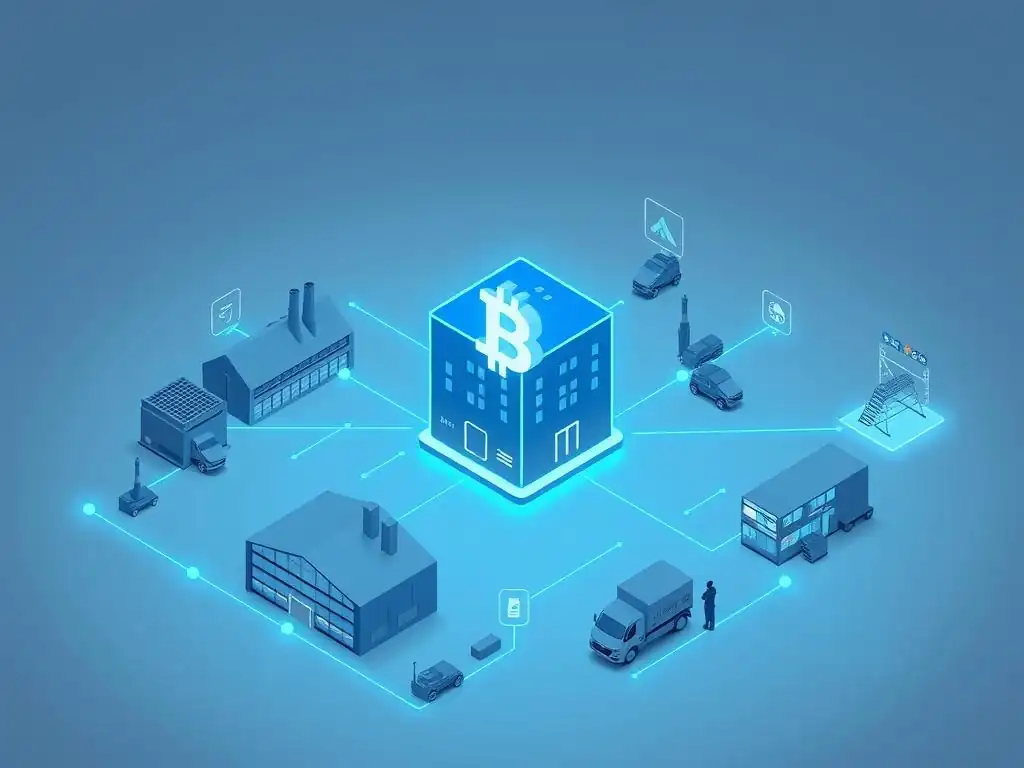
Addressing Scalability Issues in Blockchain Networks
One significant challenge in implementing blockchain for large-scale supply chains is scalability. Public blockchains like Bitcoin or Ethereum can process a limited number of transactions per second, which may not be sufficient for the high volume of transactions and data points generated by complex global supply networks. While private or permissioned blockchains, often favored for enterprise solutions, offer better throughput, they still face limitations as the number of participants and transactions grows exponentially.
Addressing scalability requires careful consideration of the underlying blockchain technology and network design. Solutions include using faster consensus mechanisms, implementing layer-2 scaling solutions, or utilizing blockchain platforms specifically built for enterprise use cases with higher transaction capacities. For example, platforms like Hyperledger Fabric or Polygon are designed with scalability in mind for business applications. Companies exploring blockchain supply chain transformation case studies must carefully evaluate the transaction volume their network will handle and choose a technology that can scale accordingly, potentially requiring sharding or off-chain processing for certain data.
Ensuring Data Privacy and Security Compliance
While blockchain offers enhanced security through immutability and cryptography, ensuring data privacy and compliance with regulations like GDPR (General Data Protection Regulation) or CCPA (California Consumer Privacy Act) presents challenges. Not all data should be publicly visible on a blockchain, especially sensitive commercial information or personal data. The immutable nature of blockchain also conflicts with "right to be forgotten" principles in some privacy regulations, as data, once on the chain, is difficult or impossible to delete.
Solutions involve careful data management strategies. This includes storing only hashes or encrypted references to sensitive data on the blockchain itself, while the actual data is stored off-chain in secure databases with access controls. Permissioned blockchains allow granular control over who can see what data. Implementing zero-knowledge proofs or other privacy-enhancing technologies can allow verification of data without revealing the data itself. Companies must design their blockchain supply chain solutions with privacy by design, ensuring compliance with all relevant data protection laws from the outset.
Managing Interoperability Between Different Blockchain Platforms
The growing number of blockchain platforms and disparate legacy systems creates interoperability challenges. A global supply chain might involve partners using different blockchain networks or traditional databases that need to interact seamlessly. Lack of interoperability can lead to fragmented data, hinder end-to-end visibility, and undermine the benefits of a shared ledger.
Addressing interoperability requires developing standards and protocols for cross-chain communication and data exchange. Middleware or integration layers can be used to connect different blockchain networks and integrate them with existing enterprise resource planning (ERP) or supply chain management (SCM) systems. Industry consortia are working on establishing common data standards and interoperability frameworks to facilitate smoother data flow across different platforms. Successful blockchain supply chain transformation case studies often involve careful planning for integration with existing IT infrastructure and potential future connections with other networks.
The regulatory landscape surrounding blockchain technology is still evolving and varies significantly across different jurisdictions. Uncertainty regarding the legal status of blockchain-based contracts (smart contracts), data ownership on a distributed ledger, and compliance with existing trade, finance, and data regulations can create hurdles for widespread adoption. Companies must navigate this complex and sometimes ambiguous environment.
Staying informed about regulatory developments in all relevant operating regions is crucial. Engaging with legal experts specializing in blockchain and distributed ledger technology is essential to ensure compliance. Industry collaboration and advocacy efforts can help shape future regulations and promote a more favorable and predictable legal environment for blockchain adoption in supply chains. While challenges exist, the potential benefits demonstrated in blockchain supply chain transformation case studies continue to drive forward momentum.
The Future of Blockchain-Driven Supply Chain Transformation
Emerging Trends in Blockchain Supply Chain Applications
The application of blockchain in supply chains is rapidly evolving, with several key trends emerging. Beyond basic traceability, we see increasing use in supply chain finance, enabling faster and more transparent financing options like invoice factoring or trade finance based on verifiable blockchain data. Another trend is the integration with Internet of Things (IoT) devices, allowing automated recording of data like temperature, location, or humidity onto the blockchain, creating a more dynamic and reliable digital twin of the physical supply chain.
Furthermore, blockchain is being explored for managing complex processes like circular economy initiatives, tracking the lifecycle of products for recycling or reuse. The use of non-fungible tokens (NFTs) is also emerging for tracking unique high-value assets within supply chains. The convergence of blockchain with AI and machine learning is another significant trend, where AI analyzes the secure, transparent data on the blockchain to provide predictive insights for demand forecasting, risk assessment, and operational optimization. These emerging applications build upon the foundational benefits seen in early blockchain supply chain transformation case studies.
The Role of Blockchain in Building More Resilient Supply Chains
Recent global events have highlighted the critical need for more resilient supply chains capable of withstanding disruptions. Blockchain plays a vital role in building this resilience. By providing end-to-end visibility, companies can quickly identify the impact of disruptions (e.g., a port closure or factory shutdown) and understand which products and shipments are affected. This allows for faster and more informed decision-making to mitigate delays and reroute logistics.
The increased transparency and trust fostered by blockchain also enable better collaboration among supply chain partners during times of crisis. Shared, reliable information allows for coordinated responses and mutual support. Furthermore, the ability to quickly verify alternative suppliers or logistics routes using blockchain data can significantly reduce downtime. The immutability of the ledger ensures that critical data remains secure and accessible even during chaotic events, providing a stable foundation for managing uncertainty and building robustness into the supply chain network.
Predictions for the Adoption of Blockchain in Supply Chain Networks
Predictions for the adoption of blockchain in supply chain networks are overwhelmingly positive, indicating a significant increase in implementation over the next few years. While widespread, full-scale adoption across all industries will take time, driven by interoperability and scalability improvements, permissioned blockchain networks tailored for enterprise supply chains are expected to see accelerated growth. Market research firms predict substantial growth in the blockchain in supply chain market size, with some forecasting it could reach tens of billions of dollars globally within the next five to seven years.
Initial adoption is likely to continue concentrating in industries where traceability, authenticity, or regulatory compliance are critical, such as pharmaceuticals, food and beverage, luxury goods, and high-value manufacturing. As the technology matures, costs decrease, and regulatory clarity improves, adoption is expected to expand to broader sectors. The success of early blockchain supply chain transformation case studies will serve as powerful catalysts, demonstrating tangible ROI and encouraging more companies to invest in the technology to gain competitive advantages in efficiency, transparency, and resilience.
Conclusion: Realizing the Full Potential of Blockchain in Supply Chain Management
Key Takeaways from Blockchain Supply Chain Transformation Case Studies
The blockchain supply chain transformation case studies of companies like De Beers, Maersk/IBM, and Walmart offer compelling evidence of the technology's ability to fundamentally improve supply chain operations. These real-world examples demonstrate that blockchain is not just a theoretical concept but a practical solution that delivers tangible benefits. Key takeaways include the dramatic improvements possible in traceability and transparency, moving from days or weeks to seconds or minutes for critical information retrieval.
These cases also highlight the potential for significant efficiency gains through automation and reduced reliance on manual processes and paper documentation. Furthermore, they underscore the ability of blockchain to enhance security, reduce fraud, and build a foundation of trust among supply chain partners. While challenges related to scalability, privacy, and interoperability exist, these pioneering implementations show that with careful planning and execution, these hurdles can be successfully navigated to unlock substantial value across the entire supply chain ecosystem.
Embracing Blockchain for a More Efficient and Transparent Future
Embracing blockchain technology is becoming increasingly essential for companies seeking to build more efficient, transparent, and resilient supply chains in the digital age. The benefits demonstrated in numerous blockchain supply chain transformation case studies, from enhanced traceability and reduced costs to increased security and improved collaboration, are too significant to ignore. While implementation requires investment and strategic planning, the long-term advantages position companies for greater success in a rapidly evolving global market.
As the technology continues to mature and industry standards develop, the barriers to adoption will decrease, making blockchain solutions more accessible to a wider range of businesses. Companies that proactively explore and implement blockchain will be better equipped to meet growing consumer demands for ethical sourcing and product authenticity, navigate complex regulatory environments, and respond effectively to disruptions. The path forward involves leveraging the lessons learned from existing blockchain supply chain transformation case studies and committing to the digital transformation necessary to realize the full potential of this powerful technology.
Frequently Asked Questions
How does blockchain technology facilitate supply chain transparency?
Blockchain provides a shared, immutable ledger that records every transaction and movement in the supply chain. This enhanced visibility builds trust among stakeholders and reduces fraud.
What are some real-world examples of successful blockchain supply chain implementations?
Numerous case studies demonstrate the impact. Examples include tracking food origins to prevent contamination and verifying the authenticity of luxury goods to combat counterfeiting. These showcase tangible benefits.
What role does DeFi (Decentralized Finance) play in blockchain-enabled supply chains?
DeFi can streamline supply chain financing through automated payments and reduced reliance on traditional intermediaries. This leads to greater efficiency and cost savings for businesses.
What are the regulatory challenges surrounding the adoption of blockchain in supply chains?
Lack of global standards and differing legal frameworks pose significant hurdles. Companies must navigate complex compliance issues related to data privacy and cross-border transactions to avoid penalties.
How can blockchain contribute to a more sustainable and ethical supply chain?
Blockchain enables traceability and accountability, allowing consumers to verify the origin and production methods of goods. This promotes ethical sourcing and reduces the risk of exploitative practices.
Final Reflection: Embracing Decentralized Trust
The case studies presented throughout this article underscore the profound impact of blockchain technology on supply chain networks, demonstrating that blockchain supply chain transformation is no longer a futuristic concept, but a present-day reality. From enhancing traceability to fostering greater transparency, these examples highlight the tangible benefits of decentralized trust in an increasingly complex global landscape. The potential for efficiency gains, cost reduction, and improved security is undeniable, positioning blockchain as a key enabler for businesses seeking a competitive edge.
The ongoing influence of blockchain on supply chains is undeniable, reshaping how we think about provenance, accountability, and collaboration. The ability to verify the authenticity of goods and materials, coupled with the immutable nature of blockchain records, fosters a new level of trust between stakeholders. This transformation extends beyond mere technological upgrades; it represents a fundamental shift in the power dynamics within supply chains, empowering consumers and promoting ethical sourcing. The future of supply chains is not just about efficiency; it's about building trust and resilience through transparency and collaboration.
As we conclude this exploration of blockchain supply chain transformation case studies, I invite you to consider the implications of this technology for your own sphere of influence. How can you leverage the principles of decentralization, transparency, and immutability to build more resilient, ethical, and efficient systems? Embrace the opportunity to explore the transformative potential of blockchain and contribute to a future where supply chains are not only optimized for profit but also for the betterment of society.
Reimagine Your Supply Chain: Unlock Blockchain Potential!
Thank you for exploring how blockchain can transform supply chain networks. We hope the case studies offered valuable insights into how this technology can enhance transparency, efficiency, and trust. Now, it's time to turn knowledge into action!
Here are some ways you can leverage these insights to foster innovation within your own ecosystem:
- Conduct a thorough review of your current supply chain to identify potential points for blockchain integration. Focus on areas where blockchain can address specific challenges and deliver measurable benefits. This is a crucial first step!
- Research and connect with blockchain solution providers that specialize in supply chain applications. Compare different platforms to determine which best meets your industry’s unique requirements.
- Share this article with colleagues and industry peers to encourage collaborative discussions about adopting blockchain and building more resilient, transparent supply chains.
What bottleneck in your supply chain could be most effectively addressed with blockchain technology, and what initial steps are you considering to explore this solution?
Leave a Reply