
The Future of Game Art: Creating Immersive Assets for Blockchain Metaverse Worlds

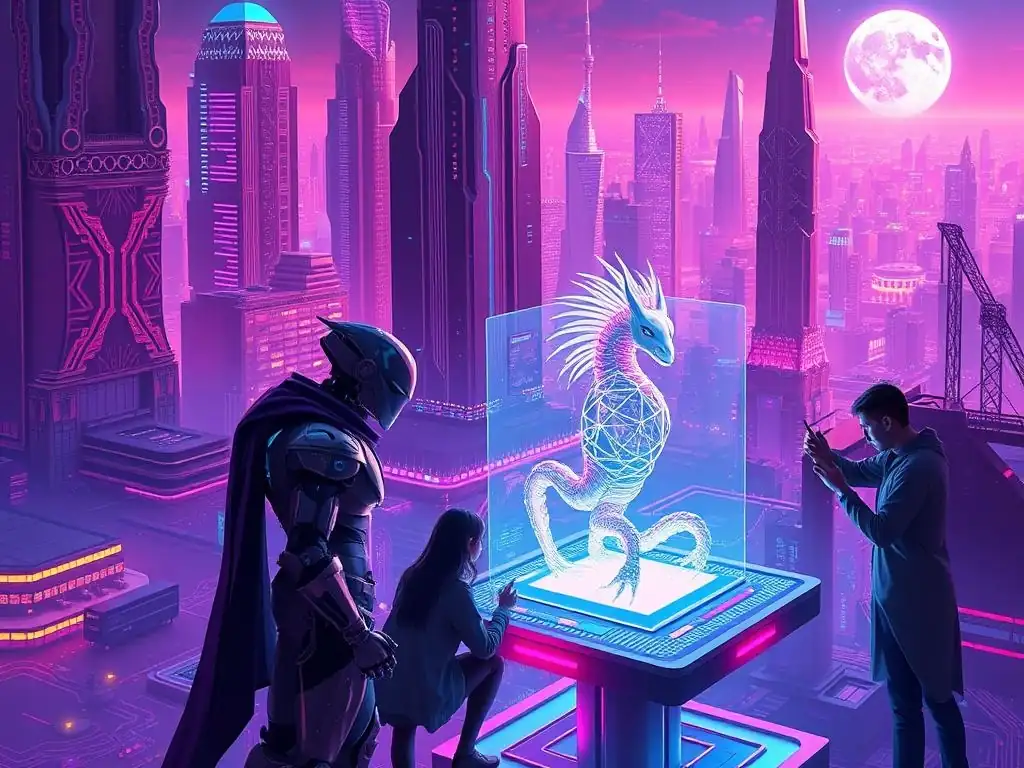
Welcome to Blockchain Trends, your guide to understanding the revolutionary potential of blockchain beyond the hype.
Delve into the exciting intersection of art, gaming, and decentralized technology as we explore the groundbreaking applications of blockchain in shaping the future. This week, we're diving deep into blockchain metaverse asset creation. Discover how artists and developers are leveraging blockchain to craft truly unique and immersive experiences in virtual worlds – and what this means for the future of digital ownership and creative expression. Ready to unlock the secrets of building the next generation of metaverse assets?
The Future of Game Art: Creating Immersive Assets for Blockchain Metaverse Worlds
- Introduction: The Convergence of Game Art and the Blockchain Metaverse
- Understanding Blockchain Metaverse Assets
- Blockchain Metaverse Asset Creation: A Deep Dive
- The Role of NFTs in Blockchain Metaverse Asset Ownership
- Tools and Technologies for Blockchain Metaverse Asset Creation
- The Economic Impact of Blockchain Metaverse Asset Creation
- Challenges and Opportunities in Blockchain Metaverse Asset Creation
- Case Studies: Successful Blockchain Metaverse Asset Projects
- The Future of Blockchain Metaverse Asset Creation: Trends and Predictions
- Conclusion: Embracing the Future of Game Art in the Blockchain Metaverse
-
Frequently Asked Questions
- How does blockchain technology specifically facilitate asset creation in the metaverse?
- What are the key challenges artists face when creating assets for blockchain metaverse worlds compared to traditional game development?
- Beyond visual appeal, what other factors are important for successful blockchain metaverse asset creation?
- How are regulations impacting the creation and trade of blockchain metaverse assets?
- What skills are essential for artists looking to specialize in blockchain metaverse asset creation?
- Final Reflection: Embracing the Metaverse Frontier
- Unveil Your Metaverse Masterpiece: Craft the Future of Game Art!
Introduction: The Convergence of Game Art and the Blockchain Metaverse
Blockchain Technology Reshaping Game Asset Creation
The intersection of blockchain technology and game art is forging a revolutionary path for digital asset creation. Traditionally, game assets were confined within the proprietary ecosystems of game developers, limiting ownership and control for players and artists alike. Blockchain, with its decentralized and transparent nature, is dismantling these barriers.
By leveraging blockchain, game artists can now create unique, verifiable digital assets that exist independently of any single gaming platform. This shift empowers artists with greater autonomy over their creations, establishing new paradigms for digital ownership and monetization within the gaming industry. The immutability and traceability offered by blockchain are not just technical upgrades; they represent a fundamental change in how digital art is valued, distributed, and interacted with in the gaming context.
The advent of blockchain also introduces new possibilities for collaboration and community involvement in game asset creation. Decentralized Autonomous Organizations (DAOs) and blockchain-based platforms are emerging as spaces where artists, developers, and players can collectively contribute to and govern game worlds and asset ecosystems. Smart contracts, a core component of blockchain, automate the distribution of royalties and ensure transparent compensation for artists, fostering a fairer and more sustainable creative environment. This evolution is particularly significant for independent artists and smaller studios who can now access global markets and build direct relationships with their audience, bypassing traditional gatekeepers and intermediaries.
The Promise of Immersive Experiences in Metaverse Worlds
Metaverse worlds, envisioned as persistent, shared, 3D virtual environments, are heavily reliant on compelling and immersive game art assets. These assets are not merely decorative elements; they are the building blocks of these digital realms, shaping user experience, narrative, and interaction. From intricately designed avatars that represent user identity to expansive and detailed environments that define the virtual landscape, game art is crucial in creating a sense of presence and engagement within the metaverse. The promise of these worlds lies in their ability to offer richer, more interactive, and personalized experiences compared to traditional digital platforms.
Blockchain technology enhances this promise by enabling the creation of truly unique and ownable digital assets within these metaverse worlds. Unlike assets in conventional games that are often leased or controlled by game companies, blockchain-based assets grant users verifiable ownership.
This ownership extends beyond mere possession; it can include the right to use, trade, and even modify these assets across different metaverse platforms, fostering interoperability and creating a more open and user-centric digital ecosystem. The integration of blockchain into metaverse asset creation is therefore not just about technology; it's about fundamentally reshaping the relationship between users, creators, and the digital worlds they inhabit, paving the way for more immersive and empowering virtual experiences.
Understanding Blockchain Metaverse Assets
Defining Digital Assets in the Blockchain Metaverse
Digital assets in the blockchain metaverse represent a paradigm shift from traditional in-game items. They are cryptographically unique, digital representations of items that can range from virtual land and avatars to in-game items, collectibles, and even pieces of art. What sets them apart is their existence on a blockchain, which ensures their scarcity, authenticity, and ownership, typically represented as Non-Fungible Tokens (NFTs). This blockchain-based foundation provides a transparent and immutable record of ownership, verifiable by anyone on the network, thus establishing trust and security in the digital asset ecosystem.
Unlike traditional digital assets that are confined to specific platforms or games and are often controlled by central entities, blockchain metaverse assets offer portability and interoperability, at least in theory and in increasingly practical applications. The concept of "true digital ownership" is central here, meaning users can genuinely own, control, and trade these assets independently of the game or platform they were initially created for.
For instance, a digital artwork created for one metaverse world could potentially be displayed or utilized in another compatible metaverse, blurring the lines between different virtual spaces and fostering a more connected and open metaverse experience. This fundamental difference in ownership and control is what defines blockchain metaverse assets and distinguishes them from their predecessors in the centralized gaming world.
Types of Game Art Assets in Blockchain Games: From Avatars to Environments
The spectrum of game art assets within blockchain games and metaverse worlds is remarkably diverse, mirroring the breadth of creativity and functionality within these digital realms. Avatars, representing user identities, are a fundamental asset type. They range from simple, customizable figures to highly detailed and unique 3D models, often with varying degrees of rarity and utility within the game or metaverse environment. Beyond avatars, virtual land parcels are another significant category. These parcels, often represented as NFTs, grant ownership of specific areas within the metaverse, allowing users to build, develop, and monetize their virtual real estate.
In-game items, a staple of traditional gaming, are also reimagined as blockchain assets. These can include weapons, clothing, tools, and consumables, each potentially possessing unique attributes and scarcity verified by the blockchain. Furthermore, environmental assets – the landscapes, buildings, and objects that constitute the metaverse world – are increasingly being tokenized.
From modular building blocks that users can combine to create structures, to pre-designed environments like cities, forests, or spaceships, these assets define the visual and interactive experience of the metaverse. Finally, digital collectibles, often purely aesthetic or narrative-driven, represent another significant category, encompassing virtual art pieces, digital trading cards, and unique decorative items that contribute to the richness and personalization of the metaverse experience. Examples like CryptoKitties, while early, showcased the potential for unique digital collectibles, and projects like Axie Infinity have popularized in-game asset ownership on a larger scale.
The Importance of Unique and Interoperable Assets
Uniqueness and interoperability are not just desirable features of blockchain metaverse assets; they are fundamental pillars that underpin the value proposition and long-term viability of these digital ecosystems. Uniqueness, ensured by the non-fungible nature of NFTs, guarantees that each asset is distinct and verifiably scarce. This scarcity is crucial for establishing value and driving demand, especially for digital art and collectibles within the metaverse. Imagine owning a limited edition digital artwork that is verifiably one-of-a-kind; its value is intrinsically linked to its rarity and provenance, both guaranteed by the blockchain.
Interoperability, while still a developing aspect of the blockchain metaverse, is the vision of assets being usable across different platforms and virtual worlds. This breaks down the walled gardens of traditional gaming, where assets are locked within a single game's ecosystem. If a user invests time and resources into acquiring or creating a unique avatar, the ability to use that avatar across multiple metaverse platforms enhances its value and utility significantly.
Standards like ERC-721 and ERC-1155, while primarily focused on NFT functionality, are evolving to facilitate greater interoperability. The challenge lies in establishing common protocols and frameworks that allow different metaverse platforms to recognize and interpret assets from other ecosystems. Overcoming this challenge is crucial for realizing the full potential of a truly interconnected and open metaverse, where users can seamlessly carry their digital identities and assets across various virtual experiences.
Blockchain Metaverse Asset Creation: A Deep Dive
Conceptualization and Design for Blockchain Games
Conceptualization and design for blockchain games and metaverse assets demand a unique approach that blends artistic creativity with an understanding of blockchain principles and player-driven economies. At the outset, artists need to consider not only the visual appeal of assets but also their utility, scarcity, and potential for integration within a decentralized ecosystem.
For instance, designing an avatar for a blockchain game requires thinking about how its visual traits might translate into on-chain attributes, impacting its gameplay functionality or rarity. The design process must also account for the potential for player ownership and trading; assets should be desirable not just for their aesthetic qualities but also for their potential value within the game's economy.
Furthermore, the decentralized nature of blockchain games often encourages community-driven design and development. Artists may need to adapt their workflows to incorporate feedback from the community, potentially through DAOs or other decentralized governance mechanisms. This collaborative approach can lead to more engaging and player-centric asset designs, but also requires artists to be flexible and responsive to community input.
Consider projects like The Sandbox, which empowers users to create and monetize their own voxel-based assets and experiences. In such environments, the initial conceptualization phase is crucial in establishing a design language and framework that facilitates user-generated content while maintaining a cohesive and engaging overall aesthetic. The design process for blockchain game assets, therefore, is not just about individual artistry but also about building for a decentralized and player-owned future.
3D Modeling and Texturing for Metaverse Environments
Creating immersive metaverse environments relies heavily on sophisticated 3D modeling and texturing techniques. Artists employ industry-standard software like Blender, Maya, and 3ds Max to construct the virtual spaces that players will inhabit. The modeling process involves creating the basic shapes and structures of environments, from architectural elements like buildings and roads to natural landscapes like terrains and vegetation.
Polygon count optimization is crucial for metaverse environments, as these worlds often need to render vast and complex scenes in real-time for many concurrent users. Artists must balance visual fidelity with performance efficiency, employing techniques like level of detail (LOD) to reduce polygon counts for distant objects, ensuring smooth frame rates and a seamless user experience.
Texturing adds visual detail and realism to 3D models. Software like Substance Painter and Adobe Photoshop are widely used for creating and applying textures. Artists meticulously paint surface details, simulate materials like metal, wood, and fabric, and create lighting effects through techniques like normal mapping and ambient occlusion.
For metaverse environments, texturing plays a vital role in establishing atmosphere and visual style. Whether aiming for a photorealistic cityscape or a stylized fantasy realm, the texture work significantly contributes to the overall immersion and aesthetic appeal of the virtual world. The combination of efficient 3D modeling and high-quality texturing is essential for creating metaverse environments that are both visually stunning and performant, allowing for large-scale, interactive experiences.
Creating Interactive and Dynamic Game Art Assets
Beyond static visuals, metaverse assets are increasingly incorporating interactivity and dynamic behaviors to enhance user engagement. This involves programming assets to respond to player actions, environmental changes, or even data from the blockchain itself. For example, an interactive avatar might react to player emotes, change its appearance based on in-game events, or even display information retrieved from its associated NFT metadata. Environmental assets can also be dynamic; virtual buildings might open doors when players approach, landscapes could react to weather conditions, or interactive objects could trigger animations or events when interacted with.
Game engines like Unity and Unreal Engine provide powerful tools for implementing interactivity and dynamic behaviors in 3D assets. Visual scripting systems and programming languages allow artists and developers to define asset behaviors without requiring deep coding expertise. Furthermore, blockchain integration can introduce new dimensions of interactivity.
Assets could evolve or change based on on-chain events, such as price fluctuations in a game's economy or the completion of community goals recorded on the blockchain. This fusion of game art with interactivity and blockchain data opens up exciting possibilities for creating metaverse experiences that are not only visually rich but also deeply engaging and responsive to user actions and the surrounding digital ecosystem.
Optimizing Assets for Performance in Blockchain Metaverse Worlds
Performance optimization is paramount in blockchain metaverse asset creation, especially given the demands of rendering large, persistent virtual worlds accessible to potentially thousands of users simultaneously. Unoptimized assets can lead to lag, frame rate drops, and a poor overall user experience. Therefore, artists must employ a range of optimization techniques throughout the asset creation pipeline. Polygon reduction is a fundamental technique, aiming to minimize the number of polygons in 3D models without sacrificing visual quality. This can involve simplifying model geometry, using LOD techniques, and employing efficient modeling practices.
Texture optimization is equally crucial. Using compressed texture formats, reducing texture resolution where detail is not critical, and employing texture atlases (combining multiple textures into a single image) can significantly improve performance. Material optimization, minimizing the complexity of shaders and material properties, also contributes to faster rendering.
Furthermore, efficient animation techniques, such as skeletal animation and animation blending, are essential for optimizing the performance of animated assets like avatars and creatures. Beyond asset-level optimization, metaverse platforms themselves often implement rendering optimizations like instancing (efficiently rendering multiple copies of the same asset) and occlusion culling (hiding objects that are not currently visible) to further enhance performance. Artists and developers must work in tandem, understanding the performance constraints of the target platform and employing a holistic optimization strategy to ensure smooth and immersive metaverse experiences.
The Role of NFTs in Blockchain Metaverse Asset Ownership
NFT Standards and Interoperability for Game Assets
Non-Fungible Tokens (NFTs) are the cornerstone of verifiable ownership for blockchain metaverse assets. They provide a unique digital certificate of ownership recorded on a blockchain, ensuring scarcity, authenticity, and traceability. Several NFT standards have emerged, each with its own characteristics and suitability for different types of game assets. ERC-721, initially popularized by CryptoKitties, is a widely adopted standard for unique NFTs, where each token represents a distinct asset. This standard is ideal for representing unique avatars, virtual land parcels, and one-of-a-kind digital art pieces within the metaverse.
ERC-1155 is another prominent standard, offering a more versatile approach by allowing for the creation of both fungible and non-fungible tokens within a single smart contract. This standard is efficient for representing collections of assets, such as in-game items where multiple copies of the same item might exist, but each still needs to be individually trackable.
Beyond Ethereum-based standards, other blockchains like Polygon, Solana, and Flow also support NFT creation, often with lower transaction fees and faster processing times, making them attractive for metaverse projects seeking scalability and affordability. The ongoing development and adoption of interoperability standards, such as cross-chain bridges and metadata protocols, are crucial for enabling NFTs to be recognized and utilized across different metaverse platforms, fostering a more open and interconnected digital asset ecosystem.
Minting and Trading Game Art NFTs
Minting NFTs is the process of creating a new NFT on a blockchain, effectively transforming a digital asset into a unique, ownable token. For game art assets, this typically involves associating the asset's digital files and metadata (descriptive information like name, attributes, and creator details) with an NFT on a chosen blockchain platform. Various platforms and marketplaces facilitate NFT minting, offering tools and interfaces for artists and creators to easily tokenize their work. Gas fees, the transaction costs on blockchains like Ethereum, are a factor to consider during minting, although Layer-2 solutions and alternative blockchains are offering lower-cost options.
Once minted, game art NFTs can be traded on specialized NFT marketplaces like OpenSea, Rarible, and Nifty Gateway, as well as game-specific marketplaces within metaverse platforms. These marketplaces provide platforms for buying, selling, and auctioning NFTs, connecting creators with collectors and players. The trading of game art NFTs creates a secondary market, allowing artists to potentially earn royalties on subsequent sales of their work, fostering a more sustainable creator economy. Smart contracts embedded within NFTs can automatically enforce royalty payments, ensuring artists receive a percentage of each transaction, incentivizing continued creation and participation in the blockchain metaverse ecosystem.
Ensuring Scarcity and Authenticity of Digital Assets
Scarcity and authenticity are fundamental value drivers for blockchain metaverse assets, and NFTs play a crucial role in guaranteeing both. Scarcity is programmatically enforced by the limited supply of NFTs associated with a particular asset. When minting an NFT collection, creators can specify the total number of tokens to be created, establishing a fixed supply that cannot be easily altered. This controlled scarcity, verifiable on the blockchain, directly contributes to the perceived and actual value of digital assets, particularly in the context of collectibles and limited-edition game items.
Authenticity is ensured by the immutable nature of blockchain records. Each NFT contains a unique identifier and a cryptographic hash of the associated asset's data, linked to the creator's digital signature and the transaction history on the blockchain. This cryptographic provenance makes it virtually impossible to counterfeit or duplicate NFTs, providing verifiable proof of ownership and origin.
For game art, this means that players and collectors can be confident in the authenticity of their digital assets, knowing that they are genuinely unique and verifiably created by the original artist or game developer. This trust and transparency, underpinned by blockchain technology, are essential for building a thriving and sustainable market for digital assets within the metaverse.
Tools and Technologies for Blockchain Metaverse Asset Creation
Software for 3D Modeling and Animation (Blender, Maya, Substance Painter)
The creation of visually compelling blockchain metaverse assets relies heavily on established 3D modeling and animation software. Blender, a free and open-source suite, has become a powerhouse in the industry, offering comprehensive tools for modeling, sculpting, texturing, animation, and rendering. Its versatility and active community make it a popular choice for both independent artists and larger studios venturing into metaverse asset creation.
Maya, an industry-standard software from Autodesk, is renowned for its robust modeling, animation, and rigging tools, particularly favored in professional game development and animation pipelines. Its advanced features and pipeline integration capabilities make it a go-to choice for complex asset creation workflows.
Substance Painter, from Adobe, has revolutionized texturing workflows. It provides a non-destructive, layer-based painting system specifically designed for texturing 3D models. Artists can paint directly onto 3D models, applying realistic materials, weathering effects, and intricate details with ease.
Substance Painter's integration with industry-standard rendering engines and game engines makes it an indispensable tool for creating high-quality, visually appealing textures for metaverse assets. These software tools, along with others like 3ds Max, ZBrush, and Cinema 4D, form the foundation of the game art asset creation pipeline for blockchain metaverse worlds, empowering artists to bring their creative visions to life in immersive digital environments.
Blockchain Platforms for Asset Minting and Management (Ethereum, Polygon, Solana)
Selecting the right blockchain platform is crucial for minting and managing blockchain metaverse assets. Ethereum, the pioneering blockchain for NFTs, remains a dominant platform, boasting a large ecosystem of marketplaces, tools, and developers. Its robust security and established infrastructure make it a reliable choice, though gas fees can be a significant consideration, especially for frequent transactions or minting large asset collections. Polygon, a Layer-2 scaling solution for Ethereum, offers significantly lower transaction fees and faster processing times, making it an attractive alternative for metaverse projects seeking scalability and affordability while still benefiting from Ethereum's network effects.
Solana is another high-performance blockchain gaining traction in the NFT space. Known for its speed and low transaction costs, Solana is well-suited for metaverse projects requiring high throughput and efficient asset management. Its growing ecosystem and developer tools are making it an increasingly competitive platform for blockchain game asset creation.
Beyond these, other blockchains like Flow, Tezos, and Binance Smart Chain are also emerging as viable options, each with its own strengths and trade-offs in terms of scalability, cost, and ecosystem support. The choice of blockchain platform depends on the specific needs of a metaverse project, considering factors like transaction volume, gas fees sensitivity, desired level of decentralization, and the target audience.
Emerging Technologies: AI and Procedural Generation in Game Art
Emerging technologies like Artificial Intelligence (AI) and procedural generation are poised to revolutionize blockchain metaverse asset creation, offering new avenues for efficiency, scalability, and creative innovation. AI-powered tools are beginning to assist artists in various aspects of asset creation, from generating initial concept art and suggesting design variations to automating repetitive tasks like texture generation and animation cleanup.
AI algorithms can be trained on vast datasets of existing game art to learn styles and patterns, enabling the rapid creation of diverse and consistent assets. For example, AI can be used to generate variations of avatars, textures for environments, or even animate basic character movements, freeing up artists to focus on higher-level creative tasks and refinement.
Procedural generation techniques, which use algorithms to create content rather than manual design, are also gaining prominence. For metaverse environments, procedural generation can be used to create vast and varied landscapes, generate building layouts, or populate virtual worlds with diverse objects and details. This technology is particularly valuable for creating large-scale metaverse worlds that would be impractical to design manually asset by asset.
By combining AI and procedural generation, artists can unlock new levels of efficiency and scalability in blockchain metaverse asset creation, enabling the development of richer, more expansive, and dynamically generated virtual experiences. While still in their early stages of adoption, these technologies hold immense potential to transform the future of game art creation for the metaverse.
The Economic Impact of Blockchain Metaverse Asset Creation
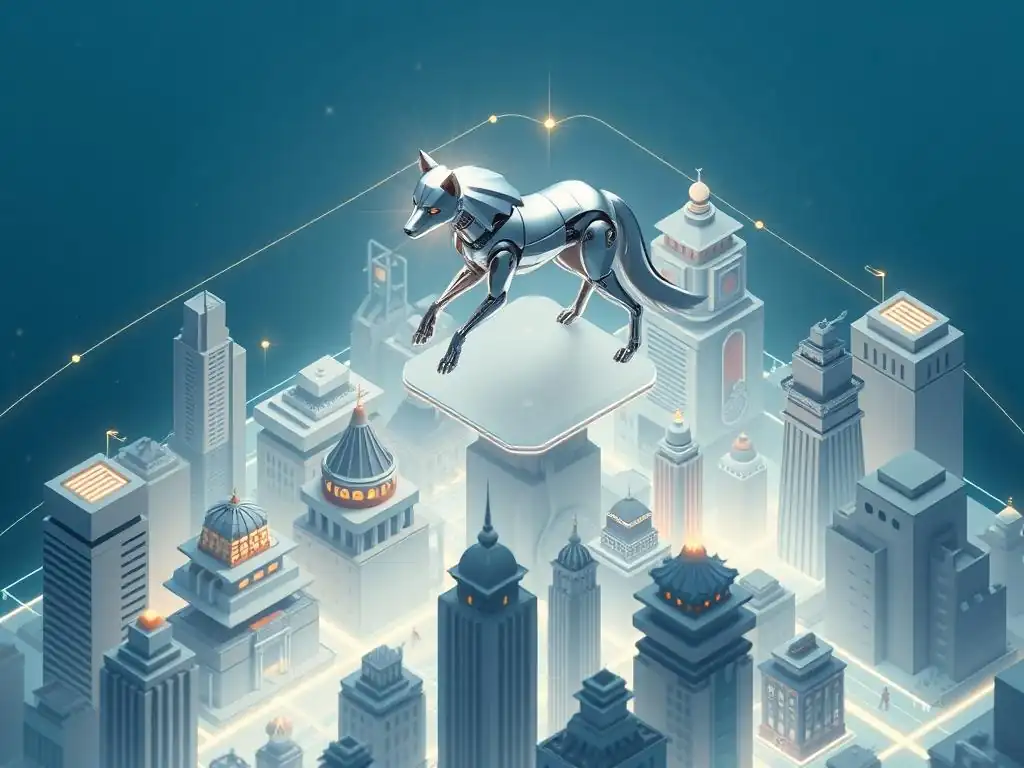
Monetization Strategies for Game Artists
Blockchain metaverse asset creation opens up diverse and novel monetization strategies for game artists, moving beyond traditional employment models and empowering them to directly benefit from their creations. Selling NFTs of their game art assets is a primary monetization avenue. Artists can list their creations on NFT marketplaces and earn revenue from initial sales.
Furthermore, the royalty mechanisms inherent in many NFT standards allow artists to receive a percentage of secondary market sales, creating a passive income stream as their assets are traded among collectors and players. This ongoing revenue potential is a significant departure from traditional game art models where artists typically receive a one-time payment for their work.
Beyond direct sales, artists can also monetize their skills and assets through commissions and collaborations within metaverse projects. As the demand for unique and high-quality metaverse assets grows, artists proficient in 3D modeling, texturing, and animation are increasingly sought after for custom asset creation.
Decentralized Autonomous Organizations (DAOs) and blockchain-based game studios are also emerging, offering new opportunities for artists to contribute to metaverse projects and earn revenue through project-based work or profit-sharing models. The blockchain metaverse, therefore, is not just a new creative medium but also a burgeoning economic ecosystem that empowers game artists with greater control over their income and creative output.
The Creator Economy in the Blockchain Metaverse
The blockchain metaverse is fostering a thriving creator economy, where game artists and digital creators can directly monetize their skills and creations, bypassing traditional intermediaries and platforms. NFTs are the linchpin of this economy, enabling creators to own and control their digital assets, and to directly engage with their audience through decentralized marketplaces and platforms. This shift empowers independent artists and smaller studios, allowing them to access global markets and build direct relationships with players and collectors without relying on centralized publishers or distribution channels.
The transparent and decentralized nature of blockchain also promotes fairer compensation and distribution of value within the creator economy. Smart contracts automate royalty payments and ensure that artists receive their due share of revenue from asset sales and secondary market transactions. This contrasts with traditional digital marketplaces where platforms often take a significant cut of creator earnings.
The blockchain metaverse creator economy is still evolving, but its potential to democratize access to digital markets, empower creators, and foster a more equitable distribution of value is undeniable. Projects like Decentraland and The Sandbox, which empower users to create and monetize their own metaverse experiences and assets, are prime examples of this burgeoning creator economy in action.
Building a Career in Blockchain Game Art
Building a successful career in blockchain game art requires a blend of artistic skills, technical understanding of blockchain technology, and entrepreneurial acumen. Proficiency in 3D modeling, texturing, animation, and game engine integration remains fundamental. However, artists also need to develop an understanding of NFT standards, blockchain platforms, and the dynamics of the blockchain metaverse economy. Learning to mint and manage NFTs, navigate NFT marketplaces, and engage with blockchain-based communities are increasingly important skills for game artists in this space.
Furthermore, entrepreneurial skills are becoming more relevant as artists are empowered to directly monetize their work and build their own brands within the metaverse. This includes marketing skills to promote their assets and services, networking skills to connect with metaverse projects and communities, and financial literacy to manage their earnings in cryptocurrency and navigate the evolving landscape of decentralized finance.
Online learning platforms, blockchain communities, and industry events are valuable resources for artists looking to upskill and build a career in blockchain game art. The field is rapidly evolving, offering exciting opportunities for artists who are willing to adapt, learn, and embrace the transformative potential of blockchain technology in the creative industries.
Challenges and Opportunities in Blockchain Metaverse Asset Creation
Technical Limitations and Scalability Issues
Despite the immense potential, blockchain metaverse asset creation faces technical limitations and scalability challenges that need to be addressed for wider adoption and seamless user experiences. Blockchain networks, particularly Ethereum, have historically faced scalability issues, resulting in slow transaction speeds and high gas fees, especially during periods of high network congestion. These limitations can impact the efficiency of asset minting, trading, and in-game interactions, potentially hindering the user experience in metaverse worlds. While Layer-2 solutions and alternative blockchains offer improvements in scalability and cost-effectiveness, they are still evolving, and interoperability between different blockchain networks remains a challenge.
Rendering large-scale metaverse environments with high fidelity for numerous concurrent users also presents significant technical hurdles. Optimizing 3D assets for performance, as discussed earlier, is crucial, but even with optimized assets, the sheer complexity of metaverse worlds can strain current hardware and network infrastructure. Streaming high-resolution assets and ensuring low latency for real-time interactions in densely populated virtual environments require ongoing advancements in rendering technologies, networking protocols, and distributed computing. Overcoming these technical limitations is essential for realizing the vision of truly massive and seamless blockchain metaverse experiences.
Legal and Regulatory Considerations for Digital Asset Ownership
The legal and regulatory landscape surrounding digital asset ownership in the blockchain metaverse is still nascent and evolving, presenting both challenges and uncertainties. Defining legal ownership of NFTs and virtual assets, particularly across jurisdictions, is a complex issue. Traditional legal frameworks may not neatly map onto the decentralized and borderless nature of blockchain assets, leading to ambiguity in areas like property rights, intellectual property protection, and taxation. Regulatory bodies worldwide are grappling with how to classify and regulate NFTs and other digital assets, and the evolving legal frameworks could significantly impact the development and adoption of blockchain metaverse assets.
Intellectual property rights associated with game art NFTs also require careful consideration. While NFTs provide proof of ownership of the token itself, they do not automatically grant copyright ownership of the underlying artwork. Artists and creators need to clearly define the usage rights and licensing terms associated with their NFTs to avoid legal disputes and ensure proper protection of their intellectual property.
Furthermore, regulations related to anti-money laundering (AML) and know-your-customer (KYC) compliance in the cryptocurrency space are increasingly relevant to NFT marketplaces and metaverse platforms. Navigating this evolving legal and regulatory landscape is crucial for ensuring the long-term sustainability and legitimacy of blockchain metaverse asset ecosystems.
Overcoming the Learning Curve for Blockchain Technology
For game artists traditionally focused on creative disciplines, the technical aspects of blockchain technology can present a significant learning curve. Understanding concepts like NFTs, smart contracts, cryptocurrency wallets, and blockchain platforms requires venturing into a new technological domain. This learning curve can be a barrier to entry for artists who are eager to explore blockchain metaverse asset creation but are intimidated by the technical complexities. Accessible educational resources, user-friendly tools, and supportive communities are crucial for lowering this barrier and empowering artists to effectively utilize blockchain technology in their creative workflows.
Platforms and tools are emerging that aim to simplify the blockchain integration process for artists, abstracting away some of the technical complexities and providing more intuitive interfaces for minting, managing, and deploying NFTs. Visual scripting tools and drag-and-drop interfaces can make smart contract interactions more accessible to non-programmers. Furthermore, educational initiatives, online tutorials, and community forums are playing a vital role in demystifying blockchain technology and providing artists with the knowledge and support they need to navigate this new landscape. Overcoming this learning curve is essential for fostering broader participation and creativity in the blockchain metaverse asset creation space.
Opportunities for Innovation and Creativity in the Metaverse
Despite the challenges, the blockchain metaverse presents unprecedented opportunities for innovation and creativity in game art. The ability to create truly unique, ownable, and interoperable digital assets opens up entirely new creative possibilities. Artists are no longer confined to creating assets solely for a single game or platform; they can build digital creations that have value and utility across multiple virtual worlds, fostering a more interconnected and open metaverse. The decentralized nature of blockchain also empowers artists with greater autonomy and control over their work, enabling them to experiment with new art forms, collaborative models, and monetization strategies.
The integration of blockchain with game art is also driving innovation in interactive and dynamic assets. Assets that evolve based on on-chain events, respond to player actions in novel ways, or even incorporate AI-generated content are pushing the boundaries of what is possible in digital art and user engagement. The metaverse itself, as a persistent and evolving digital space, provides a fertile ground for artistic experimentation and world-building.
Artists have the opportunity to shape the visual landscape, narrative, and cultural fabric of these virtual realms, contributing to the development of entirely new forms of digital art and interactive experiences. The blockchain metaverse is not just a technological evolution; it is a creative revolution, offering game artists a blank canvas and a powerful toolkit to reimagine the future of digital art.
Case Studies: Successful Blockchain Metaverse Asset Projects
Analyzing the Art Style and Asset Design of Axie Infinity
Axie Infinity, a pioneering play-to-earn blockchain game, provides a compelling case study in successful blockchain metaverse asset design. The game's art style is characterized by its charming and approachable aesthetic, featuring cute and collectible creatures called Axies. The Axie designs are intentionally varied and visually appealing, with a wide range of body parts, patterns, and color combinations, contributing to their collectibility and desirability as NFTs. Each Axie is uniquely generated and stored as an NFT on the blockchain, ensuring scarcity and verifiable ownership.
The asset design in Axie Infinity extends beyond the Axies themselves to include in-game items, land plots in the Lunacia metaverse, and other collectible NFTs. The art style is consistent across all asset types, creating a cohesive and immersive visual experience within the Axie universe.
The game's success demonstrates the importance of creating visually appealing and engaging assets that resonate with players and collectors. The Axie Infinity art style, while relatively simple in terms of technical complexity, is highly effective in conveying personality, charm, and collectibility, contributing significantly to the game's widespread popularity and the value of its blockchain-based assets.
Examining the NFT Integration in Decentraland
Decentraland, a decentralized virtual world platform, offers a valuable case study in the integration of NFTs for metaverse asset ownership and user empowerment. Land parcels in Decentraland, represented as NFTs called LAND, are the foundational assets of the metaverse. Ownership of LAND grants users the right to build and develop virtual experiences on their parcels, ranging from games and virtual stores to art galleries and social spaces. The scarcity of LAND NFTs, with a fixed total supply, contributes to their value and desirability within the Decentraland ecosystem.
Beyond LAND, Decentraland also supports a wide range of user-created avatar wearables and in-world assets, many of which are also tokenized as NFTs. This NFT integration empowers users to truly own and control their virtual identities and creations within Decentraland. The platform's open and decentralized nature encourages user-generated content and a thriving creator economy, where artists and developers can create, sell, and monetize their metaverse assets. Decentraland's success demonstrates the potential of NFTs to underpin user ownership and drive a vibrant, user-created metaverse ecosystem.
Lessons Learned from Leading Blockchain Metaverse Projects
Analyzing leading blockchain metaverse projects like Axie Infinity and Decentraland provides valuable lessons for aspiring metaverse asset creators. Firstly, a strong and appealing art style is crucial for attracting users and driving asset value. The visual identity of a metaverse project and its assets plays a significant role in user engagement and adoption. Secondly, utility and functionality beyond mere aesthetics enhance the value proposition of metaverse assets. Assets that have in-game utility, offer access to exclusive experiences, or provide opportunities for monetization tend to be more sought after.
Thirdly, community engagement and a thriving creator economy are vital for the long-term success of blockchain metaverse projects. Platforms that empower users to create, own, and monetize their assets foster a more vibrant and sustainable ecosystem. Fourthly, careful consideration of tokenomics and NFT design is essential for ensuring scarcity, value, and a balanced in-game economy. Finally, addressing technical limitations and striving for seamless user experiences are paramount for wider adoption and mass-market appeal. Learning from the successes and challenges of pioneering blockchain metaverse projects is crucial for shaping the future of this rapidly evolving space.
The Future of Blockchain Metaverse Asset Creation: Trends and Predictions
The Rise of User-Generated Content and Decentralized Creation
The future of blockchain metaverse asset creation is inextricably linked to the rise of user-generated content (UGC) and decentralized creation models. Metaverse platforms are increasingly empowering users to become creators, providing tools and frameworks for building their own assets, experiences, and even virtual worlds. This shift towards UGC democratizes content creation, moving away from centralized studio-driven models and fostering a more diverse and user-centric metaverse. Blockchain technology, particularly NFTs and DAOs, is instrumental in enabling decentralized creation.
NFTs empower users to own and control their UGC, while DAOs facilitate community governance and collaborative creation within metaverse ecosystems. We can expect to see a proliferation of user-generated assets, ranging from avatars and wearables to interactive objects and entire virtual environments, populating metaverse worlds.
This trend will not only enrich the diversity and creativity of the metaverse but also empower individuals to participate in the metaverse economy and directly benefit from their creative contributions. Platforms like Roblox and Minecraft, while not fully blockchain-based, have already demonstrated the immense potential of UGC in virtual worlds, and blockchain technology is poised to amplify this trend within the metaverse.
The Integration of AR/VR Technologies for Immersive Experiences
The integration of Augmented Reality (AR) and Virtual Reality (VR) technologies is poised to significantly enhance the immersiveness of metaverse experiences and reshape blockchain metaverse asset creation. VR headsets offer fully immersive experiences, transporting users into virtual worlds, while AR overlays digital content onto the real world. As AR/VR technology becomes more accessible and refined, we can expect to see a deeper integration of these technologies with blockchain metaverse platforms. This integration will create new opportunities for artists to design assets specifically for immersive AR/VR experiences, pushing the boundaries of visual fidelity and interactive design.
AR/VR integration will also blur the lines between the physical and digital worlds, enabling users to interact with blockchain metaverse assets in new and engaging ways. Imagine using AR to display your NFT collection in your real-world living room or using VR to fully immerse yourself in a user-created virtual world and interact with blockchain-based assets within that environment. The convergence of AR/VR and blockchain technologies will unlock new dimensions of immersion, interaction, and creative expression in the metaverse, driving demand for assets optimized for these immersive platforms.
The Evolution of NFT Standards and Interoperability
The evolution of NFT standards and interoperability protocols is crucial for realizing the full potential of blockchain metaverse asset creation and fostering a truly open and interconnected metaverse. Current NFT standards, while widely adopted, are still evolving, and limitations in interoperability hinder the seamless transfer and utilization of assets across different metaverse platforms. We can expect to see continued development of NFT standards that enhance functionality, security, and interoperability. This includes advancements in metadata standards, cross-chain bridges, and protocols that facilitate the recognition and interpretation of NFTs across various blockchain networks and metaverse platforms.
Improved interoperability will unlock greater utility and value for blockchain metaverse assets. Users will be able to seamlessly carry their digital identities, avatars, and assets across different virtual worlds, breaking down the walled gardens of individual platforms and creating a more unified metaverse experience. This interoperability will also foster a more vibrant and liquid market for metaverse assets, as NFTs become usable across a wider range of platforms and applications. The ongoing evolution of NFT standards and interoperability is therefore a key enabler for the growth and maturation of the blockchain metaverse.
The Potential of AI-Powered Asset Creation Tools
The potential of AI-powered asset creation tools to transform blockchain metaverse asset creation is immense. As AI technology advances, we can expect to see more sophisticated and user-friendly AI tools that assist artists in various stages of the asset creation pipeline. AI can be used to generate concept art, create variations of existing assets, automate repetitive tasks like texture generation and rigging, and even procedurally generate entire metaverse environments based on artist-defined parameters. These tools will significantly enhance artist productivity, reduce development time, and enable the creation of more diverse and expansive metaverse worlds.
AI-powered tools can also democratize asset creation, making it more accessible to non-professional artists and creators. User-friendly AI interfaces could empower individuals with limited 3D modeling skills to generate their own custom avatars, personalize their metaverse spaces, and contribute to the growing UGC ecosystem. While AI will not replace human artists, it will become an increasingly powerful tool in their arsenal, augmenting their creativity, enhancing their efficiency, and unlocking new possibilities for innovation in blockchain metaverse asset creation.
Conclusion: Embracing the Future of Game Art in the Blockchain Metaverse
The Transformative Power of Blockchain for Game Artists
Blockchain technology wields transformative power for game artists, fundamentally reshaping the landscape of digital art creation and ownership. By enabling the creation of unique, verifiable, and ownable digital assets through NFTs, blockchain empowers artists with greater control over their creations, their income, and their relationship with their audience. The traditional model of game asset creation, where artists are often employed to create assets that are ultimately owned and controlled by game companies, is being challenged by a new paradigm of decentralized ownership and creator empowerment.
Blockchain allows artists to directly monetize their work, earn royalties on secondary sales, and build direct relationships with players and collectors, fostering a more sustainable and equitable creator economy. The transparency and immutability of blockchain records ensure provenance and authenticity, enhancing the value and desirability of digital art assets. This transformative power of blockchain is not just about technology; it is about fundamentally shifting the power dynamics in the digital art world, empowering artists and ushering in a new era of creative freedom and economic opportunity within the metaverse.
The Importance of Adaptability and Innovation
In this rapidly evolving landscape of blockchain metaverse asset creation, adaptability and innovation are paramount for game artists. The technology is still nascent, and new tools, platforms, and standards are constantly emerging. Artists who are willing to embrace new technologies, learn new skills, and adapt their workflows to the demands of the blockchain metaverse will be best positioned to thrive in this exciting new frontier. This includes developing an understanding of NFT standards, blockchain platforms, and the dynamics of the metaverse economy, as well as experimenting with new art forms, interactive design approaches, and monetization strategies.
Innovation is equally crucial. The metaverse is a blank canvas, offering artists the opportunity to push the boundaries of digital art and interactive experiences. Experimenting with AI-powered tools, procedural generation techniques, and AR/VR integration can lead to groundbreaking creative innovations. Artists who are willing to think outside the box, explore new creative avenues, and embrace the decentralized and user-centric ethos of the metaverse will be at the forefront of shaping the future of game art in this transformative digital realm.
Shaping the Future of Immersive Experiences in Metaverse Worlds
Game artists are at the forefront of shaping the future of immersive experiences in metaverse worlds. Their creative vision, technical skills, and innovative approaches are the driving force behind the visual appeal, interactivity, and overall engagement of these digital realms. The assets they create are not merely decorative elements; they are the building blocks of the metaverse, shaping user identity, narrative, and social interaction within these virtual spaces. As the metaverse evolves and becomes more sophisticated, the role of game artists will only become more critical in crafting compelling and immersive experiences.
By embracing blockchain technology, experimenting with new creative tools, and pushing the boundaries of digital art, game artists are actively shaping the visual language, cultural fabric, and user experience of the metaverse. Their work is not just about creating digital assets; it is about building the foundations of a new digital frontier, a future where immersive virtual worlds become increasingly integrated into our lives. The future of the metaverse, and the immersive experiences it offers, is inextricably linked to the creativity, innovation, and vision of game artists who are embracing the transformative power of blockchain technology.
Frequently Asked Questions
How does blockchain technology specifically facilitate asset creation in the metaverse?
Blockchain enables ownership verification and scarcity of digital assets. Through NFTs, creators can tokenize in-game items, land, and art, making them tradable and verifiable on a decentralized ledger.
What are the key challenges artists face when creating assets for blockchain metaverse worlds compared to traditional game development?
Artists must consider tokenomics, gas fees, and smart contract integration. They also need to adapt to a decentralized ownership model, where players have more control over their assets.
Beyond visual appeal, what other factors are important for successful blockchain metaverse asset creation?
Utility and interoperability are crucial. Assets should offer practical value within the metaverse, such as gameplay advantages or social status, and be compatible across different platforms.
How are regulations impacting the creation and trade of blockchain metaverse assets?
Regulatory scrutiny is increasing around NFTs and digital assets. Creators and platforms must comply with laws regarding intellectual property, securities offerings, and anti-money laundering (AML).
What skills are essential for artists looking to specialize in blockchain metaverse asset creation?
Besides artistic talent, understanding of blockchain technology, NFT standards, and 3D modeling for virtual environments is vital. Familiarity with smart contracts and cryptocurrency wallets is also beneficial.
Final Reflection: Embracing the Metaverse Frontier
The journey through the future of game art, specifically blockchain metaverse asset creation, reveals a landscape brimming with potential and demanding innovation. The convergence of artistic vision, technological prowess, and decentralized ownership is not a distant dream, but a rapidly approaching reality reshaping how we experience digital worlds and interact with virtual assets. This shift demands a re-evaluation of traditional game art pipelines and an embrace of new tools and methodologies to craft truly immersive and valuable experiences.
The rise of blockchain technology in the metaverse is not merely a trend; it's a fundamental shift in how we perceive digital ownership and value. This transformation resonates deeply with the core principles of artistic creation, empowering artists with greater control and recognition for their work. The best way to predict the future is to create it.
- Peter Drucker. This quote encapsulates the spirit of innovation required to navigate and shape the evolving landscape of blockchain metaverse asset creation, urging artists and developers alike to actively participate in building the future they envision.
As we stand on the cusp of this new era, I invite you to reflect on the possibilities before us. Consider how your own skills and creativity can contribute to the creation of compelling and engaging metaverse experiences. Embrace the challenges and opportunities that blockchain technology presents, and dare to imagine the boundless potential of a world where digital art transcends traditional boundaries and empowers creators and users alike. The future of the metaverse is not predetermined; it is being written now, and your contribution can help shape its narrative.
Unveil Your Metaverse Masterpiece: Craft the Future of Game Art!
Thank you for exploring the cutting-edge world of game art in blockchain metaverse worlds. You've now glimpsed the potential for creating truly immersive and revolutionary assets. Ready to put your newfound knowledge into action?
- Begin designing your first blockchain-compatible game asset – even a simple 3D model can be a powerful starting point!
- Share this article with fellow artists and developers who are eager to explore the intersection of art and blockchain.
- Dive deeper: research innovative blockchain gaming platforms and discover how their asset creation tools can amplify your artistic vision.
What unique, game-changing asset will you bring to the blockchain metaverse?
Leave a Reply