
The Indestructible Vault: Why Hardware Wallets are Crypto's Ultimate Security


Welcome to Blockchain Trends, your compass in the ever-evolving world of decentralized technology. Beyond the hype of cryptocurrencies, lies a powerful engine reshaping industries and challenging traditional systems. But how do you safeguard your digital assets in this new frontier? Dive into our exploration of " The Indestructible Vault: Why Hardware Wallets are Crypto's Ultimate Security" and uncover the crucial role hardware wallets play in securing your crypto keys, a topic more critical than ever in today's digital landscape. Intrigued? Let's unlock the secrets to bulletproof crypto security.
- What Are Hardware Wallets and How They Secure Crypto Keys
-
Frequently Asked Questions
- What are hardware wallets and why are they considered the "ultimate security" for crypto?
- How do hardware wallets differ from software wallets or exchanges?
- Are hardware wallets truly "indestructible" as the title suggests?
- What are some of the most popular hardware wallet brands available on the market?
- Can hardware wallets protect against all types of cryptocurrency theft?
- Final Reflection: Securing the Digital Future
- Fortify Your Future: Secure Your Crypto Today!
What Are Hardware Wallets and How They Secure Crypto Keys
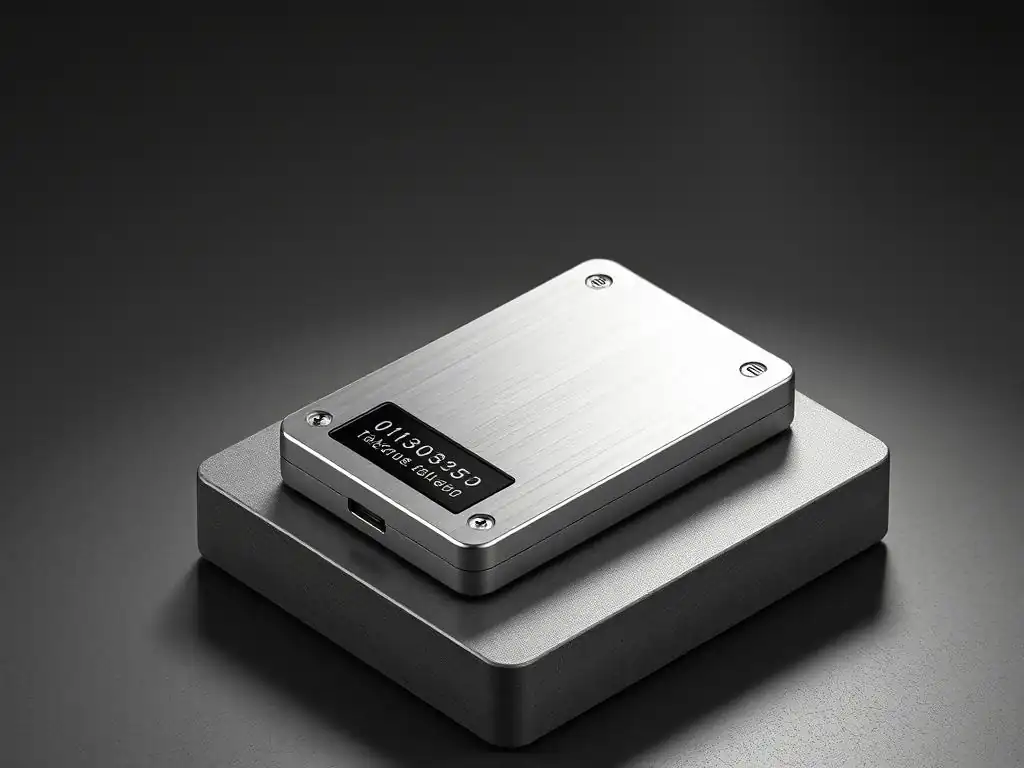
Hardware wallets represent a fundamental shift in how individuals manage and protect their digital assets. Unlike software wallets that reside on internet-connected devices like computers or smartphones, hardware wallets are physical, often USB-like devices specifically designed with one primary purpose: to securely store your cryptocurrency private keys offline.
Think of them as dedicated, highly secure mini-computers built solely for managing cryptographic keys. These devices ensure that your most critical asset – the private key which controls access to your funds – is never exposed to the vulnerabilities of an online environment, effectively creating a digital vault for your crypto holdings.
This distinction between online (hot) and offline (cold) storage is paramount in the world of blockchain security. While hot wallets offer convenience for frequent transactions, their constant connection to the internet makes them susceptible to a myriad of online threats. Hardware wallets, on the other hand, embody the principle of cold storage.
They keep private keys isolated and air-gapped from potential attack vectors, making them the preferred method for storing significant amounts of cryptocurrency or for long-term holding. By physically separating the keys from the online realm, hardware wallets secure crypto keys against remote hacking attempts that plague internet-connected devices.
Defining Cold Storage: Keeping Your Private Keys Offline
Cold storage refers to the practice of storing cryptocurrency private keys in an environment completely disconnected from the internet. The most common implementation of cold storage is through the use of hardware wallets, but it can also include methods like paper wallets (though these have significant usability and security drawbacks) or encrypted USB drives stored offline.
The core idea is simple yet powerful: if your private key is not accessible from the internet, it cannot be stolen by remote hackers, malware, or phishing attacks that target online systems. This physical separation is the cornerstone of the security offered by hardware wallets.
This method stands in stark contrast to "hot storage," which involves keeping private keys on devices or platforms that are connected to the internet, such as exchange wallets, desktop wallets, or mobile wallets. While hot wallets are convenient for daily transactions, they inherently carry a higher risk profile. A study by Chainalysis estimated that criminals laundered over $1 billion in cryptocurrency through decentralized finance (DeFi) platforms in 2021, much of which was initially stolen from online wallets or exchanges.
While not all thefts are directly from user software wallets, this figure underscores the pervasive risk of online crypto exposure. Hardware wallets secure crypto keys by removing them entirely from this vulnerable online attack surface, offering a robust defense against such widespread digital threats.
How Hardware Wallets Isolate Private Keys from Online Threats
The fundamental security advantage of hardware wallets lies in their design, which prevents private keys from ever leaving the device or being exposed to an internet-connected computer or phone. When you want to send cryptocurrency, you initiate the transaction on your computer or phone using wallet software. However, this software does not hold your private key. Instead, the transaction details (recipient address, amount) are sent to the hardware wallet via a USB connection or, in some cases, Bluetooth. The private key remains securely locked within the hardware wallet's specialized chip.
Within the hardware wallet, the transaction is cryptographically signed using the private key, all without the key ever being transmitted to the connected device. Only the signed transaction is then sent back to the computer/phone to be broadcast to the blockchain network.
This process ensures that even if the computer or phone you are using is riddled with malware – including keyloggers, viruses, or spyware – the malicious software cannot access or steal your private key. This ingenious isolation mechanism is precisely why hardware wallets secure crypto keys so effectively against the vast majority of online attack vectors that compromise software-based solutions.
The Role of Secure Elements and Transaction Signing
Central to the security of many leading hardware wallets is the use of a Secure Element (SE). An SE is a dedicated, tamper-resistant microchip designed to securely store sensitive data and perform cryptographic operations. It's similar to the chip found in credit cards or SIM cards.
This chip is specifically engineered to be highly resistant to physical and logical attacks, making it extremely difficult for attackers to extract the private key stored within it, even if they gain physical access to the device. The operating system running on the general-purpose processor of the hardware wallet handles user interface and communication, but the critical private key operations are confined to the SE.
When you initiate a transaction, the hardware wallet's firmware running on the main processor prepares the transaction data. This data is then passed to the Secure Element, which holds the private key. The SE performs the cryptographic signing operation internally, using the private key without ever exposing it.
The signed transaction is then returned by the SE to the main processor for broadcast. Furthermore, most hardware wallets require physical confirmation on the device itself (e.g., pressing buttons) to authorize a transaction, and they display the transaction details on their own screen.
This ensures that a malicious computer cannot trick the user into signing a different transaction than intended, providing an essential layer of "what you see is what you sign" security. This layered approach, combining offline storage with robust hardware security like the Secure Element and physical transaction verification, is why hardware wallets secure crypto keys with such a high degree of reliability.
Frequently Asked Questions
What are hardware wallets and why are they considered the "ultimate security" for crypto?
Hardware wallets are physical devices that store your private keys offline. This offline storage makes them incredibly secure against online threats like hacking and malware, hence their reputation for ultimate security.
How do hardware wallets differ from software wallets or exchanges?
Software wallets and exchanges store your keys online, making them vulnerable to cyberattacks. Hardware wallets keep your keys offline and protected, only connecting to your computer when you need to make a transaction.
Are hardware wallets truly "indestructible" as the title suggests?
While "indestructible" might be an exaggeration, hardware wallets are designed with robust security features to protect against physical tampering and data loss. Many employ secure elements and PIN protection to prevent unauthorized access.
What are some of the most popular hardware wallet brands available on the market?
Popular hardware wallet brands include Ledger, Trezor, and Coldcard. Each offers different features and security protocols, so it's important to research and choose the one that best suits your needs.
Can hardware wallets protect against all types of cryptocurrency theft?
While hardware wallets greatly reduce the risk of hacking, they can't protect against every scenario. Users still need to be careful about phishing scams and social engineering attacks, as these can trick users into revealing their keys.
Final Reflection: Securing the Digital Future
The journey through the intricacies of hardware wallets underscores a critical truth: digital assets demand tangible security. In a world increasingly reliant on decentralized finance, the vulnerability of software-based solutions highlights the enduring importance of physical safeguards. The rise of sophisticated cyber threats necessitates a proactive approach to protecting our digital wealth, and hardware wallets stand as a powerful bulwark against these ever-evolving dangers.
The impact of secure key management extends far beyond individual portfolios; it shapes the very foundation of trust in the cryptocurrency ecosystem. The ability to confidently control one's private keys is paramount to fostering widespread adoption and ensuring the long-term viability of decentralized technologies. As we navigate this new financial frontier, the principles of self-custody and robust security become increasingly vital. Security is always excessive until it's not enough.
This quote perfectly captures the essence of hardware wallets – an investment in peace of mind that ultimately empowers individuals to participate in the digital economy with greater confidence.
Now, as you consider the information presented, I urge you to reflect on your own digital security practices. Are you truly in control of your private keys? Are you taking the necessary steps to safeguard your digital assets from potential threats? The future of finance is being built today, and your active participation in securing that future begins with understanding and implementing the best practices for protecting your crypto keys. Embrace the power of self-custody, explore the benefits of hardware wallets, and become an active participant in shaping a more secure and decentralized financial landscape for all.
Fortify Your Future: Secure Your Crypto Today!
Thank you for exploring the world of hardware wallets and discovering how to effectively safeguard your digital assets. With this knowledge, you are better equipped to elevate your crypto security. Take action now to protect your investments:
- Order a hardware wallet today and transfer your cryptocurrencies into a secure, offline environment. Don’t delay—security is paramount!
- Research different hardware wallet models and their features to find the best option tailored to your needs.
- Spread awareness by sharing this article with fellow crypto enthusiasts, helping them enhance their security measures.
What steps will you take today to ensure your crypto remains protected from digital threats? Share your security strategies in the comments below!
Leave a Reply