
The Challenges and Opportunities of Building Decentralized Metaverse Platforms


Welcome to Blockchain Trends, your guide to navigating the ever-evolving world of blockchain technology. Beyond the hype of cryptocurrencies, blockchain is reshaping industries, and we're here to explore its real-world applications. Curious about the hurdles and potential of the next digital frontier? Dive into our analysis of Decentralized Metaverse Platform Development Challenges and discover the key obstacles and exciting opportunities facing developers as they build the future of virtual worlds. What are the biggest roadblocks to widespread adoption, and how can we overcome them? Read on to find out!
The Challenges and Opportunities of Building Decentralized Metaverse Platforms
- Introduction: Understanding the Decentralized Metaverse Vision
- Decentralized Metaverse Platform Development Challenges: A Deep Dive
- Opportunities in Decentralized Metaverse Platform Development
- Conclusion: Navigating the Path Forward for Decentralized Metaverse Platforms
-
Frequently Asked Questions
- What are some of the major development challenges facing decentralized metaverse platforms?
- How does decentralization impact content ownership and governance within a metaverse platform?
- What role does blockchain technology play in securing and authenticating digital assets in a decentralized metaverse?
- How do regulatory hurdles potentially impact the growth and adoption of decentralized metaverse platforms?
- What are some of the opportunities for businesses and creators in building decentralized metaverse platforms?
- Final Reflection: Embracing the Decentralized Metaverse Frontier
- Ignite Your Metaverse Vision!
Introduction: Understanding the Decentralized Metaverse Vision
Defining the Decentralized Metaverse: Key Characteristics and Principles
The decentralized metaverse represents a paradigm shift from the centralized, corporate-controlled virtual worlds that currently dominate the digital landscape. At its core, a decentralized metaverse is characterized by user ownership, open and transparent governance, and interoperability across different platforms. Instead of a single entity dictating the rules and controlling the assets, decentralized metaverses leverage blockchain technology to distribute power and control among participants. This means that users truly own their digital identities, assets, and experiences within these virtual realms, fostering a more democratic and equitable digital future.
Key principles of a decentralized metaverse include immutability and verifiability of digital assets through NFTs, transparent and community-driven governance mechanisms often utilizing DAOs (Decentralized Autonomous Organizations), and open-source or permissionless architectures that encourage innovation and collaboration. Unlike centralized platforms where data and assets are siloed and controlled by a central authority, decentralized metaverses aim to create a more interconnected and user-centric ecosystem. This shift empowers individuals and communities, allowing them to shape the metaverse according to their collective vision, rather than being subject to the dictates of a single corporation.
Why Decentralization Matters for Metaverse Platforms: Benefits and Advantages
Decentralization offers numerous compelling benefits for metaverse platforms, addressing many of the limitations inherent in centralized models. One primary advantage is enhanced user ownership and control. In a decentralized metaverse, users possess their digital assets as NFTs, giving them true ownership and the freedom to trade, sell, or utilize these assets across different compatible platforms. This contrasts sharply with centralized platforms where in-game assets are often locked within the platform's ecosystem and subject to the platform's terms of service, which can change at any time.
Furthermore, decentralization promotes greater transparency and trust. Blockchain technology provides an immutable and auditable record of transactions and asset ownership, reducing the potential for fraud and manipulation. Decentralized governance models, often implemented through DAOs, enable community participation in decision-making processes, ensuring that the metaverse evolves in a way that reflects the collective interests of its users.
This participatory approach can lead to more resilient and adaptable metaverse platforms, fostering a sense of community ownership and long-term sustainability that is difficult to achieve in centralized environments. The open and permissionless nature of decentralized systems also encourages innovation, as developers can build upon existing infrastructure and contribute to the ecosystem without needing permission from a central authority.
Decentralized Metaverse Platform Development Challenges: A Deep Dive
Technical Hurdles in Decentralized Metaverse Creation
Scalability Issues in Blockchain-Based Metaverse Platforms
One of the most significant decentralized metaverse platform development challenges lies in achieving scalability. Blockchains, particularly those emphasizing decentralization and security, often face limitations in transaction throughput and processing speed compared to centralized databases. Metaverse platforms, by their nature, demand high transaction volumes to support real-time interactions, asset trading, and in-world activities for potentially millions of concurrent users. For example, Ethereum, a popular blockchain for decentralized applications, has historically faced congestion and high gas fees during periods of high network activity, which could severely hinder the user experience in a metaverse built on it.
Solutions like Layer-2 scaling solutions (e.g., Polygon, Optimism) and sharding are being actively developed and explored to address these scalability limitations. These technologies aim to increase transaction processing capacity without compromising the security and decentralization of the underlying blockchain. However, implementing and optimizing these solutions for complex metaverse environments presents a considerable technical challenge. Furthermore, the choice of blockchain infrastructure itself plays a crucial role. Blockchains like Solana and Avalanche, designed for higher throughput, might offer better scalability but often involve different trade-offs in terms of decentralization or security models compared to more established blockchains like Ethereum.
Interoperability Challenges: Connecting Different Metaverse Ecosystems
Interoperability represents another major hurdle in decentralized metaverse platform development. The vision of a truly interconnected metaverse hinges on the ability of users and assets to seamlessly move between different virtual worlds. Currently, most metaverse platforms, whether centralized or decentralized, operate as isolated silos. Imagine owning a digital avatar or a piece of virtual land in one metaverse and being unable to use it or transfer it to another platform. This lack of interoperability fragments the metaverse landscape and limits the potential for a unified and expansive digital experience.
Achieving interoperability in decentralized metaverses is technically complex. It requires establishing common standards for digital assets (NFTs), avatars, protocols, and data exchange across different blockchain platforms and metaverse engines. While initiatives like the Metaverse Standards Forum are emerging to address this, reaching consensus and implementing these standards across diverse and often competing platforms is a significant undertaking. Furthermore, interoperability must also consider the varying technical capabilities and governance models of different decentralized metaverses, adding layers of complexity to the integration process.
Developing User-Friendly Decentralized Applications (dApps) for the Metaverse
The user experience (UX) of decentralized applications (dApps) remains a significant challenge, particularly for mainstream adoption of decentralized metaverses. Many existing dApps, especially those related to blockchain and cryptocurrencies, are often perceived as complex and unintuitive for users unfamiliar with these technologies. Metaverse platforms, aiming for mass appeal, need to provide user-friendly interfaces and seamless onboarding processes that abstract away the underlying complexities of blockchain technology. Users should be able to easily navigate the metaverse, interact with others, manage their assets, and participate in decentralized activities without needing to be blockchain experts.
Developing dApps for the metaverse that are both decentralized and user-friendly requires careful design and engineering. This includes simplifying wallet management, transaction processes, and gas fee mechanisms, which are often pain points for new users. Abstracting away the technical jargon and providing clear and intuitive interfaces are crucial for making decentralized metaverse experiences accessible to a wider audience. Furthermore, developers need to address potential performance issues and latency that can arise from using blockchain-based dApps in real-time metaverse environments, ensuring a smooth and engaging user experience.
Security Risks and Vulnerabilities in Decentralized Metaverse Environments
Security is paramount in any digital environment, and decentralized metaverses are no exception. However, the decentralized nature of these platforms, while offering benefits, also introduces unique security risks and vulnerabilities. Smart contracts, which underpin many decentralized metaverse functionalities, can be susceptible to bugs and exploits if not rigorously audited and tested. The immutability of blockchains means that vulnerabilities in deployed smart contracts can be difficult or impossible to fix, potentially leading to significant financial losses for users. For instance, the infamous DAO hack on Ethereum in 2016 demonstrated the risks associated with smart contract vulnerabilities.
Furthermore, decentralized metaverses are targets for phishing scams, social engineering attacks, and theft of private keys, similar to other cryptocurrency and NFT ecosystems. The pseudonymous nature of blockchain addresses can also make it challenging to track down and prosecute malicious actors. Ensuring the security of decentralized metaverse platforms requires a multi-faceted approach, including robust smart contract auditing, secure wallet infrastructure, user education on security best practices, and the development of decentralized security solutions to mitigate risks and protect users and their assets.
Governance and Community Management Challenges
Implementing Decentralized Governance Models in the Metaverse
Establishing effective decentralized governance models is crucial for the long-term sustainability and evolution of decentralized metaverse platforms. Unlike centralized platforms with top-down control, decentralized metaverses aim to distribute decision-making power among their communities. This often involves utilizing DAOs, where token holders can vote on proposals related to platform upgrades, policy changes, resource allocation, and other important decisions. However, implementing truly effective decentralized governance is not without its challenges.
Designing governance mechanisms that are both inclusive and efficient is a complex task. Ensuring broad participation in governance while preventing manipulation or capture by a small group of stakeholders requires careful consideration of voting mechanisms, quorum requirements, and delegation strategies. Furthermore, defining the scope of governance and the types of decisions that should be subject to community voting requires clear guidelines and frameworks. Experimentation and iteration are often necessary to refine governance models and adapt them to the evolving needs and dynamics of a decentralized metaverse community.
Managing Content Moderation and User Behavior in Decentralized Spaces
Content moderation and user behavior management present unique challenges in decentralized metaverse environments. Centralized platforms typically employ centralized moderation teams and content policies to regulate user-generated content and address harmful or inappropriate behavior. In a decentralized metaverse, replicating this centralized approach is contrary to the principles of decentralization. However, completely laissez-faire moderation can lead to toxic environments and the proliferation of harmful content, undermining the user experience and potentially deterring participation.
Finding a balance between decentralization and effective content moderation is a critical challenge. Decentralized moderation models, such as community-based moderation or reputation systems, are being explored as potential solutions. These models aim to empower the community to self-regulate and establish norms of behavior within the metaverse. However, designing and implementing these systems in a way that is fair, transparent, and effective requires careful consideration of potential biases and limitations. Furthermore, addressing legal and ethical considerations related to content moderation in decentralized spaces is an ongoing area of development.
Ensuring Fair and Equitable Access to Metaverse Resources
Ensuring fair and equitable access to resources within decentralized metaverses is essential for fostering inclusive and democratic virtual worlds. While decentralization aims to democratize access, economic and technological barriers can still create disparities. For example, the cost of acquiring virtual land or participating in certain metaverse activities might be prohibitive for some users. Similarly, disparities in access to technology and internet connectivity can create digital divides, limiting participation in decentralized metaverse experiences.
Addressing these challenges requires proactive measures to promote inclusivity and equitable access. This could involve exploring mechanisms for subsidized access to metaverse resources, developing educational initiatives to bridge the digital literacy gap, and designing metaverse platforms that are accessible across a range of devices and internet connection speeds. Furthermore, fostering diverse and inclusive communities within decentralized metaverses is crucial for ensuring that these virtual worlds reflect the diversity of the real world and provide opportunities for all participants.
Addressing Intellectual Property Rights (IPR) in Decentralized Metaverse Platforms
Intellectual Property Rights (IPR) in decentralized metaverse platforms pose complex legal and practical challenges. The decentralized and user-generated nature of content in these environments can make it difficult to enforce traditional IPR frameworks. For example, determining ownership and preventing copyright infringement of digital assets or user-created content within a decentralized metaverse requires new approaches. The cross-platform nature of interoperable metaverses further complicates IPR enforcement, as assets and content may be transferred and utilized across different jurisdictions and legal frameworks.
Developing clear and effective IPR frameworks for decentralized metaverses is crucial for protecting creators and fostering innovation. This might involve exploring blockchain-based solutions for registering and tracking digital assets, implementing decentralized dispute resolution mechanisms for IPR conflicts, and adapting existing legal frameworks to address the unique characteristics of decentralized virtual worlds. Collaboration between legal experts, technology developers, and metaverse communities is essential to navigate these complex IPR challenges and establish a legal landscape that supports creativity and innovation in the decentralized metaverse.
Economic and Financial Challenges
Creating Sustainable Economic Models for Decentralized Metaverses
Establishing sustainable economic models is vital for the long-term viability of decentralized metaverse platforms. Unlike centralized platforms that often rely on advertising revenue or platform fees, decentralized metaverses need to develop alternative economic models that align with the principles of decentralization and community ownership. Tokenomics, the design of economic incentives and token distribution within a decentralized ecosystem, plays a crucial role in creating sustainable economies. However, designing effective tokenomic models that balance incentives for users, creators, developers, and platform operators is a complex undertaking.
Sustainable economic models for decentralized metaverses might involve a combination of revenue streams, such as transaction fees on NFT marketplaces, land sales, in-world commerce, and decentralized advertising models. However, relying solely on transaction fees can be vulnerable to market fluctuations and network congestion. Exploring innovative economic models that incentivize participation, contribution, and value creation within the metaverse ecosystem is crucial for ensuring long-term sustainability and avoiding reliance on unsustainable or extractive economic practices.
Integrating Cryptocurrencies and NFTs for Metaverse Transactions
The integration of cryptocurrencies and NFTs is fundamental to the economic infrastructure of decentralized metaverses. Cryptocurrencies serve as the native currencies for transactions within these virtual worlds, enabling peer-to-peer value exchange without intermediaries. NFTs provide verifiable ownership of digital assets, ranging from virtual land and avatars to in-game items and collectibles. However, integrating these technologies seamlessly and effectively into metaverse platforms presents several challenges.
One challenge is ensuring user-friendly and secure wallet integration for managing cryptocurrencies and NFTs within the metaverse environment. Another is optimizing transaction processes to be fast, low-cost, and scalable, particularly for microtransactions and high-frequency trading of digital assets. Furthermore, addressing the volatility of cryptocurrencies and mitigating risks associated with NFT speculation are important considerations for creating stable and reliable economic systems within decentralized metaverses. Developing robust and user-friendly infrastructure for cryptocurrency and NFT integration is essential for unlocking the full economic potential of decentralized virtual worlds.
Addressing Regulatory Uncertainty in the Decentralized Metaverse Space
Regulatory uncertainty poses a significant challenge to the development and adoption of decentralized metaverse platforms. The decentralized nature of these platforms, coupled with the use of cryptocurrencies and NFTs, often falls outside the scope of existing regulatory frameworks designed for centralized systems and traditional financial markets. This regulatory ambiguity creates uncertainty for developers, businesses, and users, potentially hindering investment and innovation in the decentralized metaverse space.
Governments and regulatory bodies worldwide are beginning to grapple with the implications of decentralized technologies and the metaverse. The regulatory landscape is still evolving, and approaches vary across jurisdictions. Addressing regulatory uncertainty requires proactive engagement between industry stakeholders, policymakers, and regulators to develop clear and appropriate legal frameworks that foster innovation while mitigating risks and protecting users. Clarity and consistency in regulation are crucial for creating a stable and predictable environment for the growth of decentralized metaverses.
Overcoming Barriers to Entry for Creators and Users
Overcoming barriers to entry for both creators and users is essential for fostering a vibrant and inclusive decentralized metaverse ecosystem. High development costs, complex technical requirements, and lack of user-friendly tools can deter creators from building experiences within decentralized metaverses. Similarly, the technical complexities of blockchain, cryptocurrency, and NFTs, coupled with the cost of acquiring virtual assets, can create barriers to entry for users, limiting participation and hindering broader adoption.
Addressing these barriers requires a multi-pronged approach. This includes developing more accessible and user-friendly development tools and platforms, providing educational resources to onboard new creators and users, and exploring mechanisms to lower the cost of entry, such as grants, scholarships, or community-driven initiatives. Furthermore, fostering a welcoming and inclusive community within decentralized metaverses is crucial for attracting and retaining a diverse range of creators and users, ensuring that these virtual worlds are accessible and beneficial to all.
Opportunities in Decentralized Metaverse Platform Development
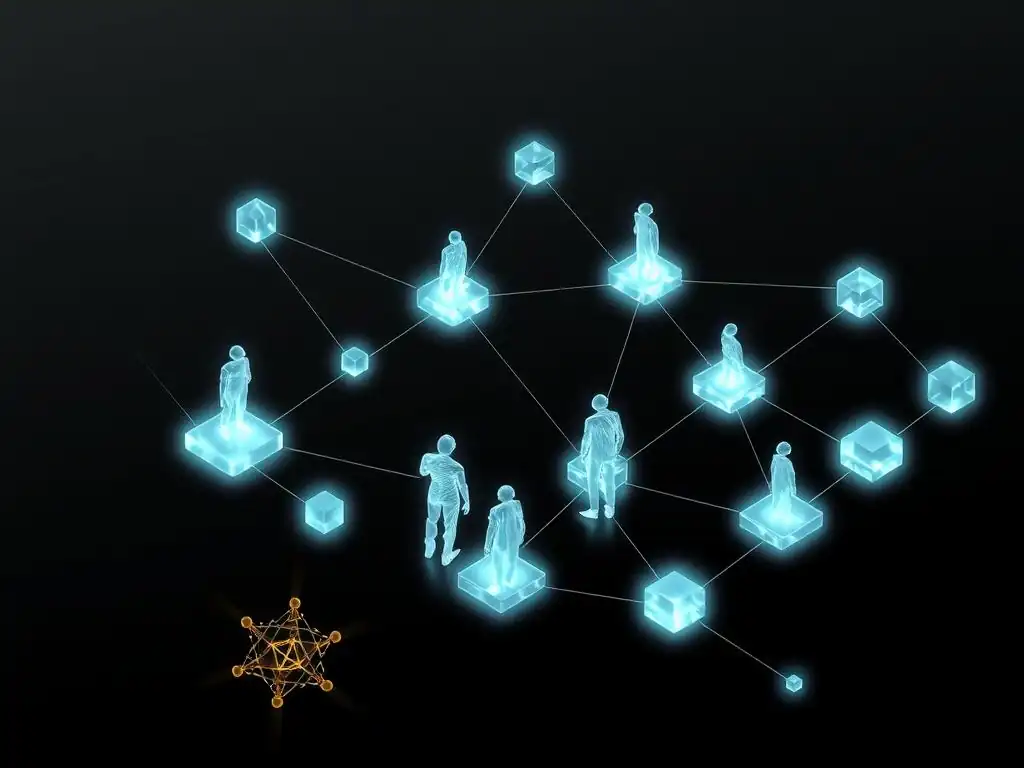
Empowering Creators and Users through Decentralization
Fostering Innovation and Creativity in a Decentralized Metaverse
Decentralization unlocks significant opportunities for fostering innovation and creativity within the metaverse. By removing centralized gatekeepers and empowering creators with ownership and control, decentralized platforms can unleash a wave of new content, experiences, and applications. The permissionless nature of decentralized systems encourages experimentation and collaboration, allowing developers and artists to build upon existing infrastructure and contribute to the ecosystem without needing approval from a central authority.
Open-source platforms and decentralized development tools further democratize metaverse creation, making it accessible to a wider range of individuals and communities. This can lead to a more diverse and vibrant metaverse landscape, driven by the creativity and innovation of a global community of builders. For instance, platforms like Decentraland and The Sandbox exemplify this, allowing users to create and monetize their own virtual experiences and assets, leading to a diverse ecosystem of user-generated content.
Enabling User Ownership and Control of Data and Assets
A key opportunity presented by decentralized metaverses is the empowerment of users through ownership and control of their data and digital assets. In centralized platforms, user data and in-game assets are typically controlled by the platform provider. Decentralization flips this paradigm, giving users true ownership of their digital identities, assets, and creations through NFTs and blockchain technology. This user ownership extends beyond mere possession; it encompasses the ability to control how data is used, to transfer assets freely across compatible platforms, and to participate in the governance of the metaverse itself.
This shift towards user ownership has profound implications for data privacy, digital rights, and the overall user experience. Users are no longer simply tenants in a digital space controlled by a corporation; they become stakeholders with a vested interest in the metaverse's success and evolution. This empowerment can foster a stronger sense of community and loyalty, as users feel a greater sense of agency and control over their digital lives.
Creating New Revenue Streams for Creators and Developers
Decentralized metaverses open up novel revenue streams for creators and developers, moving beyond traditional monetization models prevalent in centralized platforms. NFTs enable creators to directly monetize their digital creations by selling them on open marketplaces or within metaverse platforms. This direct-to-consumer model eliminates intermediaries and empowers creators to capture a larger share of the value they create. Furthermore, decentralized metaverse platforms can implement innovative revenue-sharing mechanisms that reward creators and developers based on their contributions to the ecosystem.
Play-to-earn models, for example, incentivize users to participate and contribute to the metaverse by rewarding them with cryptocurrency or NFTs. These new revenue streams can foster a more sustainable and equitable creator economy, enabling individuals to earn a living by creating and contributing to the metaverse, rather than being reliant on traditional employment models or platform-dependent monetization schemes. This shift towards creator-centric economies can unlock significant economic opportunities and empower individuals to participate in the metaverse economy in new and meaningful ways.
Building Stronger and More Engaged Metaverse Communities
Decentralization can foster stronger and more engaged metaverse communities. Shared ownership, transparent governance, and community-driven development contribute to a sense of collective purpose and shared stake in the metaverse's success. DAOs provide mechanisms for community members to participate in decision-making, shaping the platform's direction and policies. This participatory governance model can foster a stronger sense of ownership and belonging, leading to more active and engaged communities.
Furthermore, decentralized metaverses often prioritize community-building initiatives and social interactions. By empowering users and fostering a sense of shared ownership, these platforms can cultivate more resilient and vibrant communities compared to centralized platforms where community building is often dictated by platform operators. These strong communities become a valuable asset for decentralized metaverses, driving user adoption, content creation, and overall platform growth.
Exploring New Use Cases and Applications
Decentralized Social Experiences and Interactions
Decentralized metaverses offer exciting opportunities for reimagining social experiences and interactions in the digital realm. By removing centralized control and fostering user ownership, these platforms can create more open, inclusive, and community-driven social spaces. Decentralized social platforms within the metaverse can empower users to connect with each other, form communities, and express themselves freely, without being subject to the censorship or control of a central authority.
Imagine decentralized social networks built within the metaverse, where users own their social profiles and data, and where communities are self-governed and resistant to censorship. These decentralized social experiences can foster more authentic and meaningful connections, empowering users to build digital communities based on shared interests and values, rather than platform algorithms or corporate agendas. Examples include decentralized social platforms integrating with metaverse environments to create persistent and immersive social experiences.
Virtual Events and Entertainment in the Decentralized Metaverse
The decentralized metaverse provides a fertile ground for innovating virtual events and entertainment experiences. Decentralization can enhance virtual events by enabling greater user participation, ownership, and control. NFT ticketing can provide verifiable proof of event access and unlock unique experiences, while decentralized governance can allow event attendees to participate in shaping the event's content and format. Furthermore, decentralized metaverse platforms can host virtual concerts, festivals, conferences, and other events that are owned and governed by the community, rather than centralized event organizers.
Virtual entertainment experiences in decentralized metaverses can also be more immersive and interactive. Imagine attending a virtual concert where you truly own your virtual merchandise as an NFT, or participating in a decentralized virtual theater where the audience can influence the narrative through community voting. Decentralization opens up possibilities for creating more engaging, participatory, and rewarding virtual event and entertainment experiences that go beyond the limitations of traditional centralized platforms.
Decentralized Education and Learning Environments
Decentralized metaverses have the potential to revolutionize education and learning by creating immersive, interactive, and accessible learning environments. Decentralized education platforms within the metaverse can offer personalized learning experiences, gamified education, and access to a global community of learners and educators. NFT-based credentials can provide verifiable proof of educational achievements, empowering learners with ownership of their educational records.
Imagine decentralized virtual classrooms where students from around the world can collaborate and learn together in immersive 3D environments, or decentralized metaverse-based simulations that provide hands-on learning experiences in various fields. Decentralization can democratize access to education, making it more affordable, accessible, and engaging for learners worldwide. Furthermore, decentralized governance can empower educators and learners to co-create and shape the future of education within the metaverse.
Decentralized Commerce and Trade within the Metaverse
Decentralized commerce and trade are core components of the decentralized metaverse vision. NFTs enable verifiable ownership of digital assets, paving the way for decentralized marketplaces and economies within virtual worlds. Decentralized metaverse platforms can facilitate peer-to-peer commerce, allowing users to buy, sell, and trade digital goods and services directly, without intermediaries. Cryptocurrencies provide the native currencies for these metaverse economies, enabling seamless and borderless transactions.
Imagine decentralized virtual marketplaces where users can trade virtual land, avatars, in-game items, and other digital assets as NFTs, or decentralized metaverse-based businesses that offer virtual goods and services directly to users. Decentralization can foster more efficient, transparent, and equitable commerce within the metaverse, empowering creators and users to participate in a thriving digital economy. Furthermore, decentralized finance (DeFi) protocols can be integrated into metaverse platforms to provide financial services and opportunities within virtual worlds.
The Future of Decentralized Metaverse Platforms
Overcoming Current Limitations and Challenges
The future of decentralized metaverse platforms hinges on effectively overcoming the current limitations and challenges outlined earlier. Addressing scalability issues, achieving interoperability, improving user experience, enhancing security, and establishing robust governance models are crucial steps towards realizing the full potential of decentralized virtual worlds. Technological advancements in blockchain technology, Layer-2 scaling solutions, interoperability protocols, and user-friendly dApp development are essential for overcoming these technical hurdles.
Furthermore, fostering collaboration and standardization across the decentralized metaverse ecosystem is vital for achieving interoperability and creating a more unified and interconnected metaverse experience. Addressing regulatory uncertainty and establishing clear legal frameworks will also be crucial for fostering investment and innovation in the decentralized metaverse space. Overcoming these limitations and challenges will pave the way for the widespread adoption and growth of decentralized metaverse platforms.
The Role of Blockchain Technology in Shaping the Metaverse
Blockchain technology is the foundational infrastructure upon which decentralized metaverses are built. Its core features – decentralization, transparency, immutability, and security – are essential for enabling user ownership, trustless interactions, and community-driven governance within virtual worlds. Blockchain provides the mechanisms for verifying ownership of digital assets through NFTs, facilitating secure and transparent transactions using cryptocurrencies, and implementing decentralized governance through DAOs.
As blockchain technology continues to evolve and mature, its role in shaping the metaverse will become even more profound. Advancements in scalability, interoperability, and smart contract functionality will further enhance the capabilities and potential of decentralized metaverse platforms. Blockchain technology is not merely a component of the decentralized metaverse; it is the enabling technology that underpins its core principles and functionalities, shaping its very essence and future trajectory.
Potential Impact on Society and the Economy
Decentralized metaverse platforms have the potential to profoundly impact society and the economy. They offer new avenues for social interaction, entertainment, education, commerce, and economic opportunity. The shift towards user ownership and creator economies can empower individuals and communities, fostering greater economic participation and reducing reliance on centralized platforms and traditional employment models. Decentralized metaverses can also democratize access to digital experiences and opportunities, bridging digital divides and creating more inclusive virtual worlds.
However, the societal and economic impact of decentralized metaverses will also depend on addressing potential risks and challenges, such as digital inequality, privacy concerns, and the responsible development and governance of these virtual worlds. Navigating these opportunities and challenges effectively will determine whether decentralized metaverses realize their transformative potential and contribute to a more equitable and prosperous digital future.
Advancements in AI and Extended Reality Integration
The future of decentralized metaverses will be significantly shaped by advancements in Artificial Intelligence (AI) and Extended Reality (XR) technologies. AI can enhance metaverse experiences by powering intelligent avatars, personalized content recommendations, and automated moderation systems. XR technologies, including Virtual Reality (VR), Augmented Reality (AR), and Mixed Reality (MR), will provide more immersive and interactive ways for users to access and experience decentralized metaverses.
The integration of AI and XR with decentralized metaverse platforms can create truly transformative digital experiences. Imagine AI-powered virtual assistants that guide users through the metaverse, or XR devices that seamlessly blend the virtual and physical worlds, enabling immersive metaverse interactions. The convergence of these technologies holds immense potential to unlock new levels of immersion, engagement, and utility within decentralized metaverses, further blurring the lines between the physical and digital realms and creating entirely new possibilities for human interaction and experience.
Key Takeaways and Recommendations for Developers and Stakeholders
Decentralized metaverse platform development presents both significant challenges and transformative opportunities. Decentralized metaverse platform development challenges are primarily technical, governance-related, economic, and regulatory. Overcoming these hurdles requires collaborative efforts from developers, researchers, policymakers, and metaverse communities. Key takeaways include the need for robust scalability solutions, interoperability standards, user-friendly dApp development, strong security measures, effective decentralized governance models, and sustainable economic frameworks.
For developers, focusing on user experience, security, and scalability is paramount. Embracing open-source principles and contributing to interoperability standards are crucial for building a unified and thriving decentralized metaverse ecosystem. For stakeholders, including users, communities, and businesses, active participation in governance, community building, and responsible innovation is essential. Collaboration and open communication are key to navigating the complex landscape of decentralized metaverse development and realizing its full potential.
The Potential of Decentralized Metaverses to Transform the Digital Landscape
Decentralized metaverses have the potential to fundamentally transform the digital landscape, shifting power from centralized corporations to individuals and communities. By empowering users with ownership, control, and agency, these platforms can create a more democratic, equitable, and innovative digital future. The decentralized metaverse vision represents a departure from the centralized web, offering a user-centric alternative where individuals are not just consumers but active participants and stakeholders in the digital world.
While the journey of decentralized metaverse platform development is still in its early stages and faces numerous challenges, the potential rewards are immense. Decentralized metaverses could usher in a new era of digital ownership, creativity, and community, transforming how we interact, work, learn, and play in the digital realm. Navigating the path forward requires a commitment to collaboration, innovation, and responsible development, ensuring that decentralized metaverses realize their transformative potential and create a positive impact on society and the economy.
Frequently Asked Questions
What are some of the major development challenges facing decentralized metaverse platforms?
Scalability is a key hurdle, needing to handle a vast number of users and transactions. Also, ensuring cross-chain interoperability between different blockchain ecosystems presents a significant technical problem. Finally, user experience often suffers from the complexity of blockchain technology.
How does decentralization impact content ownership and governance within a metaverse platform?
Decentralization allows users to have greater control over their digital assets and creations. Governance shifts from a central authority to a community-driven model, enabling users to participate in decision-making.
What role does blockchain technology play in securing and authenticating digital assets in a decentralized metaverse?
Blockchain provides a transparent and immutable ledger for tracking ownership and verifying authenticity. This helps prevent fraud and ensures the integrity of digital assets like NFTs.
How do regulatory hurdles potentially impact the growth and adoption of decentralized metaverse platforms?
Uncertainty around regulations regarding digital assets and data privacy can hinder investment and innovation. Clear and consistent regulations are needed to foster responsible growth in the space.
What are some of the opportunities for businesses and creators in building decentralized metaverse platforms?
Decentralized platforms offer new avenues for monetizing content and engaging with audiences. They can also foster more transparent and equitable economic models for creators and users alike.
Final Reflection: Embracing the Decentralized Metaverse Frontier
The exploration of decentralized metaverse platform development challenges reveals not just technical hurdles, but a fundamental shift in how we envision digital ownership and community. The promise of a user-owned, interoperable metaverse is now more tangible than ever, yet the path forward requires careful consideration of scalability, security, and accessibility, issues that demand innovative solutions and collaborative efforts across the tech landscape.
The decentralized metaverse is more than just a technological advancement; it's a cultural and social revolution. Its potential to empower creators, foster genuine digital communities, and redefine online interactions is undeniable. The metaverse is coming, and it will affect every product, company, and person that we touch.
- Matthew Ball. This quote underscores the profound impact this technology will have, and the importance of building it responsibly and inclusively.
As we stand on the cusp of this new digital era, let us not shy away from the challenges, but rather embrace them as opportunities to build a metaverse that truly reflects the values of decentralization, freedom, and community. Consider how you can contribute to this evolving landscape, whether through innovation, advocacy, or simply by engaging thoughtfully with the decentralized metaverse. The future is not predetermined; it is shaped by the choices we make today.
Ignite Your Metaverse Vision!
Thank you for exploring the world of decentralized metaverse platforms. You now have a clearer understanding of the challenges and opportunities ahead. Are you ready to take the next step?
Here are some actions you can consider right now:
- Begin outlining your vision for a metaverse experience. What unique interactions and communities would you like to create?
- Investigate existing decentralized metaverse platforms to understand their strengths and limitations firsthand.
- Share this article with fellow innovators and start a conversation about the future of decentralized metaverses.
What innovative feature will you contribute to shape the next generation of metaverse platforms?
Leave a Reply