
The Future of Drug Supply Chains: Blockchain's Fight Against Counterfeit Medications

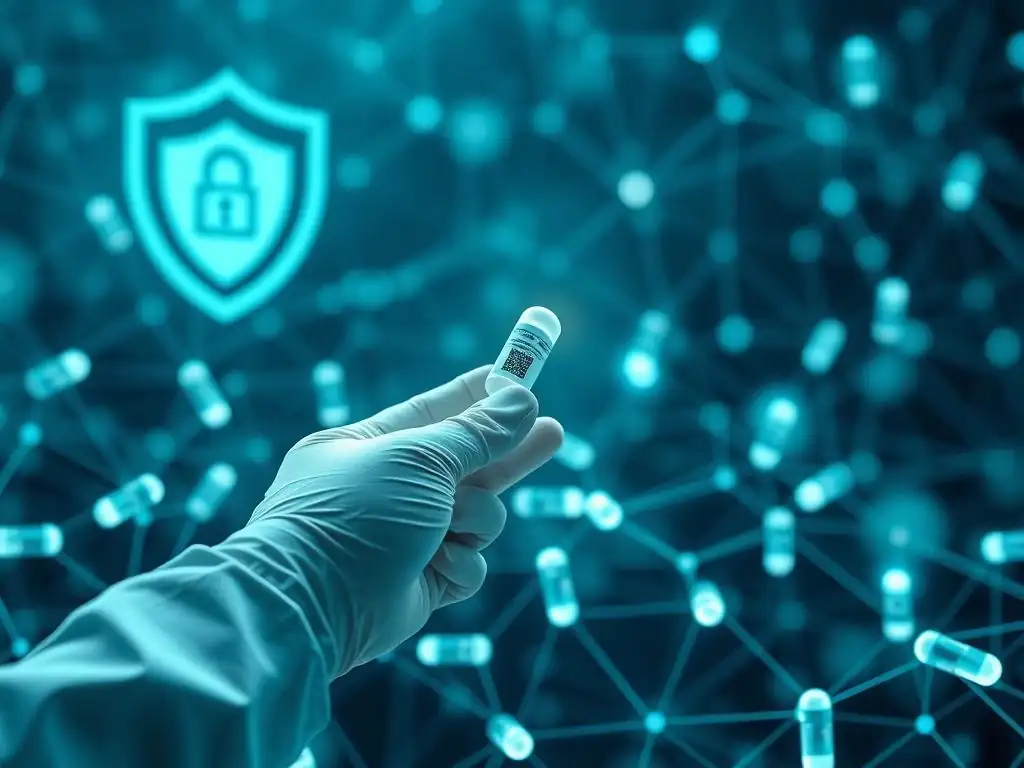
Welcome to Blockchain Trends, your guide to navigating the revolutionary world of blockchain technology. Beyond the buzz surrounding cryptocurrencies, we delve into its transformative potential across diverse industries. In this insightful piece, we unravel how blockchain is revolutionizing healthcare, specifically exploring the future of blockchain drug supply chain security. Can this technology truly eradicate counterfeit medications and ensure patient safety? Join us as we unpack the complexities and opportunities within this crucial application.
The Future of Drug Supply Chains: Blockchain's Fight Against Counterfeit Medications
- Introduction: The Growing Threat of Counterfeit Drugs and the Need for Enhanced Security
- Understanding Blockchain's Role in Securing the Pharmaceutical Supply Chain
- Blockchain Drug Supply Chain Security: A Detailed Examination
- Benefits of Implementing Blockchain in the Pharmaceutical Industry
- Real-World Applications and Case Studies of Blockchain in Pharma
- Overcoming Challenges to Blockchain Adoption in the Pharmaceutical Industry
- The Future of Blockchain in Pharmaceutical Supply Chain Management
- Conclusion: Blockchain as a Vital Tool for Ensuring Drug Safety and Integrity
-
Frequently Asked Questions
- How can blockchain improve drug supply chain security?
- What are the key benefits of using blockchain for tracking pharmaceuticals?
- What challenges exist in implementing blockchain solutions for drug supply chains?
- How does blockchain help in preventing counterfeit drugs from entering the market?
- What is the potential impact of blockchain on the cost of pharmaceuticals?
- Final Reflection: Securing Health, One Block at a Time
- Uncover the Power of Trust: Secure Your Health Future!
Introduction: The Growing Threat of Counterfeit Drugs and the Need for Enhanced Security
The Global Crisis of Fake and Substandard Medications
The proliferation of counterfeit and substandard medications represents a critical global health crisis. These illicit products, often lacking active ingredients, containing incorrect dosages, or harboring toxic substances, pose a direct threat to patient safety and undermine public trust in healthcare systems.
The World Health Organization (WHO) estimates that 10% of medical products in low- and middle-income countries are substandard or falsified, a figure that can rise significantly for specific product categories or regions. This illegal market is incredibly lucrative, with estimates suggesting it could be worth tens of billions of dollars annually, funding organized crime and terrorism while causing untold harm.
The impact extends beyond individual patient harm, contributing to antibiotic resistance, treatment failures, and loss of life. For pharmaceutical companies, counterfeiting erodes revenue, damages brand reputation, and incurs significant costs related to investigations, recalls, and legal battles. The complexity of modern drug supply chains, spanning multiple borders and intermediaries, provides ample opportunity for counterfeit products to infiltrate legitimate channels, making detection and prevention a formidable challenge that necessitates robust Blockchain drug supply chain security measures.
Why Traditional Drug Supply Chains Are Vulnerable
Traditional pharmaceutical supply chains are inherently complex and often lack end-to-end visibility. Drugs typically pass through a convoluted network of manufacturers, distributors, wholesalers, pharmacies, and potentially third-party logistics providers before reaching the patient. Each handover represents a potential point of vulnerability. Information systems used by different stakeholders are often siloed and incompatible, preventing seamless data flow and creating blind spots. This fragmentation makes it difficult to track a drug's journey accurately from its origin to its destination.
The reliance on paper-based records or disparate electronic systems increases the risk of data manipulation, errors, and delays. Verifying the authenticity of a product at various points in the chain can be challenging, especially for high-value or frequently targeted medications. The lack of a single, immutable, and universally accessible ledger detailing a drug's provenance leaves the door open for illicit actors to introduce fake products or divert legitimate ones without immediate detection. Addressing these systemic weaknesses is crucial for enhancing Blockchain drug supply chain security.
Blockchain Technology as a Solution for Drug Supply Chain Security
Blockchain technology offers a promising paradigm shift in securing pharmaceutical supply chains by providing a decentralized, immutable, and transparent ledger for tracking transactions and product movements. By creating a shared, tamper-evident record of every step a drug takes from the manufacturing plant to the pharmacy shelf, blockchain can significantly enhance visibility and trust among supply chain partners. Each transaction, such as a change in ownership or location, is recorded as a block, cryptographically linked to the previous block, forming an unbreakable chain.
This distributed ledger technology allows all authorized participants in the supply chain – manufacturers, distributors, regulators, and potentially even pharmacies – to access the same real-time information about a drug's journey. This shared source of truth makes it exceedingly difficult for counterfeit products to enter the legitimate supply chain unnoticed, as their history would not align with the verified records on the blockchain. Implementing Blockchain drug supply chain security leverages these core principles to build a more resilient and trustworthy ecosystem for medication delivery.
Understanding Blockchain's Role in Securing the Pharmaceutical Supply Chain
How Blockchain Works: A Simplified Explanation for Pharmaceutical Applications
At its core, blockchain is a distributed ledger technology that records transactions across a network of computers. In the context of pharmaceuticals, imagine this ledger tracks the life cycle of each drug package. When a batch of drugs is manufactured, its unique identifier (like a serial number) and relevant details are recorded on the blockchain.
This creates the first block in its journey. As the drugs move through the supply chain – from manufacturer to wholesaler, then to a pharmacy – each transfer is recorded as a new transaction. This transaction is grouped with others into a 'block', which is then verified by participants in the network (nodes) using a consensus mechanism.
Once verified, the new block is cryptographically linked to the previous one, creating an immutable chain. This means that altering any historical record on the blockchain would require altering all subsequent blocks across the entire network, a computationally infeasible task. For pharmaceutical applications, this means that the history of a drug's movement and handling becomes transparent and tamper-proof for authorized parties. This foundational mechanism is what enables robust Blockchain drug supply chain security.
Key Features of Blockchain for Drug Traceability and Verification
Several key features of blockchain make it particularly well-suited for enhancing drug traceability and verification. Firstly, its distributed nature means there is no single point of failure; data is replicated across the network, making it highly resilient. Secondly, the immutability of the ledger ensures that once a transaction is recorded and validated, it cannot be altered or deleted, providing a reliable audit trail. This is crucial for tracking the provenance of medications and verifying their legitimacy.
Thirdly, transparency (often permissioned in enterprise blockchain) allows authorized participants to view the transaction history relevant to their role in the supply chain, fostering trust and collaboration. Finally, the use of cryptography secures transactions and links blocks, ensuring data integrity and preventing unauthorized access or manipulation. These features collectively enable stakeholders to trace a drug's journey accurately, verify its authenticity at any point, and build strong Blockchain drug supply chain security.
Immutability, Transparency, and Security: The Cornerstones of Blockchain's Value
The value proposition of blockchain for the pharmaceutical supply chain is built upon its core tenets: immutability, transparency, and security. Immutability guarantees the integrity of the data recorded on the ledger. Every event – production, packaging, shipping, receiving, dispensing – is time-stamped and permanently recorded. This permanent record makes it virtually impossible for bad actors to insert counterfeit products into the chain by fabricating or altering shipment records without detection.
Transparency, within a permissioned framework suitable for sensitive pharmaceutical data, means that relevant parties have visibility into the drug's journey. A pharmacist, for example, could scan a product's unique identifier and instantly access its complete history on the blockchain, verifying its legitimacy and handling conditions. This shared, verifiable history builds trust among supply chain partners and with regulators. Cryptographic security ensures that data is protected and that only authorized participants can access or add information, safeguarding against breaches and ensuring the reliability of the ledger. These pillars collectively form the foundation for effective Blockchain drug supply chain security.
Blockchain Drug Supply Chain Security: A Detailed Examination
Tracking and Tracing Medications from Manufacturer to Patient
One of the most significant applications of blockchain in pharmaceuticals is enabling granular tracking and tracing of medications throughout their lifecycle. By assigning a unique serial number or identifier to each individual drug package or batch at the point of manufacture, and recording this identifier on the blockchain, a digital twin of the physical product is created on the ledger. As the product moves from the manufacturing facility to a distribution center, then to a wholesaler, and finally to a pharmacy or hospital, each transfer of ownership and change in location is recorded as a transaction on the blockchain.
This creates a comprehensive, step-by-step history accessible to authorized parties. Regulators can monitor product movements in near real-time, manufacturers can track inventory and identify potential diversion points, and pharmacies can verify the legitimacy of incoming shipments. This level of detailed traceability, facilitated by robust Blockchain drug supply chain security, is far superior to traditional methods that often rely on fragmented systems and offer limited visibility beyond immediate trading partners.
Preventing Counterfeiting and Diversion with Blockchain Technology
Blockchain's immutable ledger and transparent (permissioned) record-keeping capabilities are powerful tools in the fight against counterfeit drugs and diversion. Counterfeiters typically rely on infiltrating the supply chain with fake products that mimic legitimate ones.
With a blockchain-based system, each legitimate product has a verified history recorded from its origin. If a product scanned at any point in the chain – say, at a pharmacy – does not have a corresponding, verifiable history on the blockchain, or if its recorded history contains discrepancies (e.g., claiming to have come from a legitimate distributor when it didn't), it can be immediately flagged as suspicious.
Similarly, diversion – the redirection of legitimate drugs from intended markets to illicit ones – becomes harder to conceal. Every authorized transaction is recorded. If a batch of drugs intended for a specific region appears in a different market without a recorded, legitimate transfer on the blockchain, it indicates potential diversion. This enhanced transparency and verification mechanism significantly strengthens Blockchain drug supply chain security, making it a formidable deterrent to illicit activities.
Enhancing Transparency and Accountability Across the Supply Chain
Implementing blockchain technology fosters unprecedented transparency and accountability across the pharmaceutical supply chain. Because all authorized participants share access to the same immutable ledger, there is a single source of truth regarding a drug's journey. This eliminates disputes arising from conflicting records and ensures that all parties are working from the same, verified information. Manufacturers can see when distributors received shipments, distributors can confirm deliveries to pharmacies, and pharmacies can verify the authenticity of products from their suppliers.
This shared visibility enhances collaboration and trust among supply chain partners. Furthermore, the detailed, tamper-evident audit trail created by the blockchain makes every participant more accountable for their actions. Any mishandling, delay, or suspicious activity recorded on the ledger can be easily traced back to the responsible party. This increased accountability is a vital component of effective Blockchain drug supply chain security, driving better practices and reducing opportunities for error or malfeasance.
Benefits of Implementing Blockchain in the Pharmaceutical Industry
Increased Patient Safety and Trust in Medications
The primary benefit of deploying blockchain in the pharmaceutical supply chain is the dramatic increase in patient safety. By ensuring that only authentic, properly handled medications reach the patient, blockchain directly combats the threat of counterfeit and substandard drugs. Patients can potentially gain access to information verifying the legitimacy of their specific medication package, fostering greater trust in the healthcare system and the drugs they receive. Knowing that their medication has a verifiable history on a secure, immutable ledger provides significant peace of mind.
The ability to quickly and accurately trace drugs also improves the efficiency and effectiveness of recalls. If an issue is detected with a specific batch, its location can be pinpointed rapidly using the blockchain record, enabling targeted recalls that minimize patient exposure to potentially harmful products and reduce unnecessary waste. This enhanced ability to ensure product integrity and safety is the most compelling argument for Blockchain drug supply chain security.
Improved Supply Chain Efficiency and Reduced Costs
Beyond safety, blockchain implementation can lead to significant improvements in supply chain efficiency and cost reduction. The shared, real-time data reduces administrative overhead associated with tracking, reconciliation, and verification processes that are often manual and time-consuming in traditional systems. Smart contracts, self-executing contracts with the terms of the agreement directly written into code, can automate processes like payments upon delivery verification, reducing delays and errors.
Reduced instances of counterfeiting and diversion lead to fewer losses from these illicit activities. Faster, more accurate recalls minimize the cost of handling returned or destroyed products. Streamlined verification processes at receiving points save time and labor. While initial implementation costs exist, the long-term gains in efficiency, reduced losses, and improved regulatory compliance contribute to a strong business case for Blockchain drug supply chain security.
Enhanced Regulatory Compliance and Data Integrity
Pharmaceutical supply chains are subject to stringent regulations designed to ensure product safety and security. Initiatives like the Drug Supply Chain Security Act (DSCSA) in the United States mandate granular traceability and verification capabilities by 2023. Blockchain technology is uniquely positioned to help companies meet and exceed these complex compliance requirements. The immutable ledger provides a perfect platform for maintaining the detailed, tamper-evident records required by regulators.
Data integrity is paramount in the pharmaceutical industry. Blockchain's cryptographic security and distributed nature make data manipulation extremely difficult, ensuring that the information regulators access is accurate and trustworthy. Furthermore, the transparency offered by a permissioned blockchain allows regulators to potentially gain real-time visibility into product movements and transaction histories, facilitating audits and inspections. This robust support for regulatory compliance and data integrity is a key advantage of Blockchain drug supply chain security.
Real-World Applications and Case Studies of Blockchain in Pharma

Chronicled's MediLedger Network: Addressing Chargebacks and Revenue Management
Chronicled's MediLedger Network is a prominent example of blockchain technology being applied within the pharmaceutical supply chain, specifically focusing on streamlining business processes between manufacturers and wholesale distributors. While not solely focused on anti-counterfeiting initially, its core function addresses significant inefficiencies by using a shared, immutable ledger to manage chargeback disputes. Chargebacks occur when a wholesaler sells to a customer at a contract price and requests a credit from the manufacturer for the difference between the contract price and the wholesale acquisition cost. Disputes over these claims cost the industry billions annually.
MediLedger uses blockchain and cryptographic identifiers to ensure that all parties agree on contract terms and transaction data before chargeback requests are even submitted. This system has demonstrated the ability to reduce chargeback disputes by over 80% in pilot programs involving major pharmaceutical companies and distributors. This success highlights how the principles of immutability and a single source of truth inherent in Blockchain drug supply chain security can be applied to complex industry problems beyond just tracking, proving the technology's viability for critical pharmaceutical operations.
IBM Food Trust: Tracking Pharmaceuticals with Blockchain
While primarily known for its application in the food industry, demonstrating traceability for products like lettuce or poultry, the underlying technology of platforms like IBM Food Trust is directly applicable to pharmaceutical tracking. IBM Food Trust is built on Hyperledger Fabric, a permissioned blockchain framework. It allows participants in a supply chain to record data about a product's journey – where it came from, who handled it, where it went – in a secure, shared ledger.
Although public case studies specifically detailing IBM Food Trust's widespread deployment for finished pharmaceuticals are less common than in food, the principles are identical: create a digital record for each product unit and track its movement through a network of verified participants. A pilot program involving IBM, KPMG, Merck, and Walmart explored using blockchain to track prescription drugs in the US, focusing on meeting DSCSA requirements.
This initiative aimed to demonstrate how blockchain could provide the necessary granularity and security for tracking drug packages and enabling verification requests efficiently, further validating the potential for Blockchain drug supply chain security using established platforms.
Analysis of the Results and Lessons Learned from these Implementations
The early implementations and pilot programs like MediLedger and the IBM-led pharma pilot demonstrate several key lessons. Firstly, blockchain is technically capable of handling the complexity and scale required by the pharmaceutical supply chain, managing millions of transactions and product identifiers. Secondly, while the technology is robust, successful implementation requires significant collaboration and agreement among multiple stakeholders – manufacturers, distributors, and potentially regulators – on data standards, governance, and participation rules. The MediLedger success in reducing chargeback disputes shows that focusing on specific, high-value pain points can drive adoption and demonstrate tangible ROI.
However, these initiatives also highlight challenges. Integrating blockchain systems with existing legacy IT infrastructure is complex and requires substantial investment. Achieving industry-wide interoperability between different blockchain platforms or networks remains a hurdle. Data privacy concerns, particularly regarding sensitive shipment or sales data, necessitate permissioned networks where access is strictly controlled. These real-world experiences underscore that while Blockchain drug supply chain security offers immense potential, its widespread adoption requires addressing technical, business, and collaborative challenges systematically.
Overcoming Challenges to Blockchain Adoption in the Pharmaceutical Industry
Regulatory Hurdles and Compliance Requirements
Navigating the complex and constantly evolving regulatory landscape presents a significant challenge for blockchain adoption in pharmaceuticals. Regulatory bodies like the FDA in the US and the EMA in Europe have specific requirements for drug traceability, data integrity, and security. While blockchain can help meet these, gaining explicit regulatory approval or guidance for blockchain-based systems can be a slow process. Companies need assurance that their blockchain implementation will be accepted as compliant with existing and future regulations, such as the final phases of the DSCSA.
Furthermore, differing regulations across various jurisdictions complicate the implementation of a global blockchain solution. Data residency requirements, electronic signature acceptance, and specific reporting mandates vary by country. Ensuring that a blockchain system can meet all relevant jurisdictional requirements simultaneously requires careful design and collaboration with regulatory bodies. Addressing these hurdles is crucial for widespread Blockchain drug supply chain security.
Data Privacy and Security Concerns
Despite blockchain's inherent security features, data privacy remains a critical concern in the pharmaceutical industry, particularly regarding sensitive commercial information and patient data. While public blockchains are transparent, enterprise pharmaceutical applications typically use permissioned blockchains where participation and data access are restricted to authorized entities. However, deciding which data points are recorded on the shared ledger and who has access to them requires careful consideration to balance transparency with confidentiality.
Integrating blockchain with systems containing patient information (like dispensing records) requires strict adherence to privacy regulations such as HIPAA in the US or GDPR in Europe. While patient-specific data is unlikely to reside on the blockchain itself, links or references to transactions involving pharmacies or dispensing points could raise privacy questions. Robust governance models, data minimization techniques, and strong access controls are essential to ensure that Blockchain drug supply chain security measures do not compromise data privacy.
Interoperability and Standardization Issues
A major challenge for achieving truly end-to-end Blockchain drug supply chain security is the lack of widespread interoperability and standardization across the industry. Currently, multiple pilot programs and consortia are exploring different blockchain platforms (e.g., Hyperledger Fabric, Ethereum-based solutions) and data standards. For a drug to be seamlessly tracked from a manufacturer using one blockchain network to a distributor on another, these disparate systems must be able to communicate and exchange data reliably.
Without common data standards for product identifiers, location codes, transaction types, and network protocols, creating a unified view of the supply chain is difficult. The industry needs to converge on agreed-upon standards and potentially establish bridges or gateways between different blockchain networks. Achieving this level of cooperation and standardization among competing companies is a significant undertaking but is necessary to unlock the full potential of blockchain for securing the entire pharmaceutical supply chain.
The Future of Blockchain in Pharmaceutical Supply Chain Management
Emerging Trends and Innovations in Blockchain for Healthcare
The application of blockchain in healthcare is expanding rapidly, with emerging trends pointing towards more sophisticated uses beyond simple track and trace. One trend is the development of specialized healthcare blockchain platforms designed with specific regulatory and privacy requirements in mind. Another is the exploration of decentralized identity solutions on the blockchain, potentially allowing stakeholders to securely verify the identity of participants in the supply chain.
Innovations in zero-knowledge proofs (ZKPs) are also promising. ZKPs allow one party to prove to another that a statement is true without revealing any information beyond the validity of the statement itself. In a pharmaceutical context, this could allow a distributor to prove to a manufacturer that a certain quantity of product was received, or to a regulator that a product's temperature remained within range, without exposing sensitive shipment details or other confidential data on the ledger. These advancements will further enhance the capabilities of Blockchain drug supply chain security.
The Potential for AI and IoT Integration with Blockchain in Pharma
The integration of Artificial Intelligence (AI) and Internet of Things (IoT) devices with blockchain technology holds significant potential for revolutionizing pharmaceutical supply chain management. IoT sensors attached to drug shipments can monitor critical conditions like temperature, humidity, and location in real-time. This data can be automatically recorded onto the blockchain, providing an immutable record of handling conditions throughout the journey. This is particularly vital for sensitive biologics and vaccines that require strict cold chain management.
AI algorithms can analyze the vast amounts of data collected by IoT sensors and recorded on the blockchain to identify anomalies, predict potential risks (e.g., a shipment likely to go out of temperature range), or detect patterns indicative of attempted counterfeiting or diversion. By combining the automated data collection of IoT, the analytical power of AI, and the secure, immutable record-keeping of blockchain, pharmaceutical companies can build highly intelligent, proactive, and resilient supply chains, significantly enhancing Blockchain drug supply chain security.
Predictions for the Widespread Adoption of Blockchain in the Drug Supply Chain
While challenges remain, the trajectory suggests increasing adoption of blockchain in the pharmaceutical supply chain over the next few years. Regulatory deadlines, such as the US DSCSA's 2023 interoperability requirement (though enforcement discretion has extended timelines), are powerful drivers. As pilot programs demonstrate tangible benefits in efficiency and security, more companies are likely to invest in blockchain solutions.
Industry consortia and collaborations are working towards establishing necessary standards and governance models. It is plausible that within the next five to ten years, blockchain will become a standard component of pharmaceutical supply chain infrastructure, at least for high-value or high-risk medications. Full, global adoption will take longer, contingent on international regulatory alignment and the development of truly interoperable networks. However, the foundational benefits for Blockchain drug supply chain security are clear, paving the way for eventual widespread integration.
Conclusion: Blockchain as a Vital Tool for Ensuring Drug Safety and Integrity
The Transformative Potential of Blockchain for the Pharmaceutical Industry
Blockchain technology offers a truly transformative solution for the pharmaceutical industry, moving beyond incremental improvements to fundamentally reshape how drugs are tracked, verified, and secured. By providing an immutable, transparent, and secure ledger for supply chain transactions, blockchain directly addresses the systemic vulnerabilities that enable the proliferation of dangerous counterfeit and substandard medications. It empowers stakeholders with unprecedented visibility and trust, creating a shared source of truth from manufacturing to dispensing.
The potential benefits are far-reaching: enhanced patient safety through verified product authenticity, increased efficiency through streamlined processes and reduced disputes, improved regulatory compliance with robust data integrity, and greater accountability across the entire ecosystem. While implementation requires investment and collaboration, the long-term impact on public health and industry integrity is profound. The future of safe medication delivery is intrinsically linked to the adoption of robust Blockchain drug supply chain security.
Call to Action: Embracing Blockchain for a Safer and More Secure Drug Supply Chain
The threat of counterfeit drugs is too significant to ignore. The pharmaceutical industry, regulators, and technology providers must continue to collaborate to overcome the remaining hurdles to widespread blockchain adoption. Investing in pilot programs, participating in industry consortia, and advocating for clear regulatory frameworks are crucial steps. Embracing Blockchain drug supply chain security is not just about adopting a new technology; it's about building a more resilient, transparent, and trustworthy system for delivering life-saving medications. The time to act is now to protect patients and secure the future of the drug supply chain.
Frequently Asked Questions
How can blockchain improve drug supply chain security?
Blockchain provides a transparent and immutable ledger, allowing stakeholders to track medications at every step, from manufacturing to distribution. This enhanced traceability helps combat counterfeit drugs and ensures product authenticity.
What are the key benefits of using blockchain for tracking pharmaceuticals?
The primary benefits include increased transparency, improved supply chain efficiency, and enhanced detection of counterfeit medications. This leads to greater patient safety and trust in the pharmaceutical industry.
What challenges exist in implementing blockchain solutions for drug supply chains?
Challenges include lack of standardization across the industry, integration with existing systems, and concerns about data privacy and security. Overcoming these hurdles is crucial for widespread adoption.
How does blockchain help in preventing counterfeit drugs from entering the market?
By providing an unalterable record of each drug's journey, blockchain makes it significantly harder for counterfeiters to introduce fake medications into the supply chain. This verifiable history builds trust and accountability.
What is the potential impact of blockchain on the cost of pharmaceuticals?
While initial implementation may involve costs, blockchain can potentially reduce expenses in the long run by optimizing supply chain operations, minimizing losses from counterfeit drugs, and improving inventory management, potentially lowering drug prices for consumers.
Okay, here's a final reflection tailored for your article "The Future of Drug Supply Chains: Blockchain's Fight Against Counterfeit Medications," designed to resonate with readers and reinforce the importance of blockchain in drug supply chain security:
Final Reflection: Securing Health, One Block at a Time
The journey through the potential of blockchain in securing drug supply chains reveals a critical truth: patient safety hinges on verifiable authenticity. The prevalence of counterfeit medications is not just a financial issue; it's a direct threat to human life. Understanding how blockchain technology can combat this threat is no longer a futuristic concept, but a present-day necessity for safeguarding global health.
The promise of a transparent and immutable ledger resonates deeply, offering a pathway to rebuild trust in a system often plagued by opacity. Witnessing the potential of blockchain to revolutionize drug supply chains has been profoundly impactful, highlighting the power of technology to address fundamental human needs. The best way to predict the future is to create it.
- Peter Drucker. This quote perfectly encapsulates the proactive approach needed to implement blockchain solutions and ensure a safer, more secure future for healthcare.
As we conclude, consider the role you can play in advocating for transparency and accountability in the pharmaceutical industry. Reflect on the power of informed choices and the importance of supporting initiatives that prioritize patient well-being. Let us all strive to be champions of change, demanding a future where every medication is verifiably authentic, and every patient can trust in the safety and efficacy of their treatment.
Uncover the Power of Trust: Secure Your Health Future!
Thank you for exploring how blockchain is transforming drug safety. You now have a better understanding of a future where medications are verified as genuine, ensuring patient health is protected. It's time to take action and contribute to this important movement!
Here's how you can get involved:
- Advocate for blockchain adoption: Reach out to your local representatives and encourage policies that support integrating blockchain technology into pharmaceutical supply chains.
- Share this article: Help raise awareness about the risks of counterfeit medications and the role blockchain can play in combating them. Spreading knowledge makes a difference!
- Explore other blockchain applications: Learn how blockchain is being used in industries such as food safety and secure voting, and share your discoveries.
What questions do you have about blockchain's potential to revolutionize healthcare security? Share your thoughts in the comments below!
Leave a Reply