
Supply Chain Finance Transformed: Walmart's Blockchain Initiative for Traceability and Trust

Welcome to Blockchain Trends, your go-to source for understanding the revolutionary power of blockchain technology!
Delve into the fascinating world beyond cryptocurrencies and discover how this groundbreaking technology is reshaping industries. Ever wondered how blockchain can revolutionize supply chains? Our latest case study explores Walmart's blockchain supply chain finance initiative, revealing how they're leveraging distributed ledger technology for unprecedented traceability and trust. Discover the secrets behind their success and how blockchain is creating a more efficient and transparent future. Intrigued? Read on to unlock the potential of blockchain in the real world!
- Introduction: Revolutionizing Supply Chain Finance with Blockchain Technology
- The Problem: Challenges in Traditional Food Supply Chain Traceability
- The Solution: Walmart's Blockchain-Based Mango Traceability System
- How Walmart's Blockchain Initiative Works: A Detailed Look
- Benefits of Walmart's Blockchain Mango Traceability Implementation
- Case Study: Walmart's Blockchain Success with Mangoes
- The Impact on Suppliers: Empowering Mango Farmers with Blockchain
- Challenges and Considerations for Blockchain Implementation in Food Supply Chain Finance
- The Future of Blockchain in Food Supply Chain Finance: Trends and Predictions
- Conclusion: Walmart's Blockchain Initiative as a Model for Food Supply Chain Innovation
-
Frequently Asked Questions
- What are the primary goals of Walmart's blockchain initiative for supply chain finance?
- How does Walmart's use of blockchain technology improve supply chain traceability?
- What benefits does blockchain-based supply chain finance offer to Walmart's suppliers?
- What is the role of DeFi (Decentralized Finance) in the future of Walmart's blockchain supply chain initiatives?
- What regulatory considerations does Walmart need to address when implementing blockchain solutions in its supply chain finance?
- Final Reflection: Embracing Transparency in Global Commerce
- Unleash the Power of Blockchain Transparency Now!
Introduction: Revolutionizing Supply Chain Finance with Blockchain Technology
The Growing Need for Transparency and Efficiency in Food Supply Chains
The global food supply chain is a complex web involving countless participants, from smallholder farmers to large distributors and retailers. This complexity often leads to significant challenges in achieving full transparency and operational efficiency. Consumers increasingly demand to know the origin and journey of their food, driven by concerns over safety, ethical sourcing, and sustainability.
Simultaneously, businesses face pressure to minimize waste, reduce costs, and react swiftly to potential issues like contamination. Traditional paper-based systems and siloed digital platforms create information gaps, making it difficult to track products in real-time, verify claims, and optimize logistics. This lack of visibility directly impacts the flow of goods and, critically, the flow of capital within the supply chain, hindering effective supply chain finance.
Efficient operations are paramount in the perishable goods sector, where delays can lead to spoilage and financial losses. The inability to quickly and accurately trace products from source to shelf complicates everything from inventory management to quality control and, most importantly, the ability to secure and manage financing.
Lenders and financial institutions often face significant risks when providing supply chain finance to participants lower down the chain due to opaque processes and limited data visibility regarding product movement and transaction verification. Enhancing transparency and efficiency through technological innovation is thus not just an operational imperative but a fundamental requirement for unlocking the full potential of supply chain finance across the food industry.
Walmart's Pioneering Role in Blockchain Adoption for Food Safety
Walmart, as one of the world's largest retailers, recognized the critical need to address these challenges within its vast supply network. Facing increasing regulatory scrutiny and a commitment to ensuring the safety and quality of the products it sells, the company began exploring innovative technological solutions. Traditional methods of tracking food items proved cumbersome and slow, particularly during foodborne illness outbreaks, where rapid identification of the source is crucial to mitigating harm and limiting economic impact. This proactive stance led Walmart to investigate blockchain technology, a distributed ledger system offering inherent transparency, immutability, and security.
The decision to adopt blockchain was a strategic move aimed at enhancing food safety and building greater trust with both consumers and supply chain partners. Rather than focusing solely on financial applications initially, Walmart leveraged blockchain's core capabilities – creating a shared, tamper-proof record – to build a robust traceability system.
This initiative signaled a significant shift in how large enterprises could utilize blockchain beyond cryptocurrencies, demonstrating its potential for practical, real-world applications in complex operational environments like the food supply chain. Walmart's investment and successful pilot projects have served as a significant case study, influencing other industry players and accelerating the exploration of blockchain's role, including its potential to transform Walmart blockchain supply chain finance.
Article Overview: Exploring Walmart's Blockchain Mango Traceability Initiative
This article delves into Walmart's groundbreaking implementation of blockchain technology, specifically focusing on its initiative to track mangoes. We will examine the inherent problems within traditional food supply chains that necessitated such a solution, including issues with visibility, recall efficiency, and food safety risks. The article will then detail how Walmart's blockchain-based system provides a solution by enhancing transparency, immutability, and traceability for mango provenance.
Furthermore, we will explore the technical aspects of Walmart's blockchain platform, utilizing Hyperledger Fabric, and how data is captured and tracked throughout the mango supply chain. A significant portion will be dedicated to outlining the tangible benefits derived from this implementation, such as improved traceability, streamlined recalls, and enhanced supplier relationships, particularly highlighting the potential positive impact on accessing Walmart blockchain supply chain finance. We will also discuss real-world examples from the mango traceability pilot, analyze the impact on suppliers, and address the challenges and future potential of blockchain in transforming food supply chain finance.
The Problem: Challenges in Traditional Food Supply Chain Traceability
Lack of Real-Time Visibility in Global Mango Supply Chains
Tracking mangoes, often sourced from diverse international locations like Mexico, Brazil, and Peru, through a complex global supply chain presents significant challenges. Traditional systems rely heavily on paper records, spreadsheets, and disparate databases maintained by various intermediaries – growers, packers, distributors, and transporters. This creates fragmented data silos, making it nearly impossible to gain end-to-end, real-time visibility into the location, condition, and history of a specific batch of mangoes. Information is often delayed, incomplete, or inconsistent as it moves between different parties using incompatible systems or manual processes.
This lack of real-time visibility means that tracking a shipment of mangoes from farm to store can take days or even weeks using traditional methods. Supply chain participants lack immediate access to crucial data points like harvest date, packing location, temperature logs during transit, or quality inspection results at various handoffs. This opacity not only hampers operational efficiency and inventory management but also increases risks related to spoilage and quality degradation, ultimately impacting the value of the goods and the ability of participants to access favorable Walmart blockchain supply chain finance terms based on verified product status.
Inefficient Recall Processes and Delayed Identification of Contamination Sources
One of the most critical consequences of poor traceability is the inefficiency of food recall processes. When a foodborne illness outbreak occurs or a safety issue is identified, pinpointing the source of contamination quickly is paramount to public health. In a traditional mango supply chain, tracing affected products back to their origin involves sifting through vast amounts of paper records and contacting multiple parties, a process that can take days or even weeks. This delay means potentially contaminated products remain on shelves longer, increasing the risk to consumers.
Furthermore, the inability to precisely identify the source and affected batch often leads to overly broad recalls, where vast quantities of safe products are unnecessarily pulled from shelves out of caution. This results in significant financial losses for retailers, distributors, and suppliers due to wasted product, logistical costs, and damage to brand reputation.
The slow, imprecise nature of traditional recalls highlights a major vulnerability in the food supply chain and underscores the urgent need for a more efficient, data-driven approach, which blockchain technology aims to provide, thereby also improving the data available for Walmart blockchain supply chain finance risk assessment.
Increased Risk of Foodborne Illness Outbreaks
The inherent delays and lack of precise information in traditional food supply chains directly contribute to an increased risk and impact of foodborne illness outbreaks. When contamination occurs, the inability to rapidly trace the affected products means that contaminated items can continue to be distributed and sold for an extended period. This exposes more consumers to potential harm and makes it harder for public health officials to contain the outbreak.
Major outbreaks, such as those linked to leafy greens or other produce, have demonstrated the devastating consequences, including hospitalizations, fatalities, and widespread loss of consumer trust. The financial repercussions for the industry are also immense, encompassing direct costs of recalls, legal liabilities, and long-term damage to brand perception. The imperative to reduce the risk and severity of such outbreaks is a primary driver for retailers like Walmart to invest in advanced traceability solutions like blockchain, recognizing that enhanced safety underpins the entire supply chain's viability and stability, including aspects related to Walmart blockchain supply chain finance.
The Impact on Consumer Trust and Brand Reputation
In the age of instant information and social media, food safety incidents can rapidly erode consumer trust in brands and retailers. News of a recall or an outbreak spreads quickly, often causing widespread panic and leading consumers to avoid entire categories of products or specific retailers, regardless of whether the products they purchased were actually affected. Rebuilding this trust is a long and challenging process, often requiring significant marketing investment and demonstrating concrete actions to improve safety standards.
For a company like Walmart, maintaining a strong reputation for providing safe, high-quality food is essential to its business model. Failures in traceability and food safety directly threaten this reputation and can have a substantial negative impact on sales and market share.
Implementing a transparent and verifiable system like blockchain allows Walmart to demonstrate a proactive commitment to food safety, providing consumers with greater confidence in the products they purchase. This enhanced trust is not only vital for direct consumer relationships but also strengthens the entire supply chain ecosystem, potentially facilitating better access to and terms for Walmart blockchain supply chain finance for its partners.
The Solution: Walmart's Blockchain-Based Mango Traceability System
Leveraging Blockchain for Enhanced Mango Supply Chain Visibility
Walmart addressed the challenges of traditional traceability by implementing a blockchain-based system, initially focusing on mangoes due to their complex global sourcing and perishability. The core idea was to create a shared, digital ledger accessible to all authorized participants in the mango supply chain, from the farm to the store. This ledger records every significant step in a mango's journey, including harvesting, packing, shipping, and receiving at distribution centers and stores. Unlike traditional systems where data is fragmented, the blockchain provides a single, unified source of truth.
By leveraging blockchain technology, Walmart and its partners gained unprecedented visibility into the mango supply chain. Each transaction or event related to a batch of mangoes is recorded as a block on the chain, complete with timestamps and relevant details. This allows participants with permission to view the history and current status of any given shipment in near real-time. This enhanced visibility is crucial not only for operational management but also for financial stakeholders involved in Walmart blockchain supply chain finance, providing them with reliable data on product movement and authenticity.
Creating an Immutable and Transparent Ledger for Mango Provenance
A key advantage of blockchain technology is its immutability. Once data is recorded on the blockchain, it is extremely difficult to alter or delete without the consensus of the network participants. This inherent security feature ensures the integrity and trustworthiness of the traceability data. For mangoes, this means that information about their origin, handling, and movement cannot be tampered with, providing a reliable record of provenance.
This immutable and transparent ledger significantly enhances trust among supply chain partners. Each party can verify the data entered by others, knowing that the record is accurate and has not been retrospectively changed. This shared trust, built on verifiable data, is foundational for improving collaboration and efficiency. Furthermore, the transparency of the ledger (within permissioned access) provides a solid basis for financial transactions and risk assessment within Walmart blockchain supply chain finance, as lenders can have higher confidence in the underlying assets and the documented processes they have undergone.
Improving Traceability and Reducing Recall Times
The most celebrated outcome of Walmart's blockchain initiative is the dramatic improvement in traceability speed and efficiency, particularly concerning recalls. By having every step of the mango's journey recorded on the blockchain, the company can trace a specific package of mangoes sold in a store all the way back to the farm where it was grown with remarkable speed. This contrasts sharply with the days or weeks it previously took.
In a widely cited example, Walmart demonstrated that using the blockchain system, they could trace a package of mangoes from a store back to its source farm in Mexico in approximately 2.2 seconds. This represents an exponential improvement compared to the traditional method, which could take up to 7 days.
This ability to rapidly pinpoint the origin of potentially contaminated products allows for much faster and more targeted recalls, minimizing the public health risk and reducing the economic damage caused by unnecessary widespread product removal. This efficiency directly impacts the stability and predictability of the supply chain, positively influencing conditions for Walmart blockchain supply chain finance.
Strengthening Trust and Collaboration Among Mango Supply Chain Partners
The implementation of a shared, transparent, and immutable ledger fostered greater trust and collaboration among the various entities involved in Walmart's mango supply chain. Suppliers, including farmers, packers, and distributors, gain visibility into how their products are handled further down the chain, while Walmart gains confidence in the origin and authenticity of the products it receives. This shared understanding and access to reliable data help to align incentives and improve communication.
By providing a common platform for data sharing, the blockchain system encourages partners to work together more effectively. It reduces information asymmetry and disputes over product history or quality. This enhanced collaboration and trust create a more stable and reliable supply chain ecosystem. For the financial aspect, this improved trust environment and the availability of verifiable data can significantly improve the terms and accessibility of Walmart blockchain supply chain finance for suppliers, as financial institutions can underwrite loans or offer financing based on more reliable information about the goods' journey and value.
How Walmart's Blockchain Initiative Works: A Detailed Look
Key Components of the Walmart Blockchain Platform (Hyperledger Fabric)
Walmart's blockchain initiative was built on IBM Food Trust, a network powered by Hyperledger Fabric. Hyperledger Fabric is an open-source blockchain framework designed for enterprise use, offering a permissioned network where participants are known and verified. This is crucial for a supply chain application where identity and access control are important. The platform provides the underlying infrastructure for creating a shared, distributed ledger among authorized members of the supply chain network.
The key components include peer nodes that maintain the ledger, ordering service nodes that ensure transaction consistency, and Certificate Authorities (CAs) that manage identities and issue certificates for network participants. Smart contracts, or "chaincode" in Hyperledger Fabric terminology, are also a fundamental part of the system. These are pieces of code that define the rules and logic for transactions on the network, such as how data is validated or how certain events trigger automated actions. This enterprise-grade architecture provides the necessary scalability, security, and privacy controls required for a large-scale supply chain application like Walmart's mango traceability.
Data Capture and Tracking: From Mango Farm to Store Shelf
The process begins at the source: the mango farm. Suppliers are required to upload data about the mangoes they harvest, including details like the farm location, harvest date, specific batch or lot numbers, and potentially information about inputs like fertilizers or pesticides (though the initial focus was on core traceability).
This data is captured using various methods, including mobile apps, web interfaces, or integration with existing farm management systems. Each subsequent step in the supply chain – packing, transportation, distribution center receiving, and finally, arrival at the retail store – involves authorized parties scanning products or entering data into the blockchain system.
Each data entry creates a transaction on the ledger, permanently recording the movement and handling of the specific batch of mangoes. For instance, when a packer receives mangoes from a farm, they record details about the quantity, quality checks performed, and how the mangoes are packed (e.g., into specific crates or pallets with associated IDs). When these packed mangoes are shipped, transportation details like carrier, route, and temperature logs can be added. At each handoff point, the receiving party verifies the shipment and records its acceptance, creating a transparent and unbroken chain of custody documented on the blockchain.
Smart Contracts for Automated Verification of Mango Quality and Origin
While the initial phase focused primarily on traceability, smart contracts offer significant potential for automating verification processes within the mango supply chain. Smart contracts on the Hyperledger Fabric platform can be programmed to execute automatically when certain conditions are met, based on the data recorded on the ledger. For example, a smart contract could be designed to verify if a specific batch of mangoes originated from a registered farm in a designated region or if the recorded transit time and temperature logs comply with pre-defined quality standards.
These automated checks reduce the need for manual verification and increase efficiency. They provide an objective way to ensure compliance with safety regulations, quality standards, and contractual agreements. For supply chain finance, smart contracts could potentially automate payments or trigger financing milestones based on verified events, such as successful delivery and acceptance of a shipment recorded on the blockchain. This level of automated, verifiable compliance strengthens the data foundation for Walmart blockchain supply chain finance applications, making financing processes more streamlined and secure.
Real-Time Mango Supply Chain Monitoring and Reporting
The data captured on the blockchain enables real-time monitoring and sophisticated reporting across the mango supply chain. Authorized participants, including Walmart, suppliers, and potentially regulatory bodies or financial institutions involved in Walmart blockchain supply chain finance, can access dashboards and reports that visualize the movement and status of mangoes. This allows for proactive management, enabling stakeholders to identify bottlenecks, track potential issues, and forecast inventory more accurately.
For example, Walmart can monitor the progress of mango shipments from distant farms to its distribution centers and stores, anticipating arrival times and managing inventory levels effectively. In the event of a suspected issue, the system allows for immediate querying of the ledger to pinpoint the origin and distribution path of affected products. This real-time capability transforms reactive responses into proactive management, enhancing overall supply chain resilience and providing financial partners with up-to-date, reliable information to inform their decisions regarding Walmart blockchain supply chain finance.
Benefits of Walmart's Blockchain Mango Traceability Implementation
Enhanced Traceability and Mango Authenticity
The most direct benefit is the dramatic improvement in traceability. As demonstrated by the 2.2-second trace time, Walmart can now instantly identify the source farm, packer, and distribution path for any package of mangoes. This level of granular, rapid traceability was previously impossible. This also enhances the authenticity of the product; the immutable ledger provides a verifiable record of the mango's journey, making it extremely difficult to introduce counterfeit or mislabeled products into the supply chain without detection.
This enhanced traceability and authenticity build significant confidence throughout the supply chain and with consumers. For suppliers, it provides a clear record of their product's quality and handling. For Walmart, it ensures the integrity of the products on its shelves. This foundational improvement in data reliability is a critical enabler for advanced applications, including more data-driven approaches to Walmart blockchain supply chain finance.
Streamlined Recall Processes and Reduced Food Waste
The ability to trace products rapidly and accurately has revolutionized recall processes. Instead of broad, time-consuming manual searches and wide-net recalls, Walmart can now conduct highly targeted recalls based on precise batch and origin information. This significantly reduces the time it takes to remove potentially contaminated products from shelves, thereby minimizing public health risks.
Furthermore, targeted recalls mean that only the affected products are removed, dramatically reducing the amount of safe food that is wasted during a recall event. This reduction in food waste has significant environmental and economic benefits. For businesses involved, minimizing unnecessary recalls reduces financial losses associated with product write-offs, logistics, and disposal, contributing to a more efficient and profitable operation, which is a positive signal for providers of Walmart blockchain supply chain finance.
Improved Supplier Relationships and Access to Financing
Participating suppliers benefit from the increased transparency and efficiency of the blockchain system. The platform provides them with a clearer view of how their products move through the supply chain and how they are handled. This shared data fosters better communication and collaboration between suppliers and Walmart. Suppliers who consistently provide high-quality products and maintain accurate records on the blockchain can build a stronger reputation within the network.
Crucially, the enhanced data visibility and verification offered by the blockchain can significantly improve suppliers' access to supply chain finance. Financial institutions are often hesitant to provide financing to smaller suppliers due to a lack of transparency regarding inventory, sales, and operational performance. The blockchain provides verifiable data on product movement, provenance, and potentially quality, giving lenders greater confidence in the underlying assets (the goods themselves) and the supplier's operational reliability. This can lead to improved creditworthiness, potentially resulting in better loan terms, lower interest rates, and increased access to working capital through Walmart blockchain supply chain finance programs.
Increased Operational Efficiency and Reduced Costs
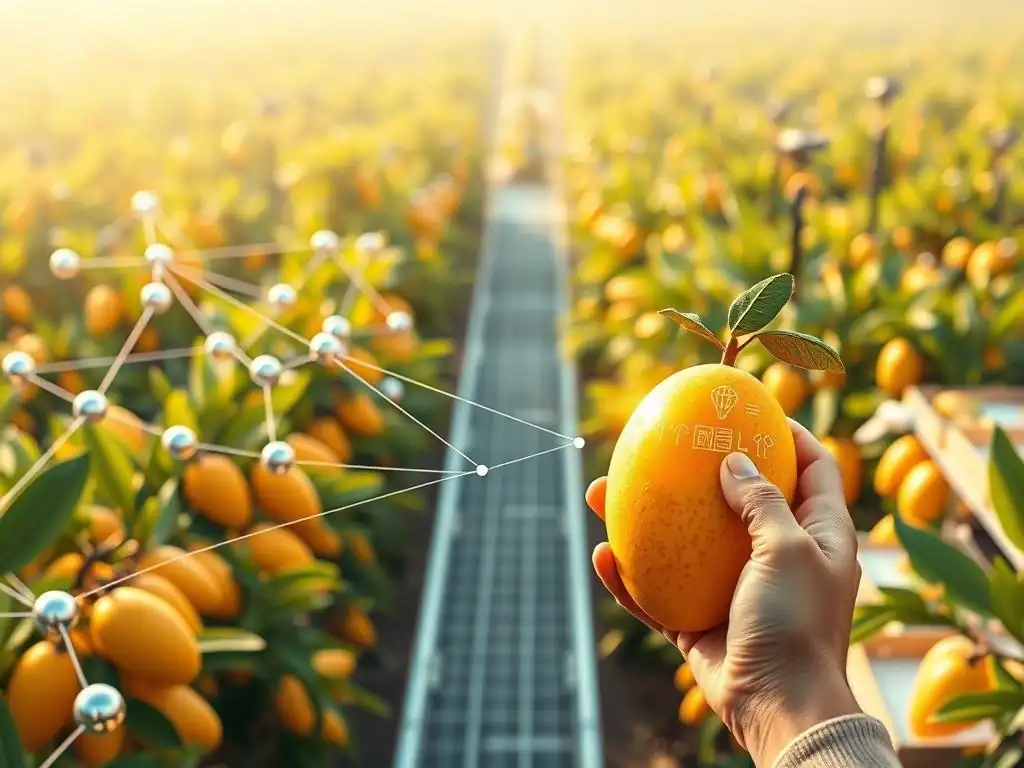
The blockchain system contributes to increased operational efficiency across the supply chain. Real-time visibility allows for better inventory management, optimized logistics, and reduced administrative burden associated with manual tracking and record-keeping. Automation potential through smart contracts further streamlines processes like verification and payments.
Reducing recall times and minimizing food waste also directly translate into cost savings. Less product is lost, and the logistical costs of handling recalls are significantly reduced. While there are initial investment costs associated with implementing blockchain technology, the long-term operational efficiencies and risk mitigation benefits can lead to substantial cost reductions for both Walmart and its supply chain partners. These efficiencies make the entire supply chain more robust and predictable, which is favorable for providers of Walmart blockchain supply chain finance.
Strengthening Food Safety and Compliance with Regulations
At its core, the initiative significantly strengthens food safety protocols. By providing an undeniable record of a product's journey, the system makes it easier to identify where issues might have occurred and implement corrective actions. It encourages best practices among suppliers, as their handling of products is transparently recorded.
The system also helps ensure compliance with food safety regulations, such as the Food Safety Modernization Act (FSMA) in the United States, which requires detailed traceability records. Walmart's blockchain system provides a robust digital framework for meeting and exceeding these regulatory requirements. Demonstrating such a high level of commitment to food safety and regulatory compliance enhances the reputation of all participants and reinforces the reliability of the data available to financial partners involved in Walmart blockchain supply chain finance.
Case Study: Walmart's Blockchain Success with Mangoes
Tracking Mangoes from a Specific Farm in Mexico to Walmart Stores in the US
The most compelling evidence of the system's success comes from the pilot project tracing mangoes from a specific farm in Mexico to Walmart stores in the United States. This real-world test case involved multiple handoffs across international borders, including harvesting, packing, customs, transportation, distribution centers, and retail stores. Traditionally, gathering all the necessary documentation and information to trace a single shipment back through this chain would involve numerous phone calls, emails, and searching through paper manifests spread across different companies and locations.
Using the Hyperledger Fabric-based blockchain platform, Walmart and its partners participating in the pilot were able to follow the digital trail of specific mango crates. Each time the mangoes changed hands or underwent a process (like packing or inspection), the relevant data was recorded on the shared ledger. This created a verifiable, step-by-step history accessible to authorized parties. This practical demonstration proved the system's capability to handle the complexities of a real-world, international food supply chain.
Reducing Recall Time from Weeks to Seconds
The standout result from the mango pilot was the dramatic reduction in the time required to trace a product. As mentioned earlier, Walmart publicly reported that they could trace a package of mangoes back to its farm of origin in as little as 2.2 seconds using the blockchain system. This is a stark contrast to the average trace time of up to 7 days (and sometimes longer for complex international supply chains) using previous methods.
This exponential improvement in trace speed is transformative for food safety. It means that in the event of a food safety issue, potentially contaminated products can be identified and removed from shelves almost immediately, significantly limiting consumer exposure and the potential scale of an outbreak. This capability is a game-changer for risk management within the supply chain and provides a strong data point demonstrating the tangible benefits of the Walmart blockchain implementation, impacting everything from operational efficiency to risk profiles considered by providers of Walmart blockchain supply chain finance.
Improving Consumer Confidence in Mango Safety
While direct metrics on consumer confidence specifically linked to the blockchain initiative are challenging to isolate, the underlying goal and likely outcome is improved trust. By implementing a system that enables such rapid and accurate traceability, Walmart is taking concrete steps to enhance food safety and transparency. Publicizing the success of initiatives like the mango pilot demonstrates a commitment to leveraging advanced technology for consumer protection.
In the long term, as consumers become more aware of the advanced safety measures in place, including the ability to verify product origins (potentially through QR codes linked to the blockchain data, although not initially implemented for consumers in the mango pilot), it is expected to build greater confidence in the safety and quality of the food purchased from Walmart. This enhanced consumer trust is invaluable for brand loyalty and market position, indirectly benefiting the entire supply chain and creating a more stable environment for Walmart blockchain supply chain finance.
The Impact on Suppliers: Empowering Mango Farmers with Blockchain
Increased Access to Supply Chain Finance Options
Participation in Walmart's blockchain traceability network can significantly enhance a supplier's access to supply chain finance. Traditional lenders often require extensive documentation and have limited visibility into a supplier's actual performance within the supply chain. The verifiable data recorded on the blockchain – such as proof of harvest, successful delivery to packing houses or distribution centers, and quality checks – provides financial institutions with a much clearer and more reliable picture of a supplier's inventory, transaction history, and operational reliability.
This increased transparency and data integrity can reduce the perceived risk for lenders. As a result, suppliers, particularly smaller farmers or intermediaries, may find it easier to qualify for supply chain finance programs offered by banks or third-party finance providers integrated with or informed by the blockchain network. They may also be able to access financing at more favorable terms, such as lower interest rates or higher advance rates against their invoices or inventory, leveraging their verifiable performance data on the Walmart blockchain supply chain finance platform.
Improved Creditworthiness and Reduced Borrowing Costs
By consistently participating in the blockchain network and maintaining accurate, verifiable records of their operations and product flow, suppliers build a digital reputation based on concrete performance data. This verifiable history serves as a strong indicator of their reliability and operational efficiency. Financial institutions can use this data to assess a supplier's creditworthiness more accurately than relying solely on traditional financial statements or credit scores, which may not fully capture their performance within the supply chain.
Improved creditworthiness based on blockchain-verified data can lead to reduced borrowing costs. Lenders are typically willing to offer lower interest rates when the risk is perceived to be lower. For mango farmers and other suppliers operating on thin margins, even a small reduction in interest rates can have a significant positive impact on their profitability. Access to cheaper and more readily available working capital through improved Walmart blockchain supply chain finance options allows them to invest in their operations, improve quality, and scale their businesses.
Greater Control Over Data and Mango Supply Chain Processes
While contributing data to a shared ledger, suppliers on the Walmart blockchain network also gain greater control and visibility over their own data and how their products move through the supply chain. They have access to the same verifiable record as other participants (within permission parameters), allowing them to track their shipments, verify receipts, and monitor performance metrics. This reduces information asymmetry between suppliers and larger buyers or distributors.
Having verifiable data on product handling and movement empowers suppliers in their dealings with other supply chain partners. For instance, if a dispute arises regarding the quality or quantity of a shipment upon arrival, the supplier can refer to the immutable blockchain record to support their position. This transparency and access to reliable data give suppliers more leverage and control over their business processes and relationships within the Walmart blockchain supply chain finance ecosystem.
Fostering Sustainable and Ethical Mango Sourcing Practices
Blockchain technology can also play a role in fostering sustainable and ethical sourcing practices within the mango supply chain. The system can be used to record data related to certifications (e.g., organic, fair trade), labor practices, water usage, or other sustainability metrics at the farm level. This data, once verified and recorded on the immutable ledger, provides a transparent and auditable record of compliance with sustainability standards.
For suppliers who invest in sustainable and ethical practices, the blockchain provides a mechanism to prove their claims to buyers and consumers. This can differentiate their products and potentially open up opportunities in premium markets or access to specific sustainability-linked Walmart blockchain supply chain finance programs. By making these practices verifiable, blockchain encourages broader adoption of responsible sourcing throughout the supply chain.
Challenges and Considerations for Blockchain Implementation in Food Supply Chain Finance
Scalability and Interoperability Issues with Existing Systems
Implementing blockchain across a vast and complex supply chain like Walmart's involves significant challenges. One major hurdle is scalability – ensuring the blockchain network can handle the immense volume of transactions and data generated by millions of products moving through the supply chain daily. While Hyperledger Fabric is designed for enterprise scale, integrating all participants and their data streams requires robust infrastructure and careful planning.
Another significant challenge is interoperability with existing legacy systems used by various supply chain partners. Many farmers, packers, and distributors use older, proprietary software or even manual processes. Integrating these disparate systems with the blockchain platform requires significant effort, investment, and technical expertise. Ensuring seamless data flow between the blockchain and existing enterprise resource planning (ERP) or warehouse management systems is crucial for the system's effectiveness and its ability to accurately inform Walmart blockchain supply chain finance decisions.
Data Privacy and Security Concerns for Sensitive Farm Data
While blockchain offers enhanced security through immutability and cryptography, concerns about data privacy remain, particularly regarding sensitive information from farms and suppliers. Data about farm yields, operational costs, specific practices, or customer destinations could be considered confidential business information. Although permissioned blockchains like Hyperledger Fabric control access to data, ensuring that only authorized parties can view specific information is paramount.
Designing the system with granular access controls and potentially using data privacy techniques like zero-knowledge proofs (though more complex) is necessary to protect sensitive information while still providing the necessary transparency for traceability and finance purposes. Building trust with suppliers regarding how their data will be used and protected is essential for encouraging their participation in the Walmart blockchain supply chain finance network.
Regulatory Landscape and Compliance Requirements for Food Safety
The regulatory landscape for food safety is complex and varies significantly across different countries and regions. While blockchain can help meet compliance requirements by providing detailed, verifiable records, the system itself must be designed to align with existing regulations. Regulatory bodies may also need to adapt their processes or develop new guidelines for interacting with blockchain-based traceability systems.
Ensuring that the data captured on the blockchain meets the specific requirements of regulations like FSMA, and that the system facilitates easy auditing by regulatory authorities, is a critical consideration. The system needs to be flexible enough to adapt to evolving regulatory demands. Navigating this complex regulatory environment and ensuring compliance is necessary for the successful and widespread adoption of blockchain in food supply chains and for its acceptance by financial regulators in the context of Walmart blockchain supply chain finance.
The Need for Industry Collaboration and Standardization of Data Formats
The full potential of blockchain in supply chain finance for the food industry can only be realized through broad industry collaboration. A single company implementing blockchain for its direct suppliers is a great start, but achieving true end-to-end transparency across the entire food system requires participation from a multitude of players, including competing retailers, different types of suppliers, logistics providers, and even government agencies.
Furthermore, establishing standardized data formats for recording information on the blockchain is essential for seamless interoperability between different companies and different blockchain networks that might emerge. Without common standards for identifying products, locations, and events, connecting data across different parts of the supply chain becomes difficult. Driving industry-wide adoption and standardization is a significant challenge but necessary for creating a truly connected and efficient food supply chain ecosystem that fully leverages the potential of Walmart blockchain supply chain finance and similar initiatives.
The Future of Blockchain in Food Supply Chain Finance: Trends and Predictions
Expanding Blockchain Adoption Across Other Food Categories
Walmart's success with mangoes and leafy greens has demonstrated the viability of blockchain for food traceability. It is highly probable that the adoption of blockchain technology will expand rapidly across other food categories, both within Walmart's operations and across the broader industry. Expect to see initiatives for tracing meat, poultry, seafood, dairy, grains, and other produce. Each category presents unique challenges (e.g., live animals vs. packaged goods), but the core principles of immutable, transparent traceability apply.
As more food categories are onboarded onto blockchain platforms, the network effects will increase, making the system more valuable for all participants. This expansion will create a richer dataset covering a wider range of agricultural products, further enhancing visibility and creating more opportunities for applying Walmart blockchain supply chain finance solutions across a larger portion of the food business.
Integrating Blockchain with IoT Sensors for Real-Time Monitoring of Mango Conditions
A significant trend is the integration of blockchain with Internet of Things (IoT) sensors. For perishable goods like mangoes, monitoring conditions during transit – such as temperature, humidity, and location – is critical for maintaining quality and safety. IoT sensors can automatically collect this data in real-time. Integrating these sensors with the blockchain platform allows this environmental data to be automatically recorded on the immutable ledger.
This integration provides an even richer, more dynamic dataset about the mangoes' journey and condition. Smart contracts could be triggered if temperature thresholds are breached, automatically alerting relevant parties or even adjusting payment terms based on verifiable condition data. This combination of blockchain traceability and real-time IoT monitoring offers unprecedented insights and control, further strengthening the data foundation for risk assessment and automated processes within Walmart blockchain supply chain finance.
The Rise of Decentralized Finance (DeFi) in Mango Supply Chain Funding
While Walmart's current initiative relies on a permissioned, centralized platform (IBM Food Trust/Hyperledger Fabric), the broader trend in blockchain is towards decentralized finance (DeFi). Although full decentralization may be some way off for large enterprise supply chains, elements of DeFi could influence future Walmart blockchain supply chain finance models. This could involve tokenization of supply chain assets (like verified inventory or future receivables) or the use of decentralized lending protocols where access to finance is based on verifiable on-chain data rather than traditional credit assessments alone.
Imagine a scenario where a mango farmer's performance and verifiable product flow on the blockchain serve as collateral for a loan provided directly through a decentralized protocol, bypassing traditional intermediaries. This could potentially lower the cost of capital and increase access to funding for suppliers who have a strong, verifiable track record on the blockchain. While significant regulatory and technical hurdles remain, the principles of DeFi could inspire more innovative and inclusive financing models built on blockchain-based supply chain data.
Transforming Food Supply Chain Finance with Blockchain: A Paradigm Shift
Ultimately, the trends point towards a fundamental transformation of food supply chain finance driven by blockchain technology. The enhanced transparency, data integrity, and automation capabilities provided by blockchain platforms create a new paradigm for financing the movement of goods. Financial institutions can move away from relying solely on traditional, often incomplete, information to making decisions based on real-time, verifiable data about product provenance, condition, and transaction history.
This shift enables more dynamic and flexible financing options, such as invoice financing, inventory financing, or purchase order financing, that are directly tied to the physical flow of goods documented on the blockchain. It reduces risks for lenders and borrowers alike, streamlines processes, and can unlock significant working capital trapped within the supply chain. Walmart's blockchain initiative, starting with mangoes, serves as a powerful example of how this technology can lay the groundwork for a more efficient, transparent, and accessible system for Walmart blockchain supply chain finance and beyond.
Conclusion: Walmart's Blockchain Initiative as a Model for Food Supply Chain Innovation
Key Takeaways: The Power of Blockchain for Mango Traceability and Food Safety
Walmart's blockchain initiative for mango traceability has provided compelling evidence of the technology's power to revolutionize food supply chains. The key takeaways are clear: blockchain provides unprecedented, near real-time visibility into the journey of food products, significantly enhances data integrity through immutability, and enables dramatically faster and more targeted responses to food safety issues like recalls. The ability to reduce trace times from days to seconds is a monumental achievement with direct implications for public health and operational efficiency.
This case study demonstrates that blockchain is not just for cryptocurrencies but has practical, transformative applications in complex enterprise environments. By focusing on a critical operational challenge – food safety and traceability – Walmart has showcased how blockchain can build trust, improve collaboration among diverse participants, and create a single, reliable source of truth for product information.
The Potential for Widespread Adoption of Blockchain in Food Supply Chain Finance
Beyond its immediate impact on traceability and safety, Walmart's blockchain initiative holds immense potential for transforming food supply chain finance. The foundation of reliable, verifiable data about product movement, provenance, and quality created by the blockchain network provides a robust basis for financial transactions and risk assessment. This enhanced transparency can unlock new opportunities for suppliers to access working capital, improve financing terms, and streamline financial processes.
As the network expands and integrates more data points, including potentially IoT data or smart contract-based verification, the data available to financial institutions will become even richer and more reliable. This increased data availability and integrity are key drivers for the widespread adoption of blockchain-informed approaches to supply chain finance across the food industry, moving towards more automated, data-driven, and accessible funding models. The success of initiatives like Walmart's provides a tangible proof point for the viability of Walmart blockchain supply chain finance solutions.
Shaping the Future of Global Food Commerce with Blockchain Technology
Walmart's pioneering work with blockchain for mango traceability is more than just a successful pilot; it is a significant step towards shaping the future of global food commerce. By demonstrating the tangible benefits of a transparent, verifiable, and efficient supply chain, Walmart is setting a standard and encouraging other industry players to explore and adopt similar technologies.
As blockchain networks grow and become more interconnected, they have the potential to create a truly global, transparent, and efficient food system. This will not only enhance food safety and reduce waste but also create a more equitable and accessible environment for all participants, from small farmers to large retailers. The integration of advanced traceability with innovative financial mechanisms, particularly in the realm of Walmart blockchain supply chain finance, represents a paradigm shift that promises to make the global food supply chain more resilient, trustworthy, and efficient for decades to come.
Frequently Asked Questions
What are the primary goals of Walmart's blockchain initiative for supply chain finance?
The main goals are to enhance traceability and build trust within their supply chain, resulting in greater efficiency and transparency.
How does Walmart's use of blockchain technology improve supply chain traceability?
Blockchain creates an immutable and shared ledger, allowing Walmart to track products from origin to shelf. This provides real-time data on product movement and authenticity.
What benefits does blockchain-based supply chain finance offer to Walmart's suppliers?
Suppliers can benefit from faster payments, reduced paperwork, and improved access to financing. This fosters stronger relationships within the supply chain.
What is the role of DeFi (Decentralized Finance) in the future of Walmart's blockchain supply chain initiatives?
While not explicitly stated in this hypothetical article, DeFi could potentially offer alternative financing options for suppliers, further improving financial inclusion and efficiency in Walmart's supply chain.
What regulatory considerations does Walmart need to address when implementing blockchain solutions in its supply chain finance?
Walmart must navigate regulations related to data privacy, cross-border transactions, and digital assets. Compliance is crucial for the long-term sustainability of the initiative.
Final Reflection: Embracing Transparency in Global Commerce
The journey of tracing produce from farm to table, as exemplified by Walmart's blockchain initiative, is more than just a technological advancement; it's a testament to the growing demand for unwavering transparency and accountability in global supply chains. The ability to track products with such precision not only enhances food safety but also fosters a deeper sense of trust between consumers and the brands they support, a trust that is increasingly vital in today's interconnected world.
The ripple effect of this initiative extends far beyond the grocery aisle, influencing how we perceive the origins and ethical implications of everything we consume. It highlights the power of technology to bridge the gap between producers and consumers, fostering a more conscious and responsible marketplace. Trust is the glue of life. It's the most essential ingredient in effective communication. It's the foundational principle that holds all relationships.
- Stephen Covey. This quote perfectly encapsulates the core value that blockchain technology, when applied thoughtfully, can bring to the complex world of supply chain finance.
As we look to the future, let us all consider how we can contribute to a more transparent and ethical world. Ask yourself: How can you, as a consumer, a business owner, or a policymaker, champion initiatives that promote traceability and accountability? Embrace the power of informed choices, and together, let's build a future where trust and transparency are not just ideals, but the very foundation of global commerce.
Alright, here's a CTA designed to fit your specifications, keeping in mind the article is about Walmart's use of Blockchain for Supply Chain Finance, focusing on traceability and trust, on a website called Blockchain Trends:
Unleash the Power of Blockchain Transparency Now!
Thanks for diving into the world of Walmart's blockchain journey! We hope you've gained valuable insights into how this technology is reshaping supply chain finance for enhanced traceability and trust. Now it's time to take action!
Here are a few steps you can take to further explore the future of blockchain in supply chains:
- Immediately begin researching potential pilot blockchain projects within your own company or industry. Don't wait – start small and learn fast!
- Join the conversation! Share this article on your LinkedIn or Twitter with your thoughts on blockchain's impact on trust and transparency in supply chains. Use the hashtag #BlockchainTrends.
- Sign up for our exclusive email newsletter to receive in-depth reports and case studies on cutting-edge blockchain applications, going beyond the surface level.
What concrete step will you take today to bring blockchain-powered traceability to your network? Let us know in the comments!
Leave a Reply