
The Legal Implications of NFT Game Assets: Ownership, Transfer, and Taxation


Welcome to Blockchain Trends, your guide to navigating the evolving world of decentralized technology!
Ever wondered how the virtual world intersects with real-world legal frameworks? Dive into our analysis of The Legal Implications of NFT Game Assets, where we uncover the complexities of ownership, transfer, and, most importantly, NFT game asset taxation. Is your digital loot subject to capital gains? Explore the emerging legal landscape and prepare to level up your understanding. Read on to unlock the secrets!
- Understanding NFT Game Asset Ownership: A Legal Perspective
- Transferring NFT Game Assets: Legal Considerations and Best Practices
- NFT Game Asset Taxation: Navigating the Complex Landscape
- Legal Challenges and Future Trends in NFT Gaming
- Mitigating Legal Risks in NFT Gaming: A Proactive Approach
-
Frequently Asked Questions
- What are the primary legal challenges surrounding the ownership of NFT game assets?
- How does the transfer of NFT game assets differ legally from the transfer of traditional in-game items?
- What are the key considerations for NFT game asset taxation?
- How are regulators approaching the issue of NFT game asset taxation?
- What are the potential future developments in the legal landscape surrounding NFT game assets?
- Final Reflection: Navigating the Evolving Landscape of NFT Game Asset Taxation
- Uncover Your NFT Gaming Edge!
Understanding NFT Game Asset Ownership: A Legal Perspective
Defining NFT Game Assets and Their Unique Properties
NFT game assets represent a revolutionary shift in the gaming industry, transforming digital in-game items into unique, verifiable, and tradable assets using blockchain technology. Unlike traditional in-game items that are centrally controlled and exist solely within the game's ecosystem, NFT game assets are tokenized representations of digital items on a blockchain. This tokenization imbues them with unique properties such as scarcity, provable ownership, and the potential for interoperability across different platforms.
Consider a unique sword in a role-playing game represented as an NFT. Its ownership is recorded on a blockchain, meaning it is not just tied to a specific player's account within the game but exists independently, allowing for potential trading or use in other compatible ecosystems, depending on the game's design and relevant legal frameworks. This fundamental difference from traditional digital assets raises complex legal questions surrounding ownership rights and their enforcement.
The unique properties of NFT game assets extend beyond mere digital collectibles. Their cryptographic nature ensures authenticity and prevents duplication, addressing a long-standing issue of counterfeit digital goods. Furthermore, the immutability of blockchain records provides a transparent and auditable history of ownership and transactions.
This contrasts sharply with traditional in-game assets where ownership is often a matter of game server records and subject to the game developer's terms of service. The decentralized nature of blockchain also potentially shifts control from centralized game developers to players, granting them a greater degree of autonomy over their digital assets, albeit within the bounds of existing and evolving legal frameworks that are only beginning to grapple with these novel digital property rights.
Legal Frameworks Governing Digital Asset Ownership
The legal frameworks currently attempting to govern digital asset ownership, including NFT game assets, are still in their nascent stages and vary significantly across jurisdictions. Traditional property law, designed for tangible assets, often struggles to accommodate the unique characteristics of digital assets which are intangible, easily reproducible (in concept, but not as unique NFTs), and exist in a decentralized digital space. In many legal systems, digital assets are not explicitly defined as "property" in the traditional sense.
Instead, they might be categorized as contractual rights, data, or even intellectual property, depending on their nature and the specific legal context. This ambiguity creates challenges when trying to apply existing laws to disputes involving ownership, transfer, and taxation of NFT game assets.
Several jurisdictions are beginning to explore bespoke legislation for digital assets. For example, some countries are considering or have implemented regulations that classify cryptocurrencies as a form of property or financial instrument, which could potentially extend to certain types of NFTs. However, the global and borderless nature of blockchain technology poses a significant challenge to national legal frameworks.
A game asset created in one jurisdiction, traded on a marketplace in another, and owned by a player in yet another highlights the need for international harmonization of digital asset laws. The lack of a unified global approach creates legal uncertainty and complexity for developers, players, and marketplaces involved in the NFT gaming ecosystem, particularly concerning cross-border transactions and enforcement of ownership rights.
Establishing Ownership Rights for In-Game NFTs
Establishing clear ownership rights for in-game NFTs is paramount for fostering trust and growth within the NFT gaming market. While blockchain technology provides a record of ownership on a decentralized ledger, the legal recognition and enforcement of these ownership rights are not always straightforward. Game developers typically define the terms of service (ToS) and end-user license agreements (EULA) that govern the use of their games and in-game assets.
These agreements often stipulate that while players may "own" the NFT representing an asset, their rights are still subject to the game's rules and the developer's control over the game environment. This can create a tension between the perceived "ownership" conferred by the NFT and the practical limitations imposed by game developers' control.
Furthermore, the concept of "custody" plays a crucial role in NFT ownership. Players typically hold NFTs in digital wallets, which can be custodial (managed by a third party) or non-custodial (managed directly by the player). Custodial wallets may offer convenience but also introduce counterparty risk, as the wallet provider ultimately controls the private keys associated with the NFTs.
Non-custodial wallets grant users full control over their private keys, but also place the responsibility for security and backup solely on the user. Legal disputes concerning NFT ownership may arise in cases of lost private keys, wallet hacks, or disputes between players and game developers regarding the interpretation of ToS and EULA, emphasizing the need for clearer legal frameworks to define and protect NFT ownership rights in the gaming context.
Challenges to NFT Ownership in Gaming: Security and Fraud
Despite the security features of blockchain technology, NFT ownership in gaming is not immune to security risks and fraudulent activities. Smart contract vulnerabilities, phishing scams targeting players' wallets, and marketplace manipulation are all potential threats to NFT game asset ownership. A well-documented example is the exploitation of vulnerabilities in certain NFT smart contracts, leading to unauthorized transfers or theft of valuable assets. Such incidents underscore the importance of robust security audits for smart contracts and user education on best practices for safeguarding their digital wallets and NFTs.
Furthermore, the pseudonymous nature of blockchain transactions can complicate efforts to combat fraud and illicit activities. While blockchain provides transparency in transaction history, identifying the real-world individuals behind wallet addresses can be challenging. This can hinder law enforcement efforts to investigate and prosecute cases of NFT theft, fraud, or money laundering related to in-game assets.
The decentralized nature of NFT marketplaces also poses jurisdictional challenges for law enforcement agencies seeking to address fraudulent activities occurring across borders. Addressing these security and fraud challenges requires a multi-faceted approach involving technological solutions, legal frameworks, and industry best practices to protect NFT game asset owners and maintain the integrity of the NFT gaming ecosystem.
Transferring NFT Game Assets: Legal Considerations and Best Practices
Legal Aspects of NFT Game Asset Marketplaces
NFT game asset marketplaces serve as crucial infrastructure for the transfer of ownership and trading of these digital assets. From a legal perspective, these marketplaces operate at the intersection of e-commerce, financial services, and intellectual property law.
They facilitate transactions that involve the sale and purchase of digital assets, potentially triggering regulatory requirements related to consumer protection, anti-money laundering (AML), and securities laws, depending on the jurisdiction and the specific characteristics of the NFTs being traded. For instance, some jurisdictions may classify certain types of NFTs as securities if they represent a fractional ownership in an underlying asset or offer profit-sharing mechanisms, subjecting marketplaces trading such NFTs to securities regulations.
The legal responsibility of NFT game asset marketplaces is also a developing area. Questions arise regarding their liability for fraudulent listings, intellectual property infringement, or the sale of illicitly obtained NFTs. Marketplaces are increasingly implementing measures such as Know Your Customer (KYC) and AML compliance procedures to mitigate risks and comply with regulatory requirements. They are also developing dispute resolution mechanisms to address issues arising between buyers and sellers. However, the legal framework governing marketplace liability for NFT transactions is still evolving, and marketplaces must navigate a complex and often ambiguous regulatory landscape to ensure compliance and protect users.
Smart Contracts and Automated NFT Transfers
Smart contracts are fundamental to the automated and trustless transfer of NFT game assets. These self-executing contracts, encoded on the blockchain, automatically execute the terms of an agreement when predefined conditions are met. In the context of NFT transfers, smart contracts facilitate the exchange of an NFT from seller to buyer upon receipt of payment, without the need for intermediaries. This automation streamlines the transfer process and enhances transparency and security compared to traditional methods of digital asset transfer.
However, the legal enforceability of smart contracts is a subject of ongoing debate and legal development. While smart contracts automate the execution of agreements, their legal validity and interpretation may be subject to existing contract law principles. Issues such as contract formation, interpretation of code as contractual terms, and remedies for breach of smart contracts are being actively explored by legal scholars and practitioners.
Furthermore, errors or vulnerabilities in smart contract code can lead to unintended consequences or financial losses, raising questions about liability and recourse for parties involved in smart contract-based NFT transfers. The legal framework surrounding smart contracts is gradually developing to address these challenges and provide greater clarity and certainty for their use in NFT transactions.
Licensing Agreements and Usage Rights for Transferred NFTs
The transfer of an NFT game asset does not automatically imply the transfer of all associated rights. NFTs typically represent ownership of a specific digital token, but the usage rights associated with the underlying game asset are often governed by separate licensing agreements. Game developers retain intellectual property rights over their game assets and typically grant players a license to use these assets within the game environment. This license may be subject to specific terms and conditions, including limitations on commercial use, modifications, or redistribution of the game asset.
When an NFT game asset is transferred, the buyer typically acquires the ownership of the token and the associated usage rights as defined by the game developer's licensing agreement. It is crucial for players to understand the scope of these usage rights and any limitations that may apply.
For example, a licensing agreement may restrict the use of an NFT game asset to a specific game or platform, or prohibit its use for commercial purposes outside the game. Clear and transparent licensing agreements are essential to avoid misunderstandings and disputes regarding the usage rights associated with transferred NFT game assets, ensuring that both buyers and sellers are aware of the terms and conditions governing their use.
Legal Implications of Cross-Game NFT Transfers and Interoperability
The potential for cross-game NFT transfers and interoperability, where assets can be used across different games and virtual worlds, represents a compelling vision for the future of NFT gaming. However, this interoperability raises significant legal and technical challenges. From a legal perspective, cross-game transfers necessitate compatibility of licensing agreements and usage rights across different game ecosystems. If each game has its own unique licensing terms, transferring an NFT from one game to another may lead to conflicts or ambiguities regarding the applicable usage rights in the new game environment.
Furthermore, interoperability raises complex intellectual property issues. Game developers may be reluctant to allow their assets to be used in competing games due to concerns about brand dilution or loss of control over their intellectual property. Establishing legal frameworks and industry standards that address these interoperability challenges is crucial for realizing the full potential of cross-game NFT transfers.
This may involve developing standardized licensing agreements, technical protocols for asset interoperability, and legal mechanisms for resolving disputes arising from cross-game asset usage. While the concept of a truly interoperable metaverse of NFT game assets is still in its early stages, addressing these legal and technical hurdles is essential for its future development.
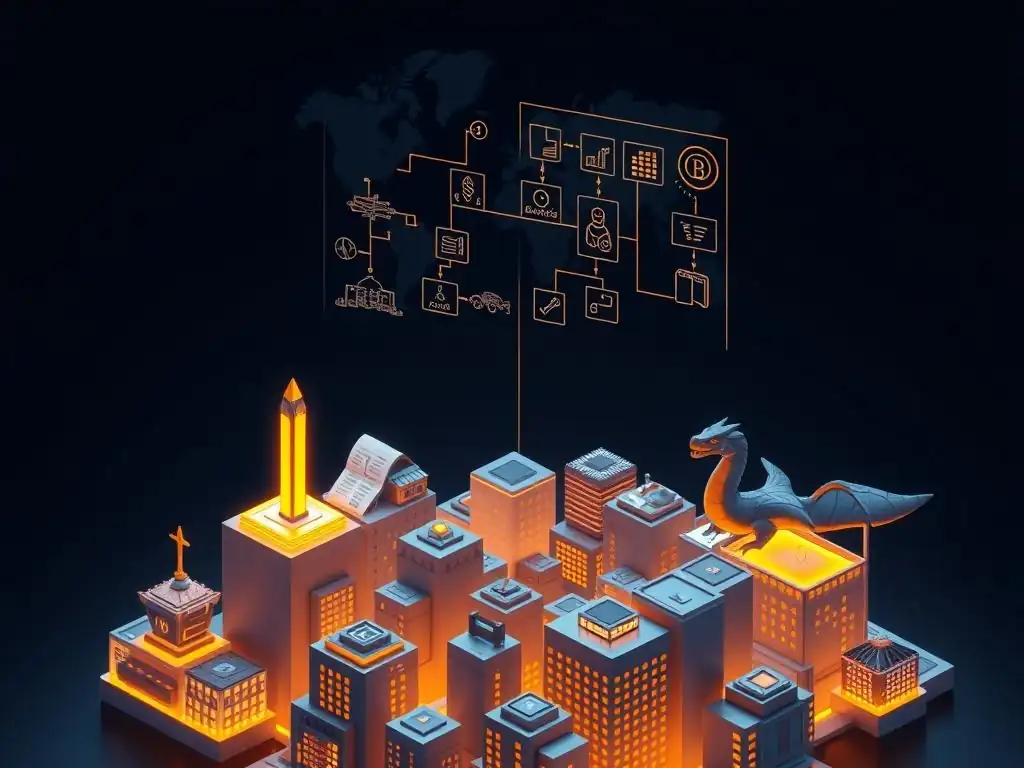
The Tax Implications of Buying and Selling NFT Game Assets
The taxation of NFT game assets is a complex and evolving area, with tax authorities worldwide grappling with how to classify and tax these novel digital assets. Generally, the buying and selling of NFT game assets can trigger various tax implications, depending on the jurisdiction, the nature of the NFT, and the specific circumstances of the transaction.
In many jurisdictions, NFTs are treated as property for tax purposes, meaning that profits from their sale may be subject to capital gains tax. For example, if a player purchases an NFT game asset and later sells it for a higher price, the profit may be considered a capital gain and subject to taxation.
However, the specific tax rules and rates applicable to NFT transactions can vary significantly across countries and even within different regions of the same country. Some jurisdictions may apply value-added tax (VAT) or sales tax to NFT transactions, while others may not. The classification of NFTs as collectibles, digital assets, or financial instruments can also influence their tax treatment. Furthermore, the lack of clear and consistent guidance from tax authorities in many jurisdictions creates uncertainty and complexity for NFT game asset traders and investors, necessitating careful consideration of the potential tax implications of their transactions.
Understanding Capital Gains Tax on NFT Game Asset Investments
Capital gains tax is a significant consideration for individuals and entities investing in NFT game assets. Capital gains arise when an asset is sold for a profit, and in many jurisdictions, these gains are subject to taxation. The rate of capital gains tax can vary depending on the holding period of the asset, the taxpayer's income bracket, and the specific tax laws of the jurisdiction. For NFT game assets, the capital gain is typically calculated as the difference between the selling price and the purchase price (or cost basis) of the NFT.
It is crucial for NFT game asset investors to maintain accurate records of their purchase and sale transactions, including dates, prices, and any associated costs, to properly calculate and report capital gains. The definition of "cost basis" for NFTs can also be complex, particularly if NFTs are acquired through means other than direct purchase, such as through in-game rewards or airdrops.
Furthermore, the tax treatment of losses from NFT investments can also vary, with some jurisdictions allowing capital losses to offset capital gains, while others may have limitations on deducting capital losses. Understanding the specific capital gains tax rules in their jurisdiction is essential for NFT game asset investors to ensure tax compliance and optimize their investment strategies.
Income Tax Implications for Earning NFTs in Games
Beyond buying and selling, players can also "earn" NFTs within games through gameplay activities, such as completing quests, winning tournaments, or participating in play-to-earn models. The tax implications of earning NFTs in games are distinct from those related to buying and selling and often fall under the realm of income tax. In many jurisdictions, NFTs earned through gameplay may be considered taxable income, particularly if they have a real-world market value and can be readily converted into fiat currency or other cryptocurrencies.
The determination of taxable income from earned NFTs can be complex and depends on factors such as the fair market value of the NFT at the time of earning, the frequency and regularity of earning activities, and the applicable tax laws. Some jurisdictions may treat income from play-to-earn gaming as business income if the player engages in such activities on a regular and professional basis, while others may classify it as hobby income or casual earnings.
The reporting requirements for income from earned NFTs can also vary, and players may need to track the value of NFTs earned and report this income to tax authorities. Clarity from tax authorities on the specific rules for taxing income from play-to-earn gaming is crucial for ensuring compliance and fostering the sustainable growth of this emerging sector.
United States Tax Regulations for NFT Game Assets
In the United States, the Internal Revenue Service (IRS) has not yet issued specific guidance directly addressing the taxation of NFT game assets. However, existing tax principles and general guidance on digital assets provide some insights into the potential tax treatment of NFTs. The IRS generally treats virtual currency as property for tax purposes, and this principle is likely to extend to NFTs.
Therefore, the sale or exchange of NFT game assets may be subject to capital gains tax in the US. The tax rate would depend on the holding period of the NFT, with short-term capital gains (held for one year or less) taxed at ordinary income tax rates and long-term capital gains (held for more than one year) taxed at preferential capital gains rates.
For individuals earning NFTs through play-to-earn games, the IRS may consider the fair market value of these NFTs as taxable income. The specific classification of this income (e.g., ordinary income or self-employment income) and the applicable tax rates would depend on the individual's circumstances and the nature of their gaming activities. Furthermore, the US tax code includes provisions for "collectibles," which are taxed at a maximum capital gains rate of 28%.
While it is not yet definitively clear whether NFT game assets would be classified as collectibles by the IRS, this is a potential consideration for high-value NFTs. Given the evolving nature of NFT taxation, US taxpayers involved in NFT gaming should consult with tax professionals to ensure compliance with current regulations and seek up-to-date guidance from the IRS as it becomes available.
Legal Challenges and Future Trends in NFT Gaming
Regulatory Uncertainty and the Future of NFT Game Laws
Regulatory uncertainty remains a significant challenge for the NFT gaming industry globally. The rapid pace of innovation in blockchain technology and NFT applications has outpaced the development of clear and comprehensive legal frameworks. Many jurisdictions are still in the early stages of considering how to regulate NFTs, and the lack of harmonized international regulations creates complexity and compliance challenges for game developers, marketplaces, and players operating across borders. This uncertainty can stifle innovation and investment in the NFT gaming space, as businesses and individuals hesitate to engage in activities with unclear legal ramifications.
The future of NFT game laws will likely involve a gradual evolution of existing legal frameworks and the potential development of new, bespoke regulations tailored to the unique characteristics of NFTs and blockchain technology. Policymakers are grappling with issues such as consumer protection, investor protection, anti-money laundering, and intellectual property rights in the context of NFTs.
The direction of future regulations will significantly impact the development and adoption of NFT gaming, influencing aspects such as marketplace operations, player rights, and the overall legal landscape of the metaverse. Industry stakeholders and legal experts are actively engaging with regulators to advocate for balanced and pragmatic regulations that foster innovation while mitigating risks and protecting consumers.
Protecting Intellectual Property in NFT Games
Protecting intellectual property (IP) is paramount in the NFT gaming industry, where digital assets often represent valuable brands, characters, and game designs. While NFTs themselves can represent proof of ownership of a digital asset, they do not automatically confer ownership of the underlying intellectual property rights. Game developers typically retain copyright, trademark, and other IP rights associated with their games and in-game assets, even when these assets are represented as NFTs. NFTs primarily serve as a mechanism for transferring ownership or licensing rights to specific digital tokens, not the underlying IP.
Challenges arise in enforcing IP rights in the decentralized and borderless environment of NFT gaming. Counterfeiting, unauthorized use of game assets, and IP infringement can occur across different platforms and jurisdictions, making enforcement complex and costly.
Game developers are employing various strategies to protect their IP in the NFT space, including registering trademarks, implementing digital rights management (DRM) technologies, and actively monitoring marketplaces for infringing activities. Legal mechanisms for addressing IP infringement in the metaverse are still developing, and effective IP protection strategies are crucial for fostering a sustainable and innovative NFT gaming ecosystem that respects creators' rights and incentivizes investment in high-quality game development.
The Role of DAOs in Governing NFT Game Assets
Decentralized Autonomous Organizations (DAOs) are emerging as a novel governance model within the NFT gaming space, offering the potential for community-driven ownership and management of game assets and game economies. DAOs are organizations governed by rules encoded in smart contracts, operating autonomously and transparently without central control. In NFT gaming, DAOs can be used to manage in-game assets, distribute rewards, govern game development decisions, and even own and operate entire games. This decentralized governance model can empower players, foster community engagement, and shift control away from centralized game developers.
The legal status and implications of DAOs are still largely undefined in most jurisdictions. Traditional legal frameworks for organizations and governance structures often struggle to accommodate the decentralized and autonomous nature of DAOs. Questions arise regarding legal liability, regulatory compliance, and the rights and responsibilities of DAO members. Some jurisdictions are beginning to explore legal frameworks for DAOs, but significant legal uncertainty remains. Despite these legal challenges, DAOs are gaining traction in the NFT gaming space as a potentially transformative governance model, and their legal recognition and regulation will be crucial for their broader adoption and long-term viability.
Legal Considerations for Play-to-Earn Gaming Models
Play-to-earn (P2E) gaming models, where players can earn cryptocurrency or NFT rewards through gameplay, introduce unique legal considerations that are distinct from traditional gaming models. P2E games blur the lines between gaming, investment, and employment, raising regulatory questions related to securities laws, gambling regulations, and labor laws. In some jurisdictions, P2E games may be scrutinized under securities laws if the in-game tokens or NFTs are deemed to represent an investment contract or security.
Gambling regulations may also be relevant if P2E games involve elements of chance or wagering with real-world value. Furthermore, the income earned by players in P2E games may be subject to labor laws and tax regulations, particularly if players are engaging in P2E gaming as a primary source of income.
The legal landscape for P2E gaming is rapidly evolving, and regulators worldwide are assessing the potential risks and benefits of these models. Some jurisdictions are taking a cautious approach, while others are exploring ways to foster innovation while mitigating risks. Clear regulatory guidance is needed to provide legal certainty for P2E game developers, players, and investors, ensuring responsible development and sustainable growth of this emerging sector. Legal considerations for P2E gaming models are likely to remain a central focus of regulatory attention as this industry continues to evolve and gain wider adoption.
Mitigating Legal Risks in NFT Gaming: A Proactive Approach
Due Diligence for NFT Game Developers and Players
Due diligence is crucial for both NFT game developers and players to mitigate legal risks and ensure responsible participation in the NFT gaming ecosystem. For developers, due diligence involves conducting thorough legal reviews of their game design, tokenomics, smart contracts, and terms of service to ensure compliance with applicable regulations and protect user rights.
This includes seeking legal counsel to navigate the complex and evolving regulatory landscape and proactively address potential legal issues. Developers should also implement robust security measures to protect player assets and data, and provide transparent and accessible information to players regarding game rules, token mechanics, and associated risks.
Players also have a responsibility to conduct due diligence before engaging in NFT gaming activities. This includes researching the game developer, understanding the game's tokenomics and terms of service, and assessing the risks associated with investing in or trading NFT game assets. Players should be aware of potential scams, fraud, and security vulnerabilities, and take precautions to protect their digital wallets and personal information. Engaging with reputable marketplaces and communities, and seeking advice from experienced players or legal professionals can also help players make informed decisions and mitigate legal and financial risks in the NFT gaming space.
Implementing Secure Smart Contracts and Asset Management Systems
Secure smart contracts and robust asset management systems are essential for mitigating legal risks and fostering trust in NFT gaming. Smart contract vulnerabilities can lead to exploits, hacks, and loss of player assets, potentially resulting in legal disputes and reputational damage. Game developers should prioritize the security of their smart contracts by implementing rigorous testing, auditing, and security best practices. This includes engaging reputable smart contract auditors to identify and address potential vulnerabilities before deployment.
Furthermore, implementing secure asset management systems is crucial for protecting player NFTs and ensuring the integrity of in-game economies. This involves using secure wallet infrastructure, implementing multi-signature wallets for enhanced security, and providing players with secure and user-friendly tools for managing their NFT game assets. Regular security audits and updates are necessary to address evolving security threats and maintain the integrity of smart contracts and asset management systems. Prioritizing security is not only a technical imperative but also a legal and ethical responsibility for NFT game developers to protect their players and build a trustworthy gaming ecosystem.
Understanding and Complying with Existing Regulations
Understanding and complying with existing regulations is a fundamental aspect of mitigating legal risks in NFT gaming. While specific regulations for NFTs are still developing, existing laws related to consumer protection, data privacy, anti-money laundering, and securities may be applicable to various aspects of NFT gaming. Game developers, marketplaces, and players should be aware of these existing regulations and take steps to ensure compliance. This includes implementing KYC and AML procedures for marketplaces, complying with data privacy regulations such as GDPR or CCPA, and adhering to consumer protection laws regarding fair trading practices and transparent disclosures.
Compliance with existing regulations requires ongoing monitoring of the evolving legal landscape and adaptation to new regulatory requirements. Engaging with legal counsel and regulatory experts can help NFT gaming businesses navigate the complex regulatory environment and proactively address compliance challenges. Proactive compliance not only mitigates legal risks but also builds trust and credibility with regulators, players, and the broader community, fostering a more sustainable and responsible NFT gaming industry.
Seeking Legal Counsel for NFT Game Asset Transactions
Given the novelty and complexity of NFT game asset transactions, seeking legal counsel is a prudent step for both developers and players involved in significant or high-value transactions. Legal counsel can provide guidance on various legal aspects of NFT gaming, including ownership rights, transfer mechanisms, taxation, intellectual property protection, and regulatory compliance. For developers, legal counsel can assist in drafting terms of service, licensing agreements, and smart contract legal clauses to ensure legal clarity and protect their interests. Legal advice is also crucial for navigating fundraising, token launches, and other complex business activities in the NFT gaming space.
For players, particularly those engaging in high-value NFT transactions or play-to-earn activities, legal counsel can provide advice on tax implications, ownership rights, and potential risks associated with specific transactions or games. Legal professionals specializing in digital assets and blockchain technology can offer valuable insights and guidance to help both developers and players make informed decisions, mitigate legal risks, and navigate the evolving legal landscape of NFT gaming. Seeking legal counsel proactively demonstrates a commitment to legal compliance and responsible participation in this innovative and rapidly growing industry.
Frequently Asked Questions
What are the primary legal challenges surrounding the ownership of NFT game assets?
The legal challenges primarily revolve around defining ownership rights in a digital space, determining the jurisdiction governing these assets, and addressing issues related to intellectual property infringement.
How does the transfer of NFT game assets differ legally from the transfer of traditional in-game items?
Unlike traditional in-game items, NFTs represent unique, verifiable assets on a blockchain. This creates a transparent record of ownership and transfer, which can pose new challenges for regulators and require different legal frameworks.
What are the key considerations for NFT game asset taxation?
Taxation of NFT game assets involves determining whether they are considered capital assets, collectibles, or something else. This directly impacts the tax rate and reporting requirements, and depends on the specific jurisdiction.
How are regulators approaching the issue of NFT game asset taxation?
Regulators are grappling with how to classify and value NFT game assets for taxation purposes. Many are still developing clear guidelines and interpretive rules, leading to uncertainty in the market.
What are the potential future developments in the legal landscape surrounding NFT game assets?
We can expect increased regulatory scrutiny, potentially leading to standardized frameworks for ownership, transfer, and NFT game asset taxation. This will hopefully bring more clarity and stability to the market.
The complexities surrounding NFT game asset taxation are no longer a distant concern, but a pressing reality for players, developers, and regulators alike. The rapid growth of blockchain gaming has catapulted virtual assets into the real world, demanding a clear understanding of their legal status and tax implications. Ignoring this evolving landscape risks non-compliance and missed opportunities within this burgeoning digital economy.
This exploration into the legal implications of NFT game assets has underscored the profound impact these digital items have on our understanding of ownership and value. The blurring lines between virtual and real-world economies demand a re-evaluation of traditional legal frameworks. The only constant in life is change.
This quote, often attributed to Heraclitus, resonates deeply as we grapple with the ever-shifting legal and financial terrain shaped by NFTs and blockchain technology. The future of digital ownership hinges on our ability to adapt and create clear, equitable guidelines.
As you navigate this exciting, yet complex, world of NFT game assets, remember that knowledge is your most powerful tool. Take the time to understand the tax implications in your jurisdiction, consult with legal and financial professionals, and actively participate in shaping the future of this innovative space. The choices we make today will determine the fairness and accessibility of the metaverse tomorrow.
Uncover Your NFT Gaming Edge!
Thank you for exploring the legal landscape of NFT game assets! We hope this article has empowered you with a clearer understanding of ownership, transfer, and taxation within the dynamic world of blockchain gaming. Ready to take the next step?
Here are a few actions you can take right now:
- Dive deeper by consulting a qualified legal professional specializing in blockchain and NFTs – ensure your assets are protected and compliant.
- Explore different NFT games mentioned in the article and share your thoughts on their legal structures in the comments below.
- Consider researching how evolving regulations might impact your NFT gaming strategies and share your insights on your social media using #NFTGamingLaw.
How will you leverage your newfound knowledge to navigate the legal intricacies of NFT gaming?
Leave a Reply