
EGovernance Accessibility: Ensuring Inclusivity with Blockchain Solutions


Welcome to Blockchain Trends, your compass in the rapidly evolving world of decentralized technology. Beyond the hype, lies a powerful engine for change. Are you ready to unlock its potential?
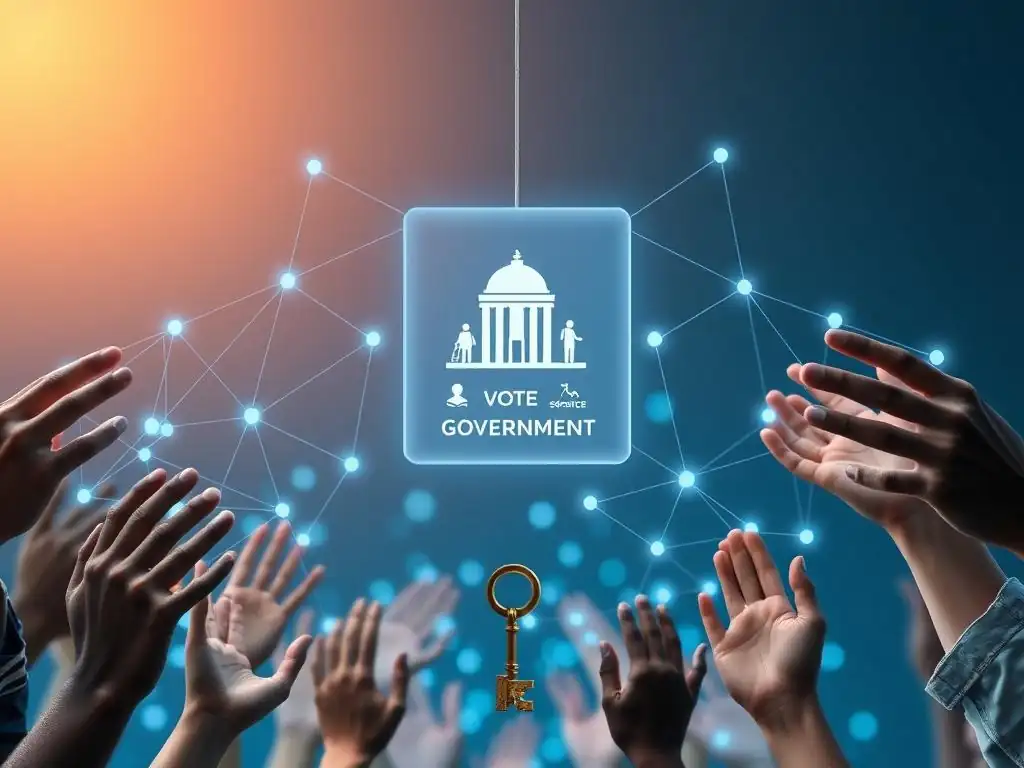
This week, we delve into a critical aspect often overlooked: Blockchain governance accessibility solutions. Explore how innovative blockchain strategies are ensuring that eGovernance isn't just efficient, but truly inclusive. Discover the tools and approaches that are breaking down barriers and empowering citizens in a new era of participatory democracy. Intrigued? Read on to learn how blockchain is building a more accessible future, one block at a time.
EGovernance Accessibility: Ensuring Inclusivity with Blockchain Solutions
- Introduction: The Imperative of Accessible EGovernance
- Understanding the Challenges of Current EGovernance Systems
- Blockchain Governance Accessibility Solutions: A Detailed Examination
- Specific Blockchain Applications for Accessible EGovernance
- Case Studies: Real-World Implementations of Blockchain for EGovernance Accessibility
- Overcoming Challenges in Implementing Blockchain Governance Accessibility Solutions
- The Future of Blockchain in EGovernance: Towards a More Inclusive Digital Society
- Conclusion: Blockchain as a Catalyst for Inclusive EGovernance
-
Frequently Asked Questions
- What are blockchain governance accessibility solutions and how do they improve eGovernance?
- How can blockchain technology enhance accessibility in eGovernance for individuals with disabilities?
- What role does decentralization play in making eGovernance more accessible and equitable?
- What are some potential regulatory challenges associated with implementing blockchain governance accessibility solutions?
- How can blockchain technology be used to combat corruption and increase accountability in eGovernance?
- Final Reflection: Bridging the Digital Divide with Blockchain
- Unlock the Power of Accessible E-Governance!
Introduction: The Imperative of Accessible EGovernance
Defining Accessible EGovernance: A Foundation for Inclusive Digital Services
Accessible eGovernance refers to the design and implementation of digital government services that are usable by all citizens, regardless of their abilities, socio-economic background, or geographic location. It goes beyond simply making services available online; it emphasizes ensuring that these services are easily navigable, understandable, and functional for everyone. This includes individuals with disabilities, those with limited digital literacy, and populations in underserved areas with poor internet connectivity. Accessible eGovernance is not just a matter of convenience but a fundamental aspect of inclusive governance, ensuring that all citizens can participate in and benefit from digital government services.
The core principle of accessible eGovernance is to eliminate barriers that prevent citizens from accessing and utilizing online government services. These barriers can be technological, such as websites that are not compatible with assistive technologies, or cognitive, such as complex language and confusing interfaces. Economically disadvantaged populations may face barriers due to lack of access to devices or affordable internet. Geographically isolated communities might struggle with limited digital infrastructure. Therefore, defining accessible eGovernance necessitates a holistic approach that considers the diverse needs and circumstances of all citizens to create a truly inclusive digital public sphere.
The Role of Blockchain in Enhancing EGovernance Accessibility
Blockchain technology, with its inherent characteristics of transparency, security, and decentralization, presents a novel approach to enhance eGovernance accessibility. While often associated with cryptocurrencies, blockchain's potential extends far beyond financial applications, offering unique solutions to address many of the challenges hindering accessible eGovernance. Its ability to create immutable and transparent records can foster trust and accountability in government operations, while its decentralized nature can lead to more inclusive and citizen-centric service delivery models.
By leveraging blockchain, governments can potentially overcome existing limitations in traditional eGovernance systems. For instance, blockchain-based digital identity solutions can provide secure and universally verifiable identities, addressing issues of identity fraud and exclusion, particularly for marginalized populations lacking formal identification. Similarly, blockchain's capacity for secure and transparent data management can streamline bureaucratic processes, reduce corruption, and enhance the efficiency of public service delivery, making governance more accessible and responsive to citizen needs. The technology offers a pathway towards building more equitable and inclusive digital governance frameworks.
Understanding the Challenges of Current EGovernance Systems
Limitations of Traditional EGovernance: Barriers to Access
Traditional eGovernance systems, while aiming to modernize public services, often inadvertently create or perpetuate barriers to access for certain segments of the population. Many existing systems are built on centralized architectures, which can be vulnerable to single points of failure, censorship, and manipulation, undermining citizen trust. Furthermore, the complexity of interfaces, lack of multilingual support, and absence of accessibility features for people with disabilities frequently render these platforms unusable for a significant portion of the citizenry.
Bureaucratic processes embedded within traditional eGovernance can also be cumbersome and opaque, requiring citizens to navigate complex procedures and often lacking transparency in decision-making. For example, applying for government permits or accessing social welfare benefits can involve lengthy paperwork, multiple physical visits to government offices, and unclear eligibility criteria. This complexity disproportionately affects vulnerable populations, including the elderly, those with lower levels of education, and individuals with disabilities, hindering their effective participation in civic life and access to essential services.
Digital Divide and Exclusion: Who is Left Behind?
The digital divide, characterized by unequal access to and use of digital technologies, is a significant factor exacerbating exclusion in eGovernance. While internet penetration rates are increasing globally, substantial disparities persist, particularly between urban and rural areas, and across different socio-economic groups. According to the International Telecommunication Union (ITU), in 2023, approximately 33% of the world's population remains offline, with a significant portion residing in developing countries and marginalized communities. This lack of basic digital infrastructure and affordable internet access effectively excludes a large segment of the population from participating in digital governance initiatives.
Beyond basic access, digital literacy also plays a crucial role in eGovernance accessibility. Even with internet access, individuals lacking the necessary skills to navigate online platforms, understand digital information, or utilize online services are effectively excluded. UNESCO reports that globally, digital literacy levels vary widely, with significant gaps observed across age groups, genders, and educational backgrounds. This digital illiteracy further marginalizes vulnerable populations, hindering their ability to engage with eGovernance platforms and benefit from digital public services, widening the gap between the digitally included and excluded.
Security and Trust Concerns in Conventional EGovernance Models
Security and trust are paramount in eGovernance, yet conventional models often face challenges in ensuring robust data protection and fostering citizen confidence. Centralized databases, commonly used in traditional eGovernance, are attractive targets for cyberattacks and data breaches, potentially exposing sensitive citizen information to unauthorized access and misuse. High-profile data breaches in government institutions worldwide, such as the 2015 US Office of Personnel Management breach affecting millions of federal employees, underscore the vulnerabilities of centralized systems.
Furthermore, lack of transparency in data handling and government processes erodes citizen trust in eGovernance. When citizens are unsure how their data is being used, or if government decisions are made fairly and accountably, they are less likely to engage with digital services. Concerns about surveillance, data privacy, and potential misuse of personal information can create a climate of distrust, hindering the adoption of eGovernance initiatives and undermining the legitimacy of digital governance. Building trust requires systems that are not only secure but also transparent and accountable, ensuring citizen data is protected and government actions are open to scrutiny.
Blockchain Governance Accessibility Solutions: A Detailed Examination
Blockchain's Potential to Overcome EGovernance Accessibility Barriers
Blockchain technology offers a suite of features that directly address many of the accessibility barriers inherent in traditional eGovernance systems. Its decentralized nature reduces reliance on single points of failure, enhancing system resilience and security. The transparent and immutable nature of blockchain records can increase accountability and trust in government operations, making processes more open to citizen scrutiny. Furthermore, blockchain's potential to streamline processes and reduce bureaucratic overhead can simplify access to public services, making them more user-friendly and efficient.
Specifically, blockchain-based solutions can tackle issues like identity management, voting integrity, and public record keeping in ways that enhance accessibility. For instance, self-sovereign identity (SSI) systems on blockchain empower individuals to control their digital identities, reducing reliance on centralized identity providers and mitigating identity fraud, particularly beneficial for marginalized populations. Secure and transparent online voting platforms built on blockchain can enhance electoral integrity and accessibility, potentially increasing voter turnout, especially among those geographically dispersed or with mobility limitations. These applications demonstrate blockchain's capacity to create more accessible and inclusive eGovernance frameworks.
Enhanced Security and Transparency: Building Trust in Digital Governance
Blockchain's cryptographic security and inherent transparency mechanisms are fundamental to building trust in digital governance. The distributed ledger technology ensures data integrity through cryptographic hashing and consensus mechanisms, making it extremely difficult to tamper with or alter records without detection. This immutability is crucial for sensitive government data, such as land registries, legal documents, and citizen identification information, ensuring their long-term preservation and authenticity. The transparency of blockchain, where transaction records are publicly auditable (though not necessarily revealing personal data depending on implementation), fosters accountability and reduces opportunities for corruption.
By making government processes more transparent and auditable, blockchain can significantly enhance citizen trust. For example, in public procurement, tracking bids and contract awards on a blockchain can reduce opacity and ensure fair competition. In social welfare distribution, blockchain can provide a transparent record of fund disbursement, ensuring aid reaches intended recipients and minimizing leakage or fraud. This enhanced security and transparency are not merely technical advantages but are crucial for fostering citizen confidence in eGovernance systems, encouraging greater participation and engagement with digital public services.
Decentralization and Inclusivity: Empowering Citizens Through Blockchain
Decentralization, a core tenet of blockchain technology, offers a pathway to more inclusive and citizen-centric eGovernance models. Unlike centralized systems where control and data reside with a single entity, blockchain distributes data and control across a network of participants. This distributed architecture reduces the risk of censorship, single points of failure, and undue influence, empowering citizens and fostering a more democratic and participatory governance environment. Decentralized eGovernance systems can be designed to be more resilient, transparent, and accountable to the citizenry they serve.
Blockchain-based decentralized applications (dApps) can facilitate direct citizen participation in governance processes. For example, decentralized autonomous organizations (DAOs) can enable community-driven decision-making in local governance, allowing citizens to directly propose and vote on local initiatives, budget allocations, or policy changes. Furthermore, blockchain-based platforms can facilitate secure and transparent citizen feedback mechanisms, enabling governments to better understand citizen needs and preferences. By shifting away from top-down, centralized models towards more distributed and participatory frameworks, blockchain can contribute to a more inclusive and empowering eGovernance ecosystem.
Specific Blockchain Applications for Accessible EGovernance
Identity Management and Verification: Secure and Inclusive Access
Blockchain-Based Digital Identity Systems: Reducing Identity Fraud
Blockchain-based digital identity systems offer a robust solution to combat identity fraud, a significant impediment to accessible eGovernance. Traditional identity systems often rely on centralized databases, which are vulnerable to breaches and manipulation. Furthermore, paper-based identity verification processes are cumbersome, inefficient, and susceptible to forgery. Blockchain technology, with its cryptographic security and immutability, provides a more secure and tamper-proof platform for digital identity management. By issuing and verifying identities on a blockchain, governments can reduce the risk of identity theft and fraud, ensuring that only legitimate individuals access eGovernance services.
These systems can leverage cryptographic techniques to verify identity attributes without revealing sensitive personal information unnecessarily, enhancing privacy. For example, zero-knowledge proofs can be used to verify that a citizen meets a certain age requirement without disclosing their exact date of birth. This balance between security and privacy is crucial for building trust and encouraging adoption of digital identity systems. Moreover, blockchain-based identities can be designed to be self-sovereign, empowering individuals with greater control over their personal data and how it is used in eGovernance interactions.
Self-Sovereign Identity (SSI) and Citizen Empowerment
Self-Sovereign Identity (SSI) represents a paradigm shift in digital identity management, placing individuals at the center of control over their own identity data. In SSI systems, individuals, rather than centralized authorities, own and manage their digital identities. Blockchain technology provides the underlying infrastructure for SSI, enabling individuals to create, control, and share their identity credentials securely and privately. This approach empowers citizens by reducing their dependence on intermediaries and giving them greater agency over their personal information within the eGovernance landscape.
SSI is particularly beneficial for enhancing eGovernance accessibility for marginalized populations who may lack traditional forms of identification or face challenges in proving their identity. Refugees, stateless individuals, and those living in remote areas often struggle to obtain and maintain government-issued IDs. SSI systems, leveraging blockchain, can provide a portable and universally verifiable digital identity that is not tied to any single government or institution. This can significantly improve access to essential eGovernance services, such as healthcare, social welfare, and voting, for these underserved communities, fostering greater inclusivity and equity.
Voting and Elections: Enhancing Accessibility and Integrity
Secure and Transparent Online Voting Platforms
Blockchain technology holds significant promise for enhancing the security and transparency of online voting platforms, addressing critical concerns about electoral integrity and accessibility. Traditional online voting systems have faced skepticism due to vulnerabilities to hacking, manipulation, and lack of transparency in vote counting. Blockchain's inherent security features, such as cryptographic hashing and distributed consensus, can mitigate these risks by creating tamper-proof and auditable vote records. Each vote can be recorded as a transaction on the blockchain, making it virtually impossible to alter or delete votes without detection.
Furthermore, blockchain can enhance the transparency of the voting process. While maintaining voter anonymity, the blockchain ledger can provide a publicly verifiable record of all cast votes, allowing independent audits and verification of election results. This increased transparency can build public trust in the electoral process and reduce perceptions of fraud or manipulation. Blockchain-based online voting platforms can also improve accessibility for voters with disabilities, those living abroad, or individuals in remote locations, potentially increasing voter turnout and participation in democratic processes.
Mitigating Voter Suppression Through Blockchain Solutions
Voter suppression, the disenfranchisement of eligible voters through discriminatory practices, poses a significant threat to democratic governance. Blockchain-based voting solutions can offer mechanisms to mitigate various forms of voter suppression and enhance electoral inclusivity. For example, blockchain-based digital identity systems can streamline voter registration processes and reduce the risk of voter roll purges based on inaccurate or discriminatory criteria. By creating a secure and verifiable digital identity for each voter, blockchain can help ensure that all eligible citizens are accurately registered and able to exercise their right to vote.
Moreover, blockchain's transparency and auditability can deter fraudulent practices that contribute to voter suppression, such as ballot stuffing or manipulation of vote counts. The immutable record of votes on the blockchain provides a verifiable audit trail, making it more difficult to engage in electoral fraud without detection. By enhancing both the security and transparency of the voting process, blockchain technology can contribute to more equitable and accessible elections, reducing voter suppression and strengthening democratic participation for all citizens.
Public Records and Documentation: Simplifying Access to Information
Immutable Records and Data Integrity
Blockchain technology offers a powerful solution for ensuring the immutability and integrity of public records and documentation, critical for accessible and trustworthy eGovernance. Traditional systems for managing public records often rely on centralized databases, which are susceptible to data loss, tampering, and unauthorized modifications. Blockchain's distributed ledger technology, with its cryptographic security and consensus mechanisms, creates an immutable record of data that is resistant to alteration and ensures data integrity over time. This is particularly valuable for sensitive public records, such as land titles, birth certificates, and legal documents, guaranteeing their authenticity and reliability.
By leveraging blockchain, governments can establish more trustworthy and transparent systems for managing public records. Citizens can have greater confidence that official documents stored on a blockchain are authentic and have not been tampered with. This enhanced data integrity is crucial for various eGovernance applications, including property registration, legal proceedings, and identity verification. Immutable public records on blockchain can also streamline administrative processes, reduce bureaucratic delays, and improve the efficiency of government services, making them more accessible to citizens.
Streamlining Government Processes with Blockchain
Blockchain technology can significantly streamline government processes related to public records and documentation, enhancing efficiency and accessibility. Traditional paper-based systems for managing public records are often inefficient, time-consuming, and prone to errors. Digitizing these records and storing them on a blockchain can automate many manual processes, reduce paperwork, and accelerate access to information. For example, blockchain-based land registries can simplify property transactions, reduce title disputes, and expedite the process of buying and selling real estate.
Furthermore, blockchain can facilitate interoperability between different government agencies and databases, enabling seamless data sharing and information exchange. This can eliminate data silos and reduce redundancy, streamlining inter-agency collaboration and improving the delivery of integrated public services. By automating processes, enhancing data integrity, and improving interoperability, blockchain can contribute to more efficient, transparent, and accessible government operations related to public records and documentation, ultimately benefiting citizens and businesses alike.
Reducing Corruption and Ensuring Accountability
Blockchain's transparency and immutability offer potent tools for reducing corruption and enhancing accountability in social welfare distribution programs. Traditional systems for distributing social aid are often vulnerable to leakage, fraud, and mismanagement, with funds sometimes failing to reach intended beneficiaries. Blockchain technology can create a transparent and auditable record of all transactions related to social welfare distribution, from fund allocation to disbursement to recipients. This transparency makes it more difficult to divert funds or engage in corrupt practices without detection.
By tracking social welfare payments on a blockchain, governments and oversight bodies can monitor fund flows in real-time, identify discrepancies, and ensure that aid reaches those who are entitled to it. Smart contracts, self-executing agreements coded on the blockchain, can automate the disbursement of social welfare payments based on pre-defined criteria, reducing human intervention and minimizing opportunities for corruption. This enhanced transparency and accountability can build public trust in social welfare programs and ensure that aid is delivered efficiently and effectively to those in need.
Reaching Underserved Populations with Blockchain Technology
Blockchain technology can play a crucial role in extending social welfare programs to underserved populations who are often excluded from traditional aid distribution mechanisms. Remote communities, refugees, and individuals without formal bank accounts often face significant barriers in accessing social welfare benefits. Blockchain-based solutions can provide alternative and more inclusive mechanisms for delivering aid to these populations. For example, mobile-based blockchain wallets can enable direct cash transfers to individuals in remote areas, bypassing traditional banking infrastructure and reducing reliance on intermediaries.
Furthermore, blockchain-based digital identity systems can facilitate the enrollment and verification of beneficiaries, particularly those lacking formal identification documents. This can ensure that social welfare programs reach the most vulnerable and marginalized populations, regardless of their geographic location or access to traditional financial services. By leveraging blockchain's accessibility and efficiency, governments can extend the reach of social welfare programs, promote financial inclusion, and ensure that aid reaches those who need it most, contributing to greater social equity and well-being.
Case Studies: Real-World Implementations of Blockchain for EGovernance Accessibility
Estonia's E-Residency Program: A Blockchain-Enhanced Governance Model
Project Overview and Objectives
Estonia's E-Residency program, launched in 2014, is a pioneering example of blockchain-enhanced eGovernance, aiming to provide non-residents with access to Estonia's digital services and business environment. The program leverages blockchain technology to secure digital identities and facilitate secure online interactions with Estonian government services. The primary objective of E-Residency is to attract international entrepreneurs, freelancers, and digital nomads to establish and manage businesses online, regardless of their physical location, thereby expanding Estonia's economic reach and global influence.
By offering a government-backed digital identity and access to a suite of e-services, Estonia aims to create a seamless and efficient environment for international business. E-Residency is not citizenship, but rather a digital identity that allows users to digitally sign documents, establish Estonian companies online, access e-banking services, and declare taxes remotely. The program seeks to demonstrate how blockchain and digital identity can break down geographical barriers and create a more accessible and inclusive global business ecosystem, powered by eGovernance.
Implementation Details and Key Results
The E-Residency program utilizes blockchain technology primarily for secure digital identity verification and management. E-Residents receive a digital identity card that is cryptographically linked to their biometric data and registered on a blockchain. This digital ID allows them to securely authenticate themselves online and access Estonian e-services. The program leverages Estonia's existing e-infrastructure, which is already heavily digitized, integrating blockchain to enhance security and trust in the digital identity layer.
As of 2023, the E-Residency program has attracted over 100,000 e-residents from more than 170 countries, generating significant economic benefits for Estonia. E-residents have established thousands of new companies in Estonia, contributing to tax revenue and economic growth. The program has also enhanced Estonia's reputation as a digital leader and innovator in eGovernance. Key results include increased foreign investment, job creation, and a more streamlined and efficient business environment, demonstrating the practical benefits of blockchain-enhanced eGovernance.
Impact on Accessibility and Citizen Engagement
Estonia's E-Residency program has significantly enhanced accessibility to government services for a global audience, demonstrating the potential of blockchain to break down geographical barriers. By providing a digital identity and access to e-services, Estonia has made it possible for individuals and businesses worldwide to interact with Estonian government systems remotely and efficiently. This has broadened access to Estonian governance beyond its physical borders, creating a more inclusive and globally accessible e-governance model.
While E-Residency is not directly aimed at Estonian citizens, it has indirectly contributed to citizen engagement by showcasing the benefits of digital governance and fostering innovation within Estonia's public sector. The success of E-Residency has further solidified Estonia's commitment to digital transformation and has inspired other countries to explore blockchain-based eGovernance solutions. The program serves as a compelling case study of how blockchain can enhance accessibility, promote innovation, and expand the reach of eGovernance in a globalized world.
Zug, Switzerland: Utilizing Blockchain for Municipal Services
Project Overview and Objectives
The city of Zug, Switzerland, known as "Crypto Valley," has emerged as a pioneer in utilizing blockchain technology for municipal services, aiming to improve efficiency, transparency, and citizen engagement in local governance. Zug has launched several blockchain-based initiatives, including a digital identity system for residents, a blockchain-based voting platform for municipal referendums, and a cryptocurrency payment option for city services. The primary objectives of these initiatives are to explore the practical applications of blockchain in local governance, enhance citizen participation, and position Zug as a leading smart city.
Zug's blockchain initiatives are focused on demonstrating the tangible benefits of distributed ledger technology for improving municipal services and fostering a more digitally engaged citizenry. By experimenting with blockchain in areas such as identity management, voting, and payments, Zug aims to create a more efficient, transparent, and citizen-centric local governance model, serving as a model for other municipalities and cities worldwide.
Implementation Details and Key Results
Zug's digital identity project, launched in 2017, allows residents to register their identity on a blockchain, providing a secure and verifiable digital ID for accessing municipal services. Residents can use their digital IDs to vote in municipal referendums, access online services, and potentially utilize other blockchain-based applications within the city. The voting platform, implemented for non-binding referendums, utilizes blockchain to ensure vote integrity and transparency. Zug also accepts Bitcoin and other cryptocurrencies for payment of city services, demonstrating its commitment to embracing digital currencies.
While Zug's blockchain initiatives are still in relatively early stages of implementation and adoption, they have generated significant interest and attention globally. Key results include increased awareness of blockchain technology among citizens, positive public perception of Zug as a tech-forward city, and valuable learnings about the challenges and opportunities of implementing blockchain in local governance. The city's proactive approach to blockchain experimentation has positioned Zug as a leading hub for blockchain innovation and eGovernance development.
Impact on Accessibility and Citizen Engagement
Zug's blockchain initiatives, particularly the digital identity and voting projects, aim to enhance accessibility and citizen engagement in municipal governance. The digital identity system simplifies access to city services by providing residents with a convenient and secure digital ID. The blockchain-based voting platform, while currently used for non-binding referendums, has the potential to increase voter turnout and participation in local decision-making by making voting more accessible and transparent.
By embracing blockchain technology, Zug signals a commitment to innovation and citizen-centric governance. The city's initiatives have fostered greater digital literacy among residents and encouraged citizen participation in shaping the future of local governance. While the long-term impact of these projects is still unfolding, Zug's pioneering efforts demonstrate the potential of blockchain to create more accessible, transparent, and engaging municipal services, paving the way for broader adoption of blockchain in local governance worldwide.
Overcoming Challenges in Implementing Blockchain Governance Accessibility Solutions
Regulatory Considerations and Legal Frameworks
Implementing blockchain governance accessibility solutions requires careful consideration of regulatory and legal frameworks. Blockchain technology often operates in a regulatory gray area, with existing laws and regulations not always clearly applicable to decentralized systems and digital assets. Governments need to develop clear and supportive legal frameworks that address issues such as data privacy, digital identity, smart contracts, and the legal status of blockchain-based records. Lack of regulatory clarity can create uncertainty and hinder the adoption of blockchain eGovernance solutions.
Furthermore, cross-border interoperability of legal frameworks is crucial for blockchain applications that transcend national boundaries, such as digital identity and international trade facilitation. Harmonizing regulations across jurisdictions and establishing international standards for blockchain governance are essential to unlock the full potential of the technology for global eGovernance. Governments need to engage in proactive dialogue and collaboration to develop appropriate regulatory frameworks that foster innovation while mitigating risks and ensuring legal certainty for blockchain eGovernance initiatives.
Scalability and Interoperability Challenges
Scalability and interoperability pose significant technical challenges for widespread implementation of blockchain governance accessibility solutions. Public blockchains, while offering decentralization and security, can face limitations in transaction throughput and scalability, potentially hindering their ability to handle the demands of large-scale eGovernance applications. Private or permissioned blockchains may offer better scalability but may compromise on decentralization and transparency. Choosing the appropriate blockchain architecture and addressing scalability concerns are crucial for ensuring the performance and efficiency of blockchain eGovernance systems.
Interoperability between different blockchain platforms and legacy systems is another critical challenge. EGovernance often involves integrating various systems and databases across different government agencies and departments. Ensuring seamless data exchange and interoperability between blockchain-based solutions and existing infrastructure is essential for realizing the full benefits of blockchain in eGovernance. Developing interoperability standards and protocols, and exploring hybrid blockchain architectures, are key steps towards overcoming these technical challenges and enabling wider adoption of blockchain eGovernance solutions.
User Adoption and Digital Literacy
User adoption and digital literacy are crucial factors for the successful implementation of blockchain governance accessibility solutions. While blockchain offers numerous benefits, its complexity and novelty can present barriers to user adoption, particularly among citizens with limited technical skills or digital literacy. EGovernance initiatives must prioritize user-centric design and provide adequate training and support to ensure that all citizens, regardless of their digital proficiency, can effectively utilize blockchain-based services. Addressing the digital literacy gap and promoting user-friendly interfaces are essential for fostering inclusive adoption of blockchain eGovernance solutions.
Furthermore, building trust and confidence in blockchain technology among the general public is crucial for widespread adoption. Addressing misconceptions about blockchain, communicating its benefits in clear and accessible language, and demonstrating the security and reliability of blockchain-based eGovernance services are important steps in fostering user acceptance. Public awareness campaigns, educational initiatives, and user feedback mechanisms can play a vital role in promoting user adoption and ensuring that blockchain eGovernance solutions are truly accessible and beneficial to all citizens.
The Future of Blockchain in EGovernance: Towards a More Inclusive Digital Society
Emerging Trends and Innovations in Blockchain Governance
The field of blockchain governance is rapidly evolving, with several emerging trends and innovations shaping the future of eGovernance accessibility. Layer-2 scaling solutions, such as rollups and sidechains, are addressing scalability limitations of public blockchains, making them more viable for large-scale eGovernance applications. Interoperability protocols and cross-chain bridges are enabling seamless data and asset transfer between different blockchain networks, fostering greater connectivity and integration within the eGovernance ecosystem. Decentralized identity solutions based on verifiable credentials and self-sovereign identity principles are gaining traction, empowering individuals with greater control over their digital identities and enhancing privacy in eGovernance interactions.
Furthermore, advancements in privacy-enhancing technologies (PETs), such as zero-knowledge proofs and homomorphic encryption, are enabling more privacy-preserving blockchain applications in eGovernance. These technologies allow for data processing and verification on blockchain without revealing sensitive information, addressing data privacy concerns and fostering trust in blockchain-based systems. The convergence of these emerging trends and innovations is paving the way for more scalable, interoperable, privacy-preserving, and user-friendly blockchain governance accessibility solutions.
The Convergence of Blockchain, AI, and IoT for Enhanced EGovernance
The convergence of blockchain, Artificial Intelligence (AI), and the Internet of Things (IoT) holds immense potential for transforming eGovernance and enhancing accessibility in profound ways. Blockchain can provide a secure and transparent infrastructure for managing data generated by IoT devices, ensuring data integrity and provenance. AI can be leveraged to analyze blockchain data, identify patterns, and automate decision-making processes in eGovernance, improving efficiency and responsiveness. IoT devices can collect real-time data on citizen needs and service delivery, providing valuable insights for data-driven eGovernance and personalized public services.
For example, in smart cities, IoT sensors can collect data on traffic flow, energy consumption, and waste management, which can be securely stored and managed on a blockchain. AI algorithms can analyze this data to optimize city services, improve resource allocation, and enhance citizen well-being. Blockchain can also ensure the transparency and accountability of AI-driven eGovernance systems, providing audit trails and preventing algorithmic bias. The synergistic combination of blockchain, AI, and IoT can create more intelligent, efficient, and citizen-centric eGovernance ecosystems, enhancing accessibility and improving the quality of public services.
Policy Recommendations for Promoting Blockchain-Based Accessible EGovernance
To promote the development and adoption of blockchain-based accessible eGovernance solutions, governments and policymakers should consider several key policy recommendations. Firstly, developing clear and supportive regulatory frameworks for blockchain technology is crucial, addressing legal uncertainties and fostering innovation while mitigating risks. These frameworks should consider data privacy, digital identity, smart contracts, and cross-border interoperability. Secondly, investing in digital literacy programs and public awareness campaigns is essential to bridge the digital divide and promote user adoption of blockchain eGovernance services. These initiatives should target vulnerable populations and focus on building trust and confidence in blockchain technology.
Thirdly, governments should promote open standards and interoperability protocols for blockchain eGovernance solutions, ensuring seamless integration with existing systems and fostering collaboration between different stakeholders. Encouraging public-private partnerships and supporting research and development in blockchain eGovernance are also crucial for driving innovation and accelerating adoption. Finally, prioritizing user-centric design and accessibility considerations in the development of blockchain eGovernance solutions is paramount to ensure that these technologies truly benefit all citizens and contribute to a more inclusive and equitable digital society.
Conclusion: Blockchain as a Catalyst for Inclusive EGovernance
Summarizing the Benefits of Blockchain for EGovernance Accessibility
Blockchain technology offers a compelling array of benefits for enhancing eGovernance accessibility and promoting inclusivity in digital governance. Its inherent security and transparency mechanisms build trust and accountability in government operations. Decentralization empowers citizens and fosters more participatory and citizen-centric governance models. Specific blockchain applications, such as digital identity, online voting, and public record management, address key accessibility barriers in traditional eGovernance systems. Real-world case studies, like Estonia's E-Residency and Zug's municipal initiatives, demonstrate the practical viability and positive impact of blockchain eGovernance solutions.
By overcoming limitations of centralized systems, enhancing security and transparency, and fostering decentralization and citizen empowerment, blockchain acts as a catalyst for creating more accessible, equitable, and trustworthy eGovernance frameworks. While challenges related to regulation, scalability, interoperability, and user adoption remain, ongoing innovation and proactive policy measures are paving the way for wider implementation and broader societal impact of blockchain in eGovernance.
Call to Action: Embracing Blockchain for a More Equitable Digital Future
Embracing blockchain technology for eGovernance is not merely a technological upgrade but a strategic imperative for building a more equitable and inclusive digital future. Governments, policymakers, technologists, and citizens must collaborate to explore the full potential of blockchain to transform governance and enhance accessibility for all.
This requires proactive policy development, investment in digital literacy, promotion of open standards, and a commitment to user-centric design. By embracing blockchain and addressing its implementation challenges, we can collectively harness its transformative power to create eGovernance systems that are truly accessible, transparent, and empowering, fostering a more just and inclusive digital society for all.
Frequently Asked Questions
What are blockchain governance accessibility solutions and how do they improve eGovernance?
They leverage blockchain to create more transparent and inclusive governance processes. This leads to increased citizen participation and trust in government institutions.
How can blockchain technology enhance accessibility in eGovernance for individuals with disabilities?
Blockchain can provide secure and immutable platforms for accessible voting, document management, and identity verification. This ensures equal access to eGovernance services for all citizens.
What role does decentralization play in making eGovernance more accessible and equitable?
Decentralization reduces the risk of centralized control and censorship, promoting a more open and democratic system. This empowers citizens and fosters greater trust in governance.
What are some potential regulatory challenges associated with implementing blockchain governance accessibility solutions?
Challenges include ensuring data privacy, compliance with existing laws, and establishing clear legal frameworks for blockchain-based governance. Navigating these issues is crucial for successful adoption.
How can blockchain technology be used to combat corruption and increase accountability in eGovernance?
Blockchain's immutable ledger creates a transparent record of transactions and decisions, making it difficult to tamper with information. This promotes accountability and reduces opportunities for corruption.
Final Reflection: Bridging the Digital Divide with Blockchain
The exploration of eGovernance accessibility through blockchain solutions underscores a critical truth: technology's promise of progress is only realized when it serves everyone. The potential of blockchain to revolutionize governance, by fostering transparency and security, hinges on its ability to be inclusive and accessible to all citizens, regardless of their technological proficiency or socioeconomic background. Without prioritizing accessibility, we risk exacerbating existing inequalities and creating a digital divide that further marginalizes vulnerable populations.
This journey into blockchain governance accessibility solutions has profoundly highlighted the ongoing need for conscious design and implementation. The responsibility lies with developers, policymakers, and citizens alike to ensure that these powerful tools are used to empower, not exclude. Technology is nothing. What's important is that you have a faith in people, that they're basically good and smart, and if you give them tools, they'll do wonderful things with them.
- Steve Jobs. This quote resonates deeply, reminding us that technology is merely a vessel; its true value lies in the hands of those who wield it, and their commitment to equitable access.
As we stand at the cusp of a new era of digital governance, let us not forget the fundamental principles of fairness and inclusivity. Consider how you can advocate for blockchain governance accessibility solutions in your own community. Reflect on the ways in which technology can be used to bridge the digital divide and empower all citizens to participate in shaping their future. The future of governance is not just about technological advancement, but about ensuring that progress benefits everyone, leaving no one behind.
Unlock the Power of Accessible E-Governance!
Thank you for exploring how blockchain can revolutionize electronic governance and promote inclusivity for all citizens. Now, it's time to turn this knowledge into action and help build a more accessible future.
- Explore real-world examples of blockchain-based e-governance initiatives. Understanding successful implementations is key to encouraging broader adoption.
- Share this article with your network and start a conversation about the importance of accessible government solutions. Let's spread the message!
- Consider contributing to open-source blockchain projects focused on accessibility. Your skills can make a direct impact and create meaningful change.
What specific challenge in e-governance accessibility are you most passionate about addressing with blockchain? Share your thoughts in the comments below!
Leave a Reply