
Blockchain for Precision Medicine: Ensuring Secure and Private Data Analysis


Welcome to Blockchain Trends, your guide to understanding the revolutionary impact of blockchain technology.
Explore how blockchain is moving beyond cryptocurrencies and reshaping industries! Are you ready to discover how blockchain can secure patient data and revolutionize precision medicine? Dive in to learn how this innovative technology is transforming healthcare, ensuring both security and privacy in data analysis. The future of decentralized systems is here, and it starts now.
Blockchain for Precision Medicine: Ensuring Secure and Private Data Analysis
- Introduction: The Promise of Precision Medicine and the Challenges of Data Security
- Blockchain's Role in Securing Precision Medicine Data
- Key Benefits of Using Blockchain for Secure Patient Data
- Use Cases of Blockchain in Precision Medicine
- Addressing the Challenges and Limitations of Blockchain Implementation
- Future Trends and Opportunities for Blockchain in Precision Medicine
- Conclusion: Blockchain as a Catalyst for Secure and Ethical Precision Medicine
-
Frequently Asked Questions
- What role does blockchain play in securing patient data for precision medicine?
- How can blockchain contribute to patient privacy in precision medicine research?
- What are the potential benefits of using blockchain for managing electronic health records (EHRs)?
- What are some of the regulatory challenges associated with implementing blockchain for healthcare data?
- Beyond security, how can blockchain enhance precision medicine beyond data security?
- Final Reflection: Securing the Future of Healthcare
- Empower Healthcare: Start Securing Patient Data Today!
Introduction: The Promise of Precision Medicine and the Challenges of Data Security
Understanding Precision Medicine and its Reliance on Big Data
Precision medicine represents a revolutionary approach to healthcare, tailoring medical treatment to the individual characteristics of each patient. This includes their genetic makeup, environment, and lifestyle. Unlike traditional one-size-fits-all medicine, precision medicine aims to predict more accurately which treatment and prevention strategies will work best for particular groups of people, leading to better outcomes and potentially reduced costs. The foundation of this personalized approach is vast quantities of diverse data.
Implementing precision medicine requires collecting, integrating, and analyzing enormous volumes of data. This includes genomic sequences, electronic health records (EHRs), lifestyle information from wearable devices, environmental exposures, and clinical trial data. A single patient's genomic data can occupy hundreds of gigabytes or even terabytes, and when combined with other data sources for millions of patients, the scale quickly reaches petabytes or exabytes. Managing, storing, and processing this "big data" securely and efficiently is paramount to unlocking the full potential of precision medicine.
The Critical Need for Secure and Private Patient Data in Precision Medicine
The sensitive nature of health information, particularly highly detailed data like genomic sequences and comprehensive EHRs, makes its security and privacy an absolute necessity. A breach of this information can have devastating consequences, including identity theft, discrimination in employment or insurance, and significant financial penalties for healthcare organizations under regulations like HIPAA in the United States or GDPR in Europe. The value of healthcare data on the black market is often significantly higher than financial data, making the sector a prime target for cyberattacks.
Reports indicate that healthcare remains one of the most targeted industries for cybercriminals. For example, studies frequently show millions of patient records being compromised annually through various attacks, from ransomware to phishing. The average cost of a healthcare data breach is consistently reported as one of the highest across all industries, often exceeding $10 million per incident globally. Protecting this sensitive information and ensuring blockchain secure patient data environments are therefore not just regulatory requirements but critical ethical imperatives for advancing precision medicine responsibly.
How Blockchain Technology Addresses Data Security and Privacy Concerns
Blockchain technology, known for its decentralized, immutable, and transparent ledger system, offers unique capabilities that can significantly enhance the security and privacy of patient data in precision medicine. By distributing data across a network of nodes and cryptographically linking each transaction block, blockchain creates a tamper-evident record of data access and modification. This inherent design makes it incredibly difficult and computationally expensive for unauthorized parties to alter data without detection.
Furthermore, blockchain enables innovative models for data management where patients can potentially have greater control over their own health information. Through smart contracts – self-executing contracts with the terms of the agreement directly written into code – patients can define who can access their data, under what conditions, and for how long. This shift towards patient-centric data ownership and granular, consent-based access aligns perfectly with the privacy requirements necessary to foster trust and enable widespread participation in precision medicine initiatives, facilitating blockchain secure patient data sharing.
Blockchain's Role in Securing Precision Medicine Data
Decentralized Data Storage and Management with Blockchain
Traditional healthcare data systems often rely on centralized databases, which present single points of failure and are attractive targets for cyberattacks. In contrast, blockchain can facilitate a decentralized approach to data storage and management.
While large files like genomic sequences might not be stored directly on the blockchain due to size limitations, cryptographic hashes of these files and metadata about their location and access permissions can be stored immutably on the chain. The actual encrypted data files can reside in decentralized storage networks (like IPFS) or even remain with the data owner, with the blockchain acting as a secure, distributed index and access layer.
This decentralized architecture inherently reduces the risk associated with a single database compromise. If one node in the network is attacked, the vast majority of the data remains secure and accessible through other nodes. Managing data access via the blockchain ensures that even if a storage location is compromised, the data itself is encrypted, and the key or permission to decrypt it is controlled by the blockchain's access rules, reinforcing the principle of blockchain secure patient data handling across distributed systems.
Enhancing Data Integrity and Auditability through Blockchain Technology
A core feature of blockchain is its ability to ensure data integrity. Once data is recorded on the blockchain, it is virtually impossible to alter it without invalidating subsequent blocks, which would be immediately apparent to the network participants. Any update or transaction related to patient data (such as granting access, adding a new data point, or revoking consent) is recorded as a new block, linked cryptographically to the previous one. This creates an unbroken chain of records.
This immutable ledger provides a comprehensive and transparent audit trail of all data interactions. Regulators, auditors, or even patients themselves can verify who accessed their data, when, and for what purpose, with a high degree of confidence in the record's accuracy. This level of auditability is crucial for compliance with stringent healthcare data regulations and builds trust among patients, providers, and researchers, offering a robust framework for blockchain secure patient data management and tracking.
Blockchain-Based Access Control for Sensitive Patient Information
Controlling access to highly sensitive precision medicine data is paramount. Blockchain, particularly through the use of smart contracts, offers a powerful mechanism for granular and programmable access control. Instead of relying on potentially vulnerable centralized access control lists, permissions can be coded into smart contracts deployed on the blockchain. These contracts define the rules for accessing specific types of patient data based on conditions like patient consent, researcher credentials, ethical review board approval, or specific research protocols.
When a request for data access is made, the smart contract automatically verifies the requester's identity and permissions against the rules defined by the patient or data owner. Only if all conditions are met will the smart contract release the necessary encryption keys or pointers to the data. This automated, transparent, and tamper-proof system ensures that access to sensitive information like genomic sequences or detailed medical history is strictly controlled and verifiable, paving the way for truly blockchain secure patient data environments where privacy is maintained by design.
Key Benefits of Using Blockchain for Secure Patient Data
Improved Data Security and Reduced Risk of Data Breaches
The inherent cryptographic security and decentralized nature of blockchain technology significantly enhance the security posture for precision medicine data. Unlike centralized systems that present a single point of failure, a blockchain-based approach distributes the risk across a network. Altering records on a blockchain requires consensus from a majority of the network's participants, making malicious tampering exceedingly difficult and detectable.
By leveraging encryption for data stored off-chain and using the blockchain to manage access permissions and immutable transaction logs, the likelihood and impact of a data breach are substantially reduced. Even if a storage location is compromised, the data remains encrypted, and the blockchain ensures that unauthorized parties cannot gain access to decryption keys. This layered security approach is fundamental to achieving blockchain secure patient data systems capable of protecting sensitive health information from increasingly sophisticated cyber threats.
Enhanced Patient Privacy and Control over Personal Health Data
One of the most compelling benefits of blockchain in healthcare, particularly for precision medicine, is the potential to give patients unprecedented control over their own health data. Instead of data being siloed and controlled by various healthcare providers or research institutions, blockchain enables a model where the patient is the central custodian of their information. They can grant or revoke access permissions granularly via smart contracts, deciding who can view or use their data, for what purpose (e.g., specific research studies, second opinions), and for how long.
This shift from institutional control to patient empowerment fosters greater trust and encourages individuals to participate more actively in precision medicine initiatives and contribute their data to research. For instance, a patient might consent to share their anonymized genomic data for a study on cancer predisposition but restrict access to their full medical history. This level of control, facilitated by blockchain secure patient data platforms, is crucial for ethical data use and promoting patient autonomy.
Facilitating Secure Data Sharing and Collaboration Among Researchers
Precision medicine research often requires collaboration across multiple institutions, involving diverse datasets from various sources – hospitals, research centers, labs, and even patients directly. Sharing sensitive patient data across these organizational boundaries securely and compliantly is a significant challenge with traditional methods, often involving complex data use agreements, manual processes, and concerns about data sovereignty and security during transfer.
Blockchain can streamline and secure this collaborative process. By providing an immutable, shared ledger of data access and usage, researchers can gain controlled, auditable access to consented patient data without needing to move or duplicate large sensitive datasets unnecessarily. Smart contracts can automate the enforcement of data sharing agreements and research protocols, ensuring compliance and transparency. This secure, efficient data exchange model, built on blockchain secure patient data principles, accelerates discoveries in precision medicine by breaking down data silos while maintaining privacy.
Streamlining Data Management and Reducing Administrative Costs
Managing the vast and complex datasets required for precision medicine involves significant administrative overhead. This includes data collection, cleaning, integration from disparate sources, ensuring compliance with privacy regulations, managing consent forms, and maintaining audit trails. These manual or semi-automated processes are often inefficient, prone to errors, and costly.
Blockchain technology can automate many of these processes through smart contracts and provide a single source of truth for data access permissions and transaction history. Automating consent management, tracking data usage, and providing an easily auditable log can significantly reduce the administrative burden and associated costs. While initial implementation requires investment, the long-term benefits of streamlined data workflows and enhanced compliance efficiency contribute to making blockchain secure patient data management a more cost-effective solution.
Use Cases of Blockchain in Precision Medicine
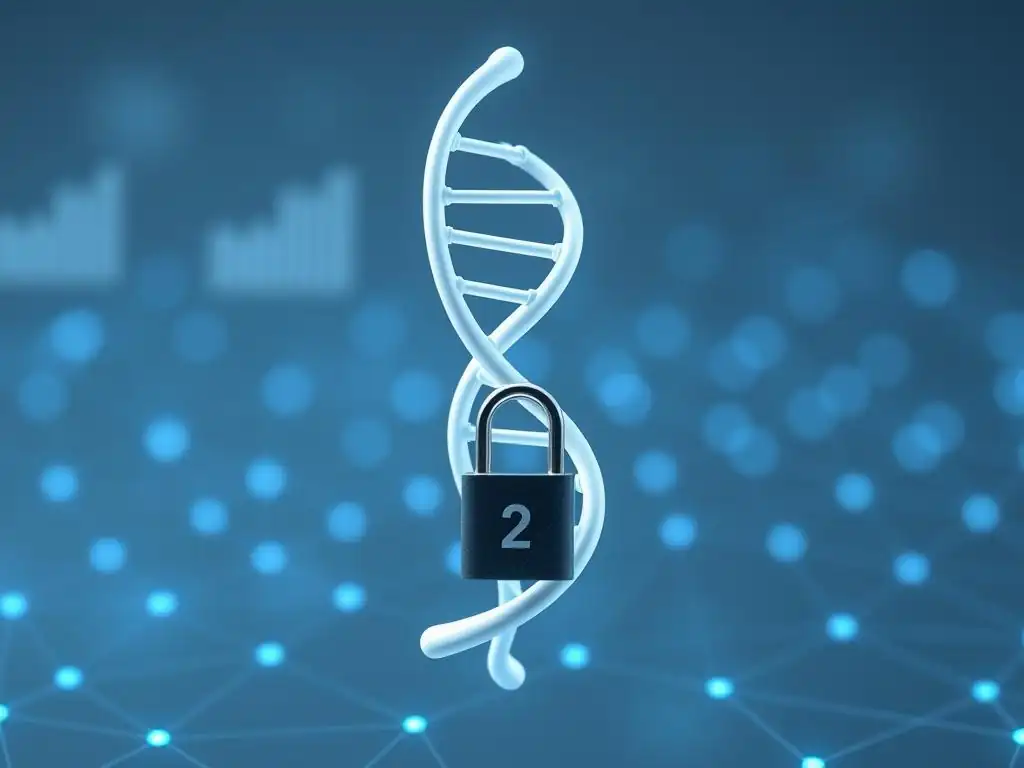
Secure Storage and Sharing of Genomic Data Using Blockchain
Genomic data is perhaps the most sensitive and foundational data type in precision medicine. Storing and sharing this data securely is paramount. Blockchain can be used to create a secure, decentralized index of encrypted genomic files. While the large files themselves might be stored off-chain in secure, encrypted repositories (potentially distributed storage networks), the blockchain stores cryptographic hashes of these files, ensuring their integrity, and manages access permissions via smart contracts.
Patients can use a blockchain-based interface to grant specific researchers or institutions permission to access their encrypted genomic data for approved studies. For example, a patient could allow a specific research team studying a rare genetic disorder to access a portion of their anonymized genomic sequence for a defined period. The blockchain records this consent and access event immutably, providing a transparent audit trail and ensuring blockchain secure patient data access for genomic research. Several startups and research projects are exploring this model to build patient-controlled genomic data marketplaces.
Blockchain-Enabled Clinical Trial Data Management for Enhanced Transparency
Clinical trials are essential for validating precision medicine therapies, but managing trial data securely, transparently, and immutably is challenging. Data integrity issues, siloed information, and lack of transparency can slow down trials and impact the reliability of results. Blockchain can provide a decentralized, tamper-evident ledger for recording key clinical trial events and data points, such as patient enrollment, treatment administration, adverse events, and outcome measurements.
Using a private or consortium blockchain, clinical trial sponsors, researchers, regulatory bodies, and potentially even patients can have access to a shared, immutable record of trial progress and data. Smart contracts can automate data validation rules and ensure protocol compliance. For instance, a smart contract could automatically record when a specific treatment dose was administered to a participant, linking it to their unique ID hash on the chain. This enhances data integrity, provides a real-time, auditable view of the trial, and contributes to blockchain secure patient data handling throughout the research lifecycle.
Patient-Centric Data Ownership and Control through Blockchain Platforms
Several platforms are emerging that leverage blockchain to shift the paradigm of health data ownership from institutions to patients. These platforms allow individuals to aggregate their health data from various sources (EHRs, wearables, genomic sequencing labs) into a personal data wallet, often encrypted. The blockchain then acts as the control layer, where the patient manages access permissions using private keys and smart contracts.
For example, a platform might allow a patient to consolidate data from their primary care physician, a specialist, and a fitness tracker. When a new doctor needs access, or a researcher requests data for a study, the patient receives a request via the platform and can approve or deny it through a simple interface, with the transaction recorded on the blockchain. This model empowers patients, promotes data liquidity for research while maintaining privacy, and is a prime example of how to achieve blockchain secure patient data environments centered around the individual.
Supply Chain Management for Precision Medicine Pharmaceuticals with Blockchain
Precision medicine often involves highly specialized and sometimes personalized pharmaceuticals. Ensuring the integrity, authenticity, and secure distribution of these sensitive medications is critical. Blockchain can be applied to the pharmaceutical supply chain to create a transparent and immutable record of a drug's journey from manufacturing to the patient.
Each batch or even individual unit of a precision medicine drug can be tracked on a blockchain, recording its origin, manufacturing details, temperature logs during transport, and chain of custody through distributors and pharmacies. This helps prevent counterfeiting, ensures proper handling, and provides an auditable history in case of recalls or adverse events. While not directly securing patient health data, this application of blockchain in the related pharmaceutical supply chain is vital for the safe and effective delivery of precision medicine treatments, contributing to the overall ecosystem of blockchain secure patient data and treatment.
Addressing the Challenges and Limitations of Blockchain Implementation
Scalability Issues and Potential Solutions for Large Datasets
One of the significant challenges in applying blockchain to healthcare, especially precision medicine with its massive datasets, is scalability. Public blockchains like Bitcoin or Ethereum (prior to Eth2) have limited transaction throughput (e.g., ~7-15 transactions per second), which is insufficient for processing the volume of data access requests, consent updates, and data hashes that would be generated in a large-scale precision medicine ecosystem. Storing large files directly on-chain is also impractical due to cost and storage limitations.
Potential solutions involve using permissioned or consortium blockchains, which can offer higher transaction speeds by limiting the number of participants and using more efficient consensus mechanisms. Layer 2 scaling solutions, such as state channels or sidechains, can handle transactions off the main chain and periodically batch them onto the main chain.
Furthermore, storing large data files off-chain and using the blockchain only for managing metadata, hashes, and access permissions (as described earlier) is the standard approach for handling big data with blockchain, mitigating the storage burden on the chain itself and focusing the blockchain's role on ensuring blockchain secure patient data access control.
Regulatory Compliance and Data Governance Considerations
Implementing blockchain for healthcare data must navigate complex and evolving regulatory landscapes, such as HIPAA, GDPR, and other national or regional data privacy laws. These regulations impose strict requirements on data handling, patient consent, the right to access, and the right to be forgotten (or erasure). The immutability of blockchain poses a challenge to the "right to be forgotten," as data recorded on the chain cannot be easily deleted.
Addressing this requires careful design. Instead of storing sensitive patient data directly on the immutable ledger, blockchain should primarily store encrypted data hashes, access logs, and consent records.
If a patient exercises their right to be forgotten, their actual data stored off-chain can be deleted, and pointers or access keys on the blockchain can be invalidated or marked as obsolete, while the immutable record that something was once there (a hash, a permission) remains, preserving the audit trail without retaining the sensitive data itself. Collaboration with legal and compliance experts is crucial to ensure blockchain secure patient data systems meet all regulatory mandates.
Interoperability Challenges with Existing Healthcare Systems
Healthcare systems globally rely on a patchwork of legacy IT infrastructure, disparate electronic health record (EHR) systems, lab information systems, and research databases. Integrating blockchain technology with these existing, often proprietary, systems presents significant interoperability challenges. Data formats, communication protocols, and data standards vary widely, making seamless data exchange and integration with a blockchain layer complex and costly.
Overcoming this requires developing standard APIs and middleware that can translate data between existing systems and the blockchain network. Industry-wide initiatives to establish common data standards for blockchain-based healthcare applications are also necessary. Focusing on building blockchain solutions that complement, rather than completely replace, existing critical infrastructure, using the blockchain specifically for tasks like identity management, consent tracking, and audit logging while existing systems handle core clinical workflows, can facilitate smoother adoption and ensure blockchain secure patient data flows within the current ecosystem.
The Need for Standardization and Data Harmonization
The lack of universal standards for health data representation, terminology (e.g., medical codes, genomic variants), and data exchange formats is a long-standing issue in healthcare IT. This challenge is amplified when attempting to build interoperable blockchain networks that can securely handle and interpret data from diverse sources for precision medicine. Without harmonized data, even a secure blockchain ledger may contain information that is difficult to aggregate or analyze meaningfully across different datasets.
Developing and adopting common data models and standards (like FHIR, HL7, or genomic data standards) is essential for the success of blockchain in precision medicine. Blockchain consortia focused on healthcare are working towards establishing industry-wide standards for how health data is represented and transacted on the chain, including standards for identity, consent management, and data access protocols. Achieving standardization will be key to unlocking the full potential of blockchain secure patient data ecosystems for large-scale research and clinical applications.
Future Trends and Opportunities for Blockchain in Precision Medicine
Integration of Blockchain with AI and Machine Learning for Advanced Data Analysis
The combination of blockchain's secure data management capabilities with the analytical power of Artificial Intelligence (AI) and Machine Learning (ML) holds immense promise for precision medicine. While blockchain ensures the integrity, privacy, and auditable access to sensitive patient data, AI/ML algorithms can analyze these vast, secure datasets to identify patterns, predict disease risks, personalize treatment plans, and discover new drug targets.
Secure multi-party computation or federated learning techniques, potentially coordinated via a blockchain, could allow AI models to train on distributed, encrypted patient data across multiple institutions without the data ever leaving its secure location or being exposed in plaintext. The blockchain could record and verify the execution of these algorithms and the sharing of model updates. This integration could accelerate breakthroughs in precision medicine by enabling sophisticated analysis on previously inaccessible or siloed data, all while maintaining blockchain secure patient data privacy.
Development of Blockchain-Based Personalized Medicine Platforms
The future is likely to see the proliferation of integrated blockchain-based platforms designed specifically for personalized medicine. These platforms will serve as comprehensive hubs where patients can manage all aspects of their precision health journey. This includes storing and controlling access to their multi-omic data (genomic, proteomic, metabolomic), integrating data from wearables and lifestyle apps, receiving personalized health insights generated by AI analysis of their data, and interacting with healthcare providers and researchers.
These platforms could utilize tokens to incentivize patients to share anonymized data for research or participate in health programs. Smart contracts would automate everything from scheduling personalized treatments based on genetic profiles to managing payments for personalized therapies. Such platforms, built on the foundation of blockchain secure patient data principles, could truly empower individuals to take an active role in managing their health using cutting-edge precision medicine approaches.
The Role of Blockchain in Supporting Patient-Driven Research Initiatives
Blockchain technology is uniquely positioned to facilitate and accelerate patient-driven research initiatives, particularly in areas like rare diseases or conditions where patient communities are highly engaged. Patients can aggregate their data, control access, and directly share it with researchers interested in their specific condition, bypassing traditional institutional hurdles. Blockchain-based consent mechanisms make it easy for patients to opt-in or out of specific studies.
Furthermore, patient advocacy groups could establish their own blockchain networks to pool anonymized data from consenting members, creating valuable datasets for research. Smart contracts could manage the terms of data usage and potentially even distribute compensation or acknowledgements to patients whose data contributes to breakthroughs. This model fosters transparency and collaboration between patients and researchers, leveraging blockchain secure patient data sharing to accelerate discovery for conditions that might not attract large-scale institutional funding.
Potential for Blockchain to Revolutionize Healthcare Data Security
Ultimately, blockchain has the potential to fundamentally change how healthcare data security is approached. Moving away from relying solely on perimeter defenses and centralized controls, blockchain introduces a decentralized, cryptographic layer of security and trust directly at the data and transaction level. Its immutable audit trails, granular access control via smart contracts, and inherent resistance to tampering provide a robust framework that complements existing security measures.
While challenges remain, particularly regarding scalability, interoperability, and regulatory alignment, the core capabilities of blockchain – ensuring data integrity, providing transparent auditability, and enabling patient control – are precisely what is needed to build secure and ethical data ecosystems for precision medicine. As the technology matures and standards evolve, blockchain secure patient data management is poised to become a cornerstone of future healthcare systems, enabling personalized care while safeguarding individual privacy.
Conclusion: Blockchain as a Catalyst for Secure and Ethical Precision Medicine
Summarizing the Benefits of Blockchain for Securing Patient Data
Precision medicine holds immense potential to transform healthcare, but its success hinges on the secure and ethical management of vast amounts of sensitive patient data. As explored, blockchain technology offers a powerful suite of capabilities to address the critical challenges of data security and privacy in this field. Its decentralized ledger provides resilience against breaches, its cryptographic nature ensures data integrity and auditability, and its smart contract functionality enables granular, patient-controlled access to information.
By implementing blockchain secure patient data solutions, healthcare organizations and research institutions can mitigate the risks associated with centralized databases, reduce the likelihood and impact of cyberattacks that compromise millions of records, and build trust with patients by offering them greater transparency and control over their personal health information. From securing genomic data sharing to enhancing clinical trial transparency, the benefits are substantial for fostering a more secure data environment.
Emphasizing the Importance of Collaboration and Standardization
Realizing the full potential of blockchain for secure patient data in precision medicine requires concerted effort and collaboration across the healthcare ecosystem. Addressing challenges like scalability, interoperability with legacy systems, and regulatory compliance necessitates industry-wide cooperation. Developing and adopting common data standards and technical protocols for blockchain implementation in healthcare is crucial to ensure seamless data exchange and widespread adoption.
Initiatives involving healthcare providers, technology developers, regulatory bodies, and patient advocacy groups are essential to build the necessary infrastructure and governance frameworks. Standardizing how health data is represented on the blockchain and how smart contracts manage access permissions will pave the way for scalable, interoperable, and compliant blockchain secure patient data platforms that can support the complex needs of precision medicine on a global scale.
The Future of Precision Medicine with Blockchain Technology and Enhanced Data Privacy
The integration of blockchain technology is not merely an enhancement but a potential catalyst for the future of precision medicine. By providing a foundation of trust, security, and privacy, blockchain enables innovative data-sharing models that can accelerate research, improve clinical decision-making, and empower patients. As the technology matures and integrates with other advancements like AI, its role in creating personalized, predictive, and preventative healthcare becomes even more significant.
Ultimately, the successful application of blockchain secure patient data principles will be key to unlocking precision medicine's promise of tailoring treatments to individuals while rigorously protecting their most sensitive information. This ethical and secure approach to data management is fundamental to building a healthcare future that is both highly personalized and deeply committed to patient privacy and security.
Frequently Asked Questions
What role does blockchain play in securing patient data for precision medicine?
Blockchain offers a secure and transparent method for managing patient data by utilizing decentralized ledgers. This enhances data integrity and control over access.
How can blockchain contribute to patient privacy in precision medicine research?
Blockchain enables privacy-preserving data sharing through techniques like federated learning and secure multi-party computation. This allows researchers to analyze data without directly accessing sensitive patient information.
What are the potential benefits of using blockchain for managing electronic health records (EHRs)?
Blockchain can improve EHR interoperability and data security, giving patients greater control over their medical records. It creates a single, immutable source of truth for patient data.
What are some of the regulatory challenges associated with implementing blockchain for healthcare data?
Current regulations, such as HIPAA, need to be adapted to accommodate the decentralized nature of blockchain. Establishing clear guidelines for data governance and compliance is crucial.
Beyond security, how can blockchain enhance precision medicine beyond data security?
Blockchain facilitates traceable and transparent supply chains for pharmaceuticals and medical devices. It also enables secure and efficient sharing of genomic data for research purposes.
Final Reflection: Securing the Future of Healthcare
The exploration of blockchain technology in precision medicine underscores a critical need in our increasingly data-driven world: the imperative of secure and private patient data. As we've seen, blockchain offers a promising avenue for achieving this, potentially revolutionizing how sensitive medical information is managed and utilized for personalized healthcare. The ability to empower patients with control over their own data, while simultaneously enabling secure and efficient research, is no longer a futuristic dream, but a tangible possibility within our grasp.
The promise of blockchain in healthcare extends far beyond mere technological innovation. It touches upon fundamental ethical considerations and the very essence of trust between patients and the medical community. The ongoing debate surrounding data privacy highlights the urgent need for solutions that prioritize individual autonomy and prevent misuse of sensitive information. The future of healthcare is not just about better treatments, but about empowering patients with control over their own health data.
This quote encapsulates the transformative potential of blockchain, shifting the paradigm from a centralized, vulnerable system to a decentralized, secure, and patient-centric model.
Now, consider the implications of this technology in your own life. How might blockchain-secured patient data empower you to take greater control of your health journey? How can you advocate for the adoption of such technologies to ensure a future where your medical information is both secure and accessible for the advancement of personalized medicine? The future of healthcare is being shaped today, and your voice, your understanding, and your engagement are crucial in ensuring that it is a future built on trust, security, and patient empowerment.
Okay, I'm ready to create a CTA for the end of a web article titled "Blockchain for Precision Medicine: Ensuring Secure and Private Data Analysis" for the website "Blockchain Trends" (blockchaintrends.org). Here's my attempt:
Empower Healthcare: Start Securing Patient Data Today!
Thank you for exploring how blockchain can revolutionize precision medicine and protect sensitive patient data. We hope you now have a clearer understanding of its potential and real-world applications. Ready to take the next step in securing healthcare's future?
Here are a few actions you can take right now:
- Champion blockchain adoption in healthcare by sharing this article with your network on LinkedIn or Twitter. Let's spark a vital conversation!
- Dive deeper into the technical aspects by researching specific blockchain protocols best suited for healthcare data security (e.g., Hyperledger Fabric, Corda).
- Explore potential pilot programs within your local hospitals or clinics to demonstrate the tangible benefits of blockchain in enhancing data privacy.
What innovative blockchain solution do you envision for ensuring the confidentiality and security of personalized healthcare data? Share your thoughts in the comments below!
Leave a Reply