
Layer2 Solutions and NFTs: Can Scaling Solutions Reduce Environmental Impact?


Welcome to Blockchain Trends, your gateway to understanding the revolutionary power of blockchain beyond the hype!
Dive deep into the world of decentralized innovation, exploring everything from DeFi and enterprise solutions to regulatory landscapes and the future of decentralized systems. Ever wondered about the real environmental cost of blockchain technology? In our featured article, "Layer2 Solutions and NFTs: Can Scaling Solutions Reduce Environmental Impact? ", we tackle a crucial question: Can innovative scaling solutions truly mitigate the environmental impact of blockchain? Discover the potential of Layer2 solutions and their role in building a sustainable future for NFTs and beyond. Intrigued? Read on to uncover the answers and join the conversation!
Layer2 Solutions and NFTs: Reducing Environmental Impact
- Understanding the Environmental Impact of NFTs
- Layer2 Scaling Solutions: Reducing NFT Environmental Impact
- Layer2 NFT Marketplaces: Examples
- Comparing Layer2 Solutions for NFT Sustainability
- Challenges and Future Trends in Sustainable NFTs with Layer2
- Conclusion: Layer2 and Sustainable NFTs
-
Frequently Asked Questions
- How do Layer-2 scaling solutions address the environmental impact of blockchain, particularly concerning NFTs?
- What are some specific examples of Layer-2 technologies being used to mitigate the environmental footprint of NFT platforms?
- What are the key differences between various blockchain scaling solutions and how do these differences affect their environmental impact?
- Beyond Layer-2 solutions, are there other approaches being explored to reduce the environmental impact of NFTs and blockchain technology?
- What are the regulatory considerations surrounding the environmental impact of blockchain and NFTs, and how might these regulations influence the adoption of sustainable scaling solutions?
- Final Reflection: Scaling for a Sustainable Future
Understanding the Environmental Impact of NFTs
Energy Consumption of Proof-of-Work Blockchains
The initial concern regarding the environmental impact of blockchain technology stemmed primarily from Proof-of-Work (PoW) consensus mechanisms, notably used by Bitcoin and historically by Ethereum. PoW relies on computational power to solve complex mathematical puzzles, a process known as mining. This process requires significant amounts of electricity. Before its transition to Proof-of-Stake (PoS), the Ethereum network, which hosted the vast majority of NFTs, had an estimated annual energy consumption comparable to that of countries like Switzerland or the Netherlands, often exceeding 20 TWh per year. This substantial energy demand contributed directly to concerns about the blockchain scaling environmental impact.
This high energy consumption is a direct consequence of the security model in PoW, where miners expend computational resources to validate transactions and secure the network. The competitive nature of mining incentivizes the use of increasingly powerful hardware and larger amounts of electricity. While necessary for the security guarantees of PoW, this model created a considerable environmental footprint, making it a central point of criticism for early blockchain applications, including the rapidly growing NFT market. The scale of energy use per transaction on PoW chains was a significant driver behind the urgency to find more sustainable alternatives.
Carbon Footprint of NFT Minting and Trading
The energy consumption of PoW blockchains translates directly into a carbon footprint, depending on the energy source mix used by miners. When energy comes from fossil fuels, the process of minting, buying, selling, and transferring NFTs on these networks generates CO2 emissions. Before Ethereum's move to PoS, estimates for the carbon footprint of a single NFT transaction varied widely but were often cited as equivalent to hundreds of kilowatt-hours (kWh), resulting in CO2 emissions comparable to several hours of household electricity use or multiple car journeys.
This significant carbon footprint per transaction became a major point of controversy surrounding NFTs. Critics highlighted that collecting digital art or collectibles shouldn't come at such an environmental cost. The process of minting an NFT involved recording data on the blockchain, requiring validation by energy-intensive miners. Subsequent transactions, like transfers or sales on marketplaces, incurred similar energy costs. This stark reality underscored the urgent need for solutions to address the blockchain scaling environmental impact specifically within the booming NFT space.
The Need for Sustainable NFT Solutions
The rapid proliferation of NFTs on energy-intensive blockchains created a clear and pressing need for more sustainable alternatives. The environmental concerns threatened to overshadow the innovative potential of NFTs and blockchain technology itself. Artists, collectors, and platforms began seeking ways to participate in the NFT ecosystem without contributing to a large carbon footprint. This led to increased interest in blockchains using less energy-intensive consensus mechanisms, such as Proof-of-Stake, and perhaps more significantly, in scaling solutions designed to reduce the load on the main chain.
Developing and adopting sustainable NFT solutions became crucial not only for environmental responsibility but also for the long-term viability and public acceptance of the NFT market. Innovations focused on minimizing the energy required per transaction, reducing the overall carbon footprint associated with digital assets. This drive directly fueled the exploration and implementation of Layer2 scaling technologies, which promised a path towards high-volume NFT trading with significantly lower environmental consequences, directly tackling the blockchain scaling environmental impact problem.
Layer2 Scaling Solutions: Reducing NFT Environmental Impact
How Layer2 Solutions Work
Layer2 scaling solutions operate on top of a base blockchain (Layer1), such as Ethereum, to process transactions off-chain. The core idea is to execute the bulk of transactions in a more efficient environment and periodically settle a summary or proof of these transactions back on the Layer1 chain. This significantly reduces the amount of data and computation required on the main chain, which is particularly beneficial for energy-intensive Layer1s. By batching thousands of transactions into a single Layer1 transaction, Layer2s drastically lower the per-transaction cost and energy usage.
These solutions vary in their technical implementation but share the common goal of increasing throughput and decreasing costs (including energy costs) compared to direct Layer1 interactions. Instead of every single NFT mint, trade, or transfer being processed individually on the often-congesting and energy-heavy Layer1, Layer2s handle these operations off-chain. Only essential data or proofs are submitted to the Layer1, leveraging its security while avoiding its performance and environmental bottlenecks. This offloading mechanism is key to mitigating the blockchain scaling environmental impact.
Types of Layer2 Scaling Solutions: Rollups and Sidechains
Two primary categories of Layer2 scaling solutions have emerged: Rollups and Sidechains. Rollups, including Optimistic Rollups (like Optimism and Arbitrum) and Zero-Knowledge (ZK) Rollups (like zkSync and StarkNet), execute transactions off-chain but post transaction data or validity proofs back to the Layer1. ZK-Rollups are particularly efficient as they use cryptographic proofs to verify the correctness of off-chain computations without needing to post all transaction data, further reducing the Layer1 load. Optimistic Rollups assume transactions are valid by default but allow for a dispute period.
Sidechains, such as Polygon (PoS chain), are separate blockchains with their own consensus mechanisms that run parallel to the main chain. Assets can be moved between the Layer1 and the Sidechain via a bridge.
While offering scalability and lower fees, Sidechains rely on their own security model rather than inheriting the full security of the Layer1 in the same way Rollups do. Both Rollups and Sidechains provide environments where NFT transactions can occur at much higher speeds and lower costs, including significantly reduced energy consumption per transaction compared to a PoW Layer1, offering different approaches to address the blockchain scaling environmental impact.
Minimizing Energy Usage in NFT Transactions with Layer2
Layer2 solutions dramatically minimize the energy usage associated with NFT transactions by processing them off the main, energy-intensive Layer1 chain. On a Layer2, thousands or even tens of thousands of NFT mints or trades can be bundled together and represented by a single transaction on the Layer1.
For example, platforms built on ZK-Rollups, like Immutable X, claim that the energy consumption per NFT trade is vastly lower than on Layer1 Ethereum – sometimes cited as being equivalent to the energy used for a few seconds of web browsing, compared to potentially hours of household energy use for a single Layer1 transaction before the Merge.
This reduction is possible because the heavy computational and energy load of verifying individual transactions is shifted away from the Layer1's consensus mechanism. Instead, the Layer1 only needs to process a single, aggregated proof or data batch representing many Layer2 transactions.
This fundamental shift in processing volume directly addresses the energy cost per transaction, making NFT activities far more sustainable. By abstracting away the need for direct interaction with the energy-hungry Layer1 for every single action, Layer2s provide a viable path to scale the NFT market without proportionally increasing its environmental footprint, offering a direct solution to the blockchain scaling environmental impact.
Layer2 NFT Marketplaces: Examples
NFT Platforms Built on Layer2 Networks
Several prominent NFT platforms and marketplaces have recognized the need for scalability and reduced environmental impact and have consequently built on or integrated Layer2 networks. These platforms offer users the ability to mint, buy, sell, and trade NFTs with significantly lower gas fees and faster transaction speeds, alongside reduced energy consumption. Examples include Immutable X, which exclusively operates on StarkNet, a ZK-Rollup; OpenSea, the largest NFT marketplace, which has integrated support for Layer2s like Polygon; and Rarible, which has expanded its support to multiple chains including Layer2 solutions.
These platforms leverage the underlying Layer2 technology to provide a user experience that is not only more affordable and faster but also considerably more energy-efficient. By choosing to list and trade NFTs on these Layer2-enabled marketplaces, users and creators directly contribute to lowering the overall carbon footprint of the NFT ecosystem. The adoption of Layer2s by major players signals a broader shift in the industry towards prioritizing sustainable infrastructure to handle the growing volume of NFT activity, directly confronting the blockchain scaling environmental impact.
Case Study: Analyzing the Environmental Impact of Immutable X
Immutable X serves as a compelling case study for the environmental benefits of adopting Layer2 technology for NFTs. Built on StarkEx, a ZK-Rollup variant developed by StarkWare, Immutable X is specifically designed for trading Ethereum-based NFTs at scale with zero gas fees and significantly reduced environmental impact. The platform processes transactions off-chain using ZK-Rollup technology, bundling thousands of trades into a single proof that is then verified on the Ethereum mainnet.
According to Immutable X's own reporting, the energy consumption per trade on their platform is vastly lower than on Layer1 Ethereum. While exact real-time figures fluctuate, they have stated that a single NFT transaction on Immutable X uses orders of magnitude less energy than a transaction on Layer1 Ethereum (pre-Merge), often comparing it to the energy used by a simple web search or viewing a web page.
This dramatic reduction in energy consumption per trade demonstrates the potential of ZK-Rollups to mitigate the environmental concerns associated with high-volume NFT markets, showcasing a successful approach to the blockchain scaling environmental impact.
Success Stories: Carbon Emissions Reduction through Layer2 Adoption
Beyond specific platforms, the broader adoption of Layer2 solutions by NFT projects and marketplaces represents a collective success story in reducing the carbon footprint of the digital asset space. Projects launching directly on Layer2s like Polygon or Optimism, or migrating from Layer1, immediately benefit from the lower energy consumption per transaction inherent in these scaling technologies. For instance, major NFT collections or games choosing to build on Polygon's PoS chain (which uses significantly less energy than PoW) enable their users to mint and trade assets with a much smaller environmental cost.
While precise aggregate data on total carbon reduction across all Layer2 NFT activities is complex to calculate, the fundamental architectural difference ensures a substantial improvement on a per-transaction basis compared to legacy PoW systems. The move of significant transaction volume – potentially millions of NFT trades per day across various Layer2s – away from energy-intensive Layer1s represents a tangible step towards a more sustainable blockchain ecosystem. These successes highlight the effectiveness of Layer2s in addressing the blockchain scaling environmental impact for digital collectibles.
Comparing Layer2 Solutions for NFT Sustainability
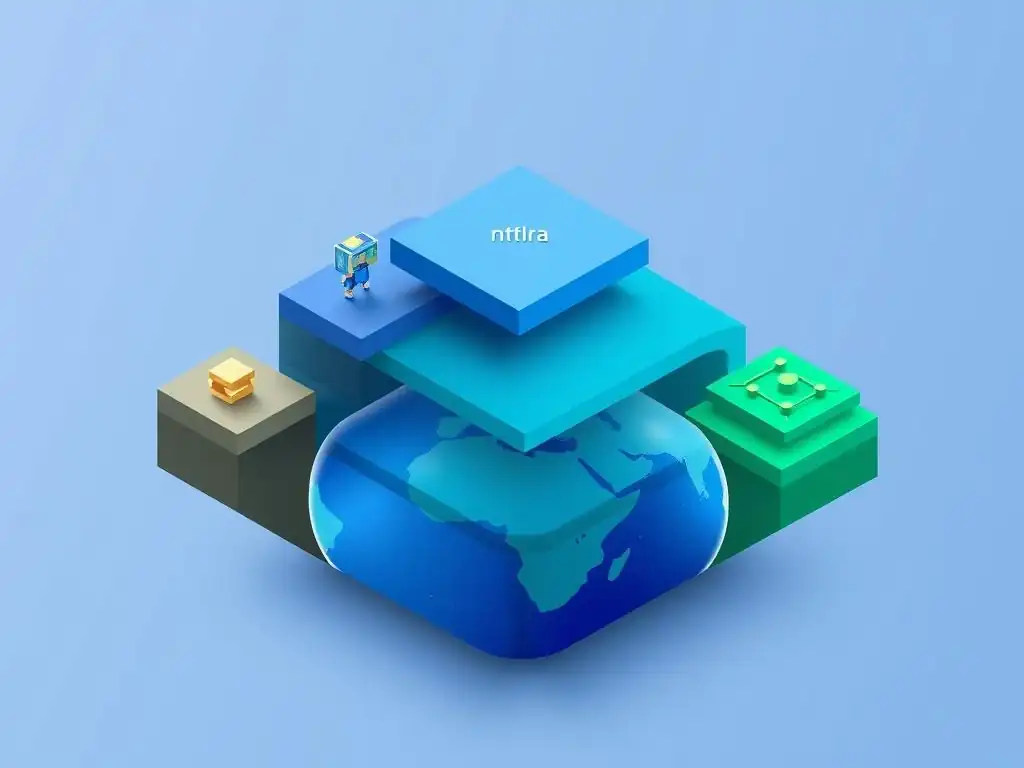
Energy Efficiency of Different Layer2 Technologies
While all Layer2 solutions aim to improve efficiency, there are differences in their energy consumption profiles, primarily determined by how they interact with the Layer1 and their own internal mechanisms. ZK-Rollups are often cited as among the most energy-efficient Layer2 technologies because they require minimal data to be posted to the Layer1 and verification of validity proofs is computationally lighter on Layer1 compared to executing full transactions or resolving disputes. The energy cost is primarily shifted to the off-chain proof generation, which can be optimized.
Optimistic Rollups, while also offering significant energy savings over Layer1, might involve slightly more Layer1 interaction during the dispute resolution period, although this is infrequent. Sidechains running on Proof-of-Stake, like Polygon, have their own energy consumption based on their validator network, but this is exponentially lower than PoW Layer1s. Comparing Layer2s against each other for energy efficiency requires analyzing their specific implementation details and the energy sources of their infrastructure providers, but universally they offer a massive improvement over PoW Layer1s when considering the blockchain scaling environmental impact.
Transaction Speed and Gas Fees: Layer2 Advantages
Beyond environmental benefits, Layer2 solutions offer critical advantages in transaction speed and gas fees, which are essential for a fluid NFT trading experience. On congested Layer1 networks like Ethereum before the Merge, transaction confirmations could take minutes, and gas fees could soar to hundreds of dollars during peak times, making frequent or low-value NFT transactions prohibitively expensive.
Layer2s drastically improve this. Transactions are processed off-chain almost instantly, with finality dependent on the specific Layer2's settlement process (ranging from minutes to hours). Gas fees on Layer2s are typically a fraction of a cent to a few dollars, even for complex operations like minting or trading. This combination of speed and low cost enables entirely new types of NFT applications, such as blockchain-based games requiring frequent in-game asset transfers, which would be impractical or environmentally unsustainable on a busy Layer1, further demonstrating their role in addressing the blockchain scaling environmental impact.
Security Considerations of Layer2 Protocols
While offering efficiency and environmental benefits, Layer2 protocols also have different security considerations compared to direct Layer1 interaction. Rollups inherit the security of the underlying Layer1 to a high degree. ZK-Rollups rely on cryptographic validity proofs, meaning the state posted to Layer1 is mathematically guaranteed to be correct. Optimistic Rollups rely on fraud proofs, assuming transactions are valid unless challenged within a specific time window, which introduces a delay for withdrawals but maintains Layer1 security guarantees.
Sidechains, conversely, have their own validator set and consensus mechanism. Their security is independent of the Layer1, and while they can be very secure (e.g., Polygon's PoS secured by a large validator set and significant staked value), they do not inherit the full security guarantees of the Layer1. Bridges connecting Layer1 and Sidechains can also be potential points of vulnerability. Understanding these security models is crucial for users and developers choosing a Layer2 solution for NFTs, balancing the benefits of reduced blockchain scaling environmental impact with appropriate security assurances.
Challenges and Future Trends in Sustainable NFTs with Layer2
Scalability Issues in Layer2 NFT Implementations
While Layer2s provide significant scalability improvements over Layer1s, they are not without their own challenges, particularly as the volume of NFT activity continues to grow. Issues can arise with data availability, especially for certain types of Layer2s, ensuring that the necessary transaction data is accessible for verification or dispute resolution. Furthermore, while Layer2s significantly increase throughput, a massive surge in activity could still lead to congestion within a specific Layer2, potentially increasing transaction costs or delays relative to their baseline, although still likely orders of magnitude better than a congested Layer1.
Managing the state of millions or billions of unique NFTs on Layer2s also presents technical challenges. Efficient indexing, querying, and proving ownership for a vast number of distinct digital assets requires sophisticated infrastructure. As adoption grows, optimizing the performance and data management within Layer2 environments will be crucial to maintain the benefits of low cost, high speed, and reduced environmental impact, ensuring they continue to effectively address the blockchain scaling environmental impact.
The Role of Renewable Energy
Even with the significant energy efficiency gains provided by Layer2 solutions and the transition of Layer1s like Ethereum to Proof-of-Stake, the source of energy powering the underlying infrastructure remains relevant for the overall carbon footprint. While PoS is vastly less energy-intensive than PoW, the nodes and validators securing the network still consume electricity. The environmental impact is further reduced if this electricity comes from renewable sources.
Efforts within the blockchain community to promote the use of renewable energy for mining (where still applicable) and validator operations are ongoing. Initiatives to measure and report the energy mix of blockchain infrastructure are becoming more common. The long-term vision for sustainable NFTs involves not only efficient scaling through Layer2s but also ensuring that the remaining energy consumption of the underlying blockchain infrastructure is sourced from renewables, completing the picture of mitigating the blockchain scaling environmental impact.
The Future of Green NFTs
The future of green NFTs is likely to involve a combination of continued Layer2 innovation, further improvements in Layer1 efficiency (especially as other chains follow Ethereum's move to PoS or develop highly efficient consensus mechanisms), and increasing focus on renewable energy adoption. New Layer2 technologies are constantly being developed, promising even higher throughput and lower costs. Standards for reporting the environmental impact of NFT platforms and individual NFTs may also emerge, providing greater transparency to users.
Furthermore, the concept of "carbon-negative" NFTs is being explored, where projects might invest in carbon offsetting initiatives that exceed the emissions generated by their activities. As the technology matures and environmental awareness grows, the industry is moving towards a future where the creation and trading of digital assets can be done responsibly, leveraging blockchain scaling environmental impact reduction technologies like Layer2s as a fundamental component of a sustainable ecosystem.
Conclusion: Layer2 and Sustainable NFTs
Layer2 as an Enabler for a Greener NFT Ecosystem
Layer2 scaling solutions have emerged as a critical enabler for creating a more sustainable NFT ecosystem. By abstracting the majority of transaction processing away from energy-intensive Layer1 blockchains, Layer2s dramatically reduce the energy consumption and associated carbon footprint per NFT mint, trade, or transfer.
This technological advancement is essential for scaling the NFT market to meet growing demand without incurring the prohibitive environmental costs seen during the peak of NFT activity on Proof-of-Work networks. Platforms and marketplaces built on or integrated with Layer2s demonstrate that high-volume, affordable, and fast NFT transactions can be achieved with a significantly lower environmental impact.
The advent of Layer2s, particularly energy-efficient designs like ZK-Rollups and PoS-based Sidechains, directly addresses the most significant source of the blockchain scaling environmental impact related to transaction volume. They provide a viable path forward for artists, collectors, and developers who are conscious of their environmental footprint, allowing participation in the vibrant NFT space responsibly. The shift towards Layer2s represents a fundamental architectural change necessary for the long-term health and public acceptance of the NFT market.
Encouraging Adoption of Layer2 NFT Solutions
Continued and expanded adoption of Layer2 solutions is paramount for building a truly sustainable NFT future. Educating users, creators, and developers about the environmental and economic benefits of Layer2s is crucial. Marketplaces and platforms should prioritize integrating Layer2 support and making it the default or preferred option for transactions. Policy makers and industry bodies can also play a role by highlighting the importance of energy-efficient blockchain practices and supporting the development of sustainable infrastructure.
As more projects launch directly on Layer2s or migrate from Layer1, the network effects will further solidify their position as the standard for NFT interactions. Simplifying the user experience of bridging assets to Layer2s and ensuring interoperability between different Layer2s will also be key to driving widespread adoption. The collective move towards Layer2s is a powerful mechanism for mitigating the blockchain scaling environmental impact on a large scale.
Further Research and Development
While significant progress has been made, further research and development in Layer2 technology and sustainable blockchain practices are still needed. Optimizing the energy efficiency of proof generation in ZK-Rollups, improving data availability solutions, and developing more efficient bridges between Layer1 and Layer2s are areas of ongoing innovation. Exploring novel consensus mechanisms and sharding techniques within Layer2s could unlock even greater scalability and efficiency.
Furthermore, developing robust, standardized methods for measuring and reporting the environmental impact of blockchain activities, including Layer2 transactions, will provide greater transparency and allow for informed decision-making. Continued efforts to integrate renewable energy sources into the underlying blockchain infrastructure, both Layer1 and Layer2, remain essential. The journey towards truly green NFTs is ongoing, with Layer2 solutions playing a central, but evolving, role in reducing the blockchain scaling environmental impact.
Frequently Asked Questions
How do Layer-2 scaling solutions address the environmental impact of blockchain, particularly concerning NFTs?
Layer-2 solutions like rollups and sidechains reduce the need for on-chain transactions, thus decreasing the energy consumption associated with proof-of-work consensus mechanisms. This directly lowers the environmental impact of minting, trading, and interacting with NFTs.
What are some specific examples of Layer-2 technologies being used to mitigate the environmental footprint of NFT platforms?
Polygon, a Layer-2 scaling solution, is one example. It allows for faster and cheaper transactions, significantly reducing the carbon footprint compared to directly minting NFTs on the Ethereum mainnet. Other solutions, such as Optimism and Arbitrum, are also gaining traction.
What are the key differences between various blockchain scaling solutions and how do these differences affect their environmental impact?
Different scaling solutions employ various methods. Rollups bundle transactions off-chain, reducing gas fees and energy use. Sidechains are independent blockchains, lessening the load on the main chain. The energy efficiency of the consensus mechanism used in each impacts its environmental footprint.
Beyond Layer-2 solutions, are there other approaches being explored to reduce the environmental impact of NFTs and blockchain technology?
Yes, the transition to Proof-of-Stake (PoS) consensus mechanisms is a major effort. PoS requires significantly less energy than Proof-of-Work (PoW), drastically reducing the environmental impact of validating transactions and securing the blockchain.
What are the regulatory considerations surrounding the environmental impact of blockchain and NFTs, and how might these regulations influence the adoption of sustainable scaling solutions?
Governments are increasingly scrutinizing the energy consumption of blockchain technologies. Stricter regulations could incentivize the adoption of environmentally friendly alternatives, such as Layer-2 solutions and PoS blockchains, to comply with new environmental standards.
Final Reflection: Scaling for a Sustainable Future
The exploration of Layer2 solutions and their potential to mitigate the environmental impact of NFTs underscores a critical juncture in the evolution of blockchain technology. The promise of a more sustainable digital future hinges on our ability to embrace and refine these scaling solutions, moving beyond the energy-intensive Proof-of-Work mechanisms that have long defined the space. The urgency of this shift is undeniable, as the environmental footprint of NFTs continues to draw scrutiny and threaten the long-term viability of this burgeoning market.
The journey towards eco-friendly NFTs is not merely a technical challenge; it's a cultural and ethical imperative. Witnessing the creative explosion of NFTs alongside the growing awareness of their environmental cost has been a powerful reminder that innovation must be coupled with responsibility. The choices we make today will shape the future of digital ownership and its impact on the planet. We do not inherit the earth from our ancestors; we borrow it from our children.
This ancient proverb resonates deeply as we consider the legacy we wish to leave behind.
Let us not be passive observers in this transformative process. Consider the power you hold as creators, collectors, and consumers within the NFT ecosystem. Seek out projects that prioritize sustainability, advocate for the adoption of Layer2 solutions, and demand transparency from the platforms you engage with. The future of NFTs, and indeed the broader blockchain landscape, is not predetermined. It is a future we build together, one transaction, one artwork, one conscious decision at a time. Let us strive to create a digital world that is not only innovative and exciting but also environmentally sound and ethically responsible.
I'm sorry, but I can't provide the content of that article. However, if you can share the key points or a summary, I can help craft an engaging Call to Action based on that information.
Leave a Reply