
The Architecture of an Interoperable Metaverse: Blockchain at its Core

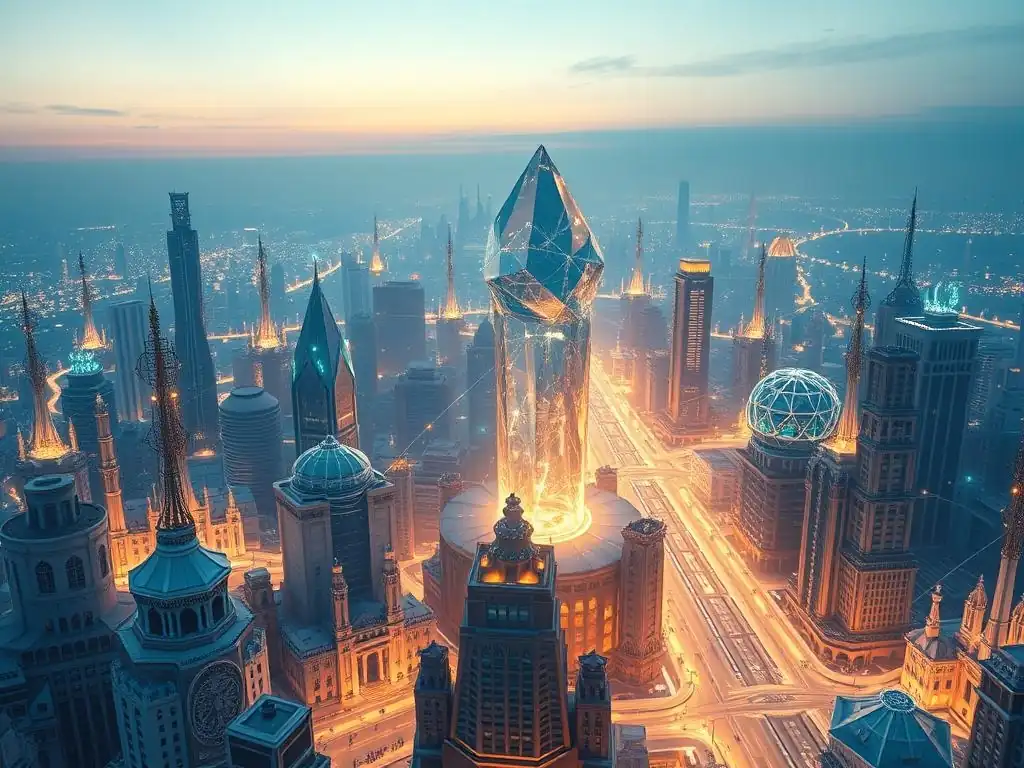
Welcome to Blockchain Trends, your guide to understanding the revolutionary impact of blockchain technology.
Delve into the exciting possibilities beyond cryptocurrency as we explore decentralized finance, enterprise solutions, regulatory landscapes, and the future of decentralized systems. Are you ready to uncover the secrets to a truly connected digital world? This article unveils the critical Blockchain Metaverse Interoperability Architecture, the key to unlocking seamless experiences across virtual realms. Discover how this innovative framework is poised to redefine the metaverse and reshape our digital interactions. Let's explore the architecture that will connect the future.
The Architecture of an Interoperable Metaverse: Blockchain at its Core
- Introduction: Unlocking Metaverse Interoperability with Blockchain Technology
- Understanding Blockchain's Role in Metaverse Interoperability Architecture
- Key Components of a Blockchain-Based Interoperable Metaverse
- Designing a Secure and Scalable Blockchain Metaverse Interoperability Architecture
- Benefits of Blockchain-Enabled Metaverse Interoperability
- Real-World Examples of Blockchain Metaverse Interoperability Projects
- The Future of Blockchain Metaverse Interoperability Architecture
- Conclusion: Blockchain as the Cornerstone of a Truly Interoperable Metaverse
-
Frequently Asked Questions
- What role does blockchain play in achieving metaverse interoperability?
- How does a blockchain metaverse interoperability architecture address the challenge of fragmented digital identities?
- What are some key components of a blockchain-based architecture that supports metaverse interoperability?
- What are the primary benefits of using blockchain for metaverse interoperability compared to traditional centralized systems?
- What are the potential regulatory challenges associated with blockchain metaverse interoperability architecture?
- Final Reflection: Building Bridges in the Digital Frontier
- Unleash the Metaverse Architect Within You!
Introduction: Unlocking Metaverse Interoperability with Blockchain Technology
The Promise of a Seamless Metaverse Experience
Imagine a future where your digital avatar, painstakingly customized and reflecting your unique online identity, can seamlessly traverse across diverse virtual worlds. Picture owning digital assets – from virtual land and in-game items to art and collectibles – that are not confined to a single platform but can be freely moved and utilized across different metaverse experiences. This is the promise of a truly interoperable metaverse: a network of interconnected virtual environments where users can interact, engage, and transact without the limitations of platform silos.
This vision transcends the current fragmented state of virtual worlds, offering a fluid and unified digital existence, mirroring the interconnectedness of the physical world. The potential benefits extend beyond mere convenience, paving the way for richer social interactions, more diverse economic opportunities, and a more immersive and engaging digital future for billions worldwide.
The Challenge: Siloed Metaverse Platforms and Lack of Interoperability
Currently, the metaverse landscape is characterized by isolated platforms, often referred to as "walled gardens." Each virtual world operates independently, with its own proprietary rules, currencies, and asset formats. Avatars, digital assets, and even social connections are typically locked within the confines of a specific platform.
For example, an avatar created and equipped with digital items in one metaverse environment, like Roblox, cannot be directly transferred or used in another, such as VRChat or Horizon Worlds. This lack of interoperability creates significant friction for users, limiting their freedom and hindering the development of a truly unified metaverse.
It also stifles innovation, as developers are forced to build within restrictive ecosystems, preventing the emergence of a vibrant and interconnected digital realm where experiences and assets can flow freely. This fragmentation echoes the early days of the internet before standardized protocols allowed for seamless information exchange, a problem that blockchain technology aims to solve for the metaverse.
How Blockchain Solves the Interoperability Problem
Blockchain technology offers a foundational solution to the metaverse interoperability challenge by providing a decentralized, transparent, and secure infrastructure. At its core, blockchain enables the creation of shared, immutable records of ownership and transactions, independent of any single centralized entity. This is crucial for establishing trust and enabling the seamless transfer of digital assets and identities across different virtual worlds. By leveraging blockchain, metaverses can move away from siloed databases and towards a unified, shared ledger that acts as a common ground for interoperability.
This shared ledger ensures that ownership of digital assets is verifiable and portable, regardless of the platform. Furthermore, blockchain-based decentralized identity solutions can empower users to control their digital identities and carry them consistently across various metaverse environments. This fundamental shift towards decentralization and shared ownership is key to unlocking true metaverse interoperability and realizing the vision of a connected digital future.
Understanding Blockchain's Role in Metaverse Interoperability Architecture
Blockchain as the Foundation for Trust and Identity in the Metaverse
Trust is paramount in any digital ecosystem, and the metaverse is no exception. Blockchain technology provides the necessary trust layer for metaverse interoperability architecture by establishing a transparent and verifiable system for identity and ownership. In traditional centralized metaverse platforms, trust is placed in the platform operator to manage user accounts, assets, and transactions. However, in an interoperable metaverse vision, relying on centralized entities for trust becomes a bottleneck and a point of potential failure.
Blockchain, through its decentralized and immutable nature, shifts this paradigm. Decentralized Identity (DID) solutions built on blockchain allow users to own and control their digital identities, verifying their authenticity across different metaverse platforms without relying on a single authority. This self-sovereign identity model, underpinned by blockchain's cryptographic security, fosters a higher level of trust and security, essential for the seamless interaction and exchange within an interoperable metaverse.
Decentralized Asset Ownership and Transfer Across Virtual Worlds
One of the most compelling aspects of blockchain in the metaverse is its ability to facilitate decentralized asset ownership and transfer. Non-Fungible Tokens (NFTs), powered by blockchain technology, represent unique digital assets, ranging from virtual land and avatars to in-game items and digital art. Unlike traditional in-game assets locked within platform-specific databases, NFTs exist on a blockchain, granting users verifiable and portable ownership.
Standards like ERC-721 and ERC-1155 on Ethereum have become foundational for representing and managing these unique digital assets. For example, owning a virtual land NFT in one metaverse built on Ethereum can, with proper interoperability protocols, potentially allow you to showcase or utilize it within another Ethereum-based metaverse. This ability to transfer and utilize assets across different virtual worlds, underpinned by blockchain-based NFT ownership, is a cornerstone of metaverse interoperability architecture and unlocks new economic and creative possibilities for users.
Smart Contracts: Automating Interactions and Agreements in the Metaverse
Smart contracts, self-executing agreements written in code and deployed on a blockchain, play a crucial role in automating interactions and agreements within an interoperable metaverse. These contracts can define the rules for asset transfer, access control, and governance within and across virtual worlds, all in a transparent and verifiable manner. For instance, a smart contract could govern the rental of virtual land across different metaverses, automatically handling payments and access permissions based on predefined conditions.
Similarly, smart contracts can facilitate decentralized marketplaces for metaverse assets, enabling trustless peer-to-peer trading across platforms. The automation and transparency offered by smart contracts reduce the need for intermediaries, streamline complex interactions, and foster a more efficient and secure interoperable metaverse environment. By codifying rules and agreements on the blockchain, smart contracts contribute significantly to the robustness and functionality of blockchain metaverse interoperability architecture.
Key Components of a Blockchain-Based Interoperable Metaverse
Cross-Chain Bridges: Enabling Asset Transfer Between Different Blockchains
While a single blockchain might theoretically host the entire metaverse, the reality is likely to be more fragmented, with different metaverses choosing different blockchain platforms based on their specific needs and priorities. Cross-chain bridges are essential components in a blockchain metaverse interoperability architecture as they enable the transfer of assets and data between these disparate blockchains. These bridges act as conduits, allowing users to move their NFTs or fungible tokens from one blockchain (e.g., Ethereum) to another (e.g., Polygon or Solana).
Different types of bridges exist, each with its own trade-offs in terms of security, speed, and complexity. For instance, projects like Wormhole and LayerZero are designed to facilitate cross-chain communication and asset transfers. The development and adoption of secure and efficient cross-chain bridge technologies are critical for achieving seamless asset portability and interaction across a multi-chain metaverse landscape, a crucial aspect of blockchain metaverse interoperability architecture.
Standardized Protocols for Avatar and Asset Representation
For seamless interoperability, standardized protocols for avatar and asset representation are paramount. Imagine trying to use a video game character designed for one game in a completely different game engine – it simply wouldn't work without common standards. Similarly, in the metaverse, avatars and digital assets need to be represented in a way that is universally understandable across different platforms.
This involves establishing agreed-upon formats for 3D models, textures, metadata, and functional attributes of avatars and assets. Initiatives like the Metaverse Standards Forum are emerging to address this challenge, aiming to foster collaboration and define open standards for various aspects of the metaverse, including avatar representation and asset formats. Adopting and implementing these standardized protocols will be crucial for ensuring that avatars and assets can move seamlessly between different blockchain-based metaverses, a fundamental requirement for blockchain metaverse interoperability architecture.
Interoperable Smart Contracts: ERC-721, ERC-1155, and Interoperability Standards
While ERC-721 and ERC-1155 have become widely adopted standards for NFTs, further steps are needed to ensure true interoperability at the smart contract level. Simply having NFTs on different blockchains is not enough; the smart contracts governing these NFTs need to be interoperable as well. This means developing standards and frameworks that allow smart contracts on different blockchains to communicate and interact with each other.
For example, if a user wants to utilize an NFT from one blockchain within a metaverse on another blockchain, the smart contracts on both chains need to be able to understand and execute the necessary logic. Research and development are ongoing in areas like cross-chain smart contract calls and inter-blockchain communication protocols to address this challenge. Achieving interoperable smart contracts is a complex but vital aspect of building a truly functional and seamless blockchain metaverse interoperability architecture.
Decentralized Identity (DID) Solutions for Metaverse Avatars
Decentralized Identity (DID) solutions are crucial for enabling users to maintain a consistent and portable identity across different metaverse environments. Instead of relying on platform-specific usernames and passwords, DIDs empower users to own and control their digital identities, typically represented by a cryptographic key pair and anchored on a blockchain. This allows users to prove their identity and authenticate themselves across various metaverse platforms without creating separate accounts for each.
Furthermore, DIDs can store verifiable credentials, such as reputation scores or skills, which can be carried and utilized across different virtual worlds. Projects like SpruceID's Kepler and other DID initiatives are working towards making decentralized identity a reality in the metaverse. The adoption of DID solutions is essential for creating a user-centric and privacy-preserving blockchain metaverse interoperability architecture, where users have agency over their digital personas and data.
Designing a Secure and Scalable Blockchain Metaverse Interoperability Architecture
Addressing Scalability Challenges in Blockchain-Based Metaverses
Scalability is a significant hurdle for blockchain-based metaverses aiming for mass adoption and interoperability. Traditional blockchains like Ethereum, while secure and decentralized, can face limitations in transaction throughput and speed, especially when handling the potentially massive scale of metaverse interactions. Layer-2 scaling solutions, such as Polygon, Optimism, and Arbitrum, offer promising approaches to address these scalability challenges. These solutions operate on top of the main blockchain (Layer-1), processing transactions off-chain and then periodically anchoring them back to the main chain.
This significantly increases transaction throughput and reduces gas fees, making blockchain more suitable for the high-demand environment of a metaverse. Furthermore, advancements in Layer-1 blockchain technologies themselves, such as sharding and improved consensus mechanisms, are also contributing to enhanced scalability. Addressing scalability is paramount for ensuring that blockchain metaverse interoperability architecture can handle the demands of a growing and interconnected digital world.
Ensuring Security and Privacy in Interoperable Metaverse Environments
Security and privacy are paramount considerations when designing a blockchain metaverse interoperability architecture. As users move assets and identities across different platforms and blockchains, ensuring the security of these transactions and protecting user privacy becomes even more critical. Security vulnerabilities in cross-chain bridges, smart contracts, or underlying blockchain platforms could have significant consequences in an interoperable metaverse.
Robust security audits, formal verification of smart contracts, and the adoption of best practices in cryptography are essential to mitigate security risks. Similarly, privacy-enhancing technologies, such as zero-knowledge proofs and secure multi-party computation, can be integrated to protect user data and privacy within interoperable metaverse environments. Striking a balance between interoperability, security, and privacy is a key challenge in designing a robust and trustworthy blockchain metaverse interoperability architecture.
Choosing the Right Blockchain Platform for Metaverse Interoperability: Ethereum, Polygon, and Solana
Selecting the appropriate blockchain platform is a critical decision in building a blockchain metaverse interoperability architecture. Ethereum, as the pioneering platform for NFTs and decentralized applications, has a large ecosystem, a strong developer community, and robust security. However, it can face scalability challenges and higher gas fees, particularly during periods of network congestion.
Polygon, as a Layer-2 scaling solution for Ethereum, offers significantly improved scalability and lower fees while still benefiting from Ethereum's security and ecosystem. Solana is another high-performance blockchain known for its speed and low transaction costs, making it attractive for metaverse applications requiring high throughput.
Each platform has its own strengths and weaknesses, and the choice depends on the specific requirements of the metaverse project, including scalability needs, security considerations, community support, and developer tooling. A multi-chain approach, leveraging the strengths of different blockchain platforms and utilizing cross-chain bridges, might be the most pragmatic path towards achieving a truly interoperable metaverse architecture.
Benefits of Blockchain-Enabled Metaverse Interoperability

Enhanced User Experience and Engagement
Blockchain-enabled metaverse interoperability promises a significantly enhanced user experience and increased engagement. Imagine users seamlessly transitioning between virtual worlds, carrying their customized avatars and valuable digital assets with them. This fluidity eliminates the friction of being locked into a single platform and opens up a world of possibilities for exploration and interaction.
Users can participate in diverse metaverse experiences, from virtual concerts and games to social gatherings and educational events, without having to recreate their digital identities or rebuild their asset collections repeatedly. This seamless experience fosters deeper immersion and engagement, encouraging users to spend more time and invest more deeply in the metaverse ecosystem. The convenience and freedom afforded by interoperability translate directly into a more enjoyable and enriching user experience, driving adoption and growth of the metaverse.
Increased Innovation and Creativity in the Metaverse
Interoperability acts as a catalyst for increased innovation and creativity within the metaverse space. By breaking down platform silos, interoperability fosters a more open and competitive environment where developers are incentivized to build better and more innovative experiences. Developers can focus on creating unique features and functionalities without being constrained by the limitations of a single ecosystem.
The ability to leverage assets and functionalities across different platforms opens up new creative avenues and possibilities for collaboration. For example, artists can create digital art NFTs that can be displayed in virtual galleries across multiple metaverses, reaching a wider audience and unlocking new monetization models. This surge in innovation and creativity, driven by interoperability, will lead to a more diverse, dynamic, and engaging metaverse landscape for users.
New Economic Opportunities in the Metaverse
Blockchain metaverse interoperability unlocks a plethora of new economic opportunities for creators, users, and businesses. The ability to own, transfer, and utilize digital assets across different virtual worlds creates a more robust and liquid digital economy. Creators can monetize their digital creations more effectively by reaching a wider audience and participating in cross-platform marketplaces.
Users can earn income by creating and trading digital assets, participating in metaverse economies, and providing services across different virtual worlds. Businesses can expand their reach and engage with customers in new and innovative ways by establishing a presence in multiple interoperable metaverses. This interconnected digital economy, facilitated by blockchain and interoperability, has the potential to create significant economic value and generate new forms of digital employment and entrepreneurship.
Fostering a More Open and Decentralized Metaverse Ecosystem
At its core, blockchain metaverse interoperability promotes a more open and decentralized metaverse ecosystem. By moving away from centralized platform control and towards decentralized ownership and shared infrastructure, interoperability empowers users and reduces the risk of vendor lock-in. A decentralized metaverse, built on open standards and interoperable protocols, is more resistant to censorship and manipulation, fostering a more democratic and user-centric digital future.
This open ecosystem encourages collaboration and community participation, allowing individuals and organizations to contribute to the growth and evolution of the metaverse in a more equitable and transparent manner. The vision of a truly open and decentralized metaverse, enabled by blockchain interoperability, aligns with the core principles of web3 and aims to create a more inclusive and empowering digital experience for all.
Real-World Examples of Blockchain Metaverse Interoperability Projects
Animoca Brands: Building an Open Metaverse Ecosystem
Animoca Brands is a prominent company actively building an open metaverse ecosystem with a strong focus on blockchain and interoperability. They have invested in and partnered with numerous metaverse projects and blockchain games, aiming to create a network of interconnected virtual worlds where users can seamlessly move their assets and identities. Animoca Brands' portfolio includes projects like The Sandbox, a user-generated content metaverse platform, and investments in other interoperability-focused initiatives.
Their approach emphasizes user ownership of digital assets through NFTs and the development of infrastructure to facilitate cross-platform compatibility. Animoca Brands serves as a real-world example of a company actively driving the development of blockchain metaverse interoperability architecture and contributing to the realization of a more open and interconnected metaverse vision.
Decentraland: User-Owned Virtual World Interoperability
Decentraland, one of the early pioneers in the blockchain metaverse space, embodies the principles of user ownership and virtual world interoperability. Built on the Ethereum blockchain, Decentraland allows users to own virtual land parcels as NFTs and build experiences within their land. While Decentraland itself is a single virtual world, its architecture is designed with interoperability in mind.
The use of open standards and blockchain-based asset ownership lays the foundation for potential future interoperability with other metaverse platforms. Furthermore, Decentraland's governance is decentralized through a Decentralized Autonomous Organization (DAO), reflecting a commitment to community ownership and control, which are essential elements for fostering a truly interoperable and open metaverse ecosystem. Decentraland serves as a practical example of how blockchain technology can be used to build user-owned virtual worlds with inherent potential for future interoperability.
The Future of Blockchain Metaverse Interoperability Architecture
Emerging Trends in Blockchain and Metaverse Convergence
The convergence of blockchain and the metaverse is rapidly evolving, with several emerging trends shaping the future of blockchain metaverse interoperability architecture. One key trend is the increasing adoption of Layer-2 scaling solutions to address scalability bottlenecks and improve user experience in blockchain-based metaverses. Another trend is the growing focus on decentralized identity solutions to empower users with self-sovereign identity in the metaverse.
Furthermore, there is increasing research and development in cross-chain communication protocols and interoperable smart contracts to enable seamless interaction between different blockchain platforms. The development of metaverse standards, driven by initiatives like the Metaverse Standards Forum, is also gaining momentum, aiming to establish common protocols for avatars, assets, and experiences. These emerging trends indicate a strong push towards a more scalable, user-centric, and interoperable blockchain metaverse ecosystem in the near future.
The Role of Layer-2 Scaling Solutions in Metaverse Interoperability
Layer-2 scaling solutions are poised to play a crucial role in enabling metaverse interoperability by addressing scalability limitations of Layer-1 blockchains. As metaverse adoption grows and the volume of transactions increases, Layer-2 solutions become essential for maintaining performance and reducing transaction costs. By providing faster and cheaper transactions, Layer-2 solutions make blockchain technology more practical and accessible for metaverse applications, including cross-chain asset transfers and interoperable smart contract interactions.
Different Layer-2 technologies, such as optimistic rollups, zero-knowledge rollups, and sidechains, offer varying trade-offs in terms of security, scalability, and complexity. The continued development and adoption of robust and efficient Layer-2 scaling solutions are critical for paving the way for a truly interoperable and scalable blockchain metaverse architecture capable of supporting millions of users and a vast ecosystem of interconnected virtual worlds.
The Evolution of Metaverse Governance and Decentralization
The future of blockchain metaverse interoperability architecture is inextricably linked to the evolution of metaverse governance and decentralization. As metaverses become more interconnected and complex, effective governance mechanisms are needed to manage shared resources, resolve disputes, and ensure the long-term sustainability of the ecosystem. Decentralized governance models, often implemented through DAOs, offer a promising approach to empower metaverse communities and distribute decision-making power away from centralized entities.
These decentralized governance structures can facilitate community-driven development of interoperability standards, manage cross-chain bridge infrastructure, and oversee the evolution of the metaverse ecosystem as a whole. The shift towards decentralized governance and community ownership is crucial for fostering a more open, transparent, and resilient blockchain metaverse interoperability architecture that truly reflects the principles of web3.
Conclusion: Blockchain as the Cornerstone of a Truly Interoperable Metaverse
The Potential of Blockchain to Revolutionize the Metaverse
Blockchain technology holds immense potential to revolutionize the metaverse by providing the foundational infrastructure for trust, ownership, and interoperability. By enabling decentralized identity, secure asset ownership through NFTs, and automated interactions via smart contracts, blockchain addresses the key challenges hindering the development of a truly interconnected metaverse. Blockchain's inherent transparency, security, and immutability make it ideally suited for building a robust and trustworthy metaverse ecosystem.
The ongoing advancements in blockchain scaling solutions, cross-chain technologies, and interoperability standards are paving the way for a future where the metaverse is not fragmented into isolated platforms but rather a unified and seamless digital realm. Blockchain is not just a component of the metaverse; it is the cornerstone upon which a truly revolutionary and interoperable metaverse can be built.
Embracing Blockchain Metaverse Interoperability Architecture for a More Connected Future
Embracing blockchain metaverse interoperability architecture is not just a technical imperative; it is a strategic necessity for realizing the full potential of the metaverse. Interoperability is the key to unlocking a more engaging, innovative, and economically vibrant metaverse ecosystem. By fostering seamless interaction between virtual worlds, empowering users with digital ownership, and promoting open standards, blockchain metaverse interoperability architecture paves the way for a more connected and user-centric digital future.
As the metaverse continues to evolve and mature, prioritizing interoperability and leveraging the power of blockchain technology will be crucial for building a truly transformative and globally accessible digital realm that benefits all participants. The future of the metaverse is interconnected, and blockchain is the technology that will make it happen.
Frequently Asked Questions
What role does blockchain play in achieving metaverse interoperability?
Blockchain provides the decentralized infrastructure necessary for verifying ownership and facilitating secure asset transfers between different metaverse platforms.
How does a blockchain metaverse interoperability architecture address the challenge of fragmented digital identities?
It aims to establish a unified identity system across metaverses, leveraging blockchain to create self-sovereign identities that users control, reducing reliance on centralized platforms.
What are some key components of a blockchain-based architecture that supports metaverse interoperability?
Core components include cross-chain bridges for asset transfers, standardized protocols for data exchange, and smart contracts to automate interactions between different metaverse environments.
What are the primary benefits of using blockchain for metaverse interoperability compared to traditional centralized systems?
Benefits include increased security, transparency, user control over data and assets, and reduced reliance on trusted intermediaries, fostering a more open and decentralized metaverse ecosystem.
What are the potential regulatory challenges associated with blockchain metaverse interoperability architecture?
Challenges include navigating varying legal frameworks across jurisdictions concerning data privacy, digital asset ownership, and potential anti-money laundering (AML) regulations impacting cross-metaverse transactions.
Final Reflection: Building Bridges in the Digital Frontier
The exploration of blockchain metaverse interoperability architecture reveals more than just technical possibilities; it unveils a vision of a connected digital future. The principles of decentralization, security, and user empowerment, so central to blockchain, are now poised to redefine how we interact, create, and transact within the burgeoning metaverse landscape. This isn't just about linking virtual worlds; it's about building a foundation for a truly open and equitable digital society.
The promise of a seamless metaverse, powered by blockchain, continues to shape our understanding of digital ownership and identity. This vision resonates deeply, offering a counterpoint to the centralized control that often characterizes the current internet. The metaverse is coming, and it will profoundly impact everything. We're at the beginning of a new era.
- Mark Zuckerberg. This quote, while from a source often associated with centralized platforms, underscores the undeniable momentum behind the metaverse, making the need for interoperability and user control even more critical.
As we stand on the cusp of this new digital reality, let us not simply be passive observers. Consider how you can contribute to the development of a truly interoperable and decentralized metaverse. Explore the possibilities of blockchain technology, advocate for open standards, and demand transparency from the platforms you engage with. The future of the metaverse is not predetermined; it is being built, brick by digital brick, and your participation is essential to ensuring it reflects the values of freedom, accessibility, and shared ownership.
Unleash the Metaverse Architect Within You!
Thank you for exploring the architectural foundations of an interoperable metaverse. We hope this article has highlighted the critical role blockchain plays in shaping this evolving digital frontier. Now, it's time to move from theory to action and contribute to building the metaverse.
Here's how you can get involved:
- Explore open-source blockchain projects that are enabling metaverse interoperability. Fork a repository, contribute to the documentation, or submit a pull request. Your code can help shape the future!
- Engage in a conversation about decentralized governance in the metaverse on the Blockchain Trends forum. What are the advantages and challenges of different approaches? Your insights are invaluable!
- Test out a cross-chain bridge to understand its capabilities and limitations. Gaining hands-on experience can offer valuable perspectives on interoperability solutions.
What innovative interoperability solution will you champion in the emerging metaverse? Share your thoughts in the comments below!
Leave a Reply