
The Interoperability of Decentralized Voting Systems: Building a Unified Electoral Ecosystem


Welcome to Blockchain Trends, your source for understanding the revolutionary impact of blockchain beyond the hype.
Imagine a future where secure, transparent, and verifiable elections are the norm, regardless of the platform. This article delves into a critical element of realizing that vision: Decentralized voting system interoperability. Discover how connecting these disparate systems can revolutionize electoral processes and build a truly unified electoral ecosystem. Intrigued? Let's explore the possibilities...
Building a Unified Electoral Ecosystem: Interoperability in Decentralized Voting Systems
- Introduction: Decentralized Voting - Opportunities and Obstacles
- Defining Interoperability in Decentralized Voting
- Technical Strategies for Achieving Interoperability
- Addressing Challenges in Decentralized Voting Interoperability
- The Future of Interoperable Decentralized Voting
- Case Studies: Interoperable Voting Initiatives in Practice
- Conclusion: Building a Secure and Unified Electoral Ecosystem
-
Frequently Asked Questions
- What are the primary benefits of interoperable decentralized voting systems?
- How does blockchain technology contribute to the security of decentralized voting systems?
- What are some of the key challenges in achieving decentralized voting system interoperability?
- Beyond security, what are the potential economic advantages of implementing decentralized voting systems?
- How can regulation facilitate the development and adoption of interoperable decentralized voting systems?
- Final Reflection: Embracing a Connected Electoral Future
- Unlock the Future: Empower Your Voice in a Unified Voting Landscape!
Introduction: Decentralized Voting - Opportunities and Obstacles
Decentralized Voting: Leveraging Blockchain for Enhanced Elections
Decentralized voting systems, powered by blockchain technology, are rapidly emerging as a promising alternative to traditional election methods. The allure of these systems lies in their potential to address critical vulnerabilities inherent in current electoral processes. Blockchain's inherent characteristics, such as immutability and transparency, offer the promise of reducing voter fraud, increasing auditability, and enhancing public trust in election outcomes. By distributing the control and record-keeping across a network, decentralized voting aims to mitigate single points of failure and manipulation, which are often concerns in centralized systems.
The potential benefits extend beyond security and transparency. Decentralized voting systems can also improve voter accessibility and convenience. Imagine a future where citizens can cast their ballots securely from anywhere in the world, using a smartphone or computer, eliminating geographical barriers and reducing the logistical complexities associated with physical polling places. This enhanced accessibility could lead to increased voter turnout, particularly among marginalized populations or those living in remote areas. Moreover, the automation capabilities of blockchain can streamline vote counting and tabulation processes, delivering quicker and more reliable results, ultimately strengthening the democratic process.
Current Landscape: Fragmentation and the Need for Unity
Despite the significant promise of decentralized voting, the current landscape is characterized by fragmentation. Numerous independent initiatives and platforms are being developed and deployed globally, each often operating in isolation with proprietary technologies and standards. This lack of standardization creates silos, hindering the widespread adoption and scalability of decentralized voting systems. Different platforms may employ incompatible protocols, data formats, and security mechanisms, making it difficult for systems to communicate or share information seamlessly.
This fragmentation presents several challenges. Firstly, it limits the potential for collaboration and knowledge sharing among developers and researchers working on decentralized voting solutions. Secondly, it creates confusion and complexity for election administrators and voters who may be faced with a plethora of disparate systems, making it harder to implement and adopt these technologies at scale. Finally, and perhaps most importantly, it impedes the creation of a truly unified and interoperable electoral ecosystem, which is crucial for realizing the full potential of decentralized voting and fostering trust on a broader societal level.
Interoperability: Key to a Scalable and Accessible Future
Interoperability emerges as the linchpin for overcoming the challenges of fragmentation and unlocking the true potential of decentralized voting systems. In the context of voting, interoperability refers to the ability of different decentralized voting platforms and systems to seamlessly communicate, exchange data, and operate in conjunction with one another. This includes ensuring that voter identities, ballots, and vote records can be recognized and verified across different platforms, regardless of the underlying blockchain technology or software used.
Achieving interoperability is not merely a technical challenge; it is a strategic imperative for the future of decentralized elections. By fostering interoperability, we can pave the way for a more scalable, accessible, and universally trusted electoral ecosystem. Imagine a scenario where different municipalities, states, or even countries could utilize diverse decentralized voting platforms, yet these systems could still interoperate to facilitate national or international elections and audits. This level of integration would not only enhance efficiency and reduce redundancy but also contribute to building greater public confidence in the integrity and reliability of democratic processes worldwide.
Defining Interoperability in Decentralized Voting
Blockchain Voting Interoperability: A Comprehensive Definition
Blockchain voting interoperability, in its essence, is the capability of disparate decentralized voting systems, built on different blockchain platforms or using varying protocols, to work together harmoniously. This goes beyond simple data exchange; it encompasses the ability to seamlessly share and interpret voter information, ballot data, and vote tallies across different systems. A comprehensive definition of decentralized voting system interoperability includes several key aspects.
Firstly, it requires semantic interoperability, ensuring that the meaning of data is consistent across systems. For example, "voter ID" must be interpreted and validated in the same way regardless of the platform. Secondly, it necessitates technical interoperability, encompassing the compatibility of communication protocols, data formats, and APIs.
Different blockchains may use different consensus mechanisms or smart contract languages, requiring standardized interfaces for interaction. Thirdly, organizational interoperability is critical, involving agreements and governance frameworks that define how different voting systems will interact and cooperate, addressing issues of trust, security, and accountability across platforms. Ultimately, decentralized voting system interoperability aims to create a unified electoral landscape where individual systems can function as parts of a larger, cohesive whole.
Essential Components for Seamless Integration
Several components are essential to achieving seamless integration and robust interoperability in decentralized voting systems. One crucial element is the establishment of standardized data exchange protocols. These protocols would define common formats for voter registration data, ballot structures, and vote records, allowing different systems to understand and process information consistently. Think of it like establishing a universal language for voting data, regardless of the specific system used.
Another vital component is the development of cross-chain compatibility solutions. As decentralized voting systems may be built on diverse blockchain platforms like Ethereum, Hyperledger Fabric, or Polkadot, mechanisms are needed to bridge these platforms. This could involve technologies like atomic swaps or interoperability protocols that facilitate secure and trustless communication between different blockchains.
Furthermore, standardized APIs (Application Programming Interfaces) are crucial for enabling different voting systems to easily access and share data in real-time. Well-defined APIs act as connectors, allowing different software applications to interact and exchange information without requiring deep knowledge of each other's internal workings. These components, working in concert, are fundamental for building truly interoperable decentralized voting systems.
Benefits: Trust, Accessibility, and Enhanced Participation
The benefits of achieving interoperability in decentralized voting systems are manifold, ultimately contributing to a more robust and democratic electoral process. One of the most significant advantages is enhanced trust. When different voting systems can be independently audited and verified, and when data can be shared and compared across platforms, it increases transparency and reduces the potential for manipulation or errors. Interoperability can facilitate independent verification of election results, strengthening public confidence in the integrity of the process.
Interoperability also significantly enhances accessibility. By enabling different voting systems to work together, it becomes easier to create a more user-friendly and inclusive voting experience. For example, a voter registered in one system could potentially cast their ballot in another system if needed, without requiring re-registration. This flexibility can be particularly beneficial for mobile populations or those who may face barriers to accessing specific voting platforms.
Furthermore, interoperability can drive enhanced participation. By making voting more accessible, transparent, and trustworthy, it can encourage greater citizen engagement in democratic processes, leading to higher voter turnout and a more representative electorate. In essence, interoperability is a catalyst for building a more inclusive and trustworthy democratic future.
Technical Strategies for Achieving Interoperability
Standardized Data Exchange Protocols for Voting Systems
Establishing standardized data exchange protocols is a foundational step towards achieving interoperability in decentralized voting systems. These protocols act as a common language, ensuring that different systems can understand and interpret voting-related data consistently. This standardization needs to encompass various aspects of the voting process, from voter registration to ballot casting and vote tabulation.
One crucial area for standardization is voter identity management. Protocols should define how voter identities are represented and verified across different systems, potentially leveraging decentralized identifiers (DIDs) for secure and portable identity management. Ballot structures also need standardization, ensuring that the format and encoding of ballots are consistent across platforms, allowing votes cast on one system to be correctly interpreted by another.
Furthermore, standardized protocols are essential for vote recording and tallying, ensuring that vote data is exchanged in a verifiable and auditable manner. Organizations like IEEE and OASIS are actively working on developing standards in blockchain and digital identity, which can be leveraged to create specific protocols for decentralized voting systems.
Cross-Chain Solutions for Platform Compatibility
Given the diverse landscape of blockchain platforms, cross-chain solutions are critical for enabling interoperability between decentralized voting systems built on different technologies. These solutions aim to bridge the gaps between disparate blockchains, allowing for the secure and trustless transfer of data and potentially even value between them. Several approaches are being explored to achieve cross-chain compatibility.
One prominent approach involves the use of atomic swaps. Atomic swaps enable the direct exchange of assets or data between two different blockchains without the need for intermediaries. In the context of voting, atomic swaps could potentially facilitate the transfer of vote records or voter identity information between different blockchain-based voting systems.
Another approach involves bridge technologies, which act as intermediaries connecting different blockchains. These bridges can facilitate the transfer of data and assets across chains, often using techniques like token wrapping or relay chains. Projects like Polkadot and Cosmos are specifically designed to facilitate cross-chain interoperability, offering frameworks and tools that can be leveraged to build interoperable decentralized voting solutions.
API Integrations for Real-Time Data Transfer
API (Application Programming Interface) integrations are essential for enabling real-time data transfer and communication between different decentralized voting systems. Well-defined APIs act as standardized interfaces, allowing different software applications to interact and exchange information seamlessly without needing to understand the intricacies of each other's internal workings. In the context of interoperable voting, APIs can facilitate various functionalities.
For instance, APIs can enable real-time voter registration data synchronization across different systems. When a voter registers in one system, the information can be instantly propagated to other interoperable systems through APIs, ensuring data consistency and reducing redundancy. APIs can also facilitate the sharing of ballot information, allowing different voting systems to access and display the same ballot options.
Furthermore, APIs are crucial for real-time vote tallying and reporting. As votes are cast on different systems, APIs can enable the aggregation and display of vote counts in a unified dashboard, providing up-to-the-minute election results. Standardized APIs, adhering to open specifications like REST or GraphQL, are crucial for fostering a truly interoperable decentralized voting ecosystem.
Helios Voting: A Case Study in Open-Source Interoperability
Helios Voting stands out as a prominent example of an open-source decentralized voting system that prioritizes interoperability and transparency. Developed by Ben Adida, Helios is designed to be a verifiable voting system that can be adapted and integrated with various platforms. Its open-source nature is a key factor contributing to its potential for interoperability, as it allows developers to freely inspect, modify, and integrate Helios with other systems.
Helios employs a homomorphic encryption scheme, allowing votes to be tallied without revealing individual voter choices, ensuring privacy while maintaining verifiability. Its design is modular and adaptable, making it easier to integrate with different blockchain platforms or existing election infrastructure.
While not explicitly built for cross-chain interoperability in its initial design, Helios's commitment to open standards and modularity makes it a strong candidate for future interoperability initiatives. The project's focus on cryptographic verifiability and open-source principles serves as a valuable case study for how decentralized voting systems can be designed with interoperability in mind, promoting transparency and trust in the electoral process.
Addressing Challenges in Decentralized Voting Interoperability
Security Considerations for a Unified System
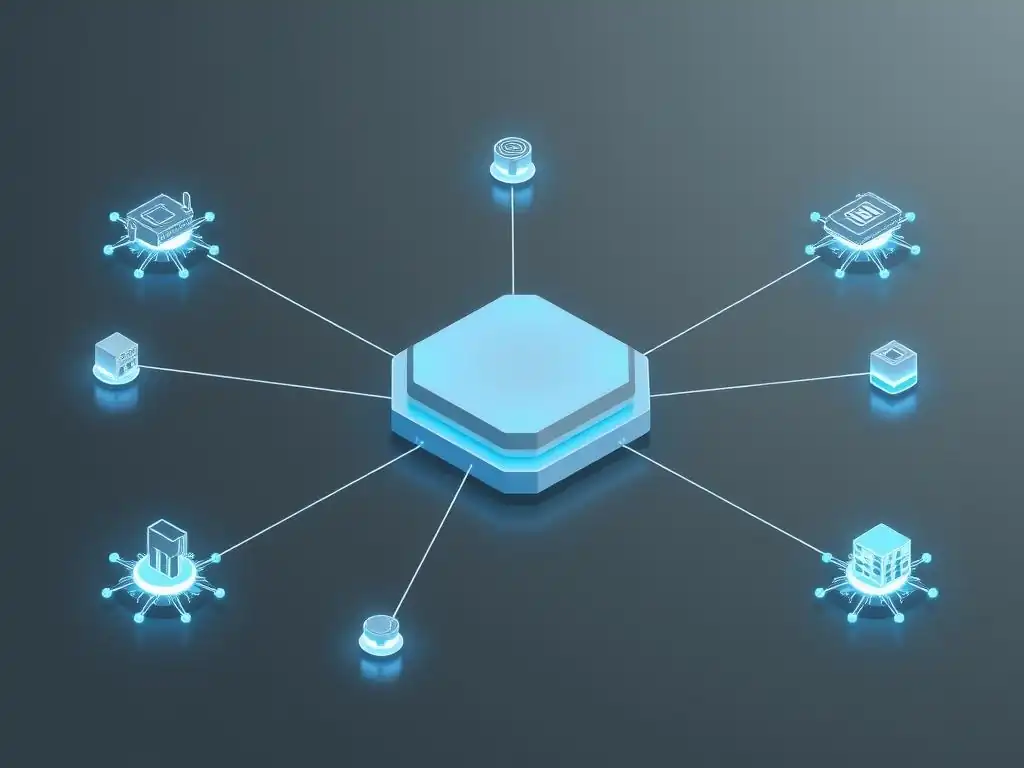
While interoperability offers numerous benefits, it also introduces new security considerations that must be carefully addressed in a unified decentralized voting system. Connecting multiple systems together increases the attack surface and creates potential vulnerabilities that could be exploited if not properly mitigated. Security must be paramount in the design and implementation of interoperable voting solutions.
One key concern is ensuring the integrity of data transfer between systems. When voter data or vote records are exchanged across different platforms, robust cryptographic mechanisms are needed to prevent tampering or manipulation. Digital signatures and secure communication protocols are essential to guarantee the authenticity and integrity of data in transit. Another critical aspect is identity management across systems. Ensuring that voter identities are consistently and securely verified across different platforms is crucial to prevent fraudulent voting.
Decentralized identity solutions and robust authentication mechanisms are necessary to address this challenge. Furthermore, vulnerability management becomes more complex in an interoperable environment. Security updates and patches need to be coordinated across all connected systems to prevent vulnerabilities in one system from being exploited to compromise others. A holistic and proactive security approach is essential for building trust in interoperable decentralized voting systems.
Scalability Solutions for High-Volume Elections
Scalability is a significant challenge for any voting system, and interoperability can further complicate scalability considerations in decentralized environments. Handling high volumes of votes, particularly in national or international elections, requires robust infrastructure and efficient processing capabilities across all interconnected systems. Scalability solutions must be carefully considered to ensure that interoperable voting systems can handle peak loads without compromising performance or security.
One approach to address scalability is through layer-2 scaling solutions. These solutions, often used in blockchain networks, aim to offload transaction processing from the main blockchain layer, improving throughput and reducing latency. In the context of interoperable voting, layer-2 solutions could be used to handle the high volume of vote transactions, while still leveraging the security and immutability of the underlying blockchain. Another strategy is distributed ledger technology (DLT) optimization.
Exploring different DLT architectures and consensus mechanisms that are specifically designed for high-throughput and scalability is crucial. Furthermore, efficient data management and storage solutions are necessary to handle the potentially massive amounts of data generated in large-scale interoperable elections. Careful capacity planning and performance testing are essential to ensure that interoperable voting systems can scale to meet the demands of high-volume elections.
Navigating the complex landscape of regulatory and legal frameworks is a significant challenge for the widespread adoption of decentralized voting systems, and interoperability adds another layer of complexity. Electoral regulations vary significantly across jurisdictions, and ensuring compliance with these diverse rules is crucial for the legitimacy and legality of interoperable voting solutions. Harmonizing regulatory requirements across different regions or countries becomes even more important in an interoperable context.
One key challenge is data privacy regulations. Different jurisdictions have varying laws regarding the collection, storage, and processing of personal data, such as GDPR in Europe or CCPA in California. Interoperable voting systems must be designed to comply with these diverse privacy regulations, ensuring the protection of voter data across different platforms and jurisdictions. Another challenge is election law compliance.
Existing election laws often specify requirements for voter registration, ballot access, and vote counting procedures. Interoperable decentralized voting systems need to be adapted to comply with these legal requirements, which may necessitate modifications to existing laws or the development of new regulatory frameworks. Furthermore, international legal harmonization may be needed to facilitate cross-border interoperability of voting systems, particularly for international organizations or global elections. Engaging with regulatory bodies and legal experts is crucial for navigating these complex frameworks and ensuring the legal compliance of interoperable decentralized voting solutions.
Protecting Voter Privacy Across Diverse Platforms
Protecting voter privacy is paramount in any voting system, and interoperability introduces additional considerations for maintaining privacy across diverse platforms. When voter data and vote records are shared between different systems, it is crucial to ensure that privacy is preserved and that voter anonymity is not compromised. Robust privacy-enhancing technologies and protocols are essential for building privacy-preserving interoperable voting solutions.
One key technology for enhancing privacy is zero-knowledge proofs (ZKPs). ZKPs allow one party to prove to another party that a statement is true without revealing any information beyond the validity of the statement itself. In the context of voting, ZKPs can be used to verify voter eligibility or vote validity without revealing the voter's identity or vote choice. Another relevant technology is homomorphic encryption, which allows computations to be performed on encrypted data without decrypting it first.
Homomorphic encryption can be used to tally votes in a decentralized manner while keeping individual votes encrypted, preserving voter anonymity. Furthermore, differential privacy techniques can be used to add noise to aggregate data, protecting the privacy of individual voters while still allowing for meaningful statistical analysis. Integrating these privacy-enhancing technologies into interoperable voting systems is crucial for safeguarding voter privacy and building public trust.
The Future of Interoperable Decentralized Voting
Expanding Use Cases: Beyond Traditional Elections
The potential use cases for interoperable decentralized voting systems extend far beyond traditional political elections. The principles of secure, transparent, and verifiable voting can be applied in various contexts where fair and auditable decision-making processes are crucial. Exploring these expanded use cases can unlock significant value and broaden the impact of decentralized voting technology.
One promising area is corporate governance. Shareholder voting in publicly traded companies can be significantly enhanced by decentralized voting systems, ensuring transparency and preventing proxy fraud. Interoperability could allow different corporate voting platforms to interact, facilitating shareholder participation across different companies and jurisdictions. Another application is in decentralized autonomous organizations (DAOs).
DAOs rely on community voting for governance decisions, and interoperable voting systems can provide secure and transparent mechanisms for DAO members to participate in decision-making, regardless of the specific DAO platform. Furthermore, online polls and surveys can benefit from decentralized voting to ensure the integrity and verifiability of results, particularly in sensitive or high-stakes surveys. Interoperability can enable the aggregation of data from different polling platforms, providing a more comprehensive and reliable picture of public opinion. These expanded use cases demonstrate the broad applicability of interoperable decentralized voting beyond traditional elections.
Impact on Citizen Engagement and Democratic Processes
Interoperable decentralized voting systems have the potential to profoundly impact citizen engagement and democratic processes globally. By making voting more accessible, transparent, and trustworthy, these systems can foster greater participation in democratic decision-making and strengthen the foundations of democratic governance. The impact can be felt across various aspects of civic life.
One key impact is increased voter turnout. By removing geographical barriers and simplifying the voting process, interoperable decentralized voting can make it easier for citizens to exercise their right to vote, particularly for marginalized communities or those living in remote areas. This increased accessibility can lead to higher voter participation rates and a more representative electorate.
Another impact is enhanced public trust in elections. The transparency and verifiability inherent in decentralized voting systems, amplified by interoperability, can significantly boost public confidence in the integrity of election outcomes. Reduced voter fraud and increased auditability can strengthen the legitimacy of democratic processes.
Furthermore, interoperable voting can facilitate more direct and participatory democracy. By enabling easier and more secure online voting, it can pave the way for more frequent and direct citizen involvement in policy decisions, potentially leading to a more responsive and accountable government. These impacts highlight the transformative potential of interoperable decentralized voting for democratic governance.
The Role of Zero-Knowledge Proofs in Enhancing Privacy and Security
Zero-knowledge proofs (ZKPs) are poised to play a crucial role in enhancing both privacy and security within interoperable decentralized voting systems. As discussed earlier, ZKPs enable verification of information without revealing the information itself, making them ideal for addressing privacy concerns while maintaining verifiability in voting processes. Their application within interoperable systems can further amplify their benefits.
In terms of privacy, ZKPs can be used to verify voter eligibility without revealing voter identities. A voter can prove they are eligible to vote without disclosing their personal information to the voting system or other interconnected platforms. This is particularly important in interoperable systems where voter data may be shared across different platforms.
Regarding security, ZKPs can be used to verify the correctness of vote tallies without revealing individual votes. This allows for transparent and auditable vote counting while preserving voter anonymity. In an interoperable context, ZKPs can ensure that vote tallies are consistent and accurate across different systems, enhancing the overall security and integrity of the election process.
Furthermore, ZKPs can contribute to secure cross-chain communication in interoperable voting systems. They can be used to verify the validity of data transferred between different blockchains without revealing sensitive information, ensuring secure and privacy-preserving interoperability. The integration of ZKPs is therefore essential for building privacy-focused and secure interoperable decentralized voting solutions.
Predictions for the Evolution of Interoperable Voting
The evolution of interoperable decentralized voting is likely to be shaped by several key trends and developments in the coming years. Predicting the future is always challenging, but based on current trajectories, we can anticipate certain advancements and shifts in the landscape of decentralized voting system interoperability.
One prediction is the increased adoption of standardized protocols and APIs. As the need for interoperability becomes more widely recognized, industry-wide efforts to develop and adopt common standards for data exchange, identity management, and API integrations will likely gain momentum. Organizations and consortia focused on blockchain standards will play a crucial role in driving this standardization process.
Another prediction is the rise of cross-chain interoperability solutions specifically tailored for voting. As cross-chain technologies mature, we can expect to see the emergence of specialized solutions designed to facilitate secure and efficient communication between different blockchain-based voting platforms. These solutions will likely incorporate advanced cryptographic techniques and privacy-enhancing technologies.
Furthermore, we can anticipate greater regulatory clarity and harmonization regarding decentralized voting and interoperability. As governments and regulatory bodies become more familiar with these technologies, we may see the development of clearer legal frameworks and potentially even international agreements to facilitate cross-border interoperability of voting systems. These predictions suggest a future where interoperable decentralized voting becomes increasingly practical, secure, and widely adopted, transforming electoral processes globally.
Case Studies: Interoperable Voting Initiatives in Practice
Voatz: Lessons in Security and Accessibility
Voatz, a mobile voting platform utilizing blockchain technology, has been deployed in several elections, offering valuable lessons regarding both the potential and the challenges of decentralized voting systems, particularly in relation to security and accessibility. While not explicitly designed for broad interoperability with other systems, Voatz's experiences provide insights relevant to building interoperable solutions.
Voatz has focused on enhancing accessibility, particularly for voters with disabilities and overseas military personnel. By offering a mobile voting option, Voatz aimed to increase voter turnout and make voting more convenient. However, Voatz has faced significant security scrutiny. Independent security audits have raised concerns about potential vulnerabilities in its architecture and cryptographic implementations.
These concerns highlight the critical importance of rigorous security testing and continuous improvement in decentralized voting systems, especially as they handle sensitive election data. While Voatz prioritized accessibility, the security concerns underscore the need to balance accessibility with robust security measures in any decentralized voting system, including interoperable ones. The Voatz case study emphasizes that while accessibility is a key driver for adopting decentralized voting, security must remain the paramount consideration, and ongoing security audits are crucial for maintaining trust and integrity.
Follow My Vote: Emphasizing End-to-End Verifiability
Follow My Vote is another notable decentralized voting initiative that emphasizes end-to-end verifiability as a core principle. Unlike Voatz, Follow My Vote is designed as an open-source platform, aiming to provide greater transparency and auditability of the voting process. While not yet widely deployed in large-scale elections, Follow My Vote's approach offers valuable insights into the design of verifiable and potentially interoperable voting systems.
Follow My Vote utilizes blockchain technology to create a transparent and immutable record of votes. Its focus on end-to-end verifiability means that every step of the voting process, from ballot casting to vote counting, is designed to be independently verifiable by voters and election observers. This emphasis on transparency and auditability is crucial for building trust in decentralized voting systems.
While Follow My Vote's current implementation is not explicitly interoperable with other platforms, its open-source nature and commitment to verifiable voting principles make it a strong candidate for future interoperability efforts. The project demonstrates the importance of designing decentralized voting systems with verifiability as a foundational element, which is essential for fostering public trust and facilitating interoperability by providing a common basis for data integrity and auditability across different platforms.
Comparative Analysis of Diverse Interoperable Solutions
While fully realized interoperable decentralized voting systems are still in their early stages of development, a comparative analysis of different approaches and initiatives can provide valuable insights. Examining diverse solutions highlights the various technical strategies being explored and the trade-offs involved in achieving interoperability.
One approach focuses on cross-chain bridges as a primary mechanism for interoperability. Projects utilizing this approach aim to connect different blockchain platforms, allowing for data exchange and potentially cross-chain vote tabulation. The challenge with this approach lies in ensuring the security and reliability of the bridges themselves, as they can become potential points of vulnerability.
Another approach emphasizes standardized APIs and data protocols. Initiatives focusing on standardization aim to create common interfaces and data formats, enabling different voting systems to communicate more easily, even if they are built on different underlying technologies. The challenge here is achieving widespread adoption of these standards and ensuring they are robust and flexible enough to accommodate diverse voting system requirements.
A third approach explores federated or hybrid models, where some components of the voting system are centralized while others are decentralized, potentially using interoperability to connect centralized and decentralized elements. Each approach presents its own set of advantages and challenges, and a comparative analysis helps to understand the trade-offs and identify best practices for building truly interoperable decentralized voting solutions.
Conclusion: Building a Secure and Unified Electoral Ecosystem
Interoperability: A Critical Step Towards Modernizing Elections
Interoperability is not merely a technical feature; it is a critical step towards realizing the full potential of decentralized voting and modernizing electoral processes for the 21st century. As we have explored, the current fragmented landscape of decentralized voting initiatives hinders scalability, accessibility, and ultimately, the widespread adoption of these promising technologies. Interoperability offers a pathway to overcome these limitations and build a truly unified and robust electoral ecosystem.
By enabling different voting systems to work together seamlessly, interoperability can unlock significant benefits. It can enhance accessibility by allowing voters to interact with different systems more easily. It can improve scalability by enabling the integration of diverse platforms into a larger, cohesive infrastructure. Most importantly, interoperability can foster greater trust in elections by facilitating independent verification, cross-system audits, and increased transparency. In a world increasingly reliant on digital technologies, interoperability is essential for ensuring that decentralized voting systems can scale to meet the needs of modern elections and contribute to a more democratic and trustworthy future.
Collaboration and Standardization: Essential for Progress
Achieving widespread interoperability in decentralized voting systems requires a concerted effort focused on collaboration and standardization. No single organization or initiative can achieve this goal in isolation. Progress depends on fostering collaboration among developers, researchers, election administrators, policymakers, and standards organizations to build a common foundation for interoperable voting.
Collaboration is essential for sharing knowledge, best practices, and technical expertise. Open-source development and collaborative research initiatives can accelerate innovation and ensure that interoperability solutions are robust and secure. Standardization is equally crucial for establishing common protocols, data formats, and APIs that enable different systems to communicate and interact effectively.
Industry-wide standards bodies and consortia can play a vital role in developing and promoting these standards. Furthermore, collaboration between technology providers and election administrators is necessary to ensure that interoperable voting solutions meet the practical needs of real-world elections and comply with regulatory requirements. A collaborative and standards-driven approach is the most effective way to build a truly interoperable and unified electoral ecosystem.
Call to Action: Driving Innovation in Interoperable Voting
The journey towards fully interoperable decentralized voting systems is ongoing, and requires continued innovation, research, and development. This is a call to action for stakeholders across various sectors to contribute to driving innovation in this critical area. Developers are needed to create and implement interoperability solutions, researchers to explore new technologies and address security and privacy challenges, election administrators to pilot and adopt interoperable systems, and policymakers to create supportive regulatory frameworks.
Investment in research and development is crucial to advance the state of the art in interoperable voting technologies. Focus areas include cross-chain communication protocols, privacy-enhancing technologies like zero-knowledge proofs, and scalable DLT architectures. Open-source initiatives and collaborative projects should be supported to foster innovation and knowledge sharing.
Pilot programs and real-world deployments are essential to test and validate interoperability solutions in practical election settings. Furthermore, public education and awareness campaigns are needed to build understanding and trust in decentralized voting technologies and their potential to modernize and strengthen democratic processes. By working together and driving innovation, we can pave the way for a future where interoperable decentralized voting systems contribute to a more secure, accessible, and trustworthy electoral ecosystem globally.
Frequently Asked Questions
What are the primary benefits of interoperable decentralized voting systems?
Interoperable systems allow for seamless data exchange and verification across different platforms, improving trust and reducing the risk of manipulation in elections. This fosters wider participation and potentially simplifies the voting process.
How does blockchain technology contribute to the security of decentralized voting systems?
Blockchain provides an immutable and transparent ledger, ensuring that all votes are securely recorded and resistant to tampering. This technology also facilitates auditability and verification by multiple parties.
What are some of the key challenges in achieving decentralized voting system interoperability?
Challenges include standardizing data formats, addressing regulatory differences across jurisdictions, and ensuring compatibility between different blockchain platforms. Technical complexities and security concerns also pose significant hurdles.
Beyond security, what are the potential economic advantages of implementing decentralized voting systems?
Decentralized systems can reduce administrative costs associated with traditional elections by streamlining processes and minimizing the need for manual intervention. Enhanced transparency can also boost voter confidence and civic engagement.
How can regulation facilitate the development and adoption of interoperable decentralized voting systems?
Clear and consistent regulations can establish standards for data privacy, security, and interoperability, fostering trust and encouraging innovation in the field. Harmonized legal frameworks are crucial for cross-border applications.
Final Reflection: Embracing a Connected Electoral Future
The exploration of decentralized voting system interoperability reveals a critical path towards a more robust and accessible democratic process. The potential for seamless data exchange and verification across diverse blockchain-based voting platforms is no longer a futuristic fantasy, but a tangible goal with profound implications for election integrity and voter participation worldwide. This convergence promises to mitigate fragmentation, enhance transparency, and ultimately, strengthen the very foundations of democratic governance.
This journey into interoperable decentralized voting has not only illuminated technical challenges but also underscored the fundamental human desire for fair and trustworthy elections. The pursuit of a unified electoral ecosystem resonates deeply with the need for greater civic engagement and trust in democratic institutions, especially in an era marked by misinformation and political polarization. Democracy is not a spectator sport; it is a participatory process. Interoperable voting systems can empower citizens to participate more effectively and with greater confidence.
This quote encapsulates the transformative potential of this technology to revitalize democratic participation.
As we stand at the cusp of this technological revolution, let us embrace the opportunity to shape a future where every vote counts, and every voice is heard. Reflect on the power of decentralized voting system interoperability to foster trust, transparency, and inclusivity in our electoral processes. Consider how you can contribute to this vital movement, whether through advocacy, education, or simply by engaging in informed discussions. The future of democracy rests on our collective commitment to building a more connected and secure electoral landscape.
Unlock the Future: Empower Your Voice in a Unified Voting Landscape!
Thank you for delving into the crucial topic of interoperable decentralized voting systems. We hope this article illuminated the possibilities of building a more secure, transparent, and accessible electoral ecosystem. Now, let's turn that knowledge into action!
Here's how you can contribute to the evolution of voting:
- Become a champion for change by advocating for the adoption of interoperable decentralized voting systems within your local community and government. This is the single most impactful action you can take!
- Dive deeper into the technical aspects of different blockchain protocols by exploring resources like whitepapers and developer forums to broaden your understanding.
- Share this article with friends and colleagues on social media, sparking conversations about the future of democratic processes and encouraging them to join the movement!
What steps will you take today to help shape a more unified and trustworthy voting landscape? Share your thoughts in the comments below!
Leave a Reply