
Evolving Social Good: The Paradigm Shift from Traditional Charities to Decentralized DAOs

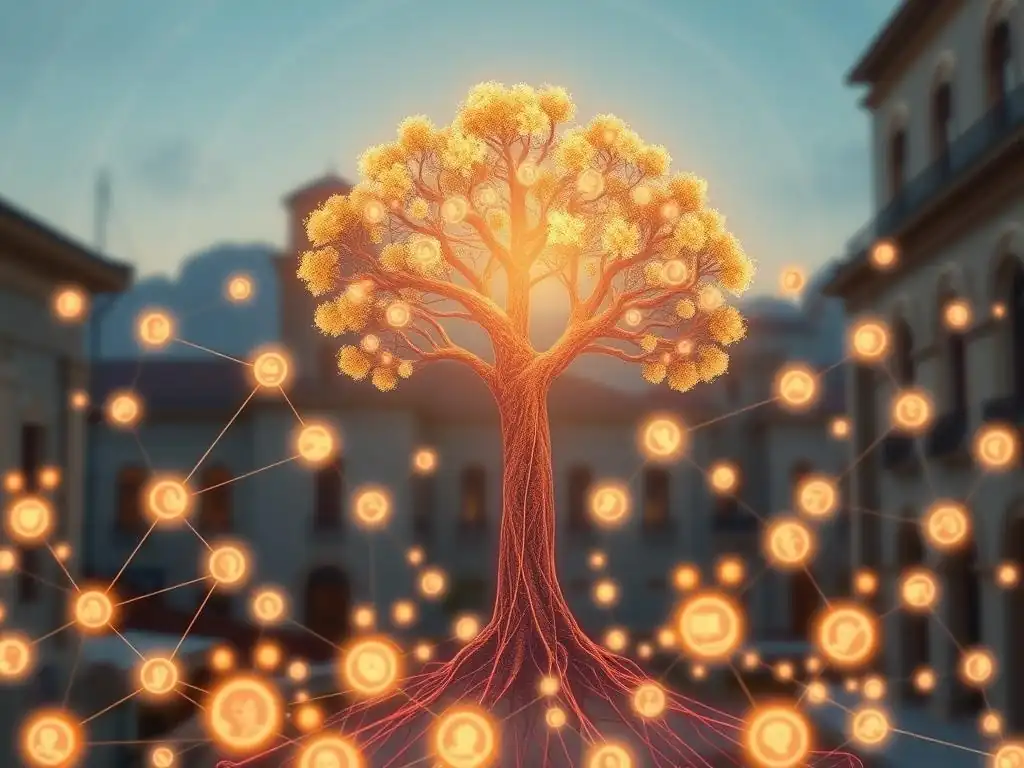
Welcome to Blockchain Trends, your guide to understanding the revolutionary power of blockchain technology beyond the hype. Are you ready to witness a paradigm shift in how we approach social good? In this article, we delve into the burgeoning world of Decentralized Charities and the profound impact of DAOs, exploring how they're reshaping the landscape of philanthropy and creating unprecedented levels of transparency and efficiency. Intrigued? Discover how this innovative approach is poised to revolutionize giving and impact the lives of millions. Read on to unravel the future of social impact, powered by blockchain.
Evolving Social Good: The Paradigm Shift from Traditional Charities to Decentralized DAOs
- The Limitations of Traditional Charities and the Need for Innovation
- Understanding Decentralized Autonomous Organizations (DAOs) for Social Good
- Decentralized Charities: Advantages Over Traditional Charities
- Case Studies: Successful Examples of Social Impact DAOs in Action
- Overcoming Challenges and Building Sustainable Social Impact DAOs
- The Future of Social Good: Decentralized Charities and Beyond
- Decentralized Charities: A Call to Action for Change Makers
-
Frequently Asked Questions
- What is a Decentralized Autonomous Organization (DAO) and how does it differ from a traditional charity?
- How can blockchain technology and DAOs specifically benefit charitable organizations?
- What are some potential challenges or risks associated with using DAOs for charitable purposes?
- How does the impact of "Decentralized charities DAO impact" compare to traditional charitable models?
- What is the future outlook for DAOs in the charitable sector?
- Final Reflection: Embracing Decentralized Philanthropy
- Embrace the Future: Launch Your Social Impact Journey!
The Limitations of Traditional Charities and the Need for Innovation
Challenges Facing Traditional Philanthropy: Transparency, Efficiency, and Trust
Traditional charitable organizations, while historically vital for social progress, often grapple with systemic challenges that can limit their overall impact. A significant hurdle is the lack of transparency regarding fund allocation and operational costs. Donors frequently express concerns about how their contributions are utilized, with questions lingering about the percentage of donations that actually reach the intended beneficiaries versus being absorbed by administrative expenses, fundraising efforts, and salaries.
While many charities provide annual reports, these are often aggregated summaries that lack granular, real-time insight into specific transactions or project expenditures. This opacity can erode donor trust over time, potentially reducing willingness to give or shifting focus to smaller, local initiatives perceived as more accountable.
Furthermore, traditional structures can be inherently inefficient. Bureaucratic processes, centralized decision-making hierarchies, and reliance on manual or legacy systems can lead to delays in fund distribution and program implementation. Overhead costs, including administrative fees, marketing expenses, and infrastructure maintenance, can sometimes represent a substantial portion of a charity's budget.
Reports from various watchdog groups often highlight that overhead ratios can range from 10% to over 20% of total revenue for established organizations, although this varies widely depending on the charity's mission and scale. These inefficiencies not only consume valuable resources but also slow down the response to urgent needs, potentially diminishing the timely impact of decentralized charities and their traditional counterparts alike.
The recognition of these limitations has spurred exploration into alternative models for achieving social good. Beyond the traditional non-profit structure, philanthropic foundations, often endowed by wealthy individuals or corporations, operate differently, typically managing assets to fund grants to other organizations or run their own programs.
While offering long-term funding stability, foundations can sometimes face similar issues of transparency in grant-making decisions and can be perceived as less accessible to grassroots initiatives. Social enterprises, another model, blend profit-making activities with social or environmental goals, using revenue to sustain their mission, but their primary focus is often on market-based solutions rather than pure philanthropic aid.
In recent years, decentralized autonomous organizations (DAOs) have emerged as a compelling alternative model, leveraging blockchain technology to address some of the core challenges faced by traditional philanthropy. Unlike foundations with centralized boards or charities with hierarchical management, DAOs distribute control and decision-making power among their members, often token holders.
This decentralized approach, coupled with the inherent transparency of blockchain ledgers, presents a stark contrast to legacy systems. The potential for DAOs to create more efficient, transparent, and community-driven mechanisms for funding and executing social impact projects is significant, suggesting a potential paradigm shift in how decentralized charities operate and deliver their impact.
What are DAOs and How Do They Function?
Decentralized Autonomous Organizations (DAOs) are internet-native organizations collectively owned and managed by their members. They operate based on rules encoded as smart contracts on a blockchain, making their operations transparent and immutable. Unlike traditional companies or non-profits where decisions are made by a board of directors or executive team, DAOs rely on proposals and voting mechanisms, typically executed by members holding the DAO's governance tokens.
These tokens often represent voting power or ownership in the DAO. The smart contracts automate the execution of decisions once proposals meet predefined consensus thresholds, removing the need for intermediaries and manual processing for many operational tasks.
The functioning of a DAO typically involves a multi-stage process: proposal submission, discussion, voting, and execution. Any member meeting certain criteria (like holding a minimum number of governance tokens) can propose an initiative, such as funding a specific project or changing a DAO parameter. The proposal is then discussed by the community, often on forums or communication platforms.
Following the discussion period, members cast their votes using their governance tokens. If the proposal receives enough support according to the DAO's predefined rules (e.g., 51% or 66% majority), the associated smart contract automatically executes the action, whether it's releasing funds from the DAO's treasury or implementing a protocol change. This automated, transparent process is fundamental to the operation and potential impact of decentralized charities built on this model.
Social Impact DAOs leverage the core features of the DAO structure specifically for philanthropic or social good objectives. Decentralization ensures that no single entity has absolute control over the organization or its funds. Decisions regarding funding allocations, project selection, and operational policies are distributed among a global community of stakeholders, reducing the risk of corruption, bias, or mismanagement by a centralized authority. This distributed control fosters a more resilient and inclusive model for social action.
Transparency is perhaps the most celebrated feature of blockchain-based DAOs in the context of social good. Because transactions and governance votes are recorded on a public ledger, anyone can verify how funds are received, stored, and distributed. Smart contracts governing fund release are also typically open-source and auditable.
This level of transparency offers unprecedented accountability compared to traditional models, allowing donors and beneficiaries alike to track the flow of resources in near real-time. Furthermore, community governance empowers individuals who are passionate about a cause to directly participate in the decision-making process, ensuring that the DAO's activities align with the community's values and priorities, thereby amplifying the impact of decentralized charities.
The Role of Blockchain Technology in Empowering Decentralized Charities
Blockchain technology is the foundational layer enabling the existence and unique capabilities of decentralized charities. Its distributed ledger system provides an immutable and transparent record of all transactions and governance activities. Every donation received, every expenditure made, and every vote cast within a social impact DAO can be verified on the blockchain, building a high level of trust through verifiable data rather than relying solely on audited reports. This inherent transparency is a powerful tool for combating fraud and ensuring accountability.
Moreover, smart contracts, programs stored on the blockchain that automatically execute when specific conditions are met, automate many of the operational processes within a DAO. This automation can significantly reduce the administrative overhead traditionally associated with managing charitable funds and projects. For example, a smart contract can be programmed to release funds to a project only upon verified completion of milestones, or to distribute donations proportionally based on community voting outcomes.
This efficiency allows a larger percentage of donated funds to be directed towards the actual cause, maximizing the impact of decentralized charities and streamlining operations. The global, borderless nature of blockchain transactions also facilitates easier and faster cross-border giving and fund distribution, expanding the potential reach and accessibility of social impact initiatives.
Decentralized Charities: Advantages Over Traditional Charities
Enhanced Transparency and Accountability Through Blockchain Technology
One of the most compelling advantages of decentralized charities built on blockchain is the unparalleled level of transparency and accountability they can offer. Unlike traditional non-profits where financial details might be summarized in annual reports, blockchain allows for every transaction – from donor contributions to project payouts – to be recorded on a public, immutable ledger.
This means anyone with the necessary tools can trace the movement of funds in real-time, providing a level of verifiable accountability that is difficult to achieve with traditional systems. For instance, a donor contributing cryptocurrency can potentially verify that their donation reached the DAO's treasury and subsequently track its allocation to specific projects or beneficiaries as recorded on the blockchain.
This radical transparency significantly reduces the potential for fraud, waste, or mismanagement. Smart contracts can be programmed to automatically execute fund transfers based on predefined, publicly auditable rules, removing human discretion from critical financial processes. This contrasts sharply with traditional models where internal controls and external audits, while necessary, do not provide the same level of real-time, public oversight. The inherent visibility into operations fosters greater trust among donors, participants, and beneficiaries, enhancing the credibility and demonstrating the tangible impact of decentralized charities.
Increased Efficiency and Reduced Overhead Costs in DAO Operations
Decentralized charities have the potential to operate with significantly lower overhead costs compared to traditional organizations. Many administrative functions that require staff in traditional charities – such as processing donations, managing grants, and handling financial disbursements – can be automated through smart contracts. This automation reduces the need for extensive administrative teams, physical infrastructure, and manual processing, leading to lower operational expenses.
While traditional charities might spend anywhere from 10% to over 20% of their budget on administrative and fundraising costs, social impact DAOs, in theory, can minimize these percentages. For example, transaction fees on some blockchains are minimal, and the infrastructure for governance and fund management is often built on open-source protocols.
While there are costs associated with smart contract audits, development, and community coordination, the potential for automation and distributed operations suggests a leaner operational model. This increased efficiency means that a larger proportion of every dollar or cryptocurrency donated can directly contribute to the charitable mission, thereby maximizing the impact of decentralized charities on the ground.
A core strength of decentralized charities is their model of community-driven governance. Instead of decisions being made by a small, centralized board, token holders or members of the DAO participate directly in proposing, discussing, and voting on how the organization operates and allocates funds. This democratized approach ensures that the organization's priorities reflect the collective will and diverse perspectives of its global community.
This participatory governance model empowers individuals who are passionate about a cause to have a direct say in its direction. For instance, community members might vote on which specific projects within a broader mission receive funding, how much funding they receive, or even how the governance structure itself should evolve. This level of engagement fosters a strong sense of ownership and commitment among participants.
It also allows for more agile and responsive decision-making in certain contexts, as proposals can be put to a vote and executed relatively quickly compared to traditional bureaucratic processes. This inclusive decision-making process is a key factor in driving the positive impact of decentralized charities.
Global Reach and Accessibility: Expanding the Scope of Charitable Giving
Blockchain technology inherently operates globally, enabling decentralized charities to transcend geographical barriers in ways that traditional organizations often find challenging. Cryptocurrency donations can be sent from anywhere in the world to a DAO's treasury with relative ease, often faster and with lower transaction fees than international wire transfers. This opens up new avenues for global philanthropy, allowing individuals from diverse economic backgrounds and locations to contribute to causes they care about.
Furthermore, the accessibility of blockchain technology means that potential beneficiaries and project teams worldwide can potentially interact with and receive funding from social impact DAOs without needing a traditional bank account or navigating complex international financial regulations. This is particularly impactful in regions with limited access to traditional banking infrastructure. By leveraging a global, permissionless network, decentralized charities can expand their reach, connect donors with projects across borders, and facilitate the distribution of aid more directly and efficiently to those in need, significantly broadening their potential impact.
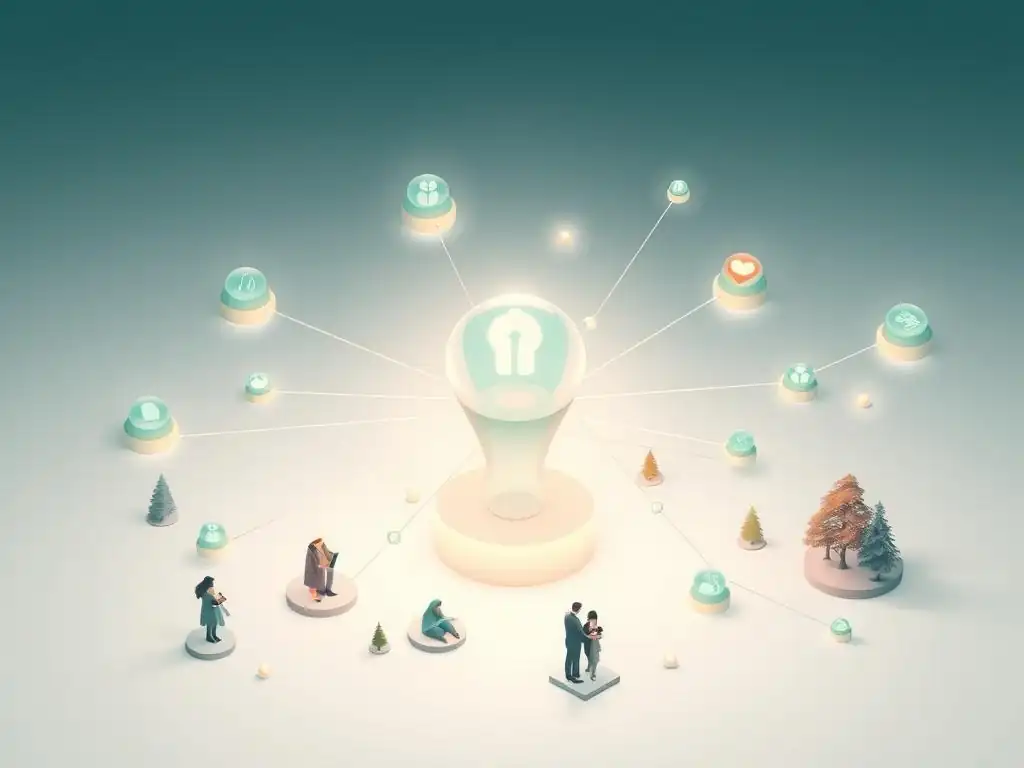
UkraineDAO: Supporting Humanitarian Efforts in Ukraine
UkraineDAO emerged rapidly in early 2022 as a prominent example of a social impact DAO leveraging blockchain for urgent humanitarian aid. Formed by a collective of artists, activists, and blockchain enthusiasts, its primary goal was to raise funds in cryptocurrency to support Ukrainian organizations providing aid to those affected by the conflict. The DAO quickly gained traction, notably through the sale of a non-fungible token (NFT) of the Ukrainian flag.
The DAO successfully raised over $8 million worth of Ether (ETH) within days through the NFT sale and direct crypto donations. These funds were then transferred to official Ukrainian government crypto wallets and non-governmental organizations providing humanitarian assistance on the ground. The use of a DAO structure allowed for rapid coordination and fundraising on a global scale, demonstrating the potential of decentralized entities to mobilize resources quickly in response to crises. While the DAO's structure was relatively simple for this specific, time-sensitive mission, its success highlighted the power of decentralized coordination and crypto fundraising for immediate social impact.
Gitcoin Grants: Funding Open-Source Software Development
Gitcoin Grants, while primarily focused on funding public goods in the Web3 ecosystem, serves as a powerful and sustained example of a decentralized funding mechanism with significant social impact. Gitcoin uses a unique quadratic funding model, where smaller donations from many individuals are matched by a larger pool of funds, effectively giving more weight to projects with broad community support rather than just a few large donors. This model encourages grassroots contributions and helps fund essential, often under-resourced, open-source software projects that benefit the entire ecosystem.
Since its inception, Gitcoin Grants has facilitated the distribution of tens of millions of dollars (in various cryptocurrencies and stablecoins) across numerous funding rounds. It has supported thousands of projects ranging from blockchain infrastructure development to climate change initiatives and digital privacy tools.
The process is transparent, with all contributions and matching funds recorded on-chain. While not a DAO in the strictest sense from day one, it has increasingly moved towards decentralized governance, allowing the community to influence funding rounds and platform development, showcasing a robust, community-driven model for funding public goods and demonstrating a sustained decentralized charities DAO impact.
The success of social impact DAOs like UkraineDAO and Gitcoin Grants can be attributed to several factors: leveraging the global reach and efficiency of blockchain for fundraising, the transparency of on-chain transactions, and the ability to quickly mobilize a passionate, decentralized community. UkraineDAO's rapid response highlighted the speed advantage in crisis situations, while Gitcoin Grants demonstrates the power of sustained, community-driven funding for ongoing public goods development. The use of innovative funding mechanisms (like quadratic funding) and engaging formats (like NFTs) has also proven effective in attracting contributions.
However, these initiatives also face challenges. Regulatory uncertainty surrounding DAOs and cryptocurrency remains a significant hurdle. Ensuring security against hacks or smart contract vulnerabilities is paramount. Achieving broad inclusivity and accessibility for individuals less familiar with blockchain technology is an ongoing challenge. Furthermore, coordinating large, decentralized communities and reaching consensus can be complex and time-consuming. Despite these challenges, the operational examples of these DAOs provide valuable insights into the potential and pitfalls of building decentralized charities and maximizing their positive impact.
Addressing Regulatory Uncertainty and Legal Frameworks for DAOs
One of the most significant challenges facing social impact DAOs is the lack of clear and consistent regulatory frameworks across different jurisdictions. The decentralized and often borderless nature of DAOs doesn't fit neatly into existing legal structures designed for traditional organizations. This uncertainty can create legal risks regarding liability, compliance with financial regulations (like AML/KYC), and tax obligations for both the DAO itself and its participants. Without clear guidelines, potential contributors and builders may be hesitant to engage deeply.
Efforts are underway in various regions to develop legal recognition for DAOs, though progress is slow and fragmented. Some jurisdictions, like Wyoming and the Marshall Islands, have passed legislation allowing DAOs to register as legal entities, offering a potential path forward. However, a globally recognized framework is still distant. For social impact DAOs, navigating this landscape requires careful legal consideration, potentially involving wrapping the DAO in a traditional legal entity where necessary, or structuring operations to minimize legal exposure while advocating for clearer regulations that recognize the unique aspects and positive impact of decentralized charities.
Ensuring Security and Preventing Fraud in Decentralized Charitable Organizations
While blockchain offers inherent transparency, decentralized charities are not immune to security risks and the potential for fraud. Smart contracts, the operational backbone of DAOs, can contain vulnerabilities if not rigorously audited, potentially leading to the loss of funds stored in the DAO's treasury. Phishing attacks and social engineering targeting individual members or contributors also remain threats. The irreversible nature of blockchain transactions means that funds lost due to a hack or error are often impossible to recover.
Mitigating these risks requires a multi-layered approach. Rigorous, independent audits of all smart contracts before deployment are essential. Implementing multi-signature wallets for treasury management, requiring approval from multiple key holders for transactions, adds an extra layer of security. Education within the community about security best practices, phishing awareness, and secure handling of private keys is crucial. Establishing clear, transparent procedures for proposal vetting and fund disbursement, often involving multiple checks and community oversight, also helps prevent fraudulent proposals from siphoning funds intended for social good, thereby protecting the integrity and impact of decentralized charities.
Promoting Inclusivity and Accessibility for Diverse Communities
For decentralized charities to truly maximize their global impact, they must be accessible and inclusive to diverse communities, including those who may not be familiar with blockchain technology or have limited access to the necessary tools. The current landscape often requires a certain level of technical literacy to participate in governance, hold tokens, and use cryptocurrency wallets. This can inadvertently exclude potential donors, volunteers, and beneficiaries, particularly in developing regions or among older demographics.
Addressing this requires dedicated efforts to simplify user interfaces and participation processes. Developing mobile-friendly applications, providing clear educational resources in multiple languages, and offering support channels are crucial steps. Exploring alternative governance mechanisms that don't solely rely on token ownership or complex on-chain voting could also enhance participation. Partnerships with local organizations that have established community trust and infrastructure can help bridge the digital divide and ensure that the benefits and opportunities of decentralized charities reach those who need them most, ensuring their impact is broad and equitable.
Fostering Collaboration and Partnerships Between DAOs and Traditional Organizations
While decentralized charities offer distinct advantages, traditional non-profits possess valuable assets like established infrastructure, deep community relationships, on-the-ground expertise, and experience navigating complex social issues and regulatory environments. Fostering collaboration between DAOs and traditional organizations can create powerful synergies, combining the strengths of both models to achieve greater social impact.
Partnerships could involve DAOs providing funding to traditional non-profits through transparent, milestone-based smart contracts, offering a new, efficient funding stream. Traditional organizations could lend their expertise in program implementation, beneficiary identification, and impact measurement to DAO-funded projects. Joint initiatives could leverage a DAO's global fundraising reach and transparency with a non-profit's local knowledge and operational capacity. Building trust and mutual understanding between these different organizational cultures will be key to successful collaborations, ultimately enhancing the collective impact of decentralized charities and established aid structures working together towards common social goals.
The emergence of decentralized autonomous organizations holds significant potential to revolutionize the landscape of philanthropy and social change. By addressing the core limitations of traditional models – lack of transparency, inefficiency, and centralized control – DAOs offer a path towards a more open, efficient, and community-driven approach to social good. The ability to track funds on a public ledger, automate processes via smart contracts, and empower global communities to participate in decision-making fundamentally alters how charitable activities can be organized and executed.
Imagine a future where global challenges like climate change, poverty, or public health crises are tackled by fluid, borderless DAOs that can rapidly mobilize resources and coordinate action based on decentralized consensus. Donors could have unprecedented visibility into the journey of their contribution, seeing its direct impact. Aid distribution could be faster and more direct, bypassing layers of intermediaries. This paradigm shift suggests that decentralized charities could become powerful engines for social change, enabling more direct participation, greater accountability, and potentially more significant outcomes in addressing pressing global issues.
Exploring New Use Cases for DAOs in Addressing Global Challenges
Beyond general charitable giving and funding public goods, the DAO structure is uniquely suited for numerous specific use cases in addressing global challenges. For environmental conservation, DAOs could manage funds raised for reforestation efforts, with smart contracts releasing payments upon verified planting or survival rates, involving local communities directly in stewardship and governance. In disaster relief, DAOs could enable rapid fundraising and transparent distribution of aid directly to affected individuals or local response teams.
For global health initiatives, DAOs could fund research into neglected diseases, with milestones and payments managed transparently, or coordinate decentralized clinical trials. In education, DAOs could fund scholarships, build open educational platforms, or support educators globally, with community members voting on beneficiaries and content. The flexibility and decentralized nature of DAOs allow for tailored structures and governance models that can be adapted to the specific needs and contexts of diverse global problems, expanding the potential for decentralized charities to make a targeted and verifiable impact.
The Role of Blockchain in Creating a More Equitable and Sustainable World
Ultimately, blockchain technology, through its application in decentralized charities and other social impact initiatives, plays a crucial role in the broader movement towards a more equitable and sustainable world. By providing a foundation for transparency, trust, and decentralized control, blockchain empowers individuals and communities, shifting power away from centralized institutions. This can lead to more inclusive economic systems, fairer distribution of resources, and greater participation in decision-making processes that affect people's lives.
The ability to track resource flows, verify impact, and automate processes can help ensure that aid reaches those who need it most and that environmental initiatives are genuinely effective. By enabling global, permissionless access to funding and participation, blockchain lowers barriers to entry for grassroots movements and individuals worldwide. As decentralized charities mature and become more integrated into the global social impact ecosystem, they have the potential to drive significant positive change, fostering a future where social good is pursued with greater transparency, efficiency, and collective agency, amplifying the overall impact of decentralized charities on a global scale.
Decentralized Charities: A Call to Action for Change Makers
For individuals inspired by the potential of decentralized charities and their impact, there are multiple avenues to get involved. One way is through investing or contributing to existing social impact DAOs. This often involves acquiring the DAO's governance token (if applicable) or donating cryptocurrency directly to the DAO's treasury. Researching DAOs aligned with your values, understanding their mission, governance structure, and how funds are allocated is crucial before contributing. Platforms like CoinMarketCap or Coindesk often list various DAOs, and dedicated Web3 social impact platforms are emerging.
Another significant way to contribute is by actively participating in the DAO's governance. This means using your governance tokens to vote on proposals, participating in discussions on forums or Discord servers, and potentially even submitting your own proposals for funding projects or improving the DAO's operations. For those with technical skills, building within the social impact DAO space is highly valuable.
This could involve developing smart contracts, building user interfaces, contributing to protocol improvements, or creating tools that enhance accessibility and participation. Contributing expertise, time, and skills is as valuable as financial contributions to the growth and impact of decentralized charities.
Resources and Tools for Creating and Managing Decentralized Charitable Organizations
For those looking to create their own decentralized charitable organization, a growing ecosystem of resources and tools is available. Understanding the fundamentals of blockchain technology, smart contracts (particularly on networks like Ethereum, Polygon, or others suitable for DAOs), and tokenomics is a starting point.
Several platforms and frameworks simplify DAO creation, such as:
- Aragon: Provides a suite of tools for creating and managing DAOs with customizable governance modules.
- Colony: Offers a framework for building decentralized organizations with features like task management and reputation systems.
- Snapshot: A widely used off-chain voting platform that allows DAOs to gauge community sentiment and make decisions without incurring transaction fees for every vote, often linked to on-chain execution.
It is crucial for prospective DAO creators to:
- Define a clear mission and social impact goal.
- Design a transparent and fair governance model.
- Develop secure and audited smart contracts.
- Build a strong, engaged community around the cause.
- Navigate the existing legal and regulatory landscape carefully.
Creating and managing a decentralized charity requires technical understanding, community building skills, and a commitment to transparency and social good, aiming to maximize the positive decentralized charities DAO impact.
Frequently Asked Questions
What is a Decentralized Autonomous Organization (DAO) and how does it differ from a traditional charity?
A DAO is an internet-native organization governed by rules encoded in a smart contract on a blockchain. Unlike traditional charities with hierarchical structures, DAOs offer increased transparency and community-driven decision-making.
How can blockchain technology and DAOs specifically benefit charitable organizations?
Blockchain offers enhanced transparency and traceability of donations, reducing fraud and increasing donor trust. DAOs enable direct community involvement in resource allocation, fostering a more democratic and efficient approach to social good.
What are some potential challenges or risks associated with using DAOs for charitable purposes?
Challenges include regulatory uncertainty, the potential for coding errors in smart contracts, and the need for user-friendly interfaces to make DAOs accessible to a broader audience.
How does the impact of "Decentralized charities DAO impact" compare to traditional charitable models?
"Decentralized charities DAO impact" can lead to greater accountability and reduced overhead costs, potentially maximizing the impact of donations. The decentralized nature can also empower beneficiaries to participate in the decision-making process.
What is the future outlook for DAOs in the charitable sector?
The future holds great promise, with potential for increased adoption as the technology matures and becomes more user-friendly. We can expect to see more innovative applications of DAOs in addressing global social challenges with increased efficiency and transparency.
Final Reflection: Embracing Decentralized Philanthropy
The journey from traditional charities to decentralized autonomous organizations (DAOs) represents more than just a technological upgrade; it signals a fundamental shift in how we approach social good. This evolution, driven by transparency and community empowerment, is reshaping the landscape of philanthropy, offering a more direct and accountable path to impact in a world demanding ethical and efficient solutions.
This paradigm shift has profoundly influenced the cultural understanding of giving, moving away from top-down models towards collaborative ecosystems. Witnessing this transition firsthand has reinforced the belief that true change stems from empowering individuals and communities to become active participants in shaping their own futures. Never doubt that a small group of thoughtful, committed citizens can change the world; indeed, it's the only thing that ever has.
- Margaret Mead. This quote encapsulates the spirit of DAOs, where collective action, fueled by shared values, holds the potential to unlock unprecedented levels of social impact.
As we stand at the cusp of this decentralized revolution, I invite you to reflect on your own role in shaping a more equitable and compassionate world. Consider how you can leverage the power of decentralized charities and DAOs to amplify your impact, support innovative solutions, and contribute to a future where social good is not just a concept, but a tangible reality driven by the collective will of empowered communities.
Thank you for exploring how decentralized organizations are transforming social good. We hope this article has inspired you to recognize the incredible potential of innovative approaches to making a difference. Now, it’s time to turn that inspiration into action!
Here are a few ways you can get involved and contribute to this exciting movement:
- Take the Lead: Propose a social good project to a community-driven organization—identify a cause you’re passionate about and present a solution rooted in decentralization. This is your opportunity to be a pioneer.
- Get Involved in Governance: Research existing organizations focused on social impact and participate in their decision-making processes. Your voice can help shape their future.
- Share the Message: Spread awareness about the power of decentralized initiatives for social good! Share this article and discuss these ideas within your network.
What innovative social impact project could you propose, and what positive change do you hope it will bring to the world?
Leave a Reply