
VR/AR Integration with NFTs in Virtual Worlds: Immersive Future

Welcome to Blockchain Trends, your compass in the evolving landscape of decentralized innovation.
Dive into the exciting intersection of digital ownership and immersive experiences. Are you ready to explore how NFTs are revolutionizing virtual world marketing through VR/AR integration? Discover the transformative potential and groundbreaking strategies shaping the future of engagement in the metaverse – and what it means for you. Let's unlock the possibilities together...
VR/AR Integration with NFTs in Virtual Worlds: Immersive Future
- Introduction: The Convergence of VR/AR, NFTs, and Virtual Worlds
- Understanding the Core Technologies: VR/AR, NFTs, and Virtual Worlds Explained
- NFTs Virtual World Integration Marketing: Unlocking New Opportunities
- Use Cases: Real-World Examples of VR/AR NFT Integration
- Benefits of Integrating NFTs with VR/AR in Virtual Worlds
- Challenges and Considerations for VR/AR NFT Implementation
- The Future of VR/AR and NFTs: An Immersive Outlook
- Strategies for Effective NFTs Virtual World Integration Marketing
- Conclusion: Embracing the Immersive Future with VR/AR and NFTs
-
Frequently Asked Questions
- What is the main benefit of integrating NFTs with VR/AR in virtual worlds?
- How can NFTs be used for marketing within virtual worlds?
- What are some potential enterprise applications of NFTs in virtual worlds beyond gaming?
- What regulatory challenges might arise from the integration of NFTs into virtual worlds?
- How does the integration of VR/AR and NFTs contribute to the future of decentralized systems?
- Final Reflection: Embracing the Immersive Frontier
- Unveil Your Place in the Metaverse Revolution!
Introduction: The Convergence of VR/AR, NFTs, and Virtual Worlds
Exploring the Synergy: How NFTs Enhance VR/AR Experiences
The convergence of Virtual Reality (VR), Augmented Reality (AR), and Non-Fungible Tokens (NFTs) within virtual worlds is creating a paradigm shift in digital experiences. NFTs, acting as unique digital identifiers, are injecting a crucial layer of ownership and scarcity into the immersive environments offered by VR and AR. This synergy is not merely about combining technologies; it's about fundamentally altering how users interact with and perceive digital content, transforming passive consumption into active participation and ownership.
Imagine a virtual art gallery in VR, where each artwork is an NFT, verifiably unique and owned by a specific individual. Or consider AR applications that overlay digital collectibles onto the real world, each secured and authenticated by blockchain technology. These are just glimpses into the transformative potential of this integration.
Furthermore, the integration of NFTs into VR/AR spaces addresses a core desire for users in digital environments: the ability to truly own and control their digital assets. Historically, virtual items within games or online platforms lacked real-world value or ownership outside of those specific ecosystems. NFTs change this dynamic by providing verifiable proof of ownership on a blockchain, extending the value and utility of digital assets beyond the confines of a single platform.
This capability is particularly potent within VR/AR experiences, where immersion and presence heighten the desire for personalized and persistent digital identities and possessions. By leveraging NFTs, VR/AR experiences can offer users a deeper sense of agency and investment in their virtual lives, fostering more engaging and meaningful interactions.
The Growing Market for Immersive NFT Experiences
The market for immersive NFT experiences, fueled by the integration of VR/AR and virtual worlds, is experiencing substantial growth and attracting significant investment. While precise figures fluctuate, market analysts project the metaverse market, a key driver for this integration, to reach trillions of dollars in the coming years.
Within this broader market, NFTs are playing a pivotal role, with NFT trading volume consistently reaching billions of dollars monthly, demonstrating strong user interest and financial activity in digital collectibles and assets. This enthusiasm is extending into VR/AR applications, with early adopters and major brands alike exploring the potential of immersive NFT experiences.
Consider, for example, the growing popularity of virtual land in metaverse platforms like Decentraland and The Sandbox, often traded as NFTs. These virtual lands are not just digital plots; they are platforms for creating VR/AR enabled experiences, from virtual stores and entertainment venues to interactive art installations. Sales of virtual land NFTs have reached millions of dollars, indicating a strong belief in the future value and utility of these immersive digital spaces.
Furthermore, major fashion brands are experimenting with AR try-on experiences linked to NFTs, allowing users to own and showcase digital fashion items in both the virtual and real world. This early market activity signals a robust and expanding future for immersive NFT experiences, driven by both consumer demand and the innovative applications being developed across various sectors.
Understanding the Core Technologies: VR/AR, NFTs, and Virtual Worlds Explained
Virtual Reality (VR) and Augmented Reality (AR): A Brief Overview
Virtual Reality (VR) and Augmented Reality (AR) are transformative technologies that alter how we perceive and interact with digital information. VR immerses users in fully digital, computer-generated environments, typically through headsets that block out the physical world and replace it with virtual visuals and audio. Think of VR gaming experiences where players are transported to fantastical realms, or VR training simulations that allow professionals to practice complex procedures in a safe, controlled virtual space. The key characteristic of VR is complete immersion, creating a sense of presence within the digital environment.
In contrast, Augmented Reality (AR) overlays digital information onto the real world, enhancing rather than replacing our physical surroundings. AR experiences are often delivered through smartphones or AR glasses, which use cameras and sensors to understand the real-world environment and then project digital content onto it.
Examples of AR include mobile games like Pokémon GO, where digital creatures appear in the player's real-world surroundings, or AR applications that allow users to visualize furniture in their homes before purchasing. AR's strength lies in its ability to blend digital content seamlessly with the physical world, creating interactive and informative experiences that are grounded in reality.
Non-Fungible Tokens (NFTs): Digital Ownership in the Metaverse
Non-Fungible Tokens (NFTs) are unique digital assets representing ownership of a specific item or piece of content on a blockchain. Unlike cryptocurrencies like Bitcoin, which are fungible (interchangeable), each NFT is distinct and cannot be replicated. This uniqueness is cryptographically secured, making NFTs ideal for establishing verifiable digital ownership and scarcity. Imagine an NFT as a digital certificate of authenticity and ownership, recorded on a transparent and immutable ledger (the blockchain).
In the context of virtual worlds and the metaverse, NFTs are revolutionizing digital ownership. They enable users to truly own digital assets like virtual land, avatars, in-game items, digital art, and collectibles. Prior to NFTs, digital items were often controlled by centralized platforms, and users had limited rights or ownership outside of those platforms.
NFTs empower users by granting them verifiable ownership and control over their digital assets, allowing them to buy, sell, trade, and utilize these assets across different compatible platforms within the expanding metaverse ecosystem. This shift towards user-owned digital assets is a fundamental aspect of the decentralized and open metaverse vision.
Virtual Worlds: The Digital Landscapes for Immersive Experiences
Virtual worlds are persistent, shared, and interactive digital environments where users can socialize, explore, create, and engage in various activities. These digital landscapes are often designed to be immersive, leveraging technologies like VR and AR to enhance the sense of presence and interaction. Examples of virtual worlds range from online multiplayer games like Fortnite and Roblox, which are increasingly incorporating metaverse elements, to dedicated metaverse platforms like Decentraland and Spatial, built specifically for social interaction, commerce, and immersive experiences.
Virtual worlds serve as the foundational digital spaces where VR, AR, and NFTs converge to create immersive experiences. They provide the environment for users to embody avatars, interact with others, explore virtual landscapes, and utilize their NFT-based digital assets. Within these worlds, NFTs gain utility and purpose, representing ownership of virtual land, in-world items, and access to exclusive experiences. The combination of virtual worlds with VR/AR technologies and NFT-based ownership is creating a new frontier for digital interaction, entertainment, commerce, and community building, driving the evolution of the metaverse.
NFTs Virtual World Integration Marketing: Unlocking New Opportunities
Marketing and Branding in the Metaverse with NFTs
The integration of NFTs into virtual worlds offers unprecedented opportunities for marketing and branding, allowing companies to engage with audiences in immersive and interactive ways. Brands can establish a presence in popular metaverse platforms, creating virtual stores, experiences, and events that resonate with the target demographic. NFTs become a crucial tool in this strategy, serving as digital assets that can be used for branding, loyalty programs, exclusive access, and collectible merchandise within these virtual environments. This represents a shift from traditional advertising to experiential marketing, where users actively participate and interact with brands in meaningful ways.
For instance, a fashion brand could launch a virtual store in a metaverse platform, offering digital clothing NFTs that avatars can wear. These NFTs could be limited edition, granting holders exclusive access to virtual events or future product drops, fostering brand loyalty and creating a sense of digital scarcity and desirability.
Furthermore, brands can collaborate with metaverse influencers and creators to design and distribute branded NFTs, leveraging the creator economy to reach new audiences and build brand awareness within these virtual communities. The key to successful metaverse marketing with NFTs is to create authentic and valuable experiences that resonate with the specific culture and user base of each virtual world.
Using NFTs for Exclusive VR/AR Content and Experiences
NFTs are becoming a powerful mechanism for gatekeeping exclusive VR/AR content and experiences, offering creators and brands new ways to monetize and reward their audiences. By using NFTs as access keys, creators can grant holders entry to exclusive virtual events, concerts, virtual meet-and-greets, or early access to new VR/AR experiences. This model moves beyond traditional subscription or pay-per-view models, offering a more dynamic and engaging form of access control that leverages the unique properties of NFTs.
Imagine a musician releasing a limited edition NFT that grants holders access to a virtual concert in VR. This NFT not only serves as a ticket but can also become a collectible item, potentially increasing in value over time and allowing fans to engage with the artist in a more direct and exclusive way.
Similarly, a VR game developer could offer NFTs that grant early access to beta versions of their game or unlock exclusive in-game content for NFT holders. This approach not only rewards early adopters and loyal fans but also creates a sense of community and exclusivity around the VR/AR content, enhancing user engagement and fostering a stronger connection between creators and their audience.
The Role of NFTs in Building Virtual Communities
NFTs are playing a crucial role in fostering and strengthening virtual communities within VR/AR enabled virtual worlds. By providing verifiable ownership and shared digital assets, NFTs create a sense of belonging and collective identity among users. NFT communities often form around specific projects, collections, or virtual worlds, united by their shared ownership of these digital assets and their participation in the associated ecosystem. This sense of shared ownership fosters deeper engagement and collaboration within these communities.
Consider a virtual world where users own land NFTs. These landowners often form communities based on their geographic proximity within the virtual world or their shared interests in developing their land. NFT ownership provides a tangible link between community members, encouraging collaboration on projects, shared governance of virtual spaces, and collective participation in the virtual world's economy.
Furthermore, NFTs can be used for community governance, allowing NFT holders to vote on proposals related to the virtual world's development or direction. This decentralized and community-driven approach, facilitated by NFTs, is a defining characteristic of the emerging metaverse and its virtual communities.
Use Cases: Real-World Examples of VR/AR NFT Integration
Virtual Art Galleries and NFT Showcases in VR
Virtual art galleries and NFT showcases in VR are rapidly emerging as compelling use cases, transforming how art is displayed, experienced, and collected. Platforms like Spatial and Art Blocks have pioneered virtual galleries where artists can exhibit their NFT artworks in immersive VR environments. These galleries offer a significant upgrade from traditional online NFT marketplaces, providing a more engaging and visually rich experience for viewers to appreciate digital art. Visitors can explore these virtual galleries as avatars, interacting with artworks in 3D space and experiencing art in a way that mimics or even surpasses real-world gallery visits.
For example, the Museum of Crypto Art (MOCA) is a notable example of a VR art gallery dedicated to showcasing crypto art NFTs. MOCA hosts exhibitions in Decentraland, allowing visitors from anywhere in the world to explore curated collections of digital art in an immersive VR setting.
These virtual galleries often incorporate interactive elements, allowing viewers to learn more about the artists and artworks, and even purchase NFTs directly within the VR environment. This use case demonstrates the potential of VR and NFTs to democratize art access, expand the audience for digital art, and create new revenue streams for artists and galleries in the digital age.
AR-Enhanced NFT Collectibles: Bringing Digital Art to Life
AR-enhanced NFT collectibles are bridging the gap between the digital and physical worlds, adding a layer of interactivity and engagement to NFT ownership. By combining NFTs with AR technology, creators can bring digital art and collectibles to life, allowing users to view and interact with their NFTs in their real-world surroundings. This technology enhances the perceived value and enjoyment of NFTs, transforming them from purely digital assets into interactive experiences that blend digital ownership with physical reality.
Consider projects like VeVe, which partners with major brands like Marvel and Disney to offer AR-enhanced digital collectibles as NFTs. Users can purchase these NFTs and then use the VeVe app to view them in AR, placing digital figurines or characters in their living rooms or outdoor environments. These AR experiences often include animations, sound effects, and interactive features, making the NFTs more engaging and collectible. This use case demonstrates how AR can enhance the appeal of NFTs, making them more accessible and engaging for mainstream audiences and opening up new possibilities for digital collectibles and brand engagement.
VR/AR Gaming with NFT-Based Assets and Rewards
VR/AR gaming is increasingly integrating NFTs to introduce true digital ownership of in-game assets and create play-to-earn economies. NFTs allow players to own in-game items like weapons, characters, virtual land, and cosmetic items, which can be traded, sold, or used across different compatible games or metaverse platforms. This shift from centralized in-game economies to player-owned asset models is transforming the gaming landscape and empowering players with greater control over their digital assets and earnings.
Games like Axie Infinity have popularized the play-to-earn model, where players can earn cryptocurrency and NFTs by playing the game. These NFTs, representing in-game creatures called Axies, can be bred, battled, and traded, creating a player-driven economy where users can earn real-world value through their gaming activities. VR/AR games are beginning to adopt similar models, with projects developing VR metaverse games that incorporate NFT-based land ownership, in-game items, and play-to-earn mechanics. This integration of NFTs into VR/AR gaming is not only creating new revenue streams for players but also fostering more engaging and player-centric game experiences.
Benefits of Integrating NFTs with VR/AR in Virtual Worlds
Enhanced User Engagement and Immersion
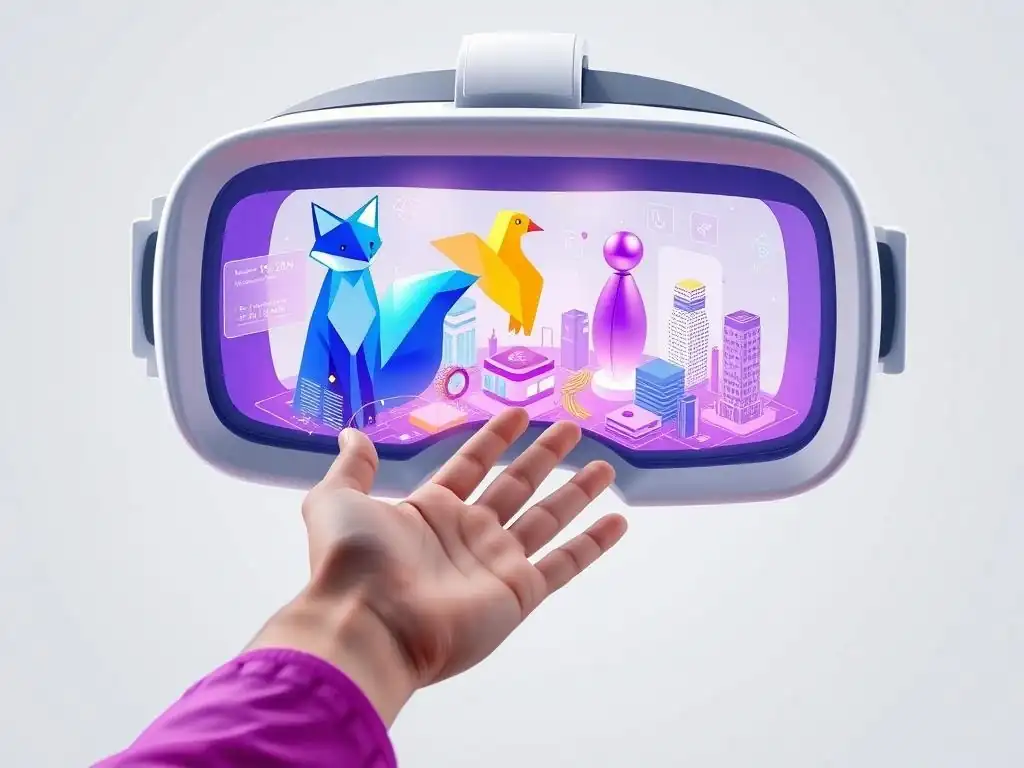
The integration of NFTs into VR/AR experiences within virtual worlds significantly enhances user engagement and immersion. NFTs introduce a layer of ownership and personal investment, making digital interactions more meaningful and impactful. When users own digital assets within a VR/AR environment, they are more likely to be invested in that environment and engage more deeply with its content and community. This sense of ownership transforms passive users into active participants and stakeholders in the virtual world.
Imagine exploring a virtual world where you own your avatar's clothing, the virtual land you inhabit, and the art displayed in your virtual home, all as NFTs. This level of personal investment creates a stronger emotional connection to the virtual environment and its contents. Users are more likely to spend time customizing their NFT-owned assets, participating in virtual events related to their NFT communities, and interacting with other users who share similar digital possessions. This enhanced engagement translates to longer session times, increased user retention, and a more vibrant and active virtual world ecosystem.
Proof of Ownership and Scarcity in Virtual Assets
NFTs provide verifiable proof of ownership and scarcity for digital assets within VR/AR environments, addressing a long-standing challenge in the digital realm. In traditional digital systems, digital assets can be easily copied or replicated, making true ownership and scarcity difficult to establish. NFTs solve this problem by using blockchain technology to create unique and verifiable digital identifiers, ensuring that each NFT is provably one-of-a-kind or part of a limited edition. This proof of ownership and scarcity is crucial for creating value and trust in virtual assets.
Within VR/AR virtual worlds, NFTs guarantee that users truly own the digital items they acquire. This ownership is recorded on the blockchain, making it transparent and immutable. The scarcity created by NFTs also drives value and demand for digital assets, mirroring the dynamics of physical collectibles and art. For example, limited edition NFT avatars or virtual land parcels in popular metaverse platforms can become highly sought after and valuable due to their scarcity and verifiable ownership, creating a thriving digital asset market within these virtual environments.
New Revenue Streams for Creators and Developers
NFT integration in VR/AR virtual worlds unlocks new and diversified revenue streams for creators and developers. NFTs enable creators to monetize their digital creations directly, bypassing traditional intermediaries and platforms. They can sell NFTs representing digital art, virtual items, VR/AR experiences, and virtual land directly to users, retaining a larger share of the revenue and fostering a more direct relationship with their audience. This shift empowers creators and developers to build sustainable businesses within the metaverse ecosystem.
For example, VR game developers can sell NFT-based in-game assets, generating revenue through initial sales and secondary market transactions. Digital artists can sell their VR-compatible artworks as NFTs, reaching a global audience and benefiting from royalties on subsequent sales. Virtual world platforms can sell virtual land NFTs, creating a foundation for their virtual economies and ecosystems. These new revenue models, powered by NFTs, are fostering a more vibrant and creator-centric metaverse economy, encouraging innovation and investment in VR/AR and virtual world development.
Improved Interoperability Between Virtual Worlds
NFTs have the potential to improve interoperability between different virtual worlds and metaverse platforms, creating a more open and connected metaverse. Currently, digital assets are often locked within specific platforms, limiting their utility and value. NFTs, being based on blockchain technology, can potentially be used across different platforms that support the same NFT standards. This interoperability would allow users to move their NFT-owned assets, such as avatars, virtual items, and digital collectibles, between different virtual worlds, enhancing their utility and value.
While full interoperability is still under development, the concept of NFT portability is gaining traction. Imagine owning an NFT avatar that you can use across multiple VR metaverse platforms, or possessing in-game items as NFTs that are compatible with different VR games. This vision of an open metaverse, where users can seamlessly move their digital assets between different virtual worlds, is being driven by the potential of NFTs to act as portable digital ownership tokens. Improved interoperability would not only enhance user experience but also foster a more interconnected and collaborative metaverse ecosystem.
Challenges and Considerations for VR/AR NFT Implementation
Technical Complexity and Interoperability Issues
Implementing NFTs in VR/AR environments presents technical complexities and interoperability challenges that need to be addressed. Integrating blockchain technology, NFT minting, and NFT management systems into VR/AR applications and virtual world platforms requires specialized technical expertise. Developers need to navigate the complexities of blockchain infrastructure, smart contracts, and NFT standards to ensure seamless and secure NFT integration.
Furthermore, interoperability issues remain a significant hurdle. While NFTs hold the promise of cross-platform asset portability, the current metaverse landscape is fragmented, with different platforms using varying NFT standards and protocols. Achieving true interoperability requires industry-wide collaboration and standardization efforts to ensure that NFTs can be recognized and utilized across different VR/AR environments and virtual worlds. Overcoming these technical complexities and interoperability challenges is crucial for the widespread adoption of NFTs in immersive experiences.
Security Risks and NFT Fraud Prevention
Security risks and NFT fraud prevention are critical considerations for VR/AR NFT implementations. The nascent nature of the NFT space and the high value associated with some NFTs make them attractive targets for scams and fraudulent activities. Users need to be educated about common NFT scams, such as phishing attacks, fake NFT marketplaces, and rug pulls, to protect their digital assets. Robust security measures are essential to mitigate these risks and build user trust in VR/AR NFT ecosystems.
Platforms integrating NFTs must implement strong security protocols, including secure wallet integrations, multi-factor authentication, and fraud detection mechanisms. Smart contracts governing NFT transactions need to be thoroughly audited to prevent vulnerabilities that could be exploited by malicious actors. User education and awareness campaigns are equally important to empower users to identify and avoid scams and practice safe NFT ownership habits. Addressing security risks and implementing robust fraud prevention measures are paramount for fostering a safe and trustworthy VR/AR NFT environment.
Regulatory Uncertainty Surrounding NFTs and Virtual Worlds
Regulatory uncertainty surrounding NFTs and virtual worlds poses a significant challenge to the long-term development and adoption of these technologies. The legal and regulatory landscape for NFTs and metaverse activities is still evolving, and governments worldwide are grappling with how to classify and regulate these new digital assets and virtual environments. This uncertainty creates ambiguity for businesses and users, potentially hindering investment and innovation in the VR/AR NFT space.
Issues such as NFT ownership rights, intellectual property protection in virtual worlds, taxation of NFT transactions, and data privacy in metaverse environments are subject to ongoing regulatory debate and interpretation. Businesses operating in the VR/AR NFT space need to stay informed about evolving regulations and adapt their practices to ensure compliance. Clear and consistent regulatory frameworks are needed to provide legal clarity and foster a stable and predictable environment for the continued growth and development of the metaverse and its associated NFT ecosystems.
User Adoption and Accessibility of VR/AR Technology
User adoption and accessibility of VR/AR technology remain crucial factors influencing the widespread integration of NFTs in immersive experiences. While VR and AR technologies are becoming more accessible and affordable, they are still not universally adopted. The cost of VR headsets, the technical requirements for running VR/AR applications, and the digital literacy needed to navigate these technologies can create barriers to entry for some users. Broadening user adoption and ensuring accessibility are essential for realizing the full potential of VR/AR NFT integration.
Efforts to improve VR/AR accessibility include developing more affordable and user-friendly VR/AR devices, creating intuitive and accessible VR/AR experiences, and providing educational resources to help users onboard to these technologies. Furthermore, addressing digital divide issues and ensuring equitable access to VR/AR technology across different demographics and geographic regions are crucial for inclusive metaverse development. Increased user adoption and improved accessibility will pave the way for wider participation in VR/AR NFT ecosystems and unlock the transformative potential of these integrated technologies for a broader audience.
The Future of VR/AR and NFTs: An Immersive Outlook
The Evolution of Metaverse Experiences with NFT Integration
The future of metaverse experiences is inextricably linked to the continued evolution of VR/AR and the deepening integration of NFTs. As VR/AR technology advances, becoming more seamless, immersive, and accessible, metaverse experiences will become increasingly sophisticated and engaging. NFTs will play a central role in shaping this evolution, driving the development of user-owned digital economies, fostering community-driven virtual worlds, and enabling new forms of digital ownership and interaction within the metaverse.
We can anticipate metaverse experiences becoming more personalized, interactive, and social, powered by the combination of advanced VR/AR capabilities and the unique properties of NFTs. Virtual worlds will evolve into more persistent and interconnected ecosystems, where users can seamlessly move their NFT-owned assets and identities between different platforms. The convergence of these technologies will lead to the emergence of richer and more immersive metaverse experiences that blur the lines between the digital and physical realms, transforming how we interact with technology and each other.
The Potential for Personalized and Interactive VR/AR Content
The integration of NFTs with VR/AR opens up vast potential for personalized and interactive digital content. NFTs can be used to create dynamic and personalized VR/AR experiences that adapt to individual user preferences and ownership. Imagine VR environments that automatically customize based on the NFTs a user owns, or AR applications that unlock exclusive content and features based on the NFTs in a user's digital wallet. This level of personalization can significantly enhance user engagement and create more meaningful and relevant immersive experiences.
Furthermore, NFTs can enable interactive and user-generated VR/AR content. Creators can use NFTs to empower users to contribute to and shape virtual worlds, rewarding user contributions and fostering a more collaborative and participatory metaverse. NFT-based governance mechanisms can allow users to vote on virtual world developments or content updates, creating community-driven and evolving metaverse experiences. The potential for personalized and interactive VR/AR content, fueled by NFTs, is vast and promises to revolutionize how we experience and interact with digital information.
The Impact on Digital Ownership and the Creator Economy
The synergistic integration of VR/AR and NFTs is poised to have a profound impact on digital ownership and the creator economy. NFTs are fundamentally changing the concept of digital ownership, empowering individuals with verifiable control over their digital assets and creations. This shift towards user-owned digital assets is particularly transformative within VR/AR environments, where users are increasingly seeking ownership and agency within these immersive digital spaces.
The creator economy will be significantly boosted by NFTs in VR/AR, as creators gain new tools to monetize their work directly and connect with their audiences in more meaningful ways. NFTs enable creators to sell digital art, virtual items, VR/AR experiences, and virtual land directly to users, bypassing traditional intermediaries and platforms.
This direct-to-consumer model empowers creators, fosters innovation, and drives the growth of a more decentralized and creator-centric digital economy within the metaverse. The combined impact of VR/AR and NFTs on digital ownership and the creator economy is set to reshape the digital landscape and empower a new generation of digital creators and users.
Strategies for Effective NFTs Virtual World Integration Marketing
Target Audience Identification and Segmentation
Effective NFTs virtual world integration marketing begins with precise target audience identification and segmentation. Understanding who your target audience is within the metaverse and VR/AR space is crucial for tailoring marketing strategies and messaging. Different virtual worlds and VR/AR platforms attract diverse user demographics with varying interests and motivations. Identifying these specific audience segments allows for more targeted and impactful marketing campaigns.
For example, marketing NFTs for a VR gaming experience would target a different audience segment than marketing NFTs for a virtual art gallery in VR. Understanding the demographics, interests, and platform preferences of each target segment allows for the creation of tailored marketing messages and the selection of appropriate marketing channels within the metaverse. This targeted approach ensures that marketing efforts are efficient and resonate with the intended audience, maximizing engagement and ROI.
Content Creation and Storytelling for Immersive Experiences
Compelling content creation and storytelling are paramount for successful NFTs virtual world integration marketing. Marketing in the metaverse is not just about traditional advertising; it's about creating immersive and engaging experiences that resonate with the unique culture and user base of each virtual world. Storytelling becomes a powerful tool for connecting with audiences emotionally and conveying the value proposition of NFTs and VR/AR experiences.
Content can take various forms within the metaverse, including interactive VR experiences, AR filters, virtual events, and NFT-based collectibles. The key is to create content that is not only visually appealing but also provides value, entertainment, or utility to users. Storytelling can be woven into these immersive experiences to create narratives that resonate with the target audience, build brand awareness, and drive engagement with NFT offerings. Authenticity and creativity are essential for cutting through the digital noise and capturing attention in the metaverse.
Community Building and Engagement Strategies
Community building and engagement are fundamental pillars of successful NFTs virtual world integration marketing. The metaverse is inherently social, and building a strong community around your NFT project or VR/AR experience is crucial for long-term success. Engaging with the community, fostering a sense of belonging, and actively participating in metaverse conversations are essential for building brand loyalty and driving organic growth.
Community building strategies can include hosting virtual events within metaverse platforms, creating dedicated Discord or Telegram channels for community interaction, and actively engaging with users on social media platforms relevant to the metaverse and NFTs. Rewarding community members with exclusive NFTs, early access to experiences, or opportunities to participate in project development can further strengthen community engagement and loyalty. A strong and active community not only amplifies marketing efforts but also provides valuable feedback and support for the project's growth.
Measuring ROI and Tracking Campaign Performance
Measuring ROI and tracking campaign performance are essential for optimizing NFTs virtual world integration marketing strategies. Traditional marketing metrics may need to be adapted to the unique context of the metaverse and NFTs. Key performance indicators (KPIs) for metaverse marketing campaigns can include metrics such as virtual event attendance, NFT sales volume, community growth, social media engagement within metaverse platforms, and website traffic driven from metaverse activities.
Utilizing analytics tools specific to metaverse platforms and NFT marketplaces is crucial for tracking campaign performance and gathering data-driven insights. Analyzing these metrics allows marketers to understand what strategies are working, identify areas for improvement, and optimize their marketing efforts to maximize ROI. A data-driven approach to metaverse marketing ensures that campaigns are effective, efficient, and aligned with business objectives.
Conclusion: Embracing the Immersive Future with VR/AR and NFTs
Key Takeaways: The Transformative Power of Integrated Technologies
The integration of VR/AR and NFTs within virtual worlds represents a transformative convergence of technologies with the potential to reshape digital experiences. NFTs are injecting ownership, scarcity, and new economic models into immersive VR/AR environments, creating a more engaging, user-centric, and creator-driven metaverse. This integration is unlocking new opportunities for marketing, branding, entertainment, commerce, and community building within the digital realm.
Key takeaways include the enhanced user engagement and immersion driven by NFT ownership, the new revenue streams for creators and developers, the potential for improved interoperability between virtual worlds, and the transformative impact on digital ownership and the creator economy. While challenges such as technical complexity, security risks, regulatory uncertainty, and user adoption remain, the long-term potential of VR/AR and NFT integration is undeniable, promising a future where digital experiences are more immersive, interactive, and user-empowering.
Preparing for the Next Wave of Metaverse Innovation
As VR/AR and NFT technologies continue to evolve and mature, we are on the cusp of the next wave of metaverse innovation. Businesses and individuals need to prepare for this immersive future by understanding the transformative potential of these integrated technologies and exploring opportunities for early adoption and experimentation. Staying informed about the latest developments in VR/AR, NFTs, and metaverse platforms is crucial for navigating this rapidly evolving landscape.
Embracing a mindset of innovation, experimentation, and community engagement will be key to success in the metaverse. Businesses that proactively explore VR/AR NFT integration strategies, build strong metaverse communities, and adapt their marketing and business models to this new digital frontier will be well-positioned to thrive in the immersive future. The convergence of VR/AR and NFTs is not just a technological trend; it's a paradigm shift that is redefining the future of digital interaction and ownership, and preparing for this next wave of innovation is essential for navigating the evolving metaverse landscape.
Frequently Asked Questions
What is the main benefit of integrating NFTs with VR/AR in virtual worlds?
Integrating NFTs with VR/AR creates truly unique and ownable digital assets within immersive virtual experiences. This allows users to own and trade virtual land, avatars, and items, boosting engagement and creating new economic models.
How can NFTs be used for marketing within virtual worlds?
NFTs offer innovative marketing opportunities by creating exclusive virtual experiences, rewarding loyal customers with unique digital collectibles, and gamifying brand interactions within VR/AR environments.
What are some potential enterprise applications of NFTs in virtual worlds beyond gaming?
Beyond gaming, enterprise applications include virtual real estate development, digital art authentication, and creating immersive training simulations where progress and achievements are represented by verifiable NFTs.
What regulatory challenges might arise from the integration of NFTs into virtual worlds?
Regulatory challenges include concerns around intellectual property rights, data privacy in virtual environments, and ensuring compliance with financial regulations related to trading NFTs in virtual economies.
How does the integration of VR/AR and NFTs contribute to the future of decentralized systems?
This integration strengthens decentralized systems by giving users greater ownership and control over their digital identities and assets. It fosters community-driven economies and promotes transparency within virtual worlds, moving beyond centralized platforms.
Final Reflection: Embracing the Immersive Frontier
The convergence of VR/AR, NFTs, and virtual worlds isn't just a technological trend; it's a fundamental shift in how we interact, transact, and experience reality. As we've explored the potential of NFTs virtual world integration marketing, it's clear that we're on the cusp of a new era where digital ownership and immersive experiences seamlessly blend, creating unprecedented opportunities for connection and creativity.
This fusion is rapidly reshaping the cultural landscape, impacting everything from art and entertainment to commerce and social interaction. The ability to own, trade, and utilize digital assets within immersive environments unlocks a new level of engagement and personalization. The metaverse is coming, and it will affect every product you see. The question is, are you going to be the disruptor or the disrupted?
- Tim Sweeney, CEO of Epic Games. This quote underscores the urgency and importance of understanding and embracing this evolving paradigm.
Now, more than ever, is the time to consider the implications of this immersive future. How can you leverage the power of NFTs and virtual worlds to create meaningful experiences? How can you ensure that these technologies are used ethically and inclusively? Let us all strive to build a future where the digital and physical worlds converge to empower individuals, foster creativity, and unlock new possibilities for human connection.
Unveil Your Place in the Metaverse Revolution!
Thank you for exploring the exciting potential of VR, AR, and NFTs with us. You've gained a deeper understanding of how these technologies are transforming virtual worlds. Now, it's time to step into the future and make your mark.
Are you ready to be part of this revolutionary movement? Here's how to get started:
- Begin minting your first NFT designed for use in virtual environments. Imagine owning and trading unique digital assets that effortlessly connect the physical and digital worlds!
- Join our community forum and share your ideas for the future of VR, AR, and NFT integration. Let’s collaborate and build the metaverse together!
- Explore the developer documentation of popular metaverse platforms and discover how to integrate your NFTs into their ecosystems.
Which virtual world will you choose to showcase your NFT creations and start your journey into the immersive future? Share your thoughts below!
Leave a Reply