
Enterprise DLT Platforms: A Comparison of Hyperledger Fabric, Corda, and More


Welcome to Blockchain Trends, your compass in the rapidly evolving landscape of decentralized technologies! Intrigued by the potential of blockchain beyond just Bitcoin? We delve deep into its transformative applications, from DeFi to enterprise solutions. In this article, we're pulling back the curtain on the leading players in the enterprise space with a comprehensive " Hyperledger Fabric Enterprise Blockchain Comparison," examining how it stacks up against Corda and other contenders. Ready to uncover the best blockchain platform for your business needs?
- Introduction to Enterprise Distributed Ledger Technology (DLT)
- Hyperledger Fabric: An In-Depth Look
- Corda: Streamlining Business Agreements with DLT
- Enterprise Blockchain Comparison: Hyperledger Fabric vs. Corda
- Other Notable Enterprise DLT Platforms
- Choosing the Right Enterprise DLT Platform
- Real-World Enterprise DLT Implementation Examples
- The Future of Enterprise DLT and Blockchain Adoption
- Conclusion: Navigating the Enterprise DLT Landscape
-
Frequently Asked Questions
- What are the key advantages of using Hyperledger Fabric for enterprise blockchain solutions?
- How does Hyperledger Fabric compare to Corda in terms of data privacy and transaction visibility?
- What are the potential challenges in implementing Hyperledger Fabric within a large enterprise?
- How does the Hyperledger Fabric architecture facilitate interoperability with other blockchain networks or legacy systems?
- What regulatory considerations should enterprises keep in mind when deploying a Hyperledger Fabric-based blockchain solution?
- Final Reflection: Navigating the Enterprise Blockchain Landscape
- Unveil Your DLT Strategy Today!
Introduction to Enterprise Distributed Ledger Technology (DLT)
The Rise of DLT in Enterprise Solutions
Distributed Ledger Technology (DLT) has emerged as a transformative force for enterprises across various industries. Initially synonymous with cryptocurrencies, DLT's potential extends far beyond digital currencies, offering solutions to enhance transparency, security, and efficiency in business operations.
The rise of DLT in enterprise solutions stems from the inherent limitations of traditional centralized databases in addressing modern business challenges, such as data silos, lack of transparency in supply chains, and complex reconciliation processes. Businesses are increasingly seeking technologies that can foster trust, improve data integrity, and streamline workflows, leading to a significant increase in the exploration and adoption of DLT platforms.
The shift towards enterprise DLT adoption is further fueled by the growing recognition of blockchain's capabilities in enhancing collaboration and data sharing among multiple parties. Traditional enterprise systems often struggle with interoperability and data fragmentation, hindering seamless information exchange across organizational boundaries and partner networks. DLT platforms, designed for shared and distributed environments, offer a compelling alternative by enabling secure and transparent data sharing while maintaining data provenance and immutability. This capability is particularly valuable in industries like supply chain management, finance, and healthcare, where collaboration and data integrity are paramount for efficient operations and compliance.
Why Choose DLT Over Traditional Databases?
Choosing DLT over traditional databases involves a fundamental shift in data management philosophy. Traditional databases are centralized, meaning data is stored and controlled by a single entity. This model, while efficient for many applications, presents limitations in scenarios requiring trust, transparency, and collaboration across multiple organizations. DLT, in contrast, operates on a decentralized and distributed model, where data is replicated across multiple nodes, ensuring resilience and eliminating single points of failure. This inherent decentralization fosters trust among participants, as no single entity has complete control over the data.
Furthermore, DLT offers enhanced data integrity and immutability compared to traditional databases. Once data is recorded on a DLT ledger, it is cryptographically secured and tamper-proof, making it extremely difficult to alter or delete. This immutability provides a verifiable audit trail and strengthens data provenance, crucial for regulatory compliance and establishing trust in business transactions. Traditional databases, while offering security features, are inherently more vulnerable to data manipulation and single-point failures. The cryptographic security and distributed nature of DLT provide a significantly higher level of data integrity and resilience, making it a compelling choice for applications demanding these attributes.
Key Considerations for Enterprise DLT Adoption
Adopting DLT in an enterprise setting requires careful consideration of several key factors to ensure successful implementation and value realization. Firstly, identifying the appropriate use case is crucial. DLT is not a universal solution and is best suited for scenarios involving multiple parties, shared data, and a need for trust and transparency. Enterprises must thoroughly assess their business processes to pinpoint areas where DLT's unique capabilities can address specific pain points and deliver tangible benefits. A clear understanding of the problem DLT aims to solve is paramount before embarking on implementation.
Secondly, choosing the right DLT platform is a critical decision. The enterprise DLT landscape offers various platforms, each with its own strengths and weaknesses in terms of architecture, features, and suitability for different use cases. Factors such as scalability, security, privacy, interoperability, and developer ecosystem must be carefully evaluated in alignment with the enterprise's specific requirements.
For instance, enterprises prioritizing high transaction throughput might lean towards platforms optimized for performance, while those with stringent data privacy needs might prioritize platforms with robust permissioning and data isolation features. A comprehensive evaluation of available platforms, considering both technical and business requirements, is essential for informed decision-making.
Hyperledger Fabric: An In-Depth Look
Hyperledger Fabric Architecture and Components
Hyperledger Fabric, a project hosted by the Linux Foundation, is a permissioned, enterprise-grade distributed ledger platform designed for developing enterprise solutions and applications. Its modular architecture is a key differentiator, allowing for pluggable implementations of various components, such as consensus mechanisms, membership services, and cryptography. This modularity provides flexibility and customization, enabling enterprises to tailor the platform to their specific needs and regulatory requirements. Fabric's architecture is built around several core components working in concert to deliver its functionalities.
Key components of Hyperledger Fabric include peers, orderers, membership service providers (MSPs), and channels. Peers are the fundamental nodes in the network, maintaining the ledger and executing chaincode (smart contracts). Orderers are responsible for ordering transactions into blocks and broadcasting them to peers, forming the basis of the distributed ledger.
MSPs manage identities and permissions within the network, controlling access and ensuring confidentiality. Channels provide private communication subnets, allowing for data isolation and confidentiality among specific participants within the network. This sophisticated architecture enables Hyperledger Fabric to support complex enterprise use cases with varying degrees of privacy, security, and scalability requirements.
Hyperledger Fabric Use Cases in Supply Chain Management
Supply chain management is a prime area where Hyperledger Fabric demonstrates significant value. The inherent complexity and multi-party nature of supply chains, involving numerous stakeholders from manufacturers to distributors and retailers, often lead to inefficiencies, lack of transparency, and increased costs. Hyperledger Fabric's permissioned and modular architecture is well-suited to address these challenges by providing a shared, transparent, and secure platform for supply chain participants to collaborate and exchange information.
One prominent use case is enhancing product traceability. By recording each step of a product's journey on a Hyperledger Fabric ledger, from origin to consumer, enterprises can create an immutable and auditable record of the supply chain. This traceability is crucial for verifying product authenticity, combating counterfeiting, and improving food safety.
For example, in the food industry, Fabric can track food products from farm to table, enabling rapid identification and recall of contaminated batches, minimizing health risks and reputational damage. Beyond traceability, Fabric can also streamline processes like inventory management, logistics, and payment settlements within the supply chain, leading to increased efficiency and reduced operational costs.
Hyperledger Fabric Advantages and Disadvantages for Enterprise Adoption
Hyperledger Fabric offers several compelling advantages for enterprise adoption, positioning it as a leading enterprise DLT platform. Its permissioned nature is a key advantage for enterprises concerned with data privacy and regulatory compliance. Unlike public blockchains, Fabric networks are controlled and accessible only to authorized participants, ensuring confidentiality and control over sensitive business data. The modular architecture provides flexibility and customization, allowing enterprises to adapt the platform to their specific needs and integrate it with existing enterprise systems. Furthermore, Fabric's strong focus on performance and scalability enables it to handle high transaction volumes, crucial for demanding enterprise applications.
However, Hyperledger Fabric also presents certain disadvantages. The complexity of its architecture and development tools can pose a steeper learning curve for developers compared to simpler blockchain platforms. Setting up and managing a Fabric network requires specialized expertise, potentially increasing implementation costs and time. While the permissioned nature enhances privacy, it also implies a degree of centralization compared to public blockchains, which might be a concern for enterprises seeking complete decentralization. Enterprises must weigh these advantages and disadvantages carefully against their specific requirements and resources when considering Hyperledger Fabric for DLT adoption.
Hyperledger Fabric vs. Hyperledger Besu
While both Hyperledger Fabric and Hyperledger Besu are projects under the Hyperledger umbrella, they cater to different enterprise needs and use cases. Hyperledger Fabric, as discussed, is a permissioned, modular platform emphasizing flexibility and control, often favored for complex, private networks requiring high levels of customization and data privacy. Hyperledger Besu, on the other hand, is an open-source, enterprise-grade Ethereum client designed for both public and permissioned network deployments. Besu is compatible with the Ethereum Virtual Machine (EVM) and supports smart contract development using Solidity, Ethereum's primary smart contract language.
The key distinction lies in their underlying architectures and target environments. Fabric is built for permissioned consortia and private enterprise deployments, prioritizing granular control over network access and data visibility. Besu, being an Ethereum client, can operate in both permissioned and permissionless (public Ethereum) environments, offering interoperability with the broader Ethereum ecosystem and access to a vast pool of Ethereum developers and tools.
Choosing between Fabric and Besu depends on the enterprise's specific requirements. If interoperability with the public Ethereum network and access to the EVM ecosystem are critical, Besu might be a more suitable choice. If stringent control over network access, data privacy, and a highly customizable architecture are paramount, Fabric is often preferred.
Corda: Streamlining Business Agreements with DLT
Corda's Unique Approach to DLT: Smart Contracts and Legal Agreements
Corda, developed by R3, takes a distinct approach to DLT, focusing specifically on streamlining business agreements and financial transactions within regulated industries. Unlike some blockchain platforms that aim for broad decentralization and global consensus, Corda is designed for permissioned environments and emphasizes privacy and legal enforceability of smart contracts. Corda's architecture is built around the concept of "CorDapps" (Corda Distributed Applications), which are smart contract applications designed to automate and execute business agreements between specific parties.
A key differentiator of Corda is its focus on "legal prose" integration within smart contracts. Corda allows for the embedding of legal text alongside code within smart contracts, bridging the gap between technical execution and legal enforceability. This feature is particularly crucial in regulated industries like finance, where legal clarity and compliance are paramount. Corda's design prioritizes privacy by ensuring that transaction data is only shared with relevant parties involved in the agreement, rather than broadcasted across the entire network. This targeted data distribution enhances confidentiality and reduces unnecessary data exposure, aligning with privacy regulations and enterprise security concerns.
Corda Use Cases in Financial Services
Financial services is a core sector where Corda has seen significant adoption and demonstrated its value proposition. The industry's complex regulatory landscape, need for secure and private transactions, and reliance on inter-organizational agreements make it an ideal fit for Corda's capabilities. One prominent use case is in trade finance, where Corda facilitates the digitization and automation of trade finance processes, such as letters of credit and supply chain financing. Traditional trade finance processes are often paper-based, inefficient, and prone to errors, leading to delays and increased costs.
Corda-based platforms, like Marco Polo, a trade finance network, streamline these processes by enabling secure and transparent information exchange between buyers, sellers, and financial institutions. This digitization reduces paperwork, accelerates transaction processing, and enhances transparency, leading to significant efficiency gains and cost reductions. Beyond trade finance, Corda is also being applied in areas like syndicated loans, insurance, and payments, where its focus on privacy, legal enforceability, and efficient inter-party transactions offers compelling benefits for financial institutions seeking to modernize their operations and enhance collaboration.
Corda Advantages and Disadvantages for Enterprise DLT Implementations
Corda offers distinct advantages for enterprise DLT implementations, particularly in regulated industries and scenarios requiring strong legal enforceability of smart contracts. Its focus on privacy, ensuring data is only shared with relevant parties, is a major advantage for enterprises concerned with data confidentiality and regulatory compliance. The integration of "legal prose" within smart contracts provides a crucial bridge between code and law, enhancing the legal validity and enforceability of agreements executed on the platform. Corda's architecture is optimized for financial transactions and complex business agreements, offering robust features for handling these specific use cases.
However, Corda also has limitations. Its focus on permissioned environments and specific use cases might make it less versatile for enterprises seeking broader blockchain applications beyond financial transactions. The Corda ecosystem, while growing, might be smaller compared to more general-purpose platforms like Hyperledger Fabric or Ethereum, potentially limiting the availability of developers and readily available tools.
Furthermore, Corda's emphasis on point-to-point transactions, while enhancing privacy, can sometimes make it more complex to achieve network-wide consensus compared to platforms with broader broadcast mechanisms. Enterprises must carefully evaluate these advantages and disadvantages in the context of their specific industry, use cases, and technical requirements.
Corda's Compatibility with Existing Enterprise Systems
Corda is designed with enterprise integration in mind, recognizing that DLT solutions must seamlessly interact with existing IT infrastructure to deliver practical value. Corda's architecture facilitates integration with traditional databases, messaging systems, and other enterprise applications through standard APIs and integration patterns. This interoperability is crucial for enterprises seeking to adopt DLT without completely overhauling their existing systems. Corda's CorDapps are designed to be modular and interoperable, allowing for phased implementation and integration with legacy systems.
Furthermore, Corda supports industry-standard protocols and data formats, simplifying integration with existing enterprise applications and data sources. R3, the company behind Corda, actively works with enterprises to provide integration support and tools, further easing the adoption process.
This focus on interoperability and enterprise-readiness is a key differentiator for Corda, making it a more practical choice for enterprises seeking to integrate DLT into their existing IT landscape without incurring excessive disruption or integration costs. The ability to seamlessly connect Corda with existing systems is a significant factor contributing to its adoption in industries like financial services, where complex and interconnected IT systems are prevalent.
Enterprise Blockchain Comparison: Hyperledger Fabric vs. Corda
Key Feature Comparison: Consensus Mechanisms
Hyperledger Fabric and Corda employ fundamentally different approaches to consensus, reflecting their distinct architectures and design goals. Hyperledger Fabric, with its modular architecture, supports pluggable consensus mechanisms. It commonly utilizes consensus protocols like Raft or Kafka for ordering transactions within a channel. These mechanisms are designed for permissioned environments, prioritizing efficiency and throughput within a known group of participants. Fabric's consensus focuses on ordering transactions in a consistent sequence, ensuring agreement on the order of operations within the network.
Corda, in contrast, does not rely on a global consensus mechanism in the traditional blockchain sense. Instead, Corda achieves consensus at the transaction level between the specific parties involved in a given agreement. This "transactional consensus" approach aligns with Corda's focus on privacy and point-to-point agreements.
Corda uses notary nodes to prevent double-spending and ensure transaction uniqueness, but consensus on transaction validity is primarily achieved through agreement between the transacting parties, rather than a network-wide broadcast and validation process. This difference in consensus mechanisms highlights the contrasting design philosophies of Fabric and Corda – Fabric aiming for efficient, ordered transaction processing within channels, while Corda prioritizes transactional privacy and agreement between specific parties.
Key Feature Comparison: Data Privacy and Security
Data privacy and security are paramount considerations for enterprise DLT adoption, and both Hyperledger Fabric and Corda offer robust features in these areas, albeit with different approaches. Hyperledger Fabric leverages channels to provide data isolation and privacy within a network. Channels are private communication subnets where only authorized participants can access transaction data. This channel-based privacy allows for confidential transactions and data sharing within specific groups of network members, while maintaining overall network integrity. Fabric also incorporates role-based access control (RBAC) and attribute-based access control (ABAC) mechanisms to further enhance data security and access management.
Corda's architecture is fundamentally built around privacy as a core principle. Corda transactions are point-to-point, meaning transaction data is only shared with the parties directly involved in the transaction and designated notary nodes. This targeted data distribution minimizes data exposure and enhances confidentiality, aligning with stringent privacy regulations. Corda also employs cryptographic techniques like zero-knowledge proofs to further enhance privacy by allowing parties to prove transaction validity without revealing sensitive transaction details. Both platforms offer strong privacy and security features, but Corda's architectural emphasis on point-to-point transactions provides a more inherently privacy-centric approach compared to Fabric's channel-based privacy.
Key Feature Comparison: Scalability and Performance
Scalability and performance are crucial factors for enterprise DLT platforms, especially for applications requiring high transaction throughput and low latency. Hyperledger Fabric is designed for scalability and performance, employing techniques like channel partitioning and efficient consensus mechanisms to handle high transaction volumes. Fabric's performance is often cited as one of its strengths, capable of processing thousands of transactions per second in certain configurations. The permissioned nature of Fabric networks also contributes to its performance, as consensus is achieved within a known and trusted group of participants, reducing the computational overhead compared to public blockchains.
Corda, while also designed for enterprise use, has a different performance profile due to its focus on transactional consensus and point-to-point transactions. Corda's performance is generally considered to be lower than Fabric in terms of raw transaction throughput, but its architecture is optimized for specific use cases like complex financial transactions where transaction volume might be less critical than privacy and legal certainty.
Corda's performance is often sufficient for its target use cases, but for applications demanding extremely high transaction throughput, Hyperledger Fabric might be a more performant option. Scalability and performance considerations should be evaluated in the context of the specific application requirements and expected transaction load.
Key Feature Comparison: Development and Deployment
Development and deployment aspects are important considerations when choosing an enterprise DLT platform. Hyperledger Fabric utilizes chaincode, written primarily in Go, Java, or Node.js, for implementing smart contracts. Fabric's development environment is relatively mature, with comprehensive documentation, SDKs, and tools available for developers. However, Fabric's architecture and concepts can be complex, potentially requiring a steeper learning curve for developers new to blockchain technology. Deployment of Fabric networks can also be complex, involving the configuration of various components and infrastructure.
Corda utilizes CorDapps, written primarily in Kotlin or Java, for developing distributed applications. Corda's development environment is also well-supported, with good documentation and developer tools. Corda's focus on financial applications and legal agreements is reflected in its development framework, which provides specific libraries and abstractions for these use cases.
Deployment of Corda networks can be simplified through the use of Corda Enterprise Network Manager, which provides tools for network management and governance. Both platforms have robust development and deployment capabilities, but the choice between them might depend on the development team's skillset, familiarity with the programming languages, and the specific application requirements.
Other Notable Enterprise DLT Platforms
Hyperledger Besu: Detailed Analysis
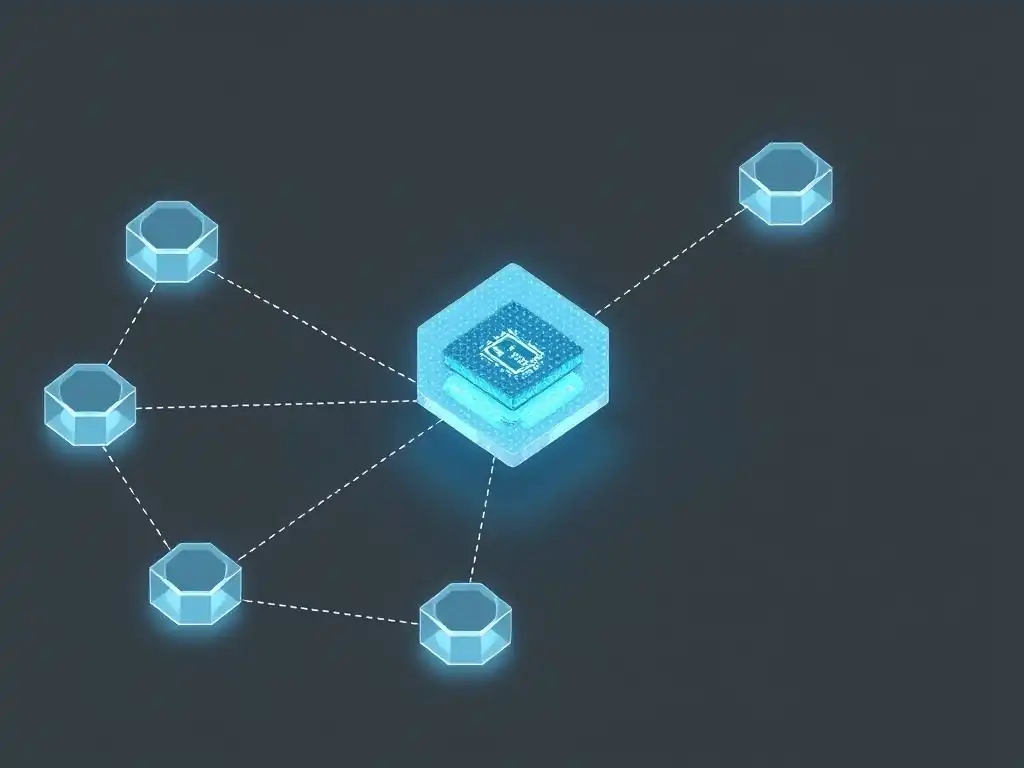
Hyperledger Besu, another project under the Hyperledger umbrella, is an open-source Ethereum client designed for enterprise use cases. It is unique within the Hyperledger ecosystem as it supports both permissioned and permissionless network deployments, making it versatile for various enterprise scenarios. Besu is fully compatible with the Ethereum Virtual Machine (EVM), enabling the execution of smart contracts written in Solidity, the dominant smart contract language in the Ethereum ecosystem. This EVM compatibility provides access to a vast pool of Ethereum developers, tools, and resources, making Besu attractive for enterprises seeking to leverage the existing Ethereum ecosystem.
Besu offers various features tailored for enterprise requirements, including robust permissioning capabilities, privacy-enhancing features like privacy groups, and different consensus mechanisms suitable for permissioned networks, such as IBFT 2.0 and Clique. Its support for both public and permissioned networks allows enterprises to choose the deployment model that best aligns with their needs, offering flexibility for different use cases.
Besu's interoperability with the public Ethereum network also opens up possibilities for hybrid solutions, where enterprises can interact with public Ethereum services while maintaining private, permissioned Besu networks for sensitive data and operations. This combination of enterprise features and Ethereum compatibility makes Hyperledger Besu a noteworthy platform in the enterprise DLT landscape.
Quorum: Overview and Key Features
Quorum, initially developed by JPMorgan Chase and now maintained by ConsenSys, is a permissioned, enterprise-focused platform built on the Ethereum codebase. It leverages the Go Ethereum (Geth) client and extends it with features specifically designed for enterprise use cases, particularly in the financial services industry. Quorum retains compatibility with the Ethereum Virtual Machine (EVM) and supports Solidity smart contracts, allowing enterprises to leverage the Ethereum developer ecosystem and tools.
Key features of Quorum include enhanced privacy through private transactions, enabling confidential communication and data sharing between specific parties within the network. Quorum utilizes consensus mechanisms like Raft and Istanbul Byzantine Fault Tolerance (IBFT) optimized for permissioned environments, providing efficient and fault-tolerant transaction processing. It also offers features for network management and governance, crucial for operating and maintaining enterprise-grade blockchain networks. Quorum's focus on privacy and performance, combined with its Ethereum compatibility, has made it a popular choice for financial institutions and enterprises seeking to build permissioned blockchain solutions leveraging the Ethereum ecosystem.
DAML: Overview and Key Features
DAML (Digital Asset Modeling Language), developed by Digital Asset, is not a DLT platform itself, but rather a smart contract language and development platform designed to simplify the creation and deployment of distributed applications across various DLT platforms. DAML is platform-agnostic, meaning that smart contracts written in DAML can be deployed on different underlying DLT platforms, including Hyperledger Fabric, Corda, and others. This platform independence provides flexibility and avoids vendor lock-in, allowing enterprises to choose the DLT platform that best suits their specific needs without rewriting their smart contract logic.
DAML focuses on modeling complex business agreements and workflows in a concise and intuitive manner. It offers a high-level abstraction for defining smart contracts, simplifying development and reducing the complexity associated with lower-level blockchain programming. DAML's key features include strong data privacy controls, ensuring that data is only accessible to authorized parties, and robust security features. By abstracting away the complexities of underlying DLT platforms, DAML aims to accelerate the development and deployment of enterprise-grade distributed applications, making DLT technology more accessible to businesses and developers.
Choosing the Right Enterprise DLT Platform
Evaluating Your Enterprise's Specific Needs and Requirements
Selecting the optimal enterprise DLT platform is a strategic decision that necessitates a thorough evaluation of an enterprise's specific needs and requirements. This process begins with a clear articulation of the business problem or opportunity that DLT aims to address. Defining the use case, including the functionalities required, the number of participants involved, and the desired outcomes, is the foundational step. Understanding the specific business goals will guide the evaluation process and help narrow down the platform choices.
Data privacy and security requirements are paramount considerations. Enterprises handling sensitive data must prioritize platforms that offer robust privacy features, such as permissioning, data isolation, and cryptographic techniques to protect data confidentiality. Regulatory compliance requirements, specific to the industry and geographic location, must also be carefully considered, as different platforms offer varying levels of compliance readiness. Scalability and performance expectations should be assessed based on the anticipated transaction volume and throughput requirements of the application. Finally, consider the enterprise's existing IT infrastructure, development capabilities, and long-term strategic goals when evaluating platform suitability.
Assessing the Total Cost of Ownership (TCO) for Each Platform
Beyond the initial platform licensing or subscription fees, assessing the Total Cost of Ownership (TCO) is crucial for making informed decisions about enterprise DLT adoption. TCO encompasses all direct and indirect costs associated with implementing, deploying, and operating a DLT platform over its lifecycle. This includes infrastructure costs for setting up and maintaining the network, such as servers, storage, and networking equipment. Development costs, encompassing smart contract development, application integration, and ongoing maintenance, should be factored in.
Operational costs, including network monitoring, security maintenance, upgrades, and ongoing support, also contribute significantly to TCO. Training costs for developers, administrators, and end-users to acquire the necessary skills to work with the chosen platform should not be overlooked. Furthermore, consider the potential costs associated with vendor lock-in, platform upgrades, and migration to new versions. A comprehensive TCO analysis, considering both upfront and ongoing costs, will provide a realistic financial picture of DLT adoption and enable a more informed comparison of different platform options.
Considering Vendor Support and Community Engagement
Vendor support and community engagement are critical factors influencing the long-term success and sustainability of enterprise DLT implementations. Robust vendor support provides access to technical expertise, documentation, training, and assistance in resolving issues and ensuring platform stability. Enterprises should evaluate the level of support offered by platform vendors, including service level agreements (SLAs), response times, and the availability of professional services. A strong vendor support ecosystem can significantly reduce implementation risks and accelerate time-to-value.
A vibrant and active community surrounding a DLT platform is equally important. A large and engaged community indicates a healthy ecosystem, fostering innovation, knowledge sharing, and collaborative problem-solving. Active communities contribute to platform development, provide peer support, and create a wealth of publicly available resources, such as tutorials, documentation, and code examples.
Platforms with strong community engagement tend to be more resilient, adaptable to evolving needs, and offer a greater pool of talent and expertise. Considering both vendor support and community engagement ensures that enterprises have access to the necessary resources and expertise for successful DLT adoption and long-term platform sustainability.
Real-World Enterprise DLT Implementation Examples
Hyperledger Fabric Case Study: Walmart's Food Traceability Initiative
Walmart, a global retail giant, has implemented Hyperledger Fabric to enhance food traceability throughout its extensive supply chain. Recognizing the critical importance of food safety and the need for rapid response in case of contamination, Walmart leveraged Fabric's capabilities to create a transparent and immutable record of food products from farm to store shelves. Prior to DLT adoption, tracing the origin and journey of food products was a complex and time-consuming process, often involving manual paperwork and fragmented data across multiple systems.
Walmart's Food Traceability Initiative, built on Hyperledger Fabric, enables real-time tracking of food products, providing granular visibility into their origin, processing, and distribution. Suppliers are required to upload traceability data to the Fabric network, creating a shared and auditable record accessible to authorized participants.
This enhanced traceability allows Walmart to quickly identify the source of contaminated food products, enabling faster recalls and minimizing the impact on consumers. For instance, in a specific case involving romaine lettuce, Walmart was able to reduce the time to trace the product's origin from days to mere seconds using its Fabric-based system, demonstrating the significant efficiency gains and food safety improvements enabled by DLT.
Corda Case Study: TradeIX Marco Polo Trade Finance Network
The Marco Polo Network, powered by Corda, exemplifies the application of DLT in transforming trade finance processes. TradeIX, a technology provider, partnered with major financial institutions to create Marco Polo, a DLT-based platform aimed at digitizing and streamlining trade finance transactions. Traditional trade finance processes are often paper-intensive, inefficient, and involve multiple intermediaries, leading to delays, high costs, and limited transparency.
Marco Polo leverages Corda's privacy-centric architecture and smart contract capabilities to create a secure and efficient platform for trade finance participants, including buyers, sellers, and banks. The network facilitates the digitization of trade documents, such as purchase orders, invoices, and shipping documents, enabling secure and transparent information exchange among participants. Smart contracts automate key processes, such as payment settlements and financing arrangements, reducing manual intervention and accelerating transaction times.
By bringing together major banks and corporations, Marco Polo demonstrates the potential of Corda to create industry-wide platforms that transform complex financial processes and foster greater collaboration and efficiency in global trade. Early adopters of Marco Polo have reported significant reductions in transaction processing times and operational costs.
Lessons Learned from Enterprise DLT Deployments
Real-world enterprise DLT deployments, like those of Walmart and Marco Polo, provide valuable lessons for organizations considering DLT adoption. One key lesson is the importance of starting with a clearly defined use case and business problem. Successful DLT projects are driven by specific business needs and deliver tangible value, rather than being technology-led initiatives.
Thoroughly assessing the problem, identifying the pain points, and defining measurable outcomes is crucial for project success. Another important lesson is the need for strong collaboration and ecosystem building. DLT is inherently collaborative, and successful deployments often involve multiple organizations working together to create shared platforms and solutions.
Building a robust ecosystem of participants, including suppliers, partners, and customers, is essential for maximizing the value of DLT networks. Interoperability and integration with existing systems are also critical success factors. DLT solutions must seamlessly integrate with existing enterprise IT infrastructure to avoid data silos and ensure smooth data flow. Phased implementation and iterative development approaches are often recommended, allowing enterprises to learn and adapt as they progress with DLT adoption. Finally, understanding the complexities of DLT technology and investing in the necessary skills and expertise is crucial for successful implementation and long-term maintenance of enterprise DLT solutions.
The Future of Enterprise DLT and Blockchain Adoption
Emerging Trends in Enterprise Blockchain Technology
The enterprise blockchain landscape is constantly evolving, with several emerging trends shaping its future trajectory. One prominent trend is the increasing focus on interoperability. As more enterprises adopt different DLT platforms, the need for seamless communication and data exchange between these platforms becomes critical. Interoperability solutions, such as cross-chain bridges and standards initiatives, are gaining momentum to address this challenge and unlock the full potential of a multi-DLT ecosystem. Another trend is the growing adoption of hybrid blockchain solutions, combining the benefits of both public and permissioned blockchains.
Hybrid approaches allow enterprises to leverage the security and transparency of public blockchains for certain aspects of their operations, while maintaining private, permissioned networks for sensitive data and processes. The development of layer-2 scaling solutions for public blockchains is also gaining traction, aiming to enhance the scalability and performance of public networks for enterprise use cases.
Furthermore, the integration of blockchain with other emerging technologies, such as Artificial Intelligence (AI) and the Internet of Things (IoT), is creating new opportunities and use cases for enterprise blockchain adoption. These converging technologies are expected to drive further innovation and expand the reach of blockchain in enterprise solutions.
The Role of Interoperability in DLT's Future
Interoperability is poised to play a pivotal role in shaping the future of DLT adoption and realizing its full potential. In a fragmented DLT landscape, where various platforms and networks operate in silos, interoperability is essential to enable seamless data exchange, cross-chain transactions, and collaborative applications spanning multiple platforms. Without interoperability, the benefits of DLT are limited, as enterprises are constrained to operate within isolated networks, hindering broader adoption and network effects.
Interoperability solutions can unlock significant value by enabling the creation of interconnected DLT ecosystems, fostering greater collaboration and innovation across industries. Cross-chain bridges, for example, facilitate the transfer of assets and data between different blockchain networks, enabling new use cases and business models. Standardization efforts, aimed at establishing common protocols and data formats, are also crucial for promoting interoperability and reducing fragmentation. The future of DLT is likely to be characterized by interconnected networks and interoperable platforms, enabling seamless data flow and value exchange across diverse DLT ecosystems, driving wider adoption and unlocking the transformative potential of DLT technology.
Predictions for the Enterprise DLT Market
The enterprise DLT market is predicted to experience significant growth in the coming years, driven by increasing enterprise adoption, technological advancements, and the realization of tangible business benefits. Market research firms project substantial growth in spending on blockchain solutions, with estimates reaching billions of dollars in the next few years. This growth is expected to be fueled by increasing adoption across various industries, including financial services, supply chain management, healthcare, and manufacturing. As enterprises move beyond pilot projects and Proofs of Concept to production deployments, the market is expected to shift from experimentation to mainstream adoption.
The focus is also predicted to shift from infrastructure-level platforms to application-specific solutions and industry-specific DLT networks. Enterprises are increasingly seeking pre-built applications and industry consortia to accelerate their DLT adoption journey and realize faster time-to-value. The market is also expected to see increased consolidation, with larger players acquiring smaller DLT companies and platform providers to strengthen their market position and expand their offerings.
Furthermore, the regulatory landscape for blockchain is expected to mature, providing greater clarity and certainty for enterprises considering DLT adoption. Overall, the future of the enterprise DLT market appears promising, with continued growth, innovation, and wider adoption across industries.
Navigating the enterprise DLT landscape requires a strategic and informed approach. Choosing the right platform, understanding the nuances of different technologies like Hyperledger Fabric, Corda, and Besu, and aligning DLT solutions with specific business needs are crucial for successful adoption. As the market matures and interoperability solutions emerge, the potential for DLT to transform enterprise operations and create new business models will continue to grow. By carefully evaluating their requirements, assessing the available platform options, and learning from real-world implementation examples, enterprises can effectively navigate the DLT landscape and unlock the transformative power of this technology.
Frequently Asked Questions
What are the key advantages of using Hyperledger Fabric for enterprise blockchain solutions?
Hyperledger Fabric offers permissioned access, allowing for greater control over data privacy and network participants. Its modular architecture also provides flexibility and scalability, crucial for enterprise environments.
How does Hyperledger Fabric compare to Corda in terms of data privacy and transaction visibility?
Hyperledger Fabric allows for channel-based data isolation, limiting data visibility to authorized participants. Corda focuses on point-to-point transactions, ensuring only involved parties see the data, offering similar, but distinct, privacy features.
What are the potential challenges in implementing Hyperledger Fabric within a large enterprise?
Implementing Hyperledger Fabric requires specialized technical expertise and careful consideration of network design. The complexity of identity management and access control can also pose challenges.
How does the Hyperledger Fabric architecture facilitate interoperability with other blockchain networks or legacy systems?
Hyperledger Fabric supports chaincode, which can be designed to interact with external systems. While not inherently interoperable, custom solutions can bridge the gap, enabling communication and data exchange.
What regulatory considerations should enterprises keep in mind when deploying a Hyperledger Fabric-based blockchain solution?
Enterprises must consider data privacy regulations like GDPR and industry-specific requirements. Compliance with KYC/AML (Know Your Customer/Anti-Money Laundering) regulations is also crucial when dealing with digital assets or sensitive data.
The exploration of enterprise DLT platforms, particularly through the lens of Hyperledger Fabric Enterprise Blockchain Comparison, reveals a landscape ripe with potential yet fraught with complexity. The nuances between Hyperledger Fabric, Corda, and other platforms are not merely technical specifications; they represent fundamentally different approaches to trust, transparency, and data governance in the modern enterprise. Understanding these differences is now more crucial than ever as businesses increasingly seek secure, efficient, and collaborative solutions for a rapidly evolving digital world.
The ongoing influence of blockchain technology, and specifically enterprise DLTs, extends far beyond the realm of cryptocurrency. It's reshaping industries, fostering new business models, and demanding a re-evaluation of traditional power structures. The promise of decentralized trust, immutable records, and enhanced security is compelling, but the successful implementation hinges on a deep understanding of the specific needs and constraints of each organization. The future of enterprise blockchain lies not in a single, monolithic solution, but in a diverse ecosystem of platforms tailored to specific use cases and business requirements.
As we conclude this comparison, consider the implications of these technologies for your own organization and the broader ecosystem. What challenges can be addressed through the strategic deployment of a DLT platform? What opportunities can be unlocked by embracing decentralized trust and collaborative innovation? The answers to these questions lie not just in understanding the technical details, but in envisioning a future where trust is built on code, transparency is the default, and collaboration transcends traditional boundaries. Let this exploration be a catalyst for your own journey into the transformative power of enterprise blockchain.
Unveil Your DLT Strategy Today!
Thank you for exploring the world of enterprise DLT platforms with us. We hope you now have a clearer understanding of the key players and their unique strengths. Now it's time to turn that knowledge into action!
Ready to take the next step? Here are a few ideas to get you started:
- Develop a proof-of-concept using the platform that resonated most with you. Gain hands-on experience and see its capabilities firsthand.
- Visit the Blockchain Trends forum to share your insights on which platform best fits your industry needs. Engage with others and learn from their experiences.
- Subscribe to our weekly newsletter to stay informed about the latest developments and innovative applications in the DLT space. You might discover a new use case that transforms your approach.
Which platform's architecture excites you most, and what real-world problem would you like to solve with it? Share your thoughts below!
Leave a Reply