
Ledger vs Trezor vs KeepKey: A Look into the Future of Hardware Wallets

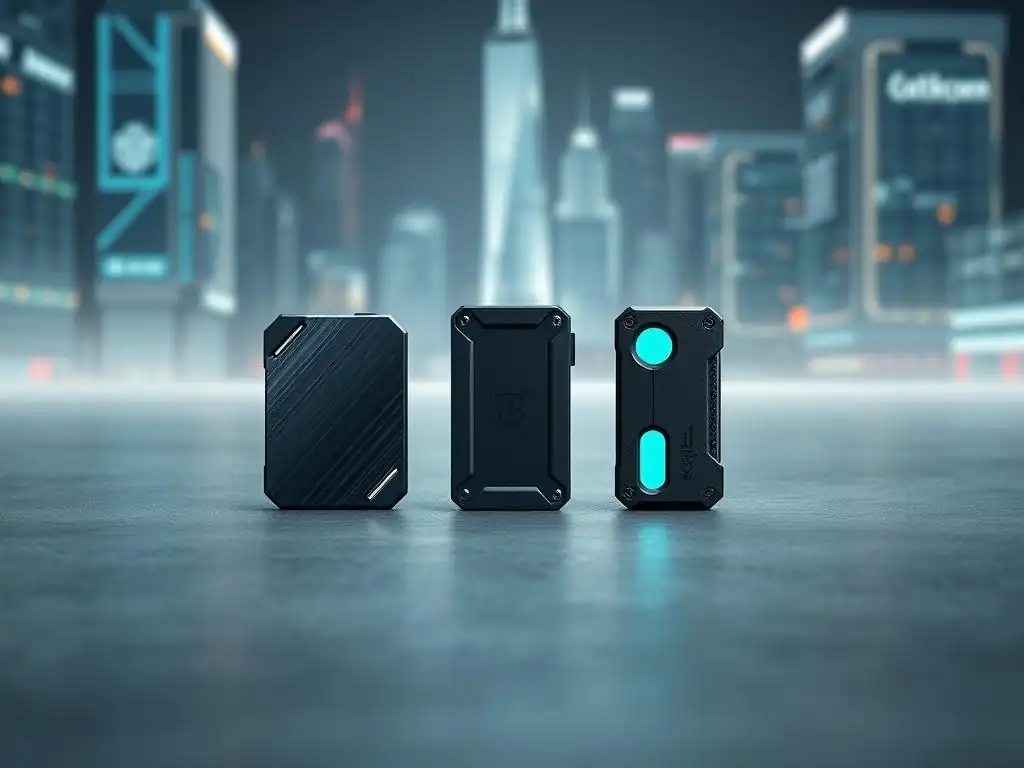
Welcome to Blockchain Trends, your guide to navigating the ever-evolving world of decentralized technology. Beyond the hype, blockchain is reshaping industries, and we're here to explore its transformative potential. Are you securing your digital assets effectively? Dive in as we dissect the critical differences in hardware wallet security, specifically pitting Ledger, Trezor, and KeepKey against each other. Discover which solution offers the best protection for your crypto in our comprehensive Hardware Wallets security comparison and unlock the future of secure digital asset management. What secrets will you uncover?
Evaluating Security Architecture: Secure Element vs Open Source
When conducting a hardware wallets security comparison, the underlying architectural approach is a critical differentiator. One prominent approach involves the use of a Secure Element (SE). This is a dedicated, tamper-resistant microchip designed to securely store sensitive data, such as private keys, and perform cryptographic operations in isolation from the main processor.
Think of it as a highly fortified vault within the device. Companies like Ledger utilize this architecture, arguing that it provides an additional layer of protection against sophisticated physical attacks, such as side-channel analysis or fault injection, which aim to extract secrets by monitoring power consumption or inducing errors. The SE is typically a closed-source component, meaning its internal workings are not publicly auditable, which proponents argue is necessary to prevent attackers from finding vulnerabilities, while critics raise concerns about potential backdoors or undiscovered flaws hidden within the proprietary design.
Conversely, another significant architectural philosophy in hardware wallet security is rooted in open source principles, famously championed by Trezor. This approach emphasizes transparency, making the device's firmware and hardware design publicly available for anyone to inspect, audit, and verify.
The core idea is that "many eyes make bugs shallow" – a large community of security researchers and enthusiasts can review the code and design to identify and fix vulnerabilities more effectively than a single, private team. While these devices may not always rely on a dedicated Secure Element in the same way some closed-source counterparts do, their security model often hinges on the integrity of the firmware and the device's bootloader, coupled with robust physical security measures and user verification steps (like confirming addresses on the device screen).
This transparency is a key factor for many users performing a hardware wallets security comparison, prioritizing audibility and community trust over the perceived physical fortification of a closed-source SE.
- What are the key differences between Ledger, Trezor, and KeepKey hardware wallets?
- How do Ledger, Trezor, and KeepKey compare in terms of security vulnerabilities?
- Which hardware wallet is best suited for beginners, considering ease of use and setup?
- How do Ledger, Trezor, and KeepKey handle support for different cryptocurrencies and tokens?
- What factors should I consider when making a hardware wallets security comparison between Ledger, Trezor, and KeepKey to make an informed decision?
Frequently Asked Questions
What are the key differences between Ledger, Trezor, and KeepKey hardware wallets?
Ledger emphasizes security features and a sleek design, Trezor prioritizes open-source transparency and ease of use, and KeepKey offers a larger screen and simple interface, appealing to beginners.
How do Ledger, Trezor, and KeepKey compare in terms of security vulnerabilities?
While all hardware wallets aim for top-tier security, vulnerabilities have been discovered in each. It's crucial to keep firmware updated to mitigate known security risks and stay informed about recent security audits.
Which hardware wallet is best suited for beginners, considering ease of use and setup?
KeepKey is often recommended for beginners due to its larger screen and simplified interface, making it easier to manage crypto assets. Trezor also offers a user-friendly experience, though its screen is smaller.
How do Ledger, Trezor, and KeepKey handle support for different cryptocurrencies and tokens?
Ledger generally supports a wider range of cryptocurrencies directly through its Ledger Live app. Trezor and KeepKey may rely more on third-party integrations for certain less common tokens.
What factors should I consider when making a hardware wallets security comparison between Ledger, Trezor, and KeepKey to make an informed decision?
Consider your technical expertise, the cryptocurrencies you hold, your budget, and your tolerance for risk when choosing a hardware wallet. Each wallet offers a different balance of features and security.
Final Reflection: Securing Our Digital Tomorrow
The digital age has bestowed upon us unprecedented access and control over our finances, but with it comes the paramount responsibility of safeguarding our assets. The rise of hardware wallets represents a critical step in empowering individuals to truly own their digital wealth, moving beyond reliance on centralized institutions and embracing a future where security rests firmly in their own hands. This comparison of Ledger, Trezor, and KeepKey underscores the ongoing evolution of this vital technology.
The impact of hardware wallets extends far beyond mere storage; they represent a fundamental shift in how we perceive and interact with value in the digital realm. The peace of mind that comes from knowing your private keys are shielded from online threats is invaluable, fostering a sense of ownership and control that is essential for widespread adoption of cryptocurrencies. Security is always excessive until it's not enough.
This quote perfectly encapsulates the need for constant vigilance and improvement in the realm of hardware wallet security.
As we look to the future, the onus is on each of us to prioritize security and educate ourselves on the best practices for protecting our digital assets. Consider the insights shared here, explore the options available, and take the necessary steps to secure your financial future. The power is in your hands – use it wisely.
Okay, I understand. Here's a Call to Action (CTA) designed for the end of an article titled "Ledger vs Trezor vs KeepKey: A Look into the Future of Hardware Wallets" on the website Blockchain Trends (blockchaintrends.org):
Secure Your Crypto Future: Explore Your Wallet Options!
Thanks for diving deep into the world of hardware wallets! We hope this comparison has given you a clearer picture of how these devices can safeguard your valuable digital assets. Now it's time to take the next step towards truly owning your financial future.
- Start by identifying your top security priorities and then compare those needs directly with the features of Ledger, Trezor, and KeepKey.
- Surprise yourself! Check out open-source firmware options for your chosen wallet to gain even greater control over your security.
- Share this article with fellow crypto enthusiasts to help them make informed decisions about their digital security.
What's one feature you wish every hardware wallet offered, and why is it crucial for the future of crypto security?
Leave a Reply