
From Farm to Fork, Digitally Secured: A Blockchain Case Study in Agricultural Supply Chains

Welcome to Blockchain Trends, your guide to understanding the real-world impact of blockchain technology.
Ever wondered how blockchain is revolutionizing industries beyond just cryptocurrencies? Dive into our latest article where we explore a fascinating blockchain supply chain agriculture case study, revealing how this technology is enhancing transparency, traceability, and efficiency from farm to fork. Uncover the potential of decentralized solutions to transform traditional agricultural practices and discover the future of food security. Read on to learn more!
From Farm to Fork, Digitally Secured: A Blockchain Case Study in Agricultural Supply Chains
- Introduction: The Need for Transparency in Agriculture Supply Chains
- Case Study Overview: Olam International's Cocoa Traceability Initiative
- Blockchain Solution: A Detailed Look at the Implementation
- Benefits of Blockchain Implementation in the Agricultural Supply Chain
- The Technology Behind the Solution: IBM Food Trust and its Features
- Results and Impact: Quantifiable Improvements in the Agricultural Supply Chain
- Lessons Learned and Future Implications of Blockchain in Agriculture
- Conclusion: Blockchain's Transformative Potential in Agriculture
-
Frequently Asked Questions
- What is the main focus of the article "From Farm to Fork, Digitally Secured: A Blockchain Case Study in Agricultural Supply Chains"?
- How does blockchain improve transparency in agricultural supply chains?
- What are some applications of blockchain in agriculture mentioned in the article?
- Are there any regulatory challenges associated with implementing blockchain in agriculture?
- What is the future outlook for blockchain in agricultural supply chains?
- Final Reflection: Cultivating Trust in Every Byte
- Unlock the Future of Food: Investigate Blockchain in Agriculture
Introduction: The Need for Transparency in Agriculture Supply Chains
The Challenges of Traditional Agricultural Supply Chains
Traditional agricultural supply chains are notoriously complex and often opaque. From smallholder farmers in remote regions to large-scale processors and global retailers, the journey of a product like cocoa involves numerous intermediaries. This fragmentation makes it exceedingly difficult to track the origin of goods, verify ethical sourcing practices, and ensure fair compensation reaches the initial producers. A significant challenge lies in the manual, paper-based record-keeping systems prevalent in many parts of the world, which are prone to errors, fraud, and delays, hindering efficient information flow.
Furthermore, issues such as inconsistent quality control, post-harvest losses due to poor handling or storage, and the difficulty in proving compliance with sustainability standards (like organic certification or deforestation-free sourcing) plague the sector. Consumers and regulators are increasingly demanding greater visibility into where their food comes from and how it was produced. Without a robust, verifiable system, ensuring accountability across the multi-layered chain becomes a substantial hurdle, impacting everything from food safety recalls to proving adherence to environmental and social commitments.
How Blockchain Technology Addresses Supply Chain Issues in Agriculture
Blockchain technology offers a promising solution to many of these long-standing challenges by creating a secure, immutable, and transparent ledger for recording transactions and tracking assets. In an agricultural context, this means documenting each step of a product's journey – from the farm gate, through processing, logistics, and finally to the consumer. Each transaction or event (e.g., harvesting, transportation, quality check) can be recorded as a block on the chain, cryptographically linked to the previous one, making it tamper-evident.
This inherent transparency and immutability directly combat the opaqueness of traditional systems. By providing a single source of truth accessible to authorized participants, blockchain significantly reduces the potential for fraud and errors. It enables real-time tracking, allowing stakeholders to pinpoint the origin of a product quickly, which is crucial for food safety recalls or verifying ethical claims. A blockchain supply chain agriculture case study demonstrates how this digital backbone can build trust and efficiency across diverse participants who may not inherently trust each other.
Case Study Overview: Olam International's Cocoa Traceability Initiative
Background of Olam International and its Supply Chain Challenges in Cocoa Production
Olam International is a major global agribusiness company operating across the value chain in over 60 countries. Cocoa is one of its key products, sourced from millions of smallholder farmers, particularly in West Africa, which accounts for roughly 70% of global cocoa production. The cocoa supply chain is notoriously complex, involving numerous small farms, local cooperatives, middlemen, haulers, and processing facilities before reaching chocolate manufacturers. Olam faced significant challenges common to the industry: ensuring traceability back to individual farms, verifying sustainable practices like deforestation-free sourcing, combating child labor, and ensuring premiums for certified cocoa reached the farmers.
The company's existing systems, while extensive, relied on a combination of paper records, spreadsheets, and disparate databases, making end-to-end visibility difficult and time-consuming. Audits required extensive manual effort to piece together information across different stages and stakeholders. Proving the ethical and sustainable origin of every bag of cocoa beans was a monumental task, limiting the ability to effectively communicate provenance to downstream customers and consumers who increasingly demand such assurances. This complexity highlighted the need for a more integrated, verifiable, and efficient data management solution.
Objectives: Implementing Blockchain for Traceability and Sustainability in Cocoa Supply Chain
Olam's primary objective in exploring blockchain technology was to achieve enhanced, verifiable traceability for its cocoa supply chain, specifically focusing on its operations in countries like Ghana and Ivory Coast. They aimed to create a digital trail from the farmer's plot to the processing plant, linking specific bean batches to their origin. This traceability was not just for logistics; it was fundamentally tied to sustainability goals.
Key objectives included improving the accuracy and efficiency of tracking sustainability data (e.g., farmer identity, farm location coordinates, certification status, training received), ensuring premiums paid for certified cocoa reached the farmers directly or via transparent mechanisms, and providing irrefutable proof of ethical sourcing to chocolate manufacturers and consumers. Ultimately, Olam sought to leverage blockchain to build a more transparent, equitable, and sustainable cocoa value chain, demonstrating leadership in responsible sourcing and meeting growing market demands for ethical products.
Blockchain Solution: A Detailed Look at the Implementation
Choosing a Permissioned Blockchain Platform for Cocoa Data
For its cocoa traceability initiative, Olam opted for a permissioned blockchain platform. This choice was strategic, given the need to control access to sensitive supply chain data while still enabling collaboration among known participants (farmers, cooperatives, processors, buyers). Unlike public blockchains, a permissioned network restricts participation to pre-selected nodes and requires identity verification, offering better governance, scalability, and privacy controls crucial for enterprise use cases involving commercially sensitive information.
The platform chosen needed to handle a high volume of transactions and data points generated across a vast network of smallholder farmers and intermediaries. Permissioned ledgers typically offer higher transaction throughput and lower latency compared to public alternatives like Bitcoin or Ethereum, making them more suitable for complex industrial supply chains. Security and data integrity were paramount, ensuring that once data about a cocoa batch's origin or a farmer's transaction was recorded, it could not be altered without consensus from authorized parties, upholding the principle of immutability critical for trust.
Key Features of the Blockchain-Based Cocoa Supply Chain System
The blockchain-based system implemented for Olam's cocoa supply chain incorporated several key features designed to meet their traceability and sustainability objectives. At its core was a distributed ledger capable of recording the journey of cocoa beans from the point of aggregation at the cooperative level. Each batch of beans was assigned a digital identity, linked to the farmers who supplied it and their specific farm locations, often captured via GPS coordinates during registration.
Critical information recorded on the ledger included details about the farmer (anonymized or pseudonymized where necessary for privacy), the cooperative they belong to, quantity of beans supplied, date of transaction, quality checks performed, and any certifications attached to the produce (e.g., Rainforest Alliance, Fairtrade). Subsequent events like transportation to warehouses, processing, and shipment were also recorded, creating a comprehensive digital history. The system integrated smart contracts to automate processes like premium payments, ensuring transparency and efficiency in financial flows linked to sustainability milestones or certifications.
Data Integration: Connecting Farmers, Cooperatives, and Processing Facilities
A significant technical challenge and a key feature of the solution was the seamless integration of data from disparate sources across the supply chain. This involved connecting data generated by Olam's field staff interacting directly with farmers and cooperatives, information from logistics partners, and data from processing facilities. Given the remote locations of many cocoa farms, data capture often relied on mobile applications used by field agents or cooperative managers.
These applications facilitated the digital registration of farmers, mapping of farms, and recording of bean deliveries. This data was then fed into the blockchain platform, creating the initial record of origin. At subsequent stages, data from weighing stations, quality labs, and transport manifests were integrated, building out the chain of custody. The system was designed to aggregate this data, ensuring that information recorded by a cooperative in a remote village could be immutably linked to a specific shipment of cocoa beans arriving at a processing plant thousands of miles away, providing end-to-end visibility.
Benefits of Blockchain Implementation in the Agricultural Supply Chain
Enhanced Traceability: Tracking Cocoa Beans from Origin to Processing
One of the most immediate and tangible benefits observed in the Olam blockchain supply chain agriculture case study was the dramatic enhancement in traceability. The system allowed stakeholders, from Olam managers to potentially downstream manufacturers (with appropriate permissions), to trace a specific batch of cocoa beans back to the group of farmers who supplied it, and often to the specific cooperatives and regions. This level of granularity was previously difficult, if not impossible, with traditional paper-based methods.
This enhanced traceability is invaluable for multiple reasons. In the event of a quality issue or a food safety concern, the system enables rapid identification of the affected batch and its source, allowing for targeted action and minimizing disruption. Furthermore, it provides the foundational data needed to verify claims about origin and sustainability, offering a level of assurance that paper certificates alone could not provide. For example, auditors could digitally verify the link between a certified bean shipment and the registered, certified farmers in the system.
Improved Fair Trade Practices and Farmer Compensation
Blockchain technology significantly improved the transparency and efficiency of financial flows related to fair trade and sustainability premiums. Often, in traditional supply chains, it is challenging to ensure that the additional price paid by consumers or manufacturers for certified sustainable products actually reaches the smallholder farmers. The blockchain system, leveraging smart contracts, allowed for the recording and, in some cases, automated distribution of these premiums.
By linking bean deliveries to specific farmers and cooperatives on the immutable ledger, Olam could ensure that premium payments were accurately calculated based on the volume of certified cocoa supplied and that the funds were disbursed transparently. This direct link and verifiable record help build trust with farming communities and ensure they receive their fair share, incentivizing continued adoption of sustainable practices. While specific figures vary by project and year, industry reports suggest that transparent payment mechanisms can increase the portion of the final product price reaching farmers by a significant percentage compared to opaque systems.
Reduced Risk of Child Labor and Illegal Deforestation in Cocoa Farming
Addressing critical social and environmental issues like child labor and illegal deforestation is paramount in the cocoa industry. While blockchain itself doesn't prevent these issues, it provides a powerful tool for monitoring and verification, significantly reducing the risk associated with them by enhancing transparency and accountability. By linking cocoa production to specific, mapped farm locations and registered farmers, the system makes it harder for illicit activities to hide within the supply chain's complexity.
For instance, if a farm is located in a protected forest area or if a farmer is found to be using child labor through field visits and audits, this information can be recorded and flagged on the blockchain. This allows Olam and its partners to exclude sourcing from such farms and provides verifiable data for reporting and compliance. The immutable record serves as a deterrent and facilitates targeted interventions and support programs for farmers to transition to sustainable and ethical practices.
Increased Efficiency in Supply Chain Audits and Certifications
Supply chain audits and sustainability certifications (like Rainforest Alliance, Fairtrade, UTZ) are crucial but traditionally labor-intensive and time-consuming processes. Auditors often spend weeks or months sifting through paper records, visiting farms, and verifying data points manually across multiple stakeholders. The implementation of a blockchain-based system dramatically increased the efficiency of these processes.
With key data points – farmer registration, farm location, delivery volumes, training attendance, certification status – recorded on the immutable ledger, auditors can access verified information digitally. This reduces the need for extensive manual data collection and verification, allowing auditors to focus on field visits for physical checks and farmer interviews, which are still essential but can now be more targeted. This streamlining can potentially reduce audit time by a notable percentage (e.g., estimates often suggest potential time savings of 20-40% in data verification phases), lowering costs and accelerating the certification process.
The Technology Behind the Solution: IBM Food Trust and its Features
Smart Contracts for Payment Automation and Compliance with Sustainability Standards
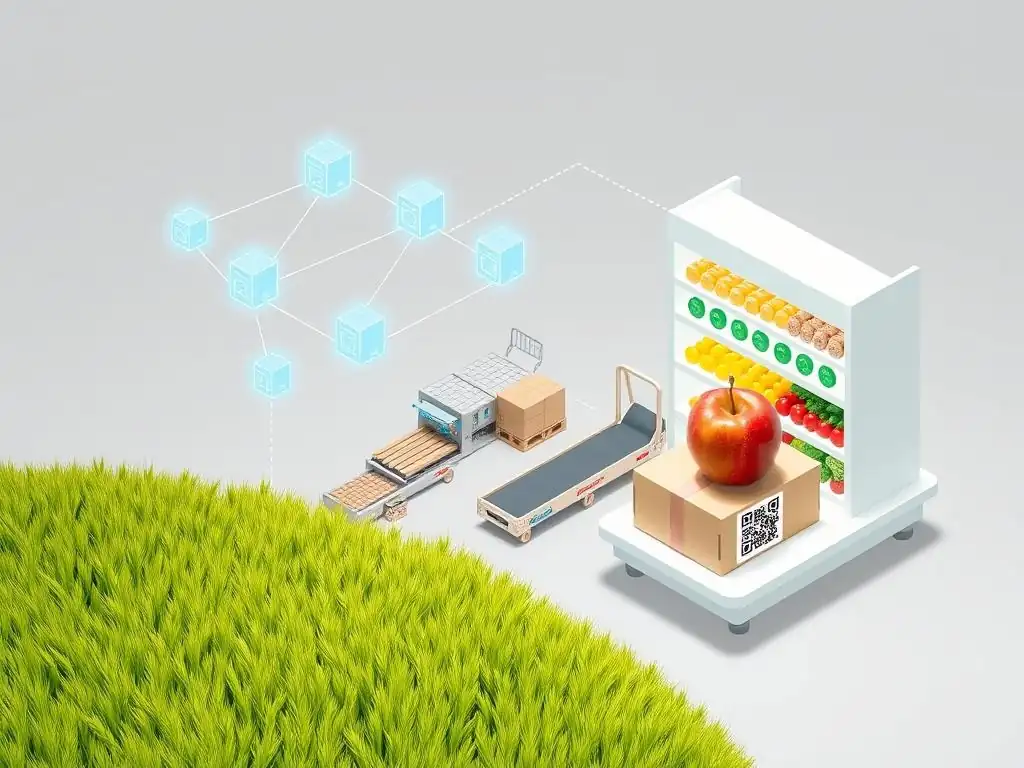
The Olam cocoa traceability system, leveraging platforms like IBM Food Trust (a prominent example of a permissioned blockchain used in food supply chains, though specific details of Olam's exact platform might vary, the principles are similar), utilized smart contracts as a core component. Smart contracts are self-executing contracts with the terms of the agreement directly written into code. They run on the blockchain, automatically executing when predefined conditions are met.
In the context of cocoa, smart contracts could automate the calculation and trigger the payment of sustainability premiums to cooperatives or farmers upon verifiable delivery of certified cocoa beans recorded on the ledger. They could also enforce compliance rules; for example, a smart contract might prevent a transaction from being recorded or validated if the associated farm is flagged as being in a deforestation zone based on integrated geospatial data. This automation reduces manual effort, minimizes errors, and ensures that payments and compliance checks are executed transparently and reliably according to the agreed-upon rules.
Mobile Applications for Farmer Data Input and Verification
Given that many cocoa farmers operate in areas with limited internet access or digital infrastructure, mobile applications were a crucial interface for data capture at the source. Field agents working with Olam or cooperatives used dedicated mobile apps, often capable of working offline and syncing data when connectivity was available, to register farmers, collect farm details (including GPS coordinates), record training attendance, and log cocoa bean deliveries.
These applications were designed to be user-friendly, sometimes incorporating visual aids and local languages to facilitate adoption. The data collected via these apps formed the initial blocks of information on the blockchain, linking the physical product (cocoa beans) to its digital identity and origin details. The apps also served as a tool for farmers or cooperative managers to potentially access information about their deliveries, payments, and certification status, increasing transparency at the farm level.
Data Security and Immutability: Ensuring the Integrity of Cocoa Origin Information
A fundamental benefit underpinning the entire system is the inherent data security and immutability provided by the blockchain architecture. Once data related to a cocoa transaction – such as the quantity delivered by a farmer, the date, or the associated farm location – is recorded on the permissioned ledger and validated by the participating nodes, it is cryptographically sealed into a block. This block is then linked to the previous ones, creating a chain where altering any historical data point would require altering all subsequent blocks, a computationally infeasible task.
This immutability ensures the integrity of the cocoa origin information. It provides a high level of trust in the data for all authorized participants, from Olam and its auditors to chocolate manufacturers. Knowing that the recorded history of a batch of beans cannot be tampered with retrospectively is essential for verifying sustainability claims, complying with regulations, and building confidence in the ethical sourcing of cocoa. Data access is controlled via permissions on the network, adding another layer of security and privacy.
Results and Impact: Quantifiable Improvements in the Agricultural Supply Chain
Increased Consumer Awareness and Demand for Sustainable Cocoa
While direct, precise figures linking Olam's specific blockchain initiative solely to consumer behavior are complex to isolate, the broader trend indicates that enhanced transparency enabled by technologies like blockchain contributes to increased consumer awareness and demand for sustainably sourced products. Studies and market reports show a growing segment of consumers, particularly in developed markets, are willing to pay a premium for products with verifiable ethical and environmental credentials.
By providing chocolate manufacturers and, through them, consumers with greater visibility into the origin and sustainable attributes of the cocoa, Olam can better market its responsibly sourced products. This transparency builds brand trust and can influence purchasing decisions. For example, surveys suggest that over 60% of consumers globally want more transparency about where their food comes from, and a significant portion of those are influenced by sustainability information when making choices.
Improved Supply Chain Transparency for Chocolate Manufacturers
Chocolate manufacturers are under increasing pressure from regulators, NGOs, and consumers to ensure their cocoa is sourced ethically and sustainably, free from deforestation and child labor. The traditional opacity of cocoa supply chains made it difficult for them to have confidence in the origin of their raw materials beyond their direct suppliers. Olam's blockchain solution directly addresses this by providing manufacturers with a level of transparency previously unavailable.
Through the permissioned network, authorized manufacturers can access verified data about the cocoa they purchase, tracing it back towards the source farms. This allows them to confidently make claims about the sustainability and ethical sourcing of their chocolate products, backed by immutable data. This improved transparency strengthens relationships between Olam and its manufacturing clients and helps manufacturers meet their own corporate social responsibility goals and reporting requirements.
Reduced Time and Resources Spent on Supply Chain Audits and Certifications
As mentioned earlier, a significant operational benefit is the reduction in time and resources required for supply chain audits and certifications. While specific figures can vary, piloting blockchain solutions in agricultural supply chains, including this type of blockchain supply chain agriculture case study, has shown the potential for substantial efficiency gains.
For instance, the digital availability of verified data on the ledger can cut down the time spent on data collection and verification phases of an audit by an estimated 20-50%, depending on the complexity of the supply chain and the audit scope. This translates into lower audit costs for both Olam and the certifying bodies, faster certification cycles, and the ability to conduct audits more frequently or cover a larger portion of the supply chain with the same resources.
Ensuring that farmers benefit directly from sustainability efforts is a core goal. While specific income increases are subject to market fluctuations and premium levels, the blockchain system facilitates the transparent and verifiable distribution of premiums paid for certified or sustainably produced cocoa. By providing clear data on farmer deliveries and certification status, it ensures accurate calculation and distribution of these additional payments.
Moreover, the enhanced traceability and transparency can potentially open doors for more direct trade relationships or allow Olam to better segment and market high-quality, verifiably sustainable cocoa, commanding higher prices. A more efficient and transparent supply chain also reduces potential losses or fees absorbed by intermediaries in traditional models. While challenging to isolate blockchain's sole impact, it acts as an enabler for mechanisms that can lead to increased and more reliable income streams for participating farmers.
Lessons Learned and Future Implications of Blockchain in Agriculture
Challenges Faced During Blockchain Implementation in Remote Farming Communities
Implementing a blockchain solution in remote agricultural communities, as highlighted in this blockchain supply chain agriculture case study, presents unique challenges. One major hurdle is the digital literacy and infrastructure gap among smallholder farmers and local cooperatives. Many farmers have limited or no experience with digital technologies, requiring extensive training and ongoing support for field agents and cooperative managers responsible for data input using mobile apps.
Connectivity in remote areas can be unreliable, necessitating solutions that work offline and sync data periodically. Power access for charging devices is also a consideration. Furthermore, ensuring data accuracy at the source is critical; "garbage in, garbage out" applies to blockchain just as much as any database. This requires robust data validation processes and careful design of user interfaces to minimize errors during manual data entry in the field. Building trust among farmers and intermediaries regarding how their data is used and the benefits they will receive is also paramount for successful adoption.
Best Practices for Deploying Blockchain in Complex Agricultural Supply Chains
Based on experiences like Olam's, several best practices emerge for deploying blockchain in complex agricultural supply chains. First, start with a clear, specific use case (like traceability for a particular commodity) rather than attempting a broad, all-encompassing solution initially. Engage all key stakeholders – including farmers, cooperatives, NGOs, auditors, and buyers – from the design phase to ensure the system meets their needs and builds buy-in.
Choose a blockchain platform appropriate for the enterprise context, likely a permissioned one, that offers scalability, data privacy controls, and robust governance. Focus on user-friendly interfaces, especially for data capture at the farm level, potentially leveraging mobile-first designs and offline capabilities. Implement strong data validation mechanisms to ensure the accuracy of information entering the chain. Finally, clearly communicate the benefits to participants at every level, particularly how it addresses their specific pain points (e.g., timely payments for farmers, easier audits for cooperatives, verifiable sustainability for buyers).
The Future of Blockchain in Promoting Sustainable and Ethical Sourcing
The Olam blockchain supply chain agriculture case study demonstrates the significant potential of this technology to drive sustainable and ethical sourcing practices across the agricultural sector. As the technology matures and becomes more accessible, its applications will likely expand beyond traceability.
Future possibilities include using blockchain to manage carbon credits generated by sustainable farming practices, tokenizing agricultural assets or contracts to improve access to finance for farmers, verifying compliance with increasingly stringent environmental regulations, and creating transparent marketplaces for ethically sourced goods. As infrastructure improves and digital literacy grows in farming communities, blockchain will become an even more powerful tool for building equitable, transparent, and sustainable food systems globally.
Conclusion: Blockchain's Transformative Potential in Agriculture
The Role of Blockchain in Creating More Transparent and Efficient Food Systems
Blockchain technology is proving to be a transformative force in agriculture, moving beyond its origins in cryptocurrency to provide tangible solutions for complex supply chain challenges. As illustrated by the Olam blockchain supply chain agriculture case study, it offers a powerful mechanism to create unprecedented levels of transparency and efficiency in traditionally opaque and fragmented systems. By providing an immutable, shared ledger of transactions and events, blockchain enables stakeholders to track products from origin to destination with high confidence in the data's integrity.
This enhanced transparency is critical for building trust among diverse participants, verifying sustainability claims, improving food safety, and ensuring compliance with ethical sourcing standards. The resulting efficiency gains in data management, auditing, and payment processes can reduce costs and streamline operations across the value chain. Ultimately, blockchain helps lay the digital foundation for creating more reliable, trustworthy, and responsive food systems that benefit everyone from the farmer to the consumer.
Scaling Blockchain Solutions for Wider Adoption in the Agriculture Industry
While pioneering efforts like Olam's demonstrate the potential, scaling blockchain solutions for wider adoption across the vast and diverse agriculture industry requires continued effort. Addressing challenges related to digital infrastructure, farmer literacy, and the cost of implementation remains crucial. Collaborative industry initiatives and partnerships involving technology providers, agribusinesses, NGOs, and governments will be key to developing standardized approaches and shared platforms that can be adopted by a broader range of players, including smaller enterprises and cooperatives.
As the technology becomes more mature and cost-effective, and as the regulatory landscape evolves to support digital record-keeping and smart contracts, blockchain's role in agriculture will only grow. This blockchain supply chain agriculture case study serves as a compelling example of how digital innovation can tackle some of the sector's most persistent issues, paving the way for a future where transparent, ethical, and sustainable sourcing is not just an aspiration but a verifiable reality for agricultural products worldwide.
Frequently Asked Questions
What is the main focus of the article "From Farm to Fork, Digitally Secured: A Blockchain Case Study in Agricultural Supply Chains"?
The article explores how blockchain technology can transform agricultural supply chains by enhancing transparency, traceability, and security from production to consumption.
How does blockchain improve transparency in agricultural supply chains?
Blockchain enables real-time tracking of products, ensuring that all participants in the supply chain have access to verifiable data about the origin and handling of agricultural goods.
What are some applications of blockchain in agriculture mentioned in the article?
The article highlights applications such as smart contracts, automated payments, and compliance tracking, which help streamline operations and reduce the risk of fraud in agricultural supply chains.
Are there any regulatory challenges associated with implementing blockchain in agriculture?
Yes, the article discusses potential regulatory hurdles, emphasizing the need for collaboration between stakeholders to establish standards that facilitate the adoption of blockchain technology in agriculture.
What is the future outlook for blockchain in agricultural supply chains?
The article suggests a positive outlook, stating that as technology advances, blockchain could become a cornerstone of agricultural supply chains, promoting sustainability and enhancing overall efficiency.
Final Reflection: Cultivating Trust in Every Byte
The journey from farm to fork is often obscured by layers of complexity, but as we've explored, blockchain technology offers a powerful lens to illuminate and secure this vital process. The case study presented demonstrates not just the theoretical potential, but the tangible benefits of implementing blockchain in agricultural supply chains, fostering transparency and building trust where it's needed most.
This technological revolution isn't just about efficiency; it's about empowering farmers, protecting consumers, and ensuring the integrity of our food systems. Witnessing the evolution of blockchain from a nascent concept to a practical solution for real-world challenges is truly inspiring. The ultimate goal of farming is not the growing of crops, but the cultivation and perfection of human beings.
- Masanobu Fukuoka. This quote reminds us that agriculture is fundamentally about people, and blockchain can help us build a more equitable and sustainable future for everyone involved.
Now, consider how you can contribute to this transformation. Reflect on the power of transparency and traceability in your own life, and how you can support businesses and initiatives that prioritize ethical and sustainable practices. The future of food is being written today, byte by byte. Let's ensure it's a future we can all be proud to consume.
Okay, I'm ready to craft a Call to Action (CTA) for the end of the web article "From Farm to Fork, Digitally Secured: A Blockchain Case Study in Agricultural Supply Chains" for the website "Blockchain Trends" (blockchaintrends.org). Here's the CTA I've created:
Unlock the Future of Food: Investigate Blockchain in Agriculture
Thanks for diving deep into the world of blockchain and its transformative power in securing our food supply chains! You've now seen firsthand how this technology can enhance transparency and build trust from farm to fork. Ready to be a part of the revolution?
Here's how you can get involved:
- Dive Deeper: Research a Specific Food Product.: Choose a product you consume regularly and investigate how blockchain could improve its supply chain. Share your findings with others! Bonus Points: Contact the producer directly to inquire about their potential adoption of blockchain.
- Follow Blockchain Trends! Subscribe to our weekly newsletter for the latest insights and case studies in blockchain applications beyond agriculture.
- Become a Blockchain Advocate:Start a conversation! Share this article with your network and discuss the potential benefits and challenges of implementing blockchain in agricultural supply chains.
What practical steps will you take to encourage the adoption of blockchain technology in the food industry and ensure a more transparent and secure food future? Share your thoughts in the comments below!
Leave a Reply