
Blockchain for Supply Chain: Platforms Revolutionizing Traceability and Transparency

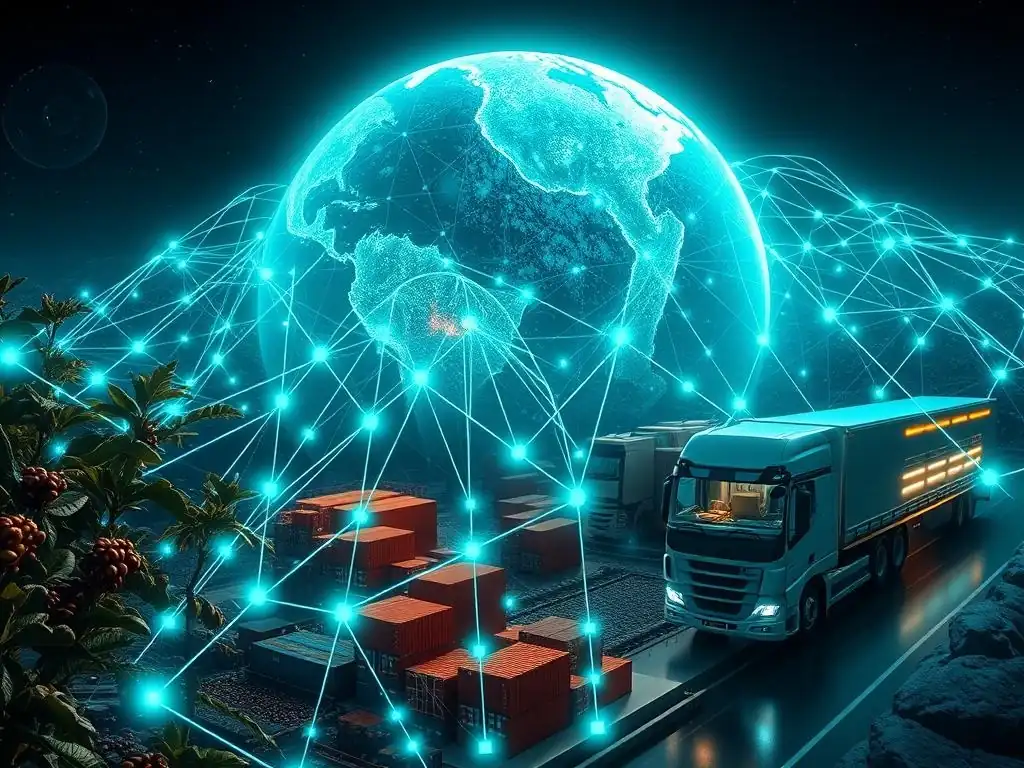
Welcome to Blockchain Trends, your guide to understanding the groundbreaking impact of blockchain technology beyond the hype! This isn't just about Bitcoin; we're diving deep into the transformative potential of decentralized systems.
Curious about how blockchain is revolutionizing industries? Our featured article explores the tangible blockchain supply chain traceability benefits that are reshaping logistics and creating unprecedented transparency. Discover how this technology is moving beyond buzzwords and delivering real-world solutions – and how different platforms are leading the charge. Read on to unlock the secrets of blockchain-powered supply chains!
Blockchain for Supply Chain: Enhancing Traceability and Trust
- Understanding Blockchain's Impact on Supply Chain Management
- Exploring Blockchain Platforms for Supply Chain Visibility
- Top Blockchain Platforms for Supply Chain Management: A Comparison
-
Implementing Blockchain for Supply Chain: A Practical Guide
- Assessing Supply Chain Needs and Identifying Suitable Blockchain Applications
- Selecting the Optimal Blockchain Platform for your Supply Chain Requirements
- Integrating Blockchain with Existing Supply Chain Infrastructure
- Ensuring Data Security, Privacy, and Regulatory Compliance in Blockchain Supply Chains
- Real-World Examples of Blockchain Transforming Supply Chains
- Addressing Challenges and Exploring Future Trends in Blockchain Supply Chain
-
Frequently Asked Questions
- What are the primary blockchain supply chain traceability benefits that businesses can expect?
- How does blockchain improve transparency in the supply chain?
- What role does DeFi play in the future of blockchain supply chain traceability benefits?
- Are there any specific industries that are already seeing significant blockchain supply chain traceability benefits?
- What are the key regulatory challenges impacting the adoption of blockchain for supply chain traceability?
- Final Reflection: Embracing the Transparent Future
- Uncover the Power of Transparent Supply Chains!
Understanding Blockchain's Impact on Supply Chain Management
Challenges in Traditional Supply Chains: The Demand for Transparency
Traditional supply chains are often characterized by opacity and fragmentation, creating significant challenges for businesses and consumers alike. Information silos, disparate systems, and a lack of real-time visibility across different stages of the supply chain hinder efficient operations and erode trust. Consider the journey of a product from raw material sourcing to the end consumer; it typically involves numerous intermediaries, including suppliers, manufacturers, distributors, and retailers.
Each participant often operates on their own system, leading to data inconsistencies and delays in information sharing. This lack of transparency makes it difficult to track product provenance, verify authenticity, and respond effectively to disruptions or issues, such as recalls or contamination.
This opacity directly impacts consumer trust and brand reputation. Consumers are increasingly demanding more information about the products they purchase, wanting to know where their food comes from, how it's made, and whether it aligns with ethical and sustainability standards. Traditional supply chains, with their inherent lack of transparency, struggle to meet these demands. For instance, in the food industry, consumers are concerned about food fraud and safety.
Without a transparent system, verifying the origin and authenticity of ingredients becomes a daunting task. The fashion industry faces similar pressures regarding ethical sourcing and labor practices. The demand for transparency is not just a consumer preference; it's becoming a critical business imperative for maintaining competitiveness and building brand loyalty in today's market.
How Blockchain Technology Improves Supply Chain Efficiency
Blockchain technology offers a paradigm shift in supply chain management by providing a shared, immutable, and transparent ledger for recording transactions and tracking assets. Unlike traditional databases that are centralized and prone to manipulation, blockchain operates on a distributed network, ensuring data integrity and security.
Every transaction or event within the supply chain, from the origin of raw materials to the delivery of finished products, can be recorded on the blockchain, creating a verifiable and auditable trail. This shared ledger eliminates information silos and provides all stakeholders with a single source of truth, fostering greater collaboration and efficiency across the entire supply chain ecosystem.
The inherent transparency of blockchain drastically reduces the time and resources spent on verifying information and resolving disputes. Imagine a shipment of goods moving across international borders. Traditionally, this process involves a complex web of paperwork, customs checks, and intermediaries, leading to delays and increased costs.
With blockchain, all relevant documentation, such as certificates of origin, invoices, and shipping manifests, can be stored on the blockchain and accessed by authorized parties in real-time. This streamlined process not only accelerates customs clearance but also minimizes the risk of fraud and errors associated with manual paperwork. Furthermore, smart contracts, self-executing agreements written in code and stored on the blockchain, can automate various supply chain processes, such as payment processing and inventory management, further enhancing efficiency and reducing operational costs.
Key Benefits of Blockchain Traceability in Supply Chains
Blockchain's most transformative impact on supply chains lies in its ability to enhance traceability. Blockchain supply chain traceability benefits are multifaceted and far-reaching, revolutionizing how businesses manage their operations and interact with consumers. At its core, blockchain traceability provides an unprecedented level of visibility into the journey of products through the supply chain. By recording each step of the process on an immutable ledger, businesses can track the provenance of goods from origin to consumption, ensuring authenticity and combating counterfeiting. This granular level of tracking builds consumer trust and allows brands to confidently communicate the story behind their products.
Beyond authentication, blockchain supply chain traceability benefits extend to improved operational efficiency and risk management. Real-time tracking of inventory and shipments allows for better demand forecasting and inventory optimization, reducing waste and storage costs. In case of product recalls or quality issues, blockchain enables rapid identification of affected batches and their location within the supply chain, minimizing the impact of the incident and protecting consumers.
Moreover, enhanced traceability facilitates compliance with regulatory requirements and industry standards, particularly in sectors like pharmaceuticals and food, where stringent regulations are in place to ensure product safety and quality. The ability to demonstrably prove product origin and handling through blockchain supply chain traceability benefits businesses in building a reputation for ethical and responsible sourcing, increasingly valued by today's conscious consumers.
Exploring Blockchain Platforms for Supply Chain Visibility
Overview of Prominent Blockchain Platforms for Supply Chain Solutions
The landscape of blockchain platforms for supply chain solutions is diverse, offering a range of options tailored to different industry needs and use cases. These platforms can be broadly categorized based on their underlying blockchain technology and the specific features they offer for supply chain management. Some platforms are built on public, permissionless blockchains like Ethereum, leveraging their open and decentralized nature. Others utilize private or permissioned blockchains, such as Hyperledger Fabric or R3 Corda, which offer greater control over data access and network participation, often preferred by enterprises for sensitive supply chain data.
Prominent platforms like IBM Food Trust, VeChain, and SAP Blockchain are specifically designed to address supply chain challenges. IBM Food Trust, built on Hyperledger Fabric, focuses on enhancing food traceability and safety within the food industry, connecting farmers, processors, distributors, and retailers on a shared platform. VeChain, utilizing its own public blockchain, offers a broad suite of supply chain solutions, including product authentication, asset tracking, and carbon emission monitoring, applicable across various industries from luxury goods to pharmaceuticals.
SAP Blockchain, integrated with SAP's enterprise software ecosystem, enables businesses to seamlessly incorporate blockchain into their existing supply chain management systems, leveraging SAP's extensive industry expertise and client base. These platforms, while varying in their technical architecture and industry focus, share a common goal: to leverage blockchain technology to create more transparent, efficient, and resilient supply chains.
Permissioned vs. Permissionless Blockchains: Suitability for Supply Chain
The choice between permissioned and permissionless blockchains is a critical decision when selecting a platform for supply chain applications. Permissionless blockchains, like Bitcoin or Ethereum, are open to anyone to join and participate in transaction validation. Their key advantage is decentralization and transparency, offering high levels of security and immutability. However, permissionless blockchains can face scalability challenges and may not be ideal for handling sensitive business data due to their public nature. Transaction speeds can be slower, and transaction fees can fluctuate, potentially impacting high-volume supply chain operations.
Permissioned blockchains, on the other hand, require participants to be authorized to join the network. This controlled access allows for greater privacy, faster transaction speeds, and lower transaction costs, making them often more suitable for enterprise supply chain applications. Platforms like Hyperledger Fabric and R3 Corda are examples of permissioned blockchains designed for enterprise use.
They offer customizable access controls, allowing businesses to share data selectively with trusted partners within the supply chain network. While permissioned blockchains are less decentralized than permissionless ones, they still provide significant advantages over traditional centralized systems in terms of data integrity, auditability, and shared visibility among authorized participants. The optimal choice depends on the specific needs of the supply chain, considering factors like data sensitivity, transaction volume, desired level of decentralization, and regulatory requirements.
Evaluating Platform Features for Effective Supply Chain Applications
Selecting the right blockchain platform for supply chain applications requires careful evaluation of various features to ensure it aligns with specific business needs and objectives. Key features to consider include traceability capabilities, data security and privacy, interoperability, scalability, and ease of integration with existing systems. Traceability features should allow for granular tracking of products across the entire supply chain, capturing relevant data points at each stage, such as origin, manufacturing date, batch number, and location.
Robust data security and privacy measures are crucial to protect sensitive business information and comply with data protection regulations. The platform should offer features like encryption, access controls, and data anonymization to ensure data confidentiality and integrity.
Interoperability is increasingly important, as supply chains often involve multiple platforms and systems. The chosen platform should support interoperability standards to facilitate seamless data exchange with other blockchain networks and legacy systems. Scalability is another critical factor, particularly for large and complex supply chains. The platform should be able to handle a high volume of transactions and data without compromising performance.
Ease of integration with existing enterprise resource planning (ERP), warehouse management systems (WMS), and other supply chain software is essential for smooth implementation and adoption. Platforms offering APIs and pre-built connectors can significantly simplify integration efforts. Furthermore, factors like platform maturity, vendor support, and cost should also be considered when evaluating blockchain platforms for supply chain applications.
Top Blockchain Platforms for Supply Chain Management: A Comparison
IBM Food Trust: Features, Benefits, and Supply Chain Use Cases
IBM Food Trust, built on Hyperledger Fabric, is a permissioned blockchain platform specifically designed to enhance transparency and traceability within the food supply chain. It aims to connect various stakeholders, including farmers, processors, distributors, and retailers, on a shared, secure, and immutable platform. By leveraging blockchain technology, IBM Food Trust addresses critical challenges in the food industry, such as food safety, fraud, and waste. The platform enables real-time tracking of food products from farm to table, providing consumers and businesses with unprecedented visibility into the origin, journey, and handling of food items.
Key Features of IBM Food Trust for Supply Chain Tracking
IBM Food Trust offers a comprehensive suite of features tailored for supply chain tracking. Key features include end-to-end traceability, enabling the tracking of food products at every stage of the supply chain, from farm to point of sale. Document management capabilities allow for secure storage and sharing of critical documents, such as certificates of origin, quality certifications, and shipping manifests, on the blockchain.
Alert and notification features provide real-time updates on critical events, such as temperature deviations or delays in shipment, allowing for proactive issue resolution. Data analytics and insights tools enable businesses to gain valuable insights from supply chain data, identify areas for improvement, and optimize operations. The platform also emphasizes data security and privacy, utilizing Hyperledger Fabric's permissioned blockchain architecture and robust security protocols to protect sensitive food supply chain data.
Real-World Applications of IBM Food Trust in Food Supply Chains
IBM Food Trust has been adopted by major players in the food industry to address various supply chain challenges. For instance, Walmart has partnered with IBM Food Trust to track leafy greens and other food products, enhancing food safety and reducing recall times.
When a foodborne illness outbreak occurs, Walmart can use IBM Food Trust to quickly trace the affected products back to their source, identify potentially contaminated batches, and remove them from shelves efficiently. Carrefour, a global retailer, utilizes IBM Food Trust to track poultry in Europe, providing consumers with detailed information about the origin, farming practices, and processing of the chicken they purchase.
Dole is using IBM Food Trust to enhance the traceability of its packaged salads, ensuring product freshness and building consumer confidence. These real-world applications demonstrate the tangible benefits of IBM Food Trust in improving food safety, enhancing transparency, and building trust in the food supply chain.
VeChain: Features, Benefits, and Supply Chain Use Cases
VeChain is a public blockchain platform that offers a wide range of supply chain solutions beyond just traceability, encompassing product authentication, anti-counterfeiting, and even carbon emission tracking. It leverages its own native blockchain, VeChainThor, and focuses on providing enterprise-grade blockchain services to various industries, including luxury goods, pharmaceuticals, automotive, and food and beverage. VeChain aims to create a transparent and distributed ecosystem where businesses can leverage blockchain to improve supply chain efficiency, enhance brand trust, and meet sustainability goals.
Leveraging VeChain for Enhanced Supply Chain Visibility and Authentication
VeChain offers several key features for enhancing supply chain visibility and authentication. Its core technology, VeChainThor blockchain, provides a secure and immutable platform for recording product data and tracking product journeys. The platform supports the use of IoT devices and sensors to collect real-time data from products and assets as they move through the supply chain, providing granular visibility into environmental conditions, location, and handling.
VeChain's anti-counterfeiting solutions utilize NFC tags and QR codes linked to the blockchain, allowing consumers to easily verify the authenticity of products using their smartphones. Furthermore, VeChain offers data analytics and reporting tools to help businesses gain insights from their supply chain data and optimize operations. The platform's versatility and comprehensive feature set make it suitable for a wide range of supply chain applications across different industries.
VeChain Case Studies: Improving Traceability and Efficiency in Various Industries
VeChain has numerous real-world case studies showcasing its impact across diverse industries. In the luxury goods sector, VeChain has partnered with brands like Givenchy to combat counterfeiting and enhance product authentication. By embedding NFC chips powered by VeChain into luxury handbags, Givenchy allows customers to verify authenticity and access product information using a mobile app.
In the automotive industry, VeChain is working with BMW to develop a blockchain-based platform for vehicle lifecycle management, tracking vehicle history, maintenance records, and ownership changes. For the food and beverage industry, VeChain has partnered with producers to track premium wines and spirits, ensuring provenance and combating fraud.
Bright Food, a major Chinese food company, uses VeChain to track the entire lifecycle of its milk powder products, from farm to consumer, enhancing food safety and building consumer trust. These case studies demonstrate VeChain's ability to deliver tangible benefits across various sectors by leveraging blockchain for enhanced traceability, authentication, and supply chain efficiency.
SAP Blockchain: Features, Benefits, and Supply Chain Use Cases
SAP Blockchain is not a standalone blockchain platform but rather a set of blockchain services and integrations within the SAP ecosystem, designed to seamlessly integrate blockchain capabilities into existing SAP solutions, particularly for supply chain management. Leveraging SAP's deep expertise in enterprise software and its extensive customer base, SAP Blockchain aims to simplify blockchain adoption for businesses already using SAP systems. It provides tools and services to build and deploy blockchain applications within the SAP Cloud Platform and integrate them with SAP applications like S/4HANA and SAP Logistics Business Network.
SAP Blockchain's Approach to Supply Chain Integration
SAP Blockchain focuses on simplifying blockchain integration within existing SAP supply chain systems. It offers pre-built integrations and connectors that allow businesses to easily incorporate blockchain functionality into their SAP workflows without requiring extensive custom development. SAP Blockchain supports various blockchain protocols, including Hyperledger Fabric and MultiChain, providing flexibility in platform selection.
It offers blockchain-as-a-service (BaaS) on the SAP Cloud Platform, simplifying blockchain deployment and management. SAP also provides development tools and APIs to enable businesses to build custom blockchain applications tailored to their specific supply chain needs. The focus is on leveraging SAP's existing infrastructure and expertise to make blockchain adoption more accessible and practical for enterprises.
Integrating SAP Blockchain with Existing SAP Supply Chain Systems
Integrating SAP Blockchain with existing SAP supply chain systems offers several advantages. Businesses can leverage their existing SAP data and processes to build blockchain-based solutions, minimizing disruption and maximizing efficiency. For example, companies using SAP S/4HANA for supply chain management can integrate SAP Blockchain to add traceability and transparency to their operations. They can track product movements, verify supplier credentials, and manage inventory on a blockchain, all within the familiar SAP environment. Integration with SAP Logistics Business Network allows for enhanced collaboration and data sharing with trading partners on a blockchain-based platform. This seamless integration reduces the complexity of blockchain adoption and allows businesses to leverage the benefits of blockchain without overhauling their existing IT infrastructure. Companies like Bumble Bee Seafoods have utilized SAP Blockchain to track tuna from ocean to table, enhancing seafood traceability and combating illegal fishing, demonstrating the practical application of SAP Blockchain in real-world supply chains.
Implementing Blockchain for Supply Chain: A Practical Guide
Assessing Supply Chain Needs and Identifying Suitable Blockchain Applications
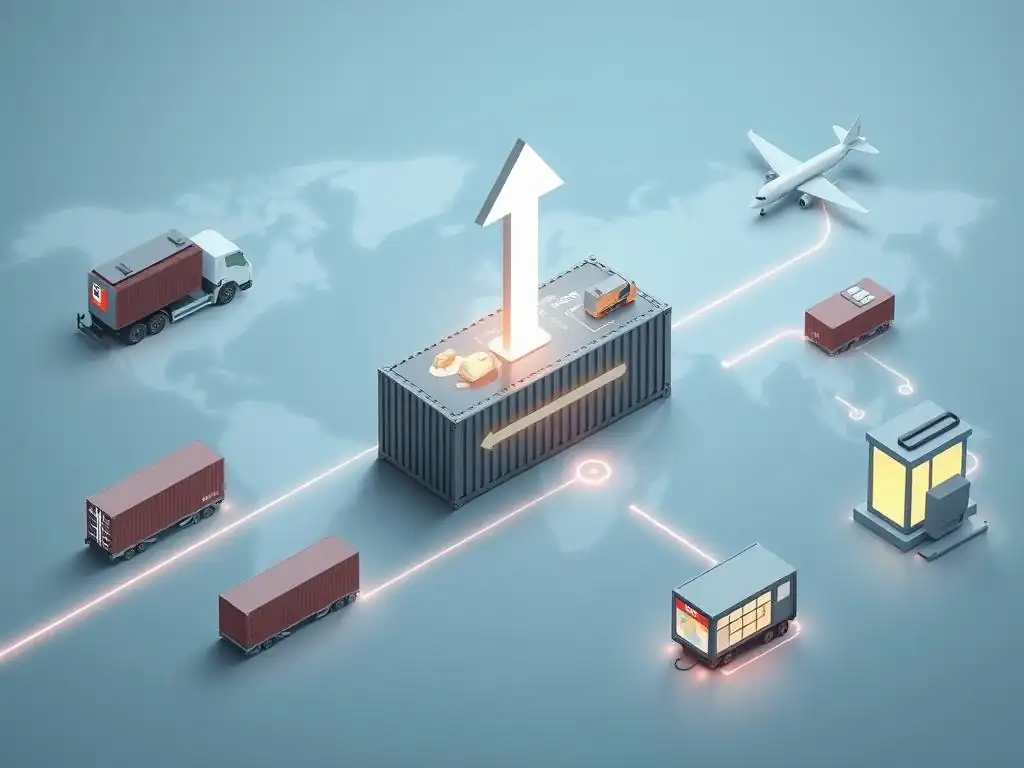
The first step in implementing blockchain for supply chain is a thorough assessment of existing supply chain needs and pain points. Businesses should identify specific areas where blockchain can provide the most value and address existing challenges. This involves analyzing current supply chain processes, identifying inefficiencies, and understanding the specific requirements for traceability, transparency, and security. For example, a food company might identify food safety and provenance as key concerns, making blockchain traceability a highly relevant application. A pharmaceutical company might prioritize combating counterfeit drugs, leading to a focus on blockchain-based authentication and track-and-trace solutions.
Once the key needs are identified, the next step is to determine suitable blockchain applications. This involves exploring different ways blockchain can be applied to address the identified pain points. Potential applications include product traceability, provenance verification, supply chain finance, smart contracts for automated transactions, and digital identity for supply chain participants.
It is crucial to align blockchain applications with specific business objectives and prioritize those that offer the most significant return on investment. A feasibility study should be conducted to evaluate the technical, economic, and operational viability of implementing blockchain for the chosen applications. This assessment should consider factors like data availability, stakeholder readiness, regulatory landscape, and potential challenges and risks associated with blockchain adoption.
Selecting the Optimal Blockchain Platform for your Supply Chain Requirements
Selecting the optimal blockchain platform is a critical decision that significantly impacts the success of blockchain implementation in supply chains. The choice of platform should be guided by the specific requirements identified in the needs assessment phase. Factors to consider include the type of blockchain (permissioned vs. permissionless), platform features, scalability, security, interoperability, ease of integration, vendor support, and cost.
For businesses handling sensitive supply chain data or requiring high transaction throughput, permissioned blockchains like Hyperledger Fabric or R3 Corda might be more suitable. For applications requiring greater decentralization and transparency, public blockchains like Ethereum or VeChain might be considered.
Platform features should be evaluated based on the specific needs of the chosen applications. For traceability solutions, features like data capture capabilities, event tracking, and reporting tools are essential. Security features, including encryption, access controls, and consensus mechanisms, should be robust to protect sensitive supply chain data. Scalability is crucial for handling large volumes of transactions and data, particularly for complex supply chains.
Interoperability with existing systems and other blockchain networks is increasingly important for seamless data exchange and collaboration. Vendor support, platform maturity, and cost-effectiveness are also important factors to consider when making the platform selection. A pilot project or proof-of-concept can be valuable in testing different platforms and evaluating their suitability before committing to a full-scale implementation.
Integrating Blockchain with Existing Supply Chain Infrastructure
Integrating blockchain with existing supply chain infrastructure is a crucial step in ensuring seamless adoption and maximizing the benefits of blockchain technology. This integration involves connecting the chosen blockchain platform with existing enterprise systems, such as ERP, WMS, and CRM systems, as well as with IoT devices and other data sources within the supply chain. APIs (Application Programming Interfaces) play a vital role in facilitating data exchange between blockchain platforms and existing systems. Platforms offering pre-built connectors and APIs can significantly simplify the integration process and reduce development efforts.
Data mapping and standardization are essential to ensure data consistency and interoperability across different systems. Data from existing systems needs to be mapped to the blockchain data model, and data standards should be adopted to ensure data quality and accuracy. Change management is also critical to ensure smooth integration.
Implementing blockchain often requires changes to existing workflows and processes, and it is important to involve stakeholders from across the supply chain in the integration process. Training and support should be provided to users to ensure they can effectively utilize the new blockchain-integrated systems. A phased approach to integration, starting with a pilot project and gradually expanding to other areas of the supply chain, can help mitigate risks and ensure a successful implementation.
Ensuring Data Security, Privacy, and Regulatory Compliance in Blockchain Supply Chains
Data security, privacy, and regulatory compliance are paramount considerations when implementing blockchain in supply chains, particularly when handling sensitive business information and personal data. Blockchain platforms should incorporate robust security measures to protect data from unauthorized access, modification, and disclosure. Encryption, access controls, and secure key management are essential security features. Data privacy regulations, such as GDPR (General Data Protection Regulation) and CCPA (California Consumer Privacy Act), must be carefully considered. Blockchain solutions should be designed to comply with these regulations, ensuring that personal data is processed lawfully and transparently.
Permissioned blockchains offer greater control over data access and privacy compared to permissionless blockchains. They allow businesses to define granular access controls and selectively share data with authorized participants. Data anonymization and pseudonymization techniques can be used to further enhance data privacy. Regulatory compliance requirements vary depending on the industry and geographic location.
Businesses need to ensure that their blockchain solutions comply with relevant regulations, such as food safety regulations, pharmaceutical regulations, and customs regulations. Working with legal and compliance experts is crucial to navigate the regulatory landscape and ensure compliance. Regular audits and security assessments should be conducted to maintain data security, privacy, and regulatory compliance in blockchain-based supply chains.
Real-World Examples of Blockchain Transforming Supply Chains
Case Study 1: Tracking Coffee from Farm to Consumer with Blockchain
The coffee industry, known for its complex and often opaque supply chains, has seen significant benefits from blockchain implementation for traceability. Companies like Farmer Connect are using blockchain to connect coffee farmers directly with consumers, creating a transparent and ethical coffee supply chain. Through the Farmer Connect platform, consumers can scan a QR code on coffee packaging and access detailed information about the coffee beans, including their origin, farm location, farmer profile, and journey through the supply chain. This enhanced transparency empowers consumers to make informed purchasing decisions and ensures that farmers receive fair compensation for their products.
For coffee farmers, blockchain provides a platform to showcase their products, build direct relationships with consumers, and access new markets. The platform records every transaction on the blockchain, creating an immutable and auditable record of the coffee's journey. This traceability helps combat fraud and counterfeiting in the coffee industry, ensuring the authenticity of premium and specialty coffees.
By providing consumers with a transparent and verifiable story behind their coffee, blockchain is helping to build trust and promote sustainable and ethical coffee sourcing practices. Farmer Connect's initiative demonstrates how blockchain can transform agricultural supply chains, creating greater transparency, fairness, and efficiency for all stakeholders, from farmers to consumers.
Case Study 2: Securing the Pharmaceutical Supply Chain Against Counterfeiting Using Blockchain
The pharmaceutical industry faces a significant challenge from counterfeit drugs, which pose serious risks to public health and erode trust in pharmaceutical brands. Blockchain technology offers a powerful tool to combat pharmaceutical counterfeiting by enhancing supply chain traceability and authentication. Platforms like MediLedger are leveraging blockchain to create secure and transparent pharmaceutical supply chains. MediLedger's network connects pharmaceutical manufacturers, distributors, and pharmacies on a shared blockchain platform, enabling real-time tracking of drugs throughout the supply chain.
By recording each step of the drug's journey on the blockchain, from manufacturing to dispensing, MediLedger provides a verifiable and auditable trail, making it difficult for counterfeit drugs to enter the legitimate supply chain. Authentication features, such as serialization and cryptographic verification, further enhance security. Pharmacies can use the platform to verify the authenticity of drugs before dispensing them to patients, ensuring patient safety and preventing the distribution of counterfeit medications.
The Drug Supply Chain Security Act (DSCSA) in the United States mandates track-and-trace capabilities for pharmaceuticals, and blockchain solutions like MediLedger are helping pharmaceutical companies comply with these regulations and build more secure and trustworthy drug supply chains. The adoption of blockchain in the pharmaceutical industry is crucial for protecting public health and safeguarding the integrity of the drug supply.
Case Study 3: Streamlining International Trade with Blockchain-Based Documentation
International trade involves complex and time-consuming processes, often relying on paper-based documentation, leading to delays, inefficiencies, and increased costs. Blockchain technology offers the potential to streamline international trade by digitizing and securing trade documentation on a shared, immutable platform. Platforms like TradeLens, a collaboration between IBM and Maersk, are using blockchain to digitize shipping documentation and create a more efficient and transparent global trade ecosystem. TradeLens provides a blockchain-based platform for sharing shipping information and trade documents among various stakeholders, including shippers, freight forwarders, customs authorities, and ports.
By digitizing and storing trade documents, such as bills of lading, certificates of origin, and customs declarations, on the blockchain, TradeLens eliminates the need for paper-based documentation and reduces the risk of fraud and errors. Real-time visibility into shipment status and document processing enhances efficiency and reduces delays. Customs authorities can access and verify trade documents electronically, accelerating customs clearance processes.
The platform also improves collaboration among trading partners by providing a shared platform for communication and information exchange. TradeLens and similar blockchain-based initiatives are transforming international trade by creating more efficient, transparent, and secure global supply chains, reducing costs and facilitating smoother cross-border trade flows.
Addressing Challenges and Exploring Future Trends in Blockchain Supply Chain
Overcoming Scalability, Interoperability, and Adoption Barriers in Blockchain Supply Chains
While blockchain offers significant benefits for supply chain management, several challenges need to be addressed to unlock its full potential. Scalability remains a key concern, particularly for large and complex supply chains that generate vast amounts of data and transactions. Blockchain platforms need to be able to handle increasing transaction volumes and data loads without compromising performance. Layer-2 solutions and sharding techniques are being explored to improve blockchain scalability.
Interoperability between different blockchain platforms and legacy systems is another significant challenge. Lack of interoperability can create data silos and hinder seamless data exchange across the supply chain ecosystem. Standardization efforts and cross-chain communication protocols are crucial for achieving interoperability.
Adoption barriers also need to be overcome to accelerate blockchain adoption in supply chains. These barriers include lack of awareness, resistance to change, concerns about data privacy and security, and the complexity of blockchain technology. Education and awareness programs are needed to demonstrate the benefits of blockchain and address misconceptions.
Industry collaborations and consortia can help promote blockchain adoption and develop best practices. Addressing data privacy and security concerns through robust security measures and compliance frameworks is essential for building trust and encouraging adoption. Simplifying blockchain technology and providing user-friendly tools and platforms can also facilitate wider adoption across the supply chain ecosystem.
The Future of Blockchain in Supply Chain: AI, IoT, and Emerging Trends
The future of blockchain in supply chain is intertwined with other emerging technologies, such as Artificial Intelligence (AI) and the Internet of Things (IoT). The convergence of blockchain, AI, and IoT has the potential to create even more intelligent, automated, and resilient supply chains. IoT devices and sensors can provide real-time data from products and assets as they move through the supply chain, feeding data into blockchain platforms for enhanced traceability and visibility. AI algorithms can analyze blockchain data to optimize supply chain operations, predict demand, identify risks, and automate decision-making.
For instance, AI-powered analytics can be used to analyze blockchain data to identify patterns and anomalies in supply chain data, enabling proactive risk management and predictive maintenance. Smart contracts, combined with AI and IoT, can automate various supply chain processes, such as inventory management, payment processing, and quality control.
Emerging trends like decentralized autonomous organizations (DAOs) could further revolutionize supply chain governance and collaboration, enabling more transparent and democratic supply chain networks. The integration of blockchain with AI and IoT is paving the way for next-generation supply chains that are more efficient, resilient, sustainable, and responsive to changing market demands.
Blockchain's Role in Promoting Sustainable and Ethical Supply Chain Practices
Blockchain technology is increasingly recognized for its potential to promote sustainable and ethical supply chain practices. By enhancing transparency and traceability, blockchain can help businesses track the environmental and social impact of their supply chains and ensure ethical sourcing and production. For example, blockchain can be used to verify the origin of raw materials and ensure they are sourced from sustainable and responsible sources. It can also be used to track carbon emissions throughout the supply chain, enabling businesses to measure and reduce their environmental footprint.
Blockchain can also support fair labor practices and ensure ethical treatment of workers in supply chains. By providing transparency into labor conditions and wages, blockchain can help combat forced labor and promote fair compensation. Consumers are increasingly demanding sustainable and ethical products, and blockchain can provide the verifiable proof they need to make informed purchasing decisions.
Brands can use blockchain to communicate their sustainability and ethical sourcing initiatives to consumers, building trust and enhancing brand reputation. Blockchain's role in promoting sustainable and ethical supply chain practices is becoming increasingly important as businesses face growing pressure to operate responsibly and contribute to a more sustainable future.
Frequently Asked Questions
What are the primary blockchain supply chain traceability benefits that businesses can expect?
The main benefits include increased transparency allowing real-time tracking, enhanced security preventing counterfeiting and fraud, and improved efficiency through automation and reduced paperwork.
How does blockchain improve transparency in the supply chain?
Blockchain creates an immutable and shared ledger of all transactions. This allows all authorized participants to see the provenance of goods, tracking them from origin to consumer.
What role does DeFi play in the future of blockchain supply chain traceability benefits?
DeFi can provide decentralized financing options for suppliers, reducing reliance on traditional banks. This fosters greater financial inclusion and streamlines transactions within the supply chain.
Are there any specific industries that are already seeing significant blockchain supply chain traceability benefits?
Yes, industries like food and beverage, pharmaceuticals, and luxury goods are leading the way. They're leveraging blockchain to combat counterfeiting, ensure product safety, and build consumer trust.
What are the key regulatory challenges impacting the adoption of blockchain for supply chain traceability?
Regulatory uncertainty regarding data privacy, cross-border transactions, and legal frameworks poses a challenge. Clearer global standards and interoperability are needed to facilitate widespread adoption.
Final Reflection: Embracing the Transparent Future
The exploration of blockchain's transformative power in supply chain management underscores a critical truth: transparency is no longer a luxury, but a necessity. In a world increasingly demanding ethical sourcing and product authenticity, the benefits of blockchain supply chain traceability are not just theoretical advantages, but tangible solutions to real-world challenges, impacting everything from consumer trust to global sustainability.
Witnessing the evolution of supply chains from opaque networks to transparent ecosystems powered by blockchain has been profoundly impactful. The ability to trace a product's journey from origin to consumer, ensuring ethical practices and combating counterfeiting, resonates deeply with a growing societal consciousness. The future of supply chains is not just about efficiency, it's about trust. Blockchain provides the foundation for that trust.
- Don Tapscott, Blockchain Revolution.
As we stand at the cusp of this technological revolution, let us embrace the potential of blockchain to build more responsible and resilient supply chains. Consider how you, as a consumer, a business leader, or a policymaker, can champion the adoption of this technology to foster a future where transparency and accountability are not just ideals, but the very cornerstones of global commerce. Let's work together to build a world where every product tells a story of integrity and ethical sourcing.
Uncover the Power of Transparent Supply Chains!
Thank you for exploring how blockchain is transforming supply chain management. You've gained insights into how this technology can enhance trust and efficiency. Now, it's time to take action and become part of this revolutionary movement.
Here are some ways you can contribute to a more transparent and secure future:
- Research a specific supply chain within your industry and identify potential applications for blockchain technology.
- Share this article with colleagues and on social media to spark discussions about blockchain's potential in supply chains. Let's spread awareness!
- Explore other resources to discover innovative blockchain applications across different industries. Knowledge is power!
What supply chain challenges do you think blockchain is best suited to address, and what steps can we take to promote broader adoption? Share your thoughts below!
Leave a Reply