
Blockchain for Pharma Supply Chain Risk Management: Mitigation and Resilience Strategies


Welcome to Blockchain Trends, your go-to source for navigating the evolving landscape of blockchain technology. Beyond the hype of cryptocurrencies, discover how this revolutionary technology is reshaping industries.
Ever wondered how blockchain can guarantee the authenticity and safety of your medications? Dive into our latest article where we explore the critical role of blockchain pharma supply chain security in mitigating risks and building resilience in the pharmaceutical industry. This is more than just traceability; it's about ensuring patient safety and trust. Read on to uncover the strategies shaping the future of healthcare.
Blockchain for Pharma Supply Chain Risk Management: Mitigation and Resilience Strategies
- Introduction: Enhancing Pharma Supply Chain Security with Blockchain Technology
- Understanding the Risks in the Traditional Pharmaceutical Supply Chain
- Blockchain-Based Solutions for Pharma Supply Chain Security
- Key Benefits of Blockchain in Pharma Supply Chain Risk Mitigation
- Implementing Blockchain for Pharma Supply Chain: A Step-by-Step Approach
- Case Studies: Successful Blockchain Implementations in the Pharmaceutical Industry
- Challenges and Considerations for Blockchain Adoption in Pharma
- The Future of Blockchain in Pharmaceutical Supply Chain Management
- Conclusion: Building a More Secure and Resilient Pharma Supply Chain with Blockchain
-
Frequently Asked Questions
- How does blockchain technology enhance security in the pharmaceutical supply chain?
- What are the key benefits of implementing blockchain in the pharma supply chain?
- What are the main challenges associated with adopting blockchain for pharma supply chain security?
- How can blockchain help with traceability in the pharmaceutical supply chain?
- What is the role of smart contracts in securing the pharma supply chain using blockchain?
- Final Reflection: Securing the Future of Pharma with Blockchain
- Fortify Your Pharma Supply Chain Today!
Introduction: Enhancing Pharma Supply Chain Security with Blockchain Technology
The Critical Need for Secure and Resilient Pharmaceutical Supply Chains
The pharmaceutical supply chain is uniquely complex and critical, directly impacting public health and safety. Unlike many other industries, vulnerabilities in this chain can have life-threatening consequences, from the proliferation of counterfeit drugs to supply disruptions affecting essential medications. The global nature of drug manufacturing and distribution involves numerous intermediaries, making it susceptible to breaches at various points.
The World Health Organization (WHO) estimates that up to 10% of medical products in low- and middle-income countries are substandard or falsified, representing a significant global health threat. This underscores the urgent need for robust security measures and resilient systems capable of withstanding shocks and preventing the entry of illicit products.
Maintaining the integrity of pharmaceuticals from raw material sourcing through manufacturing, distribution, and dispensing is paramount. The traditional, fragmented system often relies on paper-based records and disparate databases, creating blind spots vulnerable to manipulation, theft, and errors. The COVID-19 pandemic further highlighted the fragility of global supply chains, including pharmaceuticals, demonstrating the need for enhanced visibility, agility, and security to ensure uninterrupted access to vital medicines during crises. Implementing advanced technologies to bolster blockchain pharma supply chain security is no longer just an option but a necessity for safeguarding public health and maintaining trust in the pharmaceutical industry.
Blockchain's Role in Addressing Pharma Supply Chain Vulnerabilities
Blockchain technology offers a decentralized, immutable, and transparent ledger system that can fundamentally transform how pharmaceutical supply chains operate and manage risk. By creating a shared, secure record of every transaction and movement of a product, from its origin to its final destination, blockchain provides an unprecedented level of traceability and accountability. This distributed ledger approach inherently reduces the risk of data tampering and provides a single, reliable source of truth accessible to authorized participants.
Leveraging blockchain for pharma supply chain security can directly address critical vulnerabilities like counterfeiting and diversion. Each unit or batch of medication can be assigned a unique digital identity recorded on the blockchain, allowing stakeholders to verify its authenticity and track its journey in near real-time.
This enhanced visibility and immutability make it significantly harder for illicit products to infiltrate the legitimate supply chain and easier to identify where and when a breach might have occurred. The inherent security features of blockchain, such as cryptographic hashing and consensus mechanisms, build a foundation of trust and resilience that is difficult to achieve with conventional systems.
Understanding the Risks in the Traditional Pharmaceutical Supply Chain
Counterfeit Drugs: A Major Threat to Public Health and Pharma Integrity
Counterfeit drugs represent one of the most significant and pervasive threats within the pharmaceutical supply chain. These fake medications, which may contain incorrect ingredients, insufficient active pharmaceutical ingredients (APIs), harmful substances, or no active ingredients at all, pose a severe risk to patient health and can lead to treatment failure, adverse reactions, or even death. The global trade in counterfeit pharmaceuticals is a multi-billion dollar problem, estimated by some reports to be worth over \$30 billion annually. This illicit market undermines the reputation and financial stability of legitimate pharmaceutical companies.
The complexity and opacity of traditional supply chains provide fertile ground for counterfeiters to introduce their products. Fake drugs can enter the supply chain at various points, from manufacturing and packaging to distribution and retail. Identifying these products using conventional methods is often challenging, as sophisticated counterfeiters can mimic legitimate packaging and security features. The lack of a universally verifiable, tamper-proof record of a drug's journey makes it difficult to definitively prove authenticity and trace a product back to its legitimate source, highlighting a critical gap in traditional blockchain pharma supply chain security measures.
Diversion and Theft: Weak Points in the Pharma Distribution Network
Diversion, the unauthorized movement of legitimate pharmaceuticals outside their intended distribution channels, and outright theft are significant risks within the traditional pharmaceutical supply chain. These issues can lead to medications ending up in the hands of unauthorized individuals or being sold on the black market, potentially harming patients and contributing to drug abuse. The value of pharmaceutical products makes them attractive targets for criminals. For example, high-value specialty drugs or controlled substances are particularly vulnerable to theft during transit or storage.
Weak security protocols at warehouses, during transportation, or at dispensing points can facilitate diversion and theft. A lack of continuous, real-time monitoring and tracking makes it difficult to detect when products are missing or have been rerouted. While traditional security measures like physical security and tracking numbers exist, they can often be circumvented or manipulated. The fragmented nature of data across different supply chain participants means that a comprehensive, auditable trail of a product's movement is often unavailable, impeding investigations and preventative efforts crucial for effective blockchain pharma supply chain security.
Lack of Transparency and Traceability: Challenges in Tracking Pharmaceuticals
A fundamental challenge in traditional pharmaceutical supply chains is the inherent lack of comprehensive transparency and end-to-end traceability. Products move through numerous intermediaries, including manufacturers, wholesalers, distributors, pharmacies, and hospitals, often across international borders. Each participant typically maintains its own record-keeping system, which may not be compatible or easily shareable with others in the chain. This creates data silos and makes it exceedingly difficult to track a specific product from its point of origin to the point of dispensing in a seamless and verifiable manner.
This opacity hinders the ability to quickly identify the source of a problem, such as a quality issue or the entry point of counterfeit goods. Recalls, when necessary, are also significantly more complex and time-consuming due to the difficulty in precisely locating affected batches. Regulatory bodies and consumers increasingly demand greater visibility into the provenance and handling of pharmaceuticals. Without a unified, transparent, and easily auditable system, ensuring the integrity and safety of the drug supply remains a significant challenge, impacting overall blockchain pharma supply chain security.
Blockchain-Based Solutions for Pharma Supply Chain Security
End-to-End Traceability: Ensuring Product Authenticity and Provenance with Blockchain
Blockchain technology enables robust end-to-end traceability by creating an immutable digital trail for each pharmaceutical product as it moves through the supply chain. From the moment raw materials are sourced or a drug is manufactured, unique identifiers (like serial numbers or batch IDs) are recorded on the blockchain. Every subsequent transaction or change of custody – such as packaging, shipping, receiving by a distributor, and dispensing to a patient – is added as a new block to the chain. This creates a continuous, verifiable history that cannot be altered retrospectively.
This granular level of tracking allows any authorized party, such as a regulator or a pharmacist, to scan a product's identifier and instantly access its complete history, verifying its provenance and authenticity. For example, a pharmacist could verify that a specific bottle of medication was manufactured by a legitimate company, shipped through authorized distributors, and has not been subjected to unusual delays or handling that might indicate tampering.
This capability significantly enhances blockchain pharma supply chain security by making it virtually impossible for a counterfeit product to acquire a legitimate, verifiable history on the blockchain, thus exposing it as fraudulent.
Enhanced Transparency: Real-Time Visibility Across the Pharma Supply Chain
Blockchain inherently promotes transparency by providing a shared, distributed ledger accessible to all authorized participants in the supply chain. Unlike traditional systems where information is siloed within individual companies, a blockchain network allows stakeholders to view relevant data about a product's journey in near real-time. This doesn't necessarily mean all data is public; access can be permissioned, ensuring sensitive business information remains private while crucial tracking and authenticity data are shared among necessary parties.
This enhanced visibility provides stakeholders with a clearer picture of the entire supply chain operation. Manufacturers can see when their products are received by distributors, distributors can track shipments to pharmacies, and regulators can monitor the flow of controlled substances. This shared visibility helps identify bottlenecks, inefficiencies, and potential points of failure or compromise more quickly. For instance, if a shipment is delayed or takes an unexpected route, the discrepancy is immediately visible on the shared ledger, enabling prompt investigation and action, thereby improving blockchain pharma supply chain security.
Tamper-Proof Records: Preventing Counterfeiting and Data Manipulation
One of the core security features of blockchain is its immutability. Once a transaction or data point is added to the blockchain and validated by the network's consensus mechanism, it is extremely difficult, if not impossible, to alter or delete it without being detected. Each block in the chain is cryptographically linked to the previous one, forming a secure chain of records. Any attempt to tamper with a historical record would break this cryptographic link, alerting the network to the attempted manipulation.
This tamper-proof nature is invaluable for enhancing blockchain pharma supply chain security, particularly in combating counterfeiting and data manipulation. It ensures that the recorded history of a pharmaceutical product – including its origin, handling, and ownership transfers – is reliable and trustworthy. Counterfeiters cannot simply falsify shipping records or change batch numbers on the blockchain to make their fake products appear legitimate. Similarly, malicious actors within the supply chain cannot easily manipulate inventory records or transaction histories without leaving a detectable trace, significantly bolstering the integrity of the data and the supply chain itself.
Key Benefits of Blockchain in Pharma Supply Chain Risk Mitigation
Improved Product Authentication and Verification
Blockchain provides a robust mechanism for instantly authenticating pharmaceutical products. By assigning each product unit or batch a unique, serialized identifier recorded on the blockchain, stakeholders at any point in the supply chain – from customs officials to pharmacists and potentially even patients – can verify its legitimacy. Scanning a QR code or entering a serial number can trigger a query to the blockchain, revealing the product's complete, verifiable history.
This capability drastically simplifies and strengthens the authentication process compared to relying solely on physical security features or paper documentation, which can be replicated or falsified. For example, the DSCSA (Drug Supply Chain Security Act) in the United States mandates interoperable electronic tracing at the package level by 2023. Blockchain offers a technological foundation that can meet and exceed these requirements, providing a highly reliable method for verifying product authenticity throughout its journey, thus improving blockchain pharma supply chain security.
Reduced Counterfeit Drug Penetration
By making it significantly harder for fake drugs to enter and move within the legitimate distribution network, blockchain directly contributes to reducing the penetration of counterfeit pharmaceuticals. The immutable and transparent nature of the blockchain ledger means that any product lacking a verifiable history on the authorized network is immediately suspicious. This acts as a powerful deterrent to counterfeiters, as their products cannot easily pass the authenticity checks enabled by the blockchain system.
Estimates suggest that blockchain could help reduce the incidence of counterfeit drugs by a significant margin, potentially saving lives and protecting public health. While specific global figures are hard to come by, pilot programs have demonstrated success in identifying and isolating suspicious products. For instance, a blockchain pilot tracking prescription drugs in a specific region might identify a discrepancy where a batch appears in a location it was never shipped to according to the blockchain record, enabling authorities to investigate and seize the potentially counterfeit goods before they reach patients, enhancing blockchain pharma supply chain security.
Enhanced Supply Chain Efficiency and Transparency
Beyond security, blockchain implementation can lead to significant improvements in overall supply chain efficiency and transparency. The shared, real-time visibility reduces delays associated with manual record-keeping, data reconciliation, and communication breakdowns between different parties. Automated processes, triggered by events recorded on the blockchain (like smart contracts executing upon delivery confirmation), can streamline transactions and reduce administrative overhead.
For example, instead of lengthy paper-based audits and verification processes, regulators or auditors can access a secure, transparent, and immutable record of all transactions and movements directly from the blockchain. This reduces the time and cost associated with compliance checks and investigations. The ability to quickly pinpoint the location and status of any product also aids in better inventory management, demand forecasting, and logistics optimization, contributing to a more responsive and efficient pharmaceutical supply chain overall, in addition to bolstering blockchain pharma supply chain security.
Strengthened Regulatory Compliance and Audit Trails
Regulatory bodies worldwide, such as the FDA in the U.S. and the EMA in Europe, have strict requirements for pharmaceutical traceability, data integrity, and reporting. Blockchain's ability to create a comprehensive, immutable, and easily auditable record of every transaction and product movement makes it an ideal technology for meeting and exceeding these compliance mandates. The distributed ledger provides a single, verifiable source of truth that simplifies the process of demonstrating compliance to regulators.
Detailed audit trails are automatically generated as products move through the supply chain, recording timestamps, participants, and transaction details. This makes it significantly easier to conduct audits, investigate incidents, and respond to regulatory inquiries. For instance, proving compliance with serialization requirements becomes straightforward when each package's unique identifier and its journey are logged on the blockchain. This enhanced capability for compliance and auditing is a major benefit of using blockchain for pharma supply chain security.
Implementing Blockchain for Pharma Supply Chain: A Step-by-Step Approach
Assessing Current Supply Chain Vulnerabilities
The first critical step in implementing blockchain for pharma supply chain security is conducting a thorough assessment of the existing supply chain's vulnerabilities. This involves mapping the entire journey of pharmaceutical products, identifying all intermediaries, data exchange points, and potential weak spots where counterfeiting, diversion, or data manipulation could occur. Analyzing current processes for tracking, verification, and record-keeping will reveal the specific pain points that blockchain is best positioned to address.
This assessment should involve all key stakeholders, including manufacturers, distributors, wholesalers, pharmacies, and potentially regulators. Understanding the flow of information and goods, as well as the current security measures in place, provides a baseline against which the potential impact and necessary features of a blockchain solution can be evaluated. Identifying high-risk products (e.g., high-value drugs, controlled substances) or segments of the supply chain where security breaches are more likely will help prioritize the initial focus of blockchain implementation for enhanced blockchain pharma supply chain security.
Selecting the Appropriate Blockchain Platform
Choosing the right blockchain platform is crucial for a successful implementation in the pharmaceutical sector. This decision depends on various factors, including the required level of privacy, scalability needs, consensus mechanism preferences, and the ecosystem of participants. Options range from public blockchains (less likely for sensitive pharma data) to private or permissioned blockchains (like Hyperledger Fabric or R3 Corda), which offer greater control over participation and data access.
Permissioned blockchains are often preferred for enterprise supply chains like pharmaceuticals because they allow companies to control who can join the network and what information they can access, addressing data privacy concerns. The platform must also be scalable enough to handle the potentially massive volume of transactions generated by tracking millions or billions of individual drug packages. Evaluating the platform's security features, interoperability capabilities, and the availability of developer support is essential for building a robust blockchain pharma supply chain security solution.
Integrating Blockchain with Existing Systems
Integrating a new blockchain system with existing legacy IT infrastructure is a significant technical challenge. Pharmaceutical companies and their supply chain partners already use various systems for enterprise resource planning (ERP), warehouse management, transportation management, and serialization. The blockchain solution must be able to seamlessly exchange data with these systems to capture the necessary information about product movements and transactions without disrupting current operations.
This integration typically requires the development of APIs (Application Programming Interfaces) or middleware to connect the blockchain platform with existing databases and software applications. A phased approach to integration, starting with a pilot program in a controlled environment, can help identify and resolve compatibility issues before a full-scale rollout. Successful integration is key to ensuring that the blockchain becomes a central, reliable source of truth without requiring a complete overhaul of existing, functional systems, thereby enabling effective blockchain pharma supply chain security.
Establishing Data Governance Protocols
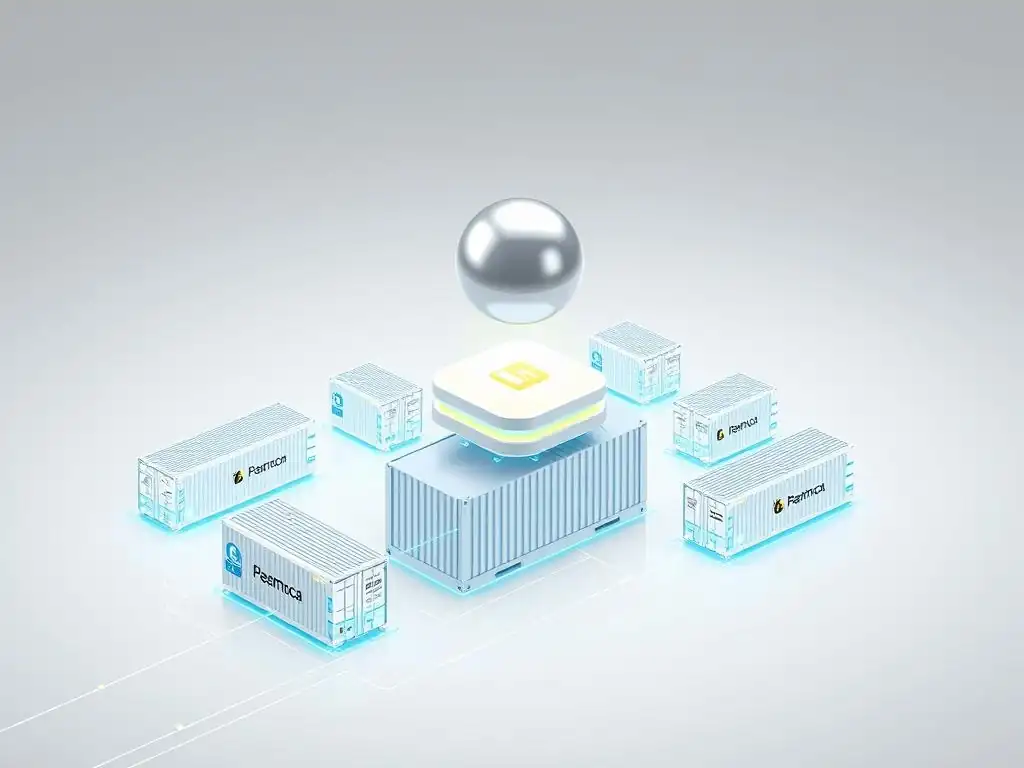
Robust data governance protocols are essential for any blockchain implementation, particularly in a highly regulated industry like pharmaceuticals. This involves defining clear rules and procedures for how data is entered, validated, accessed, and managed on the blockchain. It's crucial to determine which data points will be recorded on the ledger (e.g., serialization data, timestamps, location, change of custody) and who is responsible for submitting and verifying this data.
Defining access permissions is also a critical aspect of data governance in a permissioned blockchain. Different participants (manufacturers, distributors, regulators) will require varying levels of access to information. Establishing clear policies around data ownership, privacy (especially concerning patient data, which should not be stored on the blockchain but potentially linked via secure identifiers), and dispute resolution mechanisms is vital for maintaining trust and compliance within the network. Strong data governance underpins the reliability and effectiveness of blockchain pharma supply chain security.
Stakeholder Training and Education
Successful blockchain adoption requires significant training and education for all involved stakeholders across the supply chain. This includes internal teams within pharmaceutical companies, their supply chain partners, and potentially even regulatory bodies and healthcare providers. Participants need to understand how the blockchain system works, how to interact with it (e.g., scanning products, accessing data), the benefits it provides, and their specific roles and responsibilities within the new framework.
Training should cover the technical aspects of using the platform, the new processes enabled by blockchain, and the importance of data accuracy and integrity for maintaining the trustworthiness of the ledger. Addressing concerns about the technology and demonstrating its value in improving efficiency, compliance, and ultimately, patient safety, is crucial for gaining buy-in and ensuring smooth adoption. Effective training is a cornerstone for leveraging blockchain for pharma supply chain security effectively.
Case Studies: Successful Blockchain Implementations in the Pharmaceutical Industry
Tracking Pharmaceuticals from Manufacturing to Dispensing
Several initiatives have demonstrated the potential of blockchain in tracking pharmaceuticals across the supply chain. For instance, a pilot program involving major pharmaceutical companies and logistics providers successfully tracked prescription drugs from the point of manufacture through wholesale distribution to pharmacies. Each bottle was serialized, and every movement—from packaging lines to warehouse transfers and shipment deliveries—was recorded as a transaction on a permissioned blockchain network.
This pilot showed that the blockchain provided an immutable and transparent record of the product's journey, allowing participants to verify its location and status in near real-time. It significantly reduced the time required to trace a product back to its origin compared to traditional manual or disparate electronic systems. This enhanced traceability is a direct improvement in blockchain pharma supply chain security, making it much harder for illegitimate products to infiltrate the system unnoticed.
Preventing Illicit Drug Distribution
Blockchain is being explored as a tool to combat illicit drug distribution, including the diversion of controlled substances and the proliferation of counterfeit opioids. By creating an unbreakable chain of custody for regulated drugs, authorities and participants can monitor their movement more effectively. For example, a blockchain-based system could alert regulators or pharmacies if a large quantity of a controlled substance is shipped to an unusual location or if a product's reported destination doesn't match its historical record on the ledger.
A project focused on tracking controlled substances in a specific state or region could involve pharmacies scanning dispensed medications onto the blockchain, providing a verifiable record of the drug reaching the end-user. This provides greater visibility into the downstream supply chain, which is often a weak point, helping to identify potential diversion activities. While still in early stages for widespread implementation, these pilots highlight blockchain's potential to significantly enhance blockchain pharma supply chain security against illicit distribution.
Optimizing Temperature-Controlled Logistics
Maintaining the correct temperature for sensitive pharmaceuticals, such as vaccines and biologics, is critical for their efficacy and safety. Blockchain can be integrated with IoT (Internet of Things) sensors to provide a continuous, verifiable record of temperature conditions during transit and storage. IoT sensors placed within shipping containers or storage units can automatically record temperature data onto the blockchain at regular intervals.
This creates an immutable log of temperature fluctuations throughout the cold chain. If the temperature deviates from the required range, this event is recorded on the blockchain, immediately alerting relevant parties and providing an undeniable record for investigation or insurance claims. A pilot tracking vaccine shipments demonstrated how this integration could improve accountability and ensure product quality, enhancing blockchain pharma supply chain security specifically for temperature-sensitive goods. This combination of IoT and blockchain provides a level of transparency and verification previously difficult to achieve.
Challenges and Considerations for Blockchain Adoption in Pharma
Data Privacy
One of the primary challenges for blockchain adoption in the pharmaceutical industry is ensuring data privacy, particularly given the sensitive nature of health-related data and proprietary business information. While public blockchains raise significant privacy concerns due to their open nature, permissioned blockchains allow for controlled access. However, even on permissioned networks, careful consideration is needed regarding what data is stored on the ledger versus what is referenced via hashed links or off-chain storage.
Patient-specific data, governed by regulations like HIPAA in the US or GDPR in Europe, cannot be directly stored on the blockchain. Solutions must ensure that only anonymized or aggregated data, or cryptographically secure references, are placed on the chain, while sensitive personal health information remains secure in compliance with privacy laws.
Scalability
The pharmaceutical supply chain involves a vast volume of transactions and data, especially when tracking products at the individual package level. A blockchain network supporting this scale must be highly performant, capable of processing a large number of transactions per second without excessive latency or cost.
Early blockchain platforms faced limitations in scalability, which has been a barrier to enterprise-wide adoption. While newer permissioned blockchain platforms and layer-2 solutions offer improved scalability, it remains a critical factor to evaluate when selecting a technology and designing the network architecture to ensure it can handle the future growth and demands of blockchain pharma supply chain security across a global network.
Regulatory Compliance
Implementing blockchain solutions must align with existing and evolving regulatory requirements in the pharmaceutical industry. Regulations like the DSCSA in the US and the Falsified Medicines Directive (FMD) in Europe mandate specific requirements for serialization, traceability, and verification. While blockchain offers capabilities that can meet these requirements, the technology itself needs to be accepted and potentially endorsed by regulatory bodies.
Ensuring that the data stored on the blockchain is legally admissible and meets audit standards is crucial. Collaboration between industry players and regulators is necessary to establish clear guidelines and frameworks for using blockchain technology effectively while ensuring compliance and enhancing blockchain pharma supply chain security.
Implementation Costs
Implementing a blockchain solution for a complex global supply chain involves significant costs. These include the costs of developing or licensing the blockchain platform, integrating it with existing legacy systems, hardware and infrastructure expenses, data migration, and ongoing operational costs for network maintenance and governance. The initial investment can be substantial, particularly for large pharmaceutical companies and their numerous partners. Demonstrating a clear return on investment (ROI) based on reduced losses from counterfeiting and diversion, improved efficiency, and enhanced compliance is essential for justifying these costs and driving adoption of blockchain for pharma supply chain security.
The Future of Blockchain in Pharmaceutical Supply Chain Management
Integration with IoT and AI
The future of blockchain in the pharmaceutical supply chain will likely involve deeper integration with complementary technologies like the Internet of Things (IoT) and Artificial Intelligence (AI). IoT sensors can provide real-time data inputs to the blockchain regarding product location, temperature, humidity, and handling, creating a more dynamic and comprehensive traceability record. This combination is particularly valuable for monitoring the cold chain for sensitive biologics and vaccines.
AI can analyze the vast amounts of data collected on the blockchain to identify patterns, predict potential risks (such as likely points of diversion or potential quality deviations based on handling data), and optimize logistics. For instance, AI algorithms could flag suspicious transactions or anomalies on the blockchain that indicate potential fraud or tampering, enabling proactive intervention. This synergy of blockchain, IoT, and AI promises to create highly intelligent, automated, and secure pharmaceutical supply chains, significantly advancing blockchain pharma supply chain security.
Development of Industry Standards
For blockchain to achieve widespread adoption and interoperability across the global pharmaceutical supply chain, the development and adoption of industry-wide standards are essential. This includes standards for data formats, network protocols, identity management, and interoperability between different blockchain platforms or networks used by various stakeholders. Without common standards, different companies or consortia might develop incompatible blockchain solutions, creating new data silos instead of a unified, transparent ecosystem.
Industry consortia and standards bodies are actively working on defining these protocols. Establishing universal standards will facilitate seamless data exchange and collaboration among all supply chain participants, from small pharmacies to multinational manufacturers. This standardization is crucial for building a truly interconnected and resilient global pharmaceutical supply chain leveraging blockchain technology for enhanced blockchain pharma supply chain security.
Enhanced Collaboration
Blockchain technology inherently fosters collaboration by providing a shared, trusted platform for participants to exchange information and coordinate activities. The future will see enhanced collaboration among pharmaceutical companies, distributors, regulators, and healthcare providers on blockchain networks. This collaborative environment can lead to better information sharing, more efficient processes, and a collective approach to combating supply chain risks like counterfeiting and diversion.
Future blockchain networks might involve regulators having direct, real-time access to relevant, permissioned data on the chain, streamlining oversight and enforcement. Pharmaceutical companies could collaborate more effectively on track-and-trace initiatives or even share data related to product quality or adverse events in a secure and verifiable manner. This increased collaboration, facilitated by blockchain, will be key to building a more robust, transparent, and secure global pharmaceutical ecosystem, ultimately improving blockchain pharma supply chain security for the benefit of patients worldwide.
Conclusion: Building a More Secure and Resilient Pharma Supply Chain with Blockchain
Leveraging Blockchain for a Safer Pharmaceutical Ecosystem
The pharmaceutical supply chain faces persistent threats from counterfeiting, diversion, and a general lack of transparency that endanger public health. Traditional systems, often reliant on manual processes and fragmented data, are ill-equipped to provide the necessary level of security and resilience. Blockchain technology offers a transformative solution by providing an immutable, transparent, and distributed ledger that can track pharmaceuticals with unprecedented accuracy from their point of origin to the patient.
By enabling end-to-end traceability, enhancing visibility, and creating tamper-proof records, blockchain directly addresses key vulnerabilities in the pharma supply chain. It empowers stakeholders to verify product authenticity instantly, significantly hinders the infiltration of counterfeit drugs, and provides robust audit trails for regulatory compliance. While challenges related to data privacy, scalability, and integration exist, ongoing advancements and collaborative efforts are paving the way for wider adoption of blockchain for pharma supply chain security.
The Long-Term Impact on Pharma Supply Chain Integrity
The long-term impact of blockchain on pharmaceutical supply chain integrity is poised to be profoundly positive. As the technology matures and adoption increases, the industry can expect a significant reduction in the circulation of counterfeit and substandard drugs, leading to improved patient safety and outcomes. Enhanced transparency and traceability will build greater trust among consumers, healthcare providers, and regulators regarding the authenticity and quality of medications.
Furthermore, a blockchain-enabled supply chain will be more efficient, resilient, and capable of responding effectively to disruptions. The ability to quickly trace and recall affected products in the event of a quality issue or security breach will minimize harm and financial losses. Ultimately, leveraging blockchain for pharma supply chain security is not just about implementing a new technology; it's about building a safer, more reliable, and more ethical system for delivering essential medicines to those who need them, ensuring the integrity of the pharmaceutical ecosystem for years to come.
Frequently Asked Questions
How does blockchain technology enhance security in the pharmaceutical supply chain?
Blockchain provides an immutable and transparent ledger, making it exceptionally difficult to counterfeit or tamper with pharmaceuticals. This enhanced traceability allows for quick identification and removal of fraudulent products. It also reduces the risk of diversion.
What are the key benefits of implementing blockchain in the pharma supply chain?
Implementing blockchain leads to improved product authentication, increased supply chain visibility, and reduced instances of counterfeit drugs. This results in greater consumer trust and regulatory compliance.
What are the main challenges associated with adopting blockchain for pharma supply chain security?
Scalability, interoperability with existing systems, and the need for industry-wide collaboration are significant challenges. Additionally, data privacy concerns under regulations like GDPR must be addressed carefully during implementation.
How can blockchain help with traceability in the pharmaceutical supply chain?
Blockchain creates a complete audit trail of a drug's journey from manufacturer to consumer. Each transaction is recorded on the blockchain, allowing for real-time tracking and verification of authenticity at every stage.
What is the role of smart contracts in securing the pharma supply chain using blockchain?
Smart contracts can automate processes like verifying product authenticity, managing temperature control compliance, and triggering alerts upon detection of anomalies. This automation enhances security and efficiency.
Final Reflection: Securing the Future of Pharma with Blockchain
The vulnerabilities exposed within pharmaceutical supply chains, as highlighted throughout this article, are not merely theoretical concerns; they represent a tangible threat to global health and economic stability. The potential for counterfeit drugs, compromised quality, and inefficient distribution demands immediate and innovative solutions, making the exploration of blockchain technology not just relevant, but absolutely critical in today's interconnected world.
The promise of blockchain to revolutionize pharma supply chain security extends far beyond simple tracking and tracing. It offers a fundamental shift in trust and transparency, impacting everything from patient safety to brand integrity. Witnessing the potential of this technology to combat the devastating effects of counterfeit medications has been profoundly impactful, reinforcing the urgency of widespread adoption. The chain of custody is only as strong as its weakest link. Blockchain offers the potential to fortify every link, creating an unassailable defense against fraud and inefficiency.
This sentiment underscores the transformative power blockchain holds for the future of pharmaceutical integrity.
As you reflect on the potential of blockchain to fortify the pharmaceutical supply chain, consider the role you can play in fostering its adoption. Whether you are a healthcare professional, a technology enthusiast, or simply a concerned citizen, your awareness and advocacy can contribute to a future where medications are safer, more accessible, and more trustworthy. Embrace the possibilities, explore the potential, and become a champion for a more secure and resilient pharmaceutical landscape for all.
Fortify Your Pharma Supply Chain Today!
Thank you for exploring how blockchain can revolutionize your approach to risk management in the pharmaceutical supply chain. Now that you’re equipped with this information, it’s time to take action.
Start by assessing your current supply chain for vulnerabilities and pinpoint areas where blockchain technology could make a meaningful difference. Conduct research on successful blockchain implementations within the pharmaceutical industry to gather insights and best practices from those who have already paved the way. Additionally, share this article with colleagues and industry peers to foster collaboration and build a more transparent, resilient supply chain.
What specific risk management challenge in your pharma supply chain do you think blockchain could most effectively address, and what first steps will you take to explore this innovative solution?
Leave a Reply