
Joining a Consortium Blockchain: Membership, Governance, and Benefits


Welcome to Blockchain Trends, your compass in the ever-evolving world of decentralized innovation. Beyond the headlines, we delve into the real-world applications of blockchain technology. Are you ready to unlock the strategic advantages of collaborative blockchain ecosystems? This article explores the core of Blockchain consortium membership benefits, revealing how joining a consortium can propel your organization into the future. Discover the power of shared resources and strategic partnerships – the possibilities might surprise you...
- Joining a Consortium Blockchain: Membership, Governance, and Benefits
- Membership in a Consortium Blockchain: Entry and Requirements
- Governance Models in Consortium Blockchains
-
Blockchain Consortium Membership Benefits: A Deep Dive
- Enhanced Data Security and Privacy within the Consortium
- Improved Efficiency and Cost Reduction Through Shared Infrastructure
- Collaboration and Knowledge Sharing Among Members
- Increased Trust and Transparency in Business Transactions
- Access to New Markets and Business Opportunities
- Streamlined Regulatory Compliance through Consortium Standards
- Real-World Examples of Successful Consortium Blockchains
- Overcoming Challenges in Consortium Blockchain Adoption
- The Future of Consortium Blockchains: Trends and Predictions
- Maximizing the Value of Blockchain Consortium Membership
-
Frequently Asked Questions
- What are the primary benefits of blockchain consortium membership?
- How does blockchain consortium membership impact an organization's governance?
- What types of organizations typically benefit most from joining a blockchain consortium?
- What are the key considerations before committing to a blockchain consortium membership?
- How does blockchain consortium membership help with regulatory compliance?
- Final Reflection: Embracing Collaborative Trust
- Unlock Your Blockchain Potential: Connect & Contribute!
Joining a Consortium Blockchain: Membership, Governance, and Benefits
What is a Consortium Blockchain? A Definition
A consortium blockchain represents a hybrid approach, combining elements of both public and private blockchain networks. It is a permissioned blockchain where the consensus process is controlled by a pre-selected set of nodes, typically operated by a group of organizations or businesses. Unlike public blockchains like Bitcoin or Ethereum, which are open to anyone, participation in a consortium blockchain is restricted to members of the consortium. These members collaboratively define the rules, governance, and access rights of the network.
This model is particularly suited for industries or groups of companies that need a shared, immutable ledger but require more control, privacy, and performance than a public network can offer. The founding members establish the network, invite other participants based on predefined criteria, and collectively manage the network's operation and evolution. This shared ownership and responsibility differentiate it significantly from a private blockchain, which is typically controlled by a single entity.
Key Characteristics of Consortium Blockchains
Consortium blockchains are defined by several core characteristics that distinguish them from other blockchain types. Firstly, they are permissioned networks, meaning participants must be verified and granted access by the consortium's governing body. This contrasts with public, permissionless networks where anyone can join. Secondly, consensus is reached through a process controlled by a limited, known set of participants, often using algorithms like Proof-of-Authority (PoA) or variations of Practical Byzantine Fault Tolerance (PBFT), which offer high transaction throughput.
Thirdly, data visibility can be configured to be restricted, allowing members to share information only with specific parties within the network, ensuring privacy for sensitive business data. For example, in a supply chain consortium, a manufacturer might share detailed production data only with their direct suppliers and distributors, not the entire network. Finally, consortium blockchains typically offer higher performance (transactions per second) and lower transaction costs compared to public blockchains, as the network is smaller and consensus participants are fewer and known.
Consortium Blockchain vs. Public and Private Blockchains: A Comparison
Comparing consortium, public, and private blockchains highlights their distinct use cases and trade-offs. Public blockchains (e.g., Bitcoin, Ethereum) offer maximum decentralization, transparency, and censorship resistance, but often struggle with scalability, transaction speed, and cost, and lack privacy for transaction details. They are ideal for applications requiring trustless interaction among unknown parties.
Private blockchains are controlled by a single entity which dictates participation and runs the consensus mechanism. They offer high performance, scalability, and privacy but sacrifice decentralization and trust, as the controlling entity holds significant power. They are suitable for internal enterprise use cases. Consortium blockchains sit in the middle: they are more decentralized than private chains (multiple controlling entities) but less so than public chains. They offer a balance of control, privacy, performance, and a degree of decentralization, making them suitable for inter-organizational collaboration where trust is required among known parties.
Membership in a Consortium Blockchain: Entry and Requirements
Applying for Membership: The Application Process
Joining a consortium blockchain typically involves a formal application process. This process is designed to vet potential members and ensure they meet the consortium's established criteria for participation. It often begins with an expression of interest, followed by submitting a detailed application form. This form usually requires information about the applicant's organization, its business activities, technical capabilities, and how it intends to leverage the consortium network.
The application is then reviewed by the consortium's membership committee or governing body. This review assesses the applicant's suitability based on factors like industry relevance, reputation, financial stability, and technical readiness. There may be interviews or presentations required as part of the evaluation. Upon approval, the applicant signs legal agreements outlining their rights, responsibilities, and obligations as a member, including technical integration requirements and potentially membership fees.
Eligibility Criteria for Joining a Consortium Blockchain
Eligibility criteria for joining a consortium blockchain vary depending on the specific consortium's goals and industry focus. Common criteria include being a legally registered entity operating within a relevant industry sector. For instance, a trade finance consortium might require applicants to be licensed financial institutions or established corporations involved in international trade. Technical capability is also a key requirement; applicants must demonstrate the ability to integrate with the network's technology stack, often requiring dedicated IT resources and infrastructure.
Financial requirements are frequently part of the criteria, involving membership fees or contributions to the consortium's operating costs. These fees can range significantly, from a few thousand dollars annually for smaller consortiums to potentially hundreds of thousands or millions for large-scale enterprise networks like some instances of Hyperledger Fabric deployments involving major corporations. Members are expected to adhere to the consortium's rules, governance framework, and contribute to the network's growth and stability.
KYC/AML Compliance in Consortium Networks
Know Your Customer (KYC) and Anti-Money Laundering (AML) compliance are crucial aspects of operating a permissioned network like a consortium blockchain, especially in regulated industries such as finance or healthcare. Before an organization is granted membership, the consortium typically performs rigorous KYC checks to verify its identity, legal status, and beneficial ownership. This process is similar to due diligence conducted by banks or financial institutions for their clients.
Furthermore, ongoing monitoring for AML purposes may be required. While the transactions on the blockchain itself might be pseudonymous or restricted in visibility, the identities of the participants are known and verified. This allows the consortium to ensure that all members are legitimate entities and are not involved in illicit activities. This layer of identity verification at the entry point is a key feature that enhances trust and regulatory compliance within a consortium network, contrasting sharply with the anonymity often found in public blockchains.
Hyperledger Fabric Membership Requirements
Hyperledger Fabric, a popular framework for developing enterprise consortium blockchains, illustrates typical membership requirements. While Fabric itself is a framework, specific consortiums built on it define their own rules. Generally, organizations wishing to join a Fabric-based network need to operate and manage one or more 'peers' – nodes that participate in the network, execute smart contracts (chaincode), and validate transactions. This requires significant technical infrastructure and expertise.
Membership also necessitates obtaining a digital certificate from the network's Membership Service Provider (MSP), which authenticates the organization's identity and defines its permissions within the network. Furthermore, members must agree to the consortium's governance policies, including rules around transaction endorsement, consensus participation, and data sharing. For example, in a supply chain network built on Fabric, participants might need to agree on specific data formats for logistics information and commit to maintaining a certain level of uptime for their peer nodes to ensure network reliability.
Governance Models in Consortium Blockchains
Defining Governance in a Consortium Network
Governance in a consortium blockchain refers to the set of rules, processes, and structures by which the network is managed, maintained, and evolved. Unlike public blockchains where governance might be primarily driven by protocol rules and community consensus (often debated on forums and implemented through code changes), consortium governance is explicitly defined and managed by the member organizations. It covers critical aspects such as adding or removing members, updating the protocol or smart contracts, handling disputes, managing network fees (if any), and responding to security incidents.
Effective governance is paramount for the success and sustainability of a consortium. It ensures that the network operates according to agreed-upon principles, that decisions are made transparently, and that the interests of the member organizations are balanced. Without a clear and robust governance framework, disagreements among members can lead to stagnation, forks, or the eventual collapse of the consortium.
Consortium blockchains often employ governance models that align with their permissioned nature and the need for known, trusted participants to manage the network. Two common consensus mechanisms that influence governance are Proof-of-Authority (PoA) and Raft. In a PoA model, consensus is reached by approved 'authorities' – member nodes explicitly designated and verified by the consortium. These authorities validate transactions and create new blocks. Governance in a PoA network involves the process by which these authorities are selected, managed, and potentially replaced by the consortium members.
Raft is a consensus algorithm often used in systems requiring a leader-based approach, suitable for some consortium architectures. It ensures that decisions are replicated across a set of state machines. While primarily a consensus algorithm, its implementation within a blockchain framework influences governance by defining how leader nodes are elected and how agreement is reached among a fixed set of participants. Governance decisions about the network itself (e.g., code updates) would still typically be made outside the Raft algorithm but enforced by the participants running it.
Voting Mechanisms and Decision-Making Processes
Decision-making within a consortium blockchain is typically formalized through voting mechanisms. These mechanisms allow members to collectively decide on proposals related to network upgrades, rule changes, membership applications, and budget allocation. Voting power can be allocated in different ways: it might be one-member-one-vote, or it could be weighted based on factors such as the size of the organization, its contribution to the network (e.g., number of nodes run), or its financial stake.
Proposals are usually submitted by members and then undergo a review period before being put to a vote. A predefined threshold, such as a simple majority (51%), a supermajority (e.g., 66% or 75%), or even unanimous consent, is required for a proposal to pass. The specific voting mechanism and required threshold are critical components of the consortium's governance model, designed to ensure fairness and prevent any single member or small group from dominating decisions.
The Role of Governance in Network Security and Stability
Governance plays a critical role in maintaining the security and stability of a consortium blockchain. The governance framework dictates processes for responding to security threats, managing network upgrades to patch vulnerabilities, and handling situations like node failures or malicious activity by a member. For instance, if a member's node is compromised, governance procedures outline how this is detected, how the node is isolated, and what steps are taken to rectify the situation and potentially penalize or remove the member.
Furthermore, governance ensures that network parameters, such as transaction throughput limits or block sizes, are adjusted collectively to maintain stability and performance as the network grows. It also provides a framework for resolving disputes among members, preventing internal conflicts from disrupting network operations. Robust governance instills confidence among members and external stakeholders regarding the network's reliability and security posture.
Corda Governance Model
R3 Corda, designed specifically for financial services and other industries requiring high levels of privacy and regulation, has a distinct governance model. Corda networks typically involve a 'Network Operator' and 'Notaries'. The Network Operator manages the identity and permissioning layer, onboarding participants (known as 'CorDapps'), and publishing network parameters. Governance decisions regarding the overall network rules, technical standards, and operator responsibilities are often determined by a consortium of members who oversee the Network Operator.
Notaries in Corda provide transaction uniqueness consensus, preventing double-spending. While technically part of the consensus mechanism, the selection, operation, and oversight of Notaries are also subject to the consortium's governance rules. Members agree upon the criteria for Notary selection and the processes for ensuring their trustworthiness. This multi-layered governance structure in Corda, involving oversight of the operator and the notaries by the member consortium, is tailored to meet the stringent requirements of regulated environments.
Blockchain Consortium Membership Benefits: A Deep Dive
Enhanced Data Security and Privacy within the Consortium
One of the significant blockchain consortium membership benefits is enhanced data security and privacy compared to public blockchains or traditional centralized systems. Within a consortium, access to the network and its data is restricted to verified members. Unlike public ledgers where transactions are visible to all, consortium networks can be configured to limit data visibility based on predefined permissions. For example, using technologies like channels in Hyperledger Fabric or states and contracts in Corda, members can share sensitive information only with relevant parties on a need-to-know basis, rather than broadcasting it to the entire network.
This permissioning model drastically reduces the risk of data exposure to unknown or untrusted entities. Furthermore, the distributed nature of the ledger means there is no single point of failure that an attacker could target to compromise all data, unlike a centralized database. While not as transparent as public blockchains, the immutability of the ledger provides a high degree of data integrity, ensuring that once data is recorded, it cannot be altered without detection, further enhancing security.
Joining a blockchain consortium offers members the advantage of improved efficiency and cost reduction through shared infrastructure. Instead of each company building and maintaining its own proprietary system for inter-organizational processes (like supply chain tracking, trade finance settlements, or healthcare data exchange), members share a common, distributed ledger infrastructure. This eliminates the need for costly point-to-point integrations between multiple parties, reducing integration time and expense.
Automating processes via smart contracts on the shared ledger also cuts down on manual effort, paperwork, and reconciliation costs. For instance, a report on a trade finance consortium suggested potential reductions in processing time from days to hours, leading to significant operational cost savings. By collectively funding and maintaining the network infrastructure, the individual cost burden on each member is also typically lower than if they were to build a similar network alone. These operational efficiencies contribute directly to the overall blockchain consortium membership benefits.
Collaboration and Knowledge Sharing Among Members
A key, often intangible, blockchain consortium membership benefit is the opportunity for enhanced collaboration and knowledge sharing among industry peers. By working together to build and govern a shared network, member organizations develop deeper relationships and a common understanding of industry challenges and opportunities. This collaborative environment fosters innovation, allowing members to jointly develop new applications (CorDapps, chaincode) and standards on the platform.
Members can share best practices, technical expertise, and lessons learned from implementing and using the blockchain technology. This collective intelligence accelerates the adoption curve for all participants. For example, members might collaborate on defining standard data schemas for invoices or shipping documents, simplifying inter-company processes across the network. This shared vision and cooperative development approach can lead to faster innovation cycles and the creation of new business models that would be difficult for a single company to achieve alone.
Increased Trust and Transparency in Business Transactions
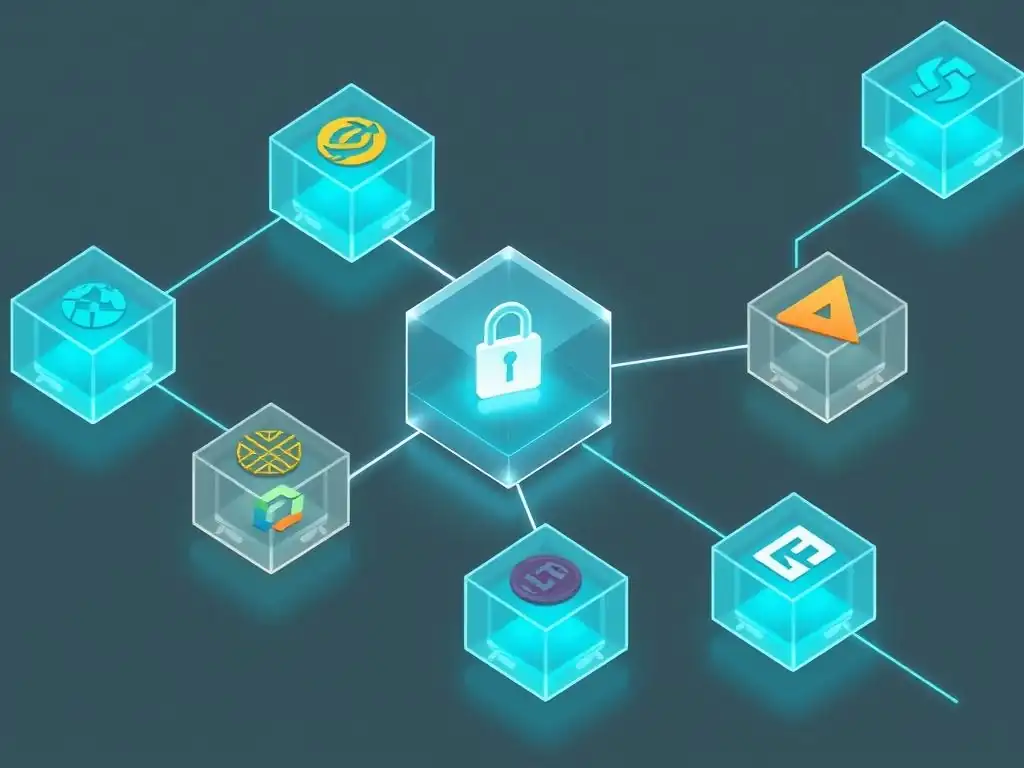
Within the defined scope and permissioning of the network, consortium blockchains can significantly increase trust and transparency in business transactions between members. Because all relevant parties have access to the shared, immutable ledger (based on their permissions), there is a single source of truth for transaction data. This eliminates discrepancies that often arise when relying on disparate, siloed databases maintained by each party.
For example, in a cross-border payment consortium, all involved banks would see the same transaction record simultaneously, reducing errors and disputes. While not fully transparent to the public, the transparency among verified consortium members builds confidence and reduces the need for intermediaries solely for verification. This increased trust among known business partners is a core advantage and a significant blockchain consortium membership benefit, streamlining complex multi-party workflows.
Access to New Markets and Business Opportunities
Joining an established or emerging consortium blockchain can provide members with access to new markets and business opportunities. Consortiums often act as ecosystems, connecting organizations that might not have otherwise collaborated. By being part of the network, members gain direct access to potential business partners, suppliers, and customers already participating in the consortium.
Furthermore, the shared infrastructure and standardized processes within the consortium can lower the barrier to entry for conducting business with other members, facilitating expansion into new geographical regions or product lines. New applications built on the consortium platform might also create entirely new revenue streams or business models. The network effect within a successful consortium can unlock significant growth potential for its members, highlighting the strategic blockchain consortium membership benefits.
Streamlined Regulatory Compliance through Consortium Standards
For organizations operating in heavily regulated industries, streamlined regulatory compliance is a crucial blockchain consortium membership benefit. Consortiums can work together to define and implement standards and processes on the blockchain that inherently meet regulatory requirements. For instance, a financial services consortium might build KYC/AML checks directly into the membership and transaction processes, making compliance easier for all participants.
The immutable nature of the ledger also provides a robust audit trail, which is invaluable for regulatory reporting and compliance audits. By agreeing on common data standards and transaction protocols within the consortium, members can ensure consistency and accuracy in the data shared with regulators. This collective approach to compliance within the shared network can reduce individual compliance burdens and costs for member organizations.
Real-World Examples of Successful Consortium Blockchains
TradeLens: Supply Chain Consortium Blockchain
TradeLens, a platform jointly developed by Maersk and IBM, is a prominent example of a successful consortium blockchain in the supply chain industry. Launched in 2018, it aimed to provide a single, secure source of truth for shipping data across the global supply chain ecosystem. The consortium includes ocean carriers, ports and terminals, inland transportation providers, customs authorities, and logistics companies. Members contribute data related to shipments, which is then shared on the permissioned network according to predefined rules and permissions.
The platform utilizes Hyperledger Fabric technology. Key benefits for TradeLens members reportedly include reduced administrative costs due to digitized documentation, improved visibility into cargo movements across the supply chain, and faster processing times for customs clearance and cargo release. While exact figures vary by member, reports suggested reductions in document processing time from days to minutes for certain tasks. The network effect grew as more participants joined, enhancing the value proposition for all members involved in the complex logistics chain.
MediBloc: Healthcare Consortium Blockchain
MediBloc is an example of a consortium blockchain focused on the healthcare sector, specifically in South Korea. It aims to build a decentralized healthcare information platform where patients can manage and control their own medical data. The consortium involves hospitals, clinics, insurance companies, and other healthcare providers who contribute and access patient data on the permissioned network with explicit patient consent.
The platform utilizes a variation of PBFT consensus. For healthcare providers, membership benefits include secure and efficient sharing of patient records (with consent), reducing administrative overhead and improving the accuracy of patient histories. Patients, while not 'members' in the same sense as organizations, benefit from greater control over their data and potentially better-coordinated care. The consortium structure ensures that only authorized and verified healthcare entities can participate, addressing critical privacy and compliance requirements like HIPAA-like regulations.
R3 Corda: Financial Services Consortium Blockchain
R3 Corda is less a single consortium and more a platform used to build numerous consortiums, primarily in the financial services industry. Developed by a consortium of banks, R3 provides the Corda platform for creating permissioned networks among financial institutions and other enterprises. Examples of consortiums built on Corda include those focused on trade finance (e.g., Contour, formerly known as essDOCS's project), insurance, and identity management.
Financial institutions joining a Corda-based consortium benefit from streamlined interbank processes, reduced counterparty risk, and automation of complex financial agreements using CorDapps (smart contracts). For example, a trade finance consortium on Corda allows multiple banks involved in a transaction to share and update information on a common ledger in real-time, significantly reducing the time and cost associated with traditional paper-based processes and reconciliation. One reported project saw the time taken for letter of credit transactions reduced from 5-10 days to under 24 hours.
Analyzing the Benefits Achieved by Consortium Members
Analyzing the performance of consortiums like TradeLens, MediBloc, and those built on R3 Corda confirms the theoretical blockchain consortium membership benefits. TradeLens demonstrated tangible improvements in supply chain visibility and efficiency. MediBloc highlighted enhanced patient data control and secure sharing among verified parties in healthcare. Corda-based networks have shown significant reductions in transaction processing times and costs within financial workflows.
These examples illustrate that the benefits are not merely hypothetical. They translate into real-world advantages such as operational cost savings (e.g., reduced paperwork, less reconciliation), increased revenue opportunities (e.g., faster transaction settlement leading to quicker access to funds), improved risk management (e.g., immutable audit trails, reduced fraud), and enhanced customer or partner satisfaction (e.g., greater transparency, faster service). The success stories underscore the value proposition of joining a relevant consortium blockchain.
Overcoming Challenges in Consortium Blockchain Adoption
Addressing Data Silos and Interoperability Issues
One significant challenge in consortium blockchain adoption is addressing pre-existing data silos within member organizations and ensuring interoperability. Companies often have their data stored in legacy systems that are not easily integrated with a new blockchain platform. Getting data onto the blockchain correctly and consistently requires substantial effort in data cleansing, standardization, and building integration layers.
Furthermore, ensuring interoperability between different consortiums or with public networks remains a challenge. While a consortium solves data silos among its members on that specific network, businesses often interact with entities outside the consortium or participate in multiple networks. Developing standards and technical solutions for cross-chain communication and data exchange is an ongoing area of development. Consortiums must invest in robust integration strategies and potentially adopt middleware or interoperability protocols to connect their blockchain with existing enterprise systems and other networks.
Ensuring Scalability and Performance of the Network
While generally more performant than public blockchains, ensuring the scalability and performance of a consortium network as membership and transaction volume grow is another key challenge. The chosen consensus mechanism, network architecture, and underlying infrastructure must be capable of handling increasing loads without significant latency or degradation in throughput. For example, a network designed for 10 members and 100 transactions per second might struggle when it grows to 100 members and 1000 transactions per second.
Scaling requires careful planning, potentially involving sharding techniques, optimizing smart contract execution, and ensuring members' infrastructure can support the required transaction volume. The governance model must also facilitate timely decisions on network upgrades and scaling strategies. Performance benchmarks and ongoing monitoring are essential to identify bottlenecks and proactively address scalability limits before they impact member operations.
Managing Competing Interests Among Members
A fundamental challenge in consortium governance is managing the potentially competing interests among member organizations. While members share a common goal in establishing and operating the blockchain network, they are also independent businesses with their own strategic priorities, market positions, and competitive pressures. Disagreements can arise regarding the network's roadmap, feature prioritization, resource allocation, membership criteria, or even the distribution of costs and benefits.
Effective governance structures, clear decision-making processes (like well-defined voting mechanisms), and a commitment to transparency and open communication are crucial for navigating these conflicts. A neutral governing body or independent chair can help mediate disputes. Building consensus requires compromise and a focus on the collective long-term value the consortium provides to all participants, ensuring that the blockchain consortium membership benefits are realized by the group, not just a few dominant players.
Legal and Regulatory Considerations for Consortiums
Navigating the complex legal and regulatory landscape is a significant hurdle for consortium blockchains. The regulatory treatment of blockchain technology varies widely across jurisdictions and industries. Consortiums must grapple with issues like data privacy regulations (e.g., GDPR), securities law (if tokens are involved), industry-specific regulations (e.g., financial, healthcare), and the legal status of smart contracts.
Establishing clear legal agreements among members, defining liability in case of network failure or data breaches, and ensuring the network's design complies with relevant laws are critical. This often requires extensive legal counsel and ongoing engagement with regulatory bodies. The governance model must include processes for adapting to evolving legal and regulatory requirements, which can be challenging when coordinating multiple organizations across different jurisdictions.
Interoperability Solutions
Addressing interoperability is vital for the long-term success of consortium blockchains. Solutions include developing industry-wide standards for data formats and APIs that facilitate communication between different blockchain networks and legacy systems. Projects like the Interledger Protocol or initiatives focusing on cross-chain atomic swaps represent efforts to enable value and data transfer between disparate ledgers.
Another approach involves building middleware or integration layers that sit between enterprise systems and the blockchain, translating data into the required format and managing interactions. Some consortiums may also explore connecting to public networks via oracles for accessing external data or potentially leveraging public chains for specific functions while keeping core business logic on the permissioned network. The development and adoption of common interoperability standards and technologies are crucial steps towards a more connected blockchain ecosystem, enhancing the value of blockchain consortium membership benefits by allowing participation in a wider network of networks.
The Future of Consortium Blockchains: Trends and Predictions
Increased Adoption Across Various Industries
The future likely holds increased adoption of consortium blockchains across a wider range of industries beyond the early adopters like finance and supply chain. As the technology matures and successful case studies become more prevalent, more industries are recognizing the value of collaborative, permissioned networks for specific use cases. We can expect to see growth in areas like healthcare (for data sharing and claims processing), insurance (for claims management and subrogation), energy (for grid management and trading), and government services (for identity management and record keeping).
The need for secure, efficient, and transparent collaboration among known entities in complex ecosystems is a powerful driver for this trend. As regulatory clarity improves in various sectors, it will further pave the way for consortium blockchain deployments. The focus will continue to be on solving specific business problems that require multi-party coordination and trust.
Integration with Other Emerging Technologies (e.g., AI, IoT)
Consortium blockchains are poised for increased integration with other emerging technologies, such as Artificial Intelligence (AI) and the Internet of Things (IoT). IoT devices can serve as data sources, automatically feeding real-time data (e.g., location, temperature, sensor readings) onto the immutable ledger within a supply chain or logistics consortium. This provides verifiable, tamper-evident data streams for tracking assets or monitoring conditions.
AI can be used to analyze the vast amounts of data recorded on consortium blockchains, identifying patterns, anomalies, or optimizing processes based on historical transaction data. For example, AI could analyze trade finance transaction data on a consortium network to detect fraudulent activities or assess credit risk more effectively. The combination of verifiable data on a blockchain with the analytical power of AI and the real-time input from IoT devices creates powerful potential for automation, insights, and new business models within consortium networks.
Evolution of Governance Models and Membership Structures
Governance models and membership structures in consortium blockchains are expected to evolve. As consortiums grow and mature, their initial governance frameworks may need to become more sophisticated to handle a larger, more diverse membership. This could involve the introduction of more formal organizational structures, specialized committees for different functions (technical, legal, membership), and potentially more dynamic or token-based voting mechanisms, although purely decentralized governance like DAOs is less likely in heavily regulated enterprise consortiums.
Membership structures may also become more flexible, potentially including tiered membership levels with varying degrees of access, rights, and obligations. We might see the emergence of 'network participants' who use the network but are not full governing members. These evolutions will aim to make consortiums more scalable, adaptable, and inclusive while maintaining the necessary level of control and security for enterprise use cases.
The Role of Consortium Blockchains in the Decentralized Web
Consortium blockchains will play a significant, though distinct, role in the broader vision of the decentralized web (Web3). While public blockchains form the foundation of permissionless decentralization, consortiums contribute to the permissioned layer necessary for enterprise and inter-organizational applications. They provide a framework for businesses to transition from siloed, centralized systems to a more distributed architecture while meeting requirements for identity, privacy, and regulation.
Consortiums can interact with public networks where appropriate, for instance, by anchoring data hashes on a public chain for enhanced auditability or using public network tokens for settlement. They represent a pragmatic step towards decentralization for industries requiring control and privacy. Their future role lies in enabling trusted, efficient, and collaborative business processes within defined ecosystems, complementing the open, permissionless innovation occurring on public blockchains.
Maximizing the Value of Blockchain Consortium Membership
Strategic Considerations for Joining a Consortium
Before joining a consortium blockchain, organizations must undertake careful strategic considerations to maximize the potential blockchain consortium membership benefits. Firstly, clearly define the business problem you aim to solve or the opportunity you want to capture by joining. Ensure the consortium's goals, technology, and existing membership align with your strategic objectives. Evaluate the potential ROI, considering membership fees, integration costs, and expected operational efficiencies or new revenue streams.
Assess the consortium's maturity, governance structure, and the reputation of its members. A well-governed, active consortium with committed participants is more likely to succeed. Consider the technical feasibility of integrating your existing systems with the consortium's platform and the resources required for ongoing participation. Finally, understand the legal and regulatory implications of joining the specific network.
Actively Participating in the Consortium's Governance
To truly maximize blockchain consortium membership benefits, passive participation is insufficient. Members should actively engage in the consortium's governance processes. This means attending governance meetings, reviewing proposals, and exercising your voting rights. Active participation ensures that your organization's interests and perspectives are represented in decision-making processes regarding network rules, upgrades, and future direction.
Contributing to governance also provides valuable insights into the consortium's operations, challenges, and opportunities. It allows members to influence the network's evolution to better serve their specific needs and the needs of the broader industry. Engaged members can help shape policies that ensure fairness, transparency, and the long-term health of the network.
Contributing to the Development of Consortium Standards
Contributing to the development and refinement of consortium standards is another critical way to enhance the value derived from membership. Standards related to data formats, transaction protocols, security practices, and smart contract interfaces are essential for the network's interoperability and efficiency. By participating in working groups and committees focused on standards, members can ensure that these standards meet their operational requirements and align with industry best practices.
Shape the rules that govern data exchange and process automation on the network. This can lead to more efficient integrations, reduced errors, and a more robust platform for everyone. Contributing expertise helps build a stronger, more valuable network, amplifying the blockchain consortium membership benefits for all involved.
Leveraging the Consortium for Business Innovation and Growth
Finally, maximizing the value of blockchain consortium membership involves actively leveraging the network for business innovation and growth. Explore how the shared infrastructure and collaborative environment can enable new business models, improve existing processes, or create new products and services. This could involve developing new applications (CorDapps, chaincode) on the platform that automate multi-party workflows specific to your business needs.
Utilize the network to gain better visibility into your supply chain, streamline trade finance processes, improve data sharing with partners, or access new markets. The consortium provides a platform for secure, efficient interaction with industry peers. Proactively seeking ways to integrate the blockchain into your core business strategy and operations is key to realizing the full potential of joining a consortium.
Frequently Asked Questions
What are the primary benefits of blockchain consortium membership?
Consortium membership offers shared resources, like infrastructure and development, reducing individual costs. It also fosters industry collaboration to establish common standards and best practices. This leads to increased trust and efficiency.
How does blockchain consortium membership impact an organization's governance?
Membership typically involves participation in a governance structure, influencing the consortium's direction. This allows organizations to shape the blockchain's development to meet their specific needs. It also ensures fair and transparent decision-making.
What types of organizations typically benefit most from joining a blockchain consortium?
Organizations in highly regulated industries or those requiring interoperability between different entities often benefit most. This includes sectors like supply chain, finance, and healthcare, where data sharing and trust are crucial.
What are the key considerations before committing to a blockchain consortium membership?
Before joining, assess the consortium's governance model, technological roadmap, and membership fees. Evaluate whether the consortium's objectives align with your organization's strategic goals and resources. Consider the potential risks and benefits carefully.
How does blockchain consortium membership help with regulatory compliance?
Consortia can help members navigate complex regulatory landscapes by establishing industry-wide standards. This can simplify compliance efforts and reduce the risk of regulatory violations. Sharing compliance resources also lowers individual burdens.
Final Reflection: Embracing Collaborative Trust
The exploration of consortium blockchains reveals a powerful paradigm shift in how we approach trust and collaboration in the digital age. The promise of shared governance and tangible benefits, as outlined in this article, is not merely theoretical; it represents a fundamental reimagining of how organizations can leverage blockchain technology to achieve collective goals. The potential for increased efficiency, enhanced security, and streamlined processes is driving a surge in interest, making understanding blockchain consortium membership benefits more crucial than ever.
The impact of consortium blockchains extends far beyond individual organizations, influencing the very fabric of industries and supply chains. Witnessing the evolution of these collaborative networks firsthand underscores the importance of adaptability and a willingness to embrace new models of trust. The strength of the pack is the wolf, and the strength of the wolf is the pack.
This ancient proverb resonates deeply with the core principles of consortium blockchains, highlighting the power of collective action and shared responsibility.
Now, as you consider the potential of consortium blockchains, I invite you to reflect on your own role in shaping the future of decentralized collaboration. What opportunities exist within your organization or industry to leverage the power of shared governance and mutual benefit? Embrace the challenge of exploring blockchain consortium membership benefits and contribute to building a more transparent, efficient, and trustworthy future for all.
Okay, I'm ready to write a Call to Action for an article titled "Joining a Consortium Blockchain: Membership, Governance, and Benefits" for the website "Blockchain Trends" (blockchaintrends.org). Here's my attempt:
Unlock Your Blockchain Potential: Connect & Contribute!
Thank you for exploring the world of consortium blockchains with us! We hope you now have a better understanding of the benefits and considerations involved in becoming a member. Ready to take the next step?
Here's how you can deepen your understanding and involvement:
- Apply for membership to a consortium blockchain relevant to your industry. This is your primary action!
- Engage in discussions about governance models on blockchain forums and share your unique insights - what governance structure best fits your organization?
- Explore open-source consortium blockchain projects on platforms like GitHub to understand the technical architecture and potential for contribution. Maybe you'll even find a project where you can contribute your skills!
What specific industry-led consortium blockchain are you most interested in exploring further, and what unique value do you believe you could bring to the table? Let us know in the comments below!
Leave a Reply