
Web3 and the Metaverse: A BlockchainPowered Revolution in Digital Interaction

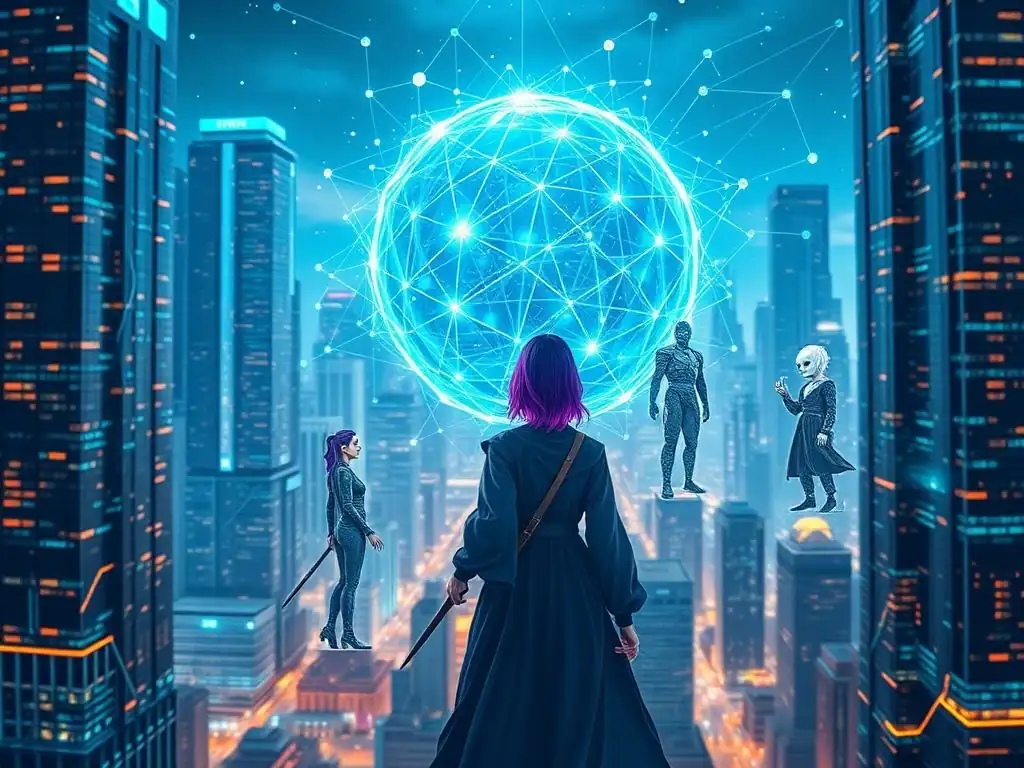
Welcome to Blockchain Trends, your compass in the ever-evolving world of decentralized innovation!
Dive into the heart of how the blockchain revolution is reshaping our digital lives. Explore with us how this powerful technology, far beyond its crypto origins, is fueling the rise of Web3 and the Metaverse, creating unprecedented opportunities for digital interaction. Curious about the potential? Let's unlock the future, one block at a time.
- Introduction: The Convergence of Blockchain and Immersive Worlds
-
Frequently Asked Questions
- How does blockchain technology contribute to the development of Web3 and the Metaverse?
- What are some examples of how blockchain is being used to revolutionize digital interaction in the Metaverse?
- What are the potential benefits of using blockchain technology to power digital interactions?
- What are some of the challenges that need to be addressed before blockchain-powered digital interactions can become mainstream?
- How might regulations impact the future of blockchain's role in revolutionizing digital interaction?
- Final Reflection: Embracing the Decentralized Future
- Dive Deeper: Unlock Your Metaverse Potential!
Introduction: The Convergence of Blockchain and Immersive Worlds
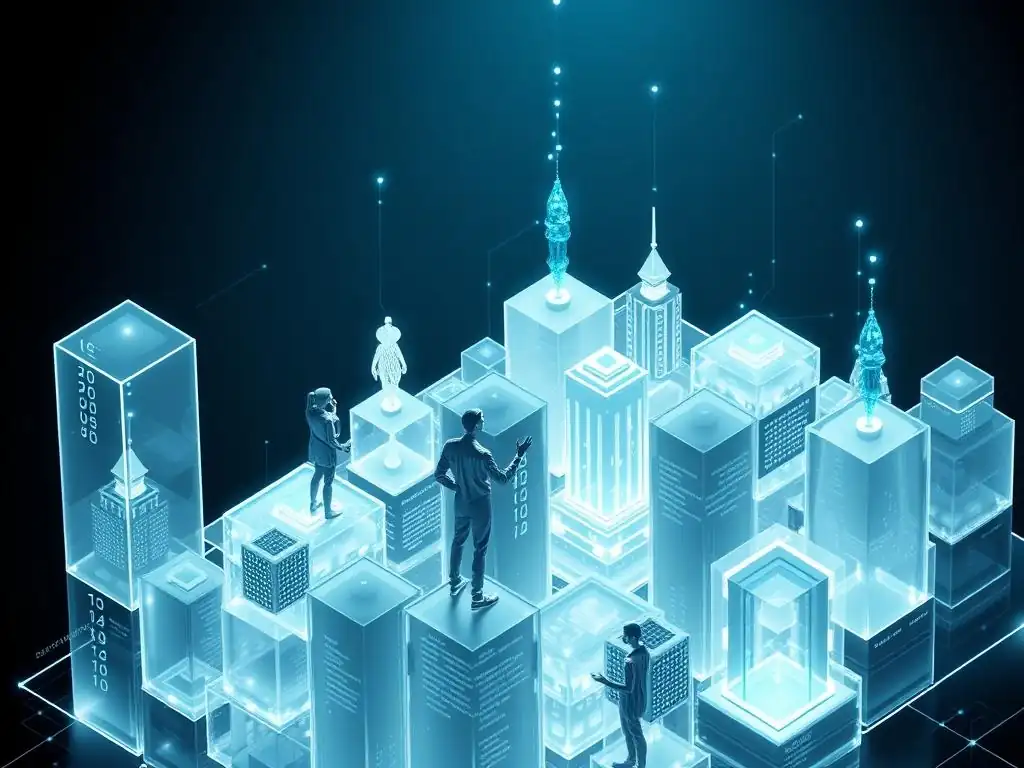
The digital landscape is on the cusp of a significant transformation, marked by the increasing convergence of blockchain technology and the burgeoning concept of the metaverse. This fusion promises to reshape how we interact, transact, and establish identity in virtual spaces, spearheading a blockchain revolutionizing digital interaction. As these technologies mature, their combined potential points towards persistent, interconnected digital worlds where users have unprecedented control and ownership. Understanding the foundational elements of both blockchain and the metaverse is crucial to grasping the profound implications of their integration.
This introductory section lays the groundwork by defining the core principles of blockchain and the metaverse individually, before exploring the inherent synergies that position blockchain as a fundamental enabler for truly decentralized and user-centric immersive environments. We will examine how the immutable nature of distributed ledgers and the concept of shared digital realities are not merely compatible but inherently complementary, paving the way for novel forms of digital presence and economic activity.
Defining Blockchain: Decentralized Ledgers and Core Concepts
At its heart, blockchain is a decentralized, distributed ledger technology that records transactions across many computers. Unlike traditional databases controlled by a single entity, a blockchain's data is shared and synchronized across a network of nodes, making it resistant to tampering and fraud. Each new transaction is added as a 'block' to the chain, cryptographically linked to the previous one, creating an immutable and transparent history of all activity. This fundamental characteristic of decentralization is pivotal, removing the need for central authorities or intermediaries in digital interactions and transactions.
Key concepts within blockchain include consensus mechanisms, such as Proof-of-Work (PoW) or Proof-of-Stake (PoS), which ensure that all participants agree on the state of the ledger before new blocks are added. Smart contracts, self-executing contracts with the terms of the agreement directly written into code, reside on the blockchain and automatically execute actions when predefined conditions are met.
This programmatic trust layer eliminates counterparty risk in many digital scenarios. The scale of blockchain adoption is evident in the sheer volume of transactions processed daily across various networks – for instance, major public blockchains collectively handle millions of transactions each day, underpinning a global ecosystem valued at hundreds of billions, sometimes even trillions, of dollars, demonstrating blockchain's growing impact on digital interaction and commerce.
The metaverse is envisioned as a persistent, interconnected network of virtual worlds where users can interact with each other, digital objects, and AI-driven environments in real time. It's not a single application or platform but rather a convergence of virtual reality (VR), augmented reality (AR), and the internet, aiming to create a seamless, embodied digital experience.
Users typically interact through avatars, engaging in activities ranging from social gatherings and gaming to work, education, and commerce. A defining characteristic is the persistence of the environment and the user's identity and assets within it, meaning the digital world continues to exist and evolve even when a specific user is offline.
While a fully realized, interoperable metaverse is still years away, current iterations exist in various forms, from massively multiplayer online games like Fortnite and Roblox, which host millions of concurrent users in persistent worlds, to dedicated social VR platforms like VRChat. These platforms offer glimpses into the potential for shared digital spaces, but they often operate within walled gardens, lacking true interoperability and user ownership.
Projections for the metaverse market size vary widely, with some estimates suggesting it could reach hundreds of billions or even trillions of dollars within the next decade, highlighting the significant economic and social potential seen in these evolving digital frontiers.
Synergies: How Blockchain Enhances Metaverse Functionality
The convergence of blockchain and the metaverse presents a powerful synergy, with blockchain technology providing crucial infrastructure to realize the full potential of decentralized, user-centric virtual worlds. Blockchain's core features directly address limitations found in current centralized digital environments, particularly concerning ownership, identity, and economic systems. By leveraging blockchain, metaverses can move beyond closed ecosystems where platforms control all aspects of user experience and assets, towards open economies where users truly own their digital possessions and data.
Specifically, blockchain enables verifiable digital ownership through technologies like Non-Fungible Tokens (NFTs), allowing users to own unique in-world items, land, or avatars securely. It facilitates transparent and secure virtual economies powered by cryptocurrencies, enabling seamless transactions and value exchange within and potentially across different metaverse platforms.
Furthermore, decentralized identity solutions built on blockchain can provide users with portable and sovereign digital identities. This integration is fundamentally blockchain revolutionizing digital interaction within virtual realms by shifting power from platform operators to the users themselves, fostering trust, interoperability, and entirely new forms of digital commerce and community governance, such as through Decentralized Autonomous Organizations (DAOs).
Frequently Asked Questions
How does blockchain technology contribute to the development of Web3 and the Metaverse?
Blockchain provides the decentralized infrastructure necessary for ownership and security within Web3 and the Metaverse. This allows users to truly own their digital assets and identities, fostering a more equitable and transparent environment.
What are some examples of how blockchain is being used to revolutionize digital interaction in the Metaverse?
Blockchain enables features like NFT-based avatars, secure virtual land ownership, and decentralized governance of virtual worlds. These applications are creating more immersive and engaging experiences for users.
What are the potential benefits of using blockchain technology to power digital interactions?
The benefits include increased user privacy and control, enhanced security against fraud and hacking, and the ability to create new economic models within digital ecosystems.
What are some of the challenges that need to be addressed before blockchain-powered digital interactions can become mainstream?
Challenges include scalability issues with blockchain networks, the complexity of blockchain technology for average users, and regulatory uncertainties surrounding digital assets and decentralized systems.
How might regulations impact the future of blockchain's role in revolutionizing digital interaction?
Regulations could either foster innovation or stifle growth depending on their approach. Clear and balanced regulations are needed to promote responsible development and adoption of blockchain technologies while protecting user rights and preventing illicit activities.
Final Reflection: Embracing the Decentralized Future
The journey through Web3 and the Metaverse reveals a profound truth: blockchain is fundamentally revolutionizing digital interaction. No longer are we passive consumers of centralized platforms; instead, we are becoming active participants in decentralized ecosystems, empowered by ownership, transparency, and community. This shift isn't just technological; it's a paradigm shift in how we connect, create, and transact in the digital realm.
The impact of this blockchain revolution extends far beyond mere technological advancements. It's reshaping our cultural and social landscape, fostering new forms of collaboration, creativity, and economic opportunity. Witnessing this evolution firsthand has been both inspiring and humbling, reinforcing the belief that technology, when guided by principles of decentralization and user empowerment, can truly democratize access and opportunity. The future is already here – it's just not evenly distributed.
- William Gibson. This quote perfectly encapsulates the current state of Web3 and the Metaverse; the potential is immense, but realizing it requires collective effort and a commitment to equitable access.
As we stand on the cusp of this decentralized future, I invite you to reflect on your own role in shaping it. Consider how you can leverage the power of Web3 and the Metaverse to create, connect, and contribute to a more equitable and empowering digital world. The blockchain revolutionizing digital interaction is not just a technological trend; it's an invitation to build a better future, together.
Okay, I'm ready to craft a compelling Call to Action (CTA) based on the article "Web3 and the Metaverse: A Blockchain-Powered Revolution in Digital Interaction" for Blockchain Trends (blockchaintrends.org). Here it is:
Dive Deeper: Unlock Your Metaverse Potential!
Thanks for exploring the exciting world of Web3 and the Metaverse with us! We hope you now have a clearer understanding of how blockchain is revolutionizing digital interaction. Ready to take the next step and become a part of this groundbreaking shift?
Here are a few actionable steps you can take right now:
- Start building your first Metaverse Avatar: Experiment with different platforms and find one that resonates with your personal style and values.
- Join the Blockchain Trends community! Share this article with your network and spark discussions about the future of digital interaction.
- Explore a new Web3 application each week. Discover innovative projects and consider how blockchain is reshaping industries beyond the Metaverse.
What Metaverse experience are you most excited to explore, and how do you see blockchain shaping its future? Share your thoughts in the comments below!
Leave a Reply