
Blockchain & AI for Secure and Transparent Charity Donations: Ensuring Impact and Accountability

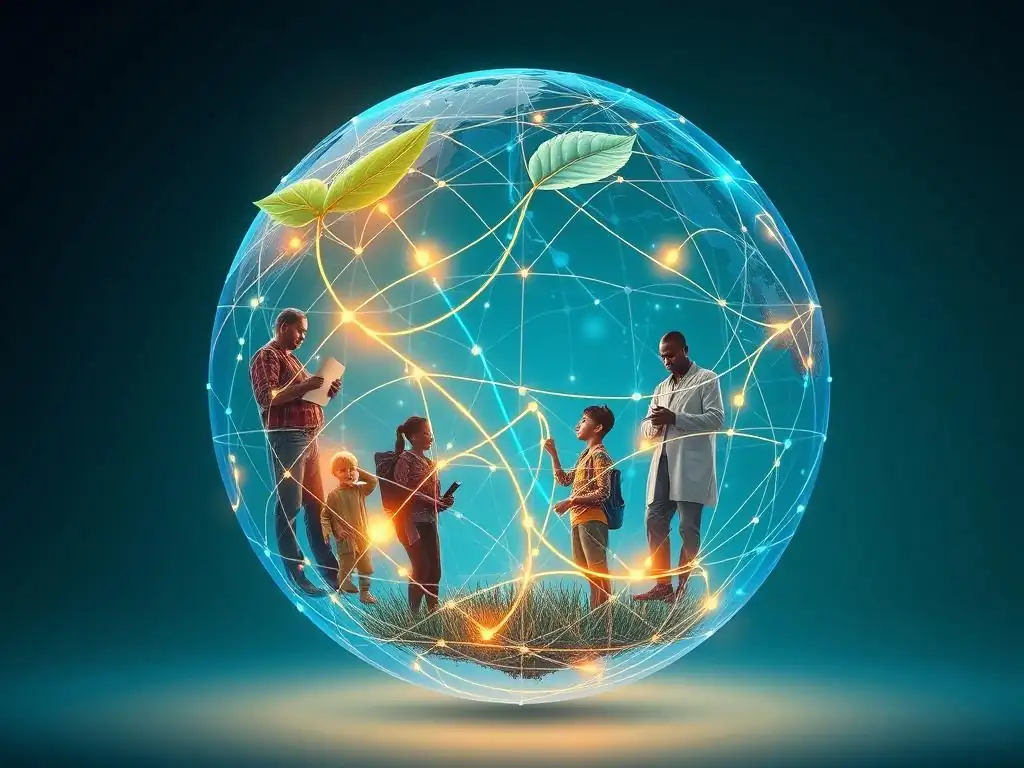
Welcome to Blockchain Trends, your compass in the rapidly evolving world of decentralized technology. Ever wondered how we can revolutionize charitable giving to ensure maximum impact and accountability? Dive into our latest exploration of Blockchain AI charity donations and discover how this powerful synergy is transforming trust and transparency in the philanthropic sector. Uncover the potential to reshape the future of giving – are you ready to witness the revolution?
Blockchain & AI for Enhanced Disaster Relief: Ensuring Rapid and Transparent Aid Delivery
- Introduction: Revolutionizing Disaster Relief with Blockchain and AI
- Understanding the Challenges in Traditional Disaster Relief
- Blockchain's Role in Enhancing Disaster Relief Coordination and Transparency
- AI-Powered Solutions for Optimized Disaster Relief Efforts
- Combining Blockchain and AI for Maximum Impact in Disaster Relief
- Use Cases: Blockchain and AI in Action for Disaster Relief
- Benefits of Blockchain AI Disaster Relief
- Overcoming the Challenges of Implementation
- The Future of Disaster Relief: Blockchain and AI as Key Enablers
- Conclusion: Building a More Resilient and Effective Disaster Relief System
-
Frequently Asked Questions
- How can blockchain and AI improve the transparency of charity donations?
- What role does AI play in optimizing charity donation allocation using blockchain?
- What are the potential benefits of using blockchain for tracking charity donations?
- How does the combination of blockchain and AI address issues of fraud in charitable giving?
- What are the key regulatory considerations for implementing blockchain and AI in charity donations?
- Final Reflection: Empowering Trust Through Technology
- Ignite Change: Empower Charity with Blockchain & AI!
Introduction: Revolutionizing Disaster Relief with Blockchain and AI
The Critical Need for Efficient and Transparent Disaster Response
Natural disasters, from earthquakes and hurricanes to floods and wildfires, inflict devastating consequences on communities worldwide, leaving millions in urgent need of assistance. Traditional disaster relief efforts, while often well-intentioned, frequently encounter significant hurdles that impede their effectiveness. These challenges range from logistical nightmares in delivering aid to affected areas to pervasive issues of corruption and lack of transparency in fund allocation.
The consequences are dire: aid delays can exacerbate suffering, resources can be mismanaged or misappropriated, and the trust of donors and affected populations erodes, hindering long-term recovery. For example, after the 2010 Haiti earthquake, while billions of dollars were pledged, reports indicated that a significant portion did not reach those in need due to logistical inefficiencies and alleged corruption, highlighting the urgent requirement for more robust and transparent systems.
The urgency for transformation in disaster response mechanisms is underscored by the escalating frequency and intensity of climate-related disasters. The United Nations Office for Disaster Risk Reduction (UNDRR) reports a significant increase in climate-related disasters in recent decades, projecting this trend to continue. This necessitates a paradigm shift towards more efficient, transparent, and accountable aid delivery systems.
The current model, often reliant on fragmented processes and opaque resource management, struggles to cope with the scale and complexity of modern humanitarian crises. Therefore, exploring and implementing innovative solutions that leverage technology to enhance disaster response is not merely an option but a critical imperative for ensuring timely and effective aid reaches those who need it most, fostering resilience and rebuilding trust in the humanitarian sector.
How Blockchain and AI Can Transform Disaster Relief Operations
Emerging technologies like blockchain and artificial intelligence (AI) offer promising pathways to overcome the inherent limitations of traditional disaster relief operations. Blockchain, with its inherent transparency, security, and immutability, provides a foundation for establishing trust and accountability in aid distribution. Imagine a system where every donation, every transaction, and every aid delivery is recorded on a distributed ledger, accessible and auditable by all stakeholders.
This level of transparency can dramatically reduce the potential for fraud and mismanagement, fostering greater confidence among donors and ensuring resources are used as intended. Furthermore, blockchain's capability to streamline supply chains and verify identities can address logistical bottlenecks and ensure aid reaches verified recipients efficiently.
Complementing blockchain, AI offers powerful tools for optimizing disaster response across various stages, from preparedness to recovery. AI algorithms can analyze vast datasets – from weather patterns and demographic information to social media feeds and satellite imagery – to predict potential disaster hotspots, assess damage rapidly, and identify the most urgent needs in affected areas. AI-powered platforms can optimize resource allocation, ensuring that the right aid reaches the right people at the right time, minimizing waste and maximizing impact.
Moreover, AI can enhance communication and coordination among relief workers, enabling faster and more effective responses on the ground. By synergistically combining the strengths of blockchain and AI, we can envision a future of disaster relief that is not only more efficient and transparent but also more proactive and responsive to the evolving needs of disaster-stricken communities.
Understanding the Challenges in Traditional Disaster Relief
Logistical Bottlenecks and Delayed Aid Delivery
Traditional disaster relief efforts are often plagued by logistical nightmares that significantly delay the delivery of crucial aid. The immediate aftermath of a disaster frequently involves damaged infrastructure, including roads, bridges, and airports, making access to affected areas extremely challenging. Coordination among various aid organizations, government agencies, and local responders can be fragmented and inefficient, leading to duplicated efforts and resource wastage.
Furthermore, the physical transportation and distribution of goods – from food and water to medical supplies and shelter materials – through complex supply chains often encounter numerous delays due to customs procedures, warehousing limitations, and last-mile delivery challenges. For instance, after major floods, roads become impassable, requiring reliance on less efficient methods like helicopter drops, which are costly and limited in capacity. These delays can be the difference between life and death in the critical early stages of a disaster.
Beyond infrastructure damage, the sheer scale of humanitarian crises overwhelms existing logistical capacities. Massive influxes of aid supplies can clog ports and airports, creating bottlenecks in processing and distribution. Lack of real-time visibility into the location and status of aid shipments further exacerbates these problems.
Traditional paper-based systems for tracking inventory and managing distribution are prone to errors and inefficiencies, hindering effective coordination and resource management. The reliance on manual processes slows down the entire aid delivery pipeline, preventing timely assistance from reaching vulnerable populations when they need it most. This logistical inertia not only prolongs suffering but also undermines the effectiveness of aid efforts, highlighting the urgent need for streamlined and technology-driven solutions to overcome these bottlenecks.
Lack of Transparency in Resource Allocation
A significant challenge in traditional disaster relief is the lack of transparency in how resources are allocated and managed. Donations, whether from individuals, corporations, or governments, often pass through multiple intermediaries, making it difficult to track the flow of funds and ensure they reach their intended beneficiaries. Opaque financial systems and bureaucratic processes can obscure how aid money is spent, creating opportunities for mismanagement, corruption, and diversion of funds.
Donors often lack clear visibility into the impact of their contributions, leading to donor fatigue and a decline in public trust in humanitarian organizations. Reports of aid being misappropriated or used for unintended purposes, while often anecdotal, contribute to this erosion of trust and undermine the overall effectiveness of relief efforts.
The absence of transparent and auditable records makes it challenging to hold aid organizations and governments accountable for the efficient and ethical use of resources. Traditional reporting mechanisms often lack the granularity and real-time data needed to provide a comprehensive picture of aid distribution and impact. The lack of standardized data formats and interoperable systems across different organizations further complicates efforts to track resource allocation and assess overall effectiveness.
This opacity not only fuels distrust but also hinders evidence-based decision-making and continuous improvement in disaster relief operations. To rebuild public confidence and ensure aid reaches those in need effectively, greater transparency in resource allocation is paramount, requiring the adoption of systems that promote openness, auditability, and accountability.
Difficulty in Verifying Recipient Needs and Preventing Fraud
Traditional disaster relief operations often struggle with accurately verifying the needs of recipients and preventing fraud in aid distribution. In the chaotic aftermath of a disaster, identifying and registering affected populations can be a daunting task, especially when existing records are destroyed or inaccessible. Manual verification processes are time-consuming, prone to errors, and susceptible to manipulation.
This lack of robust identity verification mechanisms creates opportunities for individuals to fraudulently claim aid, diverting resources from those who genuinely need them. Furthermore, the distribution of aid in cash or in-kind, without adequate tracking and verification, can be vulnerable to leakage and corruption, particularly in regions with weak governance or pre-existing vulnerabilities.
The difficulty in verifying needs is compounded by the lack of reliable data on pre-disaster demographics and vulnerabilities. Without accurate baseline information, it becomes challenging to assess the true extent of need and tailor aid interventions effectively. Traditional needs assessments are often conducted manually and can be subjective and incomplete, relying on limited data and potentially biased reporting.
This can lead to inefficiencies in resource allocation, with some populations receiving insufficient aid while others may receive redundant assistance. To ensure aid reaches the most vulnerable and to minimize fraud, robust systems for recipient verification and needs assessment are essential, requiring the integration of technology and data-driven approaches to enhance accuracy and accountability.
Blockchain's Role in Enhancing Disaster Relief Coordination and Transparency
Blockchain for Supply Chain Management and Traceability
Blockchain technology offers a transformative solution for enhancing supply chain management and traceability in disaster relief. Its inherent properties of immutability and transparency create a secure and auditable record of every transaction within the aid supply chain, from the initial donation or procurement of goods to their final delivery to beneficiaries. Imagine each item of aid, whether it's a food package or a medical kit, tagged with a unique identifier and its journey tracked on a blockchain.
This provides real-time visibility into the location and status of supplies, allowing aid organizations to monitor the flow of goods, identify bottlenecks, and ensure timely delivery. For example, tracking medicine shipments through a blockchain can guarantee provenance and prevent counterfeit drugs from entering the supply chain, safeguarding the health of recipients.
By creating a shared and transparent ledger accessible to all authorized stakeholders – donors, aid organizations, logistics providers, and even beneficiaries – blockchain eliminates information silos and fosters collaboration. This enhanced visibility allows for better coordination, reduced duplication of efforts, and more efficient resource allocation. Furthermore, blockchain's ability to streamline customs procedures and automate documentation can expedite the movement of aid across borders, crucial in time-sensitive disaster response scenarios. The increased transparency and traceability provided by blockchain not only improve operational efficiency but also build trust among all stakeholders, ensuring that aid reaches its intended destination effectively and accountably.
Immutable Records for Aid Distribution and Accountability
Blockchain's immutable nature is a game-changer for enhancing accountability and ensuring the integrity of aid distribution in disaster relief. Every transaction recorded on a blockchain is permanent and cannot be altered or deleted, creating an auditable trail of all aid activities. This immutability provides a robust mechanism for tracking the distribution of funds and resources, ensuring that aid reaches verified beneficiaries and is used for its intended purpose.
For instance, recording cash transfers on a blockchain provides a transparent record of who received aid, when, and how much, minimizing the risk of fraud and diversion. This level of accountability is crucial for building trust among donors and the affected populations, fostering a sense of ownership and ensuring that aid efforts are perceived as fair and just.
The transparent and auditable nature of blockchain records empowers donors and aid organizations to track the impact of their contributions with greater precision. By linking aid distribution data on the blockchain to impact metrics, it becomes possible to measure the effectiveness of relief interventions and identify areas for improvement. This data-driven approach to accountability enables evidence-based decision-making and continuous optimization of aid programs.
Furthermore, blockchain's transparency can deter corruption and mismanagement by making it more difficult to conceal illicit activities. The inherent accountability of blockchain systems promotes responsible resource management and ensures that aid is used effectively to alleviate suffering and support long-term recovery.
Smart Contracts for Automated Fund Disbursement Based on Need
Smart contracts, self-executing agreements coded onto a blockchain, offer a revolutionary approach to automating fund disbursement in disaster relief based on predefined conditions and verified needs. Imagine a smart contract that automatically releases funds to affected communities once specific triggers are met, such as the declaration of a disaster by a recognized authority or the verification of damage through AI-powered assessments.
This automated disbursement eliminates bureaucratic delays and intermediaries, ensuring that aid reaches those in need swiftly and efficiently, particularly in the critical early stages of a disaster when rapid response is paramount. For example, smart contracts can be designed to disburse micro-insurance payouts automatically to individuals in disaster-affected areas based on pre-agreed conditions and verifiable damage assessments.
Smart contracts enhance transparency and accountability in fund disbursement by making the terms and conditions of aid distribution publicly accessible and auditable on the blockchain. This eliminates ambiguity and reduces the potential for discretionary or biased allocation of resources.
Furthermore, smart contracts can be designed to ensure that funds are used for specific purposes, such as purchasing essential supplies or accessing services, by integrating with blockchain-based marketplaces or voucher systems. The automated and transparent nature of smart contract-based fund disbursement mechanisms not only accelerates aid delivery but also builds trust and confidence among donors and beneficiaries, ensuring that aid is used effectively and accountably to address immediate needs and support long-term recovery.
AI-Powered Solutions for Optimized Disaster Relief Efforts
AI for Predictive Analytics and Resource Allocation
Artificial intelligence (AI) provides powerful tools for predictive analytics and optimized resource allocation in disaster relief. AI algorithms can analyze vast datasets, including historical disaster data, weather patterns, demographic information, and social media feeds, to predict the likelihood and potential impact of future disasters.
This predictive capability enables proactive preparedness measures, such as pre-positioning aid supplies, mobilizing response teams, and issuing early warnings to vulnerable populations, minimizing the impact of disasters before they strike. For example, AI can analyze climate models and historical data to identify regions at high risk of droughts or floods, allowing for proactive interventions to mitigate potential humanitarian crises.
Beyond prediction, AI can optimize resource allocation during and after a disaster. By analyzing real-time data on damage assessments, needs assessments, and available resources, AI algorithms can determine the most efficient distribution of aid to maximize impact and minimize waste. AI-powered platforms can match specific needs with available resources, ensuring that the right aid reaches the right people at the right time, and optimize logistical routes for faster delivery.
For instance, AI can analyze satellite imagery and social media data to identify areas with the most severe damage and unmet needs, guiding resource allocation to prioritize those areas. This data-driven approach to resource allocation enhances efficiency, reduces duplication of efforts, and ensures that aid is used effectively to address the most pressing needs in disaster-affected communities.
AI-Driven Damage Assessment and Needs Identification
AI significantly accelerates and improves the accuracy of damage assessment and needs identification in the aftermath of disasters. Traditional damage assessments are often slow, labor-intensive, and rely on manual surveys, which can be subjective and incomplete, particularly in large-scale disasters.
AI, leveraging technologies like satellite imagery analysis, drone-based aerial surveys, and natural language processing of social media data, can rapidly assess the extent of damage, identify affected areas, and estimate the number of people in need with unprecedented speed and accuracy. For example, AI algorithms can analyze pre- and post-disaster satellite images to detect damaged buildings, flooded areas, and disrupted infrastructure, providing a comprehensive overview of the disaster's impact within hours of its occurrence.
AI-driven needs identification goes beyond physical damage assessment to understand the specific needs of affected populations. By analyzing data from various sources, including social media, mobile phone data, and pre-disaster vulnerability assessments, AI can identify the most vulnerable groups, their immediate needs (food, water, shelter, medical care), and their longer-term recovery needs.
AI can also analyze sentiment expressed on social media to understand the emotional and psychological impact of the disaster, informing psychosocial support interventions. This granular and data-driven understanding of needs allows aid organizations to tailor their responses more effectively, ensuring that aid is relevant, appropriate, and addresses the most pressing vulnerabilities of disaster-affected communities.
AI-Enhanced Communication and Coordination Among Relief Workers
Effective communication and coordination are critical for successful disaster relief operations, especially in complex and rapidly evolving crisis situations. AI-powered communication platforms can enhance coordination among relief workers, government agencies, and local communities, improving situational awareness and facilitating faster and more effective responses.
AI can analyze communication data from various sources, including radio transmissions, text messages, and social media, to identify emerging needs, track the progress of relief efforts, and detect potential bottlenecks or gaps in coordination. For example, AI-powered chatbots can provide real-time information to relief workers in the field, answer queries, and facilitate reporting, streamlining communication and improving efficiency.
AI can also facilitate multilingual communication and cross-cultural understanding, crucial in international disaster relief operations. AI-powered translation tools can break down language barriers, enabling seamless communication between relief workers from different countries and local populations. Furthermore, AI can analyze communication patterns and identify potential misunderstandings or conflicts, facilitating proactive interventions to improve collaboration and ensure a unified and coordinated response. By enhancing communication and coordination, AI contributes to a more efficient, effective, and collaborative disaster relief ecosystem, ensuring that resources are used optimally and aid reaches those in need in a timely and coordinated manner.
Combining Blockchain and AI for Maximum Impact in Disaster Relief
Creating a Secure and Transparent Aid Delivery Ecosystem
The synergistic combination of blockchain and AI has the potential to create a truly secure and transparent aid delivery ecosystem, addressing many of the challenges inherent in traditional disaster relief. Blockchain provides the foundation for trust and accountability through its transparent and immutable ledger, while AI enhances efficiency, speed, and effectiveness through data-driven insights and automation.
Imagine a system where donations are tracked on a blockchain, smart contracts automate fund disbursement based on AI-verified needs assessments, and aid delivery is managed and monitored through AI-optimized logistics platforms. This integrated ecosystem would provide unprecedented transparency and accountability at every stage of the aid lifecycle, from donation to impact measurement.
This combined approach fosters greater trust among donors, aid organizations, and beneficiaries. Donors can have confidence that their contributions are being used effectively and transparently, knowing they can track the flow of their funds and see the impact they are making. Aid organizations benefit from increased efficiency, reduced fraud, and improved coordination, allowing them to deliver aid more effectively and reach more people in need.
Beneficiaries gain access to aid more quickly and transparently, with greater assurance that they are receiving the assistance they are entitled to. By building a secure and transparent aid delivery ecosystem, blockchain and AI can revolutionize disaster relief, creating a more humanitarian and efficient future for aid delivery.
Real-Time Tracking of Resources and Impact Measurement
Combining blockchain and AI enables real-time tracking of resources and impact measurement in disaster relief, providing unprecedented visibility and data-driven insights into the effectiveness of aid efforts. Blockchain provides the infrastructure for tracking the movement of aid supplies and funds in real-time, creating a transparent and auditable record of all transactions.
AI complements this by analyzing blockchain data, combined with other data sources like satellite imagery and social media data, to assess the impact of aid interventions on the ground. For example, AI can analyze changes in population health indicators, economic activity, and social well-being in disaster-affected areas, correlating these changes with aid distribution data from the blockchain to measure the impact of relief efforts.
This real-time tracking and impact measurement allows for adaptive management and continuous improvement of aid programs. Aid organizations can monitor the effectiveness of their interventions in real-time, identify areas where adjustments are needed, and optimize their strategies to maximize impact. Donors gain access to real-time data on the impact of their contributions, fostering greater engagement and accountability. This data-driven approach to impact measurement ensures that aid efforts are evidence-based, continuously improving, and ultimately more effective in alleviating suffering and supporting long-term recovery in disaster-affected communities.
Automated Reporting and Enhanced Accountability for Donors and Organizations
The integration of blockchain and AI facilitates automated reporting and enhanced accountability for both donors and aid organizations in disaster relief. Blockchain's immutable ledger automatically generates auditable reports on aid distribution, fund allocation, and supply chain activities, eliminating the need for manual report generation and reducing the risk of errors or manipulation. AI can further enhance reporting by analyzing blockchain data and generating insightful reports on key performance indicators, impact metrics, and areas for improvement. These automated reports provide donors with transparent and timely updates on the use of their contributions and the impact they are making.
For aid organizations, automated reporting reduces administrative burden, frees up resources for frontline operations, and enhances accountability to donors and beneficiaries. The transparent and auditable nature of blockchain-based reporting builds trust and confidence, fostering stronger relationships between donors and aid organizations. Furthermore, the data-driven insights generated through AI-enhanced reporting enable aid organizations to continuously learn and improve their operations, leading to more effective and impactful disaster relief efforts. This enhanced accountability, driven by the combination of blockchain and AI, ensures that aid resources are used responsibly and effectively, maximizing their impact on disaster-affected communities.
Use Cases: Blockchain and AI in Action for Disaster Relief

Case Study 1: World Food Programme - Utilizing Blockchain for Food Distribution in Refugee Camps
The World Food Programme (WFP), the world's largest humanitarian organization addressing hunger, has been a pioneer in utilizing blockchain technology to improve the efficiency and transparency of its food distribution programs, particularly in refugee camps. One notable example is WFP's "Building Blocks" project, implemented in refugee camps in Jordan and other locations. This project uses blockchain to create a digital identity and record for each refugee, enabling them to receive food assistance through iris scans at designated distribution points.
This system eliminates the need for physical vouchers or cards, reducing the risk of fraud and improving the efficiency of food distribution. By 2020, Building Blocks was serving over 100,000 Syrian refugees in Jordan, demonstrating the scalability and impact of blockchain in humanitarian aid.
The Building Blocks project has demonstrated significant improvements in efficiency and cost savings. By eliminating intermediaries and streamlining the distribution process, WFP has reduced transaction costs and ensured that more aid reaches beneficiaries directly. The transparent nature of the blockchain system enhances accountability and reduces the risk of corruption.
Refugees benefit from a more secure and dignified way to receive assistance, with greater control over their own data and access to aid. The success of the WFP's Building Blocks project serves as a compelling case study for the potential of blockchain to transform food aid distribution and improve the lives of vulnerable populations in humanitarian settings.
Case Study 2: Red Cross - Implementing AI for Damage Assessment and Resource Allocation After Earthquakes
The Red Cross, a global humanitarian network, has been actively exploring and implementing AI-powered solutions to enhance its disaster response capabilities, particularly in damage assessment and resource allocation after earthquakes and other natural disasters. Following major earthquakes, rapid and accurate damage assessment is crucial for effective relief efforts.
The Red Cross has utilized AI algorithms to analyze satellite imagery and drone footage to quickly assess the extent of damage, identify affected areas, and estimate the number of people in need. This AI-driven approach significantly reduces the time required for damage assessment compared to traditional manual methods, enabling faster and more targeted relief interventions.
Furthermore, the Red Cross has implemented AI-powered platforms to optimize resource allocation based on damage assessments and needs identified through AI analysis. AI algorithms analyze data on available resources, logistical constraints, and the evolving needs of affected populations to determine the most efficient distribution of aid. This data-driven approach ensures that resources are allocated effectively, minimizing waste and maximizing impact. By leveraging AI for damage assessment and resource allocation, the Red Cross is able to respond more quickly, efficiently, and effectively to earthquakes and other disasters, saving lives and alleviating suffering in affected communities.
Demonstrating Increased Efficiency and Reduced Fraud in Aid Delivery
Both the WFP's blockchain-based food distribution program and the Red Cross's AI-powered damage assessment initiatives demonstrate tangible increases in efficiency and reductions in fraud in aid delivery. The WFP's Building Blocks project has shown significant cost savings and reduced leakage of aid resources due to the transparent and secure nature of the blockchain system. The elimination of intermediaries and the use of biometric identification have minimized the risk of fraud and ensured that aid reaches verified beneficiaries directly.
Similarly, the Red Cross's AI-driven damage assessment and resource allocation tools enhance efficiency by accelerating response times and optimizing resource utilization. The speed and accuracy of AI-powered assessments enable faster and more targeted relief interventions, ensuring that aid reaches those in need more quickly and effectively.
These use cases highlight the transformative potential of blockchain and AI to address key challenges in traditional disaster relief. By leveraging these technologies, humanitarian organizations can improve efficiency, reduce fraud, enhance transparency, and ultimately deliver aid more effectively to vulnerable populations in disaster-stricken areas. The demonstrated successes of these early adopters pave the way for wider adoption of blockchain and AI across the humanitarian sector, promising a more resilient and effective future for disaster relief.
Benefits of Blockchain AI Disaster Relief
Increased Transparency and Trust in Aid Distribution
One of the most significant benefits of integrating blockchain and AI into disaster relief is the dramatic increase in transparency and trust in aid distribution. Blockchain's transparent and immutable ledger provides a clear and auditable record of every transaction, from donations to aid delivery, accessible to donors, aid organizations, and beneficiaries.
AI complements this by providing data-driven insights into the effectiveness of aid interventions, further enhancing transparency and accountability. This level of transparency builds trust among stakeholders, ensuring that donors have confidence that their contributions are being used effectively and ethically, and that beneficiaries receive the aid they are entitled to.
Increased transparency is crucial for combating corruption and mismanagement in aid distribution, which have historically plagued traditional disaster relief efforts. The auditable nature of blockchain transactions makes it more difficult to divert funds or resources for illicit purposes. AI-powered monitoring systems can further detect anomalies and potential fraud, enhancing oversight and accountability. By fostering a culture of transparency and accountability, blockchain and AI help to rebuild trust in the humanitarian sector and ensure that aid resources are used responsibly and effectively to alleviate suffering and support long-term recovery.
Reduced Fraud and Corruption in Resource Allocation
Blockchain and AI offer powerful tools for significantly reducing fraud and corruption in resource allocation within disaster relief operations. Blockchain's immutable ledger and smart contracts minimize the risk of manipulation and ensure that aid is distributed according to predefined rules and conditions. AI-powered verification systems, such as biometric identification and AI-driven needs assessments, further reduce the potential for fraudulent claims and ensure that aid reaches verified beneficiaries. By automating processes and reducing human intervention in critical decision-making, blockchain and AI minimize opportunities for corruption and enhance the integrity of aid distribution.
The transparent and auditable nature of blockchain transactions acts as a deterrent to corruption. Knowing that all transactions are recorded and publicly accessible discourages illicit activities and promotes ethical behavior. AI-powered monitoring systems can detect suspicious patterns and anomalies in aid distribution data, flagging potential instances of fraud for further investigation. By combining the inherent security and transparency of blockchain with the analytical capabilities of AI, disaster relief organizations can create robust systems that minimize fraud and corruption, ensuring that aid resources are used effectively to benefit those in need.
Improved Efficiency and Faster Delivery of Aid
The integration of blockchain and AI significantly improves the efficiency and speed of aid delivery in disaster relief operations. Blockchain streamlines supply chain management, reduces bureaucratic delays, and automates processes like fund disbursement, accelerating the flow of aid to affected communities. AI optimizes resource allocation, logistics, and communication, ensuring that aid reaches the right people at the right time, minimizing waste and maximizing impact. AI-powered damage assessments and needs identification accelerate the initial response phase, allowing aid organizations to mobilize resources more quickly and effectively.
Faster delivery of aid is critical in disaster situations, where timely assistance can be the difference between life and death. Blockchain and AI enable aid organizations to respond more rapidly and efficiently, reducing delays and ensuring that essential supplies and services reach vulnerable populations in a timely manner. Improved efficiency translates to cost savings, allowing aid organizations to do more with limited resources and reach more people in need. By optimizing processes and accelerating aid delivery, blockchain and AI contribute to a more effective and responsive disaster relief system, saving lives and alleviating suffering more efficiently.
Enhanced Coordination and Communication Among Stakeholders
Blockchain and AI facilitate enhanced coordination and communication among stakeholders in disaster relief, including aid organizations, government agencies, local communities, and donors. Blockchain provides a shared and transparent platform for information sharing and collaboration, eliminating data silos and improving situational awareness. AI-powered communication platforms streamline communication channels, facilitate multilingual communication, and provide real-time information to relief workers in the field. AI analytics can also identify communication bottlenecks and areas for improved coordination, optimizing collaboration among different actors.
Effective coordination is essential for a unified and efficient disaster response. Blockchain and AI enable better information sharing, improved communication, and enhanced collaboration, leading to a more coordinated and effective disaster relief system. This improved coordination reduces duplication of efforts, minimizes gaps in service delivery, and ensures that resources are used optimally to address the most pressing needs. By fostering a more collaborative and communicative environment, blockchain and AI contribute to a more resilient and effective disaster relief ecosystem, ensuring that stakeholders work together seamlessly to alleviate suffering and support recovery.
Overcoming the Challenges of Implementation
Addressing Scalability Issues in Blockchain Networks During Crisis Situations
While blockchain offers numerous benefits for disaster relief, scalability remains a crucial challenge to address, particularly during large-scale crises. Public blockchain networks, while highly secure and decentralized, can experience limitations in transaction processing capacity, especially during periods of high demand. In a major disaster, the surge in aid transactions and data processing could potentially overwhelm public blockchain networks, leading to delays and bottlenecks. To address scalability issues, hybrid or private blockchain solutions may be more suitable for disaster relief applications, offering greater control over network capacity and transaction throughput.
Furthermore, optimizing blockchain network design and implementation is crucial for scalability. Techniques like sharding, layer-2 solutions, and consensus mechanism optimization can enhance the transaction processing capacity of blockchain networks. Collaborations between blockchain developers, humanitarian organizations, and technology providers are essential to develop scalable blockchain solutions specifically tailored to the needs of disaster relief. Load testing and stress testing of blockchain systems under simulated crisis conditions are also crucial to identify potential scalability bottlenecks and ensure the network can handle peak demand during real-world disaster scenarios.
Ensuring Data Privacy and Security in Sensitive Disaster Relief Operations
Data privacy and security are paramount concerns in disaster relief operations, especially when dealing with sensitive personal information of vulnerable populations. Blockchain's transparent nature, while beneficial for accountability, raises questions about data privacy, as transaction data is typically publicly accessible on public blockchains. To address data privacy concerns, careful consideration must be given to data governance and privacy-preserving techniques when implementing blockchain in disaster relief. Techniques like data encryption, zero-knowledge proofs, and selective data disclosure can be employed to protect sensitive personal information while still leveraging the transparency and security benefits of blockchain.
Furthermore, robust security measures are essential to protect blockchain-based disaster relief systems from cyberattacks and data breaches. Implementing strong access controls, encryption protocols, and regular security audits are crucial to safeguard sensitive data and ensure the integrity of the system. Compliance with data privacy regulations, such as GDPR and other relevant frameworks, is also essential. A balanced approach is needed, leveraging blockchain's transparency for accountability while implementing appropriate data privacy and security measures to protect vulnerable populations and maintain ethical standards in disaster relief operations.
Regulatory compliance and cross-border aid delivery present significant challenges for implementing blockchain and AI solutions in disaster relief, particularly in international contexts. Different countries have varying regulatory frameworks regarding data privacy, financial transactions, and the use of emerging technologies like blockchain and AI. Navigating these diverse regulatory landscapes and ensuring compliance with relevant regulations in different jurisdictions can be complex and time-consuming. Furthermore, cross-border aid delivery often involves complex customs procedures, import/export regulations, and legal frameworks that can create bureaucratic hurdles and delays.
Collaboration between humanitarian organizations, governments, and regulatory bodies is crucial to address regulatory challenges and facilitate the cross-border implementation of blockchain and AI for disaster relief. Developing harmonized regulatory frameworks and standards for the use of these technologies in humanitarian contexts can streamline implementation and promote interoperability across different jurisdictions.
Engaging in dialogue with regulatory authorities to clarify legal ambiguities and address concerns related to data privacy, security, and financial compliance is essential. By proactively addressing regulatory challenges and fostering international cooperation, the humanitarian sector can unlock the full potential of blockchain and AI to enhance cross-border disaster relief efforts and reach vulnerable populations more effectively.
The Future of Disaster Relief: Blockchain and AI as Key Enablers
Predictions for the Growth of Blockchain AI in Disaster Response
The future of disaster relief is increasingly intertwined with the growth and adoption of blockchain and AI technologies. Predictions indicate a significant increase in the use of blockchain and AI in disaster response in the coming years, driven by the demonstrated benefits of these technologies in enhancing efficiency, transparency, and accountability.
Industry analysts project substantial growth in the blockchain and AI markets within the humanitarian sector, with increasing investments in research, development, and implementation of these technologies for disaster relief applications. This growth will be fueled by the increasing frequency and intensity of natural disasters, the growing demand for more effective and transparent aid delivery systems, and the decreasing costs and increasing accessibility of blockchain and AI technologies.
The integration of blockchain and AI will likely become increasingly seamless and sophisticated in the future, with the development of integrated platforms and solutions that leverage the synergistic strengths of both technologies. We can expect to see wider adoption of blockchain-based identity management systems for beneficiaries, AI-powered predictive analytics for disaster preparedness, and smart contract-driven automated aid disbursement mechanisms. The focus will shift towards creating holistic and resilient disaster relief ecosystems that leverage blockchain and AI to enhance every stage of the disaster response cycle, from preparedness and early warning to immediate relief and long-term recovery.
The Potential for Greater Global Impact Through Technology and Collaboration
The combined power of blockchain and AI, coupled with increased global collaboration, holds immense potential for achieving greater global impact in disaster relief. Technology can transcend geographical boundaries and facilitate faster, more efficient, and more equitable aid delivery across borders. Blockchain's transparent and secure infrastructure enables seamless cross-border transactions and data sharing, facilitating international aid coordination and resource mobilization. AI-powered communication and translation tools can bridge language barriers and enhance collaboration among international relief workers and local communities, fostering a more unified and effective global response to disasters.
Furthermore, technology can empower local communities and build resilience from the ground up. Blockchain-based digital identity systems can provide vulnerable populations with greater control over their data and access to aid, fostering financial inclusion and empowerment. AI-powered early warning systems and community-based disaster preparedness programs can enhance local resilience and reduce vulnerability to future disasters. By leveraging technology and fostering greater global collaboration, the humanitarian sector can move towards a more proactive, preventative, and people-centered approach to disaster relief, creating a more resilient and equitable world for all.
Conclusion: Building a More Resilient and Effective Disaster Relief System
The Power of Blockchain and AI to Transform Disaster Response
Blockchain and AI represent a paradigm shift in disaster response, offering transformative potential to build a more resilient and effective aid delivery system. These technologies address critical challenges in traditional disaster relief, enhancing transparency, accountability, efficiency, and coordination. Blockchain provides the foundation for trust and security, while AI empowers data-driven decision-making and automation, creating a synergistic combination that revolutionizes humanitarian aid. By embracing these innovative technologies, the disaster relief sector can overcome limitations of the past and move towards a future where aid reaches those in need more quickly, effectively, and equitably.
The power of blockchain and AI extends beyond immediate disaster response to support long-term recovery and resilience building. Blockchain-based systems can facilitate transparent and accountable reconstruction efforts, tracking the allocation of funds and resources for rebuilding infrastructure and communities. AI-powered analytics can identify long-term vulnerabilities and inform sustainable development strategies to reduce disaster risk and build more resilient communities. By leveraging the transformative potential of blockchain and AI, we can create a disaster relief system that is not only more responsive in times of crisis but also more proactive in building resilience and preventing future disasters.
Call to Action: Embracing Innovation for a More Humanitarian and Efficient Future for Disaster Relief
The time for embracing innovation in disaster relief is now. Blockchain and AI offer a unique opportunity to transform the humanitarian sector, creating a more efficient, transparent, and accountable system that better serves vulnerable populations in times of crisis. This requires a collective effort from humanitarian organizations, governments, technology providers, and donors to invest in research, development, and implementation of these technologies for disaster relief. Pilot projects, collaborative initiatives, and knowledge sharing are crucial to accelerate adoption and scale up successful solutions.
We call upon all stakeholders to embrace innovation and work together to build a more humanitarian and efficient future for disaster relief. By investing in blockchain and AI, we can create a system that is more resilient, responsive, and equitable, ensuring that aid reaches those in need more quickly and effectively, alleviating suffering, and building a more resilient world for all. Let us seize this opportunity to harness the power of technology for good and create a future where disaster relief is truly transformative and impactful.
Frequently Asked Questions
How can blockchain and AI improve the transparency of charity donations?
Blockchain provides a public and immutable ledger of transactions, while AI can analyze data to detect fraud and ensure funds are used as intended. This combination enhances donor confidence and accountability.
What role does AI play in optimizing charity donation allocation using blockchain?
AI algorithms can analyze data on project needs and impact, then leverage blockchain for secure and transparent fund distribution. This ensures resources are allocated efficiently and effectively.
What are the potential benefits of using blockchain for tracking charity donations?
Blockchain offers real-time tracking of donations, ensuring funds reach their intended recipients without intermediaries taking a cut. This increased transparency builds trust with donors.
How does the combination of blockchain and AI address issues of fraud in charitable giving?
AI can identify suspicious patterns and anomalies in donation data stored on the blockchain, flagging potential fraud. Blockchain's immutability prevents tampering with records, further reducing fraud risk.
What are the key regulatory considerations for implementing blockchain and AI in charity donations?
Charities need to comply with data privacy regulations like GDPR and KYC/AML laws when using blockchain and AI. Ensuring compliance is crucial for maintaining legality and ethical standards in donation management.
Final Reflection: Empowering Trust Through Technology
The convergence of blockchain and AI in charitable giving isn't just a technological advancement; it's a paradigm shift in how we approach philanthropy. The promise of verifiable transparency and optimized impact offered by these technologies directly addresses the growing concerns surrounding trust and accountability in the charitable sector. This isn't just about streamlining processes; it's about rebuilding faith in institutions designed to serve the greater good.
The potential of blockchain AI charity donations to reshape the landscape of giving is profound. It offers a tangible solution to combatting fraud and ensuring that every dollar donated reaches its intended recipient, maximizing the positive change it can create. The best way to find yourself is to lose yourself in the service of others.
- Mahatma Gandhi. This quote perfectly encapsulates the spirit of charity, and blockchain and AI can help ensure that this spirit is upheld and amplified.
As we stand on the cusp of this technological revolution in philanthropy, I invite you to consider the role you can play in fostering a more transparent and impactful world. Explore the possibilities that blockchain and AI offer, advocate for their adoption, and demand accountability from the organizations you support. Let us collectively harness the power of technology to build a future where every act of kindness truly makes a difference.
Here's a Call to Action (CTA) for the end of a web article about Blockchain & AI for Secure and Transparent Charity Donations, tailored for Blockchain Trends:
Ignite Change: Empower Charity with Blockchain & AI!
Thank you for exploring how blockchain and AI are revolutionizing charitable giving! You've now seen the potential for greater transparency, accountability, and ultimately, impact. Ready to put this knowledge into action?
Here's how you can contribute to a future of more effective and trustworthy charity:
- Champion a charity already embracing blockchain or AI for donations! Research and support organizations pioneering this technology.
- Spread the word about the potential of blockchain and AI in charity by sharing this article with your network. Let's get more people talking!
- Explore open-source blockchain or AI projects related to charitable giving and consider contributing your skills to development or research.
What innovative solutions do you envision using blockchain or AI to revolutionize charitable giving? Share your thoughts in the comments below!
Leave a Reply