
The Quantum Computing Threat: Preparing Blockchain and AI for PostQuantum Security


Welcome to Blockchain Trends, your guide to navigating the evolving landscape of decentralized technologies.
Delve into the transformative potential of blockchain, beyond the hype of cryptocurrencies. Are you ready to explore the critical intersection of blockchain and AI? This article tackles a looming threat that demands immediate attention: the postquantum blockchain security challenges. Discover how quantum computing's rise impacts the integrity of blockchain and AI systems, and what steps we must take now to secure the future. Curious about the solutions? Let's unravel the complexities together…
- The Quantum Computing Threat: Preparing Blockchain and AI for Post-Quantum Security
-
Frequently Asked Questions
- How does quantum computing pose a threat to current blockchain security?
- What are some "post-quantum" cryptographic solutions being explored for blockchain?
- Besides cryptography, what other aspects of blockchain need to be adapted for post-quantum security?
- How can AI contribute to enhancing post-quantum blockchain security?
- What are the regulatory considerations surrounding post-quantum blockchain security?
- Final Reflection: Navigating the Post-Quantum Horizon
- Equip Yourself: Secure Your Future in the Quantum Age
The Quantum Computing Threat: Preparing Blockchain and AI for Post-Quantum Security
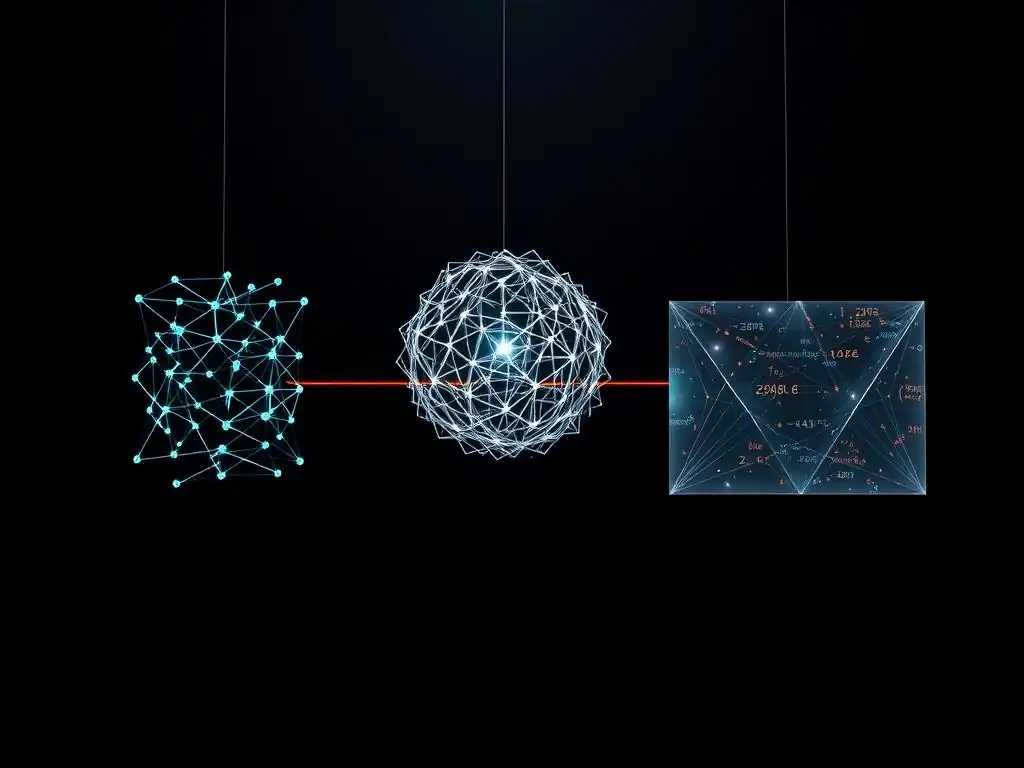
The advent of quantum computing presents a paradigm shift in computational power, bringing with it both immense opportunities and significant challenges, particularly for digital security. The "postquantum landscape" refers to the era where quantum computers are sufficiently advanced to break current encryption methods. This poses a critical threat to technologies like blockchain and artificial intelligence (AI), which heavily rely on cryptographic security for their operations and data integrity. Understanding the vulnerabilities of these systems in a postquantum world is the first crucial step in preparing for and mitigating these emerging risks.
For blockchain, the implications are profound. Blockchain's security hinges on cryptographic algorithms that are currently computationally infeasible to break using classical computers. However, quantum computers, leveraging principles of quantum mechanics, possess the potential to efficiently solve problems that are intractable for even the most powerful classical computers.
This capability directly threatens the cryptographic foundations of blockchain, potentially undermining the security and trust upon which these decentralized systems are built. Similarly, AI systems, especially those involved in sensitive data processing or critical decision-making, face new vulnerabilities. The integrity and confidentiality of AI models and the data they process could be compromised by quantum attacks, necessitating a proactive approach to postquantum security.
Frequently Asked Questions
How does quantum computing pose a threat to current blockchain security?
Quantum computers, leveraging Shor's algorithm, can potentially break the cryptographic algorithms currently securing blockchains, such as RSA and ECC, rendering them vulnerable to attacks. This compromises the integrity and confidentiality of blockchain data.
What are some "post-quantum" cryptographic solutions being explored for blockchain?
Researchers are developing post-quantum cryptography (PQC) algorithms, including lattice-based cryptography, code-based cryptography, and multivariate cryptography, designed to resist attacks from quantum computers. These algorithms are being tested for integration into blockchain systems.
Besides cryptography, what other aspects of blockchain need to be adapted for post-quantum security?
Beyond encryption, key management protocols and consensus mechanisms also need to be adapted. Quantum-resistant key generation and distribution, along with potentially quantum-resistant consensus protocols, are crucial for overall security.
How can AI contribute to enhancing post-quantum blockchain security?
AI can play a role in detecting anomalies and predicting potential vulnerabilities in post-quantum blockchain systems. Furthermore, AI can be used to optimize the performance of new cryptographic algorithms.
What are the regulatory considerations surrounding post-quantum blockchain security?
Regulators are beginning to recognize the importance of quantum-resistant infrastructure and are exploring potential guidelines for blockchain adoption. This includes standards for encryption and data protection in a post-quantum world.
The exploration of post-quantum blockchain security challenges has revealed a critical juncture for our technological future. The looming threat of quantum computing's potential to break current encryption standards demands immediate and comprehensive action, not just within the blockchain space, but across all sectors reliant on secure data transmission and storage. This isn't merely an academic exercise; it's a race against time to safeguard the very foundations of our digital society.
The enduring influence of cryptography on our lives, often unseen, is profound. The need for robust post-quantum solutions underscores the delicate balance between innovation and security, a balance that will define the next era of technological advancement. The best way to predict the future is to create it.
- Peter Drucker. This quote resonates deeply as we actively shape the future of blockchain and AI, ensuring they remain resilient in the face of quantum disruption.
As we stand on the cusp of this quantum revolution, I invite you to reflect on your own role in securing our digital future. Consider how you can contribute to the development and adoption of post-quantum technologies, whether through research, advocacy, or simply by staying informed. The challenge is significant, but the opportunity to build a more secure and resilient world is even greater. Let us embrace this challenge with foresight and determination, ensuring that the promise of blockchain and AI remains unbroken in the post-quantum age.
Equip Yourself: Secure Your Future in the Quantum Age
Thank you for exploring the important topic of post-quantum security and its implications for blockchain and AI. You've gained valuable insights into a future where quantum computing could transform the technological landscape. Are you ready to take action?
Here are some practical steps you can take to contribute to a more secure future:
- Prioritize Post-Quantum Security: Initiate a discussion with your team about how quantum computing might impact your current blockchain or AI initiatives and identify potential vulnerabilities. This is a critical step in protecting your investments and sensitive data.
- Explore Advanced Encryption: Learn about post-quantum cryptography algorithms. Understand options such as lattice-based and multivariate cryptography, and evaluate their suitability for your applications.
- Share this vital information with your network. Use your social media channels to raise awareness and build a community dedicated to the future of blockchain and AI security.
What concrete actions will you take today to safeguard your blockchain or AI projects from the emerging quantum threat?
Leave a Reply