
Exploring Blockchain Platforms for Supply Chain: Choosing the Right Solution for Your Needs


Welcome to Blockchain Trends, your guide to understanding the revolutionary impact of blockchain technology beyond the world of cryptocurrency.
Are you ready to unlock the power of blockchain for your business? This week, we delve into the critical question on everyone's mind: what is the true cost of implementing blockchain supply chain solutions? Discover the platforms, considerations, and real-world examples that will help you navigate the complexities and choose the right solution for your specific needs. Prepare to explore the future of decentralized efficiency and discover how blockchain can transform your supply chain. Dive in to learn more!
- Exploring Blockchain Platforms for Supply Chain: Choosing the Right Solution
- Understanding the Potential of Blockchain in Supply Chain Management
- Evaluating Blockchain Platforms: Key Considerations
- Analyzing Blockchain Solution Costs
- Comparing Blockchain Platforms
- Selecting the Right Platform: A Step-by-Step Guide
- Case Studies: Real-World Implementations
- Future Trends in Blockchain for Supply Chain
-
Frequently Asked Questions
- How can blockchain technology improve supply chain management?
- What are the key benefits of implementing blockchain supply chain solutions?
- What are some common blockchain supply chain solutions cost factors to consider?
- How do I choose the right blockchain platform for my supply chain needs?
- Is blockchain technology only beneficial for large enterprises, or can small and medium-sized businesses (SMBs) also benefit from blockchain supply chain solutions?
- Final Reflection: Navigating the Blockchain Supply Chain Landscape
- Empower Your Supply Chain: Start Building with Blockchain Today!
Exploring Blockchain Platforms for Supply Chain: Choosing the Right Solution
Integrating blockchain technology into supply chain operations offers transformative potential, moving beyond traditional, often fragmented systems. As businesses seek greater transparency, efficiency, and security, blockchain emerges as a powerful enabler. However, navigating the landscape of available blockchain platforms and understanding the associated blockchain supply chain solutions cost requires careful consideration. This article delves into the benefits, evaluation criteria, cost factors, and real-world examples to help organizations make informed decisions when selecting the right blockchain solution for their supply chain needs.
Understanding the Potential of Blockchain in Supply Chain Management
Blockchain's immutable and distributed ledger technology presents a compelling alternative to conventional supply chain databases. Its core principles of transparency, security, and decentralization address many long-standing challenges, from lack of visibility to issues of trust between disparate parties. For organizations looking to optimize their logistics and operations, understanding these benefits is the first step towards exploring feasible blockchain supply chain solutions.
Benefits of Blockchain in Supply Chain Traceability
Blockchain significantly enhances traceability by creating a secure, shared record of a product's journey from origin to destination. Each step, such as manufacturing, shipping, customs clearance, and delivery, can be recorded as a transaction on the blockchain. This creates an immutable audit trail that is accessible to authorized participants.
This level of granular traceability is crucial for verifying product authenticity, managing recalls, and ensuring compliance with regulatory requirements. For example, tracking high-value goods or sensitive products like pharmaceuticals and food becomes far more reliable. Data from sensors (IoT) can be integrated with blockchain transactions to provide real-time conditions, such as temperature or humidity, linked directly to specific batches or items, offering unprecedented visibility into the product's state throughout its transit.
Enhanced Transparency and Trust with Blockchain
One of the most significant advantages of blockchain in supply chain is the enhancement of transparency and trust among stakeholders. Unlike traditional systems where data is often siloed within individual companies, a blockchain-based system allows agreed-upon information to be shared across the network. This shared, single source of truth reduces disputes and increases confidence among manufacturers, suppliers, logistics providers, distributors, and even consumers.
By providing a transparent view of transactions and product movements, blockchain minimizes opportunities for fraud and errors. Participants can verify the history and provenance of goods without relying solely on the claims of a single party. This builds a foundation of trust that facilitates smoother collaboration and enables more efficient processes, ultimately contributing to a more robust and reliable supply chain ecosystem.
Improved Efficiency and Reduced Operational Costs
Implementing blockchain can streamline numerous supply chain processes that are traditionally manual, paper-based, or reliant on intermediaries. Smart contracts, self-executing contracts with the terms of the agreement directly written into code, can automate tasks such as payments upon delivery verification, triggering orders when inventory levels drop, or releasing goods upon customs clearance.
Automation reduces administrative overhead, minimizes delays, and lowers the risk of human error. Furthermore, improved traceability and transparency lead to faster dispute resolution and fewer instances of lost or counterfeit goods. While there is an initial blockchain supply chain solutions cost for implementation, the long-term operational savings from reduced manual effort, faster transaction processing, and mitigation of losses due to fraud or errors can be substantial, contributing to a positive return on investment.
Evaluating Blockchain Platforms: Key Considerations
Choosing the right blockchain platform is critical to the success and long-term viability of a supply chain solution. Not all platforms are created equal, and their suitability depends heavily on the specific requirements of the use case, the industry, and the scale of operations. Evaluating platforms based on technical capabilities, governance models, and ecosystem support is paramount before committing to a particular technology stack.
Scalability and Throughput of Platforms
Supply chains often involve a high volume of transactions and participants, making scalability a primary concern for any blockchain implementation. The ability of a platform to handle a large number of transactions per second (throughput) without compromising performance or significantly increasing transaction fees is vital. Public blockchains like Ethereum, in their current state (pre-Eth2 fully implemented), can face scalability challenges and high gas fees during peak network congestion, which might make them less suitable for high-frequency, low-value transactions typical in some supply chain scenarios.
Permissioned blockchains such as Hyperledger Fabric or Corda are often designed with enterprise scalability in mind, offering higher transaction throughput and lower, more predictable costs as they operate within a controlled network of known participants. Assessing a platform's consensus mechanism (e.g., Proof-of-Work, Proof-of-Stake, Practical Byzantine Fault Tolerance) is key, as it directly impacts both security and scalability. Organizations must project their transaction volume needs and select a platform capable of meeting those demands both now and in the future.
Security and Data Integrity
The core promise of blockchain is enhanced security and data integrity through cryptography and the distributed nature of the ledger. However, the specific security features and governance model of a platform are crucial. For supply chain data, which can be sensitive (e.g., pricing, customer information), ensuring data privacy while maintaining transparency for relevant parties is essential. Permissioned blockchains often provide granular control over who can access and view specific data, addressing confidentiality requirements that public blockchains might struggle with.
Evaluating how a platform handles data immutability, cryptographic security measures, and identity management is non-negotiable. The consensus mechanism also plays a role in security, determining how transactions are validated and blocks are added to the chain. A robust platform should offer strong resistance to tampering and provide mechanisms for secure identity management and access control, ensuring that sensitive supply chain data remains protected yet verifiable by authorized participants.
Interoperability with Existing Systems
Most organizations already rely on a complex ecosystem of legacy systems, including ERP (Enterprise Resource Planning), WMS (Warehouse Management Systems), TMS (Transportation Management Systems), and IoT devices. A blockchain supply chain solution must be able to integrate seamlessly with these existing systems to avoid creating new data silos or requiring a complete overhaul of IT infrastructure.
Platforms that offer flexible APIs (Application Programming Interfaces) and support industry standards are generally easier to integrate. Consider the effort and cost involved in building connectors or middleware to link the blockchain platform with your current databases and applications. The chosen platform should ideally facilitate data exchange and process orchestration across both on-chain and off-chain systems, ensuring a smooth flow of information throughout the entire supply chain network.
Analyzing Blockchain Solution Costs
Understanding the total cost of ownership (TCO) is paramount when evaluating blockchain supply chain solutions. The initial investment in technology and development is just one piece of the puzzle; ongoing operational costs, maintenance, and potential future upgrades also contribute significantly to the overall blockchain supply chain solutions cost. Organizations must look beyond the sticker price of a platform and consider all factors contributing to the long-term expense.
Understanding Total Cost of Ownership (TCO)
Total Cost of Ownership (TCO) for a blockchain supply chain solution encompasses all direct and indirect costs incurred over the solution's lifecycle. This includes initial setup, hardware and software expenses, development costs, integration costs, ongoing operational costs (like transaction fees, hosting, energy consumption for some platforms), maintenance and support, training for personnel, and potential costs associated with future upgrades or scaling.
A comprehensive TCO analysis provides a realistic picture of the financial commitment required. For a supply chain pilot project, the TCO might range from tens of thousands to a few hundred thousand dollars, depending on complexity and platform choice. A full-scale enterprise-wide deployment, however, could easily run into millions of dollars over several years. Factors like the number of participants, transaction volume, data storage needs, and the level of customization required all heavily influence the final blockchain supply chain solutions cost.
Factors Influencing Solution Costs
Several key factors directly impact the overall cost of implementing and operating a blockchain supply chain solution. These vary depending on the chosen platform, the complexity of the use case, and the specific implementation model (e.g., private, permissioned, or public network).
Platform and Development Costs
The choice of blockchain platform significantly influences costs. Public networks like Ethereum charge transaction fees (gas fees) that fluctuate based on network congestion, making costs unpredictable. Developing smart contracts and decentralized applications (dApps) on these platforms requires specialized skills and can be expensive.
Permissioned platforms like Hyperledger Fabric or Corda often involve licensing fees or membership costs within a consortium. Development on these platforms, while requiring different skill sets than public chains, still involves significant investment in smart contract (chaincode) development and application logic. Initial development for a complex supply chain application could range from $100,000 to over $1,000,000 depending on features and integrations.
Infrastructure and Maintenance
Running a blockchain network requires underlying infrastructure. This could involve hosting nodes on cloud services (like AWS, Azure, IBM Cloud) or on-premises data centers. Cloud hosting costs vary based on computational resources, storage, and network usage. Maintenance includes regular software updates, security patching, monitoring network health, and managing participant identities. For consortium-based networks, maintaining the shared infrastructure and governance requires ongoing operational expenditure. Annual infrastructure and maintenance costs can represent a significant portion of the TCO, potentially ranging from 10% to 20% of the initial development cost per year, depending on the scale and complexity.
Training and Implementation
Successfully deploying a blockchain solution requires training for internal staff and potentially external partners on how to use the new system, understand the data on the ledger, and manage their blockchain identities/keys. Implementation involves project management, system integration, data migration (if applicable), and change management across the organization and potentially across supply chain partners.
These costs are often underestimated but are crucial for successful adoption. Training costs can vary widely but budget estimates often include workshops, documentation, and ongoing support, potentially adding tens of thousands to hundreds of thousands of dollars depending on the number of users and partners involved.
Comparing Blockchain Platforms
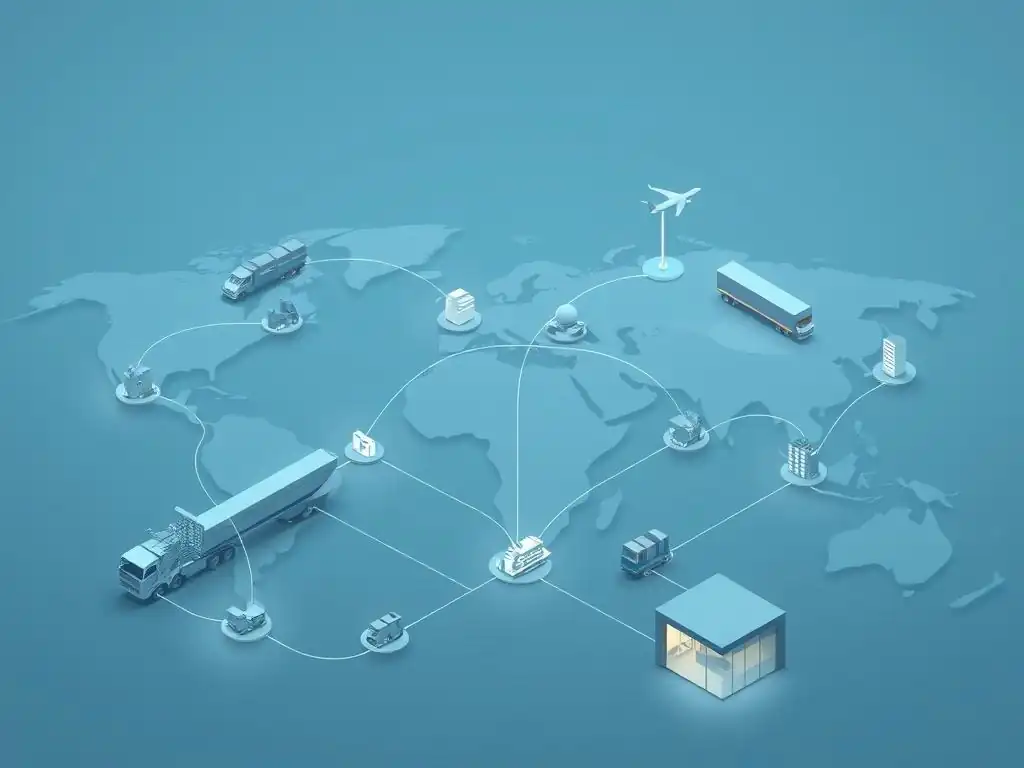
The market offers a variety of blockchain platforms, each with unique features, strengths, and cost structures relevant to supply chain applications. Understanding the nuances of prominent platforms is essential for selecting the most suitable technology to address specific supply chain challenges and manage the associated blockchain supply chain solutions cost.
Hyperledger Fabric: Features and Cost
Hyperledger Fabric, an open-source project hosted by The Linux Foundation, is a permissioned blockchain platform designed for enterprise use. Key features include:
- Modular architecture, allowing components like consensus services and membership services to be plug-and-play.
- Support for smart contracts written in various programming languages (Go, Node.js, Java).
- Channel architecture, enabling partitioned, confidential transactions between subsets of network participants.
- Identity management and access control via a Membership Service Provider (MSP).
Fabric's cost is primarily associated with development, infrastructure hosting (often on cloud platforms), and operational management. There are no per-transaction fees like gas. Development costs depend on complexity, while infrastructure costs scale with the number of nodes and transaction volume. An enterprise piloting Fabric might spend $50,000 - $250,000+ on initial setup and development, with ongoing hosting and maintenance costs. Scaling to production involves significantly higher infrastructure and support investments.
Ethereum: Smart Contracts and Gas Fees
Ethereum is a public, open-source blockchain known for its robust smart contract functionality. While primarily public, enterprise solutions often use private or consortium versions like Quorum (initially developed by J.P. Morgan). Key features include:
- Extensive ecosystem and developer community.
- Solidity as the primary language for smart contract development.
- High decentralization in the public network.
The cost of using the public Ethereum network involves "gas fees" paid for executing transactions and smart contracts. These fees fluctuate based on network demand and can become prohibitively high for frequent supply chain transactions. Private or consortium Ethereum implementations avoid public gas fees but involve infrastructure, development, and governance costs similar to other permissioned platforms. Development costs for complex dApps on Ethereum can be substantial due to the specialized skillset required and the need for rigorous smart contract auditing.
Corda: Confidentiality and Compliance
Corda, developed by R3, is a distributed ledger platform specifically designed for regulated industries like finance, but also well-suited for supply chain where privacy is paramount. Key features include:
- Focus on peer-to-peer transactions, with data shared only on a need-to-know basis.
- Smart contracts written in Java or Kotlin.
- Notary services to ensure transaction finality and prevent double-spending.
- Strong emphasis on legal enforceability of agreements.
Corda Enterprise, the commercial version, involves licensing fees from R3. Development costs are associated with building CorDapps (Corda applications) and integrating them with existing systems. Infrastructure costs relate to hosting Corda nodes. Corda's model avoids global broadcasting of transactions, potentially making it more efficient for confidential B2B interactions. The blockchain supply chain solutions cost for Corda Enterprise includes licensing, which can vary based on deployment size, in addition to development and operational expenditures.
VeChain: Supply Chain Focus and Functionality
VeChain is a public blockchain platform explicitly designed for enterprise applications, with a strong focus on supply chain management and anti-counterfeiting. Key features include:
- Two-token system (VET for value transfer, VTHO for transaction costs) designed to separate transaction costs from market speculation.
- Built-in tools and services for supply chain traceability, including digital identities for products.
- Partnerships with major enterprises in various sectors.
Using VeChain involves acquiring VTHO to cover transaction costs, which are generally low and more stable than Ethereum's gas fees. Development costs involve building applications on the VeChainThor blockchain. VeChain offers a more out-of-the-box solution for supply chain use cases compared to general-purpose platforms, potentially reducing custom development effort. The blockchain supply chain solutions cost here includes the cost of VTHO and development/integration fees.
IBM Blockchain Platform: Enterprise Solutions
The IBM Blockchain Platform is a cloud-based offering built on Hyperledger Fabric, providing tools and services to deploy and manage blockchain networks. Key features include:
- Managed service, simplifying the deployment and management of Fabric networks.
- Tools for developing, testing, and operating smart contracts.
- Focus on enterprise-grade security and scalability.
IBM Blockchain Platform operates on a subscription model, typically based on the resources consumed (e.g., number of nodes, CPU/memory usage). This offers a predictable cost structure compared to managing infrastructure manually. Development costs are associated with building on Fabric, but the platform provides tools that can potentially accelerate development and deployment. For enterprises seeking a managed service based on a robust permissioned platform, IBM Blockchain Platform represents a significant option, with costs scaling with the size and complexity of the network and the specific service tier chosen.
Selecting the Right Platform: A Step-by-Step Guide
Choosing the optimal blockchain platform for your supply chain requires a structured approach. It's not merely about selecting the most technologically advanced option, but finding the one that best aligns with your specific business needs, technical capabilities, budget, and long-term strategy.
Defining Requirements and Objectives
The first critical step is to clearly define the problem you are trying to solve with blockchain and the specific objectives of the implementation. Are you focused solely on traceability, or do you need to automate payments with smart contracts? Is data confidentiality a primary concern, or is maximum transparency required? Who are the stakeholders involved (internal departments, suppliers, customers, regulators)?
- Identify Key Use Cases: Traceability, provenance, anti-counterfeiting, supply chain finance, logistics optimization, compliance reporting.
- Define Required Functionality: Smart contract complexity, data privacy needs, transaction volume, required integrations.
- List Participating Parties: How many organizations will join the network? What are their technical capabilities?
- Establish Success Metrics: What does success look like? Reduced lead times, lower dispute rates, improved audit efficiency?
Clearly articulating these requirements will significantly narrow down the list of suitable platforms and help in accurately estimating the blockchain supply chain solutions cost.
Assessing Budget and Resources
Understanding the financial and technical resources available is crucial. As highlighted in the cost analysis, the blockchain supply chain solutions cost extends beyond initial setup. You need to assess:
- Available Budget: What is the allocated budget for the pilot project and potential full-scale rollout?
- Internal Expertise: Do you have in-house developers familiar with blockchain technologies, smart contracts, and the specific platforms being considered? Or will you need to hire external consultants or development firms?
- IT Infrastructure: What are your current IT capabilities? Can you host nodes, or will you rely on managed cloud services?
- Partner Readiness: Are your supply chain partners willing and able to invest in the technology and training required to participate?
A realistic assessment of resources will help avoid over-committing to platforms or solutions that are financially or technically out of reach.
Evaluating Technical Capabilities
Once requirements are defined and resources assessed, delve deeper into the technical capabilities of the shortlisted platforms. This involves evaluating them against the key considerations discussed earlier:
- Scalability: Can the platform handle your projected transaction volume?
- Security & Privacy: Does it meet your data confidentiality and security requirements? How robust is its consensus mechanism?
- Interoperability: How easily can it integrate with your existing ERP, WMS, and other systems? Are there readily available APIs or connectors?
- Smart Contract Capabilities: Does it support the complexity of the logic required for your use case?
- Governance Model: How are upgrades handled? How are disputes within the network resolved?
Conducting proof-of-concept (POC) projects on one or two shortlisted platforms can provide valuable hands-on experience and validate technical feasibility before making a final decision and incurring significant blockchain supply chain solutions cost.
Considering Long-Term Sustainability
Finally, consider the long-term sustainability of the chosen platform and solution. This involves looking at the platform's roadmap, the health of its ecosystem, and the potential for future evolution.
- Platform Roadmap: Does the platform have a clear plan for future development, upgrades, and new features?
- Ecosystem and Community: Is there an active developer community and a growing ecosystem of applications and service providers? This indicates long-term viability and support.
- Vendor/Consortium Stability: If choosing a proprietary or consortium-based platform, assess the stability and long-term commitment of the underlying organization(s).
- Flexibility: How adaptable is the platform to potential changes in your supply chain processes or future technological advancements (e.g., quantum computing resistance)?
Selecting a platform with a strong foundation and a clear path forward is crucial for ensuring that your initial blockchain supply chain solutions cost provides lasting value.
Case Studies: Real-World Implementations
Examining real-world implementations provides valuable insights into the practical application of blockchain in supply chain and the outcomes achieved. These examples illustrate how different industries are leveraging the technology and offer lessons learned for organizations considering similar initiatives.
De Beers: Tracking Diamonds with Blockchain
De Beers, the world's leading diamond company, launched the Tracr™ platform to enhance the traceability and provenance of diamonds. This platform uses blockchain technology to create an immutable record of a diamond's journey from mine to retailer. Each rough diamond is registered on the platform, and data points are added as it moves through the value chain (cutting, polishing, certification, retail).
- Objective: Increase consumer trust by providing verifiable assurance of a diamond's origin and ethical sourcing.
- Platform: A proprietary platform leveraging distributed ledger technology.
- Outcome: Tracr provides participants with a secure, tamper-proof digital trail, helping to combat illicit diamonds and build confidence among consumers and industry participants. While the specific blockchain supply chain solutions cost for Tracr is not publicly disclosed, it represents a significant investment in creating a trusted industry-wide platform.
Walmart: Food Traceability with IBM Food Trust
Walmart has been a key driver behind the IBM Food Trust platform, a blockchain-based network aimed at improving food traceability and safety. The platform connects growers, processors, distributors, and retailers on a shared ledger, allowing for rapid tracing of food items. In a pilot, Walmart demonstrated the ability to trace a mango from farm to store in seconds, a process that previously took days or weeks.
- Objective: Enhance food safety by enabling rapid identification and containment of contaminated products during outbreaks.
- Platform: IBM Blockchain Platform, built on Hyperledger Fabric.
- Outcome: Significant reduction in traceability time, improved efficiency in managing recalls, and increased transparency across the food supply chain. The blockchain supply chain solutions cost for participants on IBM Food Trust typically involves subscription fees based on usage, in addition to integration costs.
Lessons Learned from Implementations
These case studies highlight several key lessons for organizations implementing blockchain in supply chain:
- Collaboration is Key: Successful supply chain blockchain requires participation from multiple parties. Building consensus and encouraging adoption across the ecosystem is critical.
- Start Small: Pilot projects focusing on a specific, high-value use case (like traceability for a particular product line) can demonstrate value and build confidence before scaling.
- Integration is Complex: Connecting blockchain platforms with legacy systems is often the most challenging and costly part of implementation.
- Data Standards Matter: Agreeing on common data standards and formats across participants is essential for seamless data flow on the blockchain.
- Focus on Business Value: The technology should solve a real business problem, not be adopted merely for the sake of using blockchain. The potential ROI should justify the blockchain supply chain solutions cost.
Future Trends in Blockchain for Supply Chain
The application of blockchain in supply chain is continuously evolving. Several trends point towards a future where decentralized systems play an even more integrated and transformative role, further impacting the design and blockchain supply chain solutions cost of future implementations.
Role of AI and IoT
The convergence of blockchain with Artificial Intelligence (AI) and the Internet of Things (IoT) holds immense potential for supply chains. IoT devices (sensors, trackers) can automatically record data (location, temperature, humidity) onto the blockchain, providing real-time, verifiable information about goods. AI can then analyze this blockchain data to predict potential disruptions, optimize routes, manage inventory more effectively, and even automate complex decision-making processes based on immutable data.
This integration creates 'intelligent' supply chains where physical events trigger digital actions on the blockchain, verified and analyzed by AI. While adding layers of complexity, integrating AI and IoT can significantly enhance the value proposition of blockchain, potentially justifying higher initial blockchain supply chain solutions costs through increased automation, efficiency, and predictive capabilities.
Addressing Challenges to Adoption
Despite the clear benefits, several challenges hinder widespread blockchain adoption in supply chains. These include:
- Interoperability: Lack of seamless communication between different blockchain networks and between blockchain and legacy systems.
- Standardization: Absence of universally accepted data standards and protocols for supply chain blockchain applications.
- Regulation: Evolving and sometimes uncertain regulatory landscapes regarding digital assets, smart contracts, and data privacy.
- Consortium Building: The difficulty and effort required to onboard and govern multiple, often competing, supply chain partners onto a shared network.
- Blockchain supply chain solutions cost: The perceived high cost and complexity of implementation remain a barrier for many organizations, particularly SMEs.
Addressing these challenges through industry collaboration, development of open standards, clearer regulatory guidance, and more user-friendly, cost-effective platforms will be crucial for accelerating future adoption.
The Future of Decentralized Supply Chains
Looking ahead, the vision is towards increasingly decentralized supply chains where blockchain serves as the foundational layer of trust and transparency. This could involve:
- Decentralized Autonomous Organizations (DAOs): Supply chain networks governed by automated rules embedded in smart contracts, rather than a single central authority.
- Tokenization of Assets: Representing physical goods or contractual rights as digital tokens on a blockchain, enabling more liquid and efficient transfer of ownership and financing.
- Increased Consumer Engagement: Consumers directly accessing blockchain data to verify product authenticity, sustainability claims, and ethical sourcing.
While a fully decentralized global supply chain remains a long-term prospect, the trends indicate a clear movement towards more transparent, automated, and resilient networks powered by blockchain and complementary technologies. Understanding the trajectory of these developments is vital for organizations planning their long-term digital transformation strategies and evaluating future blockchain supply chain solutions cost implications.
Frequently Asked Questions
How can blockchain technology improve supply chain management?
Blockchain offers enhanced transparency and traceability within the supply chain. This leads to improved efficiency, reduced fraud, and increased consumer trust by providing a verifiable record of product origin and movement.
What are the key benefits of implementing blockchain supply chain solutions?
Implementing blockchain can result in reduced costs, enhanced security, and improved collaboration among supply chain participants. It also enables better data visibility and more efficient dispute resolution.
What are some common blockchain supply chain solutions cost factors to consider?
The cost of implementing blockchain solutions depends on factors like platform choice, integration complexity, and the scale of the project. Consider also the cost of training and ongoing maintenance.
How do I choose the right blockchain platform for my supply chain needs?
Assess your business requirements and compare different platforms based on scalability, security features, and interoperability. Consider factors like transaction costs and developer community support.
Is blockchain technology only beneficial for large enterprises, or can small and medium-sized businesses (SMBs) also benefit from blockchain supply chain solutions?
While large enterprises often lead adoption, SMBs can benefit from increased efficiency and improved access to markets through blockchain. The right solution can level the playing field.
The exploration of blockchain platforms for supply chain management, as detailed in this article, underscores a critical juncture for businesses today. The promise of enhanced transparency, security, and efficiency within supply chains is no longer a futuristic concept, but a tangible reality, albeit one that requires careful consideration of "Blockchain supply chain solutions cost" and platform selection. The potential to revolutionize how goods and information flow is immense, but only achievable through informed decision-making.
The impact of blockchain on supply chains extends far beyond mere cost reduction; it's about building trust and resilience in a world increasingly susceptible to disruptions. Witnessing the evolution of this technology, and its potential to reshape global trade, is both inspiring and humbling. The supply chain is the only thing that connects the world. If we can make it more efficient, we can make the world a better place.
- Peter Drucker (adapted for the context). This quote, while not originally about blockchain, perfectly encapsulates the potential impact of this technology on a global scale.
As you consider the implementation of blockchain solutions within your own supply chains, remember that the journey is as important as the destination. The insights shared in this article are intended to empower you to navigate the complexities of platform selection and cost analysis. Embrace the challenge, explore the possibilities, and contribute to a future where supply chains are not just efficient, but also ethical, transparent, and truly sustainable.
Empower Your Supply Chain: Start Building with Blockchain Today!
Thank you for exploring the transformative potential of blockchain for supply chain management. Now that you’re familiar with different platforms and their capabilities, it’s time to take the next step and realize real-world benefits.
Begin by initiating a small-scale pilot project using a blockchain platform suited to your needs. Hands-on experience is the most effective way to understand its strengths and limitations. Dive into the platform’s documentation and connect with developer communities to access valuable resources and support.
Feel free to share this article with colleagues or industry peers who could also benefit from understanding how blockchain can enhance supply chains. Together, we can drive innovation forward!
What specific area of your supply chain do you believe blockchain could improve most immediately? Share your thoughts below!
Leave a Reply