
DApp Architecture for Gaming: Designing Decentralized and PlaytoEarn Gaming Experiences

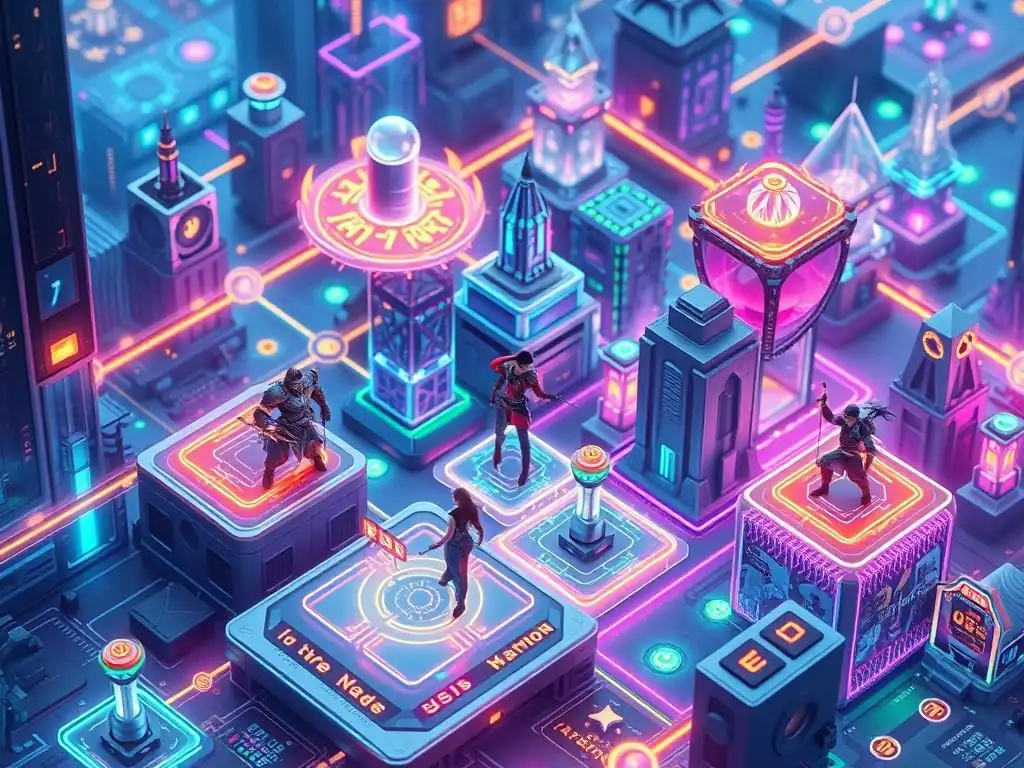
Welcome to Blockchain Trends, your compass in the rapidly evolving world of decentralized technology. Beyond the headlines, we delve into the real-world applications and transformative potential of blockchain. Ever wondered how to build the next generation of immersive gaming experiences? This week, we unravel the intricacies of decentralized gaming architecture design, exploring how DApps are revolutionizing the gaming landscape. Discover how to craft robust and engaging PlaytoEarn ecosystems, and unlock the secrets to building truly decentralized games. Dive in and let's explore the future of gaming, block by block.
- Introduction to Decentralized Gaming Architectures
- Key Components of a Decentralized Gaming Architecture
- Designing a Scalable and Efficient Decentralized Gaming Architecture
- Implementing Play-to-Earn (P2E) Mechanics in DApp Gaming
- Security Considerations for Decentralized Gaming Platforms
- Examples of Successful Decentralized Gaming Architectures
- The Future of Decentralized Gaming Architecture Design
- Conclusion: Embracing Decentralized Gaming Architecture for Innovation
-
Frequently Asked Questions
- What are the core benefits of using a decentralized architecture for gaming?
- How does blockchain technology enable Play-to-Earn (P2E) gaming models?
- What are some key considerations when designing the architecture for a decentralized gaming application (DApp)?
- How do NFTs play a role in decentralized gaming architecture design?
- What are some current challenges facing the adoption of decentralized gaming architecture?
- Final Reflection: Embracing the Future of Play
- Ignite Your Game Development Journey!
Introduction to Decentralized Gaming Architectures
The Rise of Blockchain Gaming and Play-to-Earn (P2E) Models
The gaming industry is experiencing a significant transformation driven by blockchain technology. This shift moves beyond traditional models where players essentially rent access to game worlds and assets controlled by a central entity. The emergence of blockchain gaming, particularly the Play-to-Earn (P2E) model, introduces true digital ownership, verifiable scarcity, and player-driven economies.
Games like Axie Infinity demonstrated the potential for players to earn real-world value through gameplay, attracting millions of users globally and generating billions in transaction volume during their peak. This paradigm shift necessitates a robust and innovative decentralized gaming architecture design that can support these new economic models and ownership structures.
This new wave of gaming emphasizes decentralization, giving players more control and a stake in the game's future. Unlike traditional games where in-game items are merely database entries owned by the publisher, blockchain games represent these assets as non-fungible tokens (NFTs), which are owned by the players and can be freely traded on open marketplaces.
This fundamental change in asset ownership is the cornerstone of P2E and requires a specific architectural approach to ensure security, transparency, and interoperability across the blockchain ecosystem. The design of a decentralized gaming architecture is critical to realizing the full potential of these player-centric economies.
Understanding the Core Principles of DApp Architecture in Gaming
Designing a decentralized gaming architecture involves integrating blockchain technology with traditional game development components. At its core, a DApp (Decentralized Application) architecture for gaming aims to move critical game logic, asset management, and economic interactions onto a decentralized network, typically a blockchain. This means that core game rules, player ownership of items, and value transfers are governed by smart contracts, which are self-executing code stored on the blockchain, rather than a centralized server. The goal is to eliminate single points of failure, enhance transparency, and empower players with verifiable ownership and participation.
A key principle is the separation of concerns between on-chain and off-chain components. While core game logic, asset ownership, and economic transactions reside on the blockchain for security and transparency, performance-intensive elements like real-time gameplay, graphics rendering, and complex simulations often remain off-chain. The decentralized gaming architecture design must carefully balance these aspects to ensure both the benefits of decentralization and a smooth, responsive gameplay experience. This hybrid approach is essential for scalability and efficiency, addressing the inherent limitations of current blockchain throughput.
Why Choose a Decentralized Architecture for Your Game? [Advantages Explained]
Opting for a decentralized gaming architecture offers several compelling advantages over traditional centralized models. Firstly, it provides true digital ownership. Players own their in-game assets (NFTs) on the blockchain, giving them the freedom to trade, sell, or even use these assets outside the game environment, provided other platforms support them. This contrasts sharply with traditional games where players only license the right to use in-game items. For instance, in games like CS:GO, while items can be traded, the underlying ownership is still tied to the platform (Steam).
Secondly, decentralized architectures enhance transparency and security. Game logic governed by smart contracts is publicly auditable on the blockchain, reducing the possibility of developers unfairly altering rules or manipulating economies without player knowledge. Transactions and asset histories are immutable and verifiable. Furthermore, decentralization reduces reliance on a single server, making the game more resilient to downtime or censorship. A well-implemented decentralized gaming architecture design fosters trust between players and developers and unlocks new economic possibilities through open marketplaces and interoperable assets.
Key Components of a Decentralized Gaming Architecture
Blockchain Selection: Choosing the Right Chain for Your Game
Selecting the appropriate blockchain is perhaps the most critical decision in decentralized gaming architecture design, as it impacts transaction speed, cost, scalability, and the potential user base. Different blockchains offer varying trade-offs. For instance, Ethereum offers robust security and a large existing user base but suffers from high gas fees and relatively slow transaction speeds on its mainnet (Layer 1). This makes it less suitable for games requiring frequent, low-value transactions.
Alternative chains and scaling solutions have emerged specifically to address these issues for gaming. Polygon, an Ethereum Layer 2 scaling solution, offers significantly lower transaction costs and faster speeds. Immutable X, built on Ethereum using ZK-Rollups, provides gas-free NFT minting and trading with high transaction throughput, specifically targeting gaming. BNB Chain offers faster transaction speeds and lower fees compared to Ethereum mainnet, attracting many initial P2E projects despite concerns about its relative centralization. The choice depends heavily on the game's mechanics, transaction volume, and target audience, requiring careful consideration of the decentralized gaming architecture design requirements.
Ethereum, Polygon, Immutable X, and BNB Chain [Comparison]
Ethereum (Layer 1) is known for its security and widespread adoption, supporting complex smart contracts. However, its average transaction cost can range from a few dollars to over fifty dollars or more during peak congestion, and confirmation times can vary significantly. This makes it impractical for games with frequent micro-transactions.
Polygon (Layer 2) provides a scaling framework for Ethereum, offering a PoS (Proof-of-Stake) sidechain and other scaling solutions. Transaction costs are typically fractions of a cent, and speeds are much faster, often confirming within seconds. Many games like Decentraland and The Sandbox utilize Polygon for in-game transactions and asset management.
Immutable X is a Layer 2 solution built specifically for NFTs on Ethereum. It uses ZK-Rollups to enable instant, gas-free transactions for minting, trading, and transferring NFTs at scale (up to 9,000+ transactions per second tested). This makes it highly attractive for games centered around collectible or frequently traded items, such as Gods Unchained.
BNB Chain (formerly Binance Smart Chain) is another popular choice due to its low transaction fees (often less than a dollar) and fast block times (around 3 seconds). It uses a Proof-of-Staked-Authority (PoSA) consensus mechanism. Projects like Axie Infinity initially thrived on BNB Chain (via Ronin sidechain, which is EVM-compatible) before migrating aspects to their own chain, demonstrating its early viability for P2E despite having fewer validators than Ethereum.
Smart Contracts: The Foundation of Game Logic and Asset Management
Smart contracts are the backbone of any decentralized gaming architecture design. These self-executing pieces of code, stored on the blockchain, automate critical game functions without the need for a central authority. In blockchain games, smart contracts typically govern asset ownership (like NFTs), define game rules for verifiable outcomes (e.g., battle results, item crafting), manage in-game currency or token distribution, and handle marketplace interactions. For example, an NFT smart contract (like ERC-721 or ERC-1155 on Ethereum-compatible chains) defines the ownership, transfer, and properties of unique game items.
Another crucial function of smart contracts is managing the game's economy. This includes mechanisms for minting new tokens or NFTs, distributing rewards to players based on gameplay achievements (P2E mechanics), handling staking mechanisms, and facilitating decentralized governance if the game incorporates it. The logic embedded in these contracts ensures that the core economic rules of the game are transparent and immutable once deployed, offering a level of trust not possible in centralized systems. The complexity and interaction of these contracts are central to a well-designed decentralized gaming architecture.
Designing Secure and Efficient Smart Contracts for Gaming
Designing smart contracts for gaming requires a strong focus on both security and efficiency. Smart contracts are immutable once deployed (though upgradeability patterns exist), meaning any vulnerabilities can be exploited permanently. Common vulnerabilities include reentrancy attacks (like the infamous DAO hack), integer overflows/underflows, and front-running. Developers must use secure coding practices, follow established patterns, and utilize reputable development frameworks and libraries.
Efficiency is equally important, especially on blockchains with variable transaction costs like Ethereum mainnet. Inefficient code can lead to prohibitively high gas fees for players performing in-game actions. This involves optimizing contract functions to minimize computations and storage operations, choosing appropriate data structures, and leveraging gas-efficient standards (like ERC-1155 over multiple ERC-721 contracts for batches of items). Proper design can significantly reduce the operational cost for players interacting with the game's on-chain elements, making the game more accessible and enjoyable within the decentralized gaming architecture.
Auditing and Security Best Practices for Smart Contracts
Given the immutability and financial implications of smart contracts, rigorous security auditing is non-negotiable in decentralized gaming architecture design. Before deployment, smart contracts should undergo comprehensive audits by independent blockchain security firms. These audits identify potential vulnerabilities, logic errors, and deviations from best practices. An audit report provides a level of assurance regarding the contract's security posture.
Beyond formal audits, continuous security practices are essential. This includes implementing automated testing (unit tests, integration tests, fuzz testing), static analysis tools during development, and potentially establishing a bug bounty program to incentivize the white-hat hacker community to find and report vulnerabilities before they are exploited. Regular code reviews by multiple developers also help catch errors. These layers of security measures are vital to protect player assets and maintain the integrity of the game's decentralized economy.
Decentralized Storage: Storing Game Assets and Data On-Chain/Off-Chain
While core ownership and critical logic reside on the blockchain, storing all game assets (like textures, 3D models, character data, complex item properties) directly on-chain is impractical due to cost and storage limitations. A balanced decentralized gaming architecture design utilizes decentralized storage solutions for larger data files. The blockchain typically stores only a pointer (like a hash or URI) to the asset's location on a decentralized storage network, linked to the NFT or smart contract representing the asset.
This hybrid approach ensures that while the ownership and verifiable existence of an asset are on-chain, the actual, potentially large, asset files are stored redundantly across a decentralized network. This prevents reliance on a single server that could go down or censor content. It also keeps blockchain transaction costs manageable by not embedding large data blobs directly into transactions or contract storage. The choice of decentralized storage solution impacts availability, persistence, and cost.
IPFS, Arweave, and Filecoin [Comparison]
InterPlanetary File System (IPFS) is a peer-to-peer network for storing and accessing files. Files are addressed by their content hash, meaning if the content changes, the address changes. IPFS itself doesn't guarantee persistence; files need to be "pinned" by nodes to remain available. Services like Pinata or Infura provide pinning services. It's widely used for linking NFT metadata.
Arweave is a decentralized storage network designed for permanent storage. Once data is uploaded and the storage fee is paid, it is stored permanently and immutably. This "permaweb" approach is suitable for ensuring game assets linked to NFTs remain accessible indefinitely without requiring continuous pinning. The cost is paid upfront for a projected 200+ years of storage.
Filecoin is a decentralized storage network built on top of IPFS. It adds an economic layer where users can pay storage providers to store their data. It aims to create a robust marketplace for decentralized storage. While still developing its ecosystem for general use, it offers a potential alternative for storing large game files with economic incentives for persistence.
Considerations for Data Scalability and Cost Efficiency
Designing a decentralized gaming architecture must account for the scalability and cost of data storage. Storing small amounts of data (like a few bytes of state or a content hash) on-chain is feasible but expensive per byte. Storing large files (megabytes or gigabytes) on-chain is prohibitively expensive and often technically limited.
Using decentralized storage solutions like IPFS or Arweave off-chain, linked by an on-chain hash, dramatically reduces on-chain costs. However, developers must consider the costs of the decentralized storage itself and the mechanisms for ensuring data persistence. For IPFS, this means managing pinning services; for Arweave, it's the upfront cost. The strategy for storing different types of game data – critical state on-chain, large assets off-chain on decentralized storage, and perhaps less critical or dynamic data on centralized servers or databases – is a key aspect of optimizing both performance and cost efficiency in the decentralized gaming architecture design.
Oracles: Bridging the Gap Between On-Chain and Off-Chain Data
Smart contracts on a blockchain are inherently isolated and cannot directly access data from outside the blockchain network (the "oracle problem"). However, many games require external information to function correctly. This could include random numbers for loot box drops or critical hits, real-world market data for dynamic in-game economies, or even outcomes from off-chain game simulations. Oracles are services that provide smart contracts with verified external data.
In decentralized gaming architecture design, oracles play a crucial role in introducing elements of unpredictability and connecting game logic to external events or data sources. A reliable oracle ensures that the off-chain data fed to the smart contract is accurate and tamper-proof, maintaining the integrity of the decentralized game. Without oracles, many dynamic and engaging game mechanics that rely on external information or verifiable randomness would be impossible to implement on-chain.
Integrating Oracles for Random Number Generation (RNG) and External Data Feeds
Verifiable Random Functions (VRF) provided by oracle networks are essential for creating fair and unpredictable outcomes in blockchain games. Traditional random number generators in centralized games can be manipulated by the server operator. A decentralized oracle like Chainlink VRF provides cryptographically secure and verifiable randomness directly to smart contracts. This ensures that outcomes like card draws, loot drops, or critical hits are truly random and cannot be gamed or predicted by players or developers.
Beyond randomness, oracles can feed other types of external data. For a game with a dynamic economy tied to real-world prices, an oracle could provide price feeds for in-game resources or tokens. For games with off-chain simulation components, an oracle could verify the outcome of a match or event computed off-chain and submit it to the smart contract for reward distribution. Integrating robust and reliable oracles is a critical part of building a secure and fair decentralized gaming architecture.
Designing a Scalable and Efficient Decentralized Gaming Architecture
Scalability and efficiency are major challenges in decentralized gaming architecture design, especially when targeting mass adoption. Blockchains, particularly public Layer 1 chains, have limited transaction throughput compared to centralized servers. High transaction volume can lead to network congestion, slow confirmation times, and prohibitively high transaction fees (gas costs). Addressing these limitations is paramount for creating a smooth and enjoyable player experience.
An efficient decentralized gaming architecture minimizes on-chain operations to only those strictly necessary for security, ownership, and core economic functions. It leverages off-chain processing for everything else. Scalability solutions, both on-chain (Layer 2) and architectural (hybrid models), are essential to handle the volume of transactions generated by a popular game, ensuring that players can interact with the game's decentralized elements quickly and affordably.
Layer-2 Scaling Solutions for Gaming DApps
Layer-2 scaling solutions are protocols built on top of a Layer 1 blockchain (like Ethereum) to increase transaction throughput and reduce costs while inheriting the underlying security of the base chain. They are a vital component in modern decentralized gaming architecture design. By processing transactions off the main chain and periodically settling proofs or state changes back on Layer 1, they can handle thousands or even tens of thousands of transactions per second.
Various Layer 2 technologies exist, each with different characteristics. Integrating the right Layer 2 solution is crucial for a game's success, allowing it to support a large player base and high transaction volume without crippling costs or delays. Without effective scaling, a decentralized game targeting millions of players would quickly become unusable on most Layer 1 networks alone.
Rollups, Validium, and Sidechains: Enhancing Transaction Throughput
Rollups (both Optimistic and Zero-Knowledge) execute transactions off-chain but post transaction data or validity proofs back to the Layer 1 chain. ZK-Rollups (like Immutable X utilizes) post validity proofs, offering faster finality and higher throughput, suitable for high-volume NFT trades. Optimistic Rollups post transaction data and assume validity, relying on a fraud-proving period, which can lead to withdrawal delays but are generally easier to implement for complex logic.
Validium chains also execute transactions off-chain and post validity proofs to Layer 1, similar to ZK-Rollups, but they store the transaction data off-chain as well. This provides very high throughput but means users rely on a third party to make data available, introducing a different trust assumption.
Sidechains (like Polygon's PoS chain or Ronin) are independent blockchains compatible with the Layer 1 chain. They have their own consensus mechanisms and process transactions entirely off the Layer 1. They offer high speed and low cost but have different security models than Layer 1, depending on their validators. Many initial P2E games found sidechains like Polygon and Ronin viable for their decentralized gaming architecture.
Optimizing Smart Contract Code for Gas Efficiency
Even when using Layer 2 solutions, optimizing smart contract code for gas efficiency remains important, especially for operations that must occur on Layer 1 or for maximizing throughput on Layer 2. Gas is the unit of computational effort on Ethereum-compatible chains, and each operation costs a certain amount of gas. Complex or inefficient code requires more gas, leading to higher transaction fees for players.
Developers must strive to write lean, efficient code. This involves minimizing state variable reads and writes (which are expensive), avoiding unnecessary loops or complex calculations within on-chain functions, using efficient data structures (like mappings instead of arrays where possible), and leveraging standards like ERC-1155 for batch operations on multiple tokens. Careful planning of which parts of the game logic must be on-chain versus which can be off-chain is fundamental to cost-effective decentralized gaming architecture design.
Reducing Transaction Costs in Decentralized Games
Reducing transaction costs is paramount for player adoption and retention in decentralized games. High gas fees can make simple in-game actions prohibitively expensive, discouraging players from engaging with the decentralized elements. Layer 2 solutions are the primary method for reducing these costs significantly, often bringing them down to fractions of a cent.
Beyond Layer 2, architectural choices matter. Designing game mechanics that batch on-chain operations (e.g., claiming multiple rewards in one transaction) or minimize the frequency of on-chain interactions helps. Developers can also strategically choose which actions require a blockchain transaction (e.g., trading a rare NFT) versus those that can be handled off-chain (e.g., moving a character in the game world, attacking a monster). This balance is key to creating a performant and affordable decentralized gaming experience.
Balancing On-Chain and Off-Chain Operations for Performance
Achieving a smooth and responsive gameplay experience is crucial, and this requires a careful balance between on-chain and off-chain operations in the decentralized gaming architecture design. Real-time actions, complex simulations, and rendering must happen off-chain on traditional game servers or client-side applications, as blockchain consensus mechanisms are too slow for these tasks.
Only actions requiring verifiable ownership, trustless interaction, or immutable state changes should occur on-chain. This includes minting/transferring NFTs, distributing token rewards, resolving critical game state changes that affect asset ownership or value, and potentially verifying outcomes through smart contracts or oracles. The interaction between the off-chain game client/server and the on-chain smart contracts must be seamless, often facilitated by APIs or SDKs that handle blockchain interactions in the background.
Hybrid Architectures for Optimal Gameplay Experience
Most successful decentralized games employ a hybrid architecture, combining the strengths of centralized and decentralized systems. The core game client and potentially game servers handle the high-performance aspects like graphics, physics, real-time combat, and non-critical state management. The blockchain and smart contracts handle the critical, trust-sensitive aspects like asset ownership, player balances, and verifiable game outcomes.
For example, in a blockchain-based trading card game, the actual gameplay (drawing cards, playing spells, tracking health) might happen on a traditional server for speed, but the ownership of the cards is verified on-chain (NFTs), and the outcome of a ranked match that awards tokens or NFTs is recorded and processed by a smart contract, potentially verified by an oracle. This hybrid approach allows for a rich, responsive gameplay experience while still delivering the core benefits of decentralization and true ownership.
Implementing Play-to-Earn (P2E) Mechanics in DApp Gaming
Play-to-Earn (P2E) is a model where players can earn valuable digital assets (cryptocurrencies or NFTs) through gameplay. Implementing P2E mechanics is a core aspect of many modern decentralized games and requires careful consideration within the decentralized gaming architecture design, particularly concerning tokenomics and asset integration.
Successful P2E implementation relies on creating sustainable in-game economies where value flows between players and potentially back into the game ecosystem. This involves designing game mechanics that reward players for their time, skill, and investment, while also ensuring the long-term health and balance of the economy. Tokenomics design and seamless NFT integration are critical elements.
Tokenomics Design: Creating Sustainable and Engaging P2E Economies
Tokenomics, the economics of a cryptocurrency token, is fundamental to a P2E game's sustainability. Most P2E games utilize one or more tokens. A common model involves a utility token used for in-game actions (like breeding, crafting, entry fees) and a governance token that represents ownership or voting rights in the game's future development. NFTs represent in-game assets like characters, land, or items.
Designing sustainable tokenomics is challenging. Early P2E games sometimes suffered from inflationary models where token emissions outpaced sinks (mechanisms for taking tokens out of circulation), leading to token price crashes. A robust design includes clear utility for tokens and NFTs, burning mechanisms (destroying tokens/NFTs), fees that flow back into the ecosystem or treasury, and incentives aligned with long-term gameplay and ecosystem health. The decentralized gaming architecture must support the complex flow of these tokens and NFTs securely via smart contracts.
Game Tokens, Governance Tokens, and NFTs [Role and Functionality]
Game Tokens (often utility tokens): These are typically earned through gameplay (winning battles, completing quests) and spent on in-game actions necessary for progression or earning more. Examples include Smooth Love Potion (SLP) in Axie Infinity or STARL in Star Atlas (though STARL has broader ecosystem utility). Their value is closely tied to in-game activity.
Governance Tokens: These tokens grant holders voting rights on proposals related to the game's development, treasury management, or economic parameters. Examples include Axie Infinity Shards (AXS) or Decentraland's MANA (which also functions as a currency). Governance tokens aim to decentralize control over the game's future, aligning player interests with the game's success.
NFTs: Non-Fungible Tokens represent unique in-game assets like characters (Axies), virtual land plots (Decentraland, The Sandbox), unique items, or cosmetic skins. Each NFT has distinct properties and a verifiable history of ownership on the blockchain. They enable true digital ownership, scarcity, and trading on open marketplaces, forming the core collectible and valuable assets in a P2E game.
NFT Integration: Enabling Ownership and Trading of In-Game Assets
Seamless NFT integration is vital for any decentralized game leveraging true asset ownership. This involves representing in-game items or characters as NFTs on a chosen blockchain or Layer 2 solution. The decentralized gaming architecture must facilitate the minting, transfer, and verification of these NFTs within the game environment and allow players to manage them in external wallets.
Beyond mere representation, the utility and design of NFTs within the game are crucial. NFTs can have varying levels of rarity, stats, abilities, or cosmetic features that impact gameplay or aesthetic appeal. Designing compelling and valuable NFTs encourages player engagement and participation in the game's economy. The architecture needs to link the on-chain NFT data (ownership, unique ID, metadata pointer) with the off-chain game logic that utilizes the NFT's properties.
Designing Unique and Valuable NFTs for Your Game
The value of an NFT in a game is derived from its utility, rarity, aesthetics, and the overall health of the game's ecosystem. Designing unique and valuable NFTs involves defining their properties (stored in metadata, often off-chain on decentralized storage), their in-game function (e.g., a sword with specific damage stats, a character with unique abilities), and their visual representation.
Consideration must be given to the total supply of NFTs, their distribution mechanisms (earning through gameplay, purchasing in drops), and how their value might appreciate or depreciate over time based on game updates and player activity. Utilizing standards like ERC-721 for unique items or ERC-1155 for semi-fungible or batchable items is standard practice. The underlying decentralized gaming architecture must reliably connect the on-chain token ID to the off-chain data defining the NFT's specific attributes and appearance.
Decentralized Marketplaces: Facilitating Peer-to-Peer Trading of NFTs
A key benefit of NFTs is the ability for players to freely trade their in-game assets on open marketplaces, independent of the game publisher. This creates a secondary market where the value of assets is determined by supply and demand, enabling the "Earn" aspect of P2E. Integrating with or building a decentralized marketplace is a critical component of the decentralized gaming architecture.
These marketplaces allow players to list their NFTs for sale (fixed price or auction) using smart contracts, and other players can purchase them peer-to-peer. The transaction is recorded on the blockchain, ensuring transparent and trustless exchange of ownership. Royalties for creators or the game developer can also be automatically enforced via smart contract logic during secondary sales.
Integrating with Existing NFT Marketplaces or Building Your Own
For many game developers, integrating with existing, established NFT marketplaces is the most practical approach. Marketplaces like OpenSea, Immutable X Marketplace, or Magic Eden (on Solana) have large user bases and provide the necessary infrastructure for listing, browsing, and trading NFTs. Games simply need to ensure their NFTs adhere to relevant standards (like ERC-721 or ERC-1155) and that their metadata is correctly formatted and stored. This leverages existing network effects and reduces development overhead.
Alternatively, larger projects or those with specific needs might choose to build their own in-game or dedicated marketplace. This offers more control over the user experience, branding, and fee structure. However, building a secure and functional marketplace is complex and requires significant development effort, including writing and auditing sophisticated smart contracts for trading, escrow, and royalty distribution. Both approaches require careful integration within the overall decentralized gaming architecture.
Security Considerations for Decentralized Gaming Platforms
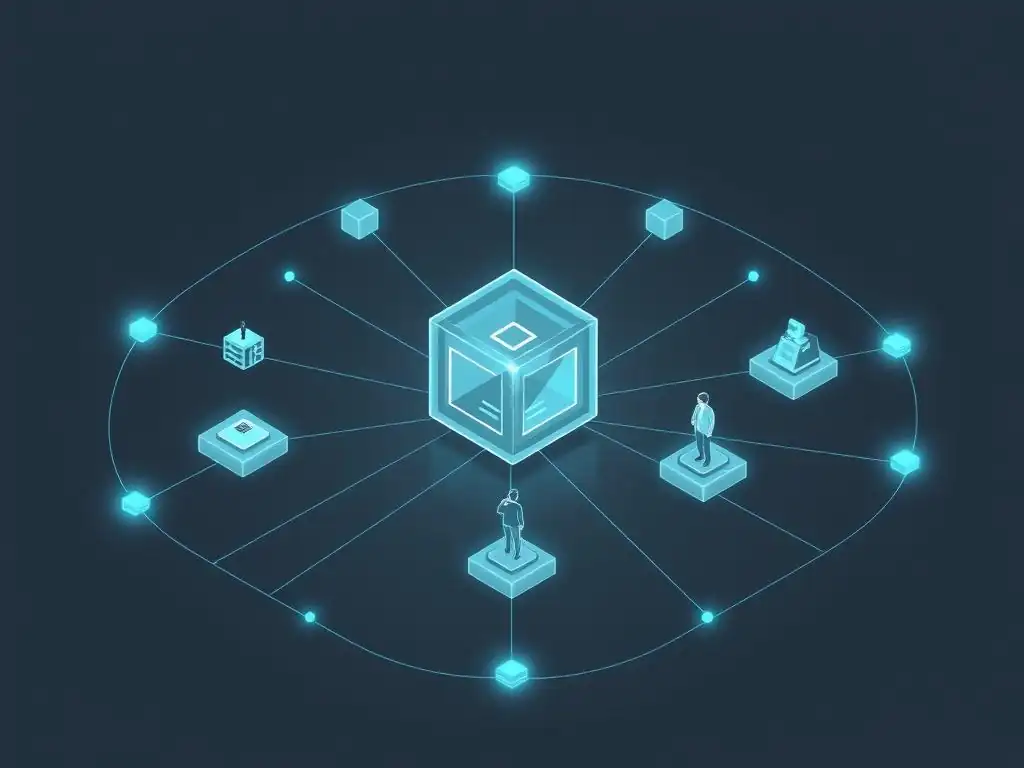
Security is paramount in decentralized gaming architecture design, as vulnerabilities can lead to significant financial losses for both players and developers. Unlike centralized games where a company can roll back databases or issue refunds, blockchain transactions and smart contract interactions are often immutable. Exploits can be permanent and devastating.
Security considerations must be integrated from the initial design phase through development, deployment, and ongoing operations. This includes securing smart contracts, protecting off-chain components, and implementing robust access control. The open nature of blockchain means that all on-chain code and transactions are public, making security through obscurity impossible.
Preventing Common Security Vulnerabilities in Smart Contracts
Smart contracts are a primary target for attackers in decentralized gaming. Common vulnerabilities include reentrancy (where an external contract call can repeatedly call back into the original contract before its state is updated), integer overflow/underflow (where calculations exceed the maximum or go below the minimum value a variable type can hold, leading to unexpected results), and front-running (where an attacker observes a pending transaction, predicts its outcome, and submits their own transaction with higher gas fees to get it processed first).
Preventing these requires developers to follow secure coding patterns, such as using the "checks-effects-interactions" pattern to update state before making external calls, using safe math libraries to prevent overflows/underflows, and being aware of transaction ordering issues on public blockchains. Code must be simple, modular, and thoroughly tested.
Reentrancy Attacks, Overflow/Underflow Issues, and Front-Running
A classic reentrancy example involves a withdrawal function where a user's balance is deducted after sending them funds. An attacker's malicious contract can call the withdrawal function repeatedly during the brief window before the balance is updated, draining the contract. The preventative "checks-effects-interactions" pattern ensures the balance is updated before sending funds.
Integer overflows/underflows can occur when adding numbers that exceed the maximum value of a variable (overflow) or subtracting from a number that goes below zero for an unsigned integer (underflow). For instance, if a player's score is stored as a uint8 (max 255), and they gain 100 points when they have 200, it might wrap around to 44 (200+100 = 300, 300 % 256 = 44). Using larger variable types or safe math libraries is crucial.
Front-running is particularly relevant in decentralized marketplaces or competitive P2E mechanics. An attacker sees a transaction (e.g., a profitable trade or a claim for a valuable item) in the public transaction pool, submits a similar transaction with higher gas, and gets it processed first. Designing smart contracts to minimize reliance on specific transaction order or implementing mechanisms like commit-reveal schemes can mitigate this.
Implementing Robust Access Control and Authentication Mechanisms
While decentralized games aim to be permissionless for players, certain administrative functions within smart contracts (like pausing the contract, upgrading logic, or minting specific assets) often require restricted access. Implementing robust access control mechanisms is vital to prevent unauthorized access to these functions.
Common patterns include using Ownable contracts where only the contract deployer or a designated owner address can call specific functions, or more complex AccessControl contracts that assign different roles (e.g., MINTER_ROLE, PAUSER_ROLE) to different addresses. For decentralized governance, multi-signature wallets or DAO-based control can be used, requiring multiple parties or token holders to approve sensitive actions. Authenticating users interacting with off-chain game servers connected to the blockchain also requires secure methods, often involving signing messages with their private keys to prove ownership of an address without exposing the key itself.
Regular Security Audits and Bug Bounty Programs
As mentioned earlier, regular security audits are non-negotiable. A comprehensive audit by a reputable third party provides a snapshot of the contract's security at a specific point in time. Given the dynamic nature of game development and potential contract upgrades, periodic re-audits are recommended, especially after significant code changes.
Establishing a public bug bounty program encourages the community to find and responsibly disclose vulnerabilities. Offering rewards for finding critical bugs incentivizes security researchers and white-hat hackers to test the system rather than exploit it. Many successful blockchain projects, including decentralized games, utilize bug bounties as an ongoing security measure. These practices are vital for maintaining trust and security within the decentralized gaming architecture.
Examples of Successful Decentralized Gaming Architectures
Examining existing successful blockchain games provides valuable insights into practical decentralized gaming architecture design choices and the trade-offs involved. While the specific implementations vary, they generally showcase hybrid approaches combining on-chain elements for ownership and core logic with off-chain systems for performance.
Analyzing the architectures of pioneers like Axie Infinity and Decentraland highlights different strategies for blockchain integration, scaling, and economic design. These case studies offer concrete examples of how theoretical decentralized gaming architecture principles are applied in real-world, large-scale applications, along with the challenges they faced and the solutions they developed.
Analyzing the Architecture of Popular Blockchain Games [Case Studies]
Successful blockchain games have navigated the complexities of integrating decentralized technology while providing an engaging user experience. Their architectures reflect the state of blockchain technology at the time of their development and their specific game mechanics.
These case studies demonstrate the evolution of decentralized gaming architecture, from early reliance on Layer 1 chains to the adoption of sidechains and Layer 2 solutions. They also show different approaches to managing game state, asset ownership, and economic interactions on or off the chain.
Axie Infinity: Architecture Breakdown
Axie Infinity, a pioneer in the P2E space, initially relied heavily on the Ethereum blockchain for its core assets (Axie NFTs) and the ERC-20 AXS token. However, due to high Ethereum gas fees, it became prohibitively expensive for players to perform frequent actions like breeding Axies or claiming Smooth Love Potion (SLP) tokens earned from gameplay.
To address this, Sky Mavis, the developer, built Ronin, an Ethereum-linked sidechain optimized for Axie Infinity's specific needs. Ronin handles the majority of in-game transactions, including breeding, crafting, and SLP transfers, with significantly lower fees and faster speeds than Ethereum mainnet. Axie NFTs and AXS tokens can be bridged between Ethereum and Ronin. The actual gameplay (battles) occurs off-chain on game servers, with results submitted to Ronin for processing rewards. This hybrid decentralized gaming architecture using a custom sidechain was crucial for its scalability and economic viability.
Decentraland: Architecture Breakdown
Decentraland is a decentralized virtual world. Its core assets, LAND (parcels of virtual land) and ESTATEs (grouped LAND parcels), are represented as ERC-721 NFTs on the Ethereum blockchain. The primary in-world currency, MANA, is an ERC-20 token, initially on Ethereum and later also bridged to Polygon for lower transaction costs.
While ownership of land and assets, as well as MANA transactions, occur on-chain (or via Layer 2), the rendering of the 3D world, player movement, and real-time interactions within the world happen off-chain, streamed to the user's client from decentralized servers or peer-to-peer. The game state related to what is built on LAND parcels is stored off-chain, often using IPFS for static assets, with hashes potentially linked to the LAND NFT metadata.
Governance over the Decentraland world and its smart contracts is managed by a Decentralized Autonomous Organization (DAO) where MANA and LAND holders can vote on proposals, adding another layer of decentralization to the architecture.
Lessons Learned and Best Practices from Existing DApp Games
The experiences of early decentralized games offer critical lessons for future decentralized gaming architecture design. A primary takeaway is the absolute necessity of effective scaling solutions. Games that remained solely on Ethereum Layer 1 struggled with usability and cost. Migrating to or launching on Layer 2s or sidechains proved essential for handling volume and reducing player costs.
Another lesson is the importance of sustainable tokenomics. P2E economies require careful design to balance token emission (earning) and burning (spending) mechanisms to maintain value. Many early P2E games faced economic challenges due to unsustainable models. Finally, security must be paramount; multiple high-profile hacks have underscored the need for rigorous auditing and continuous security monitoring of smart contracts and associated infrastructure.
The Future of Decentralized Gaming Architecture Design
The field of decentralized gaming architecture design is rapidly evolving. As blockchain technology matures and new scaling solutions emerge, the possibilities for complex, performant, and truly decentralized games are expanding. The future will likely see improvements in blockchain interoperability, more sophisticated Layer 2 solutions, and increased integration of decentralized governance models.
Emerging trends suggest a move towards even more player ownership and control, not just of assets but potentially of the game's direction itself. The technical challenges of scalability and user experience remain, but innovation continues to push the boundaries of what is possible with blockchain in gaming.
Emerging Trends in Blockchain Gaming Technology
Several technological trends are shaping the future of decentralized gaming architecture. Increased focus on interoperability between different blockchains and Layer 2 networks could allow assets to move more freely between games and platforms. Advancements in ZK-Rollups promise higher throughput and lower costs, potentially enabling more complex on-chain game logic or more frequent on-chain interactions.
Furthermore, the development of app-specific chains or subnets (like those possible with Avalanche or Polkadot) allows game developers to create blockchains tailored precisely to their game's needs, offering maximum control and performance without competing for blockspace with other applications. This allows for highly optimized decentralized gaming architecture solutions.
The Role of DAOs in Governing Decentralized Games
Decentralized Autonomous Organizations (DAOs) are increasingly playing a role in the governance of blockchain games. A DAO is a form of organization structure where decisions are made by token holders voting on proposals, rather than by a central company. In decentralized gaming, DAOs can govern everything from treasury management (how funds generated by the game are used) to significant game design changes, economic parameters, and even the roadmap.
Integrating a DAO into the decentralized gaming architecture design allows players who hold governance tokens to have a direct say in the game's evolution. This aligns incentives and can foster a strong community, but it also introduces complexities in decision-making speed and coordination. Structuring the DAO and defining its powers requires careful consideration to ensure effective governance without hindering necessary development or responsiveness.
Challenges and Opportunities for Decentralized Game Developers
Despite the significant progress, challenges remain for developers building decentralized games. Scalability, while improved by Layer 2s, is still a constraint compared to traditional gaming infrastructure. Onboarding new players who are not familiar with blockchain wallets, gas fees, and seed phrases remains a barrier to mainstream adoption. Designing truly decentralized game logic that is both secure and complex is difficult.
However, the opportunities are vast. True ownership and P2E models unlock new revenue streams and business models. Decentralized marketplaces create vibrant secondary economies. The ability to build interoperable experiences and leverage open standards allows for innovation and collaboration across the ecosystem. As the technology matures and user interfaces improve, the potential for decentralized gaming to disrupt the industry through innovative decentralized gaming architecture design is immense.
Conclusion: Embracing Decentralized Gaming Architecture for Innovation
Key Takeaways for Designing Effective DApp Gaming Experiences
Designing an effective decentralized gaming architecture is a complex undertaking that requires careful consideration of blockchain technology, game mechanics, economics, and user experience. Key takeaways include prioritizing scalability through Layer 2 solutions or sidechains, meticulously designing sustainable tokenomics and NFT utility, implementing robust security measures (especially for smart contracts), and balancing on-chain and off-chain operations for optimal performance. The choice of blockchain, storage solutions, and oracle integration are foundational decisions impacting the entire architecture.
A successful decentralized gaming architecture design empowers players with true ownership and participation while providing a smooth, engaging, and secure gameplay experience. It moves beyond simply adding NFTs to a traditional game and fundamentally rethinks how game economies and asset management function within a decentralized paradigm.
The Potential of Decentralized Gaming to Revolutionize the Industry
Decentralized gaming, powered by innovative decentralized gaming architecture, has the potential to revolutionize the traditional gaming industry. By shifting power and ownership from centralized publishers to players, it creates more equitable and transparent ecosystems. The P2E model and open marketplaces unlock new economic opportunities for players globally.
As the technology matures, user experience improves, and development tools become more accessible, decentralized gaming could move from a niche market to mainstream adoption. This shift promises a future where players are not just consumers but active participants and stakeholders in the virtual worlds they inhabit, fundamentally changing the relationship between players, developers, and game assets.
Frequently Asked Questions
What are the core benefits of using a decentralized architecture for gaming?
Decentralized gaming architecture offers several advantages, including enhanced security through blockchain, increased transparency in game mechanics, and player ownership of in-game assets via NFTs.
How does blockchain technology enable Play-to-Earn (P2E) gaming models?
Blockchain facilitates P2E by allowing players to earn cryptocurrency or NFTs through gameplay. This creates a real-world economic incentive for players and fosters a more engaged community.
What are some key considerations when designing the architecture for a decentralized gaming application (DApp)?
Important factors include scalability to handle large player bases, gas fees associated with blockchain transactions, and user experience to ensure a smooth transition from traditional gaming.
How do NFTs play a role in decentralized gaming architecture design?
NFTs enable unique and verifiable ownership of in-game items, characters, and land. This allows for true digital scarcity and new economic opportunities within the game.
What are some current challenges facing the adoption of decentralized gaming architecture?
Challenges include high transaction costs, limited scalability of some blockchain networks, and the complexity of developing and deploying DApps compared to traditional games.
Final Reflection: Embracing the Future of Play
The exploration of decentralized gaming architecture design reveals more than just technical blueprints; it unveils a paradigm shift in how we perceive ownership, community, and the very essence of play. The principles discussed throughout this article are not merely theoretical constructs; they are actively shaping the future of gaming, empowering players and fostering a more equitable and transparent ecosystem.
The impact of decentralized gaming extends far beyond the digital realm, influencing the cultural landscape by redefining the relationship between creators and consumers. This shift towards player ownership and community-driven development is not just a trend; it's a fundamental change in how we interact with and value digital assets. The future of gaming is not just about playing games; it's about owning them, building them, and sharing in their success.
This quote encapsulates the transformative potential of decentralized gaming, highlighting the power it places in the hands of the players.
As we stand on the cusp of this new era, I invite you to reflect on the principles of decentralized gaming architecture design and consider how you can contribute to its evolution. Whether you're a developer, a player, or simply a curious observer, your understanding and engagement are crucial. Embrace the possibilities, explore the potential, and together, let's build a future where gaming is truly decentralized, empowering, and rewarding for all.
Ignite Your Game Development Journey!
Thank you for exploring the exciting world of DApp architecture in gaming. We hope you've gained valuable insights into designing decentralized and play-to-earn gaming experiences. Now, let's put that knowledge into action:
- Start building your own simple DApp game using a framework like Phaser and connecting it to a testnet environment. This is the best way to solidify your understanding and experience the potential firsthand.
- Delve deeper into specific blockchain technologies like Polygon or Immutable X to find the most suitable scaling solution for your ideal game.
- Share your DApp gaming ideas and challenges with fellow developers on online forums or social media channels to foster collaboration and gain valuable feedback.
What innovative play-to-earn mechanic will you incorporate into your first DApp game? Share your thoughts in the comments below!
Leave a Reply