
The Evolution of Interoperable Metaverses: Blockchain's LongTerm Impact

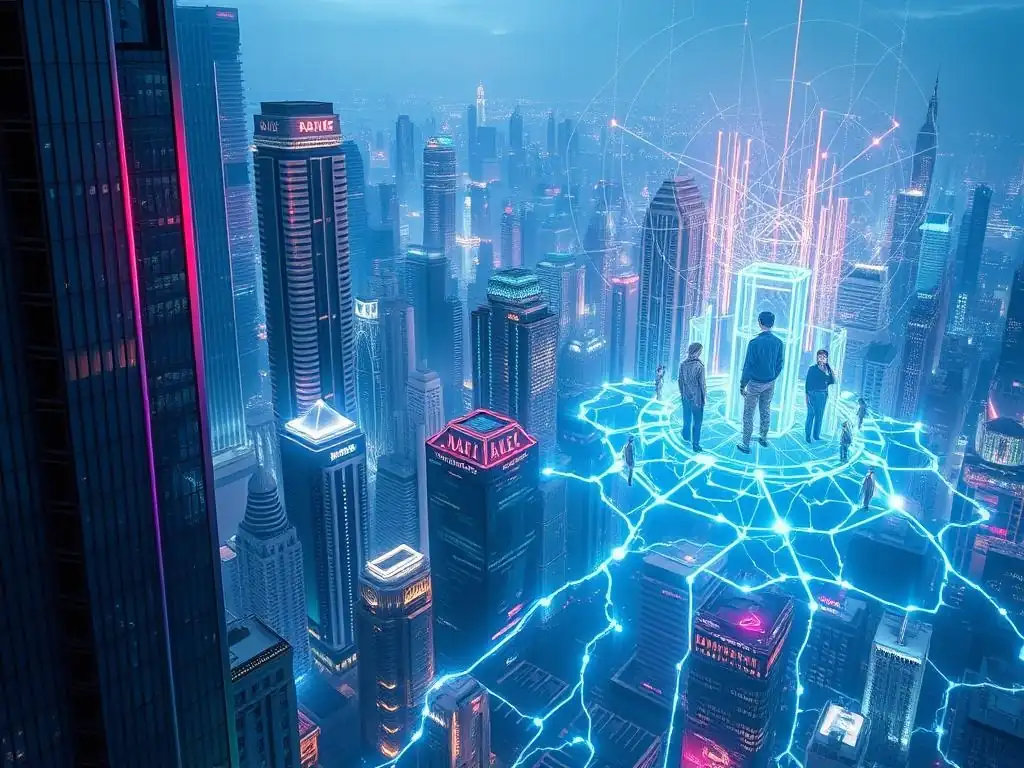
Welcome to Blockchain Trends, your compass in the rapidly evolving world of decentralized technology. Curious about how blockchain is reshaping industries beyond the headlines?
Dive into our latest analysis on the future of blockchain interoperable metaverse applications, and discover how seamless connectivity is poised to unlock unprecedented opportunities in the virtual landscape. Explore the possibilities, understand the challenges, and join us as we chart the course toward a decentralized future. What does this mean for the long term? Let's explore.
The Evolution of Interoperable Metaverses: Blockchain's Long-Term Impact
- Introduction: Understanding the Vision of Interoperable Metaverses
- The Current State of Metaverse Development and its Limitations
- Blockchain Technology as a Catalyst for Metaverse Interoperability
- Key Blockchain Interoperable Metaverse Applications
-
Exploring Different Blockchain Solutions for Interoperability
- Layer-2 Scaling Solutions: Enhancing Transaction Speed and Reducing Costs
- Cross-Chain Bridges: Facilitating Asset Transfers Between Blockchains
- Interoperability Protocols: Establishing Communication Standards for Metaverses
- Polkadot: Technical Details and Advantages
- Cosmos: Technical Details and Advantages
- The Long-Term Impact of Blockchain on Metaverse Evolution
- Case Studies: Real-World Examples of Blockchain Interoperability in Metaverses
- The Future of Blockchain Interoperable Metaverse Applications
- Conclusion: Embracing the Potential of Blockchain for a Truly Interconnected Metaverse
-
Frequently Asked Questions
- How does blockchain enable interoperability within metaverse environments?
- What are some potential enterprise applications of a blockchain-based interoperable metaverse?
- What role do DeFi protocols play in the future of interoperable metaverses?
- What are some of the regulatory challenges associated with a widespread adoption of blockchain interoperable metaverse applications?
- How might the future of blockchain interoperable metaverse applications impact social interaction and decentralized communities?
- Final Reflection: Weaving the Tapestry of Tomorrow's Worlds
- Embark on Your Metaverse Journey Today!
Introduction: Understanding the Vision of Interoperable Metaverses
Defining Interoperability in the Metaverse Context
Interoperability, in the context of metaverses, refers to the ability of different virtual worlds and digital platforms to seamlessly connect and interact with each other. Imagine a user being able to use their avatar, purchased digital assets, and social identity across various metaverse platforms, much like browsing different websites on the internet with a single browser.
This goes beyond simply linking platforms; it envisions a fluid exchange of data, assets, and experiences between distinct virtual environments. True interoperability would mean that items acquired in one metaverse, say a unique virtual sword in a gaming world, could be used or traded in a completely different metaverse platform, perhaps a virtual social space or an online marketplace.
This concept is crucial for the metaverse to evolve from a collection of isolated digital islands into a cohesive and truly immersive digital universe. Currently, many metaverse projects operate in silos, limiting user experience and hindering the full potential of virtual interactions. Interoperability seeks to break down these walls, creating a more unified and expansive metaverse ecosystem where users are not confined to the boundaries of a single platform. Think of it as moving from walled gardens to an open digital landscape, where users have greater freedom and control over their virtual presence and digital possessions.
The Growing Demand for Seamless Metaverse Experiences
The demand for seamless metaverse experiences is rapidly increasing, driven by users who are seeking greater flexibility and utility from their engagement in virtual worlds. Early adopters of metaverse platforms are quickly realizing the limitations of walled gardens, where their digital assets and identities are locked within a single ecosystem. Imagine investing time and resources into building a virtual identity and collecting digital assets in one metaverse, only to find that these investments are completely unusable in another, equally appealing virtual world. This fragmentation creates friction and limits the overall value proposition of the metaverse.
Users are increasingly desiring the freedom to move between different virtual environments without losing their identity, assets, or social connections. They want to participate in diverse experiences – from gaming to social interactions, virtual events, and even digital commerce – within a unified and interconnected digital space. This demand is not just about convenience; it's about realizing the full potential of the metaverse as a persistent and evolving digital reality. Market research indicates a growing user expectation for cross-platform compatibility, with many expressing frustration over the current lack of interoperability and its impact on their metaverse experience.
Blockchain's Role in Enabling Metaverse Interoperability: An Overview
Blockchain technology emerges as a pivotal solution to unlock metaverse interoperability, offering the decentralized infrastructure and tools necessary to connect disparate virtual worlds. Its inherent characteristics, such as transparency, security, and immutability, make it ideally suited to address the challenges of fragmented metaverse development. Blockchain provides a shared, verifiable ledger that can track digital assets and identities across different platforms, fostering trust and enabling seamless data exchange. By leveraging blockchain, metaverses can move away from centralized control and towards a more open, user-centric ecosystem.
The application of blockchain in the metaverse goes beyond just cryptocurrencies. Smart contracts, built on blockchain, can automate interactions and transactions between metaverses, ensuring secure and transparent exchanges of assets and data. Non-fungible tokens (NFTs), also powered by blockchain, provide a mechanism for representing unique digital assets and proving ownership across different virtual platforms. In essence, blockchain acts as the foundational layer for building interoperable metaverses, providing the essential tools and protocols for creating a truly interconnected and decentralized digital future.
The Current State of Metaverse Development and its Limitations
Siloed Metaverse Platforms: A Fragmented User Experience
Currently, the metaverse landscape is largely characterized by siloed platforms, each operating independently with limited or no connection to others. Popular platforms, while offering immersive experiences within their own ecosystems, function as isolated digital islands. For example, users invested in virtual assets or identities within platform A cannot readily transfer or utilize these in platform B or platform C. This fragmented approach creates a disjointed user experience, hindering the seamless flow of users and assets across the metaverse.
This siloed nature stems from the diverse technological foundations and proprietary interests of different metaverse developers. Each platform often employs unique technologies, asset standards, and governance models, making interoperability a complex technical and organizational challenge. This lack of standardization results in users being confined to specific ecosystems, limiting their overall metaverse experience and preventing the emergence of a truly unified digital world. Industry analysts estimate that less than 10% of existing metaverse platforms currently offer any form of meaningful interoperability, highlighting the significant gap between the current state and the vision of a connected metaverse.
Challenges in Asset Transfer and Data Sharing Across Virtual Worlds
One of the most significant limitations of the current metaverse ecosystem is the difficulty in transferring digital assets and sharing data between different virtual worlds. Imagine purchasing a digital artwork as an NFT in one metaverse platform, but being unable to display it or trade it in another. This lack of portability significantly diminishes the value and utility of digital assets within the metaverse. Similarly, user data and identities are often locked within individual platforms, preventing seamless transitions and personalized experiences across different virtual environments.
Technically, these challenges arise from the lack of standardized protocols for asset representation, data formats, and communication between different blockchain networks and metaverse platforms. Each platform often uses proprietary systems, making it difficult to establish common ground for interoperability. Furthermore, concerns regarding security, data privacy, and intellectual property rights also complicate the process of enabling seamless data sharing and asset transfers across diverse metaverse ecosystems. Overcoming these challenges is crucial for unlocking the full potential of the metaverse and creating a more user-centric and interconnected digital future.
The Need for Standardized Protocols and Governance Models
To overcome the limitations of fragmented metaverse development and foster true interoperability, the establishment of standardized protocols and governance models is paramount. Standardized protocols would define common rules and formats for data exchange, asset representation, and communication between different metaverse platforms. This would enable developers to build interoperable applications and services, allowing users to seamlessly move their avatars, assets, and data across various virtual worlds. Think of the internet protocols like HTTP and TCP/IP which enabled the web to become universally accessible and interoperable.
Beyond technical standards, robust governance models are needed to manage the interoperable metaverse ecosystem. These models should address issues such as cross-platform asset ownership, data privacy, security, and dispute resolution. A collaborative approach involving industry stakeholders, including metaverse developers, blockchain experts, and regulatory bodies, is essential to develop and implement these standards and governance frameworks. Without these foundational elements, the vision of a truly interoperable and open metaverse will remain a distant aspiration.
Blockchain Technology as a Catalyst for Metaverse Interoperability
Blockchain's Decentralized Infrastructure: Fostering Trust and Transparency
Blockchain technology, with its decentralized infrastructure, provides a foundational layer of trust and transparency essential for metaverse interoperability. Unlike traditional centralized systems, blockchain operates on a distributed ledger, making data tamper-proof and verifiable by all participants. This inherent transparency is crucial for establishing trust in the exchange of digital assets and data across different metaverse platforms, especially when users are interacting with unfamiliar virtual environments.
The decentralized nature of blockchain eliminates the need for a central authority to control and validate transactions or data. This reduces the risk of single points of failure and censorship, making the interoperable metaverse more resilient and user-centric. By leveraging blockchain, metaverse platforms can establish a shared and immutable record of asset ownership and transactions, fostering greater confidence and security in cross-platform interactions. This trust layer is fundamental for users to feel comfortable investing their time and resources in an interoperable metaverse ecosystem.
Smart Contracts: Automating Inter-Metaverse Interactions and Transactions
Smart contracts, self-executing agreements coded on the blockchain, offer a powerful mechanism for automating interactions and transactions between different metaverse platforms. These contracts can be programmed to execute specific actions automatically when predefined conditions are met, eliminating the need for intermediaries and reducing the potential for fraud or manipulation in inter-metaverse interactions. For example, a smart contract could facilitate the secure and automated transfer of a digital asset from metaverse A to metaverse B upon the fulfillment of certain conditions, such as payment or user authentication.
Smart contracts can streamline complex processes involved in interoperability, such as cross-platform asset trading, identity verification, and data sharing. They ensure that interactions are transparent, secure, and executed according to pre-agreed terms, fostering trust and efficiency in the interoperable metaverse environment. The use of smart contracts for cross-metaverse transactions can significantly reduce friction and enhance the user experience by automating and securing complex interactions between different virtual worlds.
Non-Fungible Tokens (NFTs): Enabling Cross-Platform Asset Ownership and Management
Non-Fungible Tokens (NFTs) are a cornerstone of blockchain-based interoperability, providing a unique and verifiable way to represent ownership of digital assets across different metaverse platforms. Each NFT is unique and indivisible, recorded on the blockchain, ensuring provable ownership and authenticity. This allows users to own and control their digital assets, such as virtual avatars, land, collectibles, and in-game items, and potentially use them across various interoperable metaverses.
NFTs enable users to carry their digital identities and possessions with them as they navigate different virtual worlds. Imagine purchasing a unique digital artwork as an NFT; with interoperability, you could display this artwork in your virtual home in metaverse A, showcase it in a virtual gallery in metaverse B, and even lend it to a friend in metaverse C, all while maintaining verifiable ownership. NFTs are instrumental in creating portable digital identities and economies within the interoperable metaverse, empowering users and fostering a more open and decentralized virtual asset ecosystem.
Key Blockchain Interoperable Metaverse Applications
Decentralized Identity (DID) and Cross-Metaverse Avatars
Decentralized Identity (DID) solutions, leveraging blockchain technology, are crucial for creating truly interoperable metaverses. DIDs allow users to control their digital identities and personal data, rather than relying on centralized platforms. In an interoperable metaverse, a DID would enable a user to create a single, portable digital identity that can be used across multiple virtual worlds. This means users can maintain a consistent avatar, reputation, and social connections as they navigate different metaverse platforms.
Cross-metaverse avatars, enabled by DIDs and NFT technology, would further enhance user experience. Imagine customizing your avatar's appearance, skills, and attributes, and having this representation seamlessly transition across various virtual environments. This portability of identity and avatar is fundamental for creating a cohesive and personalized metaverse experience, eliminating the need to create separate profiles and avatars for each platform and fostering a sense of continuity and presence across the digital landscape.
Interoperable Digital Assets and Virtual Economies
The true potential of blockchain interoperable metaverse applications lies in the creation of interoperable digital assets and virtual economies. NFTs, representing ownership of virtual items, land, and experiences, can be designed to be compatible across different metaverse platforms. This means that assets acquired in one virtual world could hold value and utility in others, fostering a more robust and interconnected metaverse economy.
Imagine buying a virtual plot of land in a blockchain-based metaverse game, and then being able to develop it or rent it out within a different metaverse platform focused on virtual real estate. This cross-platform utility of digital assets would create new economic opportunities for users and creators, driving innovation and investment in the metaverse space. Interoperable digital assets can range from virtual clothing and accessories to in-game items, virtual real estate, and even digital art, creating a vibrant and interconnected virtual marketplace.
Blockchain technology can also facilitate decentralized governance models for shared virtual worlds, ensuring fair and transparent decision-making processes within interoperable metaverses. Decentralized Autonomous Organizations (DAOs), powered by blockchain, can enable communities of users to collectively govern virtual environments, vote on proposals, and manage resources in a transparent and accountable manner. This is particularly crucial in interoperable metaverses where multiple stakeholders and communities may interact.
Imagine an interoperable metaverse where governance decisions, such as platform upgrades, content moderation policies, or resource allocation, are made through a DAO involving users from different interconnected virtual worlds. This decentralized governance approach can foster a more democratic and user-centric metaverse ecosystem, ensuring that the future development and direction of these shared virtual spaces are shaped by the collective will of their users, rather than by the centralized control of a single entity.
Cross-Platform Gaming Experiences
Blockchain interoperability opens up exciting possibilities for cross-platform gaming experiences within the metaverse. Imagine playing a game where characters, items, and progress can be transferred and utilized across different gaming worlds. This would break down the boundaries between game ecosystems, creating more dynamic and engaging gaming experiences for players. For example, a player could earn unique in-game assets in one game and then use those assets to gain advantages or unlock new content in a different game, all within the same interoperable metaverse.
Blockchain-based NFTs can represent in-game items and characters, ensuring their portability and ownership across different game platforms. This cross-platform gaming capability can foster a more interconnected and rewarding gaming ecosystem, where players' achievements and investments are not confined to a single game and can contribute to their overall metaverse identity and experience. This is particularly relevant to play-to-earn gaming models, where interoperability can enhance the value and utility of in-game assets.
Virtual Real Estate Ownership and Management
Virtual real estate is emerging as a significant asset class within the metaverse, and blockchain interoperability is key to unlocking its full potential. NFTs can represent ownership of virtual land parcels, buildings, and other virtual real estate assets, providing verifiable proof of ownership and facilitating secure trading and management across different metaverse platforms. Imagine owning virtual land in one metaverse and being able to lease it or develop it within a different, but interoperable, virtual world.
Blockchain-based platforms can facilitate the transparent and efficient management of virtual real estate, including property registration, lease agreements, and property transfers. Interoperability would allow for the creation of a unified virtual real estate market, where users can buy, sell, and manage virtual properties across different metaverses, fostering a more liquid and dynamic virtual land economy. This can lead to new business models and investment opportunities in the metaverse, driven by the interoperable nature of virtual real estate assets.
Exploring Different Blockchain Solutions for Interoperability
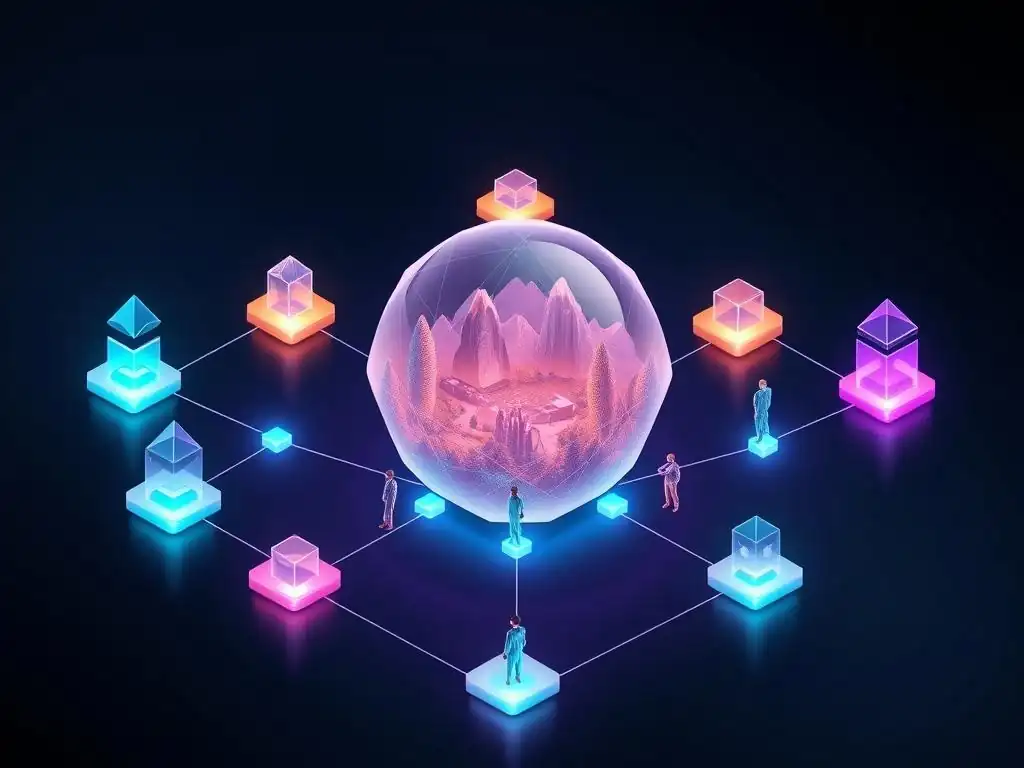
Layer-2 Scaling Solutions: Enhancing Transaction Speed and Reducing Costs
Layer-2 scaling solutions are crucial for addressing the scalability challenges of blockchain networks, making them more suitable for supporting the high transaction volume and low latency requirements of interoperable metaverses. Layer-2 solutions, such as rollups and sidechains, operate on top of the main blockchain (Layer-1), processing transactions off-chain and then batching them onto the main chain. This significantly increases transaction throughput and reduces transaction costs, making blockchain more efficient and accessible for metaverse applications.
For example, optimistic rollups and zero-knowledge rollups are popular layer-2 solutions that can drastically improve the transaction speed of Ethereum, a widely used blockchain for metaverse projects. By utilizing layer-2 scaling, interoperable metaverses can handle a larger number of users and transactions, making them more robust and user-friendly. These solutions are essential for ensuring that blockchain infrastructure can support the growing demands of a large-scale, interoperable metaverse ecosystem.
Cross-Chain Bridges: Facilitating Asset Transfers Between Blockchains
Cross-chain bridges are technological solutions that enable the transfer of assets and data between different blockchain networks. In the context of interoperable metaverses, bridges are vital for allowing users to seamlessly move their digital assets, such as NFTs and cryptocurrencies, between different blockchain platforms that may underpin various virtual worlds. This cross-chain functionality is essential for creating a truly interconnected metaverse where users are not restricted by the limitations of a single blockchain.
For instance, bridges can facilitate the transfer of NFTs from an Ethereum-based metaverse platform to a Solana-based platform, enabling users to utilize their assets across different ecosystems. Different types of bridges exist, each with its own security and efficiency trade-offs. Choosing and implementing secure and reliable cross-chain bridges is critical for ensuring the smooth flow of assets and data within an interoperable metaverse environment and preventing potential vulnerabilities.
Interoperability Protocols: Establishing Communication Standards for Metaverses
Interoperability protocols are sets of rules and standards that define how different metaverse platforms and blockchain networks can communicate and interact with each other. These protocols are essential for establishing common ground for data exchange, asset representation, and cross-platform functionality within the interoperable metaverse. Think of these protocols as the common languages that different virtual worlds can use to understand and interact with each other.
Standardized interoperability protocols are crucial for fostering a truly open and interconnected metaverse ecosystem. These protocols may cover aspects such as avatar representation, asset metadata, communication APIs, and governance mechanisms. Initiatives such as the Metaverse Standards Forum are working to develop and promote such protocols, aiming to drive greater interoperability and standardization across the metaverse industry. Adopting and implementing these protocols is essential for developers to build truly interoperable metaverse applications.
Polkadot: Technical Details and Advantages
Polkadot is a blockchain platform specifically designed to enable interoperability between different blockchains, making it a strong contender for powering interoperable metaverses. Polkadot's architecture features a central "relay chain" that connects multiple independent blockchains, called "parachains." This allows parachains to communicate and exchange data with each other through the relay chain, facilitating cross-chain interoperability.
One of the key advantages of Polkadot is its scalability and flexibility. Parachains can be customized to suit specific application needs, allowing for optimized performance and functionality for different metaverse platforms. Polkadot also offers shared security, meaning that parachains benefit from the security of the relay chain. Furthermore, Polkadot’s governance model allows for on-chain upgrades and decentralized decision-making, making it adaptable to the evolving needs of an interoperable metaverse ecosystem. Projects are exploring Polkadot to build interoperable metaverse applications, leveraging its cross-chain capabilities and robust infrastructure.
Cosmos: Technical Details and Advantages
Cosmos is another blockchain platform focused on interoperability, offering a different approach compared to Polkadot. Cosmos aims to create an "Internet of Blockchains" through its Inter-Blockchain Communication (IBC) protocol. IBC allows independent blockchains, known as "zones," to communicate and transfer assets with each other in a decentralized manner. Cosmos emphasizes blockchain sovereignty, giving each zone control over its own governance and functionality while still enabling interoperability.
Cosmos offers advantages in terms of modularity and customization. The Cosmos SDK (Software Development Kit) provides developers with tools to build custom blockchains tailored to specific metaverse applications. Cosmos also utilizes Tendermint Byzantine Fault Tolerance (BFT) consensus algorithm, known for its high performance and security. The focus on blockchain sovereignty and modularity makes Cosmos a suitable platform for building interoperable metaverses where different virtual worlds can maintain their independence while still being connected through the IBC protocol. Several metaverse projects are leveraging Cosmos to build their interoperable platforms.
The Long-Term Impact of Blockchain on Metaverse Evolution
Enhanced User Experience and Increased Engagement
The long-term impact of blockchain on metaverse evolution will be significantly driven by enhanced user experience and increased engagement. Interoperability, facilitated by blockchain, will remove the current friction of siloed platforms, allowing users to seamlessly navigate between different virtual worlds with their identities and assets intact. This freedom and flexibility will lead to greater user satisfaction and a more immersive and continuous metaverse experience.
With interoperability, users can expect to spend more time engaging within the metaverse as a whole, rather than being confined to single platforms. The ability to utilize digital assets across different experiences will increase their perceived value and utility, incentivizing greater participation and investment in the metaverse. Enhanced user experience is paramount for the mainstream adoption of the metaverse, and blockchain-enabled interoperability is a key factor in achieving this.
New Business Models and Economic Opportunities in Interoperable Metaverses
Blockchain interoperability will unlock a plethora of new business models and economic opportunities within the metaverse. The creation of interoperable digital assets and virtual economies will foster new forms of digital commerce, content creation, and virtual experiences. For example, creators could develop digital assets that can be sold and utilized across multiple metaverse platforms, expanding their reach and revenue streams.
Interoperable metaverses can also facilitate new forms of virtual tourism, cross-platform gaming tournaments, and interconnected virtual events. The ability to move assets and identities seamlessly between different virtual worlds will create a more dynamic and interconnected virtual marketplace, driving innovation and economic growth. Businesses can explore new ways to engage with customers and offer services within this interoperable metaverse landscape, leading to a more vibrant and diverse digital economy.
Greater Decentralization and User Empowerment
Blockchain's inherent decentralization will contribute to a more user-empowered metaverse ecosystem. By moving away from centralized platforms and towards blockchain-based interoperability, users will gain greater control over their digital identities, assets, and data. Decentralized identity solutions and NFT ownership empower users to truly own their virtual presence and possessions, rather than being subject to the terms and control of centralized metaverse operators.
Blockchain-based governance models, such as DAOs, can further enhance user empowerment by enabling communities to participate in the decision-making processes that shape the metaverse. This shift towards decentralization and user empowerment is crucial for creating a more open, equitable, and democratic metaverse, where users are not just consumers but active participants and stakeholders in the digital world.
Addressing Concerns: Scalability, Security, and Regulation
While blockchain offers significant advantages for metaverse interoperability, it's important to address concerns related to scalability, security, and regulation. Scalability challenges need to be overcome through layer-2 solutions and optimized blockchain infrastructure to handle the demands of a large-scale interoperable metaverse. Security is paramount, and robust security measures are needed to protect cross-chain bridges and prevent vulnerabilities in interoperable systems.
Regulatory frameworks for the metaverse are still evolving, and clear guidelines are needed to address issues such as digital asset ownership, data privacy, and cross-border transactions in interoperable virtual worlds. Collaboration between technology developers, regulatory bodies, and industry stakeholders is essential to address these concerns and ensure the responsible and sustainable development of blockchain interoperable metaverse applications future.
Case Studies: Real-World Examples of Blockchain Interoperability in Metaverses
Decentraland: Enabling User-Owned Virtual Land and Assets
Decentraland stands as a pioneering example of a blockchain-based metaverse that emphasizes user ownership and control. Built on the Ethereum blockchain, Decentraland allows users to own virtual land and assets as NFTs. This ownership is verifiable and transparent, recorded on the blockchain, giving users true digital property rights within the virtual world. Users can buy, sell, and develop virtual land, create experiences, and monetize their creations within Decentraland.
While currently limited in direct interoperability with other platforms, Decentraland's foundation on blockchain and NFTs provides a strong basis for future interoperability. The platform's open and decentralized nature aligns with the principles of an interoperable metaverse, and its focus on user-owned assets sets a precedent for how blockchain can empower users in virtual worlds. Decentraland serves as a real-world case study demonstrating the potential of blockchain to create user-centric and asset-driven metaverse experiences, paving the way for future interoperable metaverse applications.
The Sandbox: Empowering Creators with Blockchain-Based Tools
The Sandbox is another prominent blockchain-based metaverse platform that focuses on empowering creators and fostering a user-generated content ecosystem. Utilizing blockchain and NFTs, The Sandbox allows users to create, own, and monetize their in-game assets and experiences. Users can build virtual worlds, create avatars, and design interactive games and experiences using The Sandbox's tools, and then own these creations as NFTs.
The Sandbox’s emphasis on user-generated content and blockchain-based asset ownership aligns with the vision of an open and interoperable metaverse. The platform's marketplace for NFTs and virtual assets facilitates trading and ownership within its ecosystem. While not fully interoperable with all metaverse platforms yet, The Sandbox demonstrates how blockchain can empower creators and build a vibrant virtual economy based on user-owned digital assets, contributing to the growing movement towards interoperable metaverse applications.
The Future of Blockchain Interoperable Metaverse Applications
Emerging Trends and Technological Advancements
The future of blockchain interoperable metaverse applications is being shaped by several emerging trends and technological advancements. Advancements in layer-2 scaling solutions are making blockchain more scalable and efficient for metaverse applications. Cross-chain bridge technologies are becoming more sophisticated and secure, enabling seamless asset transfers between different blockchain networks. Standardization efforts, such as the Metaverse Standards Forum, are gaining momentum, pushing for common protocols and frameworks for interoperability.
Furthermore, the development of more user-friendly decentralized identity solutions and NFT standards is simplifying the process of managing digital identities and assets across metaverses. Emerging technologies like zero-knowledge proofs and secure multi-party computation could further enhance privacy and security in interoperable metaverse environments. These technological advancements are paving the way for more robust, scalable, and user-friendly blockchain interoperable metaverse applications future.
Potential Challenges and Mitigation Strategies
Despite the promising future, the development of blockchain interoperable metaverses faces potential challenges. Security vulnerabilities in cross-chain bridges and smart contracts remain a concern, requiring ongoing security audits and advancements in secure coding practices. Scalability limitations, even with layer-2 solutions, may still pose challenges as metaverse adoption grows exponentially. Fragmentation in standardization efforts and lack of industry-wide consensus could hinder the progress of interoperability.
Mitigation strategies include investing in robust security infrastructure for cross-chain technologies, further developing and optimizing layer-2 scaling solutions, and fostering greater collaboration and standardization efforts within the metaverse industry. Educating users about security best practices and promoting responsible development practices are also crucial for mitigating risks and ensuring the sustainable growth of blockchain interoperable metaverse applications.
The Role of Collaboration and Standardization in Driving Adoption
Collaboration and standardization are paramount for driving the widespread adoption of blockchain interoperable metaverses. Industry-wide collaboration among metaverse developers, blockchain experts, and technology providers is essential to establish common standards, protocols, and best practices for interoperability. Open-source initiatives and collaborative development efforts can accelerate the progress of interoperable technologies and frameworks.
Standardization bodies and industry forums play a crucial role in defining and promoting interoperability standards. Adopting and implementing these standards across different metaverse platforms is essential for creating a truly interconnected and seamless user experience. Collaboration and standardization will not only accelerate adoption but also foster innovation and create a more robust and user-friendly ecosystem for blockchain interoperable metaverse applications future.
Conclusion: Embracing the Potential of Blockchain for a Truly Interconnected Metaverse
The Transformative Power of Blockchain Interoperability
Blockchain interoperability holds transformative power for the metaverse, promising to unlock its full potential and create a truly interconnected and immersive digital world. By addressing the limitations of siloed platforms and enabling seamless exchange of assets, identities, and data, blockchain is paving the way for a more user-centric, open, and dynamic metaverse ecosystem. The vision of a metaverse where users can freely navigate between virtual worlds, utilize their digital possessions across platforms, and participate in a unified digital economy is becoming increasingly tangible thanks to blockchain technology.
The long-term impact of blockchain interoperability extends beyond just technological advancements; it represents a paradigm shift towards a more decentralized and user-empowered digital future. This transformation has the potential to reshape how we interact with technology, conduct business, and engage with each other in the digital realm, ushering in a new era of interconnected virtual experiences.
Call to Action: Exploring the Possibilities and Contributing to the Future of Decentralized Virtual Worlds
The journey towards a fully interoperable metaverse is still in its early stages, and there is significant opportunity for innovation and contribution. Developers, creators, businesses, and users are invited to explore the possibilities of blockchain interoperability and actively participate in shaping the future of decentralized virtual worlds. Experimenting with interoperable technologies, contributing to open-source projects, and engaging in industry discussions are crucial steps in driving the adoption and evolution of blockchain interoperable metaverse applications.
By embracing the potential of blockchain and working collaboratively, we can collectively build a metaverse that is not just a collection of isolated virtual spaces, but a truly interconnected and transformative digital universe. Let us explore the possibilities, overcome the challenges, and contribute to the future of decentralized virtual worlds, realizing the full potential of blockchain interoperability for a more immersive and interconnected digital future.
Frequently Asked Questions
How does blockchain enable interoperability within metaverse environments?
Blockchain provides a decentralized and transparent ledger system. This allows for seamless transfer of assets and data across different metaverse platforms, fostering interoperability.
What are some potential enterprise applications of a blockchain-based interoperable metaverse?
Enterprises can leverage it for supply chain management, digital asset verification, and creating immersive training environments. This streamlines operations and enhances engagement.
What role do DeFi protocols play in the future of interoperable metaverses?
DeFi protocols enable decentralized financial services within metaverses. This facilitates new economic models and ownership structures for virtual assets.
What are some of the regulatory challenges associated with a widespread adoption of blockchain interoperable metaverse applications?
Regulatory hurdles include data privacy concerns, security issues, and jurisdictional complexities. These need addressing for wider acceptance.
It could lead to more immersive and inclusive social experiences. Decentralization empowers users with greater control over their data and interactions.
Final Reflection: Weaving the Tapestry of Tomorrow's Worlds
The journey through the evolution of interoperable metaverses, powered by blockchain, underscores a fundamental truth: the future of digital interaction hinges on seamless connection and shared ownership. What began as fragmented virtual spaces is now coalescing into a potentially unified ecosystem, driven by the transformative power of blockchain technology. This evolution isn't just about technological advancement; it's about redefining how we connect, create, and collaborate in the digital age.
The promise of a truly interoperable metaverse resonates deeply, influencing the very fabric of our digital existence. It's about empowering individuals with control over their digital identities and assets, fostering a more democratic and inclusive virtual landscape. This shift is not merely theoretical; it's a tangible movement towards a future where digital experiences are fluid, personalized, and truly owned. The metaverse is coming, and it's going to be big,
says Tim Sweeney, CEO of Epic Games. "We're investing heavily to play a leading role in shaping its evolution." This quote encapsulates the immense potential and the ongoing commitment to building this interconnected future.
As we stand on the cusp of this new era, let us reflect on the profound implications of blockchain interoperable metaverse applications. Consider how you can contribute to shaping this future, ensuring it aligns with values of accessibility, inclusivity, and genuine ownership. The power to build a more connected and empowering digital world lies within each of us. Let's embrace the challenge and weave the tapestry of tomorrow's worlds together, thread by thread.
Okay, I'm ready to craft a compelling Call to Action for the end of a web article titled "The Evolution of Interoperable Metaverses: Blockchain's Long-Term Impact" for the website "Blockchain Trends" (blockchaintrends.org). Here it is:
Embark on Your Metaverse Journey Today!
Thank you for delving into the exciting world of interoperable metaverses and the pivotal role blockchain plays in shaping their future. Now that you're equipped with insights into this technological frontier, it's time to take the next step and become an active participant in this evolution.
Here are a few ways to get started:
- Dive deep and explore a nascent metaverse platform that champions interoperability; experiment with its features and consider how you might contribute to its growth.
- Share this article with fellow tech enthusiasts and blockchain believers to spark discussions on the future of connected virtual worlds.
- For a more creative approach, design a cross-platform digital asset concept that could seamlessly transition between different metaverses, even if you only outline the core idea.
What's the first step you'll take to shape the future of interoperable metaverses? Share your thoughts and projects in the comments below!
Leave a Reply