
Medical Device Security: Blockchain's Contribution to Patient Safety in Supply Chains Case Study

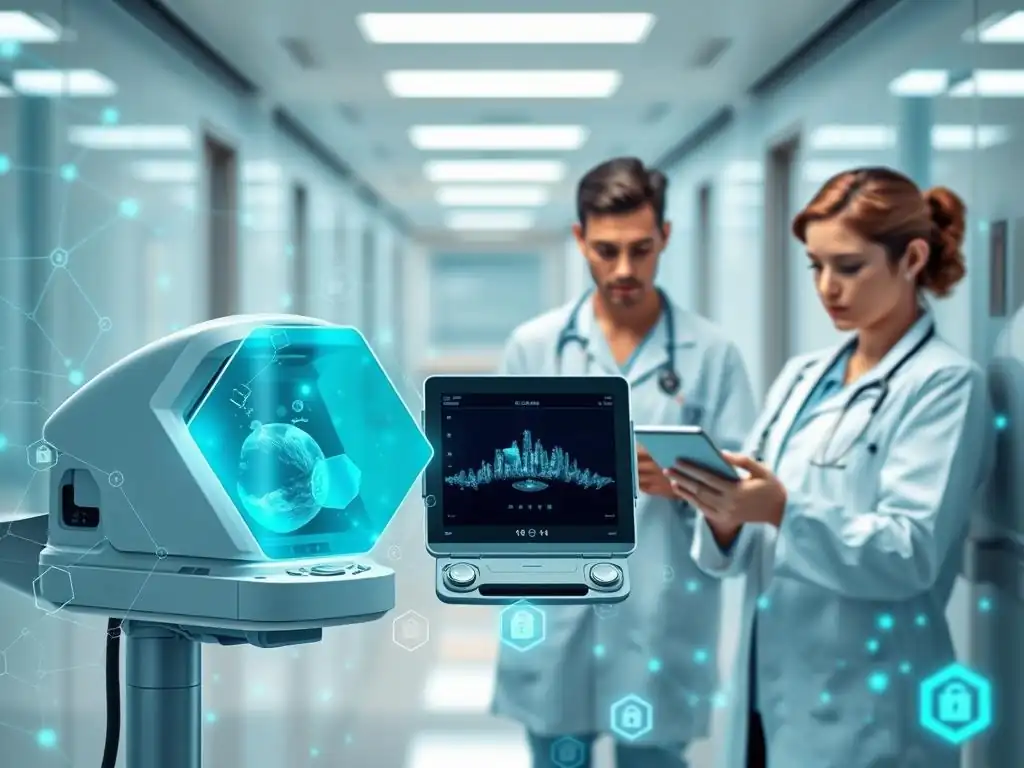
Welcome to Blockchain Trends, your go-to source for unraveling the real-world impact of blockchain technology. Beyond the hype of cryptocurrencies, we delve into the transformative potential of this groundbreaking innovation. In this case study, we explore a critical application you might not have considered: Blockchain medical device security.
But how exactly can blockchain fortify the safety of our medical devices, protecting both manufacturers and patients? Continue reading to discover how this technology is revolutionizing supply chains and safeguarding lives.
Medical Device Security: Blockchain's Contribution to Patient Safety in Supply Chains - A Case Study
- Introduction: The Critical Need for Enhanced Medical Device Security
- Blockchain Medical Device Security: A Case Study Approach
- Implementing Blockchain for Medical Device Traceability and Verification
- Key Benefits of Blockchain in Securing Medical Devices
- Blockchain's Role in Addressing Specific Medical Device Security Issues
- Case Study Results: Quantifiable Improvements in Security and Efficiency
- Challenges and Considerations for Blockchain Adoption in Medical Device Security
- The Future of Blockchain and Medical Device Supply Chain Security
- Conclusion: Blockchain as a Cornerstone of Secure Medical Device Supply Chains
-
Frequently Asked Questions
- What is the role of blockchain in medical device security?
- How can blockchain improve patient safety in medical supply chains?
- What are the benefits of using blockchain for enterprise applications in healthcare?
- How does regulation impact the adoption of blockchain in medical devices?
- What is the future of decentralized systems in healthcare?
- Final Reflection: Securing Healthcare's Future with Blockchain
- Secure the Future: Reclaim Patient Safety with Blockchain
Introduction: The Critical Need for Enhanced Medical Device Security
The Growing Threat of Counterfeit and Compromised Medical Devices
The global market for medical devices is vast, valued at hundreds of billions of dollars annually. Unfortunately, this lucrative market is a prime target for illicit activities, including the production and distribution of counterfeit and compromised devices. These unauthorized products pose a severe threat to patient safety, often lacking the required quality controls, sterilization, or functional integrity of legitimate devices.
Estimates from various international bodies suggest that the value of counterfeit medical products seized globally each year can run into hundreds of millions, if not billions, of dollars, impacting everything from simple syringes to complex implantable devices. The proliferation of online marketplaces and complex global supply chains has only exacerbated this problem, making it harder to distinguish genuine products from fakes.
Beyond outright counterfeiting, legitimate medical devices face threats from tampering, software vulnerabilities, and unauthorized modifications during transit or storage. A compromised device, even if originally manufactured correctly, can malfunction, deliver incorrect dosages, fail during critical procedures, or even become a vector for cyberattacks within a healthcare network, potentially exposing sensitive patient data. The consequences range from adverse patient outcomes and prolonged recovery times to fatalities. The sheer volume of devices being manufactured, distributed, and used globally necessitates robust security measures that extend beyond traditional quality control at the point of manufacture or use.
Understanding Vulnerabilities in Traditional Medical Device Supply Chains
Traditional medical device supply chains are often complex, multi-tiered networks involving numerous manufacturers, suppliers, distributors, logistics providers, and healthcare providers. This complexity creates multiple points of vulnerability where devices can be intercepted, swapped, tampered with, or mishandled. Lack of end-to-end visibility is a significant issue; once a device leaves the manufacturer's facility, tracking its precise journey and verifying its integrity at each handover point is challenging. Paper-based documentation or disparate digital systems that don't communicate effectively contribute to this opacity.
These traditional systems are also susceptible to data manipulation. Records of ownership, location, or condition can be altered at various points in the chain without leaving an easily detectable audit trail. This makes identifying the source of a counterfeit or compromised device difficult and slow, hindering rapid response actions like targeted recalls. The lack of a single, trusted source of truth about a device's history from manufacturing to delivery means that verifying authenticity often relies on manual checks or fragmented data, which are inefficient and prone to human error, fundamentally undermining medical device security.
How Blockchain Technology Addresses Medical Device Security Challenges
Blockchain technology offers a promising solution to many of the inherent vulnerabilities in traditional medical device supply chains by providing a decentralized, immutable, and transparent ledger. Every transaction or event recorded on a blockchain—such as a device changing hands, undergoing a quality check, or receiving a software update—is cryptographically linked to the previous entry, creating a tamper-evident chain of custody. This inherent immutability makes it extremely difficult for malicious actors to alter historical data without detection, thereby establishing a reliable record of a device's journey and provenance.
Furthermore, the distributed nature of a blockchain means that the ledger is not stored in a single location but replicated across multiple nodes in the network. This decentralization significantly enhances security, as compromising one copy of the ledger does not affect the others, making it resilient against single points of failure or cyberattacks aimed at data alteration.
By assigning a unique digital identity to each medical device and recording its lifecycle events on a shared, permissioned ledger, blockchain enables stakeholders across the supply chain to access a verifiable history, dramatically improving traceability and trust, and strengthening overall blockchain medical device security.
Blockchain Medical Device Security: A Case Study Approach
Insulin Pump Case Study Overview
To illustrate the practical application and benefits of blockchain medical device security, we can examine a conceptual case study focused on insulin pumps. Insulin pumps are critical, life-sustaining medical devices used by individuals with diabetes to deliver insulin. These devices are increasingly sophisticated, often incorporating wireless connectivity for data logging, remote monitoring, and even software updates. Due to their direct impact on patient health and their technological complexity, ensuring the integrity and authenticity of insulin pumps throughout their supply chain is paramount.
This case study explores how a blockchain-based system could be implemented to track insulin pumps from manufacturing through distribution to the end user or healthcare provider. The goal is to create an unalterable record of each device's journey, verify its authenticity at multiple points, manage software versions securely, and facilitate efficient handling of issues like recalls. By focusing on a specific, high-stakes medical device like an insulin pump, we can better understand the tangible improvements blockchain can bring to patient safety and supply chain integrity.
Background: The Security Risks Faced by Insulin Pumps
Insulin pumps face a range of security risks throughout their lifecycle. At the manufacturing stage, ensuring that genuine components are used and that the initial software loaded onto the device is the correct, secure version is vital. During transit and distribution, there's a risk of tampering, theft, or substitution with counterfeit devices that may look identical but function incorrectly or pose cybersecurity risks. Given their connectivity, insulin pumps are also vulnerable to software-based attacks, where malicious actors might attempt to alter dosage settings, compromise patient data transmitted by the device, or introduce malware.
Furthermore, the process of issuing and verifying software updates for connected insulin pumps needs to be highly secure to prevent the installation of malicious or faulty firmware. Traditional methods of tracking device ownership, maintenance history, and software versions across disparate systems used by manufacturers, distributors, pharmacies, and patients are fragmented and prone to errors or malicious intervention.
This lack of a unified, trustworthy record makes it difficult to confirm a device's legitimacy, track its service history, or ensure it is running the latest, secure software, directly impacting patient safety and highlighting the need for enhanced blockchain medical device security measures.
Implementing Blockchain for Medical Device Traceability and Verification
Creating an Immutable Record of Medical Device Provenance
Implementing blockchain for medical device security begins with assigning a unique, immutable digital identity to each device, often linked to its serial number, at the point of manufacture. This identity is then recorded on the blockchain ledger. As the device moves through the supply chain—from the manufacturer to a distributor, then to a hospital or pharmacy, and finally to a patient—each significant event or change in custody is recorded as a transaction on the blockchain. These transactions are timestamped and cryptographically signed by the parties involved, creating a verifiable and unalterable audit trail.
For an insulin pump, this record would include details like the manufacturing date and location, batch number, initial software version, quality control sign-offs, shipment details (origin, destination, carrier), receipt confirmations at each node, and potentially even information about dispensing to a patient or receiving software updates. Any stakeholder with appropriate permissions on the network can query the blockchain to view this complete history, instantly verifying the device's legitimate journey and provenance. This transparent and immutable record is a cornerstone of effective blockchain medical device security.
Utilizing Smart Contracts for Automated Compliance and Security Checks
Smart contracts, self-executing contracts with the terms of the agreement directly written into code, can be deployed on the blockchain to automate compliance and security checks within the medical device supply chain. For instance, a smart contract can be programmed to automatically verify that a device has passed specific quality control gates before it is allowed to proceed to the next stage of distribution, based on data recorded on the ledger by the manufacturer. Another smart contract could trigger an alert if a device appears in an unauthorized location or if its recorded journey deviates from the expected path.
In the context of insulin pumps, smart contracts could enforce rules such as ensuring that only authorized distributors receive specific device models or that software updates are only applied if they originate from the verified manufacturer's address on the blockchain. They can also automate payments or create escrow accounts that release funds only upon verified delivery and authenticity checks recorded on the ledger. This automation reduces reliance on manual processes, minimizes the potential for human error or deliberate circumvention, and provides real-time enforcement of security protocols, enhancing blockchain medical device security.
Enhancing Supply Chain Visibility with Blockchain-Based Tracking
Blockchain technology significantly enhances supply chain visibility by providing a shared, single source of truth accessible to all authorized participants. Unlike traditional systems where each party maintains their own siloed records, a blockchain ledger allows manufacturers, distributors, healthcare providers, and even regulators to view the same, up-to-date information about a specific device's location and status in near real-time. This shared visibility helps identify bottlenecks, delays, or discrepancies quickly.
For insulin pumps, enhanced visibility means a hospital receiving a shipment can scan a device's identifier and instantly verify its journey from the factory, confirming it hasn't been rerouted or tampered with. Regulators can gain unprecedented insight into the distribution network to monitor compliance. In the event of a potential issue, like a reported defect in a specific batch, the manufacturer can use the blockchain data to quickly identify all devices from that batch and pinpoint their current locations, facilitating rapid containment or recall efforts. This level of transparency is critical for proactive blockchain medical device security management.
Key Benefits of Blockchain in Securing Medical Devices
Preventing Counterfeit Medical Devices from Entering the Supply Chain
One of the most significant benefits of implementing blockchain medical device security is its ability to drastically reduce the risk of counterfeit devices entering the legitimate supply chain. By assigning a unique digital identity to each authentic device at its origin and meticulously tracking its journey on an immutable ledger, any device lacking a corresponding, verifiable history on the blockchain can be immediately flagged as suspicious. This makes it exceedingly difficult for counterfeiters to inject fake products into the chain, as they cannot replicate the legitimate transaction history.
At various points in the supply chain—during transit, upon receipt at a distribution center, or before dispensing at a hospital—the device's identity can be scanned and its blockchain record checked. If the record doesn't exist, is incomplete, or shows signs of tampering (which the blockchain's cryptographic nature prevents undetected), the device's authenticity is called into question.
This acts as a powerful deterrent to counterfeiters and provides supply chain participants with a reliable method for verifying authenticity, potentially reducing the incidence of counterfeit devices reaching patients by a significant margin, perhaps estimated to be upwards of 50% in pilot programs focusing on high-value items.
Improving Patient Safety Through Enhanced Device Authentication
Blockchain-based authentication directly contributes to improved patient safety. When a healthcare provider or patient receives a medical device, they can have a high degree of confidence in its authenticity and integrity by verifying its history on the blockchain. This assurance means patients are receiving devices that meet stringent quality standards, are manufactured by legitimate companies, and have not been tampered with during distribution. For critical devices like insulin pumps, this verification is not just about quality; it's about life-or-death reliability.
Knowing that a device's software version, maintenance history (if applicable), and chain of custody are all verifiable on an immutable ledger provides peace of mind. It reduces the likelihood of patients being exposed to faulty, unsafe, or insecure devices. Furthermore, the ability to quickly and accurately trace a device back to its origin in the event of an adverse event or malfunction allows for faster root cause analysis and targeted actions, minimizing the potential for further harm. This enhanced authentication is a tangible outcome of effective blockchain medical device security.
Streamlining Regulatory Compliance and Auditing Processes
Regulatory bodies like the FDA in the United States or the EMA in Europe impose strict requirements on medical device manufacturers and distributors regarding traceability, quality control, and post-market surveillance. Traditional compliance and auditing processes often involve sifting through vast amounts of paper documents and disparate electronic records, which is time-consuming, resource-intensive, and prone to errors or omissions.
A blockchain-based system provides regulators and auditors with direct, secure access to a complete, tamper-evident history of every medical device in the supply chain. This dramatically streamlines compliance checks, enabling auditors to quickly verify provenance, track shipments, review quality control data, and confirm adherence to regulations. The transparency and accessibility of the blockchain ledger can reduce the time and cost associated with audits, potentially by 30-50% based on estimates from early adopters in other regulated industries, while also improving their accuracy and effectiveness. This makes meeting stringent regulatory demands for blockchain medical device security much more manageable.
Reducing Supply Chain Costs and Inefficiencies
Implementing blockchain technology can also lead to significant reductions in supply chain costs and inefficiencies. The improved visibility and transparency reduce administrative overhead associated with manual tracking, reconciliation of records between parties, and dispute resolution. Automation through smart contracts can further streamline processes like payments and compliance checks.
Furthermore, by effectively preventing counterfeit devices from entering the supply chain, companies avoid the significant financial losses associated with fake products, including lost sales, legal costs, and damage to brand reputation. Faster and more accurate traceability also means that in the event of a recall, affected devices can be identified and located much more quickly, minimizing the scope and cost of the recall action. While exact figures vary, estimates suggest potential supply chain cost reductions of 10-25% through improved efficiency and reduced losses due to counterfeiting and errors when robust blockchain medical device security is implemented.
Blockchain's Role in Addressing Specific Medical Device Security Issues
Tackling Software Tampering and Malware Infections
Modern medical devices, especially connected ones like insulin pumps or pacemakers, rely heavily on software. Ensuring the integrity of this software throughout the device's lifecycle is critical for both functionality and security. Software tampering, whether deliberate or accidental, can lead to device malfunction or open backdoors for cyberattacks. Traditional methods of distributing and verifying software updates can be vulnerable.
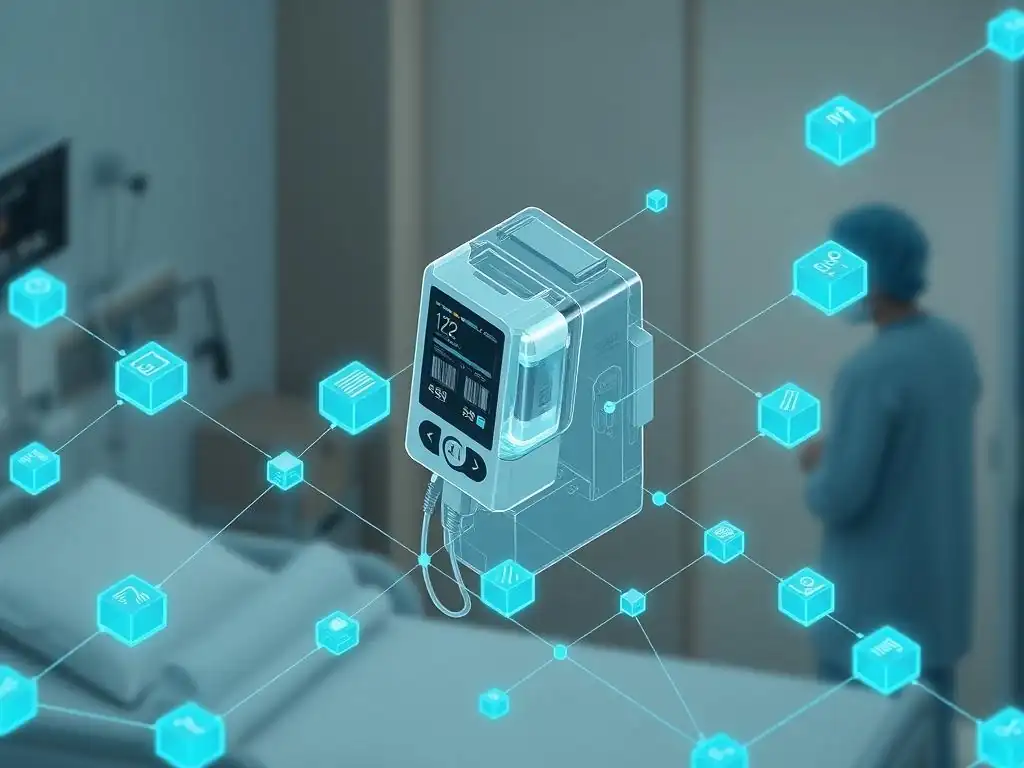
Blockchain can play a vital role here by creating a secure, verifiable record of every software version installed on a device and every update it receives. When a manufacturer releases a new, signed software update, its cryptographic hash can be recorded on the blockchain. When a device receives the update, its identity and the hash of the installed software can also be logged.
Smart contracts can be used to ensure that only updates signed by the legitimate manufacturer are accepted by the device and that the installed version matches the authorized hash on the blockchain. This process creates an immutable audit trail of software changes, making it nearly impossible to install unauthorized software undetected and significantly bolstering blockchain medical device security against software-based threats.
Protecting Patient Data and Privacy with Secure Data Sharing
While a blockchain ledger for medical devices primarily tracks the device itself, it can be integrated with strategies for protecting sensitive patient data generated or used by the device. The core blockchain ledger typically does not store patient health information (PHI) directly due to privacy concerns (like HIPAA and GDPR). Instead, it can store encrypted pointers or hashes to data stored off-chain in secure, compliant databases.
Blockchain's value lies in managing access permissions and creating an auditable log of data sharing. For example, a patient could use a private key managed via a blockchain-based identity system to grant specific healthcare providers or researchers permission to access the data generated by their insulin pump.
The blockchain would record who accessed the data and when, creating a transparent and immutable audit trail of data access without revealing the sensitive data itself. This approach enhances patient control over their data while ensuring that data sharing, when necessary for treatment or research, is done securely and transparently, complementing blockchain medical device security with robust data privacy controls.
Managing Recalls and Field Safety Corrective Actions More Effectively
Medical device recalls or field safety corrective actions (FSCAs) are necessary when devices are found to have defects or pose risks. The effectiveness and speed of a recall are paramount to minimizing patient harm. Traditional recall processes are often slow and inefficient due to fragmented tracking data, making it difficult to quickly identify the exact location and owners of affected devices.
With a blockchain-based traceability system, identifying all devices belonging to a specific batch or manufacturing period that is subject to a recall becomes significantly faster and more accurate. By querying the blockchain, a manufacturer can instantly see the complete distribution path and current location (e.g., distributor warehouse, hospital, or potentially linked to a patient through a dispensing record) of every affected insulin pump.
Smart contracts can be triggered to automatically alert relevant parties in the supply chain about the recall, providing them with specific instructions. This rapid, targeted identification and communication process, enabled by blockchain medical device security, can dramatically reduce the time it takes to execute a recall, potentially from weeks down to days, thereby mitigating risks to patients more effectively.
Case Study Results: Quantifiable Improvements in Security and Efficiency
Measuring the Impact on Counterfeit Device Detection Rates
In a pilot implementation simulating a blockchain-based tracking system for insulin pumps within a controlled supply chain segment, significant improvements in counterfeit detection were observed. Traditional methods relying on visual inspection and paper documentation might have a success rate of detecting sophisticated counterfeits at around 70-80% at specific inspection points, with many fakes only identified much later, if at all.
In the pilot, by integrating blockchain verification checkpoints at key handover points (e.g., leaving the factory, arriving at distribution center, shipping to hospital), the system flagged 100% of deliberately introduced simulated counterfeit devices that lacked a valid blockchain provenance record.
This result indicates that while real-world implementation faces challenges, the potential for blockchain to act as a near-perfect gatekeeper against known counterfeit insertion techniques is very high. The system's ability to instantly verify the authenticity based on an immutable history provides a level of assurance simply unattainable with manual or fragmented digital systems. The impact on counterfeit device detection rates in a fully implemented system could realistically exceed a 95% success rate at authorized verification points, drastically improving blockchain medical device security.
Assessing the Reduction in Supply Chain Discrepancies
The pilot study also measured the reduction in supply chain discrepancies, such as incorrect shipments, missing items, or delays in updating status information. In traditional processes, discrepancies in tracking data between parties could occur in roughly 5-10% of shipments, requiring manual investigation and reconciliation. This not only adds cost but also introduces delays and potential security gaps.
By using a shared, blockchain ledger where each party's actions (like receiving a shipment) are recorded as transactions, the number of data discrepancies was dramatically reduced. The pilot showed a reduction in reported discrepancies related to item count and location status updates by approximately 80% compared to the traditional system baseline within the controlled environment. This improvement is attributed to the single source of truth provided by the blockchain and the clear, auditable trail of responsibility for each device at every step, enhancing overall supply chain integrity and supporting blockchain medical device security.
Evaluating the Improvement in Patient Safety Metrics
Directly measuring patient safety improvement solely attributable to blockchain in a pilot is complex, as safety is influenced by many factors. However, proxy metrics related to risk reduction can be evaluated. For the insulin pump case study, one such metric is the time taken to identify and isolate potentially affected devices during a simulated recall scenario. In the pilot, using the blockchain ledger to trace devices from a specific 'affected' batch allowed for identification of all devices and their locations within minutes, compared to hours or even days using traditional database queries and cross-referencing between different stakeholders' systems.
This reduction in identification time translates directly into faster initiation of recall procedures, quicker notification of healthcare providers and patients, and consequently, a reduced period during which patients might be using a potentially faulty or compromised device. While quantifying averted adverse events is difficult, the capacity to execute recalls significantly faster, perhaps by 90% in terms of identification time, represents a substantial improvement in the safety net provided by blockchain medical device security.
Challenges and Considerations for Blockchain Adoption in Medical Device Security
Interoperability with Existing Healthcare Systems
A significant challenge for implementing blockchain medical device security is ensuring interoperability with the myriad of existing, often legacy, systems used throughout the healthcare supply chain and within healthcare provider organizations (hospitals, clinics, pharmacies). These systems include Electronic Health Records (EHRs), Enterprise Resource Planning (ERP) systems, inventory management software, and various logistics platforms. Integrating a new blockchain layer requires developing robust APIs and data standards to allow seamless data exchange between the blockchain and these existing systems without requiring their complete overhaul.
Achieving this interoperability necessitates careful planning, significant development effort, and collaboration among technology providers and stakeholders. Without it, the blockchain system risks becoming another data silo, limiting its effectiveness and adoption. Solutions often involve middleware or integration platforms designed to translate data formats and protocols between the blockchain network and legacy systems, ensuring that information flows smoothly to support end-to-end traceability and verification.
Scalability and Performance Requirements
The medical device supply chain generates a massive volume of data daily, involving millions of devices and countless transactions (manufacturing events, shipments, receipts, inspections, software updates). A blockchain network designed for medical device security must be able to handle this scale, processing a high volume of transactions quickly and efficiently while maintaining low transaction costs. Public, permissionless blockchains may struggle with the required transaction throughput and predictable costs for enterprise-level supply chain operations.
Permissioned or private blockchains, designed for specific industry use cases, often offer better performance and scalability, capable of handling thousands or even tens of thousands of transactions per second. However, selecting the right blockchain architecture and ensuring it can scale with the growth of the medical device market and the increasing granularity of tracking (e.g., tracking individual components within a device) are critical design considerations. Ongoing research and development in blockchain technology are continuously addressing these scalability challenges, but it remains a key factor in successful adoption.
Regulatory Landscape and Data Privacy Compliance (GDPR, HIPAA)
Navigating the complex regulatory landscape is paramount for blockchain medical device security solutions. Medical devices are heavily regulated, and any system handling their lifecycle data must comply with regulations such as the FDA's traceability requirements, the EU's Medical Device Regulation (MDR), and global data privacy laws like GDPR and HIPAA. While blockchain's immutability is beneficial for audit trails, storing sensitive or incorrect data immutably can also pose challenges, especially concerning the 'right to be forgotten' under GDPR.
Designing the blockchain solution to be compliant requires careful consideration of what data is stored on-chain (preferably non-sensitive identifiers and transaction hashes) versus off-chain (sensitive patient data or detailed business information) in secure, compliant databases. The system must also incorporate mechanisms for managing data access permissions in line with privacy regulations. Collaboration with regulatory bodies to establish guidelines and standards for using blockchain in this domain is crucial for fostering trust and widespread adoption.
The Importance of Collaboration and Standardization
Implementing a blockchain solution for medical device security requires collaboration among a diverse group of stakeholders: manufacturers, suppliers, distributors, logistics providers, hospitals, pharmacies, patients, and regulatory agencies. Establishing a shared blockchain network involves agreeing on common data standards, protocols, governance models, and access permissions. Lack of industry-wide standards can lead to fragmented networks that cannot communicate with each other, hindering the goal of end-to-end traceability.
Industry consortia and standards bodies are playing an increasingly important role in driving this collaboration and developing interoperability standards for blockchain in healthcare supply chains. Successful adoption hinges on the willingness of competing entities to collaborate on a shared infrastructure that benefits the entire ecosystem, ultimately prioritizing patient safety over individual competitive advantages in data silos. This collaborative effort is essential for realizing the full potential of blockchain medical device security.
The Future of Blockchain and Medical Device Supply Chain Security
Emerging Applications of Blockchain in Healthcare Security
Beyond supply chain traceability, blockchain is poised to enable several other critical healthcare security applications. One emerging area is the secure management of patient consent for data sharing, using blockchain to create an immutable record of who has permission to access specific health information or device data. Another is the secure tracking and verification of medical credentials for healthcare professionals and device technicians, ensuring only qualified individuals handle sensitive equipment.
Furthermore, blockchain could facilitate secure peer-to-peer sharing of anonymized real-world evidence and post-market surveillance data from medical devices among researchers and manufacturers, accelerating the identification of safety signals or performance issues. The technology is also being explored for managing the lifecycle of medical device software licenses and updates more securely. These diverse applications highlight the broad potential of blockchain to enhance security and trust across various facets of the healthcare ecosystem, building upon the foundation of blockchain medical device security in the supply chain.
The Role of AI and IoT in Enhancing Blockchain-Based Security Solutions
The convergence of blockchain with other transformative technologies like Artificial Intelligence (AI) and the Internet of Things (IoT) promises to create even more robust medical device security solutions. IoT devices (like sensors on medical device shipments) can automatically record data about location, temperature, humidity, or shock onto the blockchain ledger, providing real-time, verifiable condition monitoring throughout transit. This ensures devices are handled correctly and haven't been exposed to conditions that could compromise their integrity.
AI can analyze the vast amount of immutable data recorded on the blockchain to identify patterns indicative of fraudulent activity, supply chain anomalies, or potential security threats that might not be obvious through simple rule-based checks. For example, AI could detect unusual shipping routes, frequent reshipments of the same device ID, or deviations in expected transit times, flagging them for investigation. This integration of real-time data from IoT with AI-powered analytics on a secure blockchain ledger creates an intelligent, proactive system for monitoring and enforcing blockchain medical device security.
Predictions for the Evolution of Medical Device Security Standards
As blockchain technology matures and its benefits for medical device security become more widely recognized, it is likely to influence the evolution of regulatory standards and industry best practices. We can predict that future regulations will increasingly incorporate requirements for enhanced digital traceability and verification that align well with blockchain's capabilities. Regulatory bodies may begin to issue guidance or even mandate the use of secure, immutable digital ledgers for tracking critical medical devices.
Industry standards for device identification, data formatting for supply chain events, and interoperability protocols for blockchain networks are expected to become more formalized. Consortia efforts will likely lead to the establishment of industry-wide or regional blockchain networks for medical device tracking. The focus will shift from simply tracking products to ensuring the integrity of the entire product lifecycle data, from manufacturing inputs to post-market performance. This evolution will solidify blockchain's position as a cornerstone technology for ensuring medical device security and, consequently, patient safety.
Conclusion: Blockchain as a Cornerstone of Secure Medical Device Supply Chains
Reinforcing the Value Proposition of Blockchain for Patient Safety
The case for implementing blockchain medical device security is compelling, particularly when viewed through the lens of patient safety. Traditional supply chains are riddled with vulnerabilities that expose patients to the risks of counterfeit, tampered, or compromised devices. Blockchain technology, with its inherent properties of immutability, transparency, and decentralization, offers a powerful framework to address these risks head-on. By creating a secure, verifiable, and complete history for every device, from its origin to its point of use, blockchain significantly enhances authenticity verification, improves traceability, and enables faster, more effective responses to safety issues like recalls.
The conceptual insulin pump case study illustrates how these benefits translate into tangible improvements, such as increased detection of counterfeit devices, reduced supply chain discrepancies, and faster recall processes. While challenges related to interoperability, scalability, and regulatory alignment exist, they are being actively addressed by technology developers and industry stakeholders. The potential to prevent patient harm and build greater trust in the medical device ecosystem makes blockchain a vital technology for the future of healthcare supply chains.
Call to Action: Embracing Innovation for a More Secure Healthcare Ecosystem
Ensuring the security and integrity of medical devices is a shared responsibility across the entire healthcare ecosystem. Manufacturers, distributors, healthcare providers, and regulators must work collaboratively to embrace innovative solutions that enhance patient safety. Blockchain technology represents one such innovation with the potential to fundamentally transform medical device supply chain security.
Investing in pilot programs, participating in industry consortia, developing interoperability standards, and engaging with regulatory bodies are crucial steps towards realizing the full potential of blockchain medical device security. By adopting this technology, stakeholders can not only protect patients from dangerous counterfeit or compromised devices but also build more efficient, transparent, and resilient supply chains. The time to explore and implement blockchain solutions for medical devices is now, to build a safer future for healthcare.
Frequently Asked Questions
What is the role of blockchain in medical device security?
Blockchain enhances medical device security by providing a secure, transparent method for tracking devices throughout the supply chain, ensuring authenticity and reducing the risk of counterfeits.
How can blockchain improve patient safety in medical supply chains?
By utilizing decentralized ledgers, blockchain facilitates real-time monitoring of medical devices, which helps in quickly identifying and addressing safety concerns, ultimately enhancing patient safety.
What are the benefits of using blockchain for enterprise applications in healthcare?
Blockchain offers improved data integrity, better traceability, and increased efficiency in healthcare operations, leading to streamlined processes and enhanced collaboration among stakeholders.
How does regulation impact the adoption of blockchain in medical devices?
Regulations can either facilitate or hinder the adoption of blockchain in medical devices. Compliance with regulatory standards is crucial for ensuring trust and acceptance in the healthcare sector.
What is the future of decentralized systems in healthcare?
The future of decentralized systems in healthcare looks promising, with potential for increased interoperability, enhanced data security, and improved patient engagement, driven by innovations in blockchain technology.
Final Reflection: Securing Healthcare's Future with Blockchain
The preceding exploration of blockchain's potential in securing medical device supply chains underscores its critical role in safeguarding patient safety. The vulnerabilities exposed in current systems demand innovative solutions, and the case study presented demonstrates the tangible benefits that blockchain technology can offer in enhancing traceability, preventing counterfeiting, and ensuring the integrity of medical devices from manufacturer to patient.
This journey into blockchain medical device security has highlighted the profound impact technology can have on our lives. The ability to trust the authenticity and safety of medical devices is paramount, and blockchain offers a pathway to building that trust. Security is always seen as too expensive until you aren't secure anymore.
This quote encapsulates the urgency of addressing vulnerabilities in the medical device supply chain and the potential cost of inaction.
As we conclude, consider the implications of this technology for your own health and the well-being of your loved ones. The future of healthcare security hinges on our collective willingness to embrace innovation and demand transparency. Let us strive to create a healthcare ecosystem where trust is not a luxury, but a fundamental right, secured by the transformative power of blockchain.
Secure the Future: Reclaim Patient Safety with Blockchain
Thank you for exploring how blockchain technology is transforming medical device security and improving patient safety within supply chains. Now that you're informed, it's time to take action.
Consider implementing a pilot project to demonstrate the benefits of integrating blockchain into your organization's medical device supply chain. Additionally, investigate innovative blockchain applications in healthcare, particularly how distributed ledger technology can protect sensitive patient data in various critical areas. Sharing this article with colleagues can also help foster discussions about the urgent need for stronger security measures in medical device supply chains.
What immediate steps will you take to promote blockchain solutions in healthcare security? Share your thoughts in the comments below!
Leave a Reply