
The Future of Avatars in Decentralized Metaverses: Advanced Customization and AI

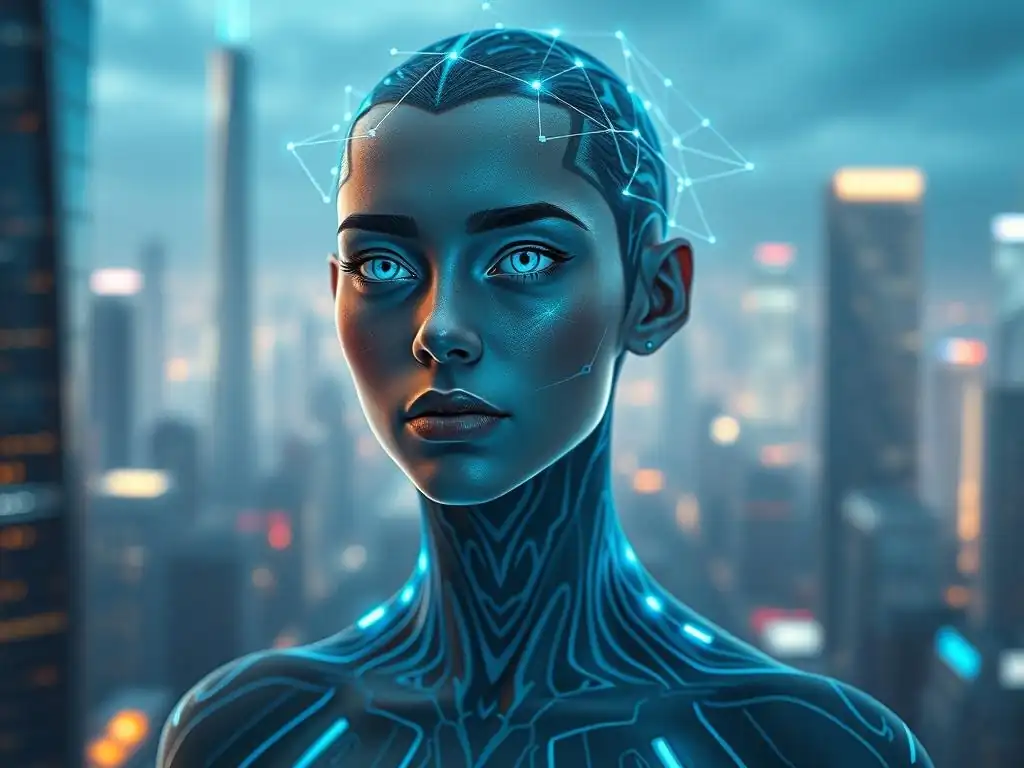
Welcome to Blockchain Trends, your go-to source for understanding the real-world impact of blockchain technology. Delve into a world beyond just cryptocurrencies as we explore DeFi, enterprise solutions, and the evolving regulatory landscape.
But have you considered how blockchain is revolutionizing the metaverse? Prepare to be amazed as we uncover the exciting potential of decentralized metaverse avatar customization. What if your digital identity was truly yours, endlessly adaptable, and powered by cutting-edge AI? Keep reading to discover the future of self-expression in the metaverse.
The Future of Avatars in Decentralized Metaverses: Advanced Customization and AI
- Introduction: The Evolution of Avatars in the Metaverse
- Decentralized Metaverse Avatar Customization: A New Frontier
- Advanced Customization Options for Metaverse Avatars
- AI-Powered Avatar Personalization in Decentralized Worlds
- The Role of Blockchain in Avatar Identity and Ownership
- Case Studies: Innovative Avatar Projects in Decentralized Metaverses
- Challenges and Opportunities in Decentralized Metaverse Avatar Development
- The Future of Decentralized Metaverse Avatars: Trends and Predictions
- Conclusion: Embracing the Future of Decentralized Avatar Identity
-
Frequently Asked Questions
- What is the significance of decentralized metaverse avatar customization?
- How does blockchain technology enable advanced avatar customization in metaverses?
- What role does AI play in enhancing decentralized metaverse avatar customization?
- What are the potential regulatory challenges associated with decentralized metaverse avatar customization?
- Beyond aesthetics, what other functionalities can decentralized metaverse avatar customization offer?
- Final Reflection: Embracing the Personalized Digital Self
- Unleash Your Metaverse Persona!
Introduction: The Evolution of Avatars in the Metaverse
The Rise of Decentralized Metaverse Platforms
The concept of the metaverse, once confined to science fiction, is rapidly becoming a tangible reality. Initially, centralized platforms dominated the virtual world landscape, offering controlled environments where users could interact. Think of early virtual worlds like Second Life or even the more recent iterations of social VR platforms.
However, a paradigm shift is underway with the emergence of decentralized metaverse platforms. These platforms, often built on blockchain technology, are challenging the centralized model by distributing control and ownership among users. This decentralization is not just a technical detail; it represents a fundamental change in how virtual worlds are governed and experienced.
Decentralized metaverses are leveraging blockchain's inherent properties of transparency, security, and immutability to create more open and user-centric virtual experiences. Platforms like Decentraland and The Sandbox exemplify this trend, allowing users to own virtual land, assets, and even govern aspects of the platform itself through decentralized autonomous organizations (DAOs). This move away from corporate control empowers users, fostering a sense of digital sovereignty and community ownership that was largely absent in earlier, centralized metaverse iterations. This shift towards decentralization is fundamentally reshaping the landscape of virtual worlds and influencing the very nature of digital identity within them.
The Increasing Importance of Avatar Representation
As we spend more time in virtual environments, our avatars are becoming increasingly important as representations of our digital selves. In the early days of online interaction, avatars were often simple, generic icons or cartoonish figures. However, as technology has advanced and the metaverse has become more immersive, the demand for sophisticated and personalized avatars has surged. Avatars are no longer just visual placeholders; they are becoming integral to our digital identities, social interactions, and self-expression within virtual spaces.
The importance of avatar representation stems from the fundamental human need for self-expression and social connection. In the metaverse, our avatars are the primary way we present ourselves to others. A well-crafted avatar can communicate our personality, style, and even our aspirations.
Furthermore, as virtual economies develop within these metaverses, avatars become crucial for establishing reputation and participating in digital commerce. The ability to customize and personalize avatars deeply impacts user engagement, sense of presence, and overall experience within decentralized metaverse environments. Therefore, advanced avatar customization is not just a cosmetic feature, but a core element of a thriving and engaging decentralized metaverse.
Decentralized Metaverse Avatar Customization: A New Frontier
What is Decentralized Avatar Customization?
Decentralized avatar customization takes the concept of avatar personalization to a new level within the context of blockchain-based metaverses. Unlike centralized platforms where avatar options are often limited and controlled by the platform provider, decentralized customization emphasizes user ownership and control over avatar appearance and assets. This means users are not just selecting from pre-defined options; they can create, modify, and own their avatar assets as unique digital entities, often represented as non-fungible tokens (NFTs). Decentralized avatar customization is about empowering users to truly own their digital identity and express themselves authentically within virtual worlds.
In practice, decentralized avatar customization involves several key aspects. Firstly, it often entails more granular control over avatar features, allowing for detailed adjustments to physical attributes, clothing, accessories, and even animations. Secondly, it incorporates the use of NFTs to represent individual avatar components, such as clothing items, hairstyles, or accessories.
This NFT representation ensures scarcity, uniqueness, and provable ownership of these digital assets. Finally, decentralized systems often foster community-driven creation and marketplaces for avatar assets, allowing users to not only customize their own avatars but also participate in the broader ecosystem of avatar design and trade. This opens up new creative and economic opportunities within the metaverse.
Why Decentralization Matters for Avatar Identity
Decentralization is not just a buzzword; it is a crucial element in shaping the future of avatar identity in the metaverse. In centralized systems, users are essentially renting their digital identities. Platforms can alter terms of service, censor content, or even ban accounts, effectively erasing a user's digital presence and investment. Decentralization addresses this fundamental vulnerability by placing ownership and control back in the hands of the users. This shift is particularly important for avatar identity, as it allows individuals to build and cultivate a persistent digital self that is not subject to the whims of a single corporation.
By leveraging blockchain technology, decentralized metaverses offer users verifiable ownership of their avatars and associated assets. NFTs, in particular, play a pivotal role by acting as digital certificates of authenticity and ownership. This ownership extends beyond mere visual appearance; it can encompass the entire digital identity represented by the avatar. Furthermore, decentralization fosters greater interoperability.
Ideally, a decentralized avatar, and the assets associated with it, should be portable across different decentralized metaverse platforms. This interoperability is a key promise of the decentralized web, ensuring that users are not locked into a single platform and can carry their digital identities with them as they explore different virtual worlds. This portability and ownership are fundamental for establishing a truly persistent and user-controlled digital identity in the metaverse.
Advanced Customization Options for Metaverse Avatars
Beyond Basic Customization: Exploring Advanced Features
Moving beyond simple sliders and pre-set options, advanced customization in decentralized metaverse avatars is pushing the boundaries of digital self-expression. Early avatar systems often offered limited choices, focusing on basic features like hair color, skin tone, and clothing styles. However, the current wave of metaverse development is witnessing a surge in demand for more nuanced and detailed customization capabilities. Users are seeking to create avatars that are not just representative but truly unique and expressive, mirroring their individuality in the digital realm.
Advanced customization features encompass a wide range of possibilities. This includes highly granular control over facial features, allowing users to sculpt their avatars with precision and detail. Think of features like adjusting the curvature of the eyebrows, the shape of the nose, or the subtle contours of the jawline.
Beyond facial features, advanced customization extends to body morphology, allowing users to adjust height, build, and even muscle definition. Furthermore, sophisticated texturing and material options are becoming increasingly prevalent, enabling users to define the texture of skin, clothing fabrics, and even the sheen of metallic accessories. These advanced features are empowering users to create avatars that are not just visually distinct but also deeply personal and reflective of their desired digital identity.
3D Modeling and Avatar Creation Tools
The rise of advanced avatar customization is intrinsically linked to the development of sophisticated 3D modeling and avatar creation tools. While some platforms offer in-browser customization interfaces, many are integrating with or supporting external 3D modeling software, providing users with professional-grade tools to sculpt and design their avatars. Software like Blender, ZBrush, and Maya, traditionally used by game developers and animators, are becoming increasingly accessible to metaverse users for creating highly detailed and bespoke avatars.
These professional tools empower users with unparalleled control over avatar design. They allow for polygon-level editing, enabling intricate sculpting and manipulation of the avatar's mesh. Furthermore, they facilitate the creation of custom textures, materials, and animations, pushing the boundaries of visual fidelity and expressiveness. The integration of these tools into the metaverse ecosystem is often facilitated through standardized file formats like .glb and .fbx, ensuring compatibility and portability of custom-created avatars. While requiring a steeper learning curve than simple in-browser editors, these 3D modeling tools unlock a new realm of creative possibilities for users seeking truly unique and highly personalized metaverse avatars.
Integrating NFTs for Unique Avatar Assets
Non-Fungible Tokens (NFTs) are revolutionizing avatar customization by enabling the creation and ownership of unique digital assets that can be used to personalize avatars. In traditional gaming and virtual worlds, digital items are often centrally controlled and lack verifiable scarcity. NFTs solve this problem by providing a blockchain-based mechanism to prove ownership and authenticity of digital assets. When integrated into avatar systems, NFTs allow for the creation of limited-edition clothing, accessories, and even unique avatar base models, all with provable scarcity and user ownership.
The integration of NFTs into avatar customization is fostering a new economy around digital fashion and avatar assets. Creators can design and mint limited-edition NFT items, which users can then purchase and use to customize their avatars. This creates a direct link between creators and users, bypassing traditional centralized marketplaces.
Furthermore, the scarcity of NFTs can drive value, creating a market for rare and sought-after avatar assets. Platforms like The Sandbox and Decentraland are actively leveraging NFTs for avatar customization, allowing users to collect, trade, and showcase their unique digital possessions as part of their metaverse identity. This NFT integration is not only enhancing customization options but also establishing a new paradigm for digital ownership and creator monetization within the metaverse.
Wearable NFTs: Digital Fashion and Avatar Expression
Wearable NFTs are emerging as a significant trend within decentralized metaverse avatar customization, transforming digital fashion and self-expression. These NFTs represent digital clothing, accessories, and wearables that users can equip on their avatars to express their style and personality within virtual worlds. Unlike traditional digital items, wearable NFTs are provably unique and owned by the user, fostering a sense of digital ownership and collectibility akin to physical fashion in the real world.
The market for wearable NFTs is rapidly expanding, with designers and brands creating digital fashion collections specifically for metaverse avatars. From virtual sneakers and designer dresses to futuristic armor and fantastical accessories, wearable NFTs offer a vast and growing array of options for avatar customization.
Platforms like RTFKT Studios and The Fabricant are at the forefront of this digital fashion revolution, creating high-end wearable NFTs that are traded and showcased within metaverse environments. The emergence of wearable NFTs is not just about aesthetics; it's about establishing a new form of digital self-expression and identity, where users can curate their avatar's appearance with unique and valuable digital fashion assets, reflecting their personal style and status within the decentralized metaverse.
AI-Powered Avatar Personalization in Decentralized Worlds
Using AI to Generate Unique Avatar Styles
Artificial intelligence (AI) is beginning to play a transformative role in decentralized metaverse avatar customization, particularly in generating unique and personalized avatar styles. Traditional avatar creation often relies on manual adjustments or pre-defined templates. However, AI algorithms, particularly generative models, are capable of creating entirely new avatar designs based on user preferences or even real-world data. This opens up possibilities for automated avatar creation that is both personalized and highly diverse.
AI-powered avatar generation can take various forms. For instance, users could input textual descriptions of their desired avatar style, and AI algorithms could generate a range of avatar options matching that description. Alternatively, AI could analyze user preferences based on their past choices or social media profiles to suggest avatar styles that align with their individual tastes.
Furthermore, AI can be used to create entirely novel avatar styles that go beyond traditional human-like appearances, exploring fantastical or abstract forms of digital representation. This application of AI not only streamlines the avatar creation process but also expands the possibilities for self-expression and avatar diversity within decentralized metaverses.
AI-Driven Avatar Animation and Movement
Beyond static appearance, AI is also enhancing avatar animation and movement within decentralized metaverses. Traditionally, avatar animations are created by animators and are often pre-scripted or limited to a set of predefined actions. AI-driven animation is changing this paradigm by enabling more realistic, dynamic, and personalized avatar movements. Techniques like motion capture and procedural animation, powered by AI, are allowing for avatars to move and react in more nuanced and lifelike ways.
AI algorithms can analyze user input from motion sensors or cameras to translate real-world movements into avatar actions in real-time. This enables more immersive and natural interactions within the metaverse. Furthermore, AI can be used to generate procedural animations that adapt to different contexts and environments. For example, an avatar's gait could automatically adjust based on the terrain or the presence of obstacles. AI-driven animation is not only improving the visual fidelity of avatars but also enhancing the sense of presence and immersion within decentralized virtual worlds, making interactions feel more natural and engaging.
Personalized Avatar Interactions with AI Assistants
The integration of AI extends beyond avatar appearance and animation to encompass personalized interactions within decentralized metaverses. AI assistants, embedded within avatars or operating alongside them, are poised to revolutionize how users navigate and interact with virtual environments. These AI assistants can provide personalized guidance, information, and support, enhancing the overall metaverse experience.
Imagine an AI assistant that learns your preferences and helps you discover relevant content, events, or other users within the metaverse. These assistants could proactively offer information, translate languages in real-time, or even manage tasks and schedules within the virtual world. Furthermore, AI assistants can personalize avatar interactions by adapting their communication style and responses based on the user's personality and preferences. This level of personalization can create more engaging and meaningful interactions within decentralized metaverses, transforming avatars from mere visual representations into intelligent and helpful companions within these digital spaces.
The Role of Blockchain in Avatar Identity and Ownership
Blockchain-Based Avatar Verification
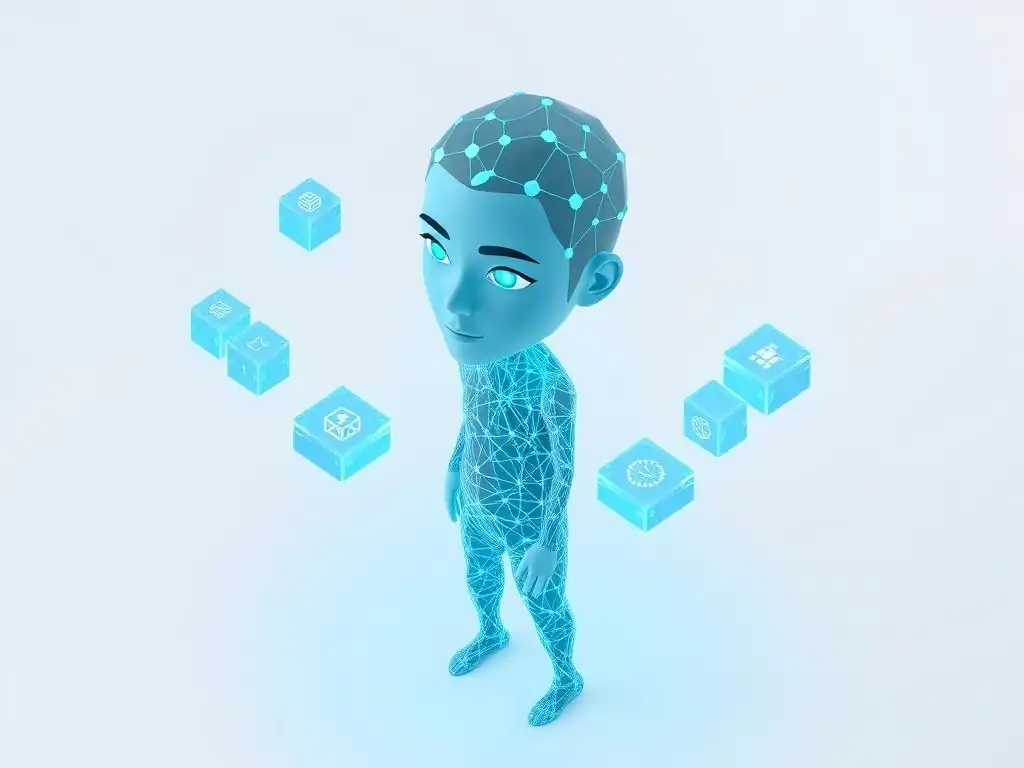
Blockchain technology is fundamental to establishing verifiable avatar identity within decentralized metaverses. In centralized systems, avatar identities are often tied to platform accounts and lack independent verification. Blockchain provides a mechanism to create persistent and verifiable digital identities that are not controlled by any single entity. This verification is crucial for establishing trust and security within decentralized virtual worlds.
Blockchain-based avatar verification typically involves associating an avatar with a unique cryptographic identity on the blockchain. This identity can be linked to NFTs representing the avatar itself or its associated assets. Through cryptographic signatures and public key infrastructure, users can prove ownership and control over their avatars without relying on centralized authorities. This verification process can be used to authenticate avatars within metaverse platforms, ensuring that users are who they claim to be and preventing impersonation or fraud. Blockchain-based verification is a cornerstone of building secure and trustworthy decentralized metaverse environments where avatar identities are reliable and protected.
Secure Ownership and Transfer of Avatar Assets
One of the key advantages of blockchain in decentralized metaverses is the ability to establish secure ownership and facilitate the transfer of avatar assets. As mentioned earlier, NFTs play a crucial role in representing ownership of digital items, including avatar clothing, accessories, and even the avatars themselves. Blockchain provides a transparent and immutable ledger to track the ownership history of these NFTs, ensuring that ownership is clear and verifiable.
This secure ownership extends to the ability to freely transfer avatar assets between users. NFT marketplaces, built on blockchain, enable peer-to-peer trading of avatar items without intermediaries. Users can buy, sell, or trade their avatar assets with confidence, knowing that ownership is securely recorded on the blockchain. This creates a vibrant and decentralized economy around avatar customization, empowering users to control and monetize their digital assets. The secure ownership and transferability of avatar assets, enabled by blockchain, are fundamental for fostering a thriving and user-centric metaverse ecosystem.
Interoperability of Avatars Across Different Metaverses
The promise of a truly open and interconnected metaverse hinges on the interoperability of avatars across different platforms. In a fragmented metaverse landscape, where avatars are locked into specific platforms, the potential for a unified and seamless digital experience is limited. Blockchain technology offers a pathway to achieve avatar interoperability, allowing users to carry their digital identities and avatars across various decentralized metaverse environments.
While still in its early stages, efforts are underway to establish standards and protocols for avatar interoperability based on blockchain. Projects are exploring methods to represent avatar data and assets in a standardized format that can be recognized and utilized by different metaverse platforms. NFTs, with their inherent portability and ownership features, are playing a key role in enabling this interoperability.
Imagine owning an avatar and its associated NFTs, and being able to seamlessly use them across Decentraland, The Sandbox, and other decentralized metaverse worlds. This level of interoperability is a crucial step towards realizing the vision of a truly interconnected and user-owned metaverse, where digital identities are portable and persistent across different virtual experiences.
Case Studies: Innovative Avatar Projects in Decentralized Metaverses
Ready Player Me: Avatar Interoperability and Cross-Platform Integration
Ready Player Me stands out as a pioneering project focused on achieving avatar interoperability across multiple metaverse platforms and applications. Unlike platform-specific avatar systems, Ready Player Me allows users to create a single, customizable avatar that can be used in a growing network of integrated games, virtual worlds, and applications. This cross-platform compatibility is a significant step towards realizing the vision of a portable and persistent digital identity in the metaverse.
Ready Player Me avatars are designed to be adaptable to different visual styles and technical requirements of various platforms. Users create their avatars through a web-based interface, often starting with a selfie for facial feature customization. Once created, the avatar can be exported and imported into participating platforms, ranging from VR games to social metaverse spaces.
Ready Player Me's approach focuses on standardizing avatar formats and providing developers with tools and APIs to easily integrate these avatars into their own projects. This initiative is contributing significantly to breaking down avatar silos and fostering a more interconnected and user-centric metaverse experience. As of late 2023, Ready Player Me boasts integration with over 9,500 applications and games, demonstrating the increasing demand for and feasibility of cross-platform avatar solutions.
Decentraland: User-Created Avatars and NFT Marketplace
Decentraland, a prominent decentralized metaverse platform, offers a compelling case study in user-created avatars and the integration of an NFT marketplace for avatar assets. Within Decentraland, users have significant freedom to customize their avatars, choosing from a range of base models and then further personalizing them with clothing, accessories, and other wearables. Crucially, many of these avatar customization items are represented as NFTs, enabling users to own, trade, and collect unique digital fashion assets.
Decentraland's marketplace is a vibrant hub for buying and selling avatar NFTs. Users can purchase clothing, accessories, and even rare avatar components created by both Decentraland itself and the broader user community. This marketplace fosters a decentralized economy around avatar customization, empowering creators to monetize their designs and users to express their individuality through unique and valuable digital assets.
The integration of NFTs into Decentraland's avatar system not only enhances customization options but also demonstrates the potential for blockchain to create new economic opportunities and empower user ownership within decentralized metaverse environments. As of 2023, Decentraland's marketplace has facilitated millions of dollars in NFT transactions, highlighting the significant value being created within this decentralized avatar ecosystem.
Challenges and Opportunities in Decentralized Metaverse Avatar Development
Technical Challenges of Cross-Platform Avatar Compatibility
Achieving seamless cross-platform avatar compatibility in decentralized metaverses presents significant technical challenges. Different metaverse platforms often utilize varying game engines, rendering technologies, and avatar animation systems. Making avatars designed for one platform function flawlessly on another requires overcoming these technical disparities and establishing robust interoperability standards.
One key challenge lies in standardizing avatar data formats and animation rigs. Different platforms may use different skeletal structures for avatars, making it difficult to transfer animations and poses seamlessly. Furthermore, variations in rendering pipelines can lead to visual inconsistencies when avatars are moved between platforms.
Addressing these technical hurdles requires collaboration and standardization efforts across the metaverse industry. Developing common avatar formats, animation standards, and rendering guidelines is crucial for enabling true cross-platform avatar compatibility. While projects like Ready Player Me are making progress, the technical complexities of achieving universal avatar interoperability remain a significant challenge for the decentralized metaverse ecosystem.
Ensuring User Privacy and Data Security
As avatars become more sophisticated and integrated with personal data, ensuring user privacy and data security becomes paramount in decentralized metaverse development. Avatars may store sensitive information about user preferences, biometrics, and even real-world identities. Protecting this data from unauthorized access and misuse is crucial for building trust and fostering user adoption of decentralized metaverse platforms.
Decentralization itself offers some inherent privacy advantages by distributing data and reducing reliance on centralized data silos. However, decentralized systems are not immune to security vulnerabilities. Smart contracts governing avatar ownership and asset management must be rigorously audited to prevent exploits.
Furthermore, users need to be empowered with control over their avatar data and have clear mechanisms for managing privacy settings. Techniques like zero-knowledge proofs and homomorphic encryption could play a role in enhancing avatar privacy within decentralized metaverses, allowing for personalized experiences while minimizing data exposure. Addressing privacy and security concerns proactively is essential for the long-term success and ethical development of decentralized avatar systems.
The Potential for New Avatar-Based Economies
Decentralized metaverse avatars are not just visual representations; they are becoming integral to new avatar-based economies within virtual worlds. The ability to own, customize, and trade avatar assets as NFTs is creating new economic opportunities for creators, users, and metaverse platforms alike. These economies are driven by the demand for unique and expressive avatars that reflect individual identity and status within virtual communities.
Creators can design and sell avatar clothing, accessories, animations, and even unique avatar base models as NFTs, generating revenue from their digital creations. Users can invest in avatar assets to enhance their digital identity and participate in virtual economies, potentially earning income by showcasing rare or valuable items. Metaverse platforms benefit from these avatar-based economies through transaction fees and the overall growth of their ecosystems.
The potential for these economies extends beyond digital fashion to encompass avatar-based services, virtual events, and even digital real estate linked to avatar identity. Developing and nurturing these avatar-based economies is a significant opportunity for decentralized metaverses to create vibrant and self-sustaining virtual ecosystems.
The Future of Decentralized Metaverse Avatars: Trends and Predictions
Increased Focus on Realistic and Expressive Avatars
The future of decentralized metaverse avatars points towards an increased focus on realism and expressiveness. As technology advances, users are demanding avatars that are not just visually appealing but also capable of conveying a wider range of emotions and nuances of human expression. This trend is driven by the desire for more immersive and authentic social interactions within virtual worlds.
Advancements in 3D scanning, facial recognition, and AI-driven animation are enabling the creation of increasingly realistic avatars that closely resemble real individuals. Furthermore, technologies like virtual and augmented reality are pushing the demand for avatars that can accurately reflect subtle facial expressions and body language, enhancing the sense of presence and emotional connection in metaverse interactions. The pursuit of more realistic and expressive avatars is not just about visual fidelity; it's about creating digital representations that can facilitate deeper and more meaningful social experiences within decentralized metaverse environments.
Integration of Biometric Data for Avatar Personalization
The integration of biometric data is emerging as a potential trend for even deeper avatar personalization in the future. Biometric data, such as facial scans, voice patterns, and even physiological responses, could be used to further customize avatars and tailor metaverse experiences to individual users. While raising privacy considerations, the potential for biometric integration to enhance avatar personalization is significant.
Imagine avatars that dynamically adapt their appearance or behavior based on a user's mood or physiological state, detected through wearable sensors. Biometric data could also be used to create highly accurate digital twins, capturing subtle nuances of an individual's appearance and mannerisms. Furthermore, biometric authentication could enhance avatar security and prevent impersonation. While ethical considerations and privacy safeguards are paramount, the integration of biometric data holds the potential to unlock new levels of avatar personalization and create more immersive and responsive metaverse experiences.
The Metaverse as a Platform for Self-Expression and Identity
Ultimately, the decentralized metaverse is becoming a powerful platform for self-expression and identity, and avatars are at the forefront of this trend. In a digital age where online presence is increasingly important, avatars offer a new medium for individuals to curate and express their identities in virtual spaces. Decentralized metaverses, with their emphasis on user ownership and control, are empowering individuals to shape their digital selves in unprecedented ways.
Avatars are no longer just game characters or online profiles; they are becoming extensions of our identities, reflecting our personalities, aspirations, and social affiliations. The ability to customize avatars with unique assets, express oneself through digital fashion, and interact with others in immersive virtual environments is transforming how we perceive and present ourselves in the digital age. The decentralized metaverse, with its focus on user-centricity and creative freedom, is poised to become a primary platform for self-expression and identity exploration in the future, with avatars playing a central and transformative role.
Conclusion: Embracing the Future of Decentralized Avatar Identity
The Transformative Potential of Personalized Avatars
Personalized avatars in decentralized metaverses hold transformative potential, extending far beyond mere cosmetic customization. They are becoming fundamental building blocks of digital identity, enabling new forms of self-expression, social interaction, and economic participation within virtual worlds. The shift towards decentralized ownership and control over avatars is empowering users and fostering a more user-centric and equitable metaverse ecosystem.
The ability to create highly personalized and expressive avatars, own unique digital assets as NFTs, and carry these identities across different platforms is reshaping the landscape of digital identity. Avatars are becoming more than just visual representations; they are evolving into dynamic and interactive digital selves, capable of conveying personality, emotion, and even intent. This transformative potential of personalized avatars is driving innovation in avatar technology, decentralized metaverse platforms, and the broader digital economy. As the metaverse continues to evolve, personalized avatars will undoubtedly play an increasingly central and transformative role in shaping our digital future.
The Importance of Community-Driven Avatar Development
The future success of decentralized metaverse avatars hinges on community-driven development. While technological advancements are crucial, the true potential of avatar customization lies in fostering creative communities and empowering users to contribute to the evolution of avatar styles, assets, and experiences. Decentralized platforms that embrace community input and participation are more likely to create vibrant and thriving avatar ecosystems.
Community-driven avatar development can take many forms, from user-generated content and open-source avatar libraries to decentralized autonomous organizations (DAOs) governing avatar standards and marketplaces. Empowering creators to design and monetize avatar assets, providing users with tools to customize and share their creations, and fostering collaborative development efforts are all crucial aspects of a community-centric approach. By embracing community-driven innovation, decentralized metaverses can unlock the full creative potential of their users and build avatar ecosystems that are diverse, engaging, and truly reflective of the collective imagination of the metaverse community.
Frequently Asked Questions
What is the significance of decentralized metaverse avatar customization?
It represents a shift towards user ownership and control over their digital identities. This avoids centralized platforms dictating how avatars look and behave, fostering greater creativity and freedom. It also opens up new economic opportunities for creators.
How does blockchain technology enable advanced avatar customization in metaverses?
Blockchain allows for the tokenization of avatar assets, ensuring verifiable ownership and scarcity. Smart contracts can automate the transfer of ownership and manage customization options. This creates a secure and transparent system.
What role does AI play in enhancing decentralized metaverse avatar customization?
AI can generate unique avatar features and styles based on user preferences. It can also be used for real-time avatar adaptation to different metaverse environments. Ultimately, AI personalizes the experience.
What are the potential regulatory challenges associated with decentralized metaverse avatar customization?
Concerns regarding intellectual property rights and the use of avatar data need to be addressed. Regulators may also need to consider the implications of digital identity verification within these decentralized environments.
Beyond aesthetics, what other functionalities can decentralized metaverse avatar customization offer?
Avatars can become dynamic representations of user data and reputation within the metaverse. They can also act as access keys to specific experiences and communities. This creates a more immersive experience.
Final Reflection: Embracing the Personalized Digital Self
The journey through the future of avatars in decentralized metaverses reveals a landscape ripe with potential, and the power of decentralized metaverse avatar customization is poised to revolutionize how we express ourselves online. No longer bound by centralized limitations, we stand on the cusp of a new era where our digital representations are truly reflections of our individual identities, fostering deeper connections and more authentic experiences within these burgeoning virtual worlds.
The ability to craft unique and personalized avatars is more than just a cosmetic feature; it's about empowering individuals to own their digital identity and express themselves freely. This shift is profoundly impacting the cultural landscape, moving us away from generic online personas towards a future where authenticity and individuality are celebrated. The metaverse is not just a place to play games or consume content; it's a place to be ourselves, to create, and to connect with others in meaningful ways.
This quote encapsulates the transformative potential of decentralized metaverse avatar customization, allowing us to build richer, more engaging virtual communities.
As we look ahead, let us embrace the opportunity to shape the future of our digital selves. Consider how you can leverage the power of decentralized metaverse avatar customization to express your unique identity, connect with others on a deeper level, and contribute to the vibrant tapestry of these emerging virtual worlds. What kind of digital self will you create, and how will you use it to build a more authentic and connected future?
Okay, here's a CTA for an article titled "The Future of Avatars in Decentralized Metaverses: Advanced Customization and AI," intended for Blockchain Trends (blockchaintrends.org):
Unleash Your Metaverse Persona!
Thank you for exploring the exciting possibilities of avatars in decentralized metaverses. We hope this article sparked your imagination about the future of digital identity and personal expression. Now, it's time to take that inspiration and turn it into action!
Here are some ways to step into the future of metaverse avatars:
- Design and conceptualize your dream metaverse avatar. Sketch it, write a description, and start thinking about the unique attributes you want to embody. This is your first step towards owning your digital self.
- Explore different decentralized metaverse platforms. Research which platforms offer the best avatar customization options and align with your interests. Maybe even try creating a basic avatar in each one to see which one feels best.
- Share your avatar vision! Discuss your ideas with friends or online communities interested in metaverses and avatars. Getting feedback and inspiration from others can elevate your creation.
What unique trait will you give your metaverse avatar that reflects your personality in a whole new way? Let us know in the comments!
Leave a Reply