
NFT Marketplaces for Virtual Worlds: A Comprehensive Guide

Welcome to Blockchain Trends, your trusted source for unraveling the revolutionary potential of blockchain technology.
Intrigued by the intersection of blockchain and the metaverse? Dive into our NFT Marketplaces virtual world guide and discover how these innovative platforms are shaping the future of digital ownership. But that's just the beginning. Explore the expanding universe of DeFi, enterprise blockchain solutions, regulatory landscapes, and much more, as we delve into the decentralized systems that are poised to redefine our world. Ready to explore?
NFT Marketplaces for Virtual Worlds: A Comprehensive Guide
- Introduction to NFT Marketplaces in Virtual Worlds
- Understanding NFT Marketplaces Specific to Virtual Worlds
- Leading NFT Marketplaces for Virtual World Assets: A Comparison
- Advantages of Dedicated Virtual World NFT Marketplaces
- Selecting the Right NFT Marketplace
- Buying and Selling NFTs: A Step-by-Step Guide
- The Future of NFT Marketplaces in the Metaverse
- Challenges and Risks
- Conclusion: Navigating the Virtual World NFT Landscape
-
Frequently Asked Questions
- What are NFT marketplaces for virtual worlds, and how do they differ from traditional NFT marketplaces?
- What types of digital assets can be traded on these NFT marketplaces?
- What are some popular examples of NFT marketplaces catering to virtual worlds?
- What are some key factors to consider when choosing an NFT marketplace for virtual worlds?
- How does blockchain technology enable the functionality of these NFT marketplaces?
- Final Reflection: Navigating the Metaverse Marketplace
- Dive Deeper: Craft Your Metaverse Masterpiece!
Introduction to NFT Marketplaces in Virtual Worlds
NFTs and Virtual Worlds: Foundations
Non-Fungible Tokens (NFTs) have emerged as revolutionary digital assets, each uniquely representing ownership of a specific item, whether digital or physical. In the context of virtual worlds, NFTs take on a particularly compelling role. They become the building blocks of these digital realms, representing everything from virtual land parcels and avatars to in-game items, clothing, and even experiences. This unique digital ownership provided by NFTs is fundamental to the concept of virtual world economies, enabling users to truly own and control their digital assets within these immersive environments.
Virtual worlds, often synonymous with the metaverse, are persistent, shared, digital spaces where users can interact with each other, the environment, and digital assets. Platforms like Decentraland, The Sandbox, and Somnium Space are prime examples, offering users the ability to explore, build, socialize, and participate in virtual economies. The convergence of NFTs and these virtual worlds creates a powerful paradigm shift, moving away from centralized control of digital assets in traditional gaming and social platforms towards user-owned and interoperable digital economies.
The Synergy of NFTs and Metaverse Platforms
The synergy between NFTs and metaverse platforms is transformative because NFTs provide the verifiable ownership and scarcity that are essential for functional digital economies. Without NFTs, digital assets within virtual worlds would often be centrally controlled, easily duplicated, and lack true ownership. NFTs solve this problem by utilizing blockchain technology to create a transparent and immutable record of ownership. This foundational layer of ownership empowers users to invest time and resources into virtual worlds, knowing they possess verifiable control over their digital creations and acquisitions.
Furthermore, NFTs facilitate interoperability between different metaverse platforms, albeit still in early stages. The vision is that an avatar skin purchased as an NFT in one virtual world could potentially be used in another, or that virtual land ownership could be recognized across multiple platforms. While full interoperability is still a developing area, the underlying technology of NFTs lays the groundwork for a more connected and user-centric metaverse experience. This potential for interoperability increases the value proposition of NFTs within virtual worlds, as assets are not confined to a single platform's ecosystem.
The Vital Role of NFT Marketplaces in Virtual World Economies
NFT marketplaces are the crucial infrastructure that underpins virtual world economies. They provide the platform for users to discover, buy, sell, and trade virtual world NFTs, effectively creating a liquid market for these digital assets. Without these marketplaces, the utility and value of NFTs in virtual worlds would be severely limited, hindering the growth of these economies. Marketplaces enable price discovery, allowing the value of virtual land, avatars, and in-game items to be determined by supply and demand within the virtual world ecosystem.
These marketplaces are not merely transactional platforms; they are also community hubs and discovery engines. They often feature curated collections, trending assets, and tools for analyzing market data, helping users navigate the often complex landscape of virtual world NFTs. The existence of robust NFT marketplaces directly contributes to the vibrancy and sustainability of virtual world economies, incentivizing content creation, platform engagement, and overall growth of the metaverse ecosystem. They are essential for fostering a thriving creator economy within these digital realms.
Understanding NFT Marketplaces Specific to Virtual Worlds
Defining Virtual World NFT Marketplaces
Virtual world NFT marketplaces are specialized platforms designed specifically for the trading of NFTs that represent assets within metaverse environments. Unlike general NFT marketplaces that might encompass art, collectibles, and music, these marketplaces focus on digital assets directly usable and relevant within specific virtual worlds. This specialization allows for a more tailored user experience, with features and functionalities geared towards the unique needs of virtual world participants.
These marketplaces often integrate directly with the virtual worlds they support. This integration can manifest in features like direct asset rendering within the marketplace interface, in-world asset usage verification, and seamless transfer of purchased NFTs to the user's virtual world account. This deep integration streamlines the user experience and enhances the utility of the marketplace within the context of the virtual world. They serve as the economic engines for their respective virtual environments.
Key Features for Metaverse Asset Marketplaces
Several key features distinguish successful virtual world NFT marketplaces. Firstly, robust filtering and search capabilities are crucial, allowing users to efficiently navigate the vast array of virtual land parcels, avatars, and in-game items. Filters might include land size, location coordinates within the virtual world, avatar attributes, item rarity, and price ranges. Effective search functionality ensures users can quickly find specific assets they are looking for.
Secondly, detailed asset previews and information are paramount. Prospective buyers need to be able to visualize virtual land plots in 3D, inspect avatar details, and understand the attributes and utility of in-game items before making a purchase. Marketplaces often incorporate 3D viewers, asset metadata displays, and even in-world asset previews to provide comprehensive information to users. Furthermore, features like price history charts, sales volume data, and rarity rankings contribute to informed decision-making for buyers and sellers.
Distinguishing Virtual World Marketplaces from General NFT Platforms
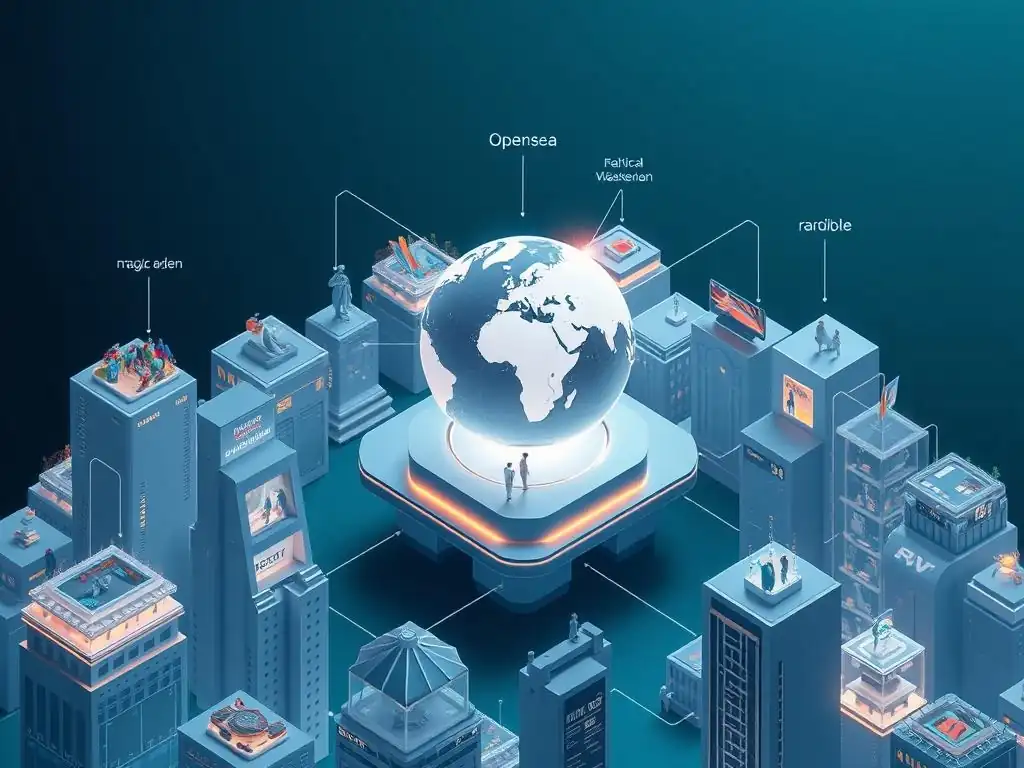
The primary distinction lies in specialization. General NFT marketplaces like OpenSea or Rarible cater to a broad spectrum of NFT types, from digital art and music to collectibles and domain names. Virtual world marketplaces, conversely, are laser-focused on assets native to specific metaverse platforms. This focus allows for a more curated and relevant user experience for individuals actively participating in those virtual worlds.
Another key difference is the level of integration with the virtual world itself. Virtual world marketplaces often have deep integrations, providing in-world context and functionality that general marketplaces cannot offer. For example, a virtual world marketplace might allow users to directly teleport to a virtual land parcel they are considering purchasing, or to preview how an avatar skin would look within the virtual environment. This level of integration enhances the user experience and facilitates a more seamless flow between marketplace activity and in-world engagement.
Leading NFT Marketplaces for Virtual World Assets: A Comparison
Decentraland Marketplace: LAND and Wearables
Decentraland's official marketplace is a primary hub for trading LAND parcels and wearables within its virtual world. LAND NFTs represent ownership of virtual plots of land, while wearables are NFTs that customize avatars. The marketplace allows users to buy, sell, and auction these assets using MANA, Decentraland's native cryptocurrency. It offers a clean interface for browsing available LAND by coordinates, district, or estate, providing previews of the land parcels and their surrounding areas.
Wearables on the Decentraland marketplace are categorized by rarity, collection, and type (e.g., hats, shirts, shoes), enabling users to easily find items to personalize their avatars. The marketplace integrates directly with the Decentraland world, allowing users to visualize LAND locations and preview wearables on their avatars. Transaction fees on the Decentraland marketplace are relatively low, typically around 2.5%, contributing to its popularity within the Decentraland community.
The Sandbox Marketplace: ASSETS, LAND, and Experiences
The Sandbox Marketplace serves as the official platform for trading ASSETS, LAND, and Experiences within The Sandbox metaverse. ASSETS are user-generated content NFTs that can be used to create games and experiences within The Sandbox Game Maker. LAND NFTs represent virtual plots of land that users can customize and monetize. Experiences, although less commonly traded as NFTs directly on the marketplace, are often showcased and promoted through the platform.
The Sandbox marketplace features a visually rich interface, highlighting featured creators and trending ASSETS. Users can filter ASSETS by category, genre, and creator, and preview them in 3D before purchase. LAND parcels are displayed on a map of The Sandbox metaverse, allowing users to browse by location and size. The marketplace uses SAND, The Sandbox's native cryptocurrency, for transactions and charges a commission fee on sales, typically around 5%.
Somnium Space Marketplace: Land and Avatars
Somnium Space's marketplace focuses primarily on LAND parcels and avatars within its virtual world. LAND NFTs in Somnium Space are highly sought after due to their varying sizes, elevations, and locations within the world. The marketplace allows users to bid on LAND parcels in auctions or purchase them directly at listed prices. Avatars, customizable 3D representations of users, are also traded as NFTs, with varying levels of rarity and customization options.
The Somnium Space marketplace stands out for its integration with secondary marketplaces like OpenSea, allowing users to trade Somnium Space NFTs across multiple platforms. While Somnium Space has its own dedicated marketplace interface, it leverages the wider NFT ecosystem for increased liquidity. Transaction fees on the native Somnium Space marketplace are generally competitive, aiming to facilitate active trading within its community. The marketplace emphasizes the scarcity and strategic locations of LAND parcels within Somnium Space, highlighting their investment potential.
NFT Worlds Marketplace: Land and Infrastructure
The NFT Worlds marketplace is unique in its focus on LAND NFTs that are designed to function as interconnected virtual world experiences built on Minecraft. Each NFT World represents a distinct Minecraft server, allowing owners to create customized gameplay experiences, communities, and economies. The marketplace facilitates the trading of these NFT Worlds, providing a gateway to owning and operating your own metaverse space built on the popular Minecraft platform.
Unlike marketplaces focusing on in-world assets like avatars or wearables, NFT Worlds marketplace centers on the ownership and development potential of entire virtual worlds. The value proposition lies in the ability to create and monetize unique Minecraft-based metaverse experiences. The marketplace often features information about the specific characteristics and development status of each NFT World, aiding buyers in assessing their potential. Transaction fees vary depending on the platform used for trading, as NFT Worlds are also traded on general NFT marketplaces.
Comparison: Features, Fees, and Asset Support
| Marketplace | Features | Fees (Approx.) | Asset Support | Native Currency |
|---|---|---|---|---|
| Decentraland | LAND & Wearables, 3D previews, MANA payments | 2.5% | LAND, Wearables | MANA |
| The Sandbox | ASSETS, LAND, Experiences, 3D previews, SAND payments | 5% | ASSETS, LAND | SAND |
| Somnium Space | LAND & Avatars, OpenSea integration, Auctions | Competitive | LAND, Avatars | CUBE |
| NFT Worlds | LAND (Minecraft Servers), Development focus | Varies | LAND (Minecraft Servers) | ETH (typically) |
Fees are approximate and can vary. Native Currency is the primary cryptocurrency used for transactions on the platform.
This comparison highlights the distinct focuses and features of each marketplace. Decentraland and The Sandbox emphasize in-world assets and user-generated content, while Somnium Space focuses on LAND scarcity and interoperability, and NFT Worlds offers ownership of entire Minecraft-based virtual worlds. Fees are generally low across these platforms, encouraging active trading, and each utilizes its own native cryptocurrency for transactions within its ecosystem, except for NFT Worlds which often uses ETH due to its Minecraft/external ecosystem.
Advantages of Dedicated Virtual World NFT Marketplaces
Improved Discovery and Search
Dedicated virtual world NFT marketplaces offer significantly improved discovery and search functionalities compared to general NFT platforms. Because they specialize in assets relevant to specific virtual worlds, their filtering and categorization are tailored to the nuances of those environments. Users can search for LAND parcels based on precise coordinates, district names, or proximity to popular locations within the virtual world. Similarly, avatar wearables can be filtered by rarity, style, and specific body parts.
General NFT marketplaces, while broad in scope, often lack the granular filtering necessary for effectively navigating the complexities of virtual world assets. Trying to find a specific type of LAND parcel in Decentraland on a general marketplace can be cumbersome and inefficient. Dedicated marketplaces streamline this process, making it easier for users to find exactly what they are looking for, enhancing the overall user experience and facilitating efficient trading.
Native Platform Integration
Native platform integration is a key advantage of dedicated virtual world NFT marketplaces. These marketplaces are often built and operated by the same teams behind the virtual worlds themselves, resulting in seamless integration between the marketplace and the in-world experience. This integration can manifest in various forms, such as direct asset previews within the marketplace, in-world asset usage verification, and one-click transfer of purchased NFTs to the user's virtual world account.
This deep integration reduces friction for users and enhances the overall utility of the marketplace. For example, a user browsing LAND parcels on a dedicated marketplace might be able to teleport directly to the location in the virtual world to get a feel for the surrounding environment. This level of integration is simply not possible with general NFT marketplaces, which lack the specific context and connection to individual virtual world platforms.
Community-Centric Trading
Dedicated virtual world NFT marketplaces foster a stronger sense of community compared to general platforms. Because they are focused on specific virtual worlds, they naturally attract users who are actively engaged in those communities. This shared interest creates a more focused and relevant trading environment, where buyers and sellers are more likely to understand the nuances and value drivers within that particular virtual world ecosystem.
These marketplaces often become hubs for community interaction, with forums, social features, and opportunities for users to connect and discuss virtual world assets. This community-centric approach can lead to more transparent and trustworthy trading environments, as users are more likely to interact with known members of their virtual world community. General NFT marketplaces, while large and diverse, can sometimes lack this sense of focused community and shared context.
Enhanced Security and Authenticity
Virtual world NFT marketplaces can offer enhanced security and authenticity, particularly when they are officially operated by the virtual world platform itself. These official marketplaces often have direct access to the virtual world's asset registry, allowing them to verify the authenticity and provenance of NFTs listed for sale. This reduces the risk of users purchasing counterfeit or illegitimate assets, a concern that can be more prevalent on general NFT marketplaces.
Furthermore, official marketplaces often implement security measures specifically tailored to the virtual world ecosystem, such as direct wallet integrations and secure transaction protocols. This focused security approach can provide users with greater confidence and peace of mind when trading virtual world NFTs, compared to relying solely on the broader security measures of general NFT platforms. The direct connection to the virtual world's infrastructure provides an added layer of security and trust.
Selecting the Right NFT Marketplace
Assessing Supported Worlds and Assets
The first step in selecting the right NFT marketplace is to assess which virtual worlds and assets it supports. If you are interested in trading LAND in Decentraland, for example, you will naturally gravitate towards marketplaces that specialize in Decentraland assets, such as the official Decentraland marketplace or reputable secondary marketplaces that actively list Decentraland NFTs. Similarly, if you are focused on collecting avatars in Somnium Space, you would look for marketplaces that cater to Somnium Space avatars.
Consider your specific interests and the virtual worlds you are engaged with. Not all marketplaces support all virtual worlds or asset types. Carefully review the marketplace's listings and documentation to ensure it offers the NFTs you are interested in buying or selling. Choosing a marketplace that aligns with your virtual world focus is crucial for a relevant and efficient trading experience.
Evaluating Transaction Fees
Transaction fees are a significant factor to consider when selecting an NFT marketplace. Fees can vary considerably between platforms, and they directly impact the profitability of your trades, especially for frequent traders or those dealing with lower-value assets. Marketplaces typically charge a percentage-based commission on sales, and these fees can range from around 2% to 5% or even higher in some cases.
Compare the fee structures of different marketplaces you are considering. Some marketplaces may have lower fees but fewer features, while others might charge higher fees but offer enhanced functionalities, security, or community features. Factor in the volume and frequency of your expected trading activity when evaluating transaction fees to determine the most cost-effective option for your needs. Lower fees can accumulate to significant savings over time, especially for active traders.
Considering Security and Reputation
Security and reputation are paramount when choosing an NFT marketplace, as you will be entrusting the platform with your digital assets and financial transactions. Opt for marketplaces with a proven track record of security and reliability. Look for marketplaces that have implemented robust security measures, such as two-factor authentication, secure wallet integrations, and protection against common NFT scams and exploits.
Research the marketplace's reputation within the NFT and virtual world communities. Read user reviews, check for any history of security breaches or negative feedback, and assess the platform's transparency and responsiveness to user concerns. A reputable marketplace with strong security measures will provide a safer and more trustworthy trading environment, protecting your assets and ensuring a positive user experience. Prioritizing security and reputation is crucial in the often-volatile NFT space.
User Experience
User experience (UX) is a critical aspect of selecting an NFT marketplace. A well-designed and intuitive marketplace will make buying, selling, and managing NFTs a smooth and enjoyable process. Consider factors such as the marketplace's interface, navigation, search functionality, and overall ease of use. A cluttered or confusing interface can lead to frustration and errors, while a clean and intuitive design enhances efficiency and user satisfaction.
Look for marketplaces that offer clear asset previews, detailed information, and user-friendly tools for filtering, sorting, and managing your NFT portfolio. Mobile compatibility is also an important consideration if you plan to trade NFTs on the go. Ideally, the marketplace should be easy to navigate for both novice and experienced NFT traders. A positive user experience contributes significantly to the overall enjoyment and efficiency of trading virtual world NFTs.
Buying and Selling NFTs: A Step-by-Step Guide
Connecting Your Wallet
The first step in buying or selling NFTs on a virtual world marketplace is connecting your cryptocurrency wallet. Most marketplaces support popular wallets like MetaMask, Trust Wallet, and WalletConnect. Connecting your wallet allows the marketplace to verify your identity and facilitate transactions on the blockchain. The process typically involves clicking a "Connect Wallet" button on the marketplace and selecting your preferred wallet from a list of options.
Follow the wallet's prompts to authorize the connection to the marketplace. Ensure you are connecting to the legitimate marketplace website and always double-check the URL to avoid phishing scams. Once your wallet is connected, your wallet address will be linked to your marketplace account, enabling you to browse, buy, and sell NFTs directly through the platform. Make sure you have sufficient cryptocurrency (e.g., ETH, MANA, SAND) in your wallet to cover transaction costs and NFT purchases.
Browsing and Searching
Once your wallet is connected, you can begin browsing and searching for NFTs on the marketplace. Most marketplaces offer various ways to discover assets, including featured collections, trending NFTs, and category-based browsing. Utilize the marketplace's search and filtering tools to narrow down your options and find specific NFTs you are interested in. Filters might include asset type, rarity, price range, and specific attributes.
Take advantage of asset previews and detailed information provided on the marketplace. Examine 3D models of virtual land or avatars, review asset metadata, and check price history charts to make informed decisions. Many marketplaces also offer sorting options, such as by price (low to high, high to low), recent sales, and popularity. Effective browsing and searching are key to finding valuable and desirable NFTs within the virtual world marketplace.
Understanding Pricing and Bidding
NFTs on virtual world marketplaces can be listed at a fixed price or offered through auctions. Fixed-price listings allow you to purchase the NFT immediately at the listed price. Auctions involve bidding against other users, with the highest bidder winning the NFT at the end of the auction period. Understand the pricing mechanisms and bidding processes of the marketplace you are using.
For fixed-price listings, ensure you are comfortable with the asking price before initiating a purchase. For auctions, determine your maximum bid and be mindful of the bidding increments and auction duration. Some marketplaces also offer "Make Offer" functionality, allowing you to submit a lower price offer to the seller, which they can choose to accept or reject. Familiarize yourself with the different pricing options and bidding strategies to effectively participate in the marketplace.
Completing Transactions
Once you have found an NFT you wish to purchase, or if you have accepted a bid for an NFT you are selling, you can complete the transaction. For purchases, click the "Buy Now" or "Place Bid" button, depending on the listing type. Your wallet will prompt you to confirm the transaction and approve the gas fees (transaction fees on the blockchain). Review the transaction details carefully before confirming, ensuring the price and gas fees are as expected.
For sales, once you accept a bid or list your NFT at a fixed price, the marketplace will guide you through the process of transferring ownership to the buyer. This typically involves signing a transaction with your wallet to transfer the NFT on the blockchain. After the transaction is confirmed on the blockchain, the NFT will be transferred to the buyer's wallet, and the funds will be deposited into your wallet (minus marketplace fees). Transaction times can vary depending on blockchain network congestion.
Managing Your Portfolio
After buying and selling NFTs, it's important to manage your portfolio effectively. Most marketplaces provide portfolio management tools that allow you to view your owned NFTs, track their value, and manage listings. Regularly review your portfolio to stay informed about your holdings and market trends. Consider using external portfolio tracking tools for a more comprehensive overview of your NFT assets across different marketplaces and virtual worlds.
Organize your NFT portfolio based on virtual world, asset type, or other relevant criteria. Keep track of purchase prices and sales history to monitor the performance of your NFT investments. Proper portfolio management helps you make informed decisions about buying, selling, and holding NFTs, maximizing your potential returns and minimizing risks in the dynamic virtual world NFT market.
The Future of NFT Marketplaces in the Metaverse
Emerging Trends: Interoperability
Interoperability is a key emerging trend in the future of NFT marketplaces for virtual worlds. Currently, most marketplaces are siloed, focusing on assets within a specific virtual world ecosystem. However, the vision of a truly interconnected metaverse necessitates greater interoperability, allowing users to utilize their NFTs across different virtual platforms and experiences. This trend is driving the development of cross-platform NFT standards and bridges.
Future NFT marketplaces are likely to embrace interoperability, enabling users to trade and utilize NFTs across multiple virtual worlds seamlessly. Imagine purchasing an avatar skin as an NFT and being able to use it in Decentraland, The Sandbox, and Somnium Space. This level of interoperability would significantly enhance the utility and value of virtual world NFTs, fostering a more open and user-centric metaverse ecosystem. Marketplaces that champion interoperability are poised to lead the next wave of metaverse evolution.
The Role of DAOs in Governance
Decentralized Autonomous Organizations (DAOs) are increasingly playing a role in the governance of NFT marketplaces, particularly within the Web3 and metaverse space. DAOs are community-governed organizations that utilize blockchain technology for transparent and democratic decision-making. In the context of NFT marketplaces, DAOs can empower users to participate in platform governance, influencing decisions related to fees, features, and future development.
The rise of DAO-governed NFT marketplaces could lead to more community-driven and equitable platforms, aligning the interests of the marketplace with its users. DAOs can also foster greater transparency and accountability, as all governance decisions are recorded on the blockchain and accessible to the community. This trend towards decentralized governance reflects the broader ethos of Web3 and the desire for user-owned and controlled digital platforms.
Impact of Layer-2 Solutions
Layer-2 scaling solutions are poised to significantly impact NFT marketplaces in the metaverse. Layer-2 solutions, such as Polygon, Arbitrum, and Optimism, are designed to improve the scalability and reduce transaction costs of blockchain networks like Ethereum. By leveraging Layer-2 solutions, NFT marketplaces can offer faster transaction speeds and significantly lower gas fees, making trading more accessible and efficient, especially for micro-transactions and high-volume trading.
The adoption of Layer-2 solutions can unlock new possibilities for virtual world NFT marketplaces, enabling features like real-time trading, fractional NFT ownership, and more complex marketplace functionalities without being constrained by high gas fees. This scalability improvement is crucial for the mass adoption of NFTs in the metaverse, making virtual world economies more vibrant and accessible to a wider audience.
Scalability and Enhanced User Experience
Scalability and enhanced user experience are paramount for the future growth of NFT marketplaces in the metaverse. As the metaverse ecosystem expands and user adoption increases, marketplaces need to be able to handle significantly larger volumes of transactions and users without compromising performance or user experience. This requires ongoing investment in infrastructure, technology, and user interface design.
Future marketplaces will likely focus on optimizing performance, streamlining the user experience, and incorporating more user-friendly features. This includes improving search and discovery, enhancing portfolio management tools, and providing seamless integrations with virtual world platforms and other metaverse applications. Marketplaces that prioritize scalability and user experience will be best positioned to thrive in the rapidly evolving metaverse landscape.
Challenges and Risks
Market Volatility
Market volatility is a significant challenge in the NFT space, including virtual world NFT marketplaces. The value of NFTs can fluctuate dramatically based on market sentiment, hype cycles, and broader cryptocurrency market trends. This volatility introduces risks for both buyers and sellers, as the value of NFTs can decline rapidly, leading to potential losses. Investors and traders need to be aware of this inherent volatility and manage their risk accordingly.
Virtual world NFTs, while representing ownership of digital assets with utility within metaverse environments, are still subject to market fluctuations. Factors like platform popularity, user adoption, and overall metaverse market sentiment can influence the value of virtual land, avatars, and in-game items. Understanding and navigating market volatility is crucial for success in the virtual world NFT market.
Security Threats
Security threats are a constant concern in the NFT space, and virtual world NFT marketplaces are not immune. Common security risks include phishing scams, wallet hacks, smart contract vulnerabilities, and rug pulls (where project developers abandon a project after raising funds). Users need to be vigilant about security best practices, such as using strong passwords, enabling two-factor authentication, and being cautious about clicking on suspicious links or interacting with untrusted smart contracts.
Marketplaces themselves also need to prioritize security, implementing robust measures to protect user funds and data. Regular security audits, secure infrastructure, and proactive monitoring are essential for mitigating security risks. Users should choose reputable marketplaces with a strong security track record and be aware of the potential security threats inherent in the NFT space.
Regulatory Landscape
The regulatory landscape surrounding NFTs and cryptocurrencies is still evolving and presents uncertainties for virtual world NFT marketplaces. Governments and regulatory bodies worldwide are grappling with how to classify and regulate these digital assets. Future regulations could impact the operation of NFT marketplaces, potentially affecting compliance requirements, taxation, and user access.
The lack of clear and consistent regulations creates uncertainty for both marketplaces and users. Marketplaces need to stay informed about evolving regulations and adapt their operations accordingly. Users should also be aware of the regulatory risks and understand that the legal and regulatory environment for NFTs and virtual worlds is still developing. Navigating this evolving landscape is a key challenge for the future of virtual world NFT marketplaces.
Risk Mitigation Strategies
To mitigate the risks associated with virtual world NFT marketplaces, several strategies can be employed. For market volatility, diversification is key. Avoid investing all your capital in a single NFT or virtual world asset. Spread your investments across different assets and platforms to reduce the impact of price fluctuations in any one area. Conduct thorough research before investing in any NFT, understanding its utility, scarcity, and the virtual world ecosystem it belongs to.
For security threats, prioritize security best practices. Use hardware wallets for storing valuable NFTs, enable two-factor authentication on marketplace accounts, and be cautious about phishing scams. Only use reputable marketplaces with strong security measures. Stay informed about common NFT scams and security vulnerabilities. For regulatory risks, stay updated on the evolving regulatory landscape and be prepared for potential changes in regulations. Engage with reputable marketplaces that prioritize compliance and transparency.
Key Insights for Buyers and Sellers
For buyers in the virtual world NFT market, key insights include understanding the specific utility and scarcity of assets within their chosen metaverse. Research different virtual worlds and their respective economies to identify valuable and desirable NFTs. Prioritize security and use reputable marketplaces. Be aware of market volatility and manage risk by diversifying your portfolio and investing responsibly.
For sellers, understanding market trends and demand for virtual world assets is crucial. Price your NFTs competitively based on rarity, utility, and market conditions. Utilize marketplace features to effectively showcase your assets and reach potential buyers. Engage with the virtual world community to promote your listings and build your reputation as a seller. Provide accurate and detailed descriptions of your NFTs to attract buyers.
NFTs and the Future of Virtual Economies
NFTs are fundamentally reshaping the future of virtual economies. They provide the foundation for true digital ownership, enabling users to control and monetize their digital assets within virtual worlds. NFT marketplaces are the critical infrastructure that facilitates the trading and exchange of these assets, fostering vibrant and user-driven virtual economies. As the metaverse evolves, NFTs and their marketplaces will play an increasingly central role in shaping the future of digital ownership and online interactions.
The continued development of interoperability, DAO governance, and Layer-2 solutions will further enhance the utility and accessibility of virtual world NFTs and marketplaces. The metaverse, powered by NFTs and robust marketplaces, has the potential to create new economic opportunities, empower creators, and revolutionize how we interact and transact in digital spaces.
Resources for Further Learning
To further your understanding of NFT marketplaces for virtual worlds, explore the official websites and documentation of leading virtual world platforms like Decentraland, The Sandbox, Somnium Space, and NFT Worlds. Engage with their respective communities on social media and forums to learn from experienced users and stay updated on market trends. Websites like CoinDesk, CoinTelegraph, and Decrypt regularly publish articles and analysis on NFTs and the metaverse.
Consider following industry experts and thought leaders on platforms like Twitter and Medium to gain insights into the latest developments and trends in the virtual world NFT space. Participate in online communities and discussions to network with other enthusiasts and learn from their experiences. Continuous learning and engagement are essential for navigating the rapidly evolving landscape of NFTs and virtual worlds.
Frequently Asked Questions
What are NFT marketplaces for virtual worlds, and how do they differ from traditional NFT marketplaces?
NFT marketplaces for virtual worlds are platforms specifically designed for buying, selling, and trading digital assets used within virtual environments. They differ from traditional marketplaces by often featuring specific integrations and tools tailored to the virtual world ecosystem.
What types of digital assets can be traded on these NFT marketplaces?
These marketplaces typically host a wide array of digital assets, including virtual land, avatars, in-game items, wearables, and even virtual experiences. The specific types vary depending on the virtual world being supported.
What are some popular examples of NFT marketplaces catering to virtual worlds?
Examples include marketplaces like OpenSea (with virtual world filters), Rarible, and dedicated platforms such as Decentraland Marketplace and The Sandbox Marketplace, each focusing on specific virtual ecosystems.
What are some key factors to consider when choosing an NFT marketplace for virtual worlds?
Consider factors like transaction fees, supported virtual worlds, security measures, user interface, and the liquidity of assets on the platform.
How does blockchain technology enable the functionality of these NFT marketplaces?
Blockchain provides the underlying infrastructure for secure and transparent transactions, ensuring ownership and provenance of digital assets through NFTs. This enables verifiable scarcity and tradability within virtual worlds.
The proliferation of NFT marketplaces within virtual worlds signifies more than just a technological trend; it represents a fundamental shift in how we perceive ownership and value in the digital age. This guide, while offering a comprehensive overview of the current landscape, ultimately highlights the burgeoning potential of these platforms to reshape economies and social interactions within the metaverse.
The impact of these marketplaces extends far beyond mere transactions. They are fostering new forms of creativity, community, and economic empowerment. Witnessing the evolution of virtual land ownership and the trading of unique digital assets underscores the profound influence these technologies will have on shaping our future interactions. The metaverse is coming, and it will affect every product, company, and person that we touch.
- Matthew Ball, Metaverse Expert. This quote encapsulates the transformative power at play, emphasizing the need for understanding and engagement.
As you navigate the ever-expanding universe of virtual worlds and NFT marketplaces, remember that you are not merely a consumer, but a potential architect of this new reality. Consider the ethical implications, the creative possibilities, and the opportunities for building a more equitable and engaging digital future. What role will you play in shaping the metaverse marketplace, and how will you contribute to its evolution?
Dive Deeper: Craft Your Metaverse Masterpiece!
Thank you for exploring the exciting world of NFT marketplaces for virtual worlds with Blockchain Trends! We hope this guide has empowered you with the knowledge to navigate and thrive in the metaverse. Ready to take the next step?
Here are a few ways to continue your journey:
- Create your first NFT asset within your favorite virtual world marketplace! Experiment, learn, and contribute to the growing metaverse economy.
- Explore lesser-known NFT platforms specializing in unique virtual world assets. You might just discover a hidden gem!
- Share this article with fellow metaverse enthusiasts and spark a discussion about the future of digital ownership. Let's build this community together!
What kind of NFT asset will you create to leave your mark on the metaverse? Share your ideas in the comments below!
Leave a Reply